In the ever-evolving landscape of digital tools and artificial intelligence, a prevailing narrative often champions the introduction of "shiny new tools" that promise to revolutionize our daily lives. However, a deeper examination reveals a contrasting reality: the average user is not clamoring for an ever-increasing arsenal of standalone applications. Instead, the true demand lies in the seamless integration of useful functionalities that align harmoniously with established mental models, offering efficiency and reducing friction in everyday tasks. This perspective is underscored by insights from Design Patterns For AI Interfaces, a comprehensive video course on UX and design patterns by Vitaly, which emphasizes the user’s need for intuitive and integrated solutions rather than novel, complex workflows.
The allure of novel technology, often marketed with buzzwords like "smart" workflows or futuristic interfaces, frequently overlooks the practical user experience. Individuals are often less impressed by navigating intricate command lines, jumping between disparate chat applications, or adopting entirely new interaction paradigms. The critical requirement is for functionalities that address problems characterized by high severity, high frequency, and a significant level of user frustration, all delivered through unobtrusive and integrated solutions. This sentiment echoes through user feedback and design critiques, highlighting a growing weariness with tools that demand considerable cognitive load and adaptation.
One of the most significant shifts in user interface design and AI implementation is the move away from "AI-first" product development towards what can be termed "Quiet AI." The concept of "AI-first" products, while potentially expediting development cycles, often fails to account for the decades of subtle yet significant design decisions that have shaped user expectations and ingrained mental models. These established patterns, honed through years of interaction with software and hardware, provide a familiar framework upon which new functionalities should ideally build, rather than attempting to dismantle and rebuild from scratch.
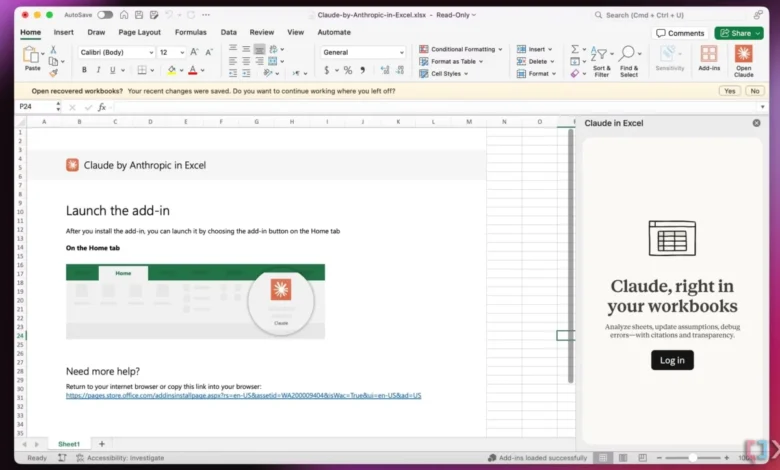
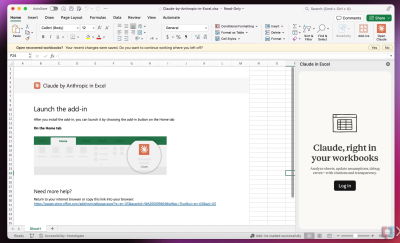
The notion of "Quiet AI," conversely, champions tools that operate largely in the background, performing essential tasks without demanding constant user attention. These invisible assistants are designed to alleviate repetitive, tedious, or frustrating aspects of a user’s workflow, integrating seamlessly into existing processes. A prime example of this approach is the integration of AI assistants like Claude within productivity suites such as Microsoft Excel, PowerPoint, and Word. This allows users to leverage AI capabilities for tasks like data analysis, content summarization, or text refinement directly within the familiar environment of these applications, thereby avoiding the disruption of switching between multiple tools. Such integrations address the core user need for enhanced productivity without introducing new learning curves or complicating existing workflows.
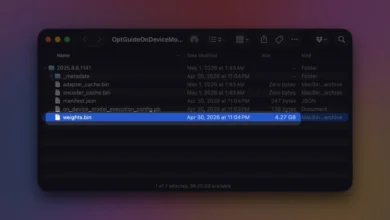
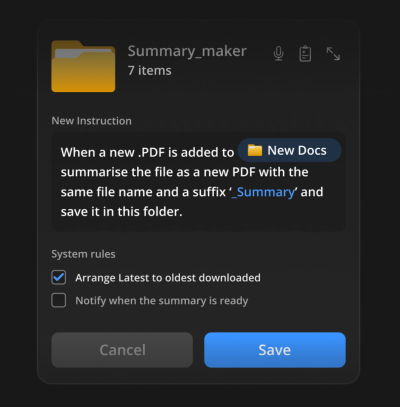
The development of "Folder Instructions for AI Actions" exemplifies this principle of seamless integration. This innovative concept, detailed in Karthikeya GS’s article "Folder Instructions: Instructions For System-Level AI," proposes a method where users can define the intended purpose and behavior of folders. Instead of manually managing file organization and subsequent actions, users can set explicit instructions for how a folder should operate. This includes specifying file organization protocols, sub-folder behaviors, and automated actions that should occur within that folder’s scope. The system then autonomously executes these instructions, acting as an intelligent agent tailored to the user’s specific needs.
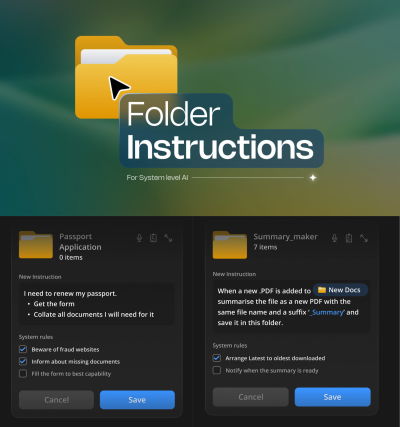
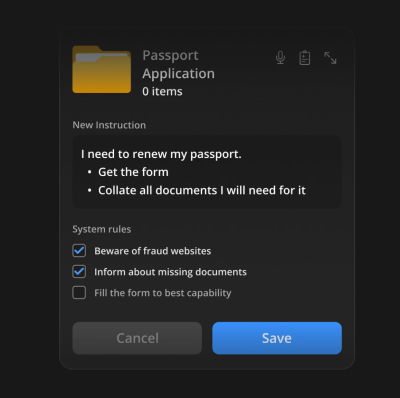
This approach represents a powerful application of "Quiet AI," where the intelligence is embedded within a familiar organizational structure—the folder. For instance, a user might create a "Passport Application" folder and define instructions for it. These instructions could dictate that any scanned document uploaded to this folder should be automatically categorized, relevant fields extracted for a passport renewal form, and a notification sent upon completion. This eliminates the need for users to manually sort files, remember specific data points, or initiate subsequent processing steps. The AI functions as an invisible assistant, performing these tasks in the background, aligned with the user’s intent for that specific folder.
The implications of such a system are far-reaching. It addresses the inherent inefficiency and potential for errors associated with manual file management and task execution. By defining the intent of a folder once, users empower the system to maintain order and perform complex operations consistently. This is particularly valuable for recurring tasks or processes that involve multiple steps and require a high degree of precision. The "Folder Instructions" concept leverages established mental models of file organization, making the introduction of AI capabilities feel natural and intuitive rather than alien and imposed.
Data from user experience research consistently points to the significant impact of friction in digital interactions. A study by the Nielsen Norman Group, for example, highlighted that even a delay of one second in page load time can lead to a 7% reduction in conversions. While this relates to web performance, the underlying principle applies to all digital interactions: any unnecessary delay, cognitive load, or procedural complexity detracts from the user’s experience and efficiency. Integrating AI features directly into existing workflows, as advocated by the "Quiet AI" and "Folder Instructions" paradigms, directly combats this friction.
Consider the impact on professionals who regularly deal with large volumes of documents. For instance, legal professionals often manage case files containing hundreds or thousands of documents. Manually organizing these, extracting key information, and preparing summaries can consume an inordinate amount of time. A "Folder Instruction" for a specific case could automate the process of identifying and tagging relevant legal precedents, extracting key dates and names from contracts, or generating initial drafts of case summaries. This not only saves time but also reduces the risk of human error in critical tasks.
Similarly, in academic research, a folder designated for a specific research project could be instructed to automatically download relevant papers from subscribed journals, categorize them by topic, and even generate preliminary bibliographies. This allows researchers to focus on the intellectual work of analysis and discovery rather than the logistical burdens of information management. The timeline for adoption of such integrated AI solutions is likely to accelerate as users become more accustomed to the benefits of "Quiet AI" and developers prioritize user-centric design patterns that leverage existing mental models.
The broader implications of this shift are significant for the future of software development and user interface design. It suggests a move away from feature-driven development, where the introduction of new capabilities is the primary goal, towards experience-driven design, where the focus is on enhancing existing user journeys. This approach not only leads to more effective and user-friendly products but also fosters greater user adoption and satisfaction. The trend towards integrated AI is not merely a technological advancement; it represents a fundamental rethinking of how users interact with technology to achieve their goals.
The argument against an overabundance of standalone tools is further bolstered by the economic realities of software development and user adoption. Developing and maintaining a multitude of specialized tools requires significant resources. For users, the cost of acquiring, learning, and managing multiple subscriptions and interfaces can be prohibitive. Seamless integrations, on the other hand, offer a more sustainable and efficient model, delivering value by augmenting existing investments rather than demanding new ones.
As the digital landscape continues to evolve, the emphasis on seamless integration and the "Quiet AI" philosophy is likely to become the standard for successful user experience design. The success of platforms that prioritize these principles, such as the aforementioned Claude integrations within Microsoft Office, or the conceptual framework of "Folder Instructions," points towards a future where AI is not a separate entity to be managed but an invisible, helpful layer woven into the fabric of our digital lives. This approach ensures that technology serves to empower users by reducing frustration and enhancing efficiency, rather than adding to the complexity of their daily routines.
The journey towards this integrated future is being actively shaped by experts and educators. Vitaly’s "Design Patterns For AI Interfaces" video course, for instance, serves as a valuable resource for designers and developers seeking to understand and implement these user-centric principles. By offering hundreds of real-life examples and UX guidelines, the course aims to equip professionals with the knowledge to create AI features that are not only functional but also intuitive and genuinely useful to end-users. The upcoming live UX training session further underscores the commitment to advancing this critical area of interface design.
In conclusion, the user’s need is not for more tools, but for smarter, more integrated solutions. The future of digital interaction lies in the seamless embedding of useful AI capabilities into familiar environments, aligning with established mental models and reducing friction. This approach promises to unlock greater productivity, reduce user frustration, and ultimately lead to more effective and satisfying digital experiences. The insights from "Quiet AI" and conceptual frameworks like "Folder Instructions" offer a clear roadmap for achieving this goal, ensuring that technology truly serves to augment human capabilities rather than complicate them.