Decoding the 2026 Social Media Algorithm Landscape and Its Impact on Digital Strategy

Social media algorithms act as the invisible architects of the modern digital experience, serving as complex, machine-learning-driven systems that dictate the visibility of content for billions of users worldwide. As of 2026, these algorithms have moved beyond simple chronological sorting to become highly sophisticated recommendation engines designed to maximize user retention, engagement, and time-on-platform. For organizations and individual creators alike, understanding these systems is no longer optional; it is the fundamental requirement for achieving organic reach in an increasingly saturated digital environment.
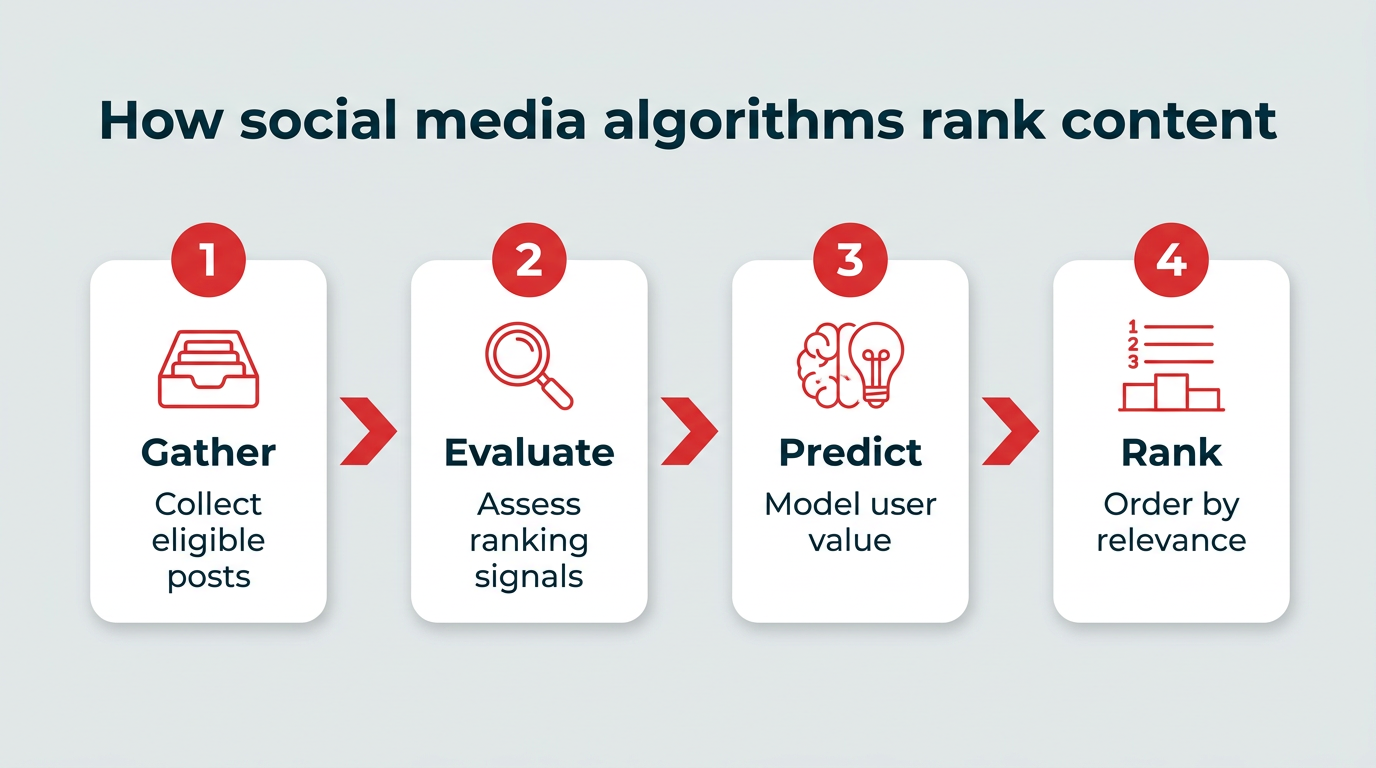
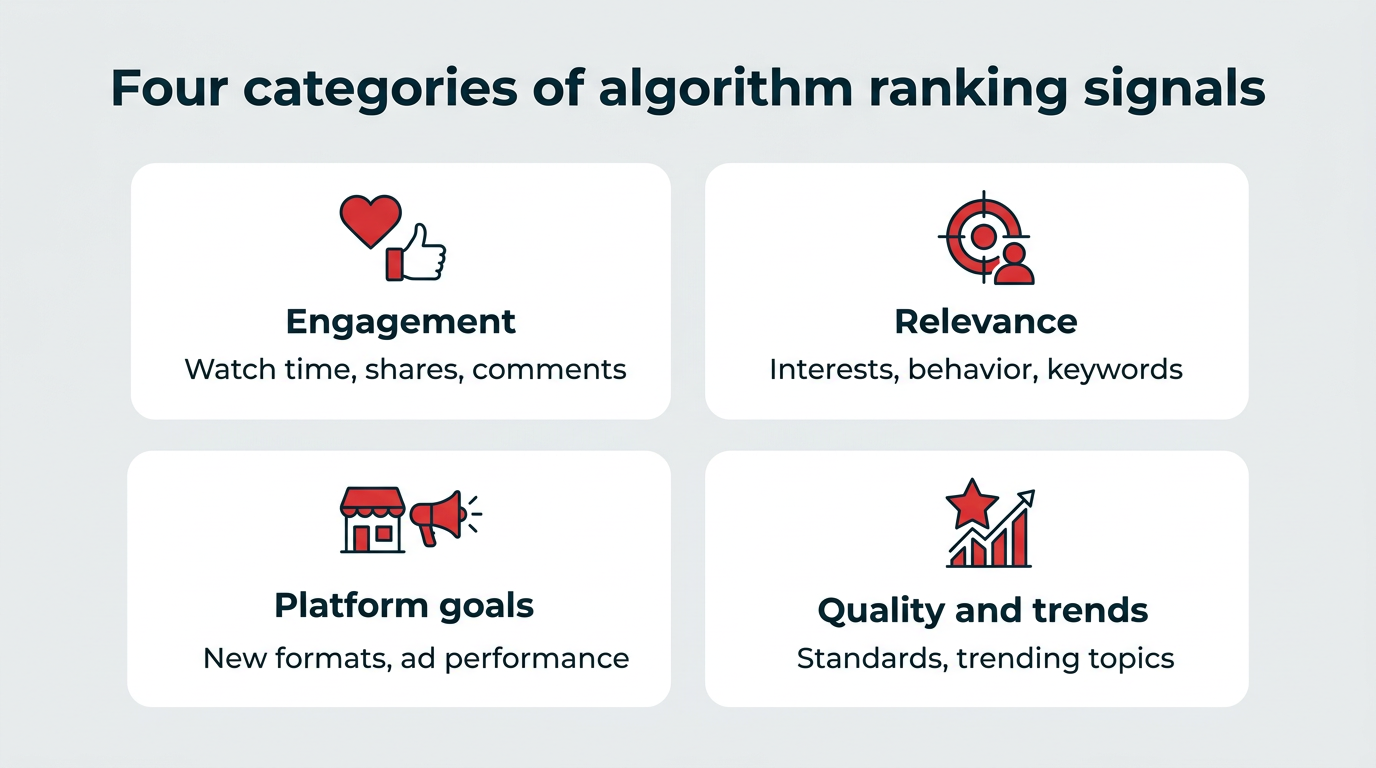
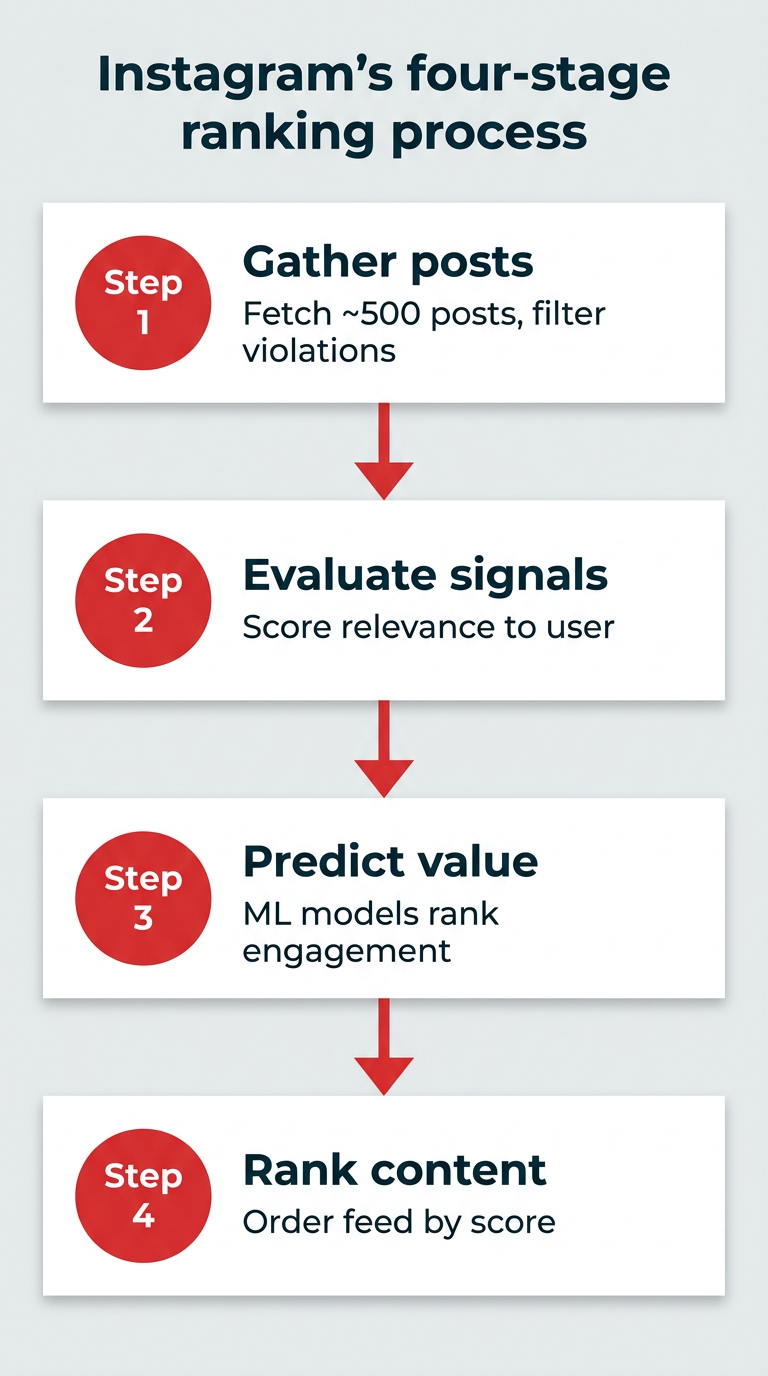
The fundamental function of a social media algorithm is to curate a personalized feed from an ocean of potential content. When a user opens an application, the platform performs a series of rapid calculations—often in mere milliseconds—to select the most relevant posts from thousands of candidates. This process involves gathering eligible content, filtering out policy-violating material, and scoring the remaining items against thousands of ranking signals. The goal is not to show the newest content, but to predict with high probability what a specific user will find valuable enough to interact with, watch, or share.
The Evolution of Algorithmic Logic
The history of these systems can be segmented into four distinct eras, reflecting the maturation of machine learning and consumer expectations. The first era, the Chronological Period, relied on simple time-stamped delivery. This was followed by the Engagement Era, where platforms began prioritizing posts based on the number of likes, comments, and shares. The third stage, the Interest-Based Era, introduced machine learning to infer user preferences based on broader behavioral patterns. We are currently in the fourth phase: the Predictive Discovery Era. In this stage, algorithms use generative AI and deep learning to serve content from accounts a user does not follow, focusing on "predicted value" rather than historical connections.

This shift has profound implications for digital marketing. Content is no longer just competing with a user’s direct network; it is competing with the entire global catalog of relevant media. Consequently, the quality of content and its ability to capture attention in the first three seconds have become more critical than posting frequency.
Platform-Specific Ranking Signals
While the core logic of "gathering, scoring, and ranking" remains consistent across the industry, the specific weightings vary by platform, reflecting the unique goals of each network.
Instagram and Meta Ecosystems
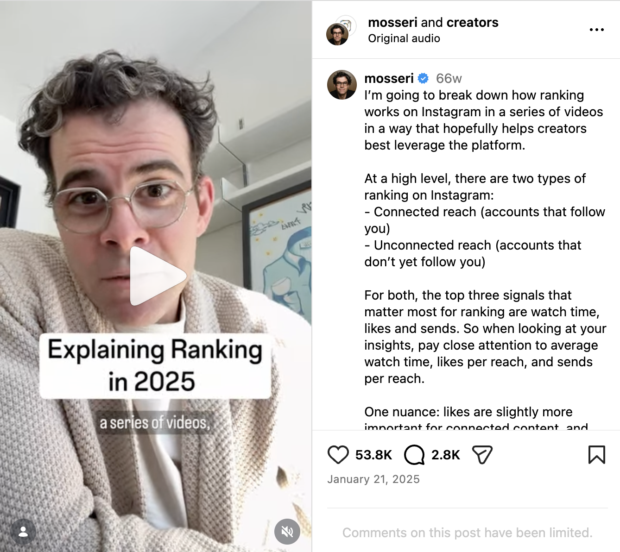
On Instagram, the ranking hierarchy is bifurcated between connected and unconnected reach. For posts shown to followers, likes remain a primary signal. However, for discovery-based features like Reels and the Explore tab, "sends" and "watch time" have emerged as the most significant metrics. Adam Mosseri, Head of Instagram, has repeatedly emphasized that the platform’s objective is to foster "meaningful connections" and discovery. The algorithm processes content through a four-stage funnel: candidate generation, lightweight filtering, scoring, and re-ranking for diversity.
TikTok’s Discovery Engine
TikTok remains the benchmark for discovery-based algorithms. Its "For You" page (FYP) is specifically engineered to bypass the need for a social graph. The primary ranking signals are completion rate and re-watch rate. By prioritizing short-form video that keeps the user within the application, TikTok effectively turns content into a commodity of entertainment, where the creator’s follower count is secondary to the immediate performance of the individual video.
Professional and Community-Centric Platforms
LinkedIn has evolved its algorithm to prioritize "knowledge and advice." In 2026, the platform heavily favors content that generates meaningful comments within the first hour of publication. Unlike the entertainment-first approach of TikTok, LinkedIn rewards professional relevance and topical authority. Conversely, platforms like Reddit continue to lean on community moderation. On Reddit, the algorithm is subservient to the "upvote" and the specific rules established by subreddit moderators, making it a unique hybrid of algorithmic curation and human governance.
Economic and Business Implications
For enterprise-level brands, the reliance on these algorithms presents a volatile landscape. When an algorithm shifts, organic reach can evaporate overnight. This makes "algorithm-agnostic" strategies—such as building email lists, owned websites, and community forums—essential risk-mitigation tactics.
Data from the 2025-2026 digital landscape indicates that users spend approximately 141 minutes per day on social media. For a brand, securing even a fraction of those minutes requires a deep understanding of the platform’s "preferred" format. For instance, while a brand might repurpose a video across platforms, a failure to adapt the "hook" to the specific norms of the platform—such as the rapid-fire style of TikTok versus the narrative-driven style of YouTube—will result in lower algorithmic scoring and decreased visibility.
Strategic Optimization for 2026
To navigate this environment, marketing teams are advised to adopt a five-pillar strategy:
- Prioritize Watch Time: Regardless of the platform, the amount of time a user spends with a piece of content is the strongest signal of value.
- Encourage "Sends" and "Shares": Social signals that indicate high personal value—such as sending a post to a friend via private message—are increasingly weighted as the gold standard for reach.
- Engage Early: The velocity of engagement in the first 60 minutes after posting acts as a multiplier for subsequent distribution.
- Format for the Platform: Avoid "cross-platform laziness." Content that includes watermarks from competing apps is frequently throttled by algorithms.
- Data-Driven Iteration: Use platform-native analytics to track reach, engagement rate, and share rate. If a format experiences a sudden drop in performance, it is often a signal that the algorithm has updated its preferences.
The Role of AI in Future Ranking
Artificial Intelligence is the engine behind the current state of social media. Machine learning models are now capable of analyzing the visual and auditory content of a video—detecting objects, speech, and sentiment—without relying solely on captions or hashtags. This means the algorithm "understands" what a video is about at a granular level, allowing it to match content with users based on deep psychological profiles rather than surface-level tags.
As platforms continue to refine these models, the gap between high-performing content and low-performing content will likely widen. The "winner-take-all" effect, where viral content receives a disproportionate amount of impressions, is an inherent feature of these predictive systems.

Conclusion
In 2026, the social media algorithm is both a gatekeeper and a growth catalyst. For organizations, success depends on moving away from a "post-and-pray" methodology toward a data-informed approach that treats the algorithm as a partner. By focusing on universal signals—relevance, watch time, and genuine audience interaction—brands can build resilient strategies that withstand the frequent updates that characterize the social media industry. Understanding these systems is the difference between broadcasting into a void and participating in the curated feeds that define modern human attention.
Related posts: