This week’s installment of new services for merchants includes updates on cross-channel marketing, B2B commerce, agentic marketing, shoppable media, payments, product descriptions, AI-powered ecommerce, and predictive behavioral intelligence.
The e-commerce sector continues its rapid evolution, driven by technological advancements and an increasing demand for seamless, intelligent, and personalized shopping experiences. Merchants are finding themselves at the forefront of a digital transformation, with a constant influx of new tools and platforms designed to enhance efficiency, broaden reach, and deepen customer engagement. This latest wave of product releases highlights a significant shift towards AI-driven solutions, agentic capabilities, and integrated commerce strategies that span across multiple channels. From sophisticated B2B marketplaces to AI assistants that manage customer support, the industry is witnessing an acceleration in innovation aimed at optimizing every facet of the online retail operation.
Revolutionizing B2B Commerce and Supply Chains
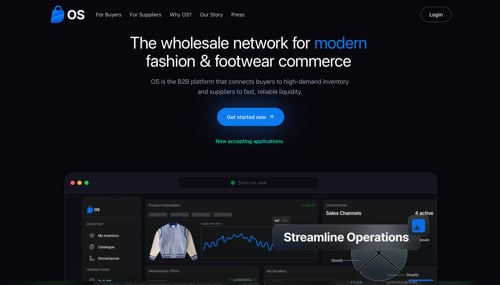
The wholesale fashion and footwear network, OS Group, has taken a significant step forward with the launch of its proprietary B2B ecommerce marketplace. This innovative platform aims to provide qualified retailers and business buyers with centralized access to high-demand sneakers and streetwear, available for immediate wholesale purchase and fulfillment. The marketplace’s strategic importance lies in its ability to streamline the sourcing process for businesses, offering access to globally recognized brands such as Nike, Adidas, and ASICS. This development is particularly impactful in a market often characterized by complex supply chains and fragmented distribution networks. By centralizing access and facilitating direct wholesale transactions, OS Group is positioning itself as a key facilitator in the secondary consumer markets, addressing the growing demand for authenticated and readily available premium streetwear. The platform’s design anticipates a future where businesses can efficiently manage their inventory needs, reducing lead times and improving responsiveness to market trends.

Further underscoring the trend in specialized B2B solutions, DropsyneX has announced the global expansion and debut of its new AI-powered e-commerce system. This comprehensive, one-stop platform integrates live commerce, merchant services, and global logistics, including a global warehouse network, smart inventory and warehouse management, and virtual livestream commerce. The AI-powered livestream commerce tool is designed to automate product promotion, significantly increase conversion rates, and reduce reliance on manual operational teams. This move signifies a broader industry effort to leverage AI for optimizing cross-border e-commerce, a segment that has seen substantial growth but also presents unique logistical and operational challenges. DropsyneX’s integrated approach aims to simplify these complexities for merchants operating on a global scale.
The Rise of Agentic Marketing and Shoppable Media
The concept of "agentic" systems, which leverage AI to act autonomously on behalf of users, is rapidly permeating the e-commerce space. Ampd has launched its agentic shoppable media, a groundbreaking solution designed to create a frictionless shopper journey. This technology connects shoppers directly to their preferred retailer, ensuring they are fully logged in and ready for purchase. Brands can now input and maintain fair-share gross-merchandise allocations across their retail partners, such as Amazon, Walmart, and Target, while maximizing the likelihood that shoppers land in their preferred ecosystem. A key feature is the ability for brands to create a single link that serves all retailers, simplifying campaign management and attribution. This innovation addresses a long-standing challenge in digital advertising: the disconnect between brand advertising and the final purchase. By embedding commerce directly into media, Ampd is paving the way for a more integrated and effective marketing ecosystem.
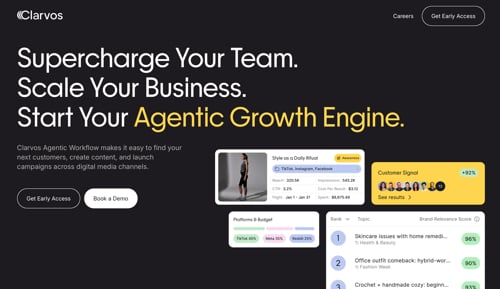
Complementing this, Clarvos has introduced an agentic workflow platform specifically designed to empower small and medium-sized businesses (SMBs) in planning, creating, and running marketing campaigns. The Clarvos Agentic Workflow orchestrates campaign strategy, creative generation, and activation across major platforms like Google, Meta, and TikTok. It utilizes AI to simulate customer responses, compare campaign options, and guide the setup process. This tool democratizes advanced marketing capabilities, making sophisticated campaign management accessible to businesses that may lack dedicated marketing teams or extensive resources. The ability to simulate outcomes and optimize strategies before deployment represents a significant advancement in campaign efficiency and effectiveness.
Airship is expanding its AI Agent Fleet, enhancing its mobile-first customer experience platform with new conversational interfaces. The Campaigns AI Agent is designed for automation and acceleration of marketing efforts, while the Native Experience AI Agent can build app and web experiences from text descriptions or image uploads. The Journeys AI Agent focuses on creating and refining complex, multichannel customer journeys. This expansion signifies a move towards more intuitive and intelligent management of customer interactions across various touchpoints. By enabling the creation of dynamic and personalized experiences through natural language interfaces, Airship is helping brands foster deeper relationships with their customers.
AI-Powered E-commerce and Predictive Intelligence
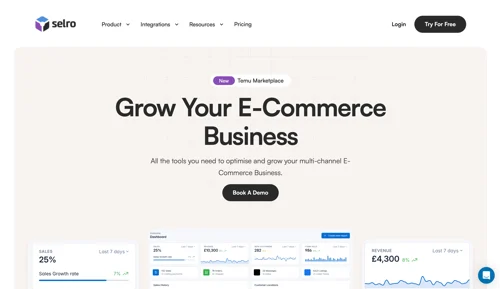
The integration of Artificial Intelligence into core e-commerce functions continues to accelerate. Selro, a multichannel e-commerce management platform, has launched an AI-powered product description generator. This feature allows users to create product titles, descriptions, and summaries directly from existing product data, images, or title snippets, streamlining the listing process across large catalogs and multiple sales channels. The ability to generate compelling and accurate product descriptions quickly is crucial for SEO and customer engagement, and this AI tool promises to significantly reduce the time and effort involved.
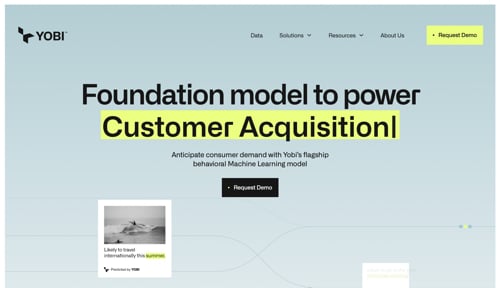
Yobi, a behavioral AI company, has partnered with Microsoft to unlock predictive consumer intelligence for enterprises. Their solution, built on the Microsoft Azure platform, utilizes a consented consumer database to provide ethical access to behavioral datasets for predictive AI models. Yobi’s model analyzes real-world data such as purchases, store visits, and marketing conversions to understand and predict consumer intent. This partnership aims to equip businesses with deeper insights into consumer behavior, enabling them to personalize outcome modeling around key metrics and strategic priorities. Such predictive capabilities are vital for businesses seeking to stay ahead of market trends and anticipate customer needs.
In a similar vein, Yuma AI has launched "Ask Yuma," a conversational AI interface designed to manage e-commerce customer support operations. Built directly into the Yuma dashboard, this feature allows merchants to manage their support automation through natural language commands. Customer experience teams can build, investigate, and optimize their automation in real-time by simply asking Yuma questions about tickets, automations, knowledge base performance, and brand voice. This intuitive approach to customer support automation can significantly improve response times and enhance customer satisfaction.
Zendrop is also pushing the boundaries with its new Model Context Protocol (MCP) server, which connects AI assistants like Claude and ChatGPT directly to a merchant’s live store data. Merchants can granularly control what AI assistants can read or write, ranging from catalog browsing to order management, with built-in rate limiting for high-volume stores. This integration is available to all Zendrop merchants and works with any AI assistant that supports MCP, offering a flexible and powerful way to leverage AI for store management. This development marks a significant step towards integrating AI agents directly into the operational fabric of e-commerce businesses.
Streamlining Payments and Cross-Channel Operations
The payment ecosystem is also experiencing significant innovation. PayPal has extended its payment links to Canva creators, enabling them to seamlessly integrate PayPal checkout options into their designs. Canva users can now create payment links or QR codes and add PayPal, Venmo, and PayPal Pay Later to their digital or printed designs, facilitating in-person and online payments across various platforms. This integration simplifies the conversion of creative assets into revenue-generating tools.
Visa has unveiled Intelligent Commerce Connect, a platform designed to enable businesses to participate in AI-powered commerce. Through a single integration via the Visa Acceptance Platform, this service facilitates secure payment initiation, tokenization, spend controls, and authentication. It integrates Visa Intelligent Commerce APIs with other networks’ APIs, allowing AI agents to make purchases using both Visa and non-Visa cards. This move by Visa signifies a strategic push towards enabling secure and controlled transactions within the burgeoning field of AI-driven commerce.
BlytzPay has introduced Blytz, an intelligent payments and collections platform encompassing BlytzPay, BlytzCollect, and BlytzCash. BlytzPay focuses on text-first, bankless payments, while BlytzCollect utilizes AI-driven voice and text payment links to automate outreach and improve on-time payments. BlytzCash expands payment options by enabling customers to pay in cash at a network of retailers. This multi-faceted approach aims to address diverse customer payment preferences and improve collection efficiency.
Enhancing Cross-Channel Management and Product Data
For businesses operating across multiple sales channels, effective inventory and product management are paramount. Katana has launched a unified platform, positioned as a modern merchant operating system, designed for brands selling across various channels. This announcement coincides with the launch of Katana’s native Amazon FBA integration, enabling synchronized inventory management between FBA stock and Katana, alongside multi-marketplace support and a product mapping system. The platform also offers native connections to popular e-commerce and accounting software like Shopify, WooCommerce, QuickBooks, and Xero, providing a holistic solution for omnichannel retailers.
Analyzing the Broader Impact and Future Implications
The current wave of product releases underscores several key trends shaping the future of e-commerce. Firstly, the pervasive integration of AI is moving beyond basic automation to sophisticated predictive capabilities and autonomous agentic functions. This suggests a future where AI plays an increasingly central role in strategic decision-making, customer engagement, and operational efficiency. Secondly, the emphasis on unified commerce and cross-channel management highlights the ongoing need for seamless integration across all touchpoints of the customer journey. Merchants are seeking platforms that can provide a cohesive experience, whether online, in-app, or in-person.
The growth of specialized B2B platforms and the simplification of cross-border logistics indicate a maturing e-commerce landscape that caters to increasingly diverse business needs. Furthermore, innovations in payment solutions, from AI-driven collections to seamless integration with design tools, are making transactions more fluid and accessible.
Looking ahead, the focus on ethical data usage, as exemplified by Yobi’s partnership with Microsoft, will likely become a critical differentiator. As AI systems become more powerful, ensuring consumer privacy and consent will be paramount. The ongoing development of agentic systems also raises questions about the future of human involvement in commerce, suggesting a collaborative model where AI augments human capabilities rather than replacing them entirely. Merchants who can effectively harness these new tools and adapt to these evolving trends will be best positioned for success in the increasingly dynamic and competitive e-commerce environment. The continuous stream of innovation ensures that the tools available to merchants are constantly improving, offering new avenues for growth and customer satisfaction.