The Convergence of PR and SEO: Building Brand Authority in the Age of AI

For years, Public Relations (PR) and Search Engine Optimization (SEO) operated as distinct, often siloed, disciplines within the marketing and communications landscape. However, the rapid evolution of search engine algorithms, particularly the increasing reliance on third-party signals by giants like Google, and the advent of sophisticated Large Language Models (LLMs), have rendered this traditional separation untenable. Today, brands cannot afford to keep these critical functions in isolation; their synergistic potential is essential for achieving robust online visibility and establishing lasting authority.

The fundamental reason for this convergence lies in how modern search and AI systems assess credibility and relevance. Both Google’s search algorithms and LLMs depend on a complex web of external validation to determine which brands and content deserve prominence. These signals include backlinks from reputable websites, brand mentions across various platforms, expert commentary from recognized authorities, and coverage within trusted publications. Both PR and SEO are powerful engines for generating these vital signals, yet many organizations continue to operate these teams independently, leaving significant opportunities for building authority on the table.
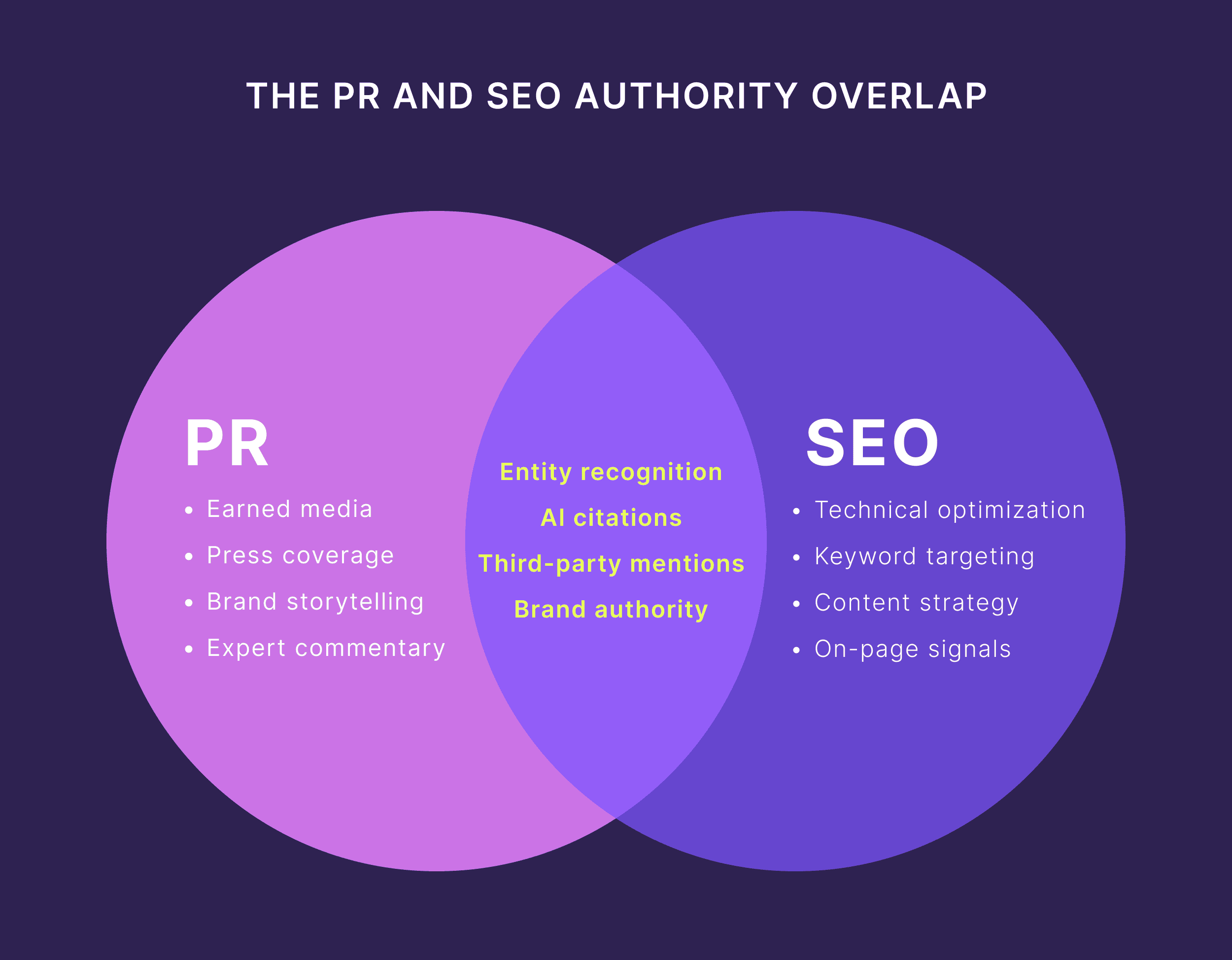
When these departments do engage, it’s often with a narrow focus, where PR is viewed primarily as a means to an SEO end – a channel for acquiring backlinks rather than a strategic partner. This limited approach fails to leverage the full spectrum of benefits that a truly integrated PR and SEO strategy can deliver. The real power, and the most substantial gains in brand authority, emerge when these teams function as a cohesive unit, sharing intelligence and collaborating on initiatives. This article outlines a five-step playbook for transforming PR and SEO into a continuous, powerful engine for building brand authority, informed by insights from digital PR experts.
Step 1: Align PR and SEO Research for Shared Intelligence
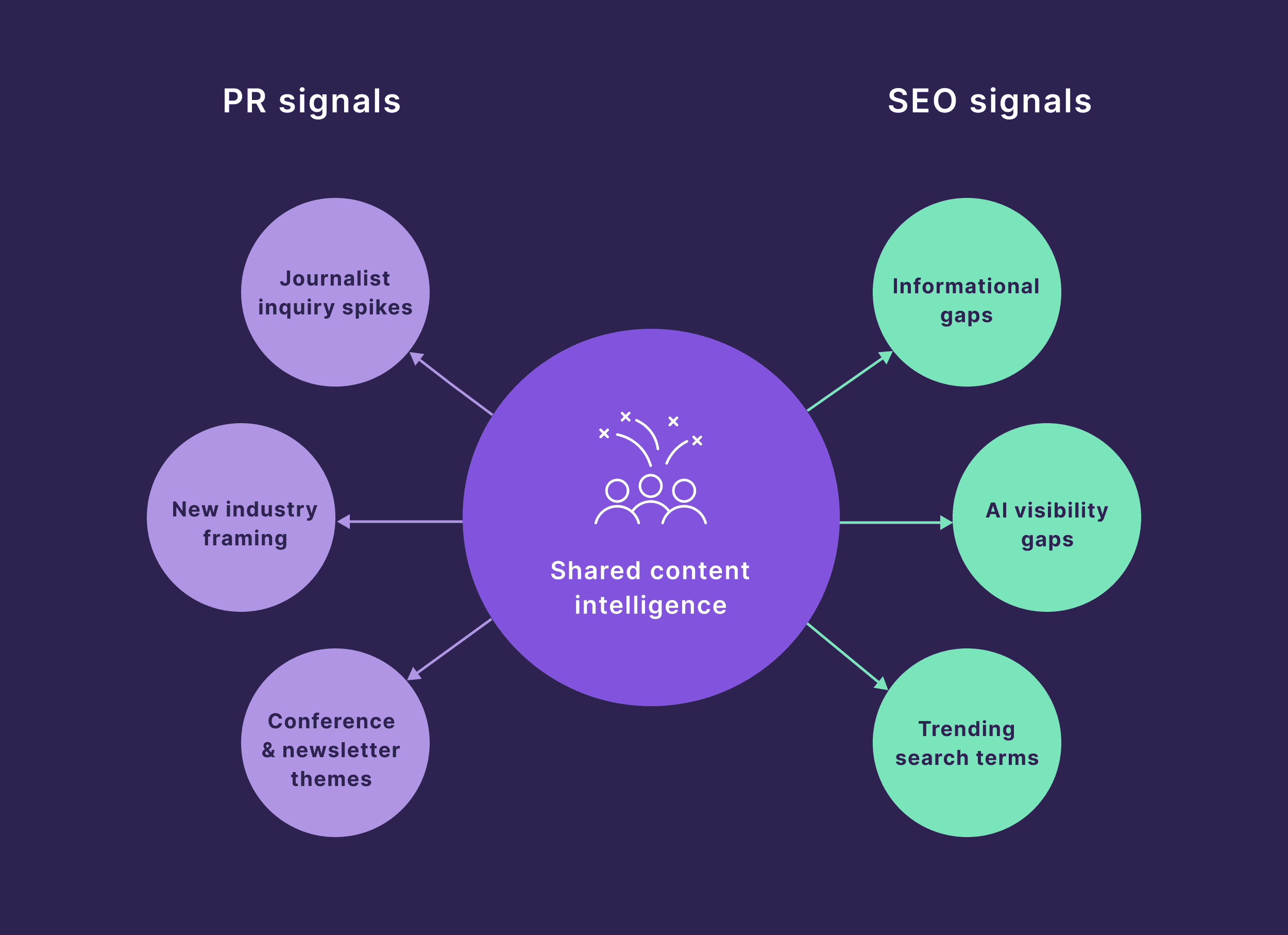
An effective, always-on partnership between PR and SEO begins with the foundation of shared intelligence. Without this cross-pollination of data and insights, predictable gaps in strategy and execution are almost inevitable. The most significant authority wins are not achieved when PR and SEO operate in their own lanes; they are born from each team contributing unique perspectives that shape content angles, the creation of assets, and strategic placements.
For PR professionals, key insights might include identifying a sudden surge in journalist inquiries or media coverage around a particular topic, observing a new phrase or framing gaining traction among industry influencers, or recognizing recurring themes across newsletters, conferences, or trade publications. These indicators often precede shifts in search interest and can signal emerging content opportunities.
Britt Klontz, a digital PR consultant and founder of Vada Communications, emphasizes that the most impactful results stem from integrating PR and SEO strengths from the very inception of an idea. "The strongest results come when PR and SEO combine their strengths at the ideation stage," Klontz states. To foster this collaboration, establishing regular channels for PR to share these critical insights with SEO teams is paramount. This can be facilitated through shared Slack channels, collaborative spreadsheets, or dedicated agenda items in regular team meetings.
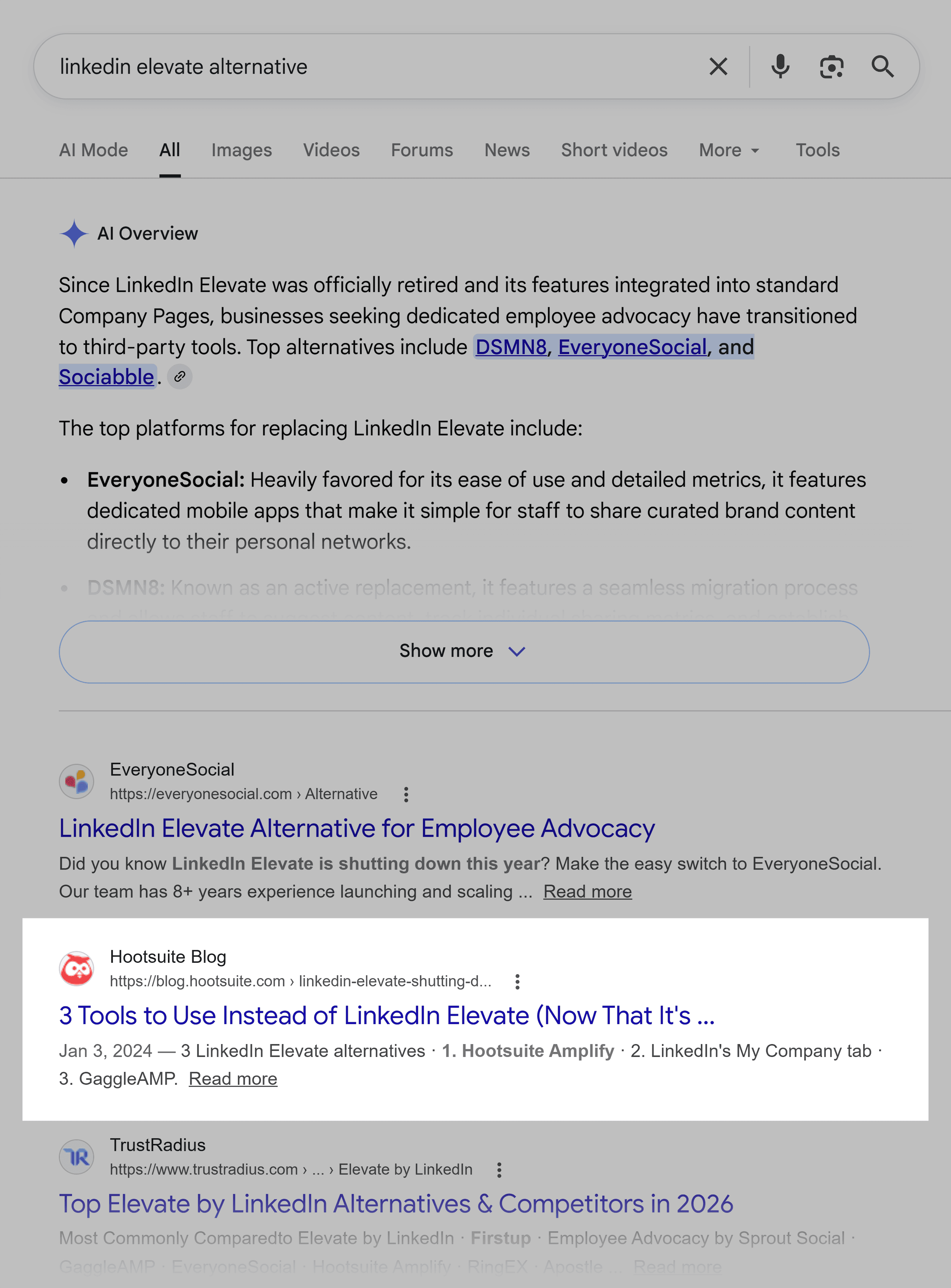
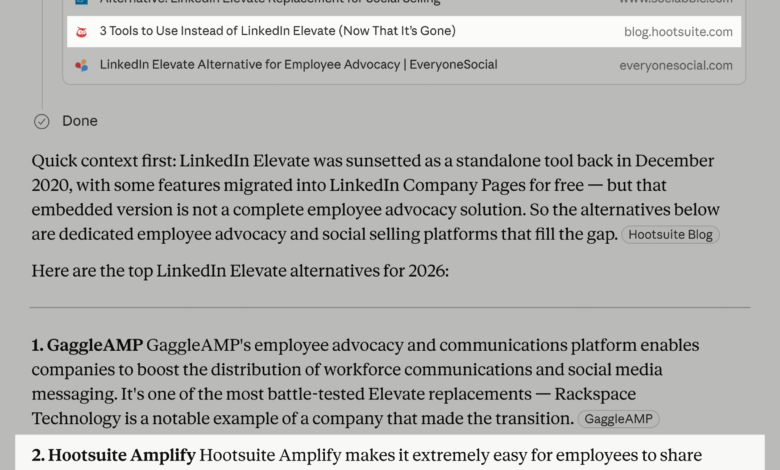
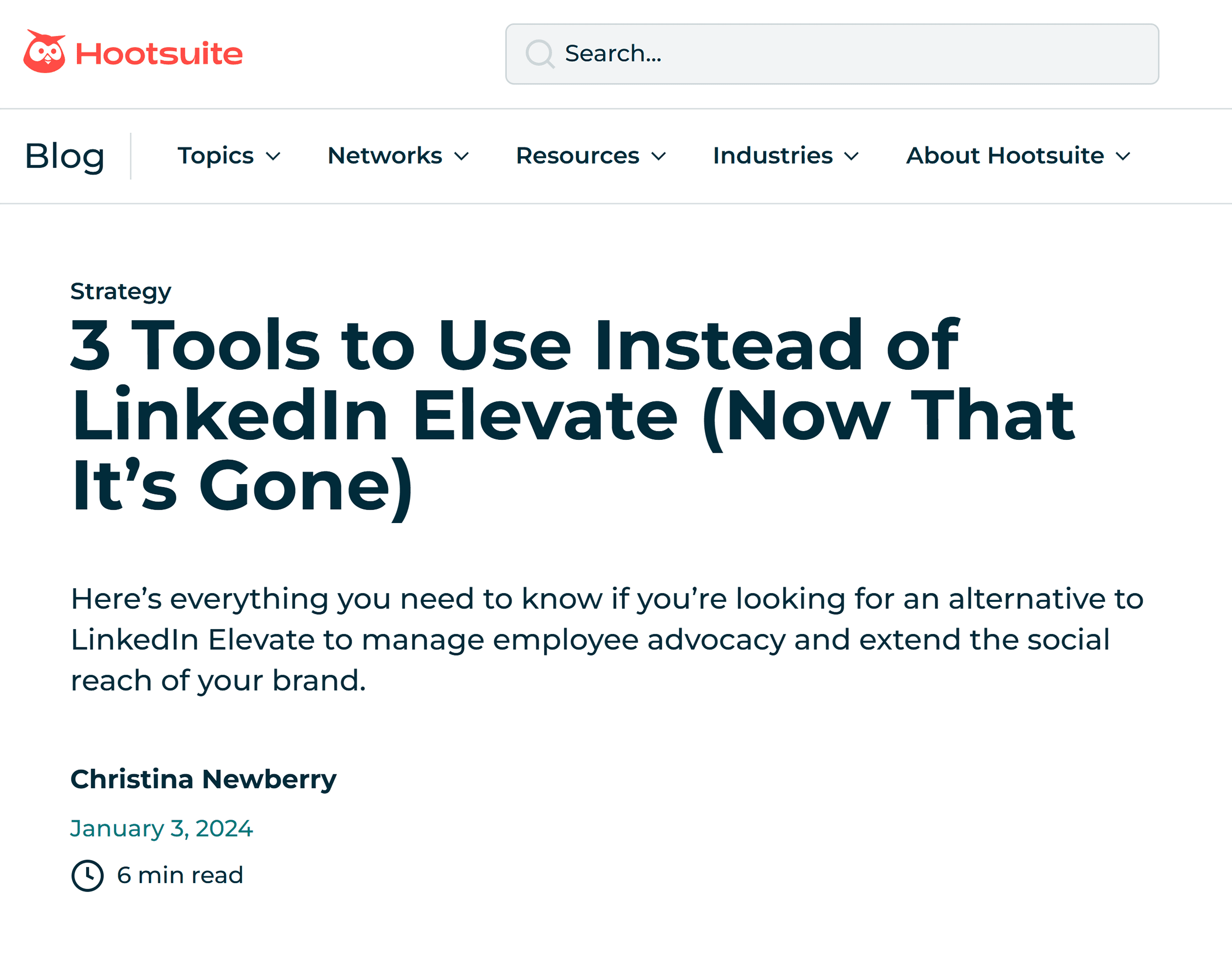
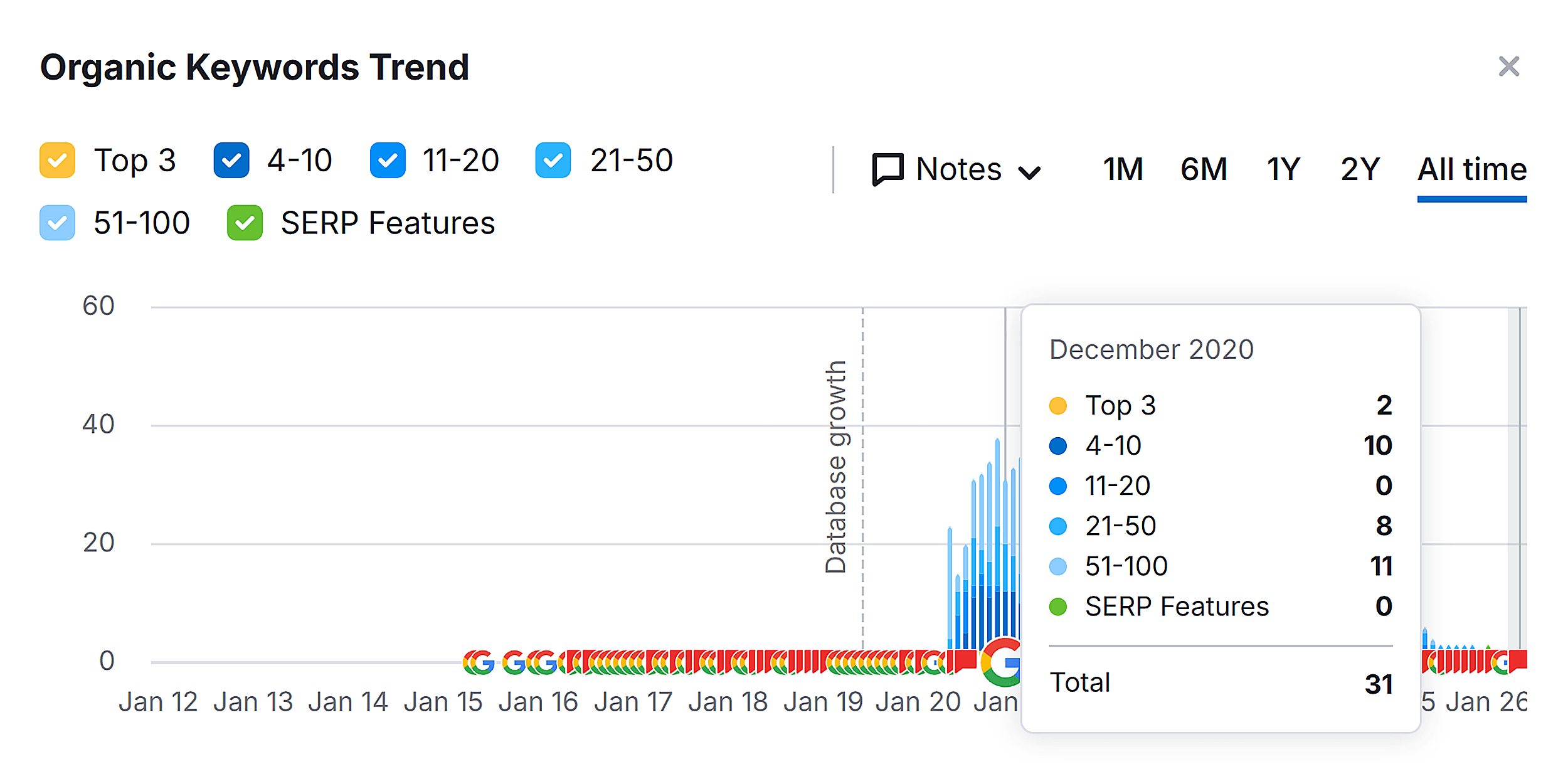
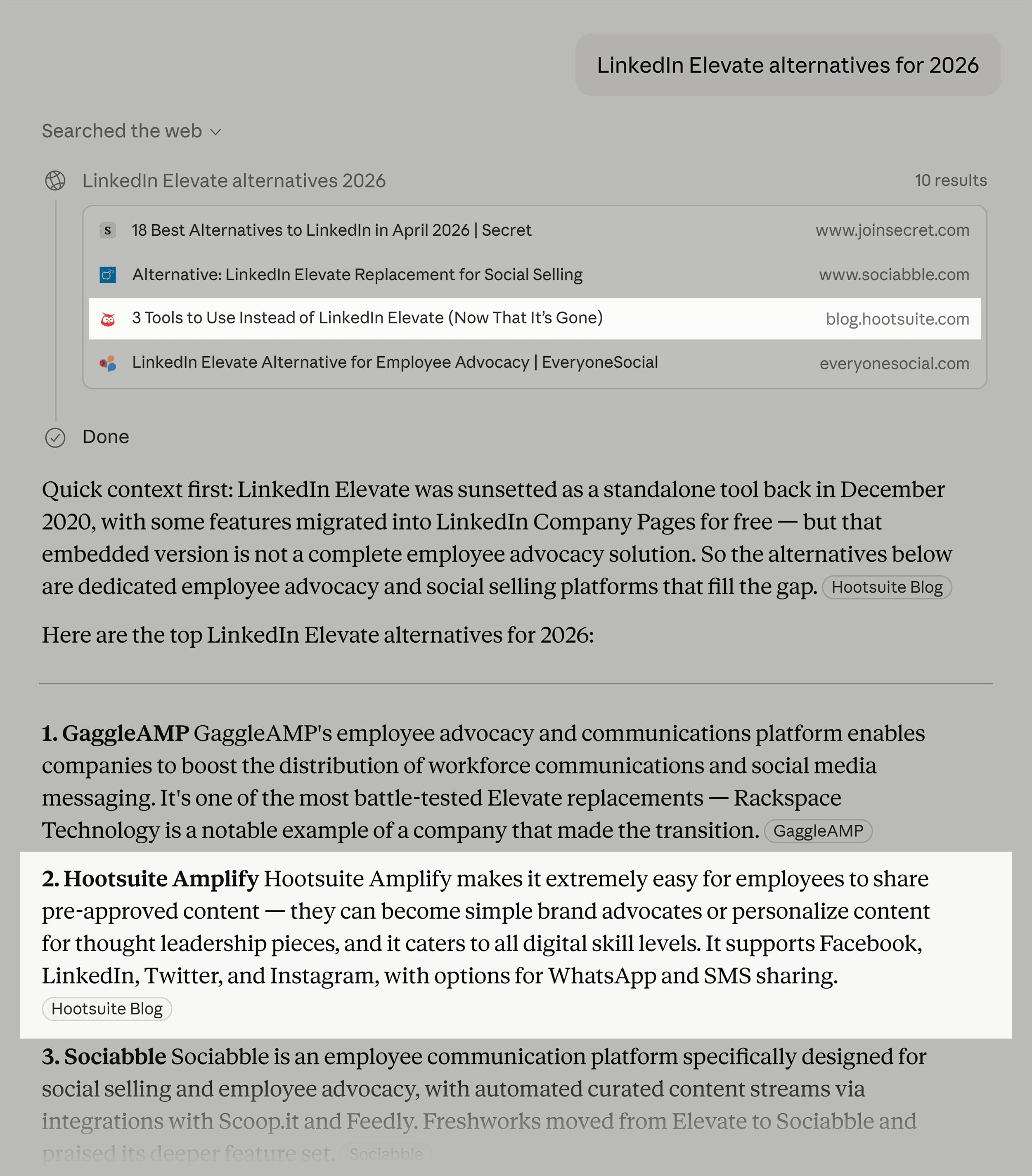
A compelling example of this synergy occurred when the author was editor of the Hootsuite Blog. The PR team alerted the content team to an impending change: LinkedIn was discontinuing its "Elevate" feature. The PR team suggested creating a blog post to address this development. At the time, there was no significant search volume for this specific issue. However, by acting on the PR insight, Hootsuite proactively created content. The post quickly began attracting backlinks and generating demo requests, demonstrating its immediate value. Months later, as search volume for related queries emerged, the Hootsuite article was already ranking number one. This content not only captured emerging search demand but also benefited from AI citation, as tools like Claude recognized it as a top source for relevant prompts related to "LinkedIn Elevate alternatives." This proactive content creation, driven by PR intelligence, secured significant backlinks, demo requests, and AI citations, ultimately building lasting authority for Hootsuite.
Conversely, SEO teams possess valuable insights that can inform PR strategies. This includes identifying trending topics, understanding keyword gaps, and recognizing emerging content opportunities that haven’t yet gained significant media traction. When conducting keyword research for PR initiatives, SEO professionals should flag two key types of information:
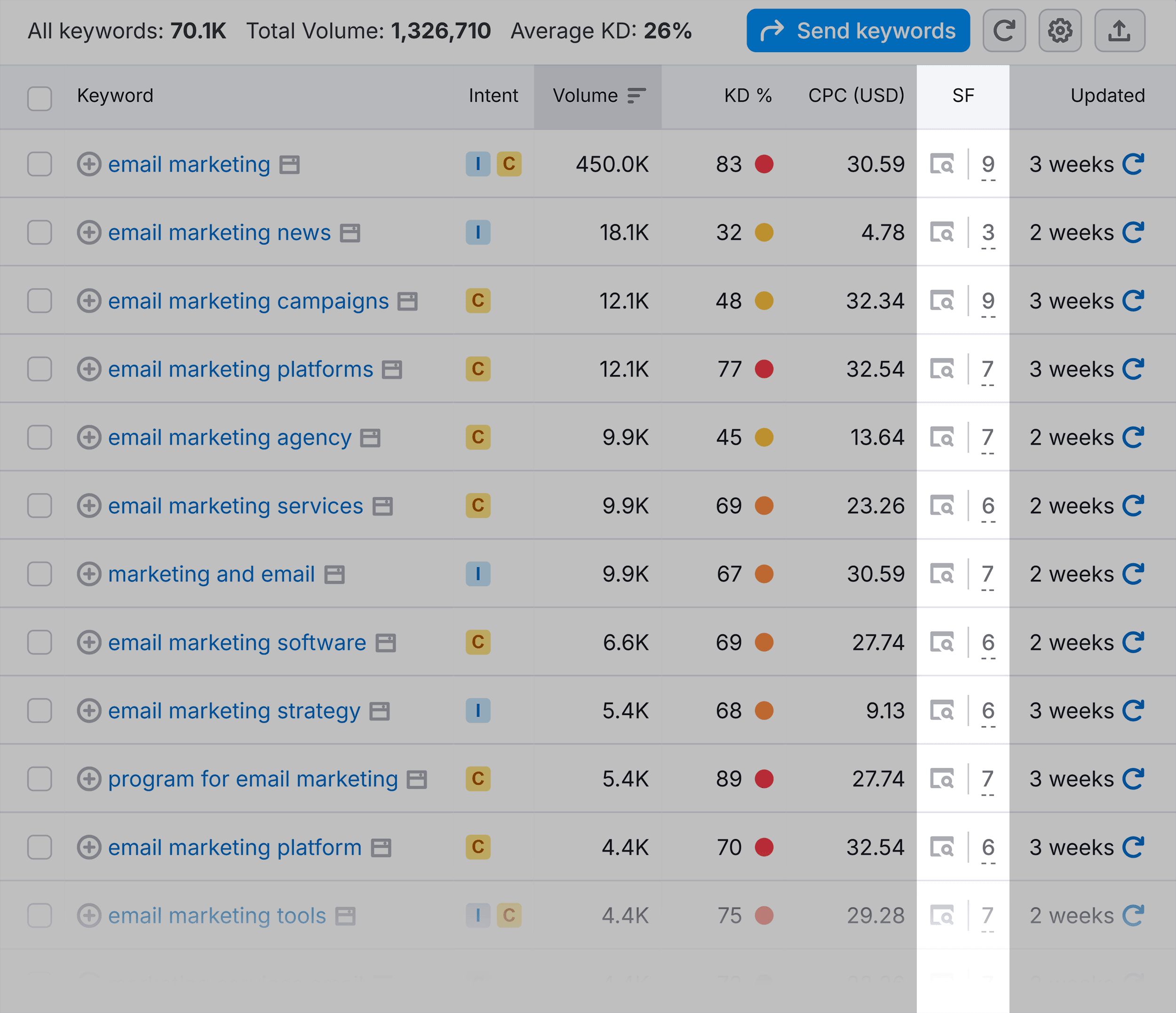
- Emerging topics with rising search volume: These indicate growing public interest that PR can capitalize on with timely pitches.
- Content gaps: Identifying topics where competitors are ranking but where there is a lack of comprehensive, authoritative content presents an opportunity for a brand to establish itself as a leader.
Rola Tfaili, Communications Manager for North America at Xero, highlights the importance of integrating SEO into her PR process from the outset. "I bring SEO into my process from the start," Tfaili explains. This collaborative approach ensures that PR efforts are not only strategically sound but also technically optimized for search engines and AI.
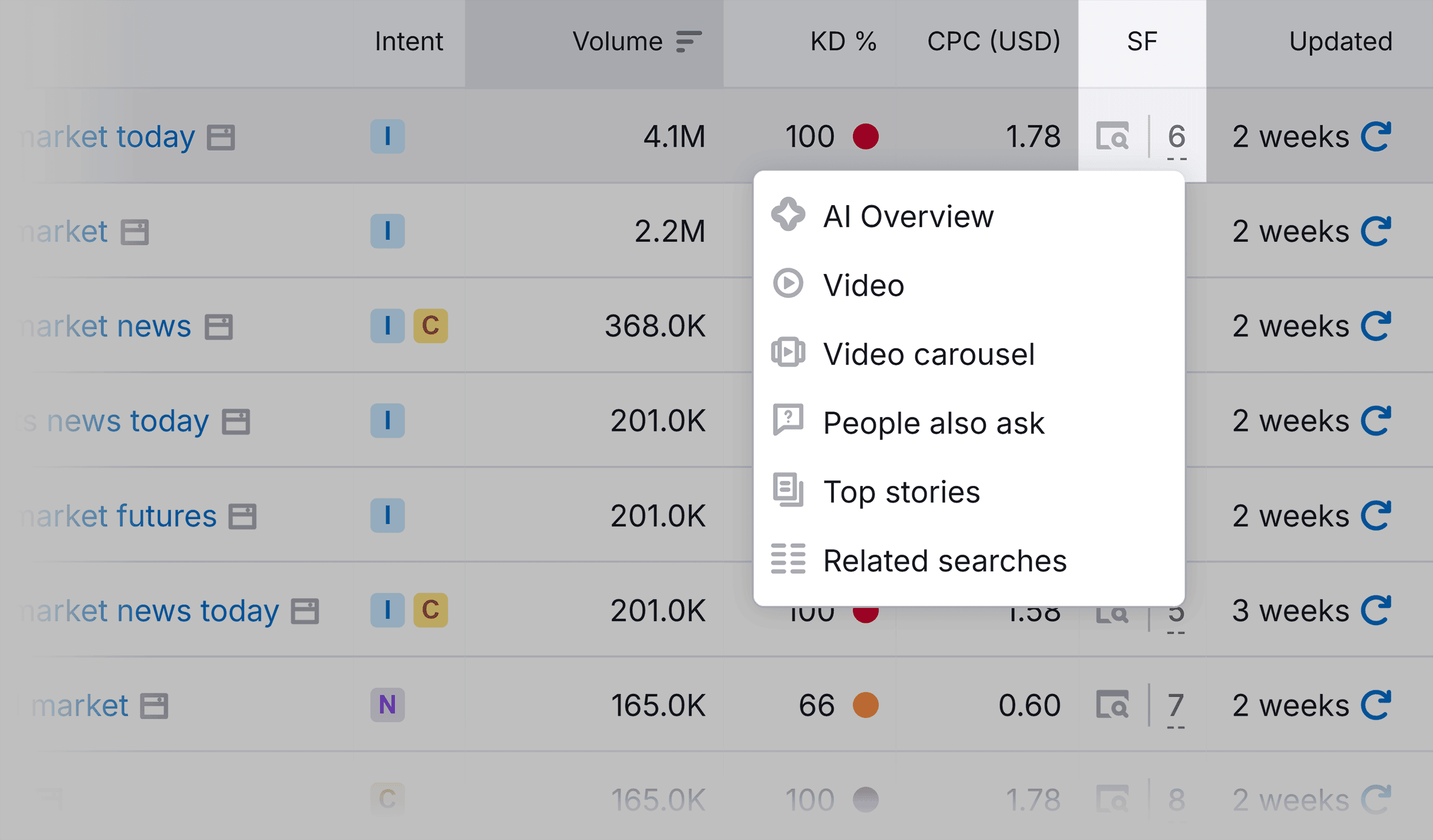
To identify these opportunities, tools like Semrush can be invaluable. By searching terms in the Keyword Magic Tool and examining the "SERP Features" column, one can identify keywords that trigger "Top Stories" or "Featured Snippets." The presence of "Top Stories" indicates a high level of media interest and a potential for PR to secure placements in news cycles. Featured Snippets, on the other hand, suggest that search engines are actively looking for concise, authoritative answers to specific questions, presenting an opportunity for content to be structured for direct AI citation.
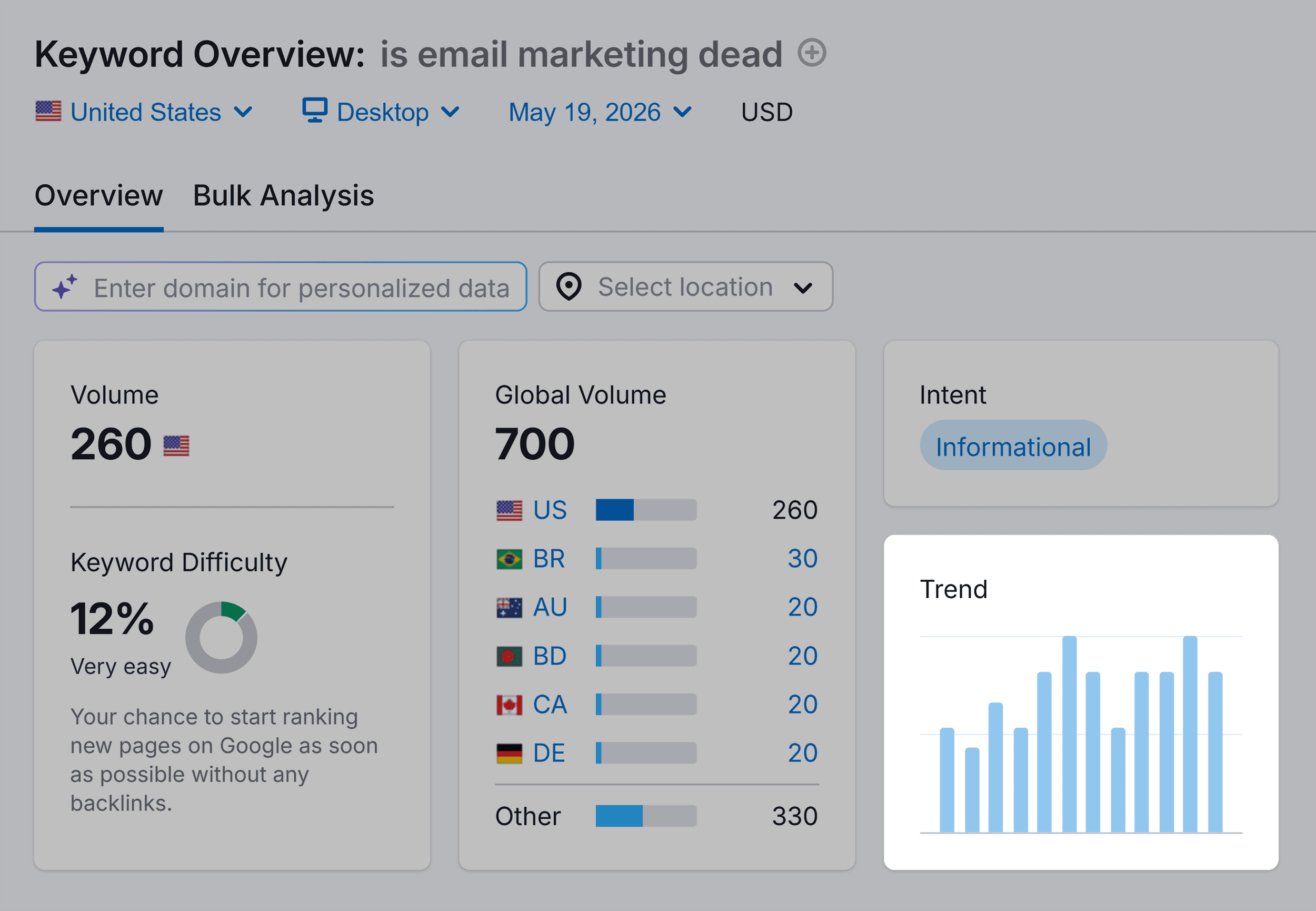
Further analysis using Semrush’s Keyword Overview tool, specifically the 12-month trend graph, can reveal whether a topic is gaining momentum, exhibiting seasonality, or declining. A consistently rising trend is a strong indicator of increasing media interest and a prime opportunity for PR to develop timely and relevant campaigns.
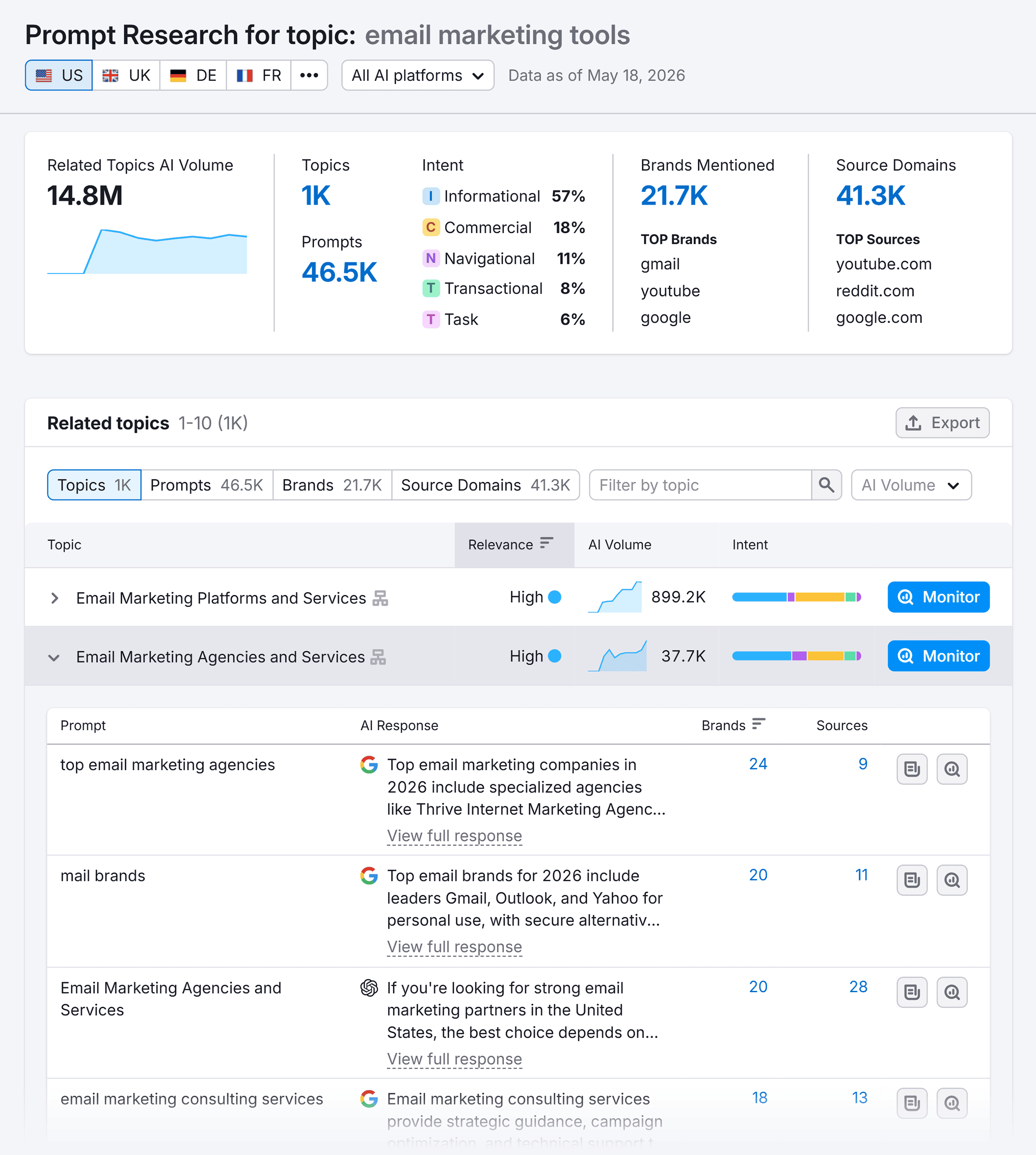
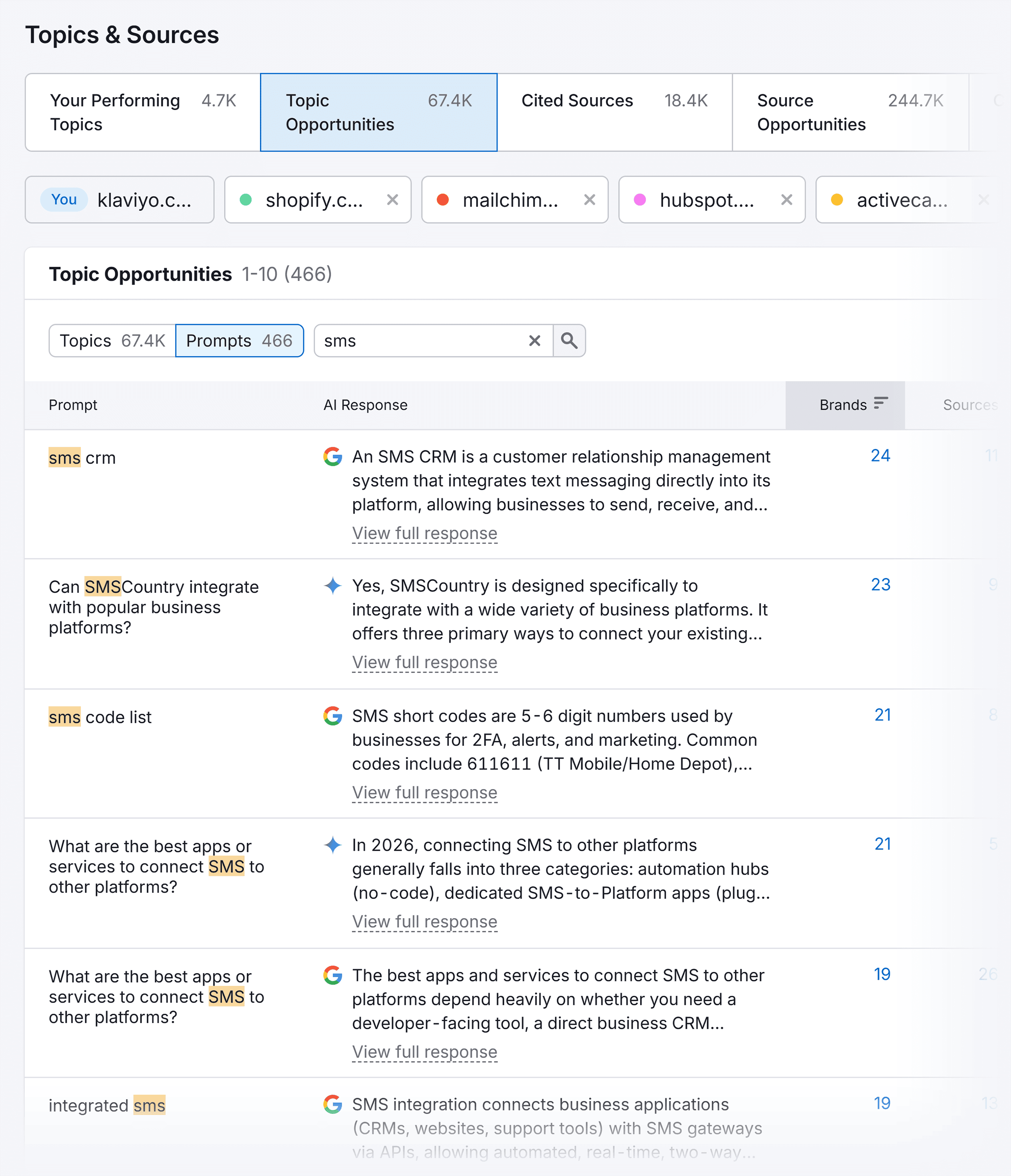
For AI visibility, a more nuanced approach is required. Tools like Semrush’s AI Visibility Toolkit can provide data on actual prompt usage, not just search queries. This allows marketers to understand precisely which prompts competitors are leveraging for AI visibility and identify similar opportunities for their own brand. By analyzing competitor AI citations, teams can pinpoint areas where their brand is underrepresented and proactively develop content or outreach strategies to fill those gaps, ensuring they are cited as authorities on key topics. Regular updates through shared documents or Slack channels ensure that both teams are working with the most current data, allowing them to jointly identify high-priority topics that appear in both PR’s emerging trends and SEO’s keyword data.
Step 2: Collaborate on AI-Ready Assets for Broader Reach
An AI-ready asset is one that is not only discoverable and valuable to human audiences but also structured to be easily found, cited, and trusted by search engines and AI models. This concept aligns closely with "answer engine optimization" (AEO), which focuses on creating and optimizing content specifically for AI systems. Key optimizations include clear, concise language; structured data (like schema markup); distinct sections that can be cited individually; and the use of relevant keywords and entities that AI models recognize.
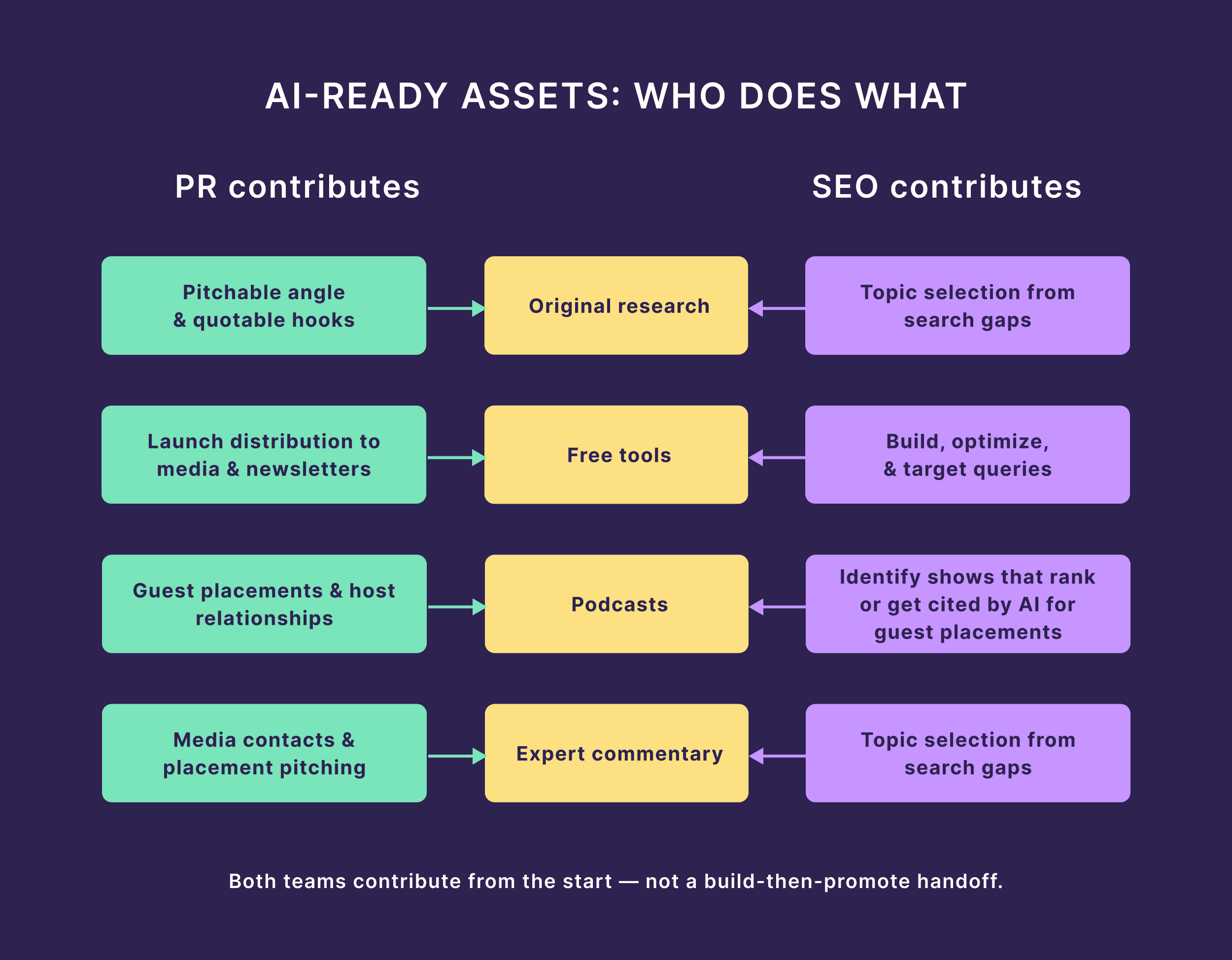
When PR’s expertise in distribution and relationship-building is combined with SEO’s technical proficiency in content structure and optimization, the result is assets that achieve visibility across search engines, media outlets, and LLMs.
Original Research and Reports
Original data has long been a cornerstone for earning backlinks and establishing credibility. In the current landscape, it also plays a crucial role in building AI visibility. A collaborative workflow for creating such assets typically involves SEO identifying topics with high search demand and identifying content gaps. PR then validates the pitchability of the angle and refines the findings into compelling, quotable hooks for journalists and analysts.
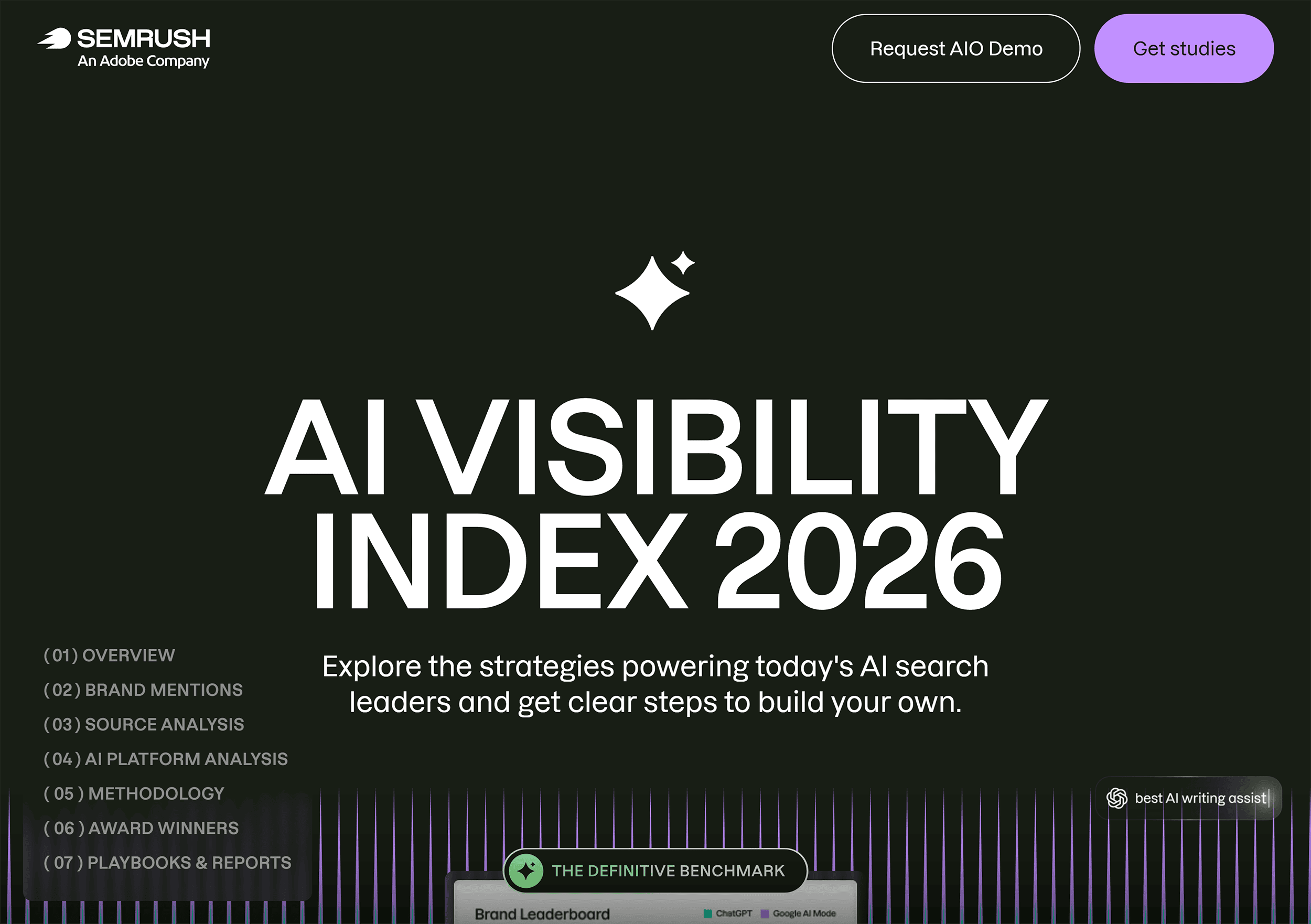
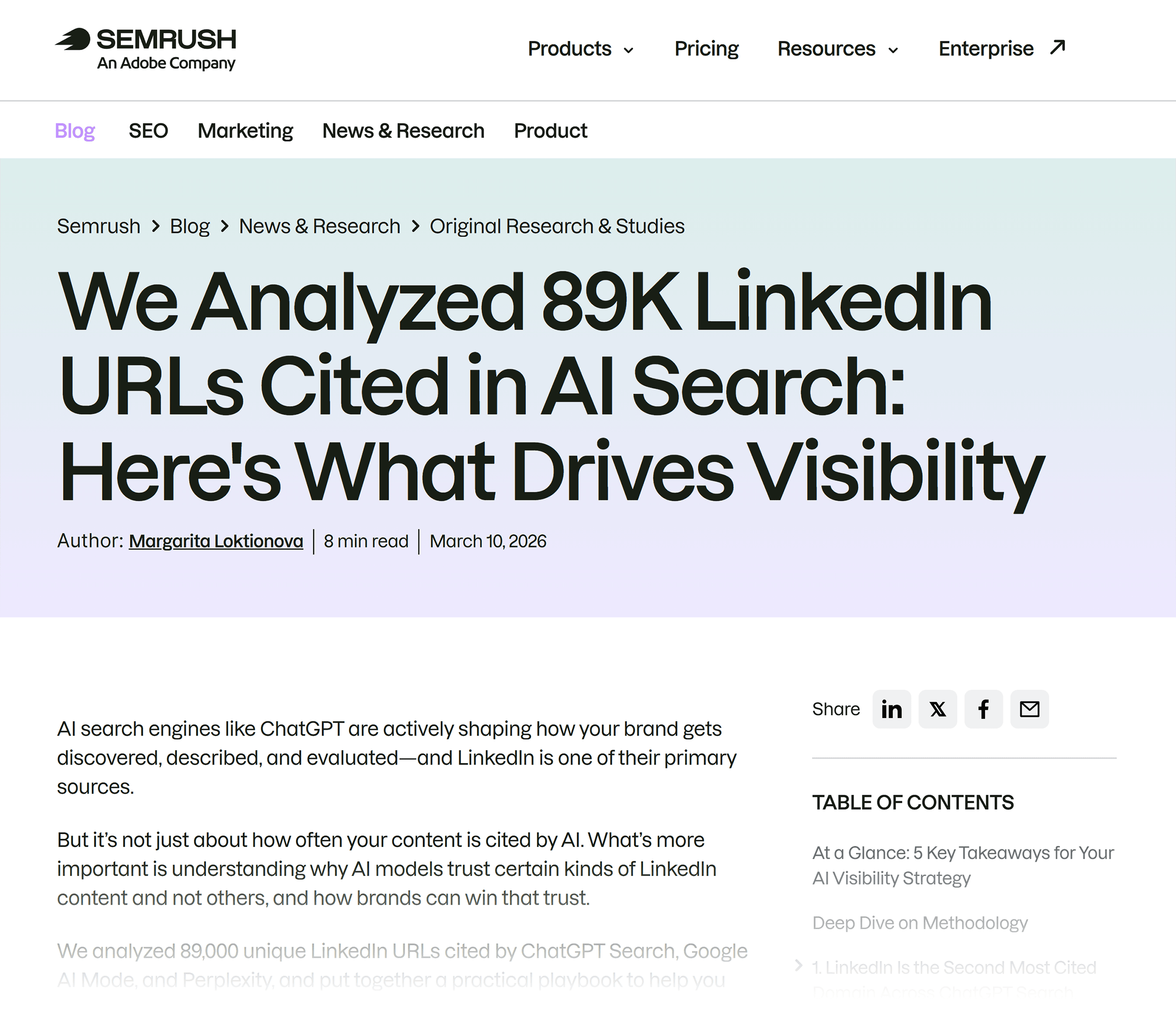
Together, they design the study with citation in mind, ensuring a clear methodology, front-loaded key statistics, and branded visuals that are easily shareable. For example, a joint effort between SEO and PR could result in a study like Semrush’s report on LinkedIn’s AI visibility. SEO identifies the relevant keywords and AI prompt data, while PR helps shape the narrative to resonate with media outlets and industry influencers. The resulting asset, presented on a crawlable landing page without restrictive gates, becomes a valuable source for journalists and a reference point for AI models. Recurring assets, such as annual reports, should maintain a consistent URL to build authority over time, with internal linking to related content to create a cohesive topical cluster that signals expertise to search engines and AI.
Free Tools
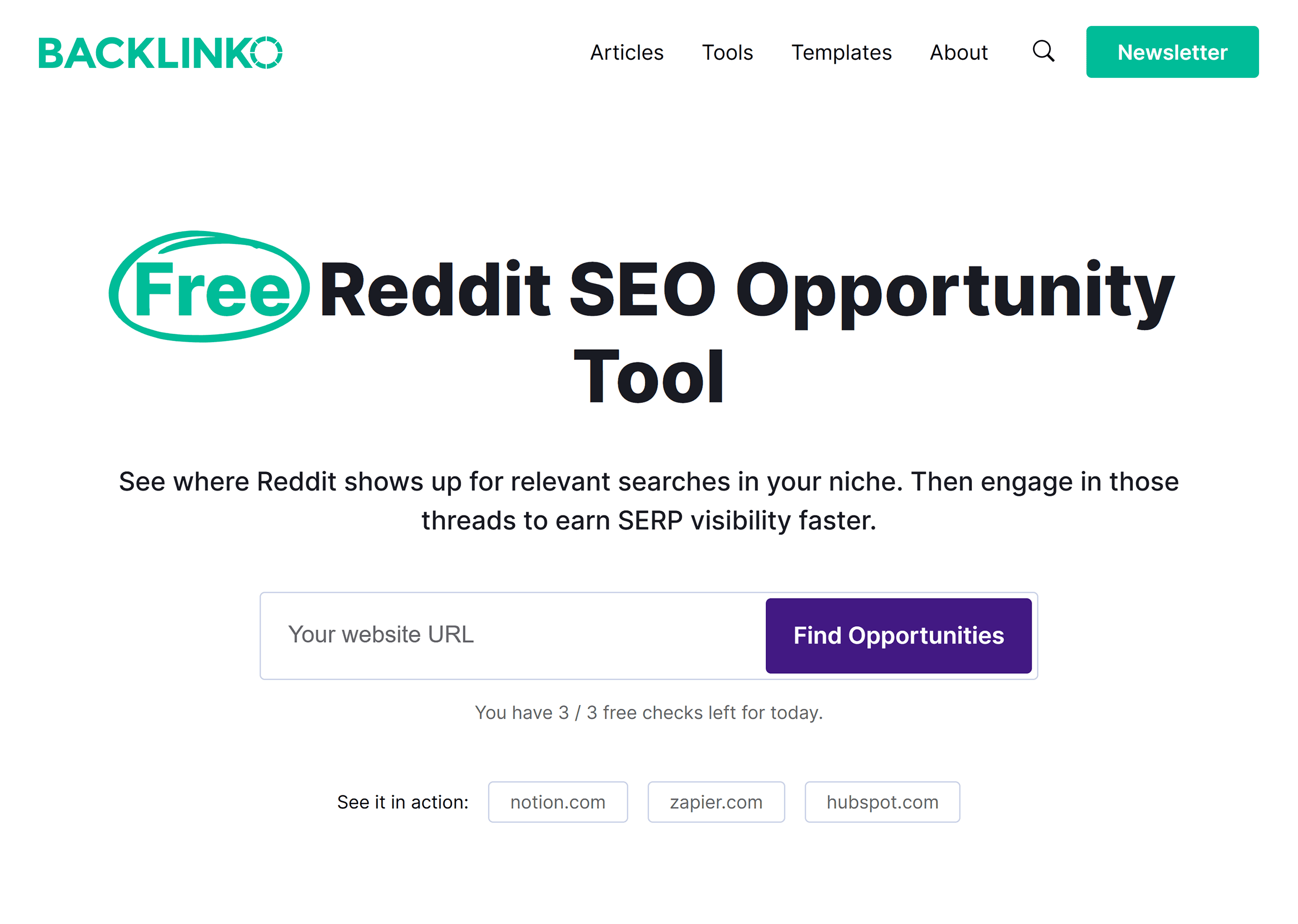
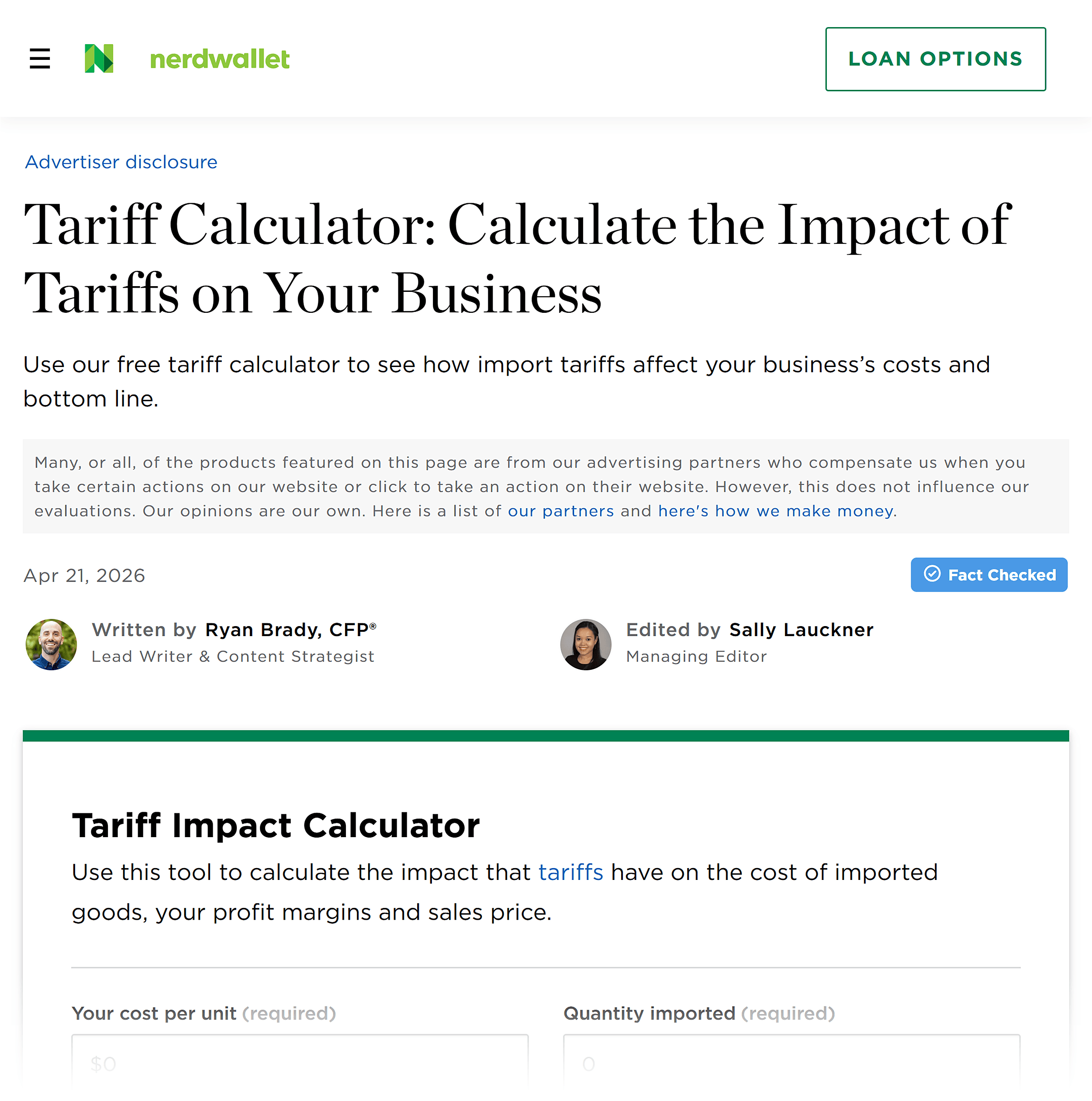
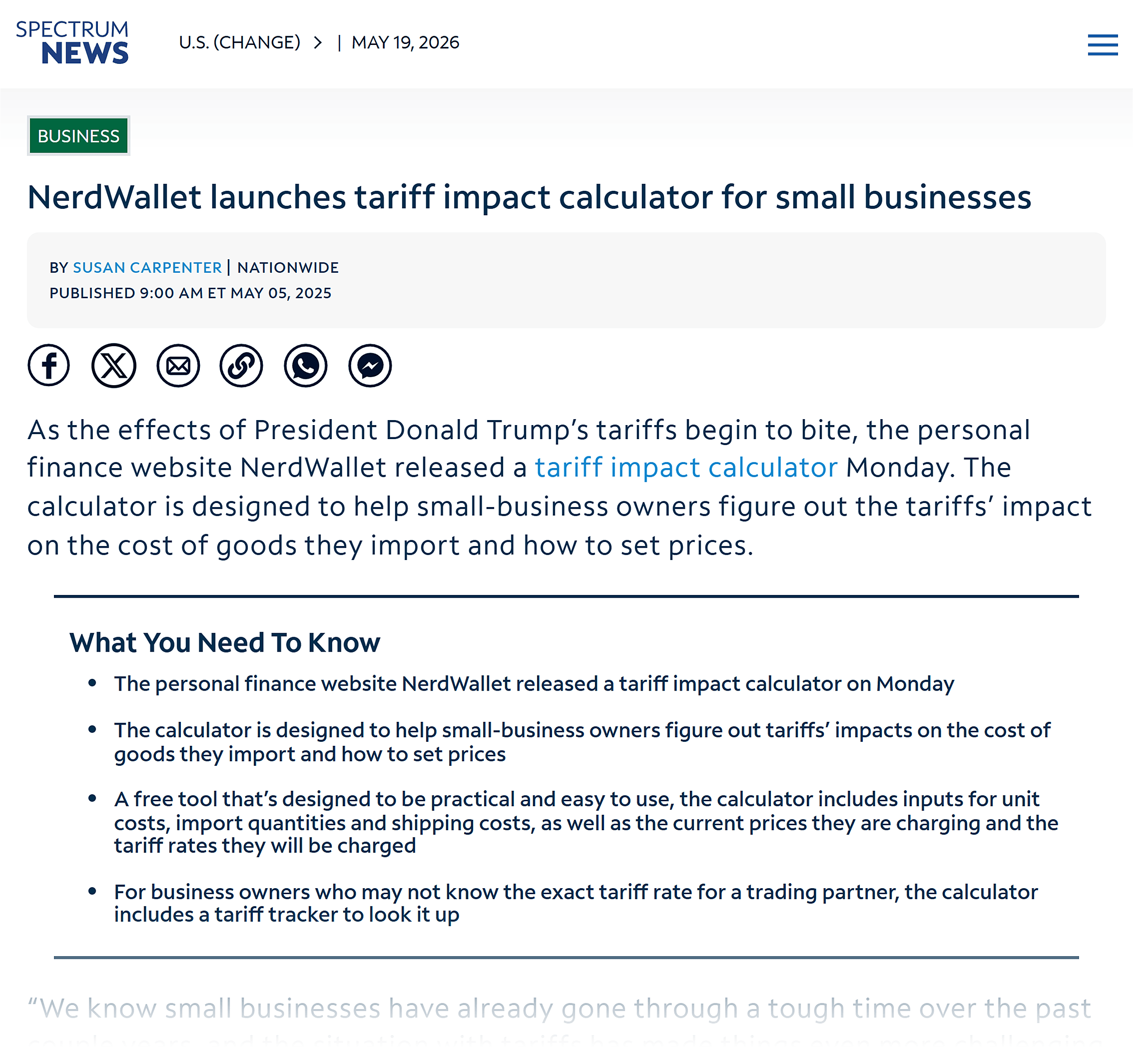
Free tools, such as calculators, templates, or checklists, that address specific user pain points have a remarkable ability to earn AI visibility, backlinks, and sustained traffic long after their initial launch. SEO teams can develop and optimize these tools, but their reach can be significantly amplified by PR’s strategic distribution. A strong hook is essential for promoting these assets. Britt Klontz notes that an asset becomes more promotable when it "blends search insights with something more personal, like proprietary data, a strong point of view, or a story angle that is relevant right now." The NerdWallet tariff calculator is a prime example; its launch during a period of intense media focus on tariffs ensured widespread coverage and citation, demonstrating the power of timely, data-driven tools.
Podcasts
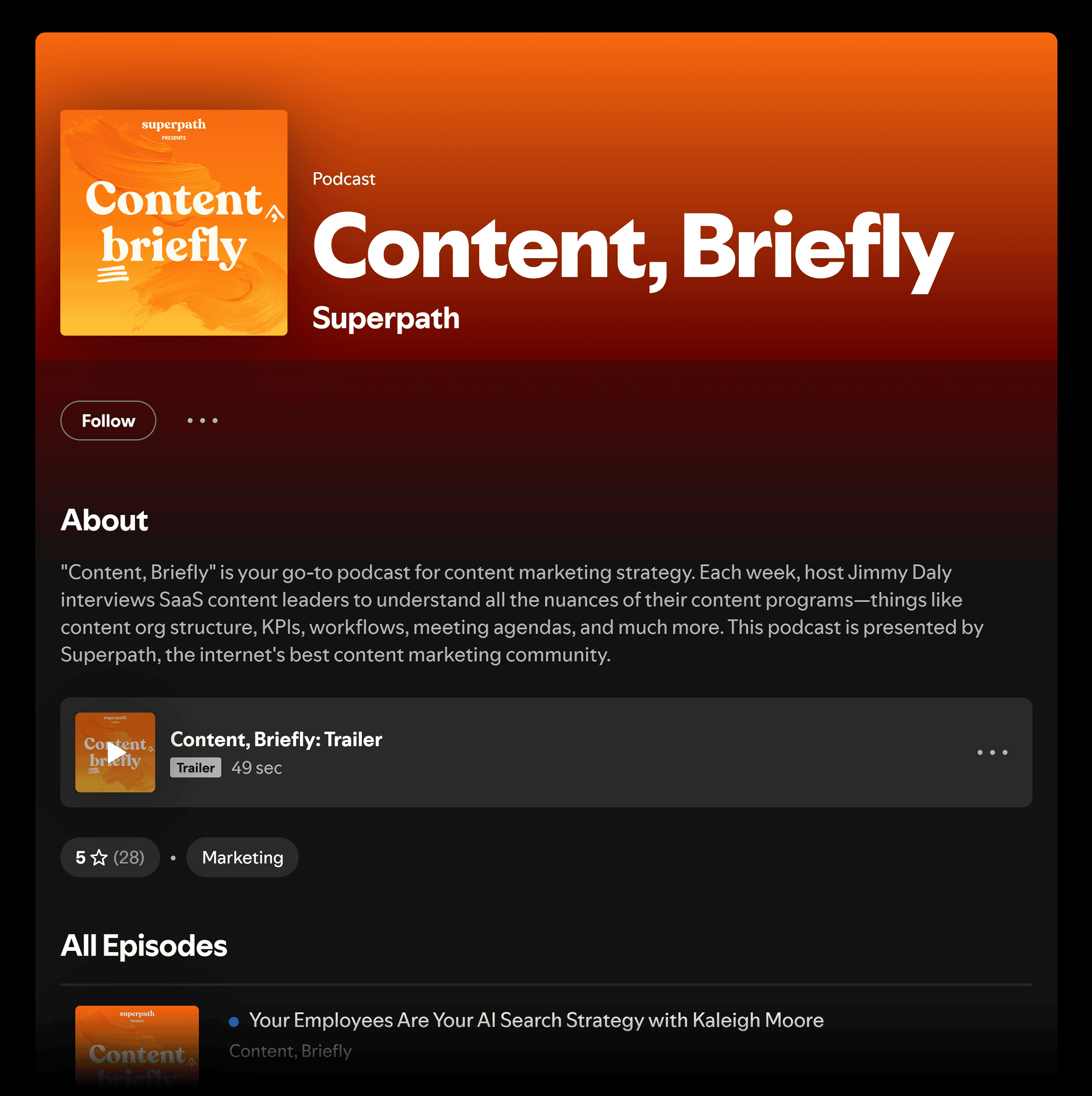
A branded podcast can serve as a potent generator of media coverage, review articles, and inclusion in "best of" lists. Beyond a brand’s own podcast, securing guest spots for subject matter experts on other industry podcasts is highly valuable. These third-party mentions integrate a brand and its experts into broader conversations, enhancing visibility within both search engines and LLMs. While PR typically leads the charge in securing guest appearances, SEO can identify podcasts that already rank well or are frequently cited by AI for relevant topics, guiding PR efforts toward those that will yield the greatest authority-building potential.
Press Releases
When published on a company’s website and optimized appropriately, press releases can evolve into standalone, crawlable assets that increase brand mentions within AI systems. Muck Rack reported a five-fold increase in press release citations in LLMs between July and December 2025, underscoring their growing importance. For maximum impact, both PR and SEO must contribute. PR shapes the narrative and the compelling hook, while SEO ensures the on-site version is crawlable, optimized, supported by citable data, and linked to related content. This integrated approach transforms a press release from a mere announcement into a contributor to the brand’s broader authority. Rola Tfaili observed this firsthand: "When we’re releasing new research, PR shapes the story and the hook. SEO makes sure the on-site version is crawlable, optimized, backed by citable data, and linked to related assets. So the press release doesn’t just generate buzz, it feeds your broader authority."
Explainer Content
Explainers—digestible articles or videos that simplify complex topics or highlight key brand information—are crucial for ensuring journalists and LLMs can accurately and consistently represent a brand. This is particularly vital for niche or complex industries. SEO can leverage keyword and prompt data to identify the questions explainer content should address and structure it for AI parsing and citation. PR contributes by identifying the questions journalists and analysts most frequently ask and pinpointing current descriptive gaps. Explainer content can take various forms, including detailed articles, video summaries, and even infographics, with the ideal approach often incorporating all three for maximum reach and clarity.
Step 3: Co-Build Your Third-Party Presence for Enhanced Credibility
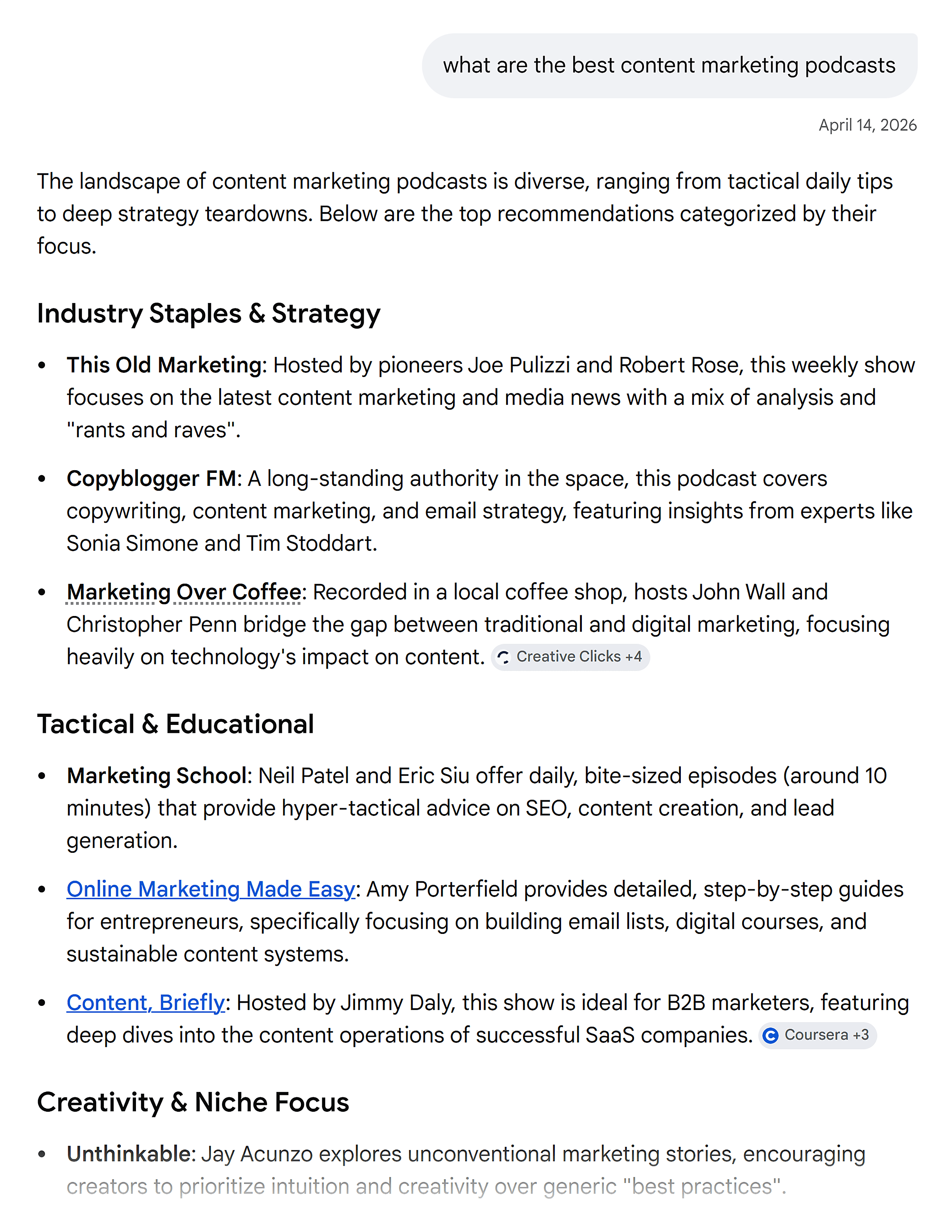
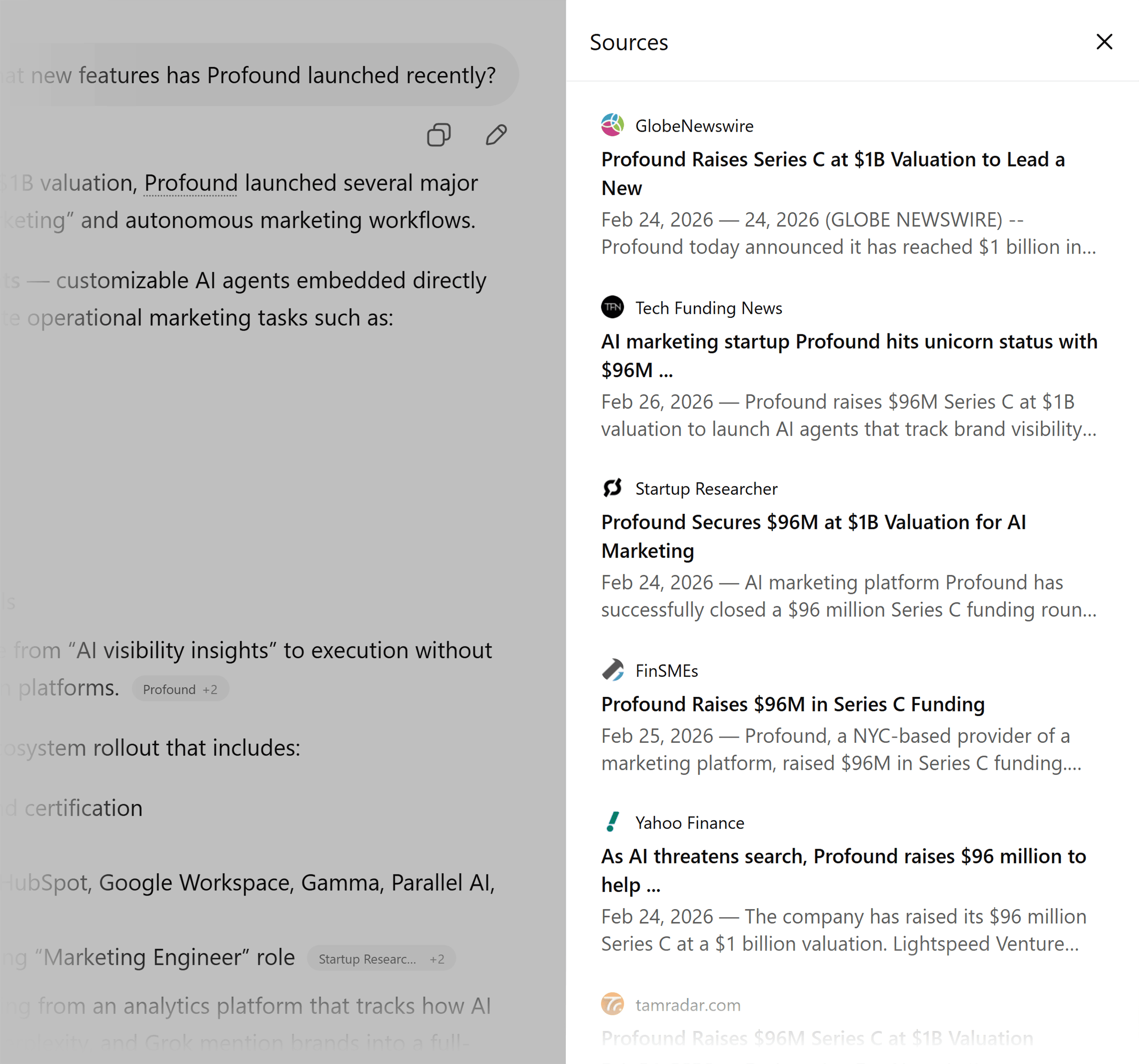
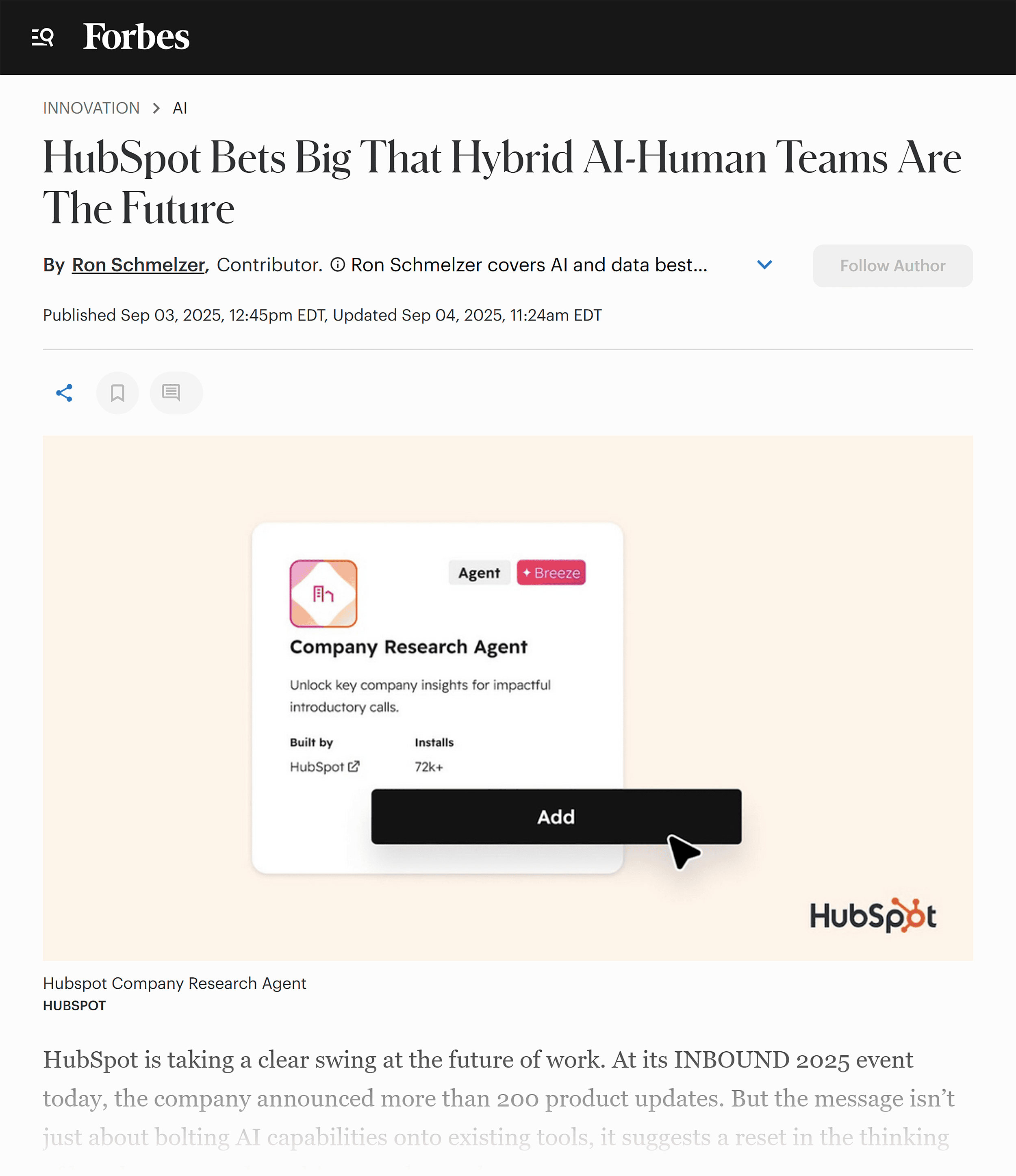
Third-party signals are overwhelmingly influential in AI search, with brands being 6.5 times more likely to appear in AI answers through external sources than through their own content, according to AirOps. This statistic highlights a critical opportunity for PR and SEO to collaborate on building brand visibility across search engines and LLMs. Rola Tfaili views this as a significant evolution for PR professionals: "It’s no longer enough to just earn media placements. We need to be mindful of how those placements are used by AI and ensure our messaging aligns with how AI systems are interpreting information."
Expert Commentary
Consistent quotation of a brand’s experts across owned media, social platforms, and reputable publications helps establish a strong association between the expert, the brand, and specific topics in the eyes of Google and LLMs. The challenge often lies in knowing where to focus this effort. SEO provides data on topics with high search and AI demand, as well as identifying publications already receiving citations. PR understands which journalists are receptive and what angles will resonate. This combined knowledge allows for the precise targeting of publications and topics that will most effectively enhance authority and visibility, with a focus on delivering concrete, data-backed quotes that are highly citable by AI.
Review Sites and Forums
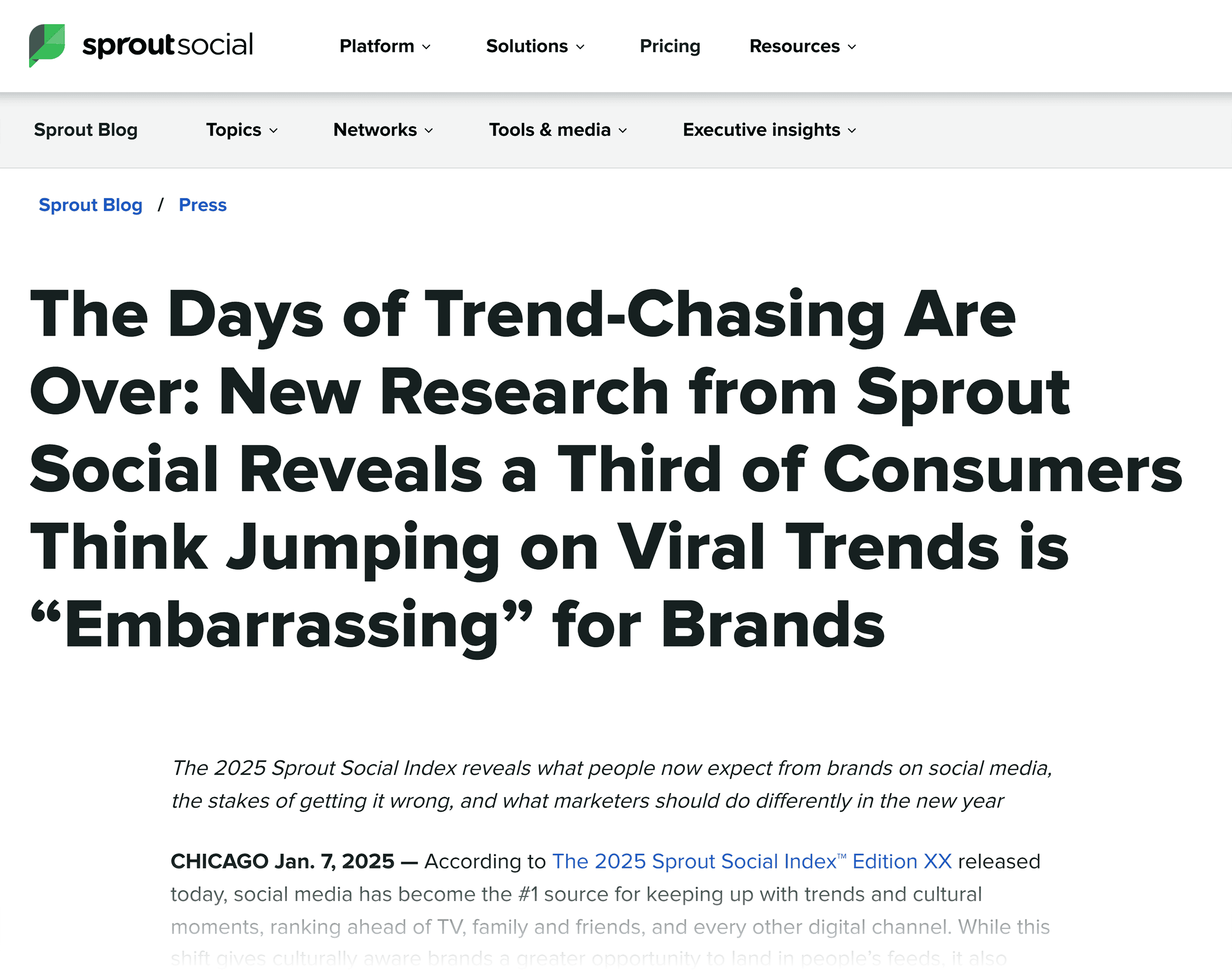
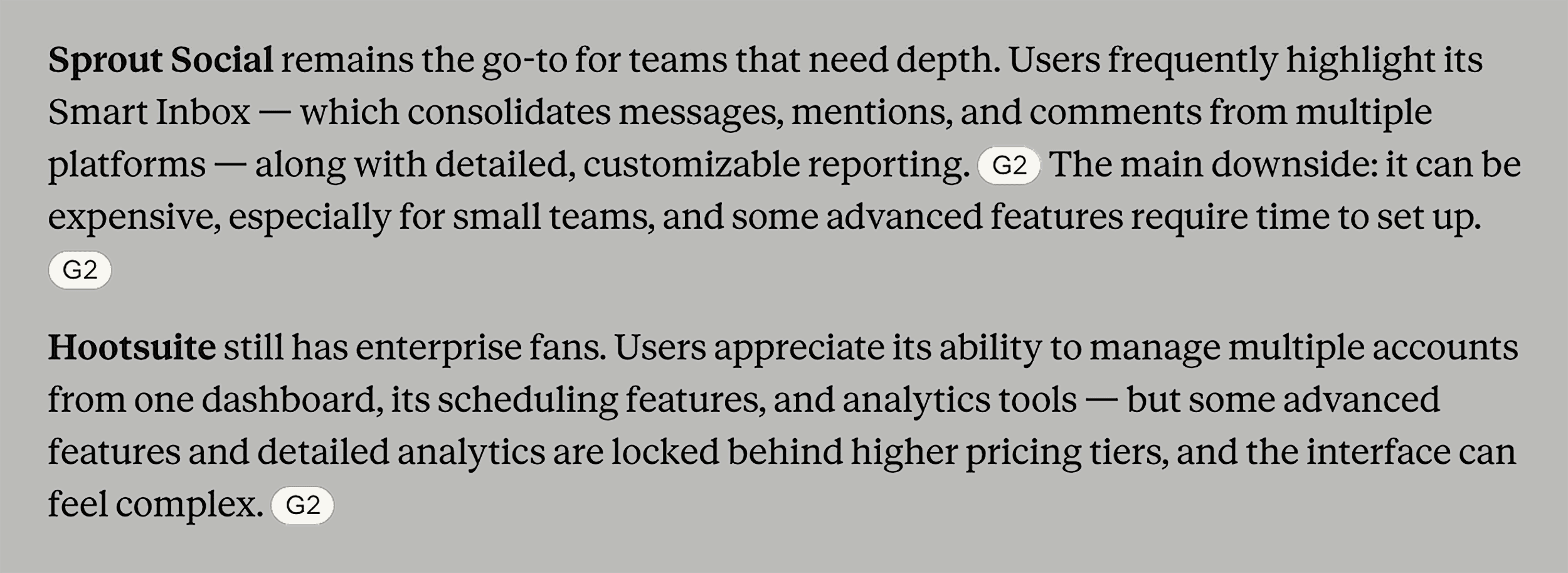
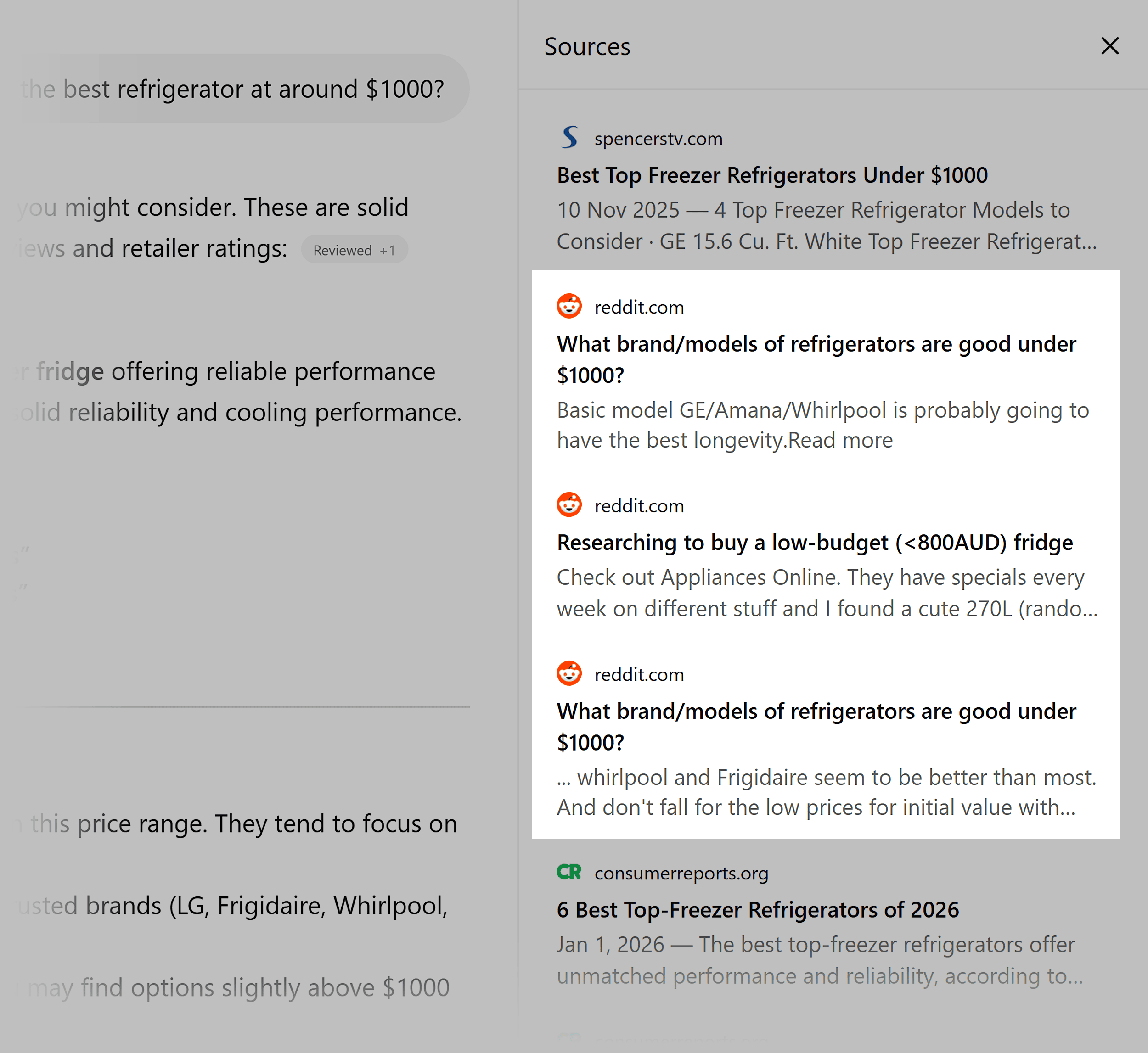
Platforms like G2, Yelp, Google Reviews, and Trustpilot are highly valued by AI due to their aggregation of specific, unbiased user information. AI frequently cites these sites for product recommendations. Consistent positive reviews across multiple platforms strengthen a brand’s authority signals, providing AI with detailed evidence of a brand’s category, features, pricing, and trustworthiness. Similarly, forums such as Reddit and Quora are sources for AI, which extracts information from user discussions for recommendations and firsthand experiences. Brands that participate authentically and positively in these communities build trust and earn organic mentions that AI models value. Jointly identifying key industry review sites and forums, maintaining updated profiles, and genuinely contributing to conversations are crucial for both PR and SEO.
Wikipedia
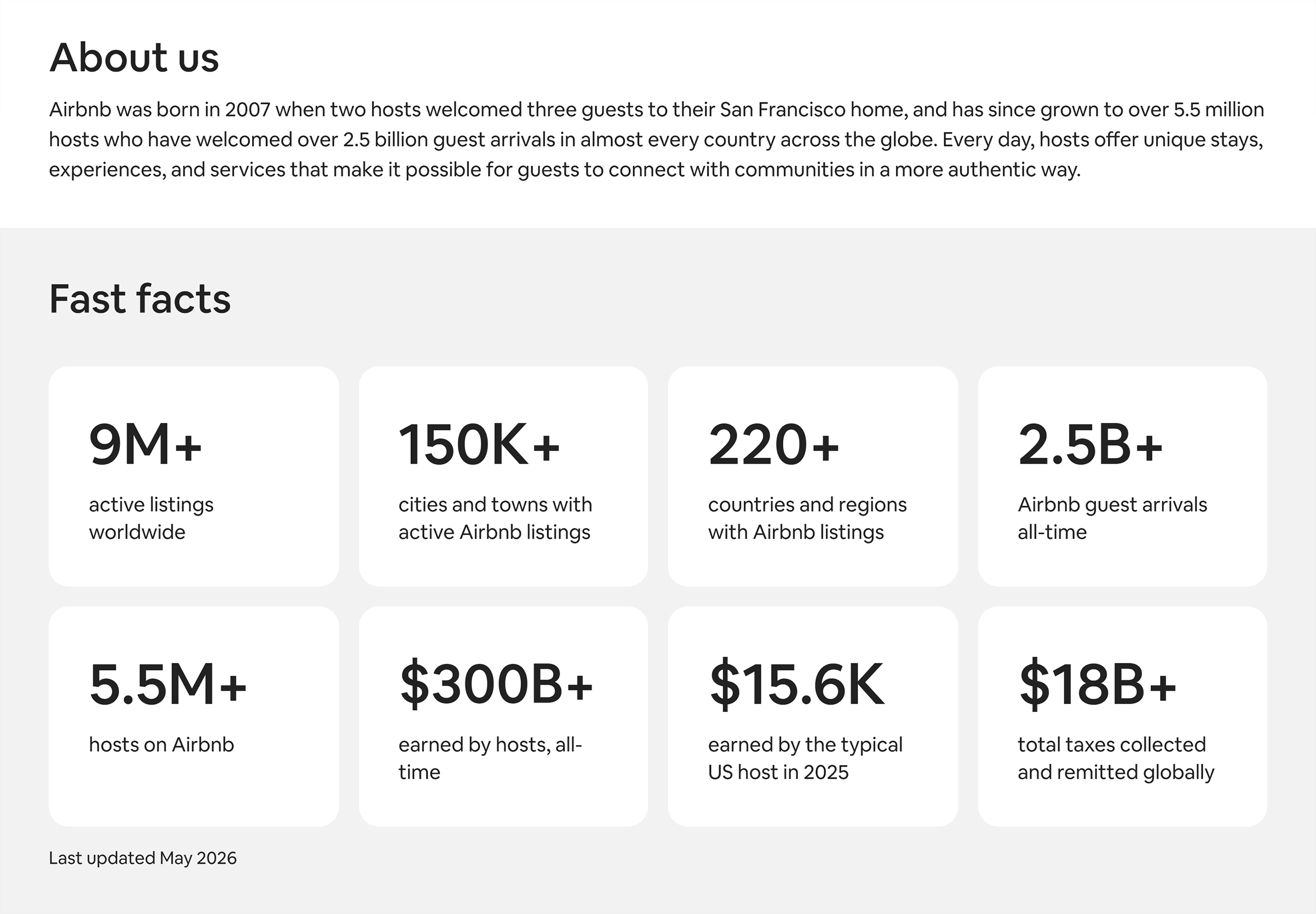
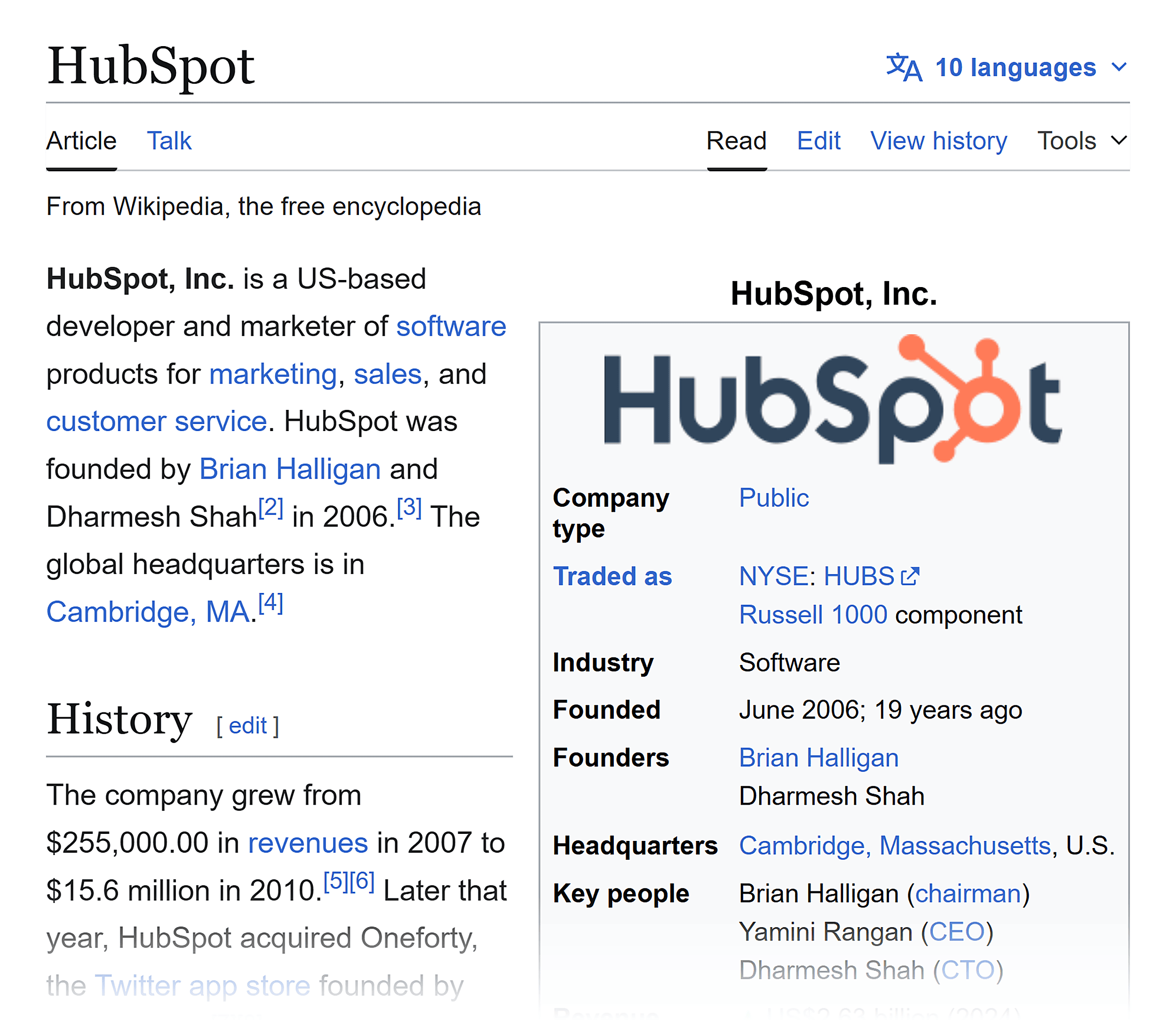
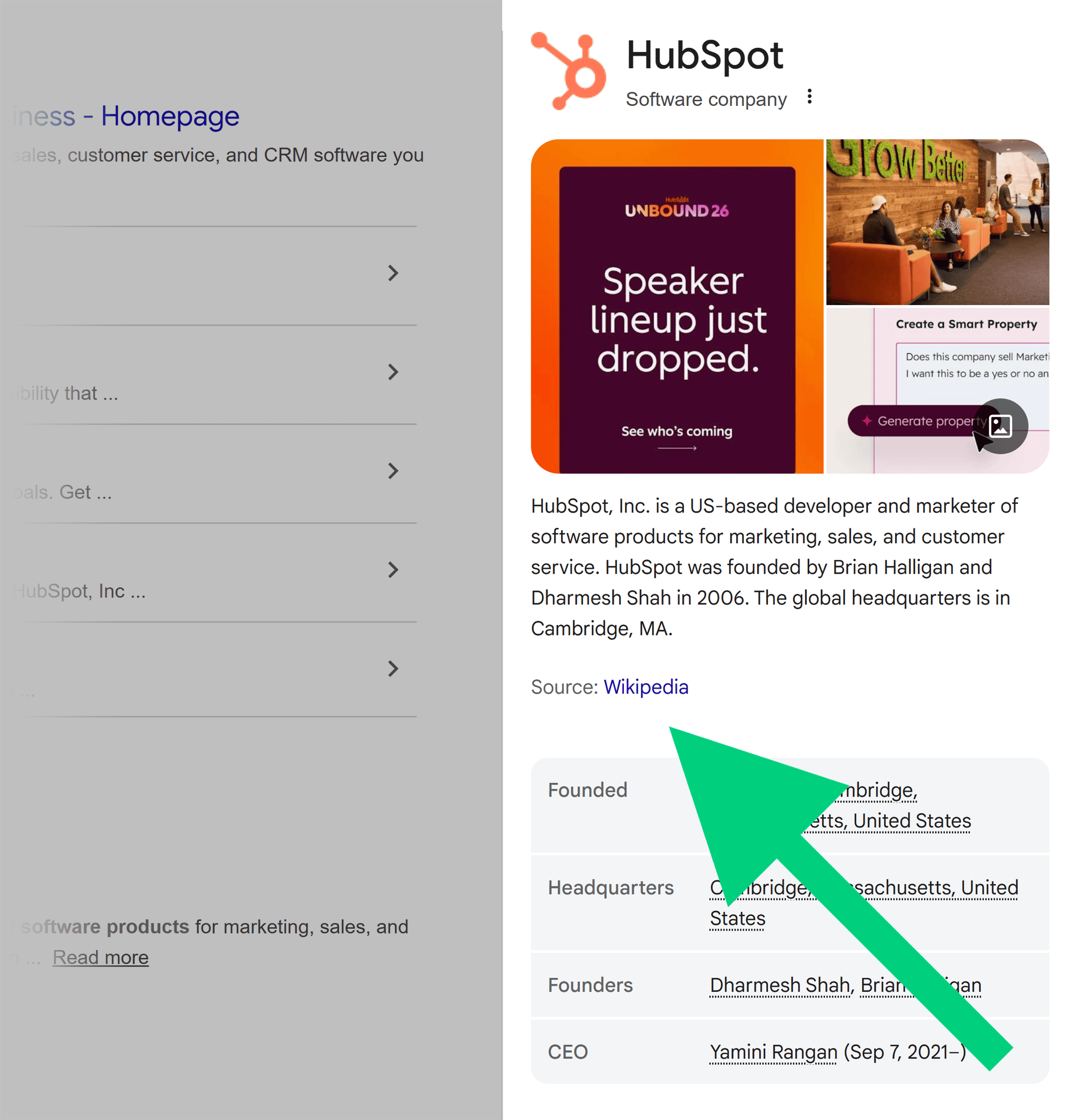
A Wikipedia page serves as a neutral, third-party source of factual information, significantly aiding Google and AI in recognizing a brand as a distinct entity within their knowledge graphs. However, eligibility requires meeting Wikipedia’s Notability Criteria, which necessitates substantial coverage in reliable, independent sources. PR plays a vital role in earning this type of detailed, independent coverage by pitching stories to reputable publications. Once a page is established, SEO can assist by monitoring for inaccuracies and flagging corrections, while PR can manage reputation monitoring to ensure a positive narrative.
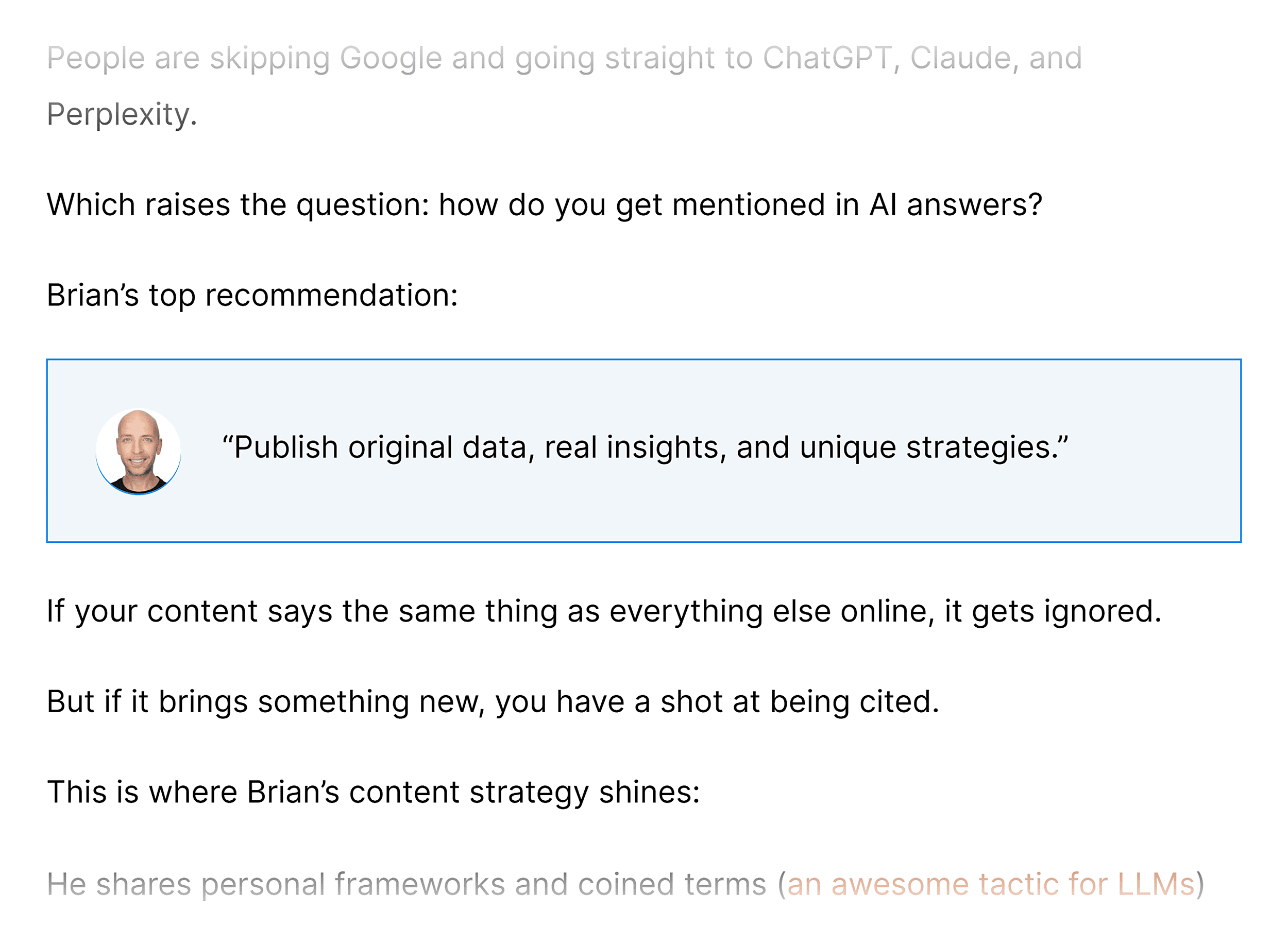
Step 4: Unify Your Outreach Strategy for Maximum Impact
A synchronized approach to outreach ensures that PR and SEO are not sending conflicting messages or working at cross-purposes. A shared understanding of target sources and a coordinated pitching strategy significantly increase the likelihood of successful placements.
Build a Shared Target Source List
SEO can provide a list of high-authority domains that appear in organic rankings and AI citations, while PR offers a list of journalists, analysts, and publications influential in their sector. Merging these lists creates a comprehensive view of all valuable third-party sources. Prioritization should focus on sources appearing on multiple lists, indicating a higher potential impact. A shared spreadsheet with columns for "Domain," "Primary Contact," and "Reason for Inclusion (SEO/PR)" can facilitate this process.

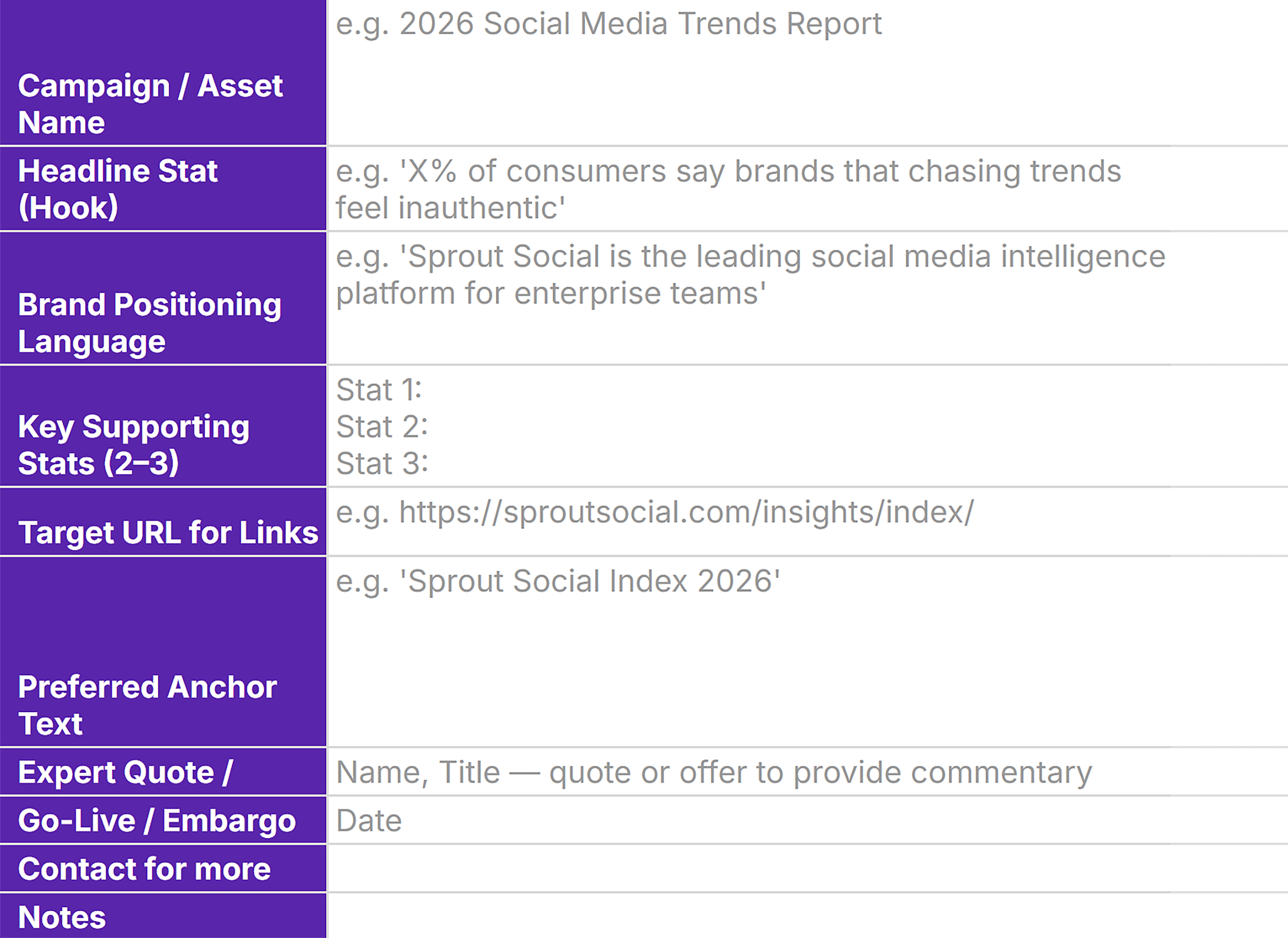
A shared pitch document, incorporating PR’s standard brief and including headline statistics, agreed-upon positioning language, and target URLs, is also essential. While individual pitches will be customized to specific contacts, this shared document ensures message consistency.
Split Pitching by Strengths
While many high-impact pitches require collaboration, some are best handled by the team with specialized skills. Generally, SEO can focus on structured, technical placements (e.g., inclusion in industry listicles, fixing unlinked mentions, identifying outreach targets from AI citations), while PR excels at editorial and relationship-based placements (e.g., pitching journalists on newsworthy content, offering expert commentary, submitting for awards, briefing analysts). A structured approach to pitching, planned in advance through regular meetings, helps prioritize efforts and avoid duplication.
Plan Pitching in Advance
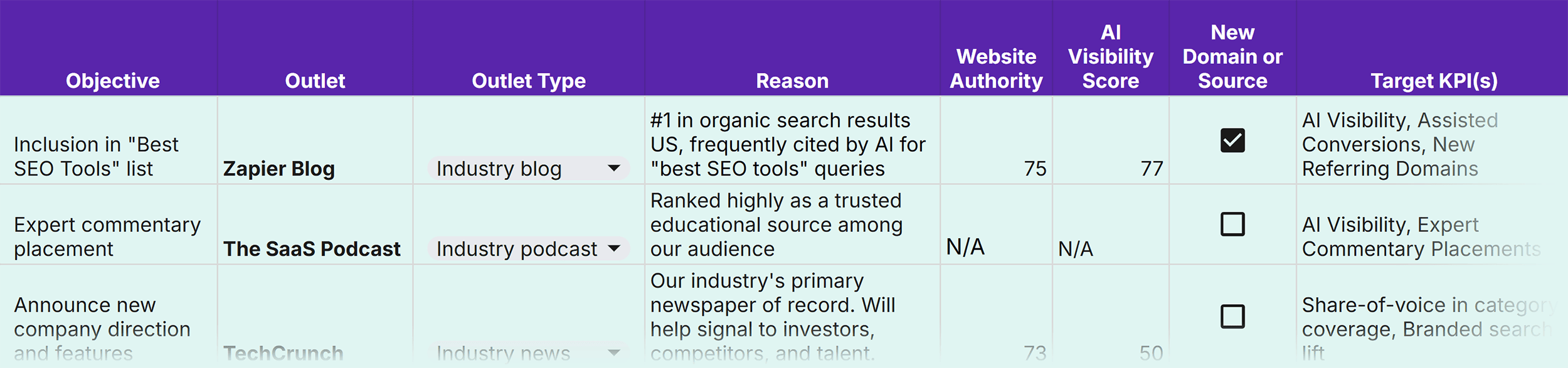
Quarterly or monthly meetings are crucial for aligning on pitching strategies. Deciding who pitches what, to whom, and when ensures efficient use of resources and maximizes impact. Mapping outlets to specific objectives and target Key Performance Indicators (KPIs) helps assign ownership and track progress effectively. Reviewing results from previous periods during these meetings allows for the prioritization of successful tactics and the refinement of ongoing strategies.
Step 5: Report on PR and SEO Performance Together for Holistic Understanding
Traditionally, PR and SEO track different metrics—mentions and outlet quality versus rankings and organic traffic. The key to effective reporting lies not in merging these metrics into a single dashboard but in developing a shared framework for evaluating the success of each initiative, regardless of which team initiated it.
Both teams should agree on a core set of questions to assess the impact of each asset:
- Visibility: Did we show up in the right places?
- Authority: Did our efforts make us more credible?
- Demand: Did our work help people take the next step?
Visibility: Did We Show Up in the Right Places?
A primary benefit of integrated PR and SEO is increased visibility across the channels where the target audience spends their time. Key metrics to track include:
- Mentions and Share of Voice: Tools like Semrush’s Brand Monitoring provide a comprehensive overview of brand mentions and competitor comparisons, offering an AI Visibility score that reflects overall presence.
- AI Mentions: Directly tracking how often a brand appears in AI answers for relevant queries is crucial. While manual checks are possible, AI Visibility toolkits automate this process, providing percentage increases and decreases in AI mentions.
- Expert Commentary Placements: Tracking the frequency and quality of expert quotes in media outlets.
- New Journalist Relationships: Monitoring the cultivation of new media contacts.
Authority: Did We Become More Credible?
This dimension focuses on building trust and establishing the brand as a reputable source. Metrics include:
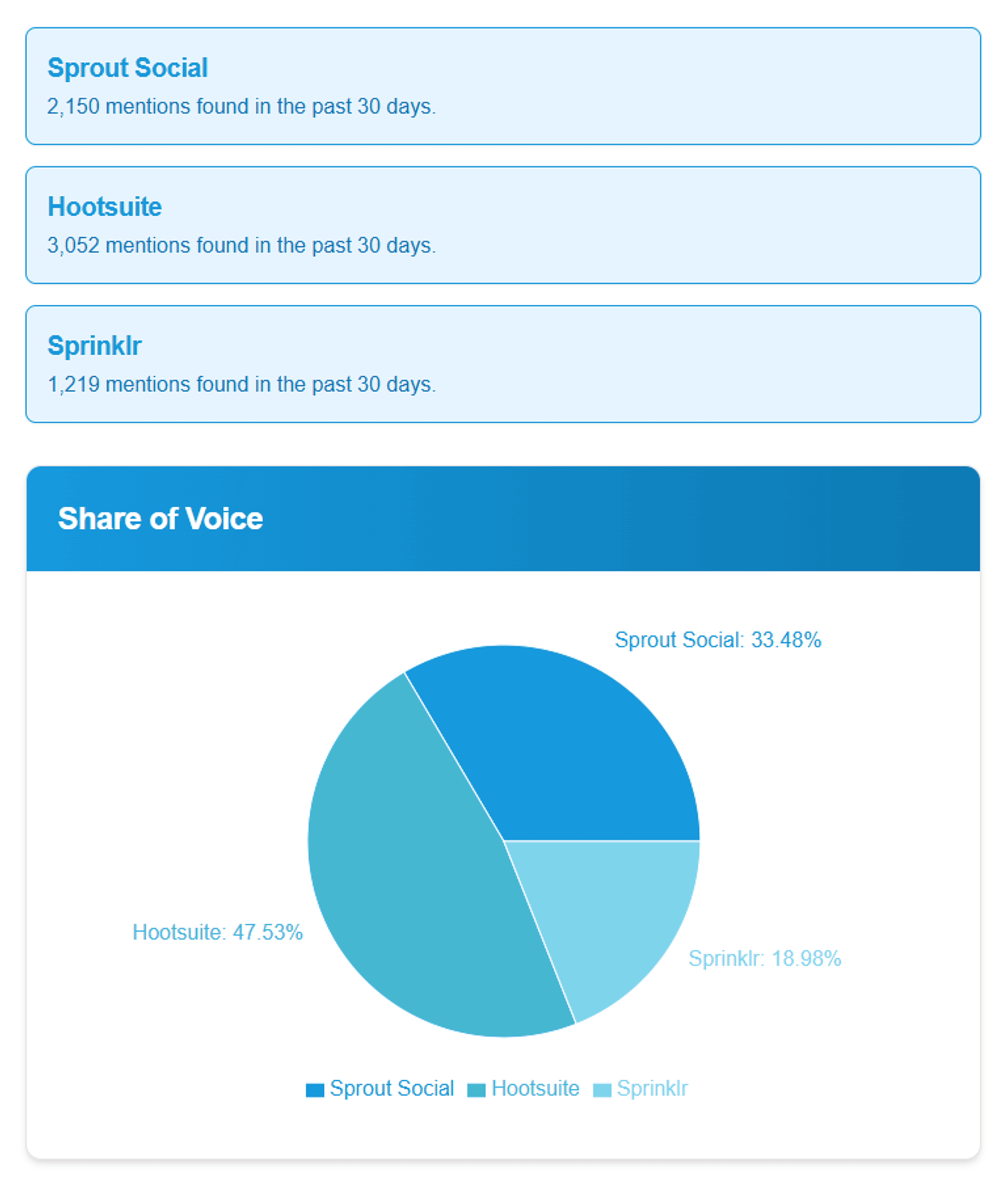
- New Referring Domains: While new backlinks are important, new domains represent a broader range of sources endorsing the brand.
- Website Authority Score: Tracking third-party estimates of a domain’s trustworthiness, focusing on the directional trend over time.
- AI Citations: Monitoring how often content is cited by AI models.
Demand: Did It Help People Take the Next Step?
While PR and SEO often operate at the top of the marketing funnel, understanding their impact on business goals is essential. Metrics to consider include:
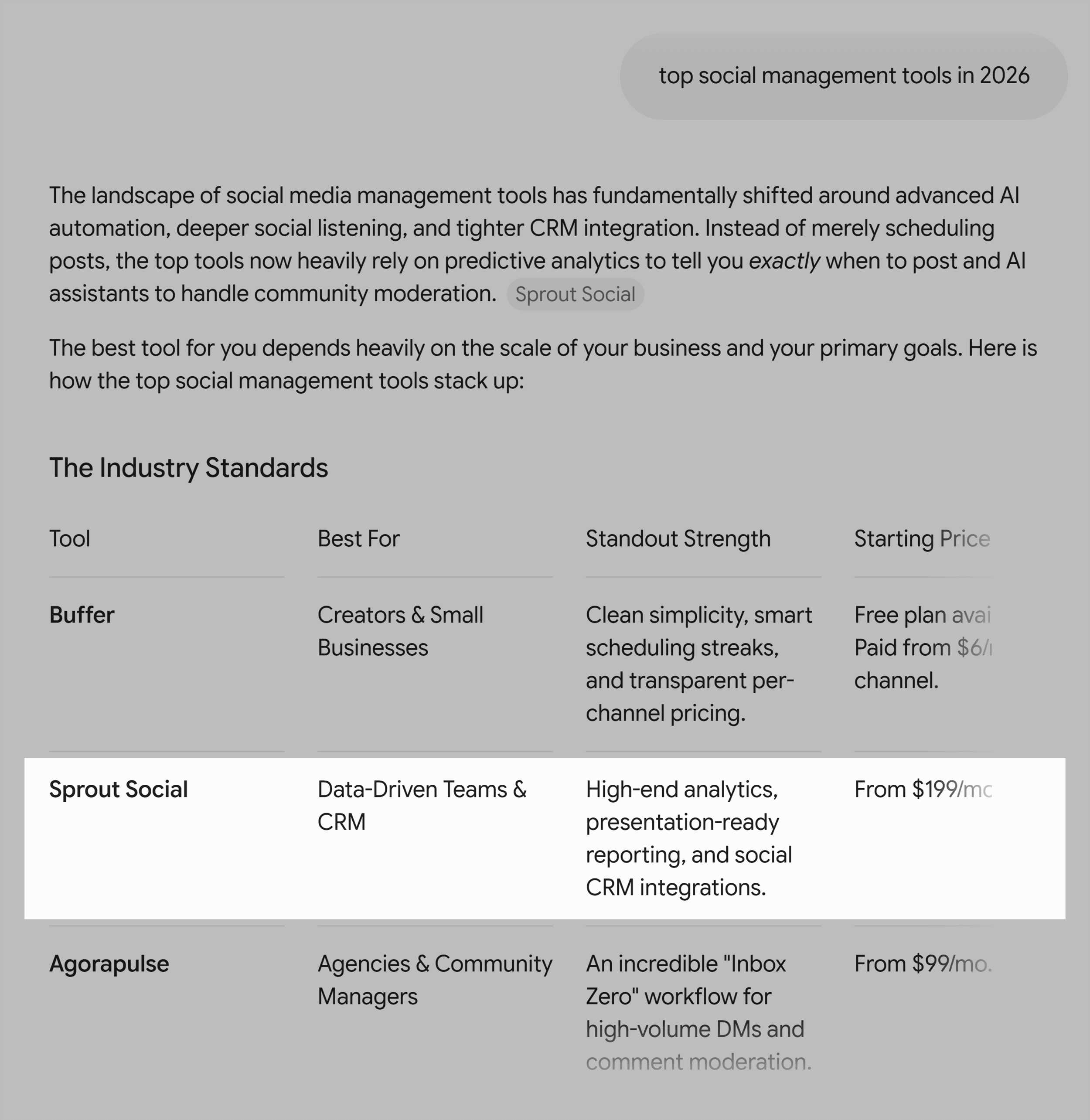
- Referral Traffic: Tracking visitors who arrive at the website directly from media coverage. Analyzing which topics drive this traffic can inform future content strategies.
- Assisted Conversions: Utilizing tools like Google Analytics to identify conversions where PR and SEO traffic played a role in the buyer’s journey, even if not the final click.
- Branded Search Queries: Monitoring increases in searches for the brand name, as indicated by Google Search Console. Spikes in branded searches following significant PR or SEO activities provide a direct link between efforts and increased brand awareness.
Conclusion: Turn PR and SEO into an Always-On Authority Engine
The brands currently achieving the highest levels of trust and visibility are not doing so through fragmented PR or SEO efforts. They are demonstrating consistent presence across media, blogs, review sites, search engines, and AI platforms, as these channels collectively reinforce authority signals. Achieving this requires more than ad-hoc coordination; it demands an ongoing, deeply integrated partnership between PR and SEO teams. Starting with small, manageable steps—like sharing research insights or collaboratively building a target source list—can lay the groundwork for a more robust, always-on authority engine. As AI continues to shape the digital landscape, the seamless integration of PR and SEO is no longer a strategic advantage, but a fundamental necessity for brand success.