Mastering the Art of Instagram Captions: A Comprehensive Guide to Driving Engagement and Brand Growth in 2023


Instagram has long cemented its status as a visual-first platform, differentiating itself from text-heavy networks like Facebook, LinkedIn, or the platform formerly known as Twitter. Users cannot publish a post, carousel, or Reel without attaching primary visual media. However, digital marketing professionals and brand strategists increasingly emphasize that visual assets represent only half of the equation. Captions are an essential, highly potent component of any comprehensive Instagram marketing strategy.

Whether an organization aims to elevate brand awareness, attract a new demographic of followers, boost overall engagement rates, or directly drive conversions and sales, crafting compelling Instagram captions is a operational necessity. Captions provide crucial context to visual creatives, facilitate authentic brand-consumer relationships through storytelling, and significantly expand organic reach via algorithmic optimization.
Understanding the mechanics of these text components, recognizing optimal length parameters, and implementing advanced formatting tricks are critical steps for modern brands seeking to maximize their return on investment (ROI) within the competitive social media landscape.
Anatomy of an Instagram Caption: Limits and Parameters
On Instagram, a caption serves as the written text accompanying a photo, video, or Reel. According to the platform’s technical parameters, captions can span up to 2,200 characters and may incorporate written text, targeted hashtags, and emojis. However, a vital technical limitation remains: clickable hyperlinks cannot be natively embedded within Instagram captions, requiring brands to utilize alternative traffic-driving methods such as "link in bio" strategies or direct messaging automation.
Historically, the conventional wisdom of social media management dictated keeping captions brief—often under the 125-character threshold to prevent truncation before the "more" button appears. Yet, contemporary digital marketing data challenges this convention. Industry studies, including comprehensive experiments conducted by analytics firms like Hootsuite, indicate that longer, context-driven captions—specifically those ranging between 400 and 705 characters—frequently outperform shorter text blocks in generating meaningful audience engagement.
Strategic Framework for Writing High-Converting Captions
Developing captions that consistently resonate with target audiences requires a structured approach. Organizations should move beyond generic descriptors and implement proven copywriting frameworks to maximize their organic visibility.
1. Hook the Reader with a Strong Opening
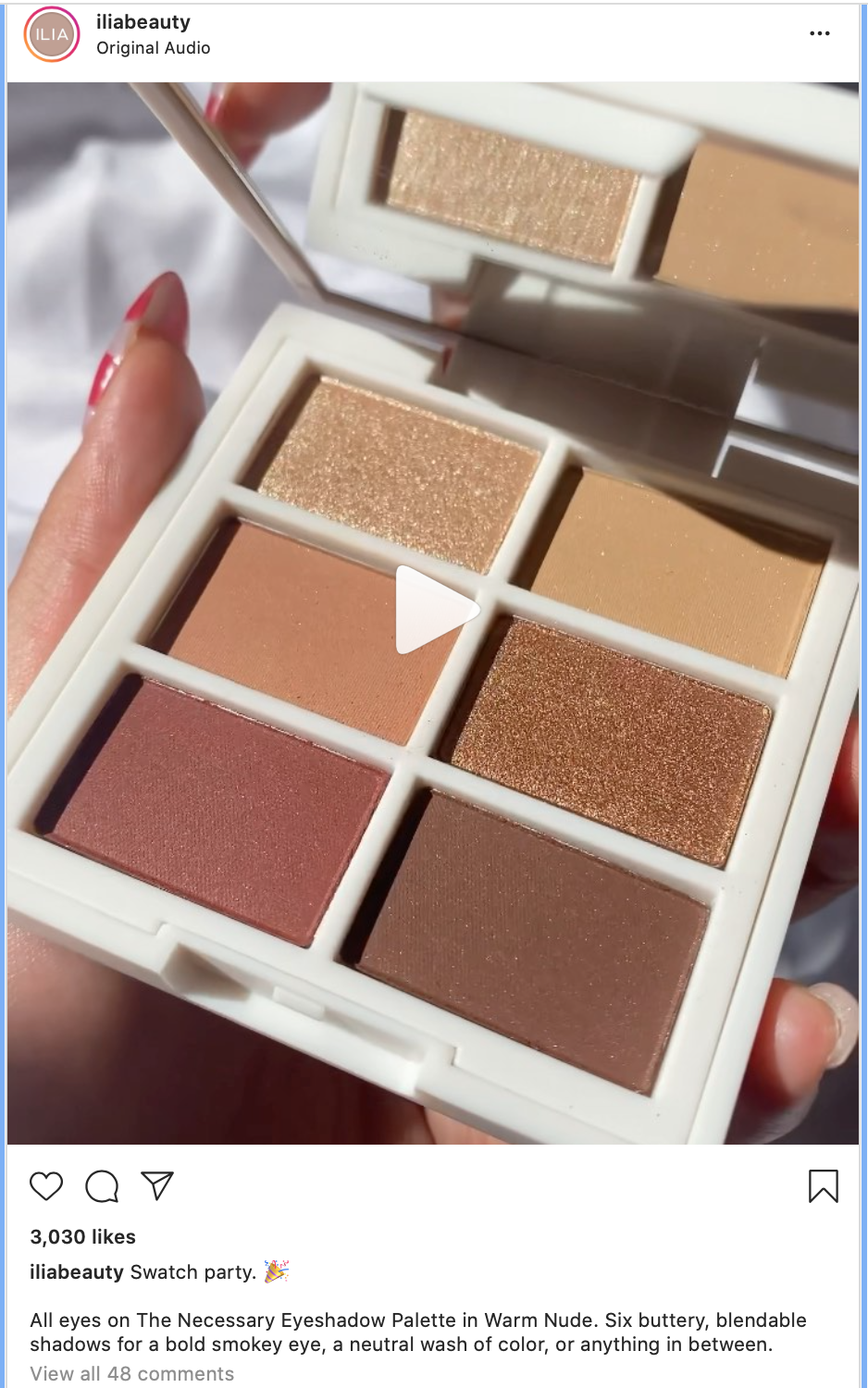
Because Instagram feeds are saturated with competing content, the initial sentences of a caption must be "thumb-stopping." Social media managers achieve this by placing the primary value proposition at the very beginning of the text. Doing so incentivizes users to tap the "more" button, read the complete narrative, and subsequently execute the designated call to action (CTA).
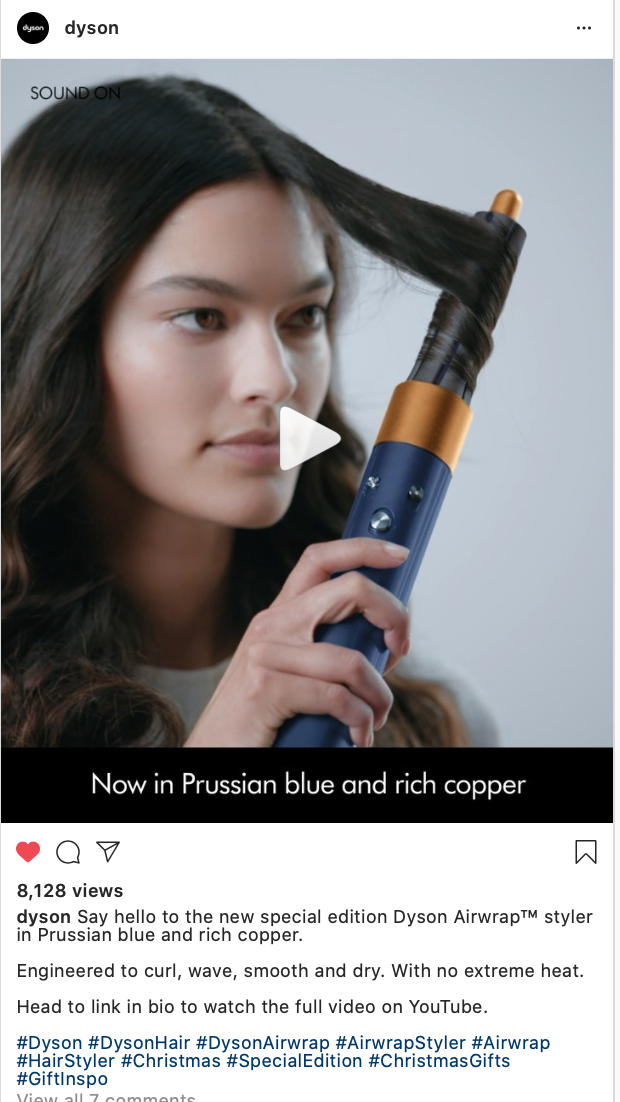
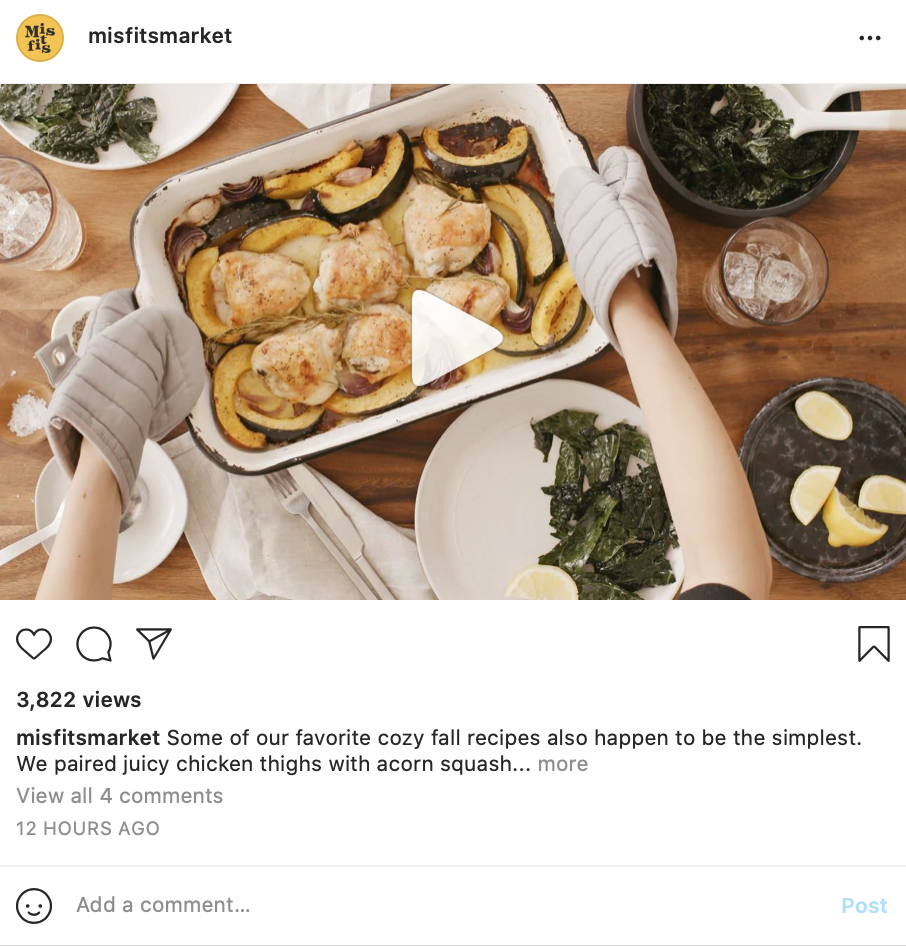
For example, e-commerce brands frequently lead with problem-solving statements. By highlighting a fast, accessible evening meal idea during the hectic holiday season rather than an elaborate, time-consuming recipe, brands immediately capture the attention of busy consumers.
2. Leverage Pop Culture and Cultural Resonance
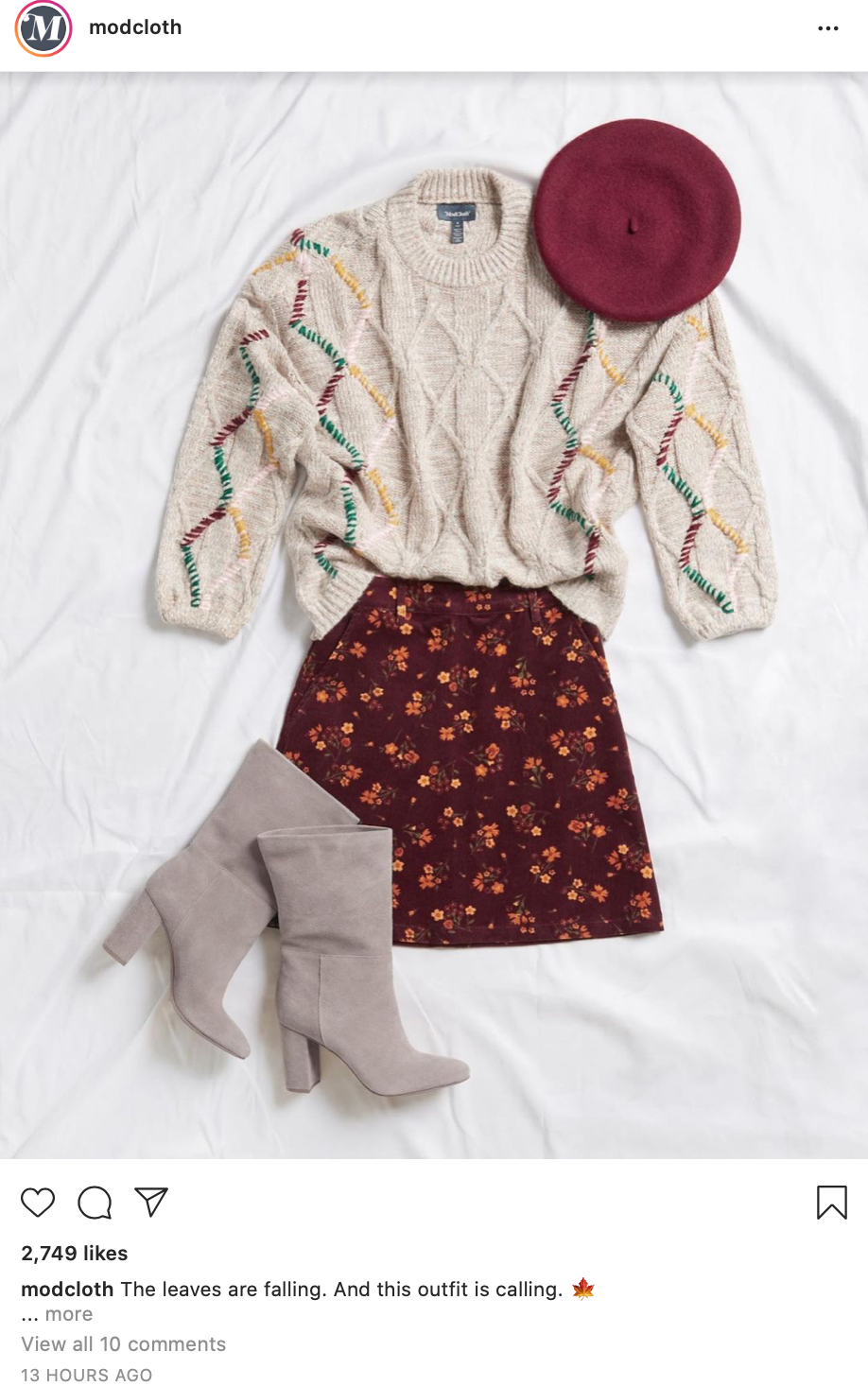
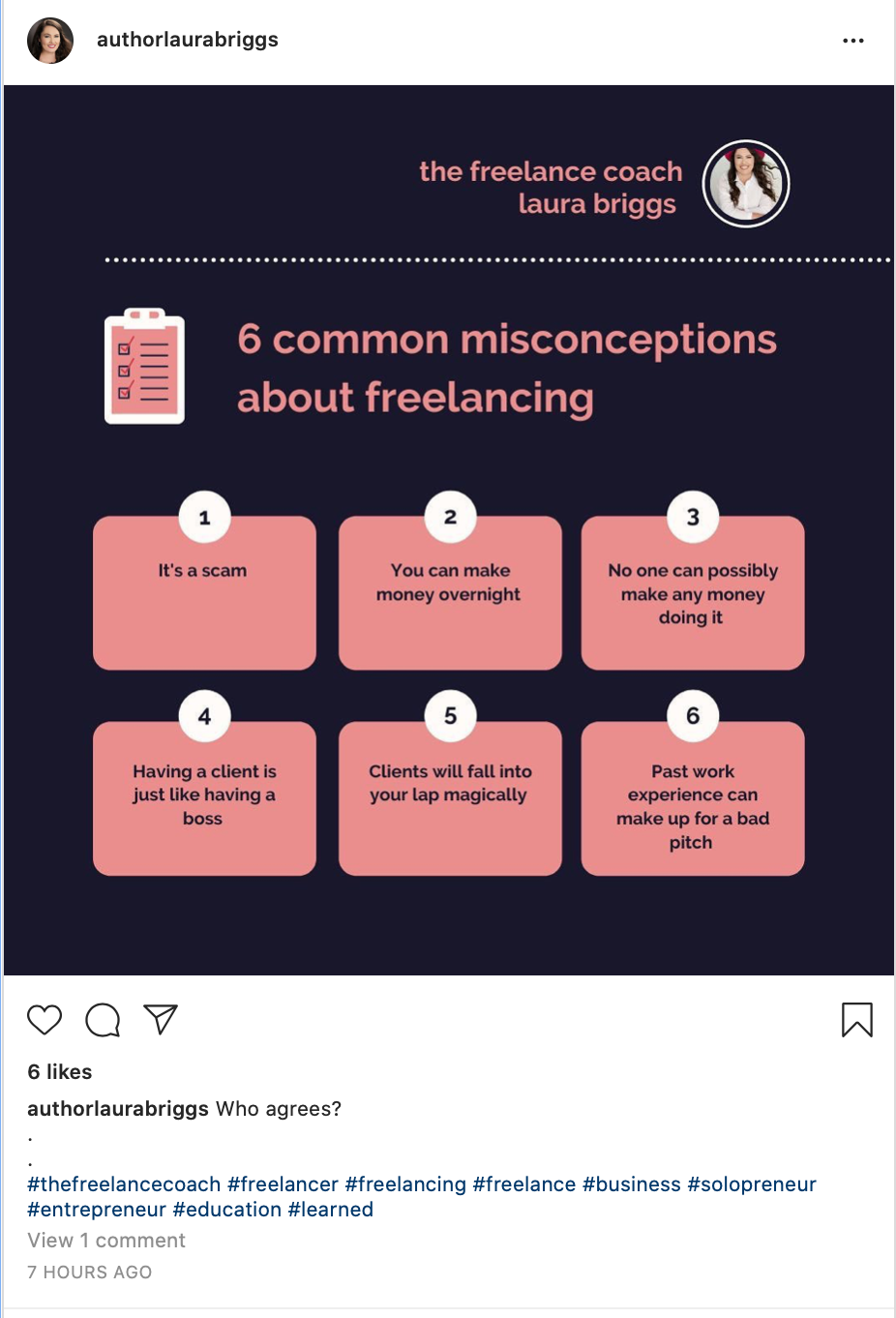
Integrating relevant cultural touchstones, trending topics, or familiar idioms makes corporate messaging feel accessible and relatable. Whether nodding to classic musical lyrics or seasonal motifs, clever contextual references allow brands to participate in broader cultural conversations. When executed authentically, this tactic fosters a sense of community and shared experience among followers.
3. Implement Strategic Hashtag Diversification
Hashtags remain a primary mechanism for expanding algorithmic reach beyond an existing follower base. While Instagram permits up to 30 hashtags per post, platform best practices advise against hashtag stuffing, which can appear spammy and degrade user experience.
Instead, marketers should curate a balanced, diversified mix of hashtags tailored to each specific post. An effective hashtag strategy typically combines:
- Branded hashtags (specific to the company or campaign)
- Seasonal or temporal hashtags (tied to holidays or current events)
- Interest-based hashtags (targeting specific niches or hobbies)
- Location-based hashtags (for geographically targeted marketing)
By rotating these categories, brands can maximize their presence across multiple algorithmic search feeds while keeping their content strategy fresh.
4. Optimize for Algorithmic Engagement
Due to the platform’s restriction against clickable links in standard post captions, driving direct engagement is paramount. The Instagram algorithm prioritizes content that generates high volumes of likes, comments, shares, and saves, subsequently pushing those posts higher in user feeds.
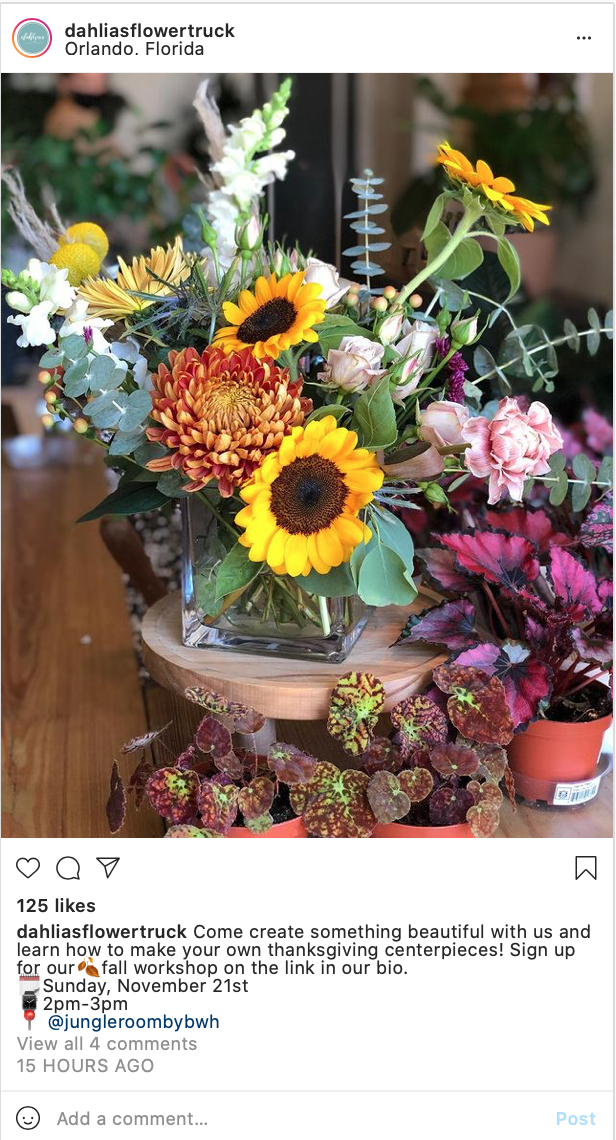
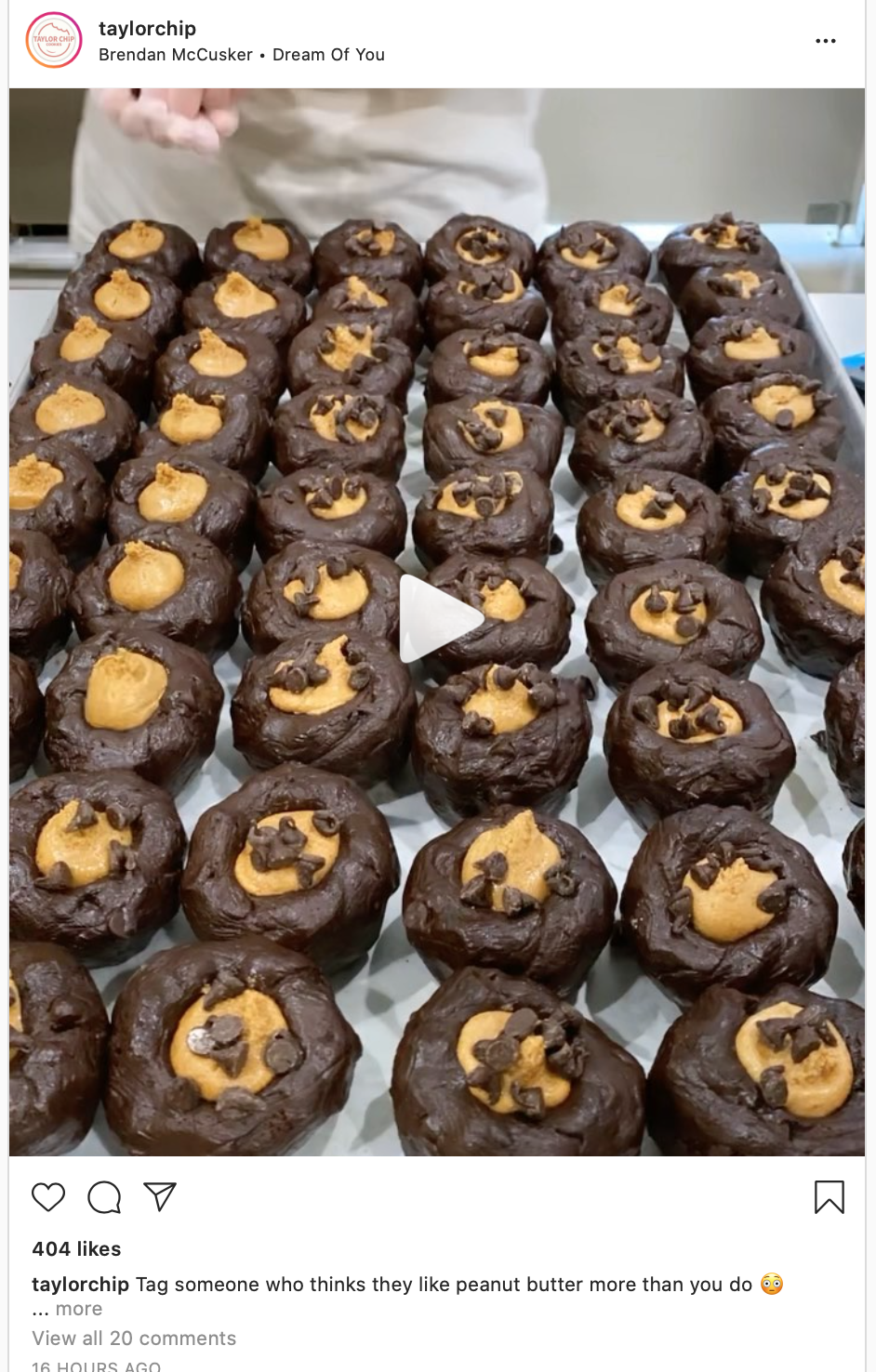
Marketers utilize various tactics to stimulate interaction, such as posing direct questions ("Who agrees?") to prompt immediate commentary, or encouraging users to tag peers in the comment section. While peer-tagging campaigns must be deployed judiciously to prevent audience fatigue, moderate utilization can successfully amplify reach and brand visibility.
5. Incorporate Clear and Direct Calls to Action (CTAs)
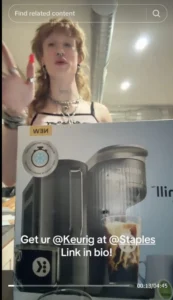
While engagement metrics are valuable, long-term commercial success requires transitioning users from passive viewers to active customers, event registrants, or newsletter subscribers. Effective CTAs guide followers toward specific, monetizable actions outside of the platform. A successful CTA must be unambiguous, communicate immediate value, and provide straightforward navigational instructions, often supported by strategic emoji placement to break up dense blocks of text.
Technical Tips and Advanced Formatting Tricks
Beyond copywriting strategy, the visual presentation of text significantly influences readability and audience retention. Advanced users employ several technical formatting techniques to optimize their Instagram presence.
Structuring and Spacing Captions
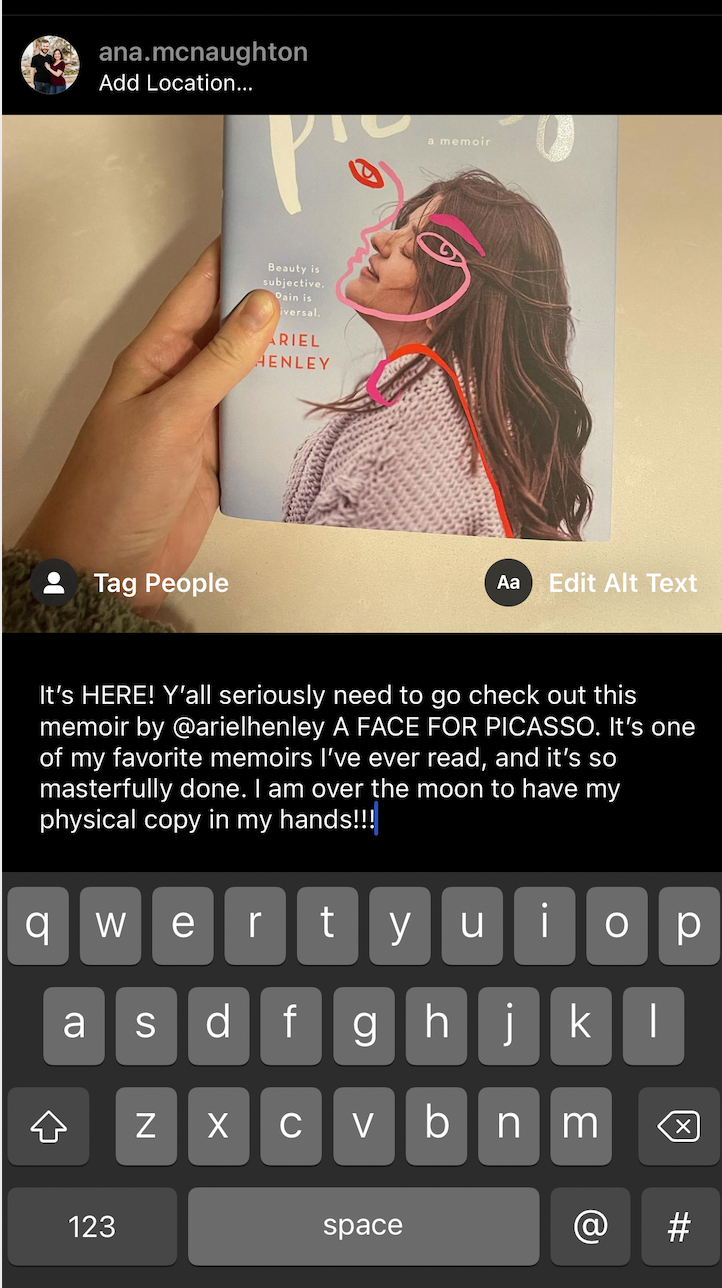
Dense walls of text discourage reading. To counteract this, brands utilize line breaks, emojis, or punctuation symbols to separate distinct sections of a caption. A universally effective template features a concise hook in the first line, followed by a blank line before the narrative body, and a final separation for hashtags. Achieving this spacing natively involves utilizing the "return" or "enter" key on the device keyboard during drafting.
Editing Published Content
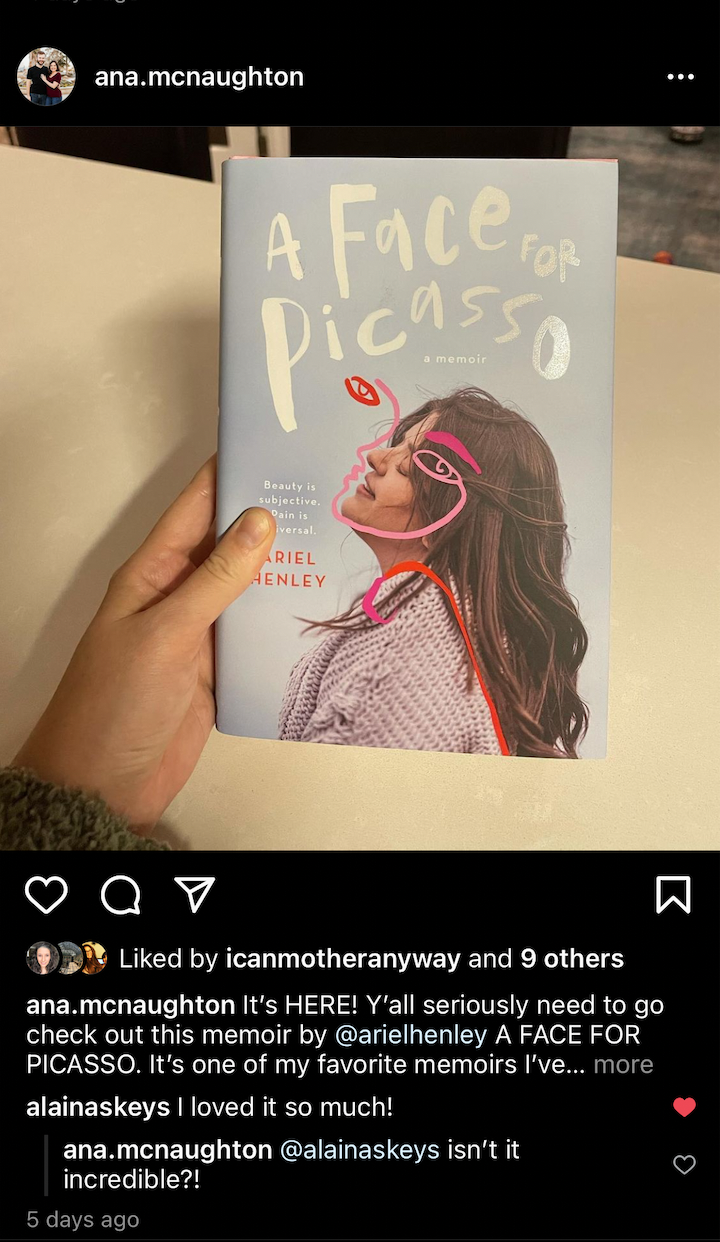
Instagram provides native functionality allowing users to modify captions post-publication. Administrators can access this feature by navigating to the specific post, selecting the three-dot menu icon in the upper right-hand corner, choosing the "Edit" option, and revising the text as needed. Changes take effect instantly upon saving.
Utilizing Custom Typography
To further differentiate content within crowded feeds, many creators and brands utilize third-party web tools (such as specialized font generators) to transform standard characters into custom typographic styles, bolding, or italics. Users simply generate the desired text style externally, copy the output, and paste it directly into the Instagram caption field.
Industry Implications and Future Outlook
As social commerce continues to mature, the role of the Instagram caption is evolving from a simple descriptive afterthought into a sophisticated copywriting channel. Brands that invest in strategic caption development—balancing algorithmic best practices, psychological triggers, and clean visual formatting—are better positioned to cultivate loyal communities and convert passive scrollers into active brand advocates. Industry analysts project that as visual content becomes increasingly standardized through advanced generative media tools, the human element of authentic, well-crafted copywriting will become the primary differentiator for successful digital marketing campaigns.