The Ultimate Guide to Crafting High-Impact Instagram Captions for Brands and Creators


While Instagram remains fundamentally rooted in visual media—distinguishing itself from text-heavy platforms like Facebook, LinkedIn, or the platform formerly known as Twitter—the written component of a post plays a critical role in digital marketing success. Industry analysis consistently demonstrates that thoughtfully crafted captions are no longer optional accessories to photos and videos; rather, they are foundational elements required to drive user engagement, expand organic reach, and convert passive scrollers into active customers.

As digital marketing strategies evolve, brands must recognize that an exceptional image or Reel paired with a mediocre text description represents a missed opportunity. Captions provide essential context, facilitate meaningful storytelling, and establish a distinct brand voice. Understanding how to construct these text blocks effectively requires a balance of creative copywriting, technical formatting, and strategic algorithm optimization.
Defining the Instagram Caption: Parameters and Limitations
On Instagram, a caption serves as the textual companion to photographs, video posts, and Reels. Creators and brand managers are allotted up to 2,200 characters per post, a generous limit that accommodates detailed narratives, bulleted lists, emojis, and hashtags. However, platform constraints dictate that clickable hyperlinks cannot be embedded directly within standard post captions. Consequently, brands must direct users to external landing pages via their profile bio links or utilize alternative pathways such as Instagram Stories.

Given the 2,200-character ceiling, marketers face strategic decisions regarding length. While brief, punchy text can deliver immediate impact, extensive data indicates that longer narratives often yield superior audience interaction. Recent digital marketing experiments conducted by social media management platforms reveal that captions ranging between 400 and 705 characters frequently outperform ultra-short descriptions of 65 characters or less in total engagement metrics. This discrepancy highlights the value of narrative depth, provided the content remains relevant and engaging to the target demographic.
Strategic Frameworks for Writing Compelling Captions
Mastering the art of the Instagram caption involves several methodical steps, beginning with the initial hook and concluding with a definitive call to action (CTA). Industry experts recommend structuring captions to maximize user retention and algorithmic favorability.

Capturing Attention with a Strong Opening
Because user feeds are saturated with content, the opening lines of a caption must be "thumb-stopping." The primary value proposition—the specific benefit or compelling reason for the user to care—should appear immediately at the very beginning of the text. Placing vital information upfront entices users to click the "more" button to read the full text, subsequently driving them toward the post’s objective.
For example, successful e-commerce and lifestyle brands frequently front-load their captions with relatable seasonal dilemmas or practical solutions. By addressing a timely pain point or offering an immediate shortcut, the brand establishes relevance before the user decides to scroll past.

Integrating Pop Culture and Relatable Cliches
To foster connection and approachability, successful content strategies frequently incorporate timely pop culture references, seasonal idioms, or familiar cultural cliches. Whether referencing a classic musical lyric or leaning into seasonal aesthetics—such as autumn foliage or summer sunshine—these literary devices make corporate feeds feel conversational and human. Originality remains paramount; brands that put a clever, unexpected spin on familiar tropes often achieve higher rates of sharing and save actions.
Diversifying Hashtags for Maximum Reach
Hashtags function as critical indexing tools within Instagram’s search and discovery architecture. While the platform permits up to 30 hashtags per post, digital marketing best practices advise against hashtag stuffing, recommending a curated selection of relevant tags instead.

An effective hashtag strategy relies on diversification. Brands should combine four distinct categories of hashtags within their caption or initial comment thread:
- Branded hashtags (specific to the company or campaign)
- Seasonal or timely hashtags (reflecting current holidays or events)
- Interest-based hashtags (targeting broad community niches)
- Location-based hashtags (for geographically targeted businesses)
By mixing these categories, brands expand their visibility beyond their existing follower base, capturing audiences browsing specific thematic feeds.

Optimizing for Algorithm-Driven Engagement
Because direct outbound links are prohibited in standard post captions, driving engagement metrics—such as likes, comments, shares, and saves—is the primary mechanism for signaling content value to Instagram’s recommendation algorithm. Higher engagement velocity directly translates to expanded organic distribution across the platform.
Marketers utilize several tactics to stimulate user interaction:

- Direct Inquiry: Asking straightforward questions (e.g., "Who agrees?") prompts immediate, low-friction responses in the comments section.
- Peer Tagging: Encouraging users to tag friends in the comments leverages social circles to increase post visibility, though this tactic must be deployed selectively to avoid audience fatigue.
- Interactive Storytelling: Inviting followers to share personal anecdotes or opinions creates a community-centric environment that fosters long-term brand loyalty.
Implementing Clear Calls to Action (CTAs)
While accumulating likes and comments validates a piece of content, commercial success ultimately depends on offline or off-platform actions, such as booking an appointment, registering for an event, or completing a purchase. An effective CTA bridges the gap between social media engagement and tangible business results.
A high-converting CTA must be explicit, unambiguous, and paired with a clear explanation of value. Users should never have to guess what steps to take next. Whether directing an audience to update their profile link to shop a new collection or signing up for a seasonal workshop, the instructions must be concise and easy to execute.

Technical Tips and Advanced Formatting Tricks
Beyond the psychological and copywriting elements of caption creation, technical formatting plays a decisive role in readability and visual presentation.
Mastering Paragraph Spacing
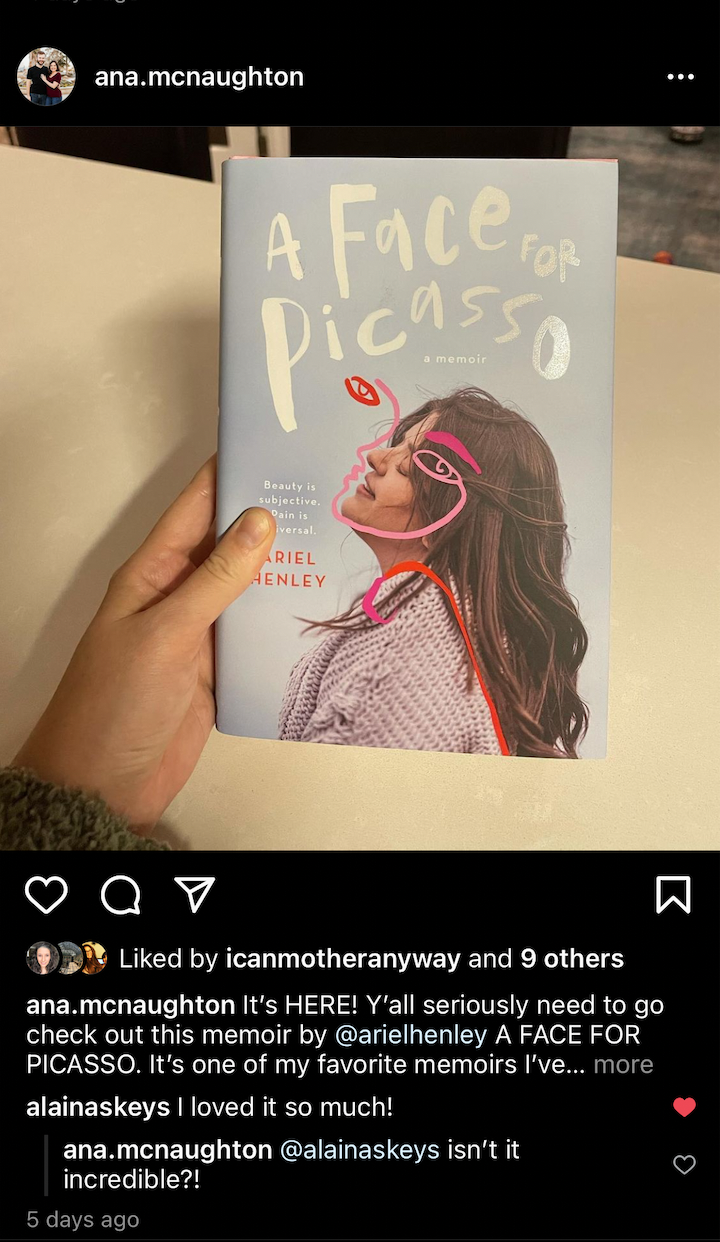
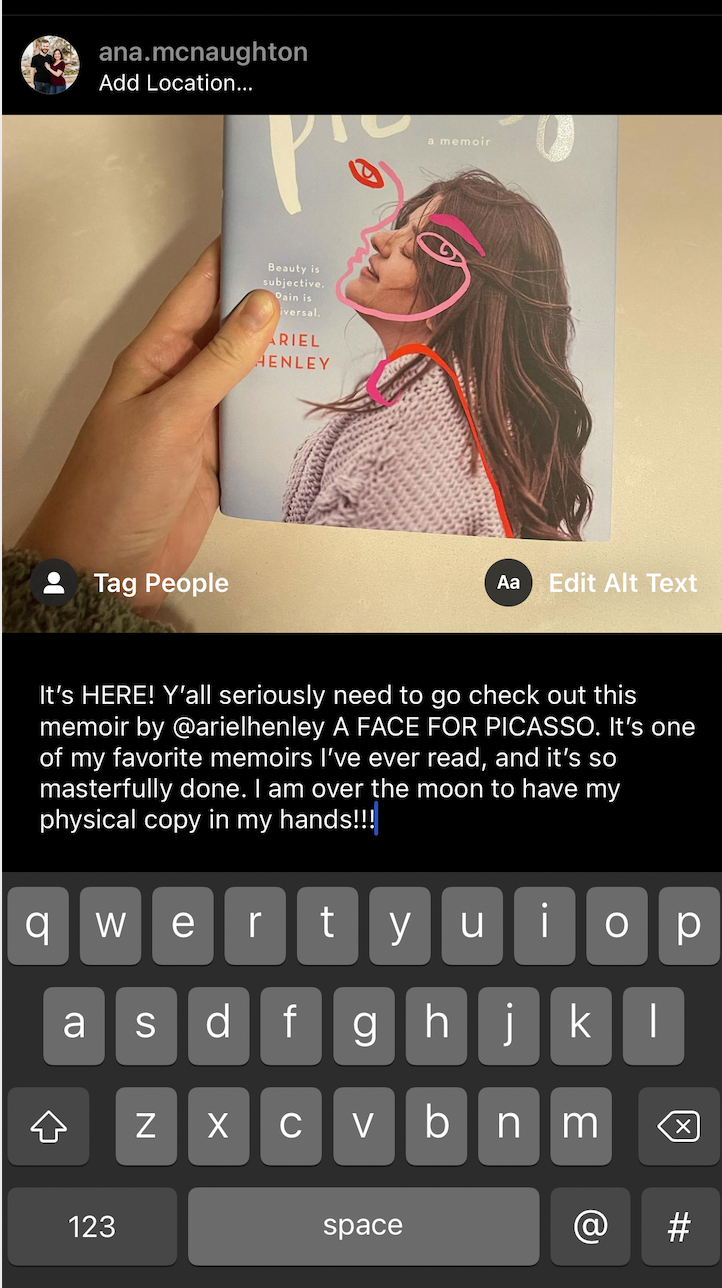
Unformatted walls of text frequently deter readers. For captions extending beyond two or three lines, breaking the text into distinct paragraphs using the mobile keyboard’s "return" key is essential. A proven structural template involves placing a brief summary hook in the first line, inserting a blank line before the narrative body, and utilizing a final spacing break before listing hashtags. This clean architecture enhances legibility across diverse mobile screen sizes.
Utilizing Caption Editing Capabilities
Mistakes happen, and Instagram accommodates post revisions through a straightforward editing feature. Creators can access any published post, tap the three-dot menu icon in the upper-right corner, select "Edit," and modify the text description in real time. Changes are published instantly, allowing brands to correct typos, update time-sensitive details, or refine their messaging post-launch.
Customizing Typography and Fonts
To make specific words or sections stand out within a crowded feed, many brands utilize custom typography, bolding, or italics. Because Instagram’s native interface does not include rich text formatting tools within the caption box, creators rely on external browser-based Unicode font generators. By inputting standard text into these tools, users can copy and paste stylized alphabets directly into their Instagram captions to create visual hierarchy and emphasis.
Industry Implications and Future Outlook
As social media algorithms continue to prioritize meaningful interactions and authentic content, the strategic importance of the Instagram caption will only intensify. Brands that invest time in refining their copywriting, understanding character constraints, and mastering technical formatting will maintain a distinct competitive advantage. Moving forward, the most successful digital marketers will be those who treat captions not as an afterthought, but as an indispensable pillar of comprehensive brand storytelling and audience conversion.
Related posts: