Walmart Unveils Ambitious Expansion and Renovation Plans: 20 New Stores and 650 Supercenter Remodels Slated for 2026

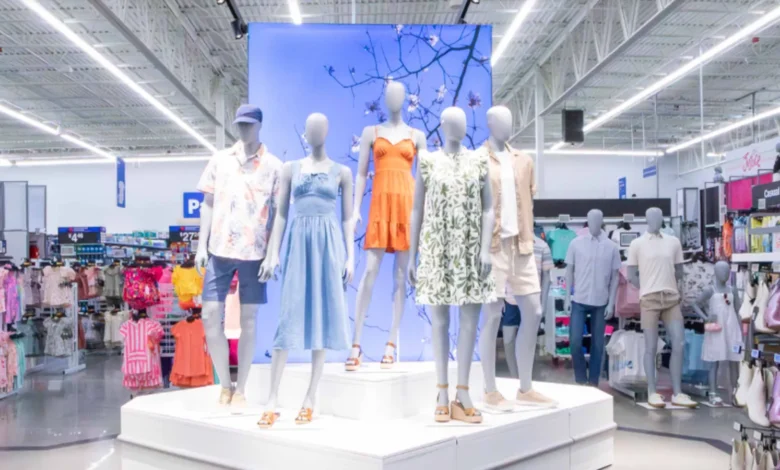
Walmart is embarking on a significant expansion and modernization initiative, with plans to open approximately 20 new stores over the next two years and undertake a massive renovation of 650 of its Supercenter and Neighborhood Market locations in 2026. This aggressive strategy underscores the retail giant’s commitment to reinforcing its market dominance, enhancing the in-store customer experience, and adapting to the evolving landscape of omnichannel retail. The announcement comes as the company continues to invest heavily in its physical footprint, a move that signals a strategic counterpoint to the persistent growth of e-commerce and a reaffirmation of the enduring importance of brick-and-mortar retail.
This ambitious undertaking represents the third consecutive year that Walmart has outlined plans to update at least 650 of its existing stores. This sustained focus on renovation highlights a deliberate effort to refresh its vast network of stores, ensuring they remain competitive and appealing to a broad customer base. The company’s decision to prioritize these upgrades follows a period of relatively stagnant store growth, indicating a renewed strategic emphasis on optimizing its existing real estate portfolio while selectively expanding its reach. The investment in store remodels is a critical component of Walmart’s broader strategy to cater to a growing demand for seamless, integrated shopping experiences that bridge the online and offline worlds.
Revitalizing the In-Store Experience: A Focus on Modernization and Convenience
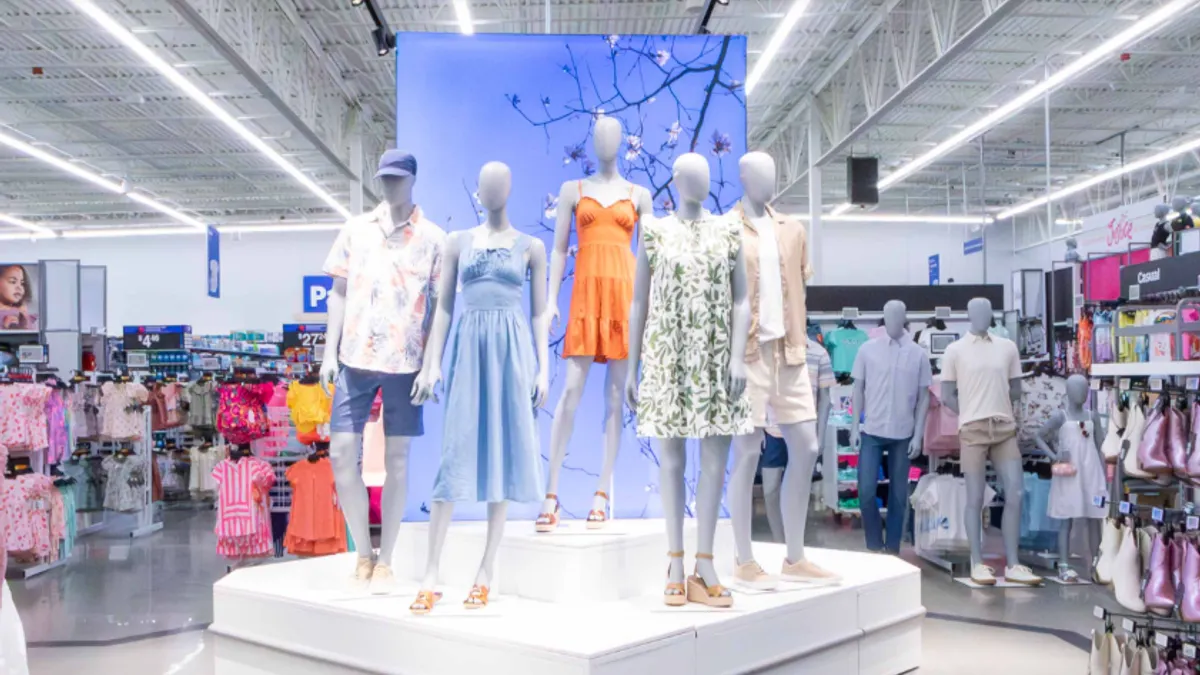
The upcoming store remodels are designed to significantly enhance the customer journey, introducing a host of improvements aimed at increasing convenience, accessibility, and engagement. Key upgrades will include the widening of store aisles, a practical enhancement that will facilitate easier navigation, particularly for shoppers with carts, strollers, or mobility aids. This adjustment is also expected to improve the overall flow of traffic within the stores, potentially reducing congestion during peak shopping hours.
Beyond physical layout changes, the renovations will integrate new digital touchpoints throughout the store. These technological enhancements are intended to empower shoppers with more information and control over their purchasing decisions. Customers will be able to utilize the Walmart app to receive assistance with store navigation, scan product labels for detailed pricing and product information, and leverage the Walmart Pay tool for swift and secure transactions. For Walmart+ members, these digital advancements will extend to access to the retailer’s mobile checkout program, further streamlining the in-store payment process and reducing wait times at traditional checkout lanes.
Pharmacies and vision centers within the remodeled stores will also receive substantial updates. These improvements are likely to include enhanced service areas, updated equipment, and potentially expanded offerings, reflecting Walmart’s commitment to providing a comprehensive suite of essential services to its communities. The updated signage throughout the stores will also contribute to a more modern and intuitive shopping environment, making it easier for customers to locate products and departments.
Neighborhood Markets: A Strategic Focus on Grocery and Omnichannel Capabilities
The Neighborhood Market format, a smaller-store concept that emphasizes grocery offerings, is slated for particular attention in these renovations. These stores will benefit from expanded deli and hot bar selections, catering to the growing consumer demand for prepared foods and convenient meal solutions. Enhanced lighting and signage will also be implemented to create a more inviting and efficient shopping atmosphere.
A significant aspect of the Neighborhood Market remodel will be the enhancement of their e-commerce fulfillment areas. This strategic move reflects Walmart’s recognition of the increasing importance of online grocery orders, including pickup and delivery services. By optimizing these back-of-house operations, Walmart aims to improve the speed and accuracy of fulfilling online orders, thereby strengthening its competitive position in the rapidly growing online grocery market.
This heightened focus on Neighborhood Markets is not entirely new. In 2024, Walmart began testing larger, more omnichannel-focused store formats for this segment. This year, the company launched a new rapid remodel program specifically for Neighborhood Markets, a testament to its commitment to this format. This program drastically reduces the timeline for store updates, paring down the renovation process from several months to a mere one month. This accelerated approach allows Walmart to implement improvements more quickly across its Neighborhood Market footprint, ensuring that these stores can rapidly adapt to changing consumer needs and technological advancements.
A History of Expansion and Adaptation
Walmart’s current expansion and renovation drive is built upon a long history of strategic growth and adaptation. Founded by Sam Walton in 1962, Walmart quickly revolutionized the retail landscape with its "Everyday Low Prices" strategy and its innovative approach to logistics and supply chain management. The company’s early success was driven by its ability to offer a wide variety of goods at competitive prices, often in rural and suburban areas underserved by existing retailers.

The introduction of the Supercenter format in the 1980s, which combined a full-line discount store with a supermarket, was a pivotal moment in Walmart’s evolution. This format allowed the company to capture a larger share of consumer spending by offering a one-stop shopping destination for both general merchandise and groceries. The Neighborhood Market format, launched in 1998, further diversified Walmart’s retail footprint, catering to customers seeking a more focused grocery shopping experience.
Throughout its history, Walmart has demonstrated a remarkable ability to adapt to changing consumer behaviors and technological advancements. The company was an early adopter of sophisticated inventory management systems and has consistently invested in technology to optimize its operations. In recent years, this adaptation has increasingly focused on integrating its physical stores with its burgeoning e-commerce operations. The current wave of renovations and store openings is a direct continuation of this long-standing commitment to innovation and customer-centricity.
Financial Commitments and Broader Implications
The scale of Walmart’s investment in its physical infrastructure is substantial. According to its latest annual report, the company allocated just over $5.5 billion towards remodels during the yearlong period that concluded on January 31, 2026. This significant financial outlay underscores the strategic importance Walmart places on maintaining and enhancing its physical store network as a core pillar of its business model.
This investment strategy is particularly noteworthy in the current retail environment, where many competitors are grappling with the challenges of declining foot traffic and the shift towards online shopping. Walmart’s continued emphasis on its physical stores, coupled with its robust e-commerce capabilities, positions it to effectively serve a diverse range of customer preferences. By offering a seamless omnichannel experience, Walmart aims to capture market share from competitors who may not have the resources or the strategic vision to invest in both physical and digital channels.
The implications of these expansion and renovation plans extend beyond Walmart’s immediate financial performance. The creation of new jobs associated with the construction and staffing of new stores, as well as the enhanced operational needs of remodeled locations, will have a positive impact on local economies. Furthermore, the increased competition spurred by Walmart’s growth and modernization efforts could drive other retailers to innovate and improve their own offerings, ultimately benefiting consumers across the board.

Competing in the Digital Age
Walmart’s strategic push to revamp its stores is intrinsically linked to its ongoing efforts to compete with online retail giants like Amazon. The company recognizes that in the modern retail landscape, physical stores are no longer just points of sale but also vital hubs for customer engagement, fulfillment, and brand experience.
The integration of digital tools and mobile technology into the store environment is a critical element of this strategy. By empowering customers with self-service options and enhanced information access through their smartphones, Walmart is bridging the gap between the convenience of online shopping and the tangible experience of in-store browsing. The Walmart app’s capabilities, such as in-store navigation assistance and label scanning, directly address common pain points associated with large-format retail environments.
Moreover, the expansion of pickup and delivery services, facilitated by the improved e-commerce fulfillment areas within remodeled stores, is crucial for meeting the evolving demands of consumers who increasingly expect speed and flexibility in their shopping. Walmart+ members, in particular, will benefit from these enhancements, solidifying their loyalty and providing a competitive edge against other subscription-based retail services.
Brand Evolution: The Great Value Refresh
In parallel with its store modernization efforts, Walmart has also been investing in its private label brands. Earlier this week, the company announced plans to redesign its Great Value brand, a significant undertaking that marks the first overhaul of its packaging and branding in over a decade. This initiative signals a commitment to refreshing its own-label offerings, aligning them with contemporary consumer tastes and preferences, and ensuring they remain competitive with national brands.
The Great Value brand is a cornerstone of Walmart’s value proposition, and its redesign is likely to involve updated aesthetics, potentially improved product formulations, and a renewed emphasis on quality and affordability. This brand evolution complements the physical store improvements, creating a cohesive brand experience that reinforces Walmart’s commitment to delivering value and quality to its customers across all touchpoints.
In conclusion, Walmart’s aggressive expansion and renovation plans for 2026 represent a multifaceted strategy to solidify its position as a retail leader in an increasingly complex market. By investing in new store openings, modernizing its existing footprint, and enhancing its omnichannel capabilities, Walmart is signaling its intent to not only adapt to the future of retail but to actively shape it. The company’s sustained commitment to both physical and digital innovation, coupled with its strategic focus on key formats like Neighborhood Markets and its private label brands, positions it for continued success in the years to come.
Related posts: