Reformation Targets Up to $1 Billion Valuation in Highly Anticipated Initial Public Offering

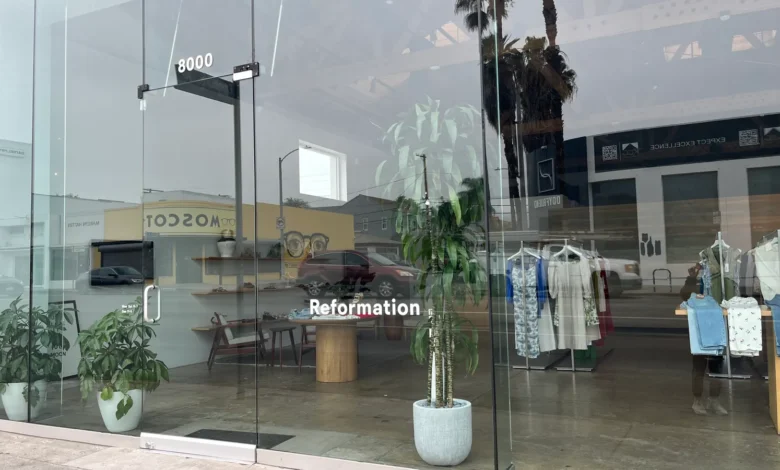
Reformation, the direct-to-consumer fashion brand renowned for its commitment to sustainable practices and trendy apparel, is poised to make its public debut, targeting a valuation of up to $1 billion. The company announced its initial public offering (IPO) plans, with an offering of more than 14 million shares of common stock. The anticipated price range for these shares has been set between $15 and $17 per share, according to a company announcement made on Monday. This move marks a significant milestone for Reformation, a company that has steadily built a loyal customer base through its unique blend of fashion-forward design and environmental consciousness.
The offering includes nearly 9.5 million shares originating from Reformation itself, with the remaining shares being offered by certain existing stockholders. Furthermore, an additional 2.1 million shares of common stock from selling stockholders could potentially become available for purchase by underwriters. This option, exercisable for a 30-day period, provides underwriters with flexibility and the potential to increase the overall size of the offering should market demand prove exceptionally strong. Based on the projected pricing, Reformation anticipates netting approximately $134.5 million from the IPO, assuming an average share price of $16.
Financial Projections and Use of Proceeds
Following the successful completion of the IPO, Reformation expects to have just over 59 million shares of common stock outstanding. The company has outlined a clear strategy for the utilization of the net proceeds from the offering. A substantial portion, estimated at about $125 million, is earmarked for the partial repayment of an existing loan. This move suggests a focus on strengthening the company’s balance sheet and reducing financial leverage. Additionally, Reformation intends to allocate approximately $9.5 million of the net proceeds towards repurchasing outstanding shares and stock options. This strategic buyback could be aimed at enhancing shareholder value, reducing dilution, or compensating key employees and stakeholders. These details were further elaborated in an updated S-1 filing submitted to the Securities and Exchange Commission (SEC) on Monday, providing potential investors with a comprehensive overview of the company’s financial health and future plans.
A Look Back: The Journey to the IPO
Reformation first signaled its intention to pursue a public offering in June, at which time it also revealed a robust financial performance driven by its successful direct-to-consumer (DTC) business model. In 2025, the company reported net revenues of approximately $507 million and a net income of $12.6 million. These figures underscore the viability and profitability of its DTC strategy, which has allowed Reformation to maintain closer relationships with its customers and control its brand narrative. The company’s commitment to sustainability has been a cornerstone of its brand identity since its inception, resonating with a growing segment of consumers who prioritize ethical and environmentally responsible purchasing decisions.
The brand’s expansion into physical retail has also played a pivotal role in its growth trajectory. Data revealed in a recent filing indicates that over 30% of Reformation’s new DTC shoppers were acquired through its physical retail stores in the past year. This statistic highlights the symbiotic relationship between its online and offline presence, with brick-and-mortar locations serving as crucial touchpoints for customer acquisition and brand engagement. A significant portion of its 70 owned stores, approximately 75%, utilize its proprietary "Retail X" store model. This innovative approach likely integrates technology and design to create an engaging and efficient shopping experience, further enhancing customer loyalty and driving sales.
The Strategic Significance of the IPO
The decision by Reformation to go public is a testament to its strong performance and its ambition for continued growth and expansion. An IPO provides companies with access to significant capital, which can be used to fund further product development, expand into new markets, enhance marketing efforts, and invest in technological advancements. For Reformation, the capital raised will likely fuel its ongoing commitment to sustainability initiatives, allowing for greater investment in eco-friendly materials, ethical manufacturing processes, and carbon footprint reduction.
The DTC model has proven to be a powerful engine for brands like Reformation, enabling them to bypass traditional retail markups and build direct connections with their consumers. This direct relationship allows for more agile product development, better inventory management, and a more personalized customer experience. As Reformation enters the public markets, investors will be keenly observing its ability to maintain this DTC advantage while navigating the complexities of being a publicly traded company.
Industry Context and Market Trends
Reformation’s IPO arrives at a time when the fashion industry is undergoing significant transformation. Consumers are increasingly demanding transparency, sustainability, and ethical practices from the brands they support. Reformation’s established reputation in these areas positions it favorably within this evolving market landscape. The success of its IPO could also inspire other sustainably-focused fashion brands to consider public offerings, potentially ushering in a new era of conscious capitalism in the apparel sector.
The market for sustainable fashion is projected to grow substantially in the coming years. As consumers become more aware of the environmental impact of their purchasing decisions, brands that can authentically demonstrate their commitment to sustainability are likely to capture a larger share of the market. Reformation’s established track record and its clear communication of its values have resonated deeply with its target demographic.
Potential Investor Reactions and Market Analysis
The prospect of investing in a well-established DTC brand with a strong emphasis on sustainability is likely to attract a wide range of investors. Financial analysts will be scrutinizing Reformation’s financial statements, growth projections, and competitive landscape to assess its long-term potential. Key areas of focus will include its ability to maintain its profit margins, scale its operations efficiently, and continue to innovate in both product design and sustainability practices.
The valuation of up to $1 billion suggests a significant level of confidence from the company and its underwriters in its future prospects. However, the actual trading performance of Reformation’s stock post-IPO will be a critical indicator of market reception. Factors such as overall market sentiment, the performance of other recent IPOs in the retail and apparel sectors, and the company’s ability to effectively communicate its growth story to investors will all play a crucial role.
The Role of Sustainability in Corporate Strategy
Reformation’s dedication to sustainability is not merely a marketing ploy; it is deeply ingrained in its corporate DNA. The company has consistently invested in innovative solutions to minimize its environmental impact, from sourcing recycled and deadstock fabrics to implementing energy-efficient manufacturing processes. Its commitment to transparency in its supply chain and its efforts to track and report on its carbon footprint have set a benchmark for the industry.
This focus on sustainability is not only ethically commendable but also strategically astute. It allows Reformation to differentiate itself in a crowded market and to attract a loyal customer base that aligns with its values. As the IPO progresses, investors will be looking for evidence that Reformation can translate its sustainability ethos into continued financial success, demonstrating that profitability and planetary responsibility can indeed go hand in hand.
Future Outlook and Growth Opportunities
With the capital infusion from the IPO, Reformation is well-positioned to explore new avenues for growth. This could include expanding its product lines, entering new geographic markets, and further investing in its digital and physical retail infrastructure. The company’s "Retail X" model, which blends online and offline experiences, could be a significant driver of future growth, offering a unique and engaging customer journey.
Furthermore, Reformation’s strong brand identity and its ability to connect with a conscious consumer base provide a solid foundation for continued market penetration. As the demand for sustainable and ethically produced fashion continues to rise, Reformation’s established leadership in this space is likely to become an even greater competitive advantage. The company’s journey from a niche sustainable brand to a publicly traded entity signifies a broader shift in consumer preferences and corporate priorities within the fashion industry. The success of its IPO will undoubtedly be closely watched by industry peers and aspiring entrepreneurs alike, serving as a potential blueprint for future sustainable ventures seeking to tap into the public markets.
Related posts: