Mastering the Art of the Instagram Caption: A Comprehensive Guide to Driving Engagement and Brand Growth in 2023


While Instagram remains fundamentally rooted in visual storytelling through high-resolution photography, dynamic video content, and immersive Reels, digital marketing professionals increasingly recognize that textual accompaniment plays a critical role in campaign success. Unlike platforms such as Facebook, LinkedIn, or X (formerly Twitter), which allow text-only status updates, Instagram makes media uploads mandatory. However, treating captions as an afterthought can severely limit a brand’s potential for digital growth. Comprehensive marketing strategies require robust captions to provide essential context, build enduring customer relationships through narrative arcs, and expand organic reach within competitive algorithmic feeds.

The Evolution and Anatomy of the Instagram Caption
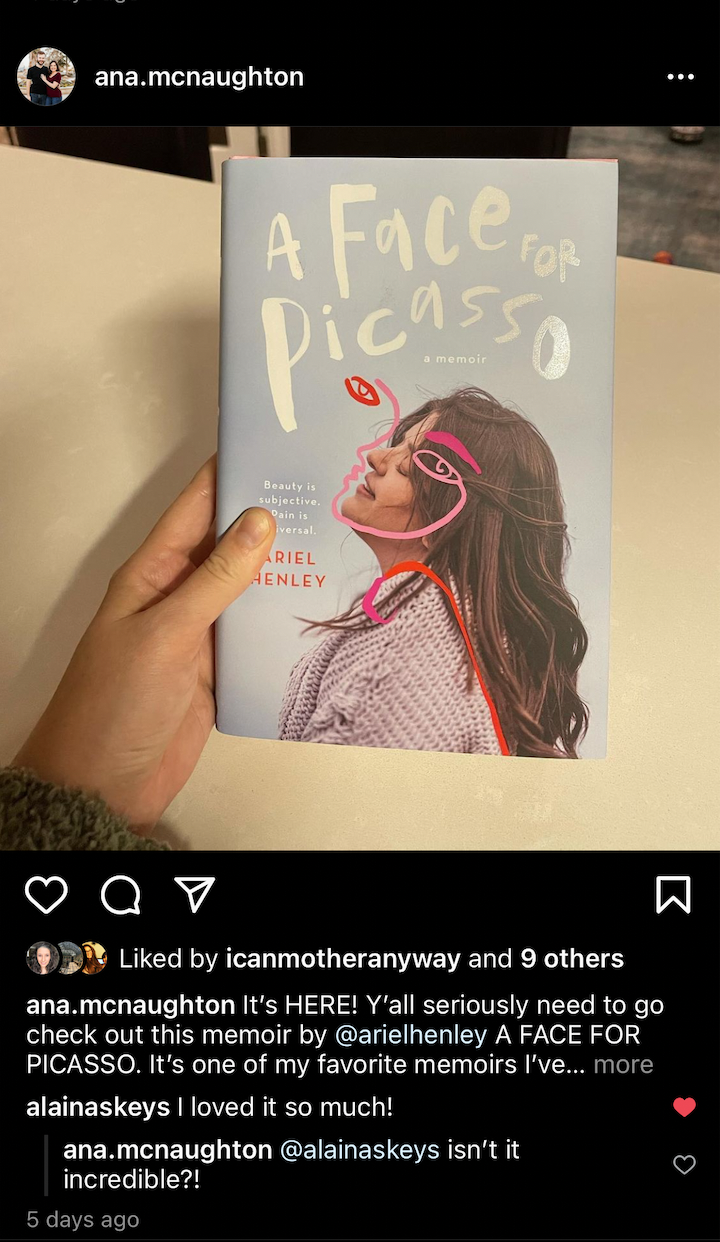
An Instagram caption functions as the textual description accompanying a photo, video carousel, or Reel. Platform parameters permit up to 2,200 characters per caption, accommodating a blend of narrative text, targeted hashtags, and emojis. Notably, Instagram maintains a strict structural limitation: standard captions do not support clickable hyperlinks, meaning marketers must rely on alternative pathways—such as the link in a brand’s bio or native shopping integrations—to drive direct web traffic from organic posts.
To understand why captions demand strategic investment, one must examine how platform algorithms process user interactions. Instagram’s ranking system prioritizes content that generates meaningful interaction, such as comments, shares, and saves. Consequently, crafting compelling copy is no longer merely a stylistic choice; it is a technical necessity for brands seeking to maximize return on investment (ROI) from their social media expenditures.

Strategic Framework for Writing High-Converting Captions
Developing captions that consistently perform well requires adherence to proven copywriting principles tailored specifically to the user behavior of social media audiences. Industry data consistently indicates that posts featuring well-structured, contextual copy significantly outperform those relying solely on imagery.
1. Hook the Reader with a Strong Opening
Because users consume social media content in high-speed, continuous scroll cycles, brands have mere fractions of a second to capture attention. Achieving "thumb-stopping" content requires placing the primary value proposition at the very beginning of the caption. This strategic placement incentivizes users to click the "more" button to read the full text and subsequently engage with the accompanying call to action (CTA).
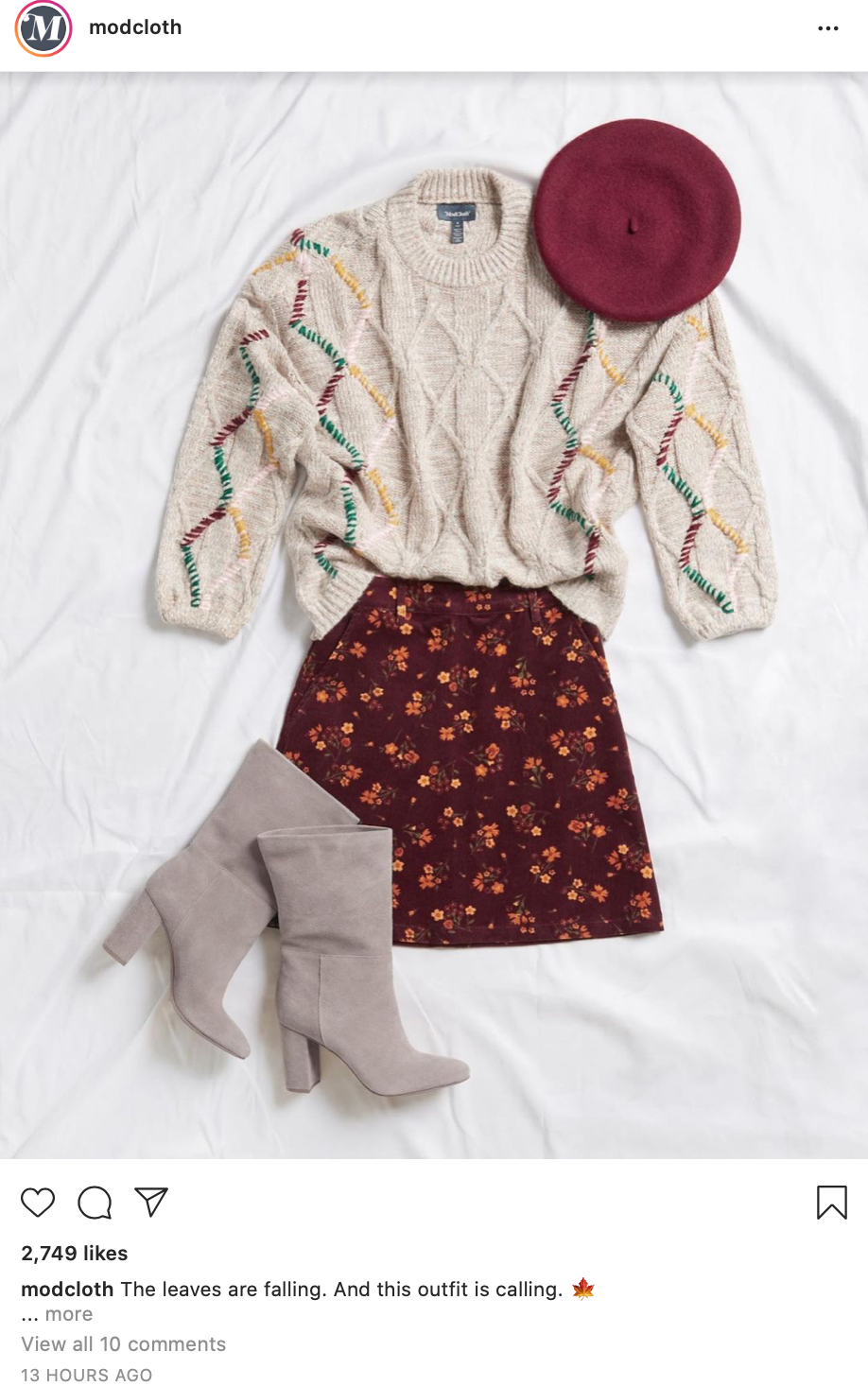
For instance, retail and direct-to-consumer brands frequently utilize introductory hooks that directly address seasonal pain points or desires. A food delivery service might open a November post with, "Some of our favorite cozy fall recipes also happen to be the simplest," directly contrasting with the complex, multi-hour cooking guides dominating home-cooking feeds during the autumn holiday season.
2. Understand Optimal Length and Character Counts
A persistent debate among social media managers centers on whether captions should be brief and punchy or long and narrative-driven. While ultra-short captions (under 125 characters) remain popular for aesthetic or minimalist posts, empirical research demonstrates the distinct advantages of long-form copy.
A comprehensive engagement study conducted by social media management platform Hootsuite analyzed various caption lengths and discovered that posts featuring captions between 400 and 705 characters consistently achieved higher average engagement rates than those restricted to 65 characters or fewer. Providing adequate context, background information, or storytelling elements encourages users to pause, read, and interact more deeply with the brand.
3. Leverage Cultural Relevance and Relatability
Integrating pop culture references, widely recognized idioms, or seasonal cliches into social media copy establishes an immediate sense of familiarity and connection with the audience. Phrases adapted from classic music, cinema, or seasonal markers—such as referencing the arrival of autumn leaves or summer sunshine—resonate because they tap into shared cultural experiences.
When executed creatively, these references prevent a brand’s feed from feeling overly clinical or purely transactional, transforming corporate communications into conversational exchanges.
4. Optimize Hashtag Deployment for Organic Reach
Hashtags remain one of the most effective tools for expanding audience reach beyond an existing follower base. Although Instagram permits up to 30 hashtags per post, platform best practices advise against hashtag stuffing, recommending a curated selection that balances visibility with brand alignment.
Marketers should diversify their hashtag strategy across four primary categories:
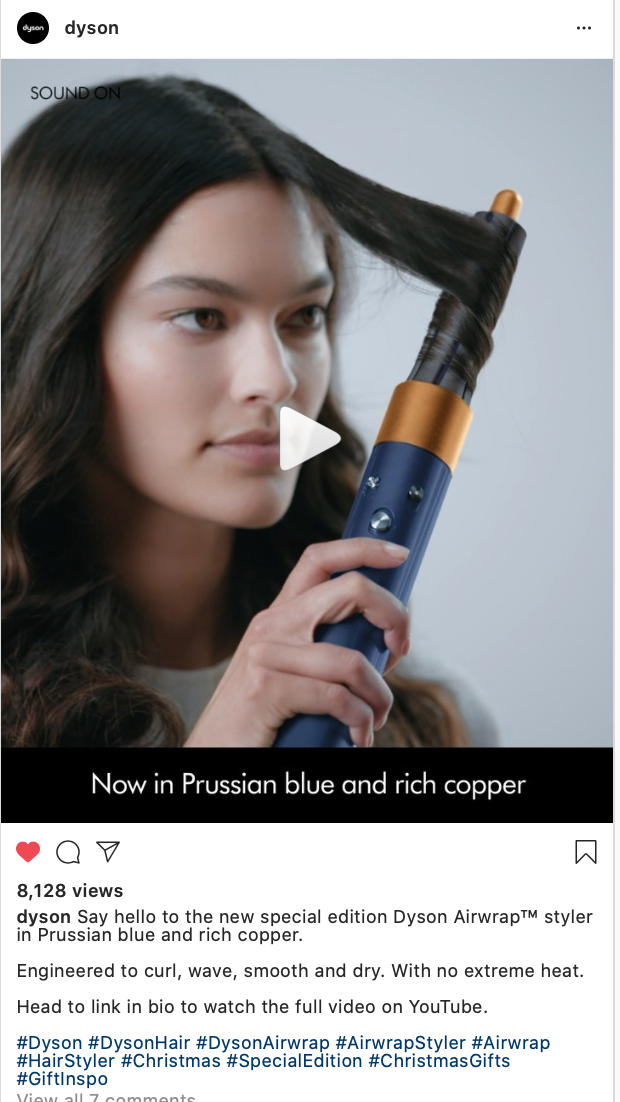
- Branded hashtags: Unique identifiers specific to the company or campaign (e.g., #DysonHair).
- Seasonal or holiday hashtags: Timely keywords capturing current events or festive periods (e.g., #GiftInspo, #ChristmasGifts).
- Interest-based hashtags: Niche terms connecting content to specific hobbies, industries, or lifestyles.
- Location-based hashtags: Geographic tags targeting local consumers or event attendees.
By rotating these categories dynamically from post to post, brands can maximize their presence across multiple algorithmic feeds while preventing audience fatigue.

5. Drive Interaction Through Intentional Engagement Tactics
Because direct outbound links are restricted within standard post captions, brands must rely on engagement metrics to signal content quality to the Instagram algorithm. Encouraging users to like, share, save, or comment creates a positive feedback loop that increases overall visibility.
Effective engagement tactics include:

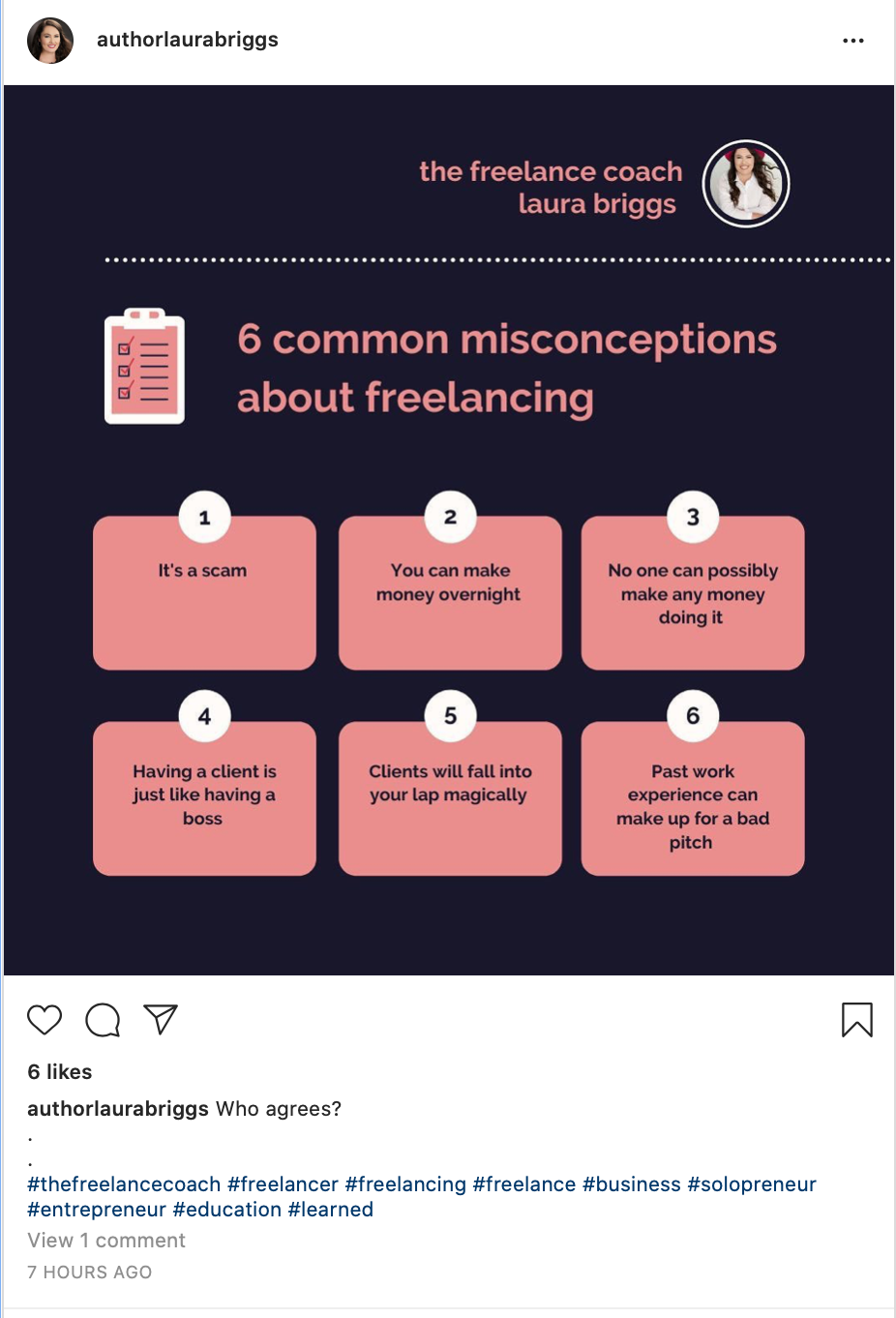
- Asking Direct Questions: Simple inquiries such as "Who agrees?" or prompting users to share their opinions in the comments section jumpstart community conversations.
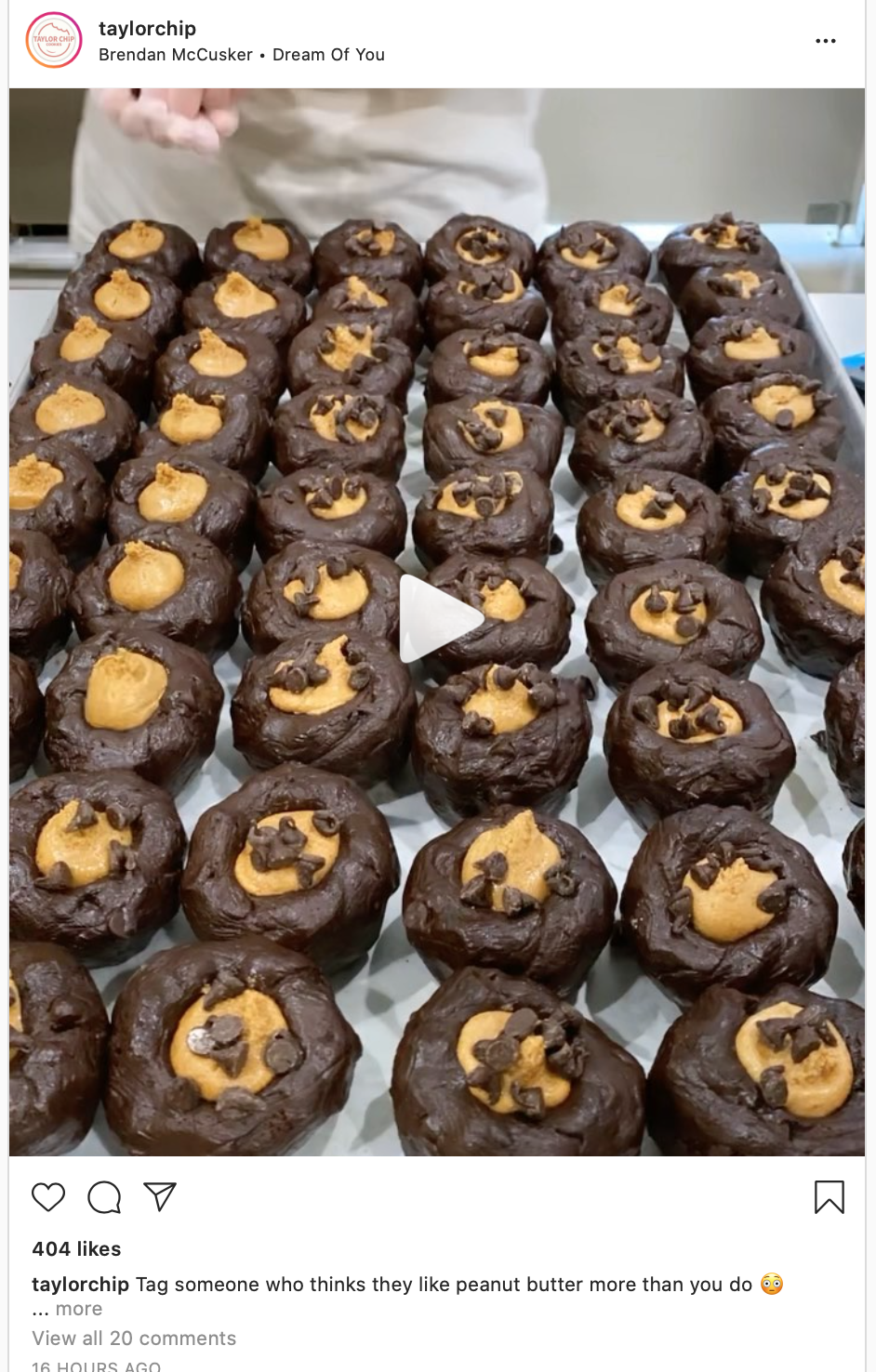
- Strategic Tagging Prompts: Inviting followers to tag a friend who relates to the post content (e.g., "Tag someone who loves dessert more than you do") introduces the brand to new prospective audiences organically. However, marketers must exercise moderation with this tactic to avoid user burnout.
6. Implement Clear Calls to Action (CTAs)
While accumulating likes and comments builds brand affinity, commercial success ultimately depends on moving users from digital engagement to off-platform conversion points, such as event registrations, appointment bookings, or product purchases.
A successful CTA must be unambiguous, outlining the exact steps a user needs to take, establishing a clear value proposition, and removing friction from the conversion process. When paired with structured formatting—such as utilizing emojis to break up dense blocks of text—CTAs ensure that promotional messaging remains digestible and persuasive.
Technical Formatting Tips and Tricks for Professional Profiles
Beyond copywriting strategy, the visual presentation of a caption significantly impacts readability and user retention. Marketers utilize several technical workarounds to enhance the aesthetic appeal of their posts.
Mastering Paragraph Spacing
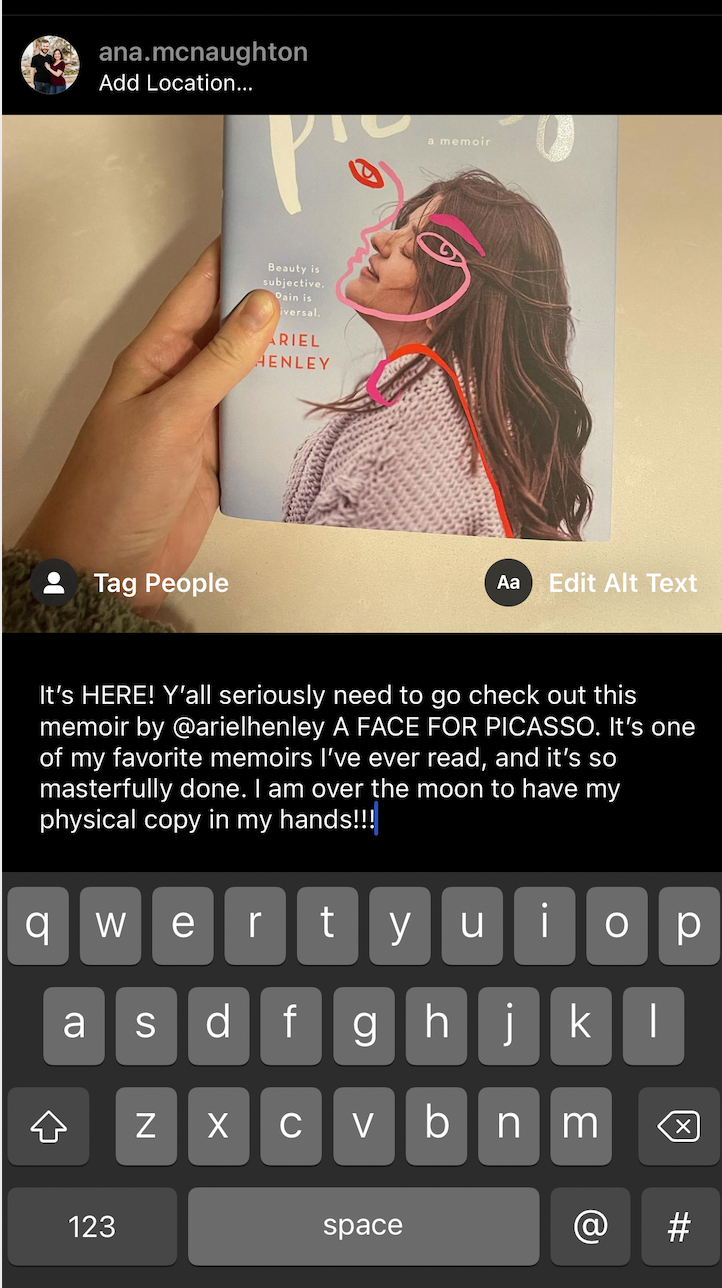
Dense walls of text deter users from reading long-form captions. Clean formatting, achieved by utilizing line breaks and whitespace, organizes information into digestible sections. Standard best practices recommend a universal template: a brief introductory hook on the first line, a blank line break leading into the body text, and a final separation before the inclusion of hashtags.
Utilizing Caption Editing Features
Platform updates have streamlined the process of correcting errors post-publication. Administrators can edit live Instagram captions by navigating to the specific post, selecting the three-dot menu icon in the upper-right corner, choosing the "Edit" option, modifying the text, and saving the changes. The updated copy reflects instantly across the platform.
Customizing Fonts and Typography
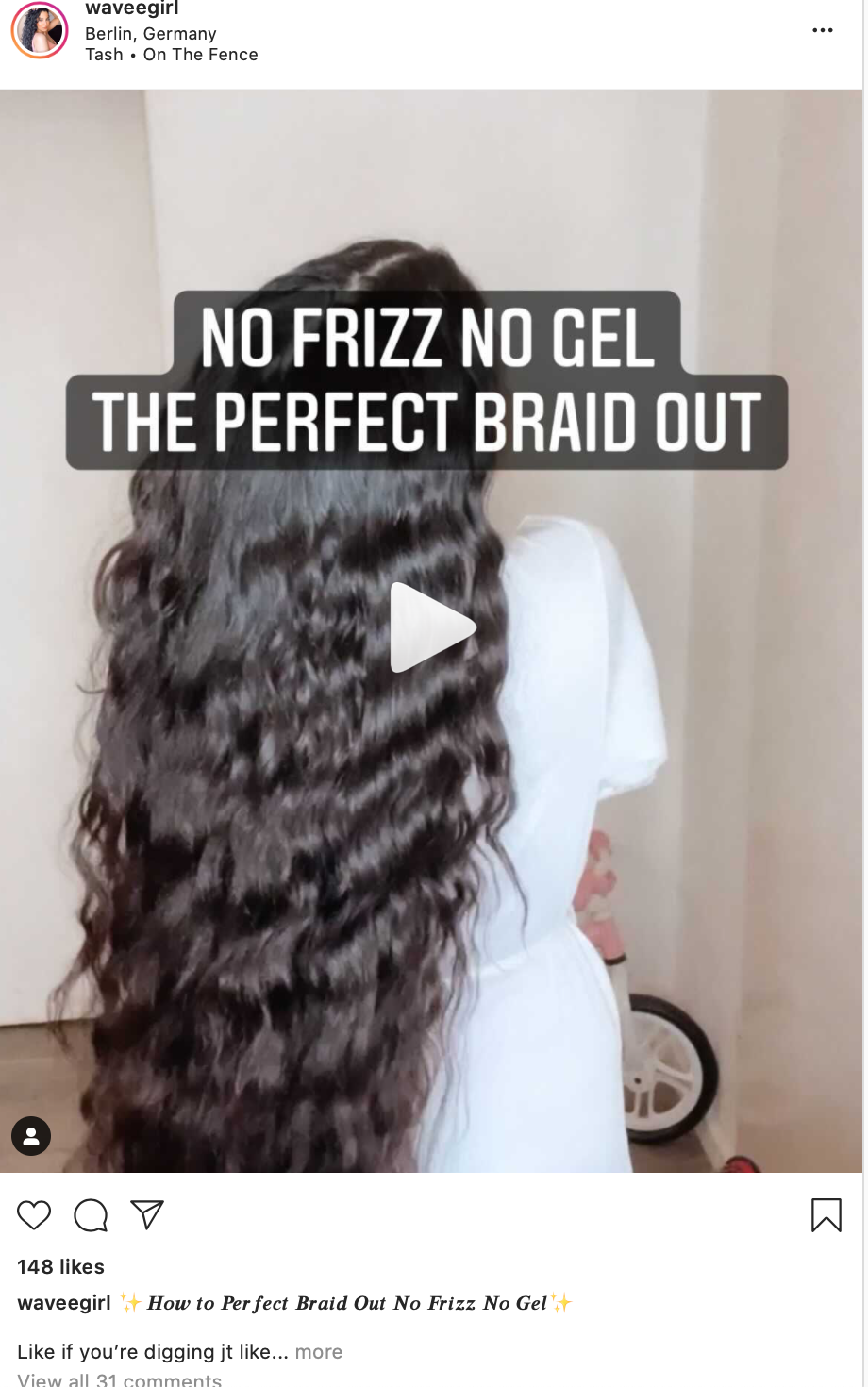
Brands frequently employ distinct typography—such as bold, italicized, or stylized Unicode fonts—to make specific elements of their captions stand out within crowded feeds. Because native Instagram applications do not offer advanced text styling tools within the post composer, marketers typically utilize external browser-based font generators (such as IGFonts.io) to draft text, select desired aesthetic variations, and copy-paste the formatted output directly into their publishing workflows.
Broader Implications for Modern Digital Marketing
As social media algorithms continue to evolve toward semantic search and content-based recommendation models, the role of textual content on visually dominant platforms like Instagram will only grow in importance. Brands that master the balance between striking visual assets and strategic, well-formatted, and engaging captions will be best positioned to capture consumer attention, build lasting brand loyalty, and drive measurable business results in an increasingly competitive digital marketplace.
Related posts: