Holiday Shopping Trends 2026: How Social Media is Reshaping the Consumer Journey

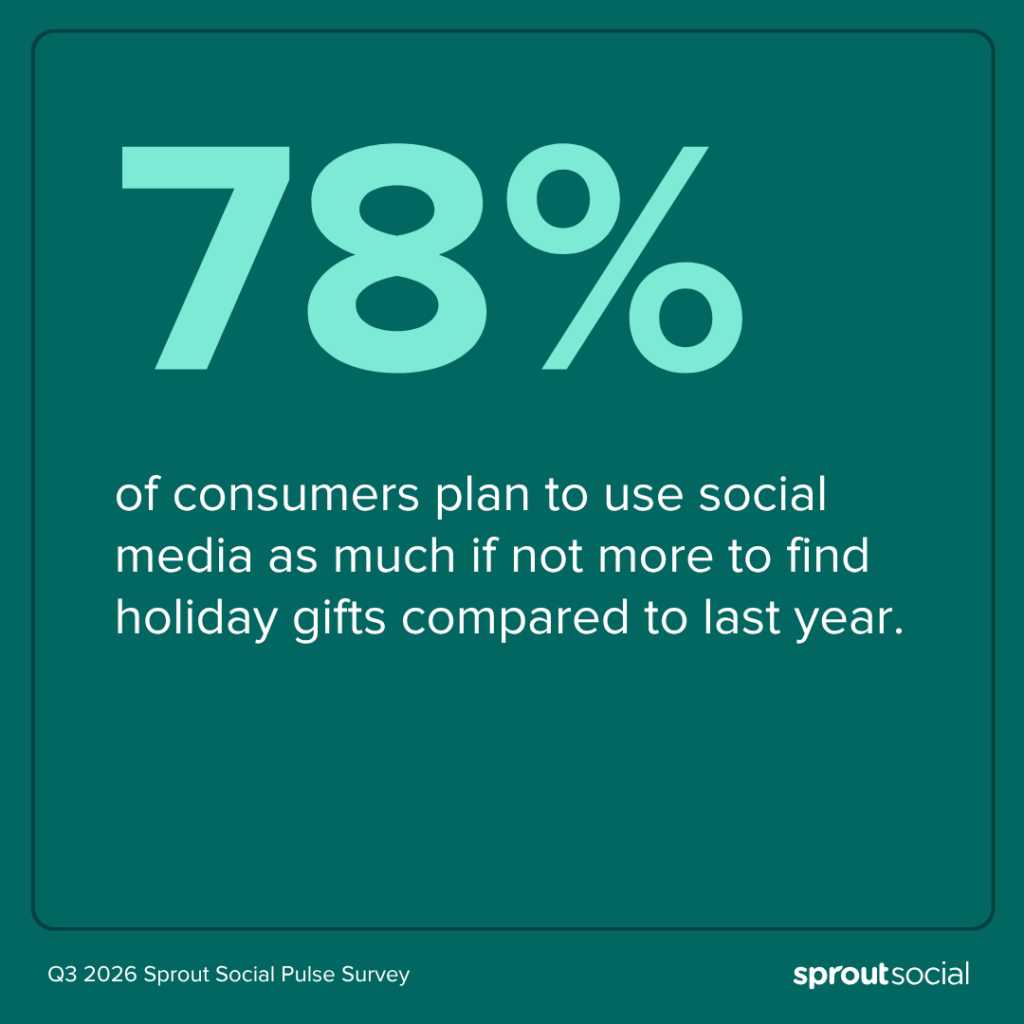
The holiday shopping landscape for 2026 is undergoing a fundamental transformation, driven by the dual pressures of a tightened global economy and the entrenched status of social media as a primary engine for commerce. As the calendar approaches the year-end surge, data from the Q3 2026 Sprout Social Pulse Survey reveals that 78% of consumers intend to utilize social platforms as frequently as, or more than, they did last year to conduct their holiday gift searches. This shift marks a transition from social media as a mere discovery tool to a comprehensive ecosystem encompassing inspiration, transaction, and customer support.

The evolution of these habits is taking place against a backdrop of macroeconomic uncertainty. Persistent concerns regarding global tariffs and fluctuating retail prices have induced a state of heightened fiscal caution among households. With 69% of consumers expressing concern over potential tariff-related price hikes and 56% explicitly planning to reduce their total holiday spending, the 2026 season is defined by a strategic, value-driven approach to consumption.
The Chronology of Holiday Marketing
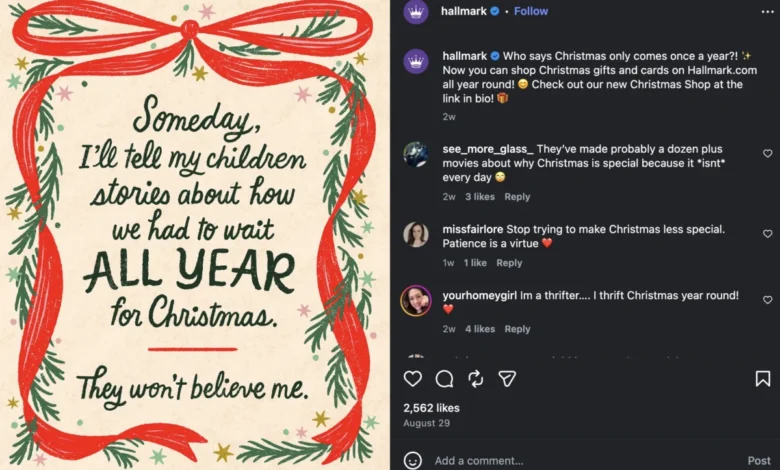
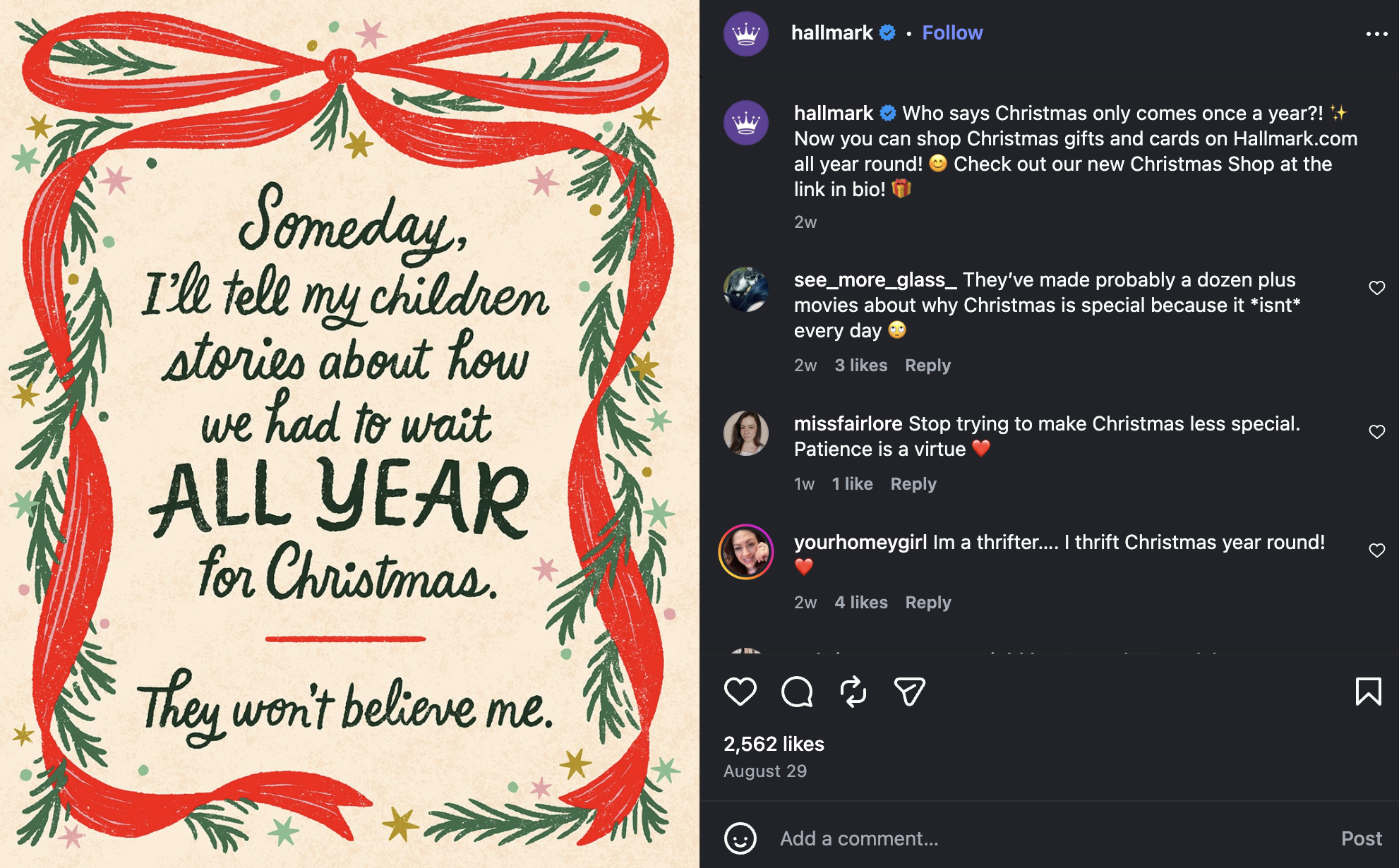
The traditional retail calendar has been steadily eroding for years, with "holiday creep" becoming an established industry practice. Retailers have increasingly sought to capture consumer attention earlier each year, a trend exemplified by the expansion of "Summerween" celebrations in June and the arrival of seasonal staples like Starbucks’ pumpkin spice latte in mid-August. Hallmark has similarly aligned its digital marketing strategy with this accelerated timeline, promoting its online Christmas catalog months before the first frost.
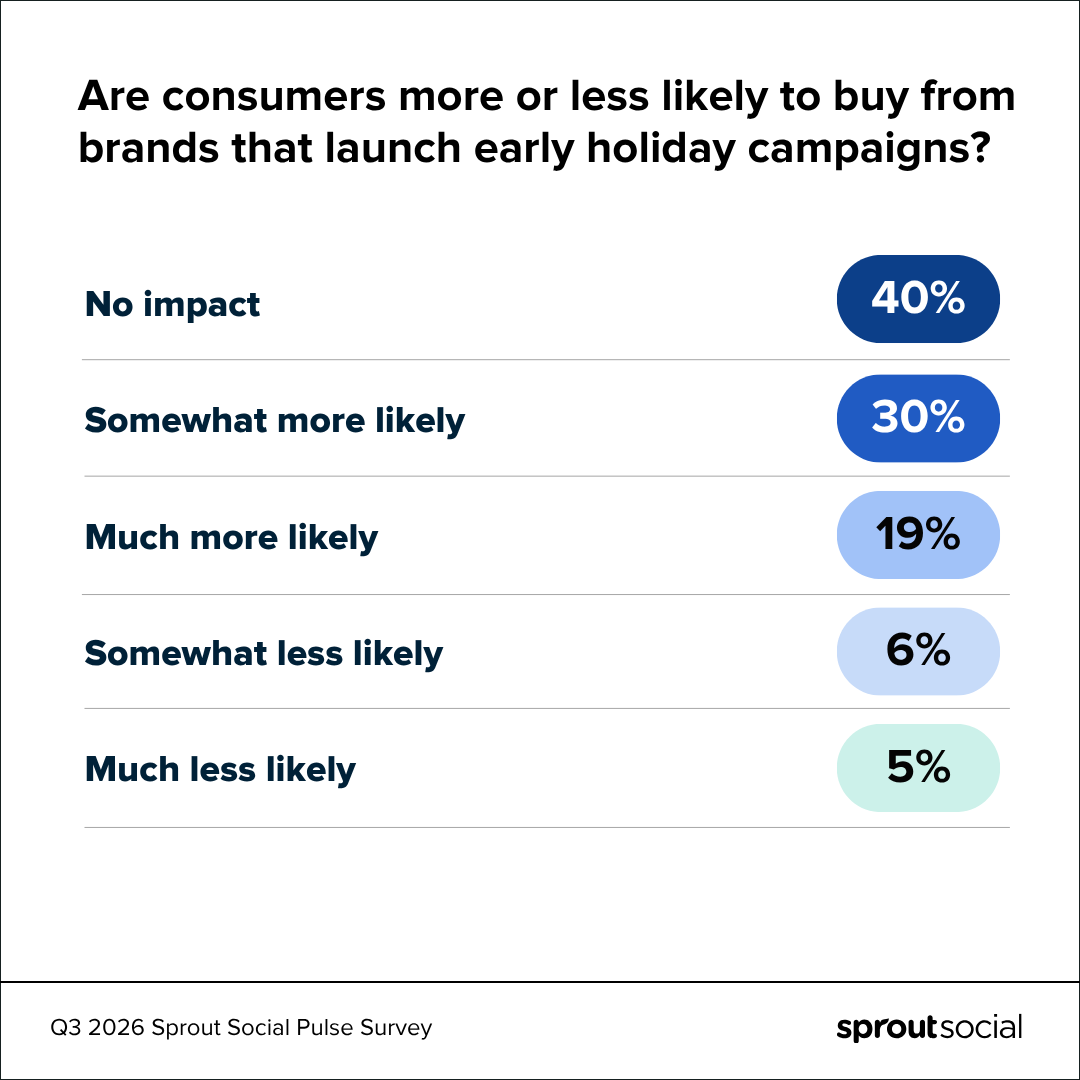
However, a significant discrepancy has emerged between retailer tactics and consumer sentiment. Data suggests that the market may be reaching a point of saturation. In 2026, only 50% of consumers indicated a preference for brands to initiate their holiday advertising in October. This represents a distinct departure from 2025, when August and September were widely regarded as the optimal launch windows. Despite this shift in preference, the impact on actual purchase behavior remains negligible. The data indicates that 40% of shoppers are indifferent to the timing of holiday campaigns, while nearly 50% reported being more likely to engage with a brand that begins its promotional cycle as early as August.
Economic Pressures and Strategic Shopping
The economic climate is the primary driver of this year’s behavioral changes. Because of anticipated price volatility, 36% of consumers have signaled an intent to begin their shopping earlier than usual to insulate themselves from future inflationary spikes. This preemptive purchasing strategy is a direct response to the broader macroeconomic forecasts for the final quarter of 2026.
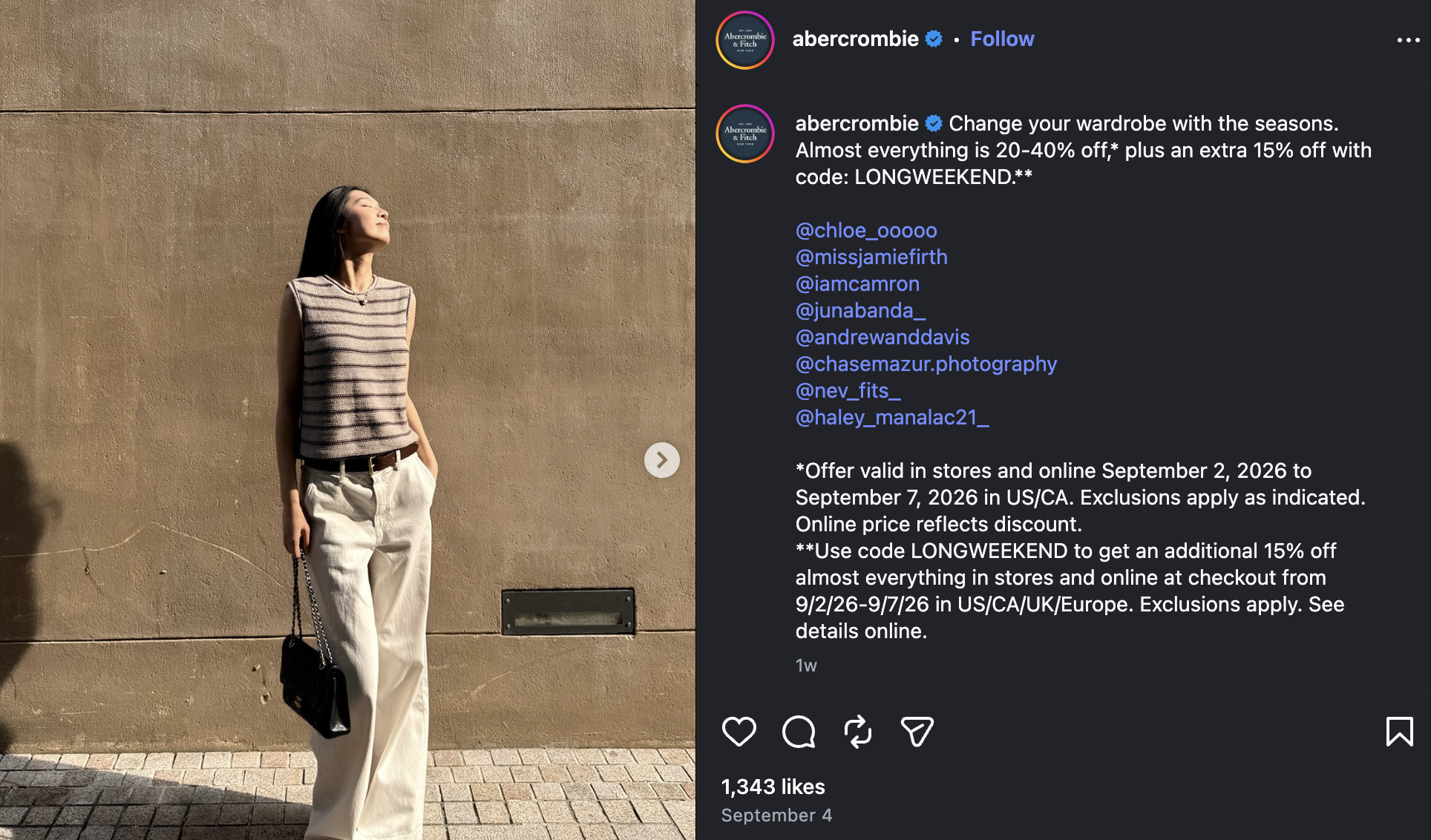
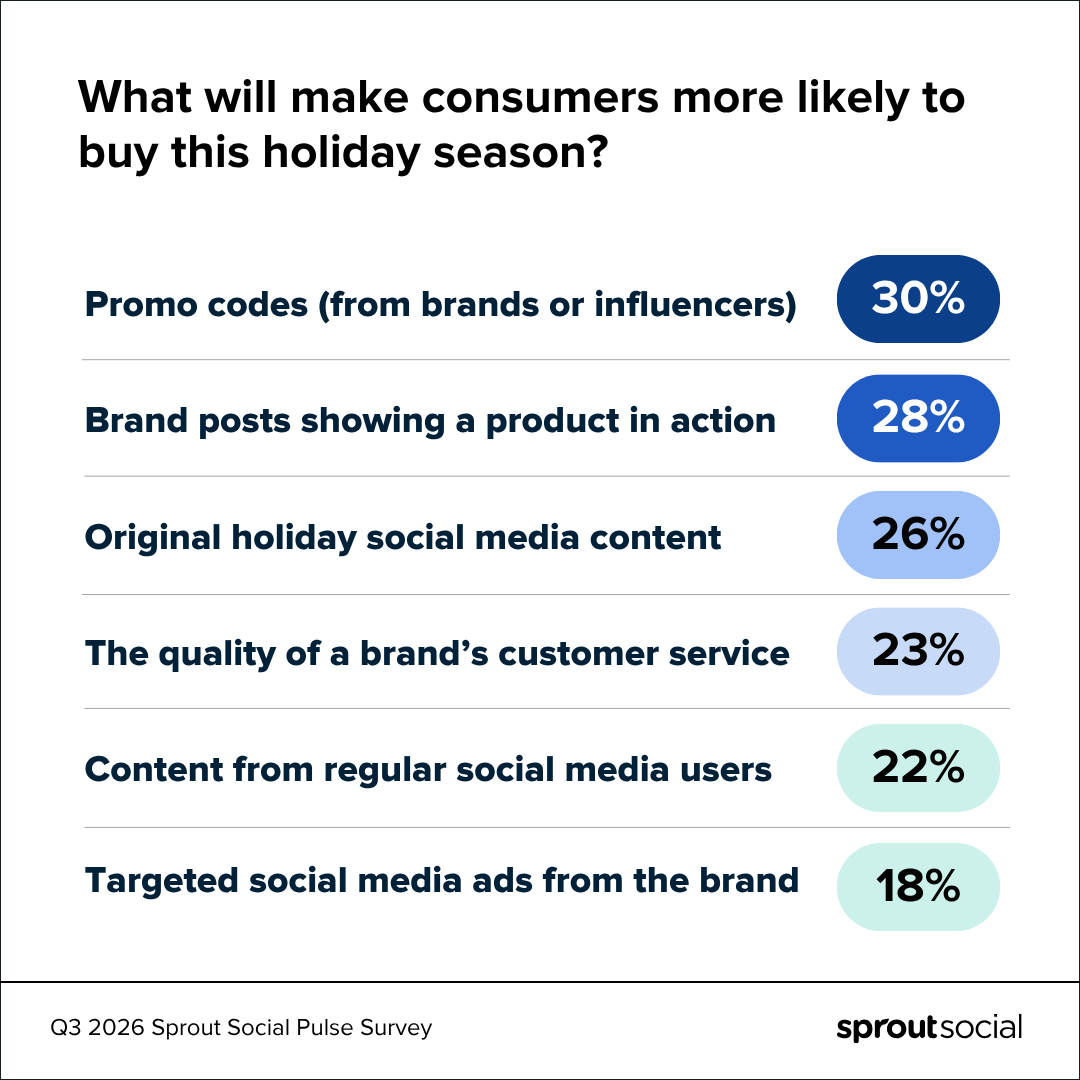
In this environment, value proposition has become the critical determinant of brand success. Promotional codes—whether issued directly by a brand or facilitated through influencer partnerships—have emerged as the most effective tool for capturing market share. Approximately 30% of consumers cite the availability of a discount or promo code as the primary factor that would persuade them to finalize a transaction.
This necessity for value-oriented marketing has altered the hierarchy of consumer expectations. While in 2025, user-generated content and general customer service were the dominant drivers of purchase intent, the 2026 season sees consumers prioritizing product demonstrations (28%) and original, brand-specific holiday content (23%). This shift suggests that in a high-cost environment, consumers demand transparency and functional utility before parting with their discretionary income.
The Rise of Social Commerce
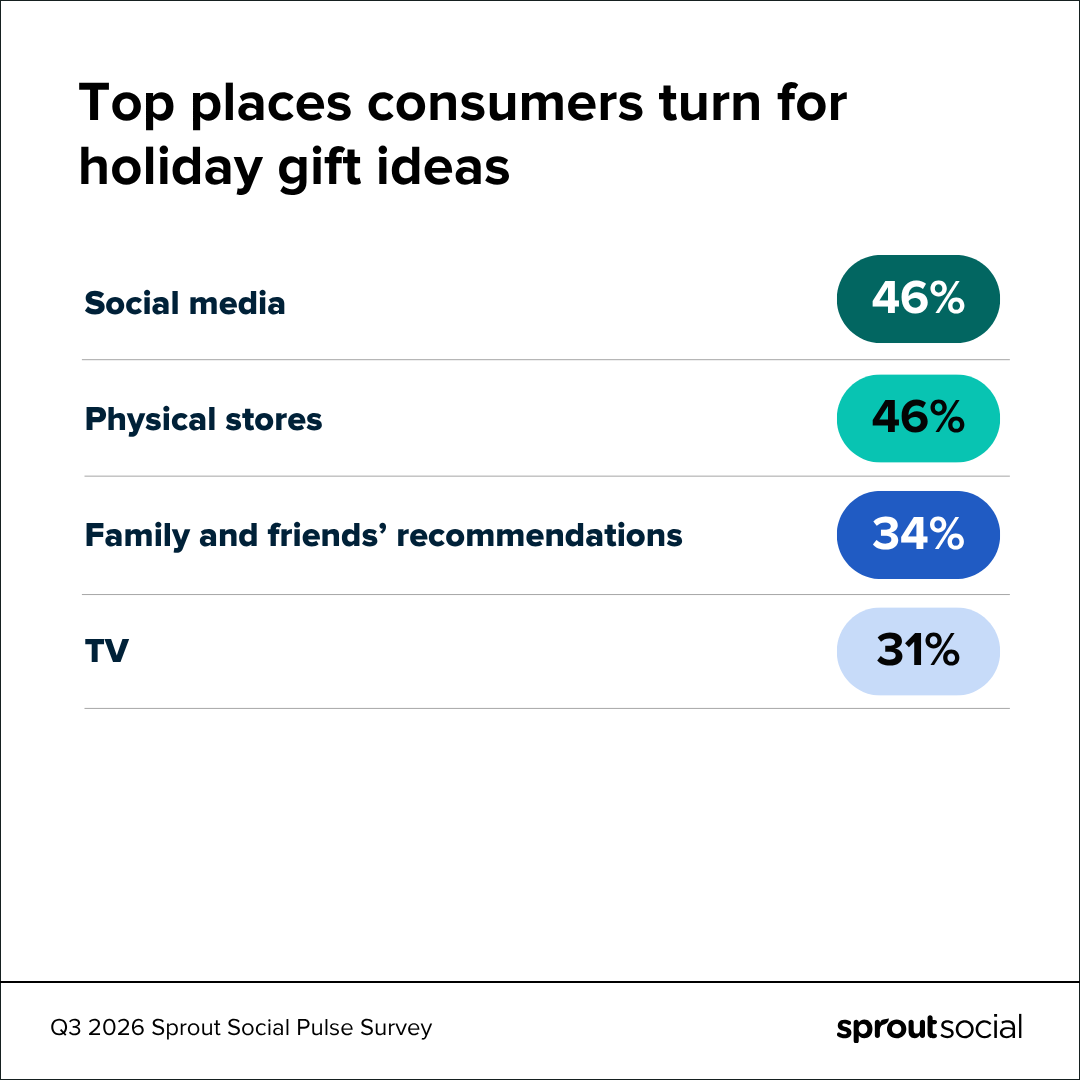
Social media has solidified its position as a search engine, rivaling traditional brick-and-mortar retail and standard web search platforms. For Gen Z and Millennial demographics, social platforms are now the primary destination for holiday gift discovery. For the broader population, social media is currently tied with physical retail for the top spot in gift research, with 46% of shoppers utilizing social channels to curate their lists.
The integration of native shopping tools—such as TikTok Shop, Facebook Shops, and Instagram Checkout—has streamlined the path to purchase. More than half of the consumer base is now comfortable completing transactions directly within these applications. This "full-funnel" approach, where a user discovers, researches, and purchases a product without ever leaving the social environment, is creating a high-stakes environment for retailers. Brands that fail to integrate these frictionless pathways risk losing customers to more digitally agile competitors.
Customer Service in the Age of Instant Response
As purchasing habits migrate to social platforms, the expectation for customer service has followed. Consumers are increasingly utilizing social channels to resolve post-purchase issues, with 86% of users planning to use social media for customer service queries as much as or more than in previous years.
Speed is the defining metric of this interaction. Seventy percent of consumers expect a brand to respond to an inquiry within 24 hours. Given the high volume of traffic expected during the peak holiday weeks, many retailers are leaning into artificial intelligence (AI) to maintain these service levels. The data suggests that consumer acceptance of AI is high, with 70% of respondents expressing comfort with brands using automated systems to handle initial interactions.
However, the human element remains vital. The rise of public customer service requests—where users post complaints in the comments section of public-facing posts rather than via private direct messages—presents a significant reputational risk. Nearly one-third of consumers (31%) now choose to voice their concerns publicly, meaning that a slow or inadequate response can be witnessed by a brand’s entire following. Consequently, industry experts recommend a hybrid model: using AI to triage, categorize, and draft initial responses, while maintaining a dedicated human team to oversee sentiment and ensure the quality of high-stakes interactions.
Broader Implications for Retailers
The 2026 holiday season serves as a case study in the intersection of economic caution and digital convenience. For retailers, the primary challenge is to balance the need for early outreach with the risk of audience fatigue. The data clearly indicates that while consumers may express a preference for later holiday messaging, their actual purchasing decisions are dictated by financial considerations rather than advertising schedules.
The implication for brands is clear: the focus must shift from the "when" of holiday marketing to the "what." Success will depend on the ability to provide clear value, demonstrate product efficacy, and maintain a seamless, responsive presence across social platforms. By optimizing content for social search, leveraging the power of influencers to communicate value, and ensuring that customer service channels are both fast and empathetic, brands can effectively navigate the constraints of the 2026 economic environment.
As the season progresses, the brands that stand to gain the most are those that treat social media not as a secondary marketing channel, but as the foundational infrastructure of their customer experience. By aligning with the reality that social media is now the primary venue for discovery, research, and service, retailers can mitigate the risks posed by a volatile economy and set a stable course for the new year.
Data Methodology: The findings presented here are derived from a Q3 2026 Pulse Survey conducted by Panoplai on behalf of Sprout Social. The survey collected responses from 2,286 consumers across the United States, the United Kingdom, and Australia between August 11 and August 18, 2026, providing a representative snapshot of international consumer sentiment as the holiday season approached.
Related posts: