How a Modern Customer Experience Audit Using Social Intelligence Drives Business Growth

In the contemporary digital marketplace, customer feedback is no longer confined to traditional surveys or direct support tickets. A significant portion of brand-consumer interaction now occurs in the "unowned" digital sphere—social media threads, community forums, and third-party review sites. For organizations, these platforms serve as a repository of raw, unfiltered sentiment that often exposes structural flaws in the customer journey long before they appear in internal metrics. To remain competitive, enterprises are increasingly adopting systematic customer experience (CX) audits that integrate social intelligence to bridge the gap between internal data and external reality.
The Evolution of the CX Audit
Historically, a customer experience audit was a static, periodic review of internal processes, such as checkout flow efficiency or response times for customer support. However, as the digital ecosystem has fragmented, the modern audit has evolved into a dynamic, cross-departmental necessity. By mapping the full lifecycle of a consumer—from initial awareness on social media to post-purchase support—organizations can identify "friction points" that traditionally hidden data points, such as social listening, can illuminate.
Market analysis suggests that businesses prioritizing comprehensive CX strategies see a 20% to 30% increase in customer satisfaction scores. The inclusion of social intelligence allows these firms to move beyond the "what" of customer behavior to understand the "why," capturing nuances in sentiment that standard CRM systems often fail to register.
A Chronology of Implementation
The transition to a social-integrated audit typically follows a defined five-stage methodology, designed to move organizations from reactive firefighting to proactive experience management.

Phase 1: Alignment and Scoping
The initial phase requires the mobilization of a cross-functional task force. Because customer experience touches every facet of an organization, effective audits necessitate the participation of representatives from marketing, product development, customer care, and data analytics. Setting objective parameters—such as identifying why cart abandonment rates spike or why social support response times are lagging—is essential to prevent the audit from becoming an unmanageable exercise in data collection.
Phase 2: Mapping the Journey
Mapping the journey involves documenting every touchpoint a customer encounters. This includes owned channels (websites, apps, official social accounts) and earned media (user-generated content, reviews, influencer mentions). Recent data indicates that nearly 60% of consumers now use social media as their primary vehicle for brand inquiry, making the integration of social listening tools a prerequisite for an accurate map.
Phase 3: Diagnostic Social Intelligence
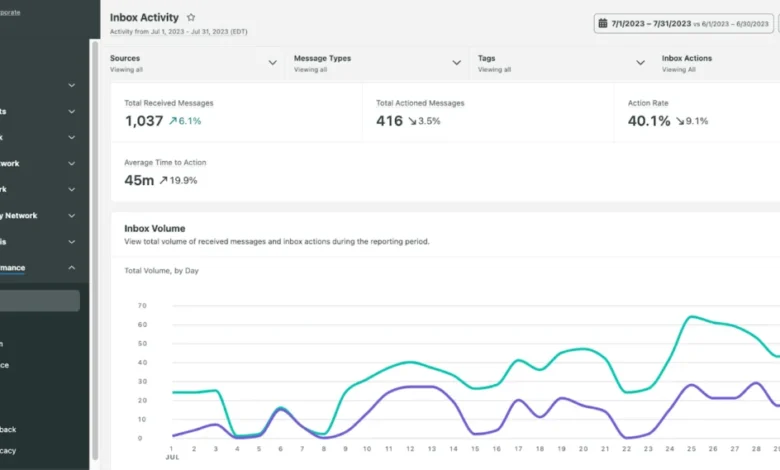
Once the map is established, organizations employ social listening tools to analyze sentiment. By tracking spikes in conversation volume or changes in topic trends, brands can discern if a product launch is failing due to unclear messaging or if a sudden influx of negative feedback is linked to a systemic technical error.
Phase 4: Execution and Prioritization
The fourth stage shifts from diagnosis to action. Not all identified friction points carry the same weight. High-ROI moments are prioritized; for instance, if a brand detects a growing trend of users hacking a product for a specific use case—as seen in recent case studies involving beauty brands and viral social trends—the company can pivot to create new product lines or marketing campaigns that capitalize on existing enthusiasm.
Phase 5: Iteration and Benchmarking
The final stage is the establishment of continuous monitoring. Because market conditions are fluid, the audit must become an ongoing operational procedure. By setting concrete benchmarks—such as reducing support wait times by a specific percentage—companies can measure the efficacy of their interventions over subsequent quarters.
Supporting Data and Industry Trends
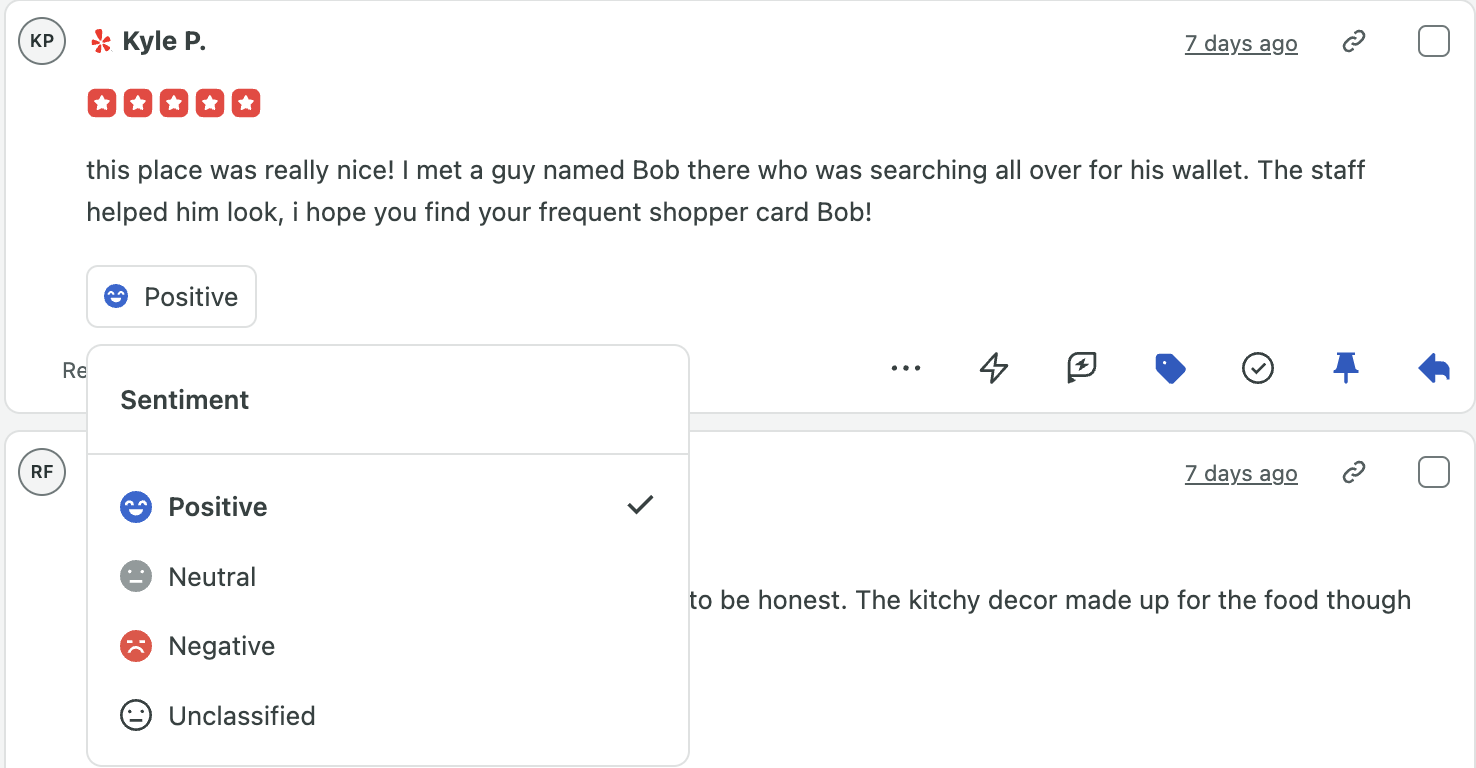
The necessity of this approach is underscored by the current digital landscape. According to recent industry reports, companies that leverage social intelligence to inform their CX strategy experience significantly higher levels of brand loyalty. A notable example involves the use of sentiment analysis to track customer reaction to product changes in real-time. Organizations that act on this intelligence within the first 48 hours of a negative sentiment spike report a 40% higher recovery rate in brand perception compared to those that rely on quarterly surveys.
Furthermore, the integration of social data into enterprise CRM systems (such as Salesforce or Oracle) has been shown to improve agent efficiency by roughly 30%. When customer support agents have access to a consumer’s public social history alongside their private account data, the resolution process becomes more personalized and expedited.
Perspectives on the Shift
Industry analysts point out that the primary challenge for most firms is not the lack of data, but the "silo effect." Marketing teams often own social data, while customer support teams own helpdesk data. The modern CX audit serves as a forcing function to break these silos.
"The organizations winning in the current market are those that treat social media not just as a megaphone for marketing, but as a primary sensor for operational improvement," noted a senior analyst at a leading CX research firm. "When a company realizes that their Twitter mentions are providing a more accurate assessment of product quality than their annual customer survey, they have successfully pivoted to a modern audit framework."
Broader Implications and Strategic Analysis
The move toward social-intelligence-driven auditing has significant implications for business strategy. First, it democratizes customer insight. When frontline customer care agents are empowered to feed intelligence back into product development via the audit process, the entire organization becomes more agile.

Second, it changes the approach to crisis management. By utilizing predictive media intelligence, companies can identify potential reputational threats before they reach a tipping point. Instead of waiting for a public relations crisis to unfold, brands can address the underlying customer frustration at the source.
Finally, the audit process highlights the ROI of social investment. It provides tangible evidence that social engagement is not merely a cost center but a strategic business function that drives product innovation, improves retention, and reduces the cost of customer acquisition.
Future-Proofing the Customer Experience
As digital platforms continue to evolve, the distinction between "online" and "offline" experience will continue to blur. Customers expect a seamless transition from a comment on a social platform to an interaction with a support agent, and eventually to a purchase decision. The modern customer experience audit is the only framework capable of capturing this complexity.
For organizations looking to implement these strategies, the first step is to break down the technical barriers between social monitoring platforms and internal business intelligence tools. By creating a unified view of the customer, companies can move toward a future where the audit is not a stressful, annual event, but a continuous, data-informed pulse check.
Ultimately, the goal is to create a culture of responsiveness. When a brand demonstrates that it is listening to the digital conversation and acting on the feedback, it builds a foundation of trust that is significantly more difficult for competitors to disrupt. The organizations that successfully integrate these five steps will not only resolve immediate pain points but will also establish a scalable, sustainable, and customer-centric business model for the years to come.