The Evolution of the Social Media Org Chart
The composition of a successful social media team is fundamentally dictated by a company’s growth stage and its specific business objectives. While early-stage startups often rely on a single, agile generalist—frequently supported by freelance creative talent—enterprise-level organizations require a more segmented approach. By 2026, the industry standard for enterprise social teams has expanded to include between six and twelve specialized roles.

This structural shift reflects a broader professionalization of the field. Organizations are moving away from the "jack-of-all-trades" model for large-scale operations. Instead, they are prioritizing functional expertise. A typical enterprise structure now features a senior leader overseeing global strategy, supported by dedicated specialists in paid media, organic content production, community engagement, and data analytics. This fragmentation allows for a more granular approach to audience targeting and performance measurement, ensuring that every post serves a strategic business goal rather than simply filling a content calendar.
Scaling and Talent Acquisition: When to Hire
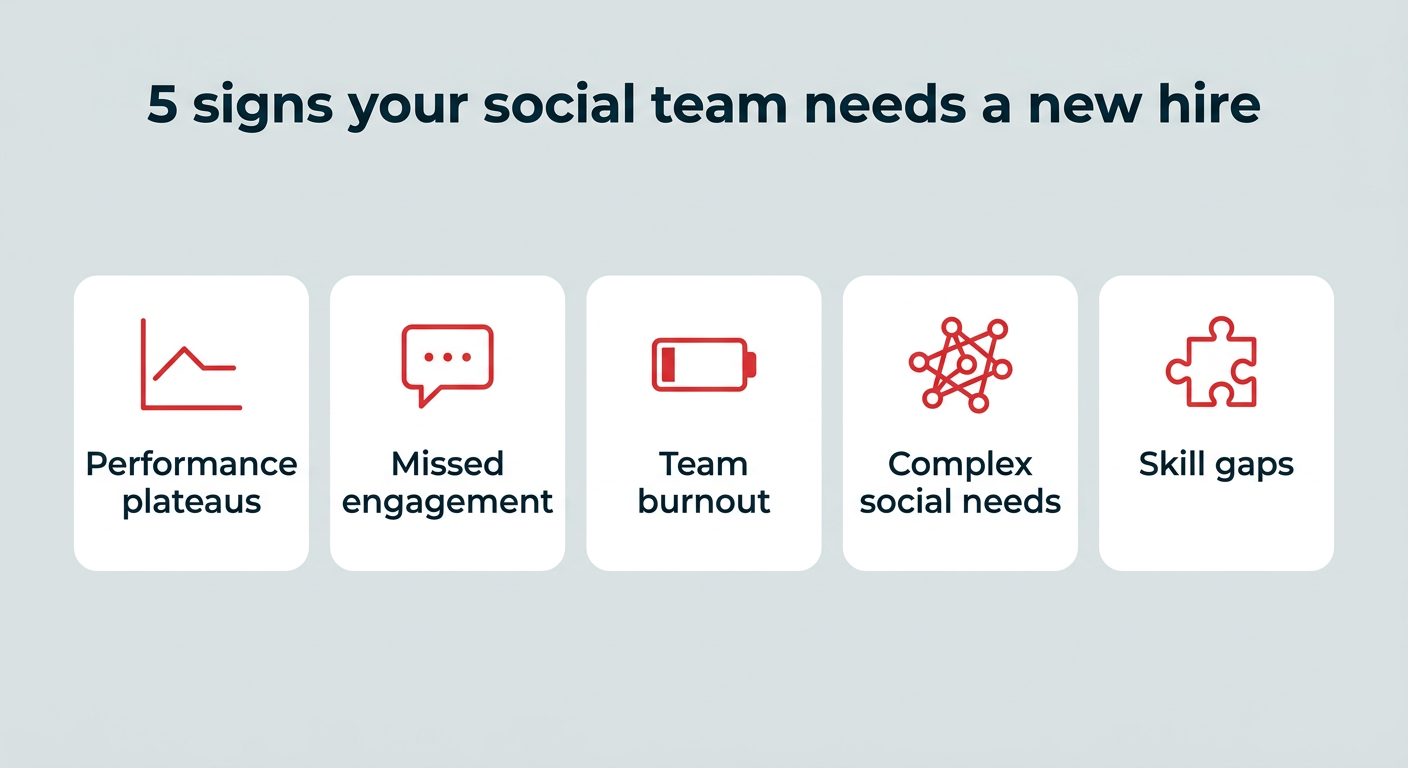
The decision to expand a social media team should be rooted in performance metrics rather than arbitrary growth milestones. A consistent trend across high-performing marketing departments is the "capacity-results gap." When the volume of content required to maintain market presence consistently outpaces the team’s bandwidth, or when performance plateaus despite increased effort, it is a clear indicator that the existing infrastructure is insufficient.

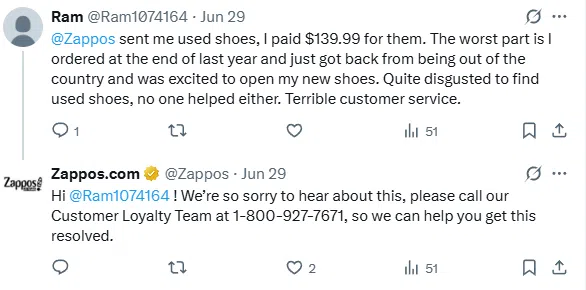
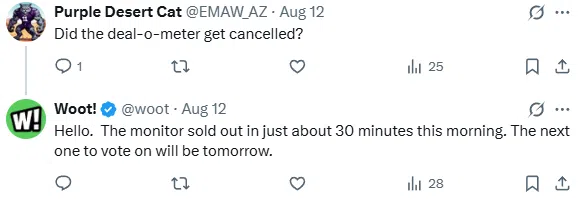
Industry experts emphasize that team growth must be linear with business objectives. For instance, if a company shifts its priority toward aggressive lead generation, the immediate hiring focus should be a paid social specialist. Conversely, if brand sentiment or customer trust becomes a liability, the priority must shift to community management and social listening roles. The primary risk in failing to hire at the right time is not merely stagnant growth, but the erosion of brand reputation due to missed engagement opportunities and slow response times to customer inquiries.

The Role of AI in Modern Social Operations
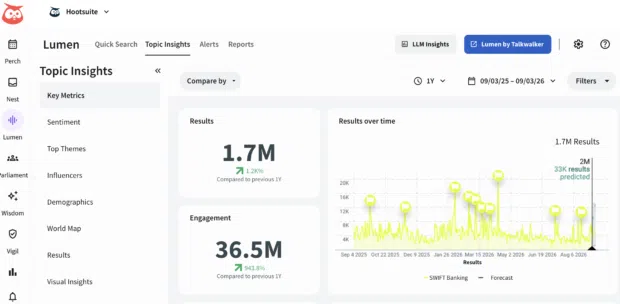
Perhaps the most significant change in the 2026 hiring landscape is the integration of AI proficiency as a baseline requirement for every team member. AI is no longer a niche specialty; it is an operational standard. Candidates are now expected to demonstrate fluency in using AI tools for content drafting, real-time social listening, and predictive reporting.
The emergence of the "AI Social Media Strategist" role at large firms highlights this trend. This individual acts as the architect of the team’s tech stack, ensuring that AI tools are used to optimize workflows without sacrificing the human element that drives brand authenticity. However, the prevailing industry consensus remains that while AI can handle the "heavy lifting" of data synthesis and scheduling, creative judgment and strategic narrative building remain strictly human domains. The most valuable candidates are those who can leverage AI to accelerate their output while maintaining a critical eye on the quality and tone of the content.

Salary Benchmarks and Market Realities
The professionalization of the field has led to a clearer, albeit varied, salary structure. According to 2026 industry data, the median compensation for specialized social media roles has seen steady growth. A social media manager in the United States currently commands an average total pay package of approximately $91,000, though this fluctuates significantly based on geographic location and company scale.

Marketing analysts focused on social metrics represent the higher end of the pay scale, often exceeding $115,000 annually, reflecting the high value placed on data-driven decision-making. Conversely, roles such as social media coordinators or content creators, while vital for daily execution, typically start in the $53,000 range. A critical recommendation for hiring managers is to be transparent about compensation from the outset. Posting salary ranges in job descriptions has become a best practice, reducing the risk of wasting time on mismatched candidates and signaling institutional integrity.

Strategic Sourcing: In-House vs. Agency
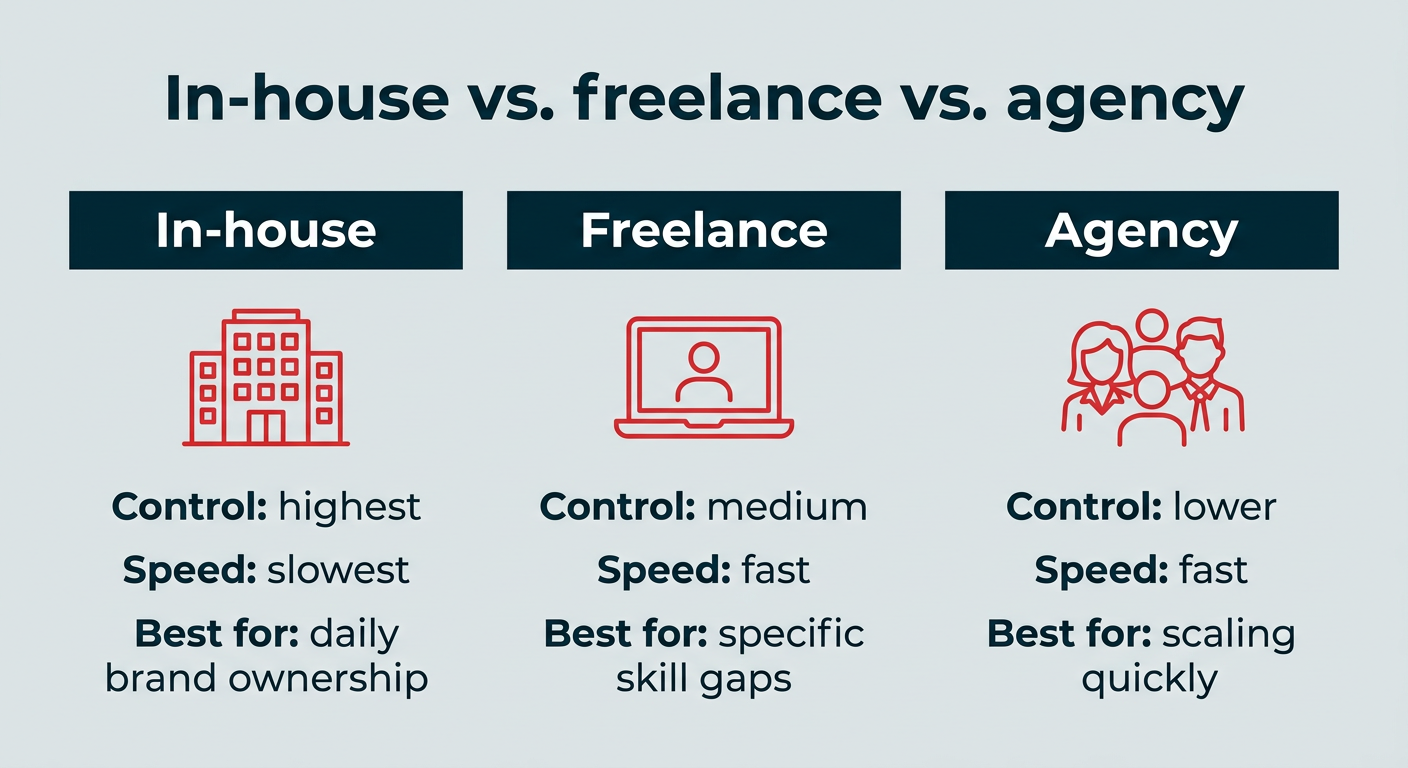
The decision between building an in-house team, hiring freelancers, or retaining an agency is a strategic balancing act between cost, control, and speed. In-house teams provide the highest level of brand consistency and are essential for core channels where daily interaction is required. However, they carry the highest fixed costs.
Agencies remain the preferred route for companies needing to scale rapidly or launch in new, unfamiliar markets. Their ability to deploy a full team—including copywriters, designers, and paid media buyers—within weeks provides a level of agility that is often impossible to match with internal hiring cycles. Freelancers continue to occupy a critical middle ground, allowing brands to fill specific skill gaps, such as video editing or campaign-specific design, without the long-term overhead of permanent headcount.
Onboarding and Long-Term Development
Hiring is only the first step in building a sustainable social media function. A rigorous 90-day onboarding plan is essential for ensuring that new hires are not only familiar with the brand voice but are also fully integrated into the team’s technical workflows. During the first 30 days, the focus should be on tool access and understanding the brand’s social governance policies. By day 90, the new hire should be expected to own a specific campaign or channel, with clear, measurable success metrics assigned to their output.
Furthermore, the rapid pace of change in social media necessitates an investment in continuous upskilling. Companies that prioritize ongoing training—whether through industry conferences, certification programs, or internal workshops—are significantly more likely to retain high-performing talent. In 2026, the most effective social media managers are those who treat their own professional development as a core component of their daily work, ensuring they remain at the forefront of emerging platforms and algorithmic shifts.

Ultimately, the most successful social media teams are those that view their work not as a siloed marketing function, but as an integral part of the broader customer experience. By aligning hiring strategies with business goals, embracing AI as a productivity multiplier, and investing in the human talent required to interpret data and craft compelling narratives, businesses can build a social media operation that is not just responsive, but truly competitive.
Related posts: