The Ultimate Guide to TikTok Audio Trends: Viral Songs and Sounds Defining Digital Content

The intersection of short-form video algorithms and popular music has fundamentally altered the landscape of modern media consumption, shaping not only what audiences listen to, but how they conceptualize narratives online. For content creators, independent artists, and global brands alike, leveraging viral audio on platforms like TikTok has transitioned from a casual engagement tactic into a critical component of digital marketing strategies. Industry data consistently indicates that videos incorporating trending audio tracks experience higher algorithmic favorability, frequently receiving preferential distribution on the coveted For You Page (FYP). This algorithmic bias stems from the platform’s underlying architecture, which prioritizes user retention, replay value, and thematic consistency. When a specific sound gains traction, the recommendation engine frequently tests subsequent videos featuring the same audio to determine if a user’s engagement was driven by the underlying track. Consequently, understanding how to identify, analyze, and strategically deploy these auditory elements has become a vital skill for digital communications professionals seeking to maximize organic reach and audience resonance.
The Mechanics of TikTok’s Audio Algorithm and Discovery
To comprehend the influence of trending sounds, one must examine the operational mechanics of the recommendation system governing short-form video platforms. The TikTok algorithm does not merely evaluate visual aesthetics; it heavily indexes audio metadata to categorize content, predict user intent, and group cultural moments. When a user lingers on a video, the system registers the accompanying sound as a primary variable of interest. If a second video utilizing the same audio is introduced into the feed shortly thereafter, the platform effectively conducts a multivariate test to ascertain whether the auditory stimulus dictates the user’s viewing behavior.
This mechanism creates a high-velocity feedback loop. Creators who adopt a trending sound during its ascent phase—the period when usage velocity is accelerating rapidly—benefit from a compounding visibility boost. Conversely, late adoption often yields diminished returns as audience fatigue sets in and market saturation occurs. Navigating this ecosystem requires systematic research methodologies. Creators typically utilize platform-native discovery tools, such as the TikTok Creative Center, which aggregates top-performing tracks on a regional and global basis. Additionally, industry best practices dictate that creators must preview how a sound is contextualized within existing viral videos before producing their own iterations. Tapping the sound icon within the application allows users to analyze successful narrative structures, ensuring that their adaptations align with audience expectations while retaining enough originality to capture attention. Furthermore, compliance with intellectual property frameworks remains paramount; commercial entities are strictly required to source audio exclusively from the TikTok Commercial Music Library or utilize explicitly licensed tracks to prevent automated content removal or copyright strikes.
Current Viral Sound Landscape: November 2026 Analysis
An examination of the prevailing trends in November 2026 reveals a distinct shift toward narrative subversion, relatable workplace humor, and self-deprecating psychological introspection. Digital culture has increasingly embraced audio clips that bridge the gap between abstract irony and hyper-specific daily experiences.
Leading the November charts is the original sound by user lifecanbebeautiful, anchoring the "And maybe it didn’t work out because…" trend. This format allows creators to reframe professional setbacks, romantic dissolutions, and personal disappointments through an optimistic, resilient lens. By pairing lighthearted or triumphant visual footage with retrospective text admissions, users convert negative experiences into relatable comedic or inspirational commentary. Similarly, the original sound by Charles Hsu serves as a universally understood auditory manifestation of acute impatience. Featuring a repetitive voiceover of the word "go," the trend provides a canvas for individuals to highlight mundane or exasperating delays in professional and personal environments.
Humor derived from shared anxieties continues to dominate through formats such as the South Park-derived audio shared by user 𐒰ঌAki🔑🌙ಒ𐒱, which underpins the "Oh no, I’m cringe" confessional trend. By contrast, structural multi-panel visual formats have been popularized by the sonido original trend, colloquially known as the "Boy, Man, Kebab" challenge. This audio soundtracks vertical three-tier video splits that comedically contrast the disparate behavioral reactions of different demographic archetypes to common social friction points.
Irony remains a powerful currency in digital storytelling. The "Why Would I Deceive You?" trend, driven by an original sound from Criticker_HQ, utilizes archival trailer footage of Theranos founder Elizabeth Holmes delivering the phrase with absolute deadpan seriousness. Creators repurpose the audio to highlight transparently humorous exaggerations or minor domestic deceptions. Meanwhile, fitness creators have capitalized on specialized movements, such as the Bicep Heart trend set to a French-language audio track, merging physical achievement with aesthetic symmetry.
Social awkwardness and unwritten cultural rules are explored extensively through Steve Lacy’s "Oh Yeah?" track. Originally born from artificial intelligence-generated meme formats, the trend has matured into a live-action commentary on navigating ambiguous social etiquette with unfounded confidence. This thematic exploration of behavioral quirks extends to the viral exchange popularized by user Heaven—inspired by a public interaction involving celebrity personalities—where users lip-sync to hyper-specific grievances regarding missed social acknowledgments, ranging from ignored text messages to lack-of-eye-contact scenarios.
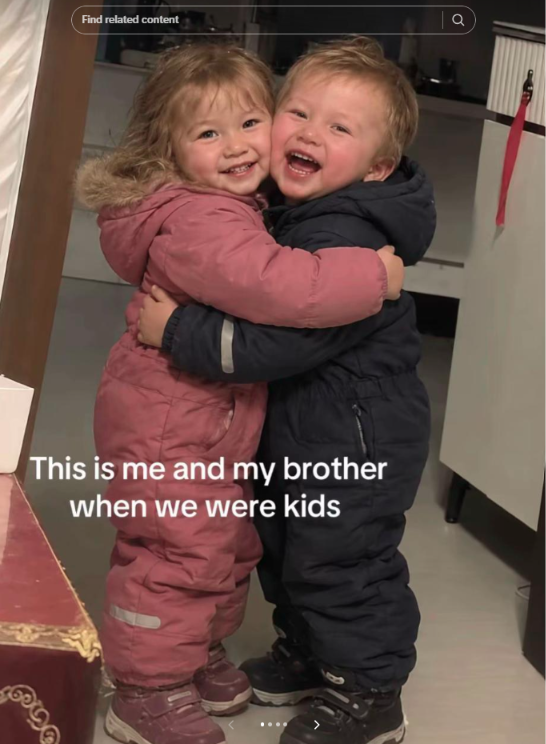
Data-driven humor has likewise evolved. Drawing inspiration from athletic tracking applications like Strava, creators are utilizing an original audio track by Whethan to apply rigorous metric-based framing to non-athletic, mundane daily routines, quantifying corporate productivity or domestic chores with elaborate statistical overlays. In the domestic sphere, the "Do Not Bother the Botherer" trend—anchored by Coco Enciso’s original sound—employs a deadpan house-rule voiceover paired with close-up footage of resting pets or infants, capturing a universal sentiment of protective domestic peace. Finally, the "Actually…" trend, set to an intricate original audio track, maximizes engagement within multi-slide photo carousels. Creators leverage sequential image disclosures to systematically alter narrative expectations, offering unexpected punchlines or product reveals that reward prolonged user attention.

Retrospective Review of October 2026 Trends
Analyzing the preceding month provides a clear view of how seasonal shifts influence digital audio consumption. October 2026 was heavily defined by thematic content bridging autumn aesthetics, psychological introspection, and pop culture nostalgia.
During the early weeks of the season, the "Ramalama costume walk" trend—featuring Róisín Murphy’s track Ramalama (Bang Bang)—dominated lifestyle and fashion feeds. Creators utilized the driving rhythm to execute dramatic footwear-to-headwear pan shots showcasing seasonal wardrobes and Halloween costuming. Simultaneously, interactive ranking formats driven by Nileyna Garcia’s original sound allowed niche experts to visually debate hierarchical opinions within their respective industries.
Pop culture crossovers also yielded high engagement. A notable trend set to an original audio clip by actor Harvey Guillén featured users simulating dramatic emotional outbursts met with the deadpan admission, "It’s OK, I’m used to it," swiftly cutting to Lady Gaga’s "Poker Face" to convey mock devastation. Main-character empowerment similarly found expression through Drake-inspired voiceovers celebrating autumnal self-prioritization, while classic transitional formats utilized Diana Ross’s "Upside Down" to synchronize aesthetic transformations with lyrical cadence.
Nostalgia proved to be a reliable driver of viral reach. The "pll purposes only ty" trend resurrected the ominous, text-message-based antagonist motifs of the television series Pretty Little Liars, prompting creators to frame everyday inconveniences as calculated conspiracies orchestrated by a mysterious villain. Concurrently, the "Find the Beat" challenge utilized a slowed Jersey Club track to test interpersonal coordination, requiring participants to spontaneously match rhythm alongside partners or colleagues.
Seasonal novelty audio, such as the House VIP Remix of "Spooky, Scary Skeletons," provided culinary and lifestyle creators with an upbeat backdrop for themed domestic content. Conversely, emotional vulnerability was channeled throughHoobastank’s "The Reason," where users juxtaposed personal confessions with dramatic lip-sync performances of the lyric, "I’m not a perfect person." Historical and educational accounts utilized eerie ambient audio to present unusual archival facts, while Ingrid Michaelson’s "Be OK" offered a cheerful counterweight to workplace stress and professional burnout. Lastly, high-profile milestones were marked by celebratory wedding content set to Taylor Swift’s Cleveland! audio, cementing personal narrative milestones within the broader platform culture.
Strategic Implications for Brands and Creators
The ongoing evolution of TikTok audio trends underscores a broader transformation in digital communications. For brands, successful integration into these cultural moments requires a delicate balance of agility, authenticity, and strict adherence to platform licensing protocols. Moving beyond traditional broadcast advertising, contemporary marketing relies on participatory culture—where brands do not merely broadcast a message, but rather contribute a voice to an ongoing, collective dialogue.
By carefully selecting trending audio that aligns with brand identity, organizations can humanize their digital presence, improve algorithmic discoverability, and foster deeper connections with target demographics. However, as the digital ecosystem matures, the window of opportunity for capitalizing on specific audio trends continues to shrink. Creators and communications professionals must maintain active monitoring systems, utilizing resources such as specialized scheduling platforms and creative analytics dashboards to capture trends during their developmental phases. Ultimately, the synthesis of catchy music, relatable narrative tropes, and algorithmic literacy remains the definitive formula for capturing attention in an increasingly crowded digital marketplace.