The Ultimate Guide to Mastering Instagram Captions for Brands and Creators in 2023


While Instagram remains fundamentally rooted in visual storytelling through high-resolution photography, dynamic video content, and immersive Reels, digital marketing professionals increasingly recognize that the accompanying text plays a pivotal role in campaign success. Unlike platforms such as Facebook, Twitter, or LinkedIn, which permit text-only publishing, Instagram requires a visual anchor for every post. However, industry analysts and social media strategists emphasize that ignoring the written component—the caption—severely limits a brand’s digital potential.
In the modern social media landscape, compelling text is not merely an afterthought; it is a critical driver for brand awareness, audience acquisition, community engagement, and direct conversion. Well-crafted copy provides necessary context to visual assets, fosters deeper audience relationships through authentic narrative building, and extends organic reach through algorithmic favorability. To navigate these platform dynamics effectively, brands must understand the anatomy of a successful Instagram caption, leveraging structural best practices, character limits, and strategic optimization techniques.
Defining the Instagram Caption and Its Technical Boundaries

On Instagram, a caption functions as the textual description accompanying a static photograph, video post, or short-form Reel. The platform permits captions of up to 2,200 characters, accommodating a rich mix of descriptive prose, strategic hashtags, and expressive emojis. However, a longstanding platform limitation remains: hyperlinks embedded directly within standard Instagram captions are not clickable. Consequently, brands must direct users to external landing pages via alternative methods, such as the designated link in their profile bio, or focus on in-app engagement metrics.
Because crafting fresh, compelling copy for every daily post can strain marketing resources, many organizations rely on structured templates and curated lists to maintain a consistent publishing schedule. Industry benchmarks highlight several recurring categories that consistently resonate with audiences, including concise statements, seasonal themes, holiday greetings, witty or sassy remarks, single-word anchors, and motivational quotes. These thematic frameworks allow social media managers to scale their content creation efficiently while maintaining brand voice continuity.
Anatomy of the Perfect Instagram Caption: Core Strategies
Writing a caption that cuts through the noise of a crowded user feed requires a deliberate, methodical approach. Whether adapting pre-existing templates or composing entirely original copy, several foundational strategies can significantly enhance post performance, user interaction, and conversion rates.

Starting Strong with Thumb-Stopping Hooks
Given the sheer volume of content circulating on Instagram at any given moment, both visual assets and introductory text must immediately capture a user’s attention during passive scrolling. Industry professionals refer to this objective as achieving a "thumb-stopping" effect.
A primary mechanism for securing immediate attention is placing the core value proposition at the very beginning of the caption. By front-loading the most compelling information or benefit, brands incentivize users to click the "more" expansion link and subsequently follow through with the designated call-to-action (CTA). Determining the appropriate value proposition requires a granular understanding of target demographic preferences and behavioral triggers. For instance, brands that identify timely consumer pain points—such as offering simplified meal solutions during a holiday season saturated with complex culinary recipes—frequently observe higher initial engagement rates.
Navigating Character Limits and Length Optimization

A persistent debate among digital marketers centers on optimal caption length. While concise, "short and sweet" messaging remains popular, empirical research challenges the assumption that brief captions always outperform longer narratives.
Data compiled from platform experiments conducted by digital marketing researchers at Hootsuite indicate that captions ranging between 400 and 705 characters often secure higher overall engagement than micro-captions consisting of 65 characters or less. While very short text can be effective for straightforward visual announcements, extending caption length provides necessary context, enables micro-storytelling, and fosters a more substantive connection between the brand and the consumer.
Leveraging Pop Culture and Cultural Cliches
Integrating timely cultural references, recognizable idioms, or familiar song lyrics into social media copy creates an immediate sense of familiarity and relatability. When executed thoughtfully, these insertions prevent brand feeds from appearing overly corporate or sterile.
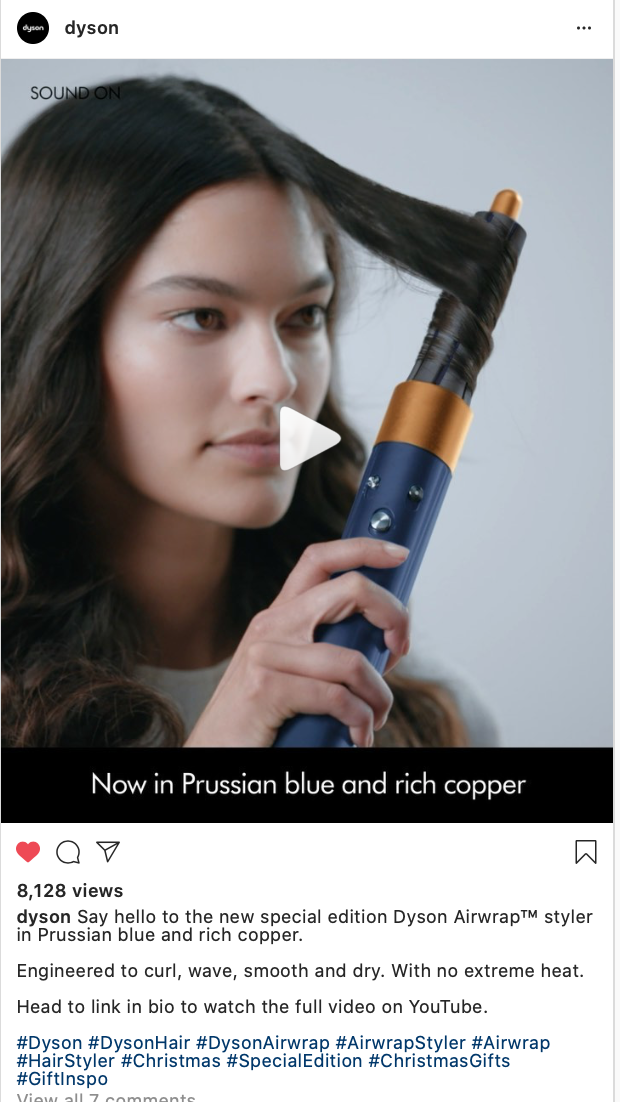
For example, referencing seasonal tropes—such as falling autumn leaves, changing wardrobe essentials, or iconic summer milestones—invites users to participate in a shared cultural moment. Retailers and lifestyle brands frequently utilize these touchpoints to initiate interactive dialogues regarding seasonal trends, thereby boosting conversational metrics within the comments section.
Strategic Hashtag Deployment for Expanded Reach
Hashtags continue to function as essential discovery mechanisms on Instagram, bridging the gap between accounts and non-followers searching for specific topics. Although Instagram permits up to 30 hashtags per post, social media analysts advise against maximizing this limit arbitrarily, recommending instead a curated selection of roughly 5 to 15 relevant tags.
To maximize algorithmic visibility, accounts should diversify their hashtag strategy across successive posts. A balanced approach typically incorporates a blend of branded tags (unique to the company or campaign), seasonal tags (tied to current holidays or events), interest-based tags (reflecting niche hobbies or industries), and location-based tags (for local businesses). This diversification ensures broader coverage across multiple exploratory feeds without appearing spammy.
Optimizing for Engagement and Conversation
Because clickable links are largely restricted from standard posts, direct engagement metrics—likes, saves, shares, and comments—serve as primary indicators of content resonance. Furthermore, the Instagram recommendation algorithm actively prioritizes highly engaging content, pushing active posts higher up in user feeds.
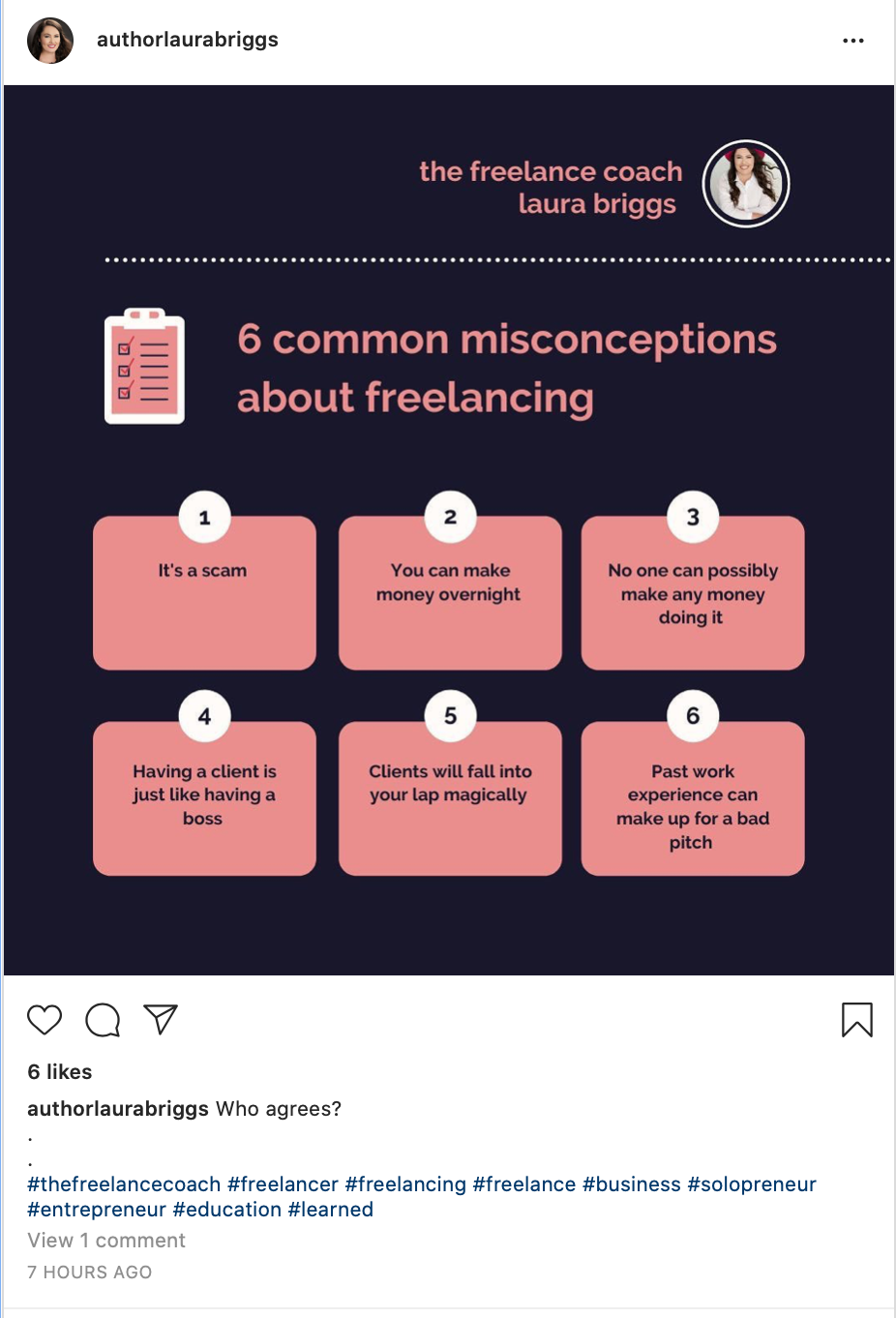
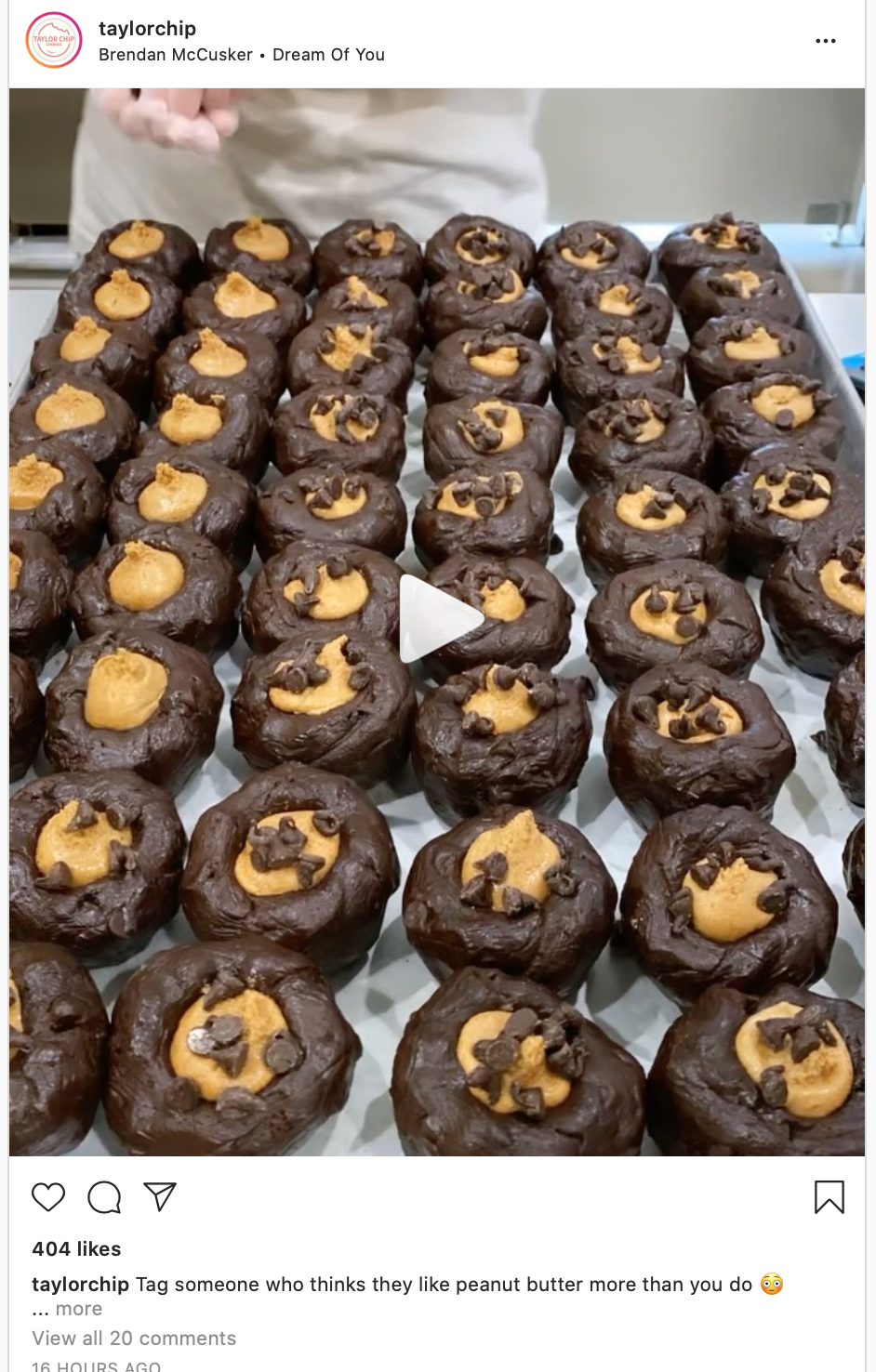
Marketers employ several tactics to stimulate audience interaction. Asking direct, low-friction questions, such as "Who agrees?", encourages passive scrollers to pause and voice their opinions. Similarly, prompting users to tag friends in the comments section can exponentially increase organic reach. When implemented moderately, peer tagging generates interactive communities—such as friends playfully debating product preferences—which frequently translate into heightened brand affinity and direct sales conversions.
Implementing Action-Oriented Calls to Action (CTAs)
While fostering community engagement is valuable, commercial enterprises ultimately utilize social media channels to drive measurable business outcomes, such as event registrations, appointment bookings, or e-commerce purchases. To bridge the gap between social interaction and offline conversion, captions must feature clear, unambiguous calls to action.
An effective CTA clearly articulates what action the user needs to take, explains the underlying benefit or value proposition, and minimizes friction by directing the user precisely where to go (e.g., updating instructions to reference the profile bio link). Utilizing visual separators, such as emojis, helps break up dense blocks of text, ensuring that the instructional steps remain prominent and accessible.
Technical Best Practices: Formatting, Editing, and Typography
Beyond textual content, mastering the technical formatting of Instagram posts can significantly enhance visual appeal and readability.

Structuring Paragraphs and Spacing
Long blocks of text are notoriously difficult to read on mobile devices. Consequently, professional accounts routinely break their captions into distinct paragraphs, utilizing line breaks, bullet points, or spacing symbols.
A widely adopted structural template involves opening with a strong summary sentence, inserting a blank line before providing contextual elaboration, and separating the main body text from the hashtag cluster at the bottom. To achieve proper paragraph spacing directly within the native Instagram app without text collapsing, users can compose their copy in a dedicated notes application and copy-paste it into the publishing window.
Editing Published Content

Mistakes happen, and digital marketers frequently need to revise live posts. Instagram facilitates this through a straightforward in-app editing feature. By navigating to the published post, selecting the three-dot menu icon in the upper-right corner, and choosing the "Edit" option, creators can seamlessly update text, correct typographical errors, or adjust hashtag selections. Changes are applied instantaneously upon saving, ensuring content accuracy without requiring the post to be deleted and republished.
Customizing Typography and Fonts
To make specific elements stand out within a busy feed, advanced creators often incorporate stylized fonts, bold text, or italics into their captions. Because Instagram’s native interface does not inherently support rich-text formatting for standard captions, marketers utilize external browser-based conversion tools—such as Unicode font generators. By inputting standard text into these utilities, users can select from a drop-down menu of specialized typographic styles, copy the transformed text, and paste it directly into their Instagram post drafts.
Implications for Modern Digital Marketing Strategy
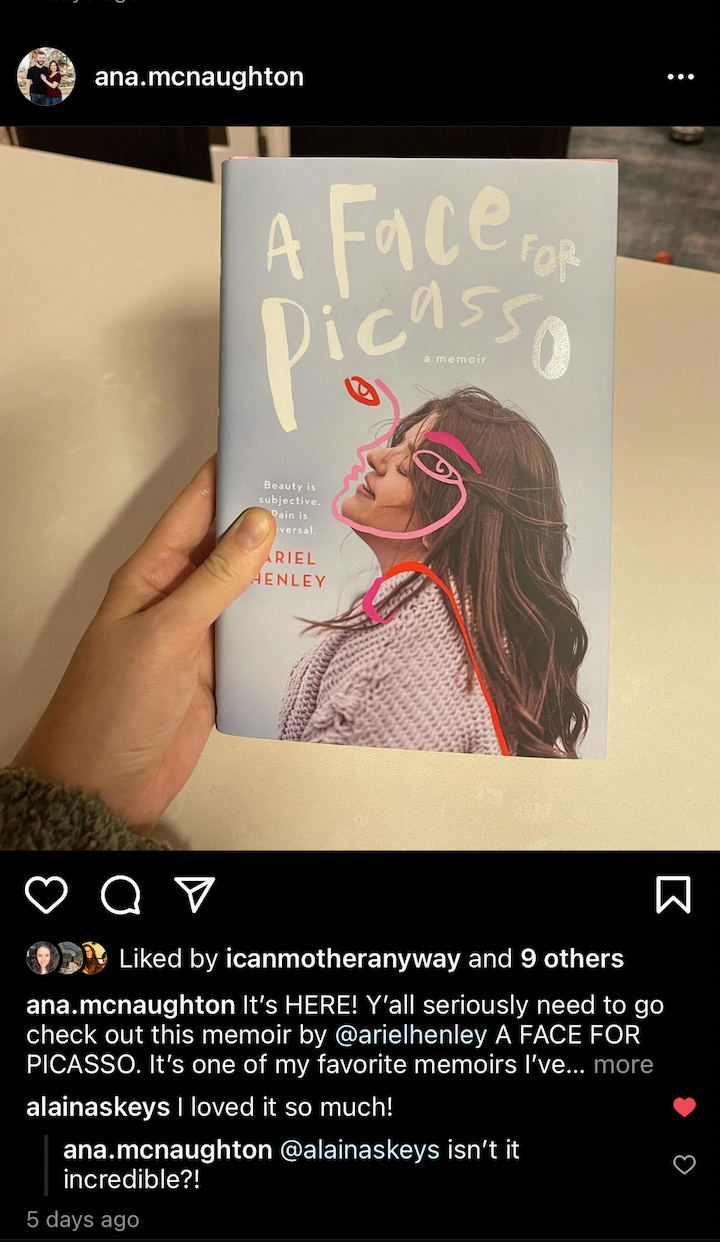
As social media algorithms continue to evolve, the integration of compelling copywriting with high-grade visual assets remains a cornerstone of successful digital marketing. Brands that view Instagram captions as strategic assets rather than obligatory afterthoughts are better positioned to build loyal communities, enhance algorithmic visibility, and translate digital impressions into tangible commercial success.