The End of the Traditional News Cycle: How Cross-Network Brand Monitoring Redefines Corporate Reputation in the Digital Age

The traditional news cycle, once governed by print deadlines and scheduled broadcasts, has been effectively replaced by a relentless torrent of real-time updates breaking across a myriad of social platforms. This profound shift has irrevocably altered how information is consumed, disseminated, and, crucially, how brands are perceived. According to our Q1 2026 Pulse Survey, social media has definitively cemented its position as the primary conduit through which people access news and stay informed. Headlines, once the domain of established journalistic institutions, now surface from diverse and often unpredictable sources: viral short-form videos on TikTok, immediate breaking news alerts on X (formerly Twitter), professional commentary and thought leadership on LinkedIn, and nuanced community discussions on platforms like Reddit. This fragmentation and acceleration of information flow present both unprecedented challenges and significant opportunities for organizations striving to maintain a relevant and positive public image.
The Evolving Media Landscape: A Chronology of Disruption
The journey from a centralized, editorially controlled media environment to today’s hyper-connected digital ecosystem has been rapid and transformative. For decades, major news outlets served as gatekeepers, curating and distributing information in a largely one-way broadcast model. The advent of the internet in the 1990s began to decentralize this power, allowing individuals and niche communities to publish and consume content with greater ease. However, it was the explosive growth of social media platforms in the late 2000s and early 2010s that truly democratized content creation and distribution, ushering in an era of unprecedented user-generated content and peer-to-peer information sharing.
Initially, platforms like Facebook and Twitter were seen primarily as tools for personal connection. Yet, their inherent capacity for real-time updates and viral sharing quickly transformed them into de facto news wires. Events, both global and local, began breaking on social media before traditional outlets could even dispatch reporters. This trend has only intensified with the rise of platforms catering to diverse content formats and communities. TikTok, with its algorithmically driven discovery and short-form video, can catapult a niche opinion into global virality within hours. X remains a crucial hub for breaking news and immediate reactions, often dictating the initial narrative of unfolding events. LinkedIn has evolved beyond professional networking to become a significant platform for industry insights, corporate announcements, and expert commentary, where professional reputations can be built or damaged. Meanwhile, Reddit’s vast network of specialized subreddits fosters deep, often unvarnished, discussions where consumer sentiment and product feedback are openly shared. This multifaceted and often chaotic media landscape means that conversations about a brand are happening simultaneously across countless platforms, often feeding into each other and bouncing around the internet from one network to another with dizzying speed. Brands are mentioned in more places and at a faster volume than ever before, making comprehensive oversight an absolute necessity.
The Imperative of Comprehensive Monitoring: Risks and Opportunities
In an environment where public perception can shift dramatically in mere minutes, a reactive approach to brand management is no longer viable. Simply checking direct mentions or monitoring only traditional press coverage is akin to observing only the tip of an iceberg while the vast majority of its mass remains hidden beneath the surface. Brands risk missing valuable customer feedback, emerging market trends, or, more critically, being blindsided by a budding public relations crisis that has already snowballed into a full-blown reputational disaster by the time it is detected.
The absence of a unified, proactive monitoring and listening strategy carries significant risks. A single negative comment or review, if left unaddressed, can proliferate rapidly, especially if amplified by influencers or online communities. Conversely, a missed opportunity to engage with positive sentiment or address a common customer pain point can lead to lost loyalty and market share. The costs associated with crisis management are substantial, not just in terms of direct financial outlay for PR efforts, but also in potential damage to brand equity, consumer trust, and investor confidence. For example, a minor product flaw reported on a niche forum might escalate into widespread public outrage if not detected and addressed early, potentially leading to costly recalls or protracted legal battles.
However, a robust cross-network monitoring strategy also unlocks immense strategic advantages. By systematically tracking, aggregating, and analyzing mentions across all digital touchpoints, organizations gain unparalleled insights that can drive proactive decision-making across various departments:
- Enhanced Customer Care: Rapid identification and resolution of customer issues, improving satisfaction and loyalty. Studies consistently show that customers expect quick responses on social media, with a significant percentage abandoning brands that fail to engage.
- Informed Product Development: Direct access to customer feedback, feature requests, and pain points, guiding iterative improvements and new product innovations. For instance, noticing a recurring complaint about a software bug across multiple forums can trigger a swift patch release.
- Proactive Crisis Prevention and Management: Early detection of negative sentiment or emerging issues allows brands to intervene, address concerns, and shape narratives before they spiral out of control. This can reduce the financial and reputational impact of potential crises by an estimated 20-30%.
- Superior Competitive Intelligence: Understanding what is being said about competitors, their product strengths and weaknesses, and their market reception provides a strategic edge. This intelligence can inform marketing campaigns, product positioning, and business strategy.
- Effective Brand Reputation Management: Actively shaping and reinforcing brand messaging, identifying brand advocates, and responding thoughtfully to public discourse.
- Identification of Market Trends: Spotting nascent trends, shifts in consumer behavior, and emerging industry discussions can inform long-term strategic planning and open new market opportunities.
As Paul Quigley, the GM of Listening at Sprout Social, aptly notes, "Today, narratives – both opportunities and threats – can kick off anywhere. From a news story, a discussion on Reddit, a TikTok, a Substack post. Brands risk exposure and missed opportunities if their listening focuses too heavily on just a couple of sources. They need nothing less than the full media landscape at their fingertips." This comprehensive view is no longer a luxury but a fundamental requirement for navigating the complexities of the modern digital age.
Defining Cross-Network Brand Monitoring: A Unified Approach
At its core, cross-network brand monitoring is the systematic practice of tracking, aggregating, and analyzing mentions of a brand, its products, services, executives, and relevant industry topics across multiple digital platforms simultaneously. It moves beyond isolated data points by synthesizing information from across the entire web, including major social networks, specialized discussion forums, influential review sites, personal and corporate blogs, and digital news publications, into a single, cohesive view.
This sophisticated approach typically involves a strategic blend of social listening and media monitoring software. While often used interchangeably, these two concepts serve distinct but complementary functions. Brand monitoring focuses on direct tracking: it gathers specific mentions, reviews, and comments about a particular brand, product, or individual to facilitate immediate customer care responses and manage potential PR crises. Social listening, conversely, adopts a broader, more macro approach. It aggregates cross-network conversations around entire industries, competitor trends, overarching cultural shifts, and general sentiment to inform long-term corporate strategy, product innovation, and market positioning. Modern cross-network monitoring solutions seamlessly integrate both, utilizing advanced natural language processing (NLP), machine learning, and sentiment analysis to scan the internet for targeted keywords, phrases, hashtags, and contextual references. Unifying this often-fragmented online chatter into actionable data points empowers organizations to make informed decisions, whether for enhancing customer experience, guiding product improvements, or orchestrating a timely and effective response to a potential crisis.
Building a Robust Monitoring Framework: Foundation and Objectives

Establishing an effective cross-network brand monitoring program requires a unified data foundation, built upon meticulous planning and clear strategic objectives. Attempting to monitor the entire internet without a defined strategy and specific goals inevitably leads to information overload, missed insights, and disjointed data that cannot be acted upon. Successful monitoring unfolds in two critical phases: comprehensively mapping relevant channels and meticulously categorizing strategic tracking objectives.
Centralizing Network Intelligence
The initial step involves gaining a comprehensive understanding of every digital network and platform relevant to your brand and its audience. The precise pillars of this intelligence framework will depend heavily on your target demographics, industry, and what specific aspects you aim to track. This comprehensive mapping could include a combination of:
- Major Social Media Platforms: X, Facebook, Instagram, LinkedIn, TikTok, Pinterest, Snapchat.
- Community Forums & Discussion Boards: Reddit, industry-specific forums, enthusiast sites.
- Review Platforms: Google Reviews, Yelp, Amazon, industry-specific review sites (e.g., G2, Capterra).
- Blogs and News Sites: Both mainstream media and influential niche blogs.
- Video Platforms: YouTube, Vimeo (for comments, mentions in video titles/descriptions).
- Podcasts: Mentions in podcast descriptions or transcript analysis (if available).
- Dark Social: While harder to track directly, understanding themes discussed in private groups or messaging apps can be inferred from public discussions.
Once the relevant sources are identified, the next crucial step is to aggregate these disparate data streams into a single, centralized dashboard. This unification is vital for eliminating organizational silos, ensuring that departments like marketing, public relations, customer care, and even product development are operating from the same "source of truth." This, in turn, fosters a unified strategy across these functions, allowing for coordinated responses and proactive initiatives. This kind of holistic social intelligence can even ascend to the highest echelons of the organization, influencing C-suite decisions and impacting business-wide strategies far beyond the traditional marketing department.
Set Strategic Tracking Objectives
Data, no matter how vast or meticulously collected, is only as useful as the goals it serves. Once the monitoring foundation is established, it becomes imperative to define precise strategic targets. To achieve this, organizations must identify specific, measurable metrics against which performance can be benchmarked and progress tracked.
While specific brand needs will vary, common examples of strategic tracking objectives include:
- Brand Sentiment Shifts: Monitoring changes in the overall emotional tone (positive, negative, neutral) associated with the brand, products, or campaigns.
- Share of Voice (SOV): Tracking the percentage of overall industry conversations that mention your brand compared to competitors.
- Competitive Mentions and Sentiment: Analyzing discussions around competitors to identify their strengths, weaknesses, and public perception.
- Emerging Trends and Topics: Identifying new themes, hashtags, or discussions relevant to the industry or target audience.
- Influencer Identification: Discovering key opinion leaders and brand advocates who are organically discussing the brand or related topics.
- Campaign Performance: Measuring the immediate impact and public reception of marketing campaigns, product launches, or corporate announcements.
- Customer Service Issue Detection: Promptly identifying widespread complaints, recurring bugs, or customer support bottlenecks.
Once the "what" (what to track) is mapped and the "why" (strategic goals) is established, the primary challenge transitions to efficiently processing a potentially massive influx of data without losing the ability to quickly extract and act upon critical insights.
The Dawn of Agentic Monitoring: AI-Driven Proactivity
Traditional brand monitoring approaches have historically relied on marketing and PR teams manually checking dashboards, logging into various platforms, and poring over retrospective graphs to analyze events that have already transpired, often weeks or even months after a significant shift took place. This "reactive dashboard" model is increasingly inadequate for the demands of modern monitoring. To effectively safeguard and elevate a brand in today’s dynamic information ecosystem, a new layer of autonomous, proactive intelligence is essential – this is where agentic monitoring comes into play.
Passive dashboards require human intervention to log in, interpret charts, and then decide if a data point warrants action. This process introduces significant delays and leaves ample room for human error, especially given the sheer volume and velocity of online chatter. Agentic monitoring fundamentally eliminates this risk by continually scanning identified networks in real time, operating as an always-on, intelligent analyst.
On this crucial point, Paul Quigley further emphasizes, "the era of logging into dashboards to check things is over. Now 94% of NewsWhip data is consumed off platform – pushed to teams by monitoring agents, predictive alerts and other formats, and landing into the right inboxes, Teams channels and Slack groups." This highlights a paradigm shift from pull-based information retrieval to push-based, intelligent delivery.
AI agents, at the heart of agentic monitoring, are deeply integrated with an organization’s strategic goals and objectives. This contextual understanding enables them to interpret subtle shifts in data, differentiate noise from signal, and prioritize information based on its potential impact. Once objectives are defined, these agents operate around the clock, meticulously pulling in every data point that corresponds to the monitoring goals. Crucially, custom alert thresholds can be configured to deliver instant email or chat notifications when meaningful changes occur – be it a sudden spike in negative sentiment, an unexpected surge in competitor mentions, or the emergence of a new viral narrative. This frees human teams from the laborious task of dashboard triage, allowing them to focus entirely on strategic analysis, judgment-dependent decision-making, and taking swift, informed action.
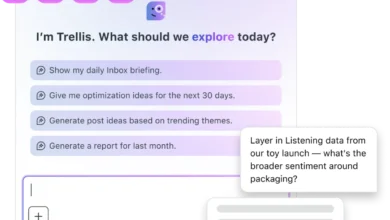
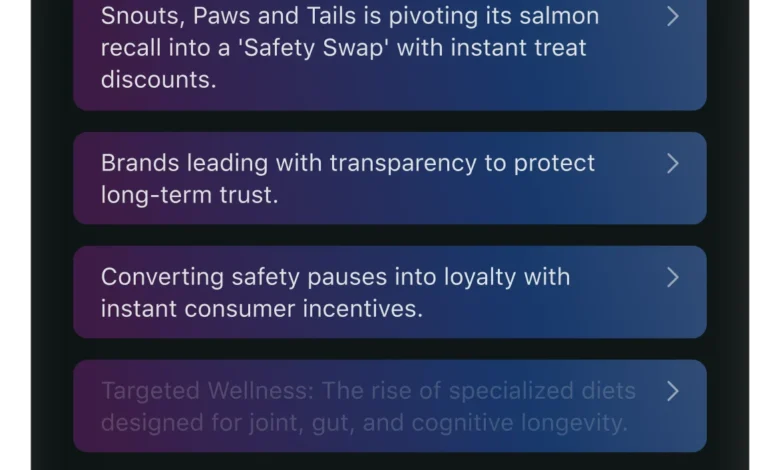
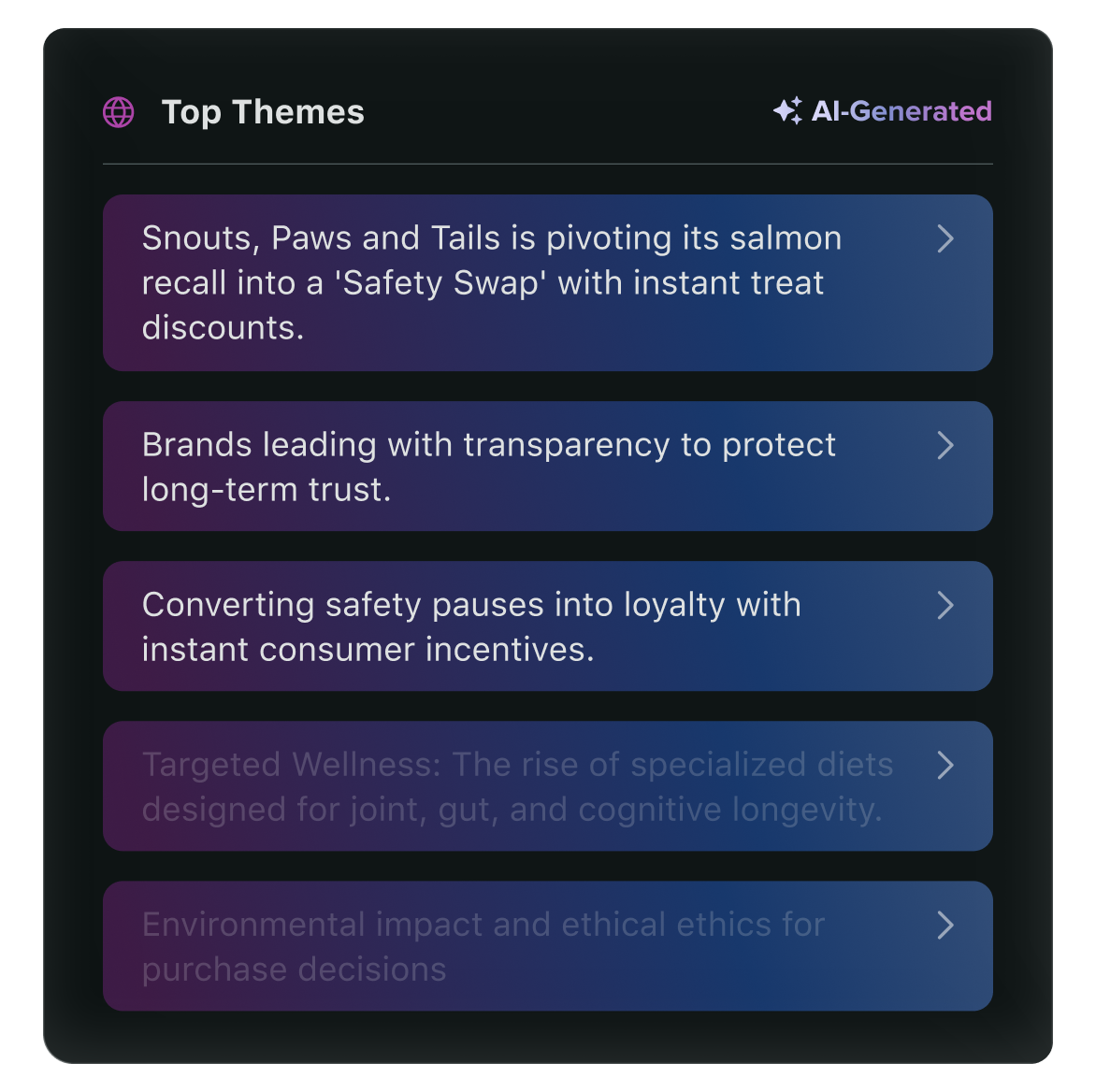
For instance, specialized autonomous agents such as Sprout Social’s proprietary AI agent, Trellis, go beyond merely tracking keyword volume. These agents analyze engagement metrics, revealing what content is truly resonating with audiences and why. They are designed to detect early narrative shifts, identify sudden volume spikes, and pinpoint significant sentiment drops. When specific, pre-defined thresholds are met, Trellis automatically triggers alerts, much like an astute, always-on human analyst would. It delves deeper into the anomaly, identifying what is happening, where it originated, how fast it is spreading, and critically, why it matters to the brand. An example of Trellis’s capability is its ability to identify audience engagement themes for a pet brand, providing nuanced insights into consumer interests and concerns, as depicted in relevant UI screenshots.
By entrusting the heavy lifting of continuous data collection, synthesis, and initial interpretation to autonomous AI agents, organizations can significantly free up their human teams’ bandwidth. This allows skilled analysts and strategists to dedicate their expertise to higher-value, judgment-dependent tasks, such as crafting nuanced crisis communication plans, refining brand messaging based on deep insights, or exploring innovative new product features suggested by aggregated customer feedback.
From Insights to Impact: Strategic Integration and Escalation
Receiving a brief delivered to an inbox is a valuable step, but in an ideal world, analysts and social media managers should possess the capability to interrogate the data in real-time, engaging in a dynamic dialogue with their intelligence system. Sprout Social’s Trellis agent exemplifies this by serving as an intuitive conversational layer that seamlessly connects data across Publishing, Listening, Reporting, and the Smart Inbox for Sprout users. This eliminates the arduous and time-consuming need to manually piece together insights from disparate corners of the digital ecosystem.
Teams can frame prompts using natural language, querying billions of social data points with ease and precision. For example, a social media manager might ask, "What are the primary drivers behind yesterday’s sentiment drop on Reddit?" or a product team might inquire, "Summarize our competitors’ product flaws based on this week’s reviews." Trellis is designed to provide immediate, contextual, and executive-ready answers, transforming fragmented digital signals into coherent, actionable recommendations and strategies. This capability dramatically closes the gap between raw social data and tangible business action, moving beyond "insight for the sake of insight" to concrete strategic implementation.
"Action" is indeed the operative word in this advanced monitoring framework. To translate insights into effective action, organizations must also construct robust internal pathways for data escalation. Brand monitoring data often loses its potency when it remains trapped within the confines of marketing or PR departments. Building customized intelligence pathways breaks down these traditional silos, ensuring that specific insights are tailored and routed to the appropriate teams based on their relevance. This could involve automatically funneling feature requests or recurring software bugs, identified through social listening, directly to the product and engineering teams. Similarly, high-priority customer complaints or urgent service issues could be escalated instantly to the customer care team, while significant sentiment drops or emerging negative narratives are flagged immediately with the communications and legal teams.
Automated workflows are instrumental in streamlining this data escalation process, but they necessitate carefully established guardrails to ensure compliance, accuracy, and relevance. By setting strict parameters around what constitutes an "escalation event" – for instance, a sentiment drop exceeding a certain percentage within a specific timeframe, or a mention from an account with a high follower count – organizations can effectively scale their proactive monitoring without risking brand misalignment, unnecessary alerts, or overwhelming internal teams with irrelevant information.
The Future of Brand Management: A Strategic Advantage
Successfully scaling and growing a brand in the contemporary digital landscape unequivocally demands a sophisticated cross-network monitoring strategy built upon a unified data foundation. However, the true strategic advantage is realized when this foundation is further enhanced by proactive, AI-driven insights and clear, efficient escalation pathways. The transformative transition from a reactive, dashboard-centric monitoring approach to always-on, agentic systems unlocks the immediate, granular business intelligence needed not only to protect brand reputation but also to drive the entire organization forward.
This evolution signifies that brand monitoring is no longer merely a defensive measure against potential crises; it is a powerful engine for growth, innovation, and sustained competitive advantage. By embracing these advanced methodologies and tools, brands can convert the overwhelming digital noise into a strategic asset, enabling them to understand their customers more deeply, anticipate market shifts, and respond with agility and precision. The future of brand management is intelligent, proactive, and deeply integrated, ensuring that every online conversation contributes to a stronger, more resilient, and ultimately, more successful brand.
Ready to transform your organization’s cross-network monitoring strategy? Discover how Sprout Social and our proprietary AI agent, Trellis, can unify your data ecosystem, automate your workflows, and deliver executive-ready insights in real time.
FAQs
What are the best tools for cross-network brand monitoring?
The best tools for cross-network brand monitoring are comprehensive platforms that unify data from various sources, including social networks, discussion forums, review sites, blogs, and digital news, into a single, intuitive dashboard. Crucially, these tools should incorporate advanced agentic monitoring strategies, leveraging AI to provide real-time alerts, contextual analysis, and predictive insights. Leading examples include integrated solutions like Sprout Social Listening and NewsWhip by Sprout Social, which are designed to offer a holistic view of the digital landscape and automate the detection of critical shifts.
How does brand monitoring differ from social listening?
While often used interchangeably, brand monitoring and social listening focus on different analytical scales and objectives. Brand monitoring is a more targeted practice focused on direct tracking; it systematically gathers specific mentions, reviews, and comments directly related to your brand, products, services, and key personnel. Its primary goals are often immediate customer care, reputation management, and crisis prevention and response. Social listening, on the other hand, takes a broader, macro approach. It aggregates and analyzes cross-network conversations around entire industries, competitor trends, overarching cultural shifts, and general sentiment. Its purpose is to uncover deeper insights that can guide long-term corporate strategy, inform product innovation, identify market opportunities, and understand broader consumer behaviors. Modern comprehensive platforms often integrate both capabilities to provide a full spectrum of intelligence.
What keywords should I track for my brand?
To capture a complete and accurate view of your online footprint and relevant conversations, your tracking keywords should be strategically grouped into several categories:
- Core Brand Terms: Your brand name (including common misspellings), company slogans, and official hashtags.
- Products and Features: Names of individual products, services, specific features, and related terms.
- Key Executives and Spokespeople: Names and official social handles of your CEO, leadership team, and public-facing representatives.
- Competitors: The names of your primary competitors, their products, and relevant hashtags.
- Industry Topics of Interest: Broader terms and phrases related to your industry, market trends, and consumer pain points that your brand addresses.
- Campaign-Specific Terms: Unique hashtags or phrases used for specific marketing campaigns or events.
It’s also beneficial to include negative keywords to filter out irrelevant mentions and regularly review and refine your keyword list as your brand evolves and new trends emerge.