The Ultimate Review of Meta and Facebook Platform Updates: 2022 Transformation and Strategic Outlook for Advertisers

The final quarter of 2022 marked a period of immense operational and strategic shift for Meta, as the technology giant aggressively rolled out structural overhauls across its core advertising architecture, organic engagement features, and compliance frameworks. Throughout late 2022, Meta introduced modernized Reels functionality, expanded Facebook Groups moderation toolsets, revamped its automated advertising interfaces, and achieved critical brand safety milestones. As digital marketers and corporate advertisers transition into 2023, the overarching operational environment on Meta platforms is defined by deeper machine learning integration, heightened automation, and a deliberate push toward streamlined, cross-platform experiences.
This comprehensive retrospective examines the major product rollouts, algorithmic adjustments, and strategic policy updates implemented by Meta throughout 2022, while offering a forward-looking analysis of what brands and media buyers can anticipate in the year ahead.
Algorithmic Evolution and Advertising Best Practices
Navigating the dynamic landscape of Meta’s advertising ecosystem frequently requires brands to adapt to shifting optimization metrics and compliance criteria. To bridge the gap between advertiser frustration and platform performance, Meta periodically releases empirical, data-backed optimization guidelines designed to maximize return on ad spend (ROAS).
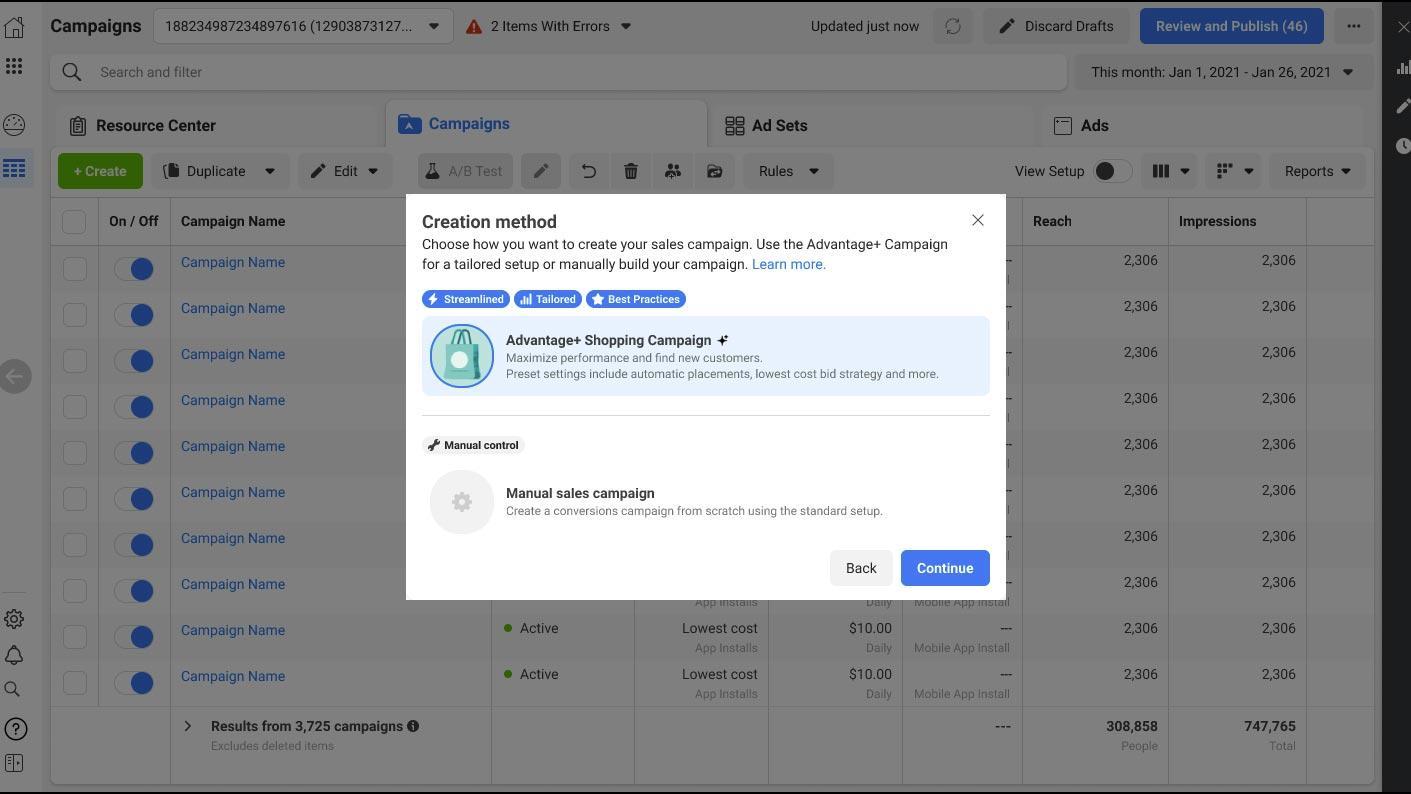
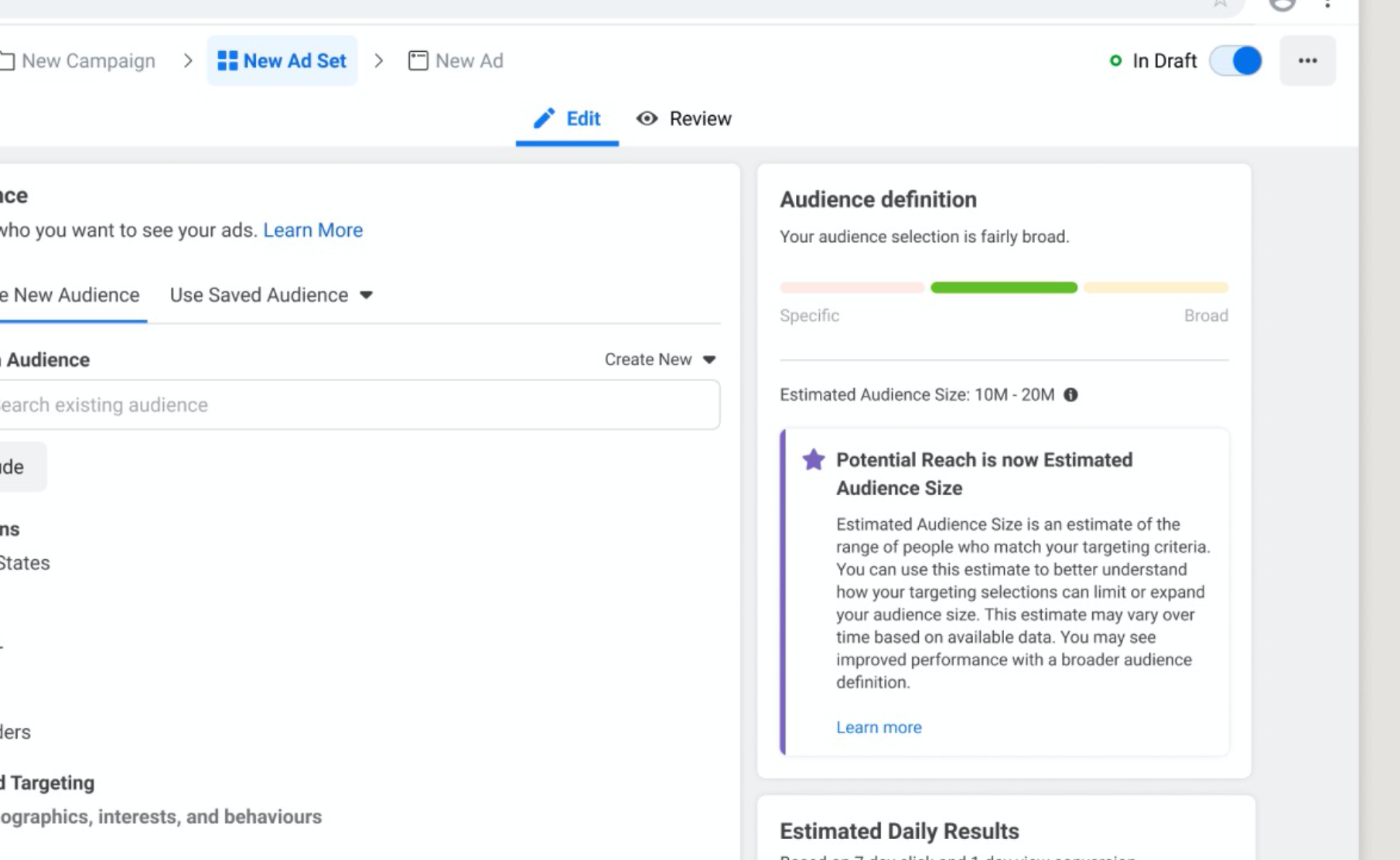
In December 2022, the company published an extensive blueprint outlining core advertising essentials aimed at driving campaign efficiency. According to internal data compiled by Meta, modernizing campaign structures to leverage automated placements, broad targeting combined with creative diversification, and simplified account architectures consistently outperforms hyper-segmented legacy setups. This empirical release underscored a broader corporate strategy: shifting human labor away from manual bid adjustments and toward strategic creative asset generation.
Instagram Empowers Creators with Native Content Scheduling
For years, social media managers and independent creators relied on third-party application programming interfaces (APIs) or desktop-exclusive interfaces to schedule Instagram content ahead of time. Recognizing a persistent workflow friction point for mobile-first users, Instagram introduced native content scheduling directly within its mobile application for Business and Creator accounts.
The feature enables eligible accounts to schedule standard photos, carousel posts, and short-form Reels up to 75 days in advance. To access the functionality, creators navigate to "Advanced settings" on the final publishing screen before a post goes live, select the "Schedule" option, and designate a specific time and date. Furthermore, scheduled content can be managed, edited, rescheduled, or deleted at any time via the "Scheduled posts" directory located within the professional account drop-down menu.
Despite its utility, the native tool launched with several notable limitations. Advanced promotional actions—such as product tagging, cross-posting to Facebook, and direct post-boosting—are incompatible with scheduled content prior to publication. Consequently, marketing teams must execute these actions live once the post has officially populated the feed.

Strategic Roadmap: What Meta Expects in 2023
Looking forward, industry analysts and media buyers anticipate that Meta will continue refining the foundational pillars established during its 2022 transformation. Several key trends are projected to dictate platform development throughout 2023:
Continued Dominance and Monetization of Reels
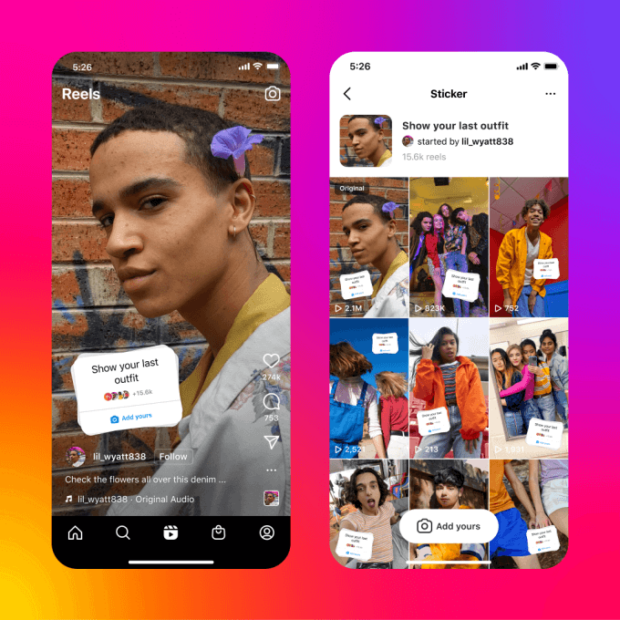
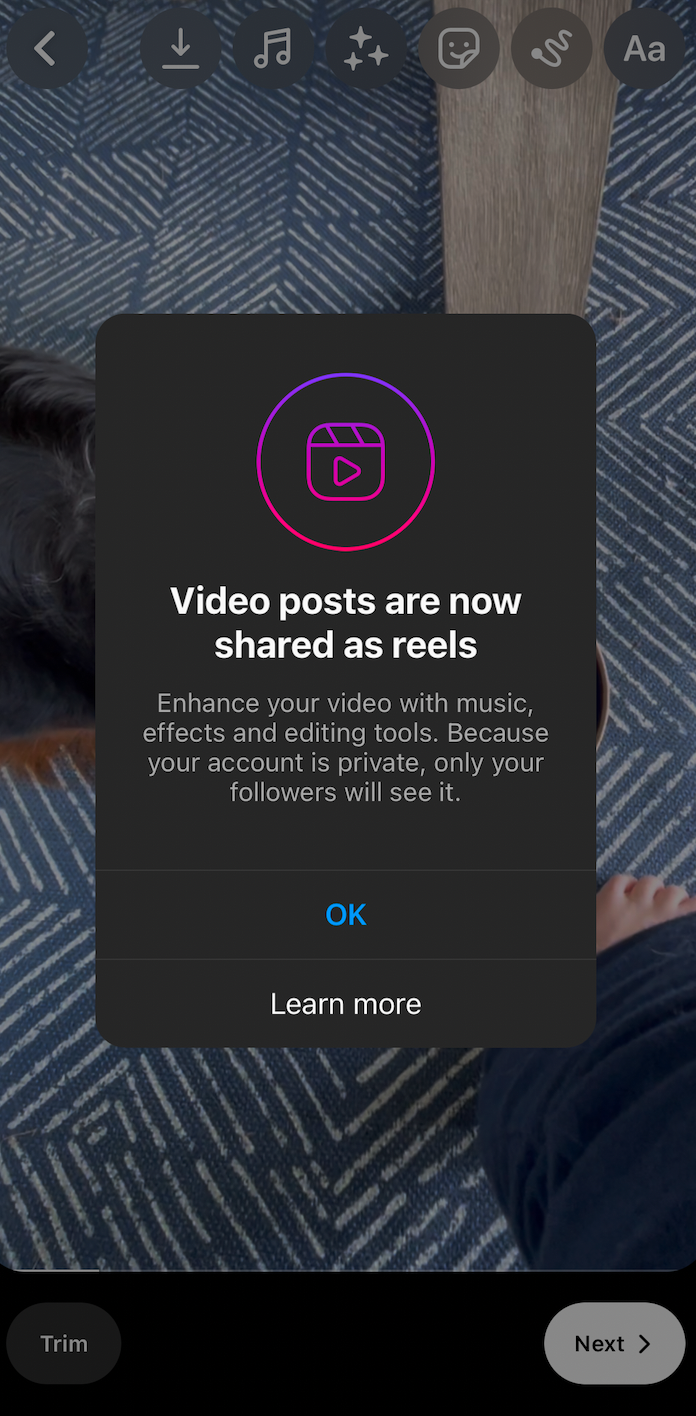
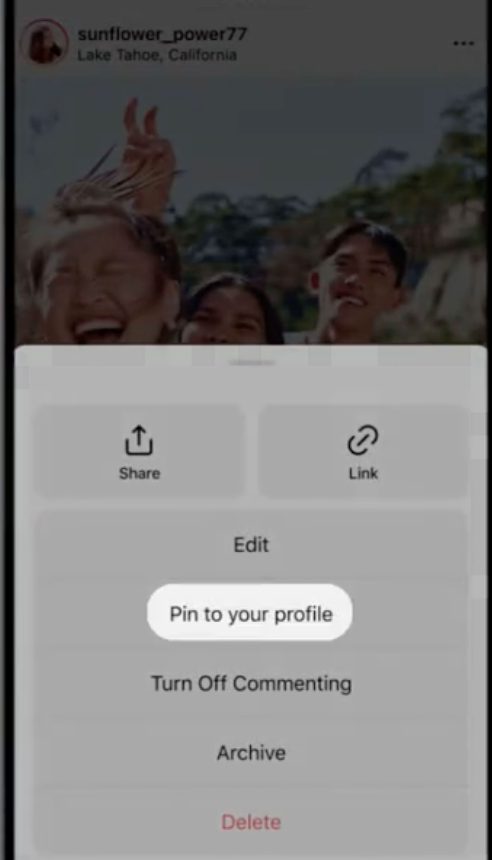
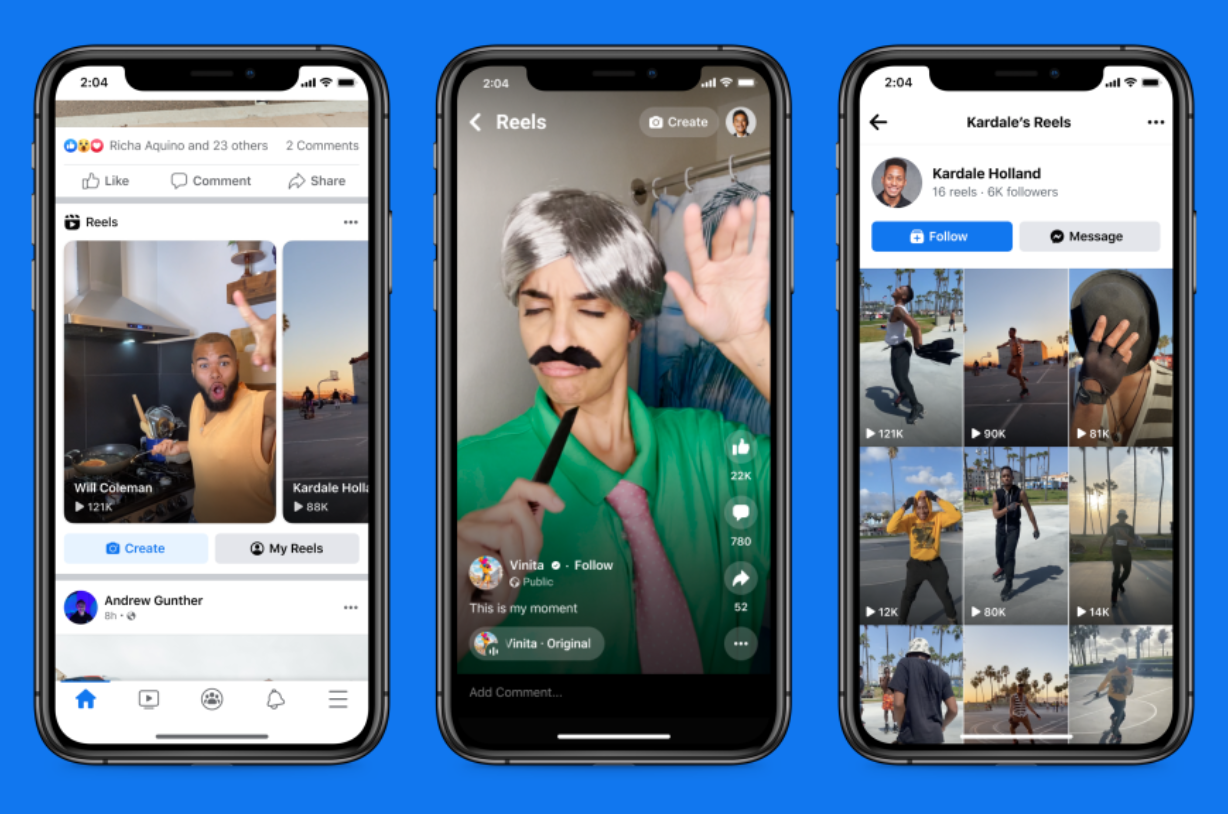
Short-form vertical video has successfully transitioned from an experimental feature to the primary driver of organic traffic, user engagement, and ad revenue across both Facebook and Instagram. Following a massive wave of infrastructure updates in 2022—including cross-posting capabilities, dedicated analytics in Creator Studio, and native API access for third-party developers—Reels will remain at the epicenter of Meta’s product roadmap. In 2023, industry observers expect the introduction of advanced native advertising formats and seamless eCommerce checkout integrations directly within the Reels interface.

Corporate Expansion of Facebook Groups
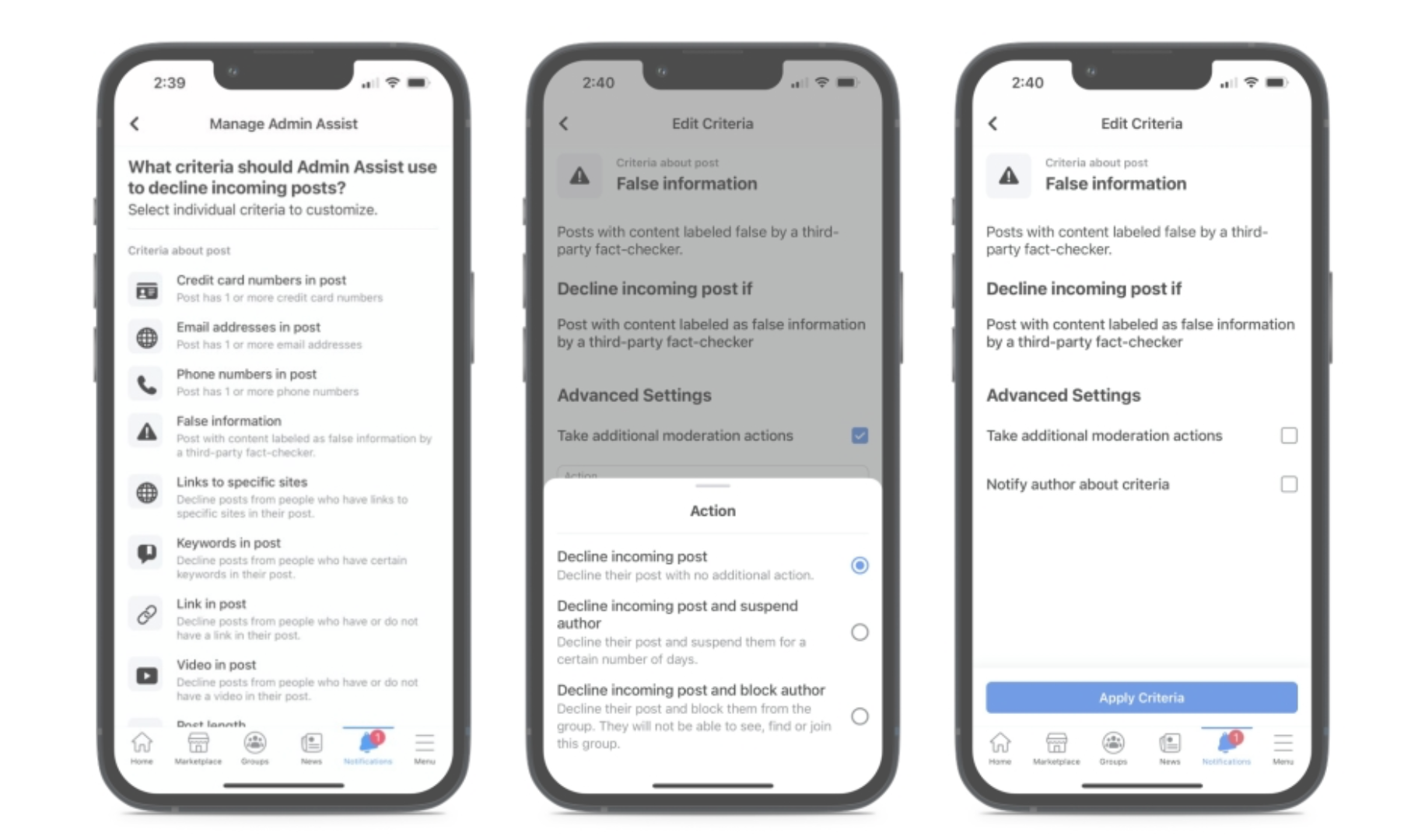
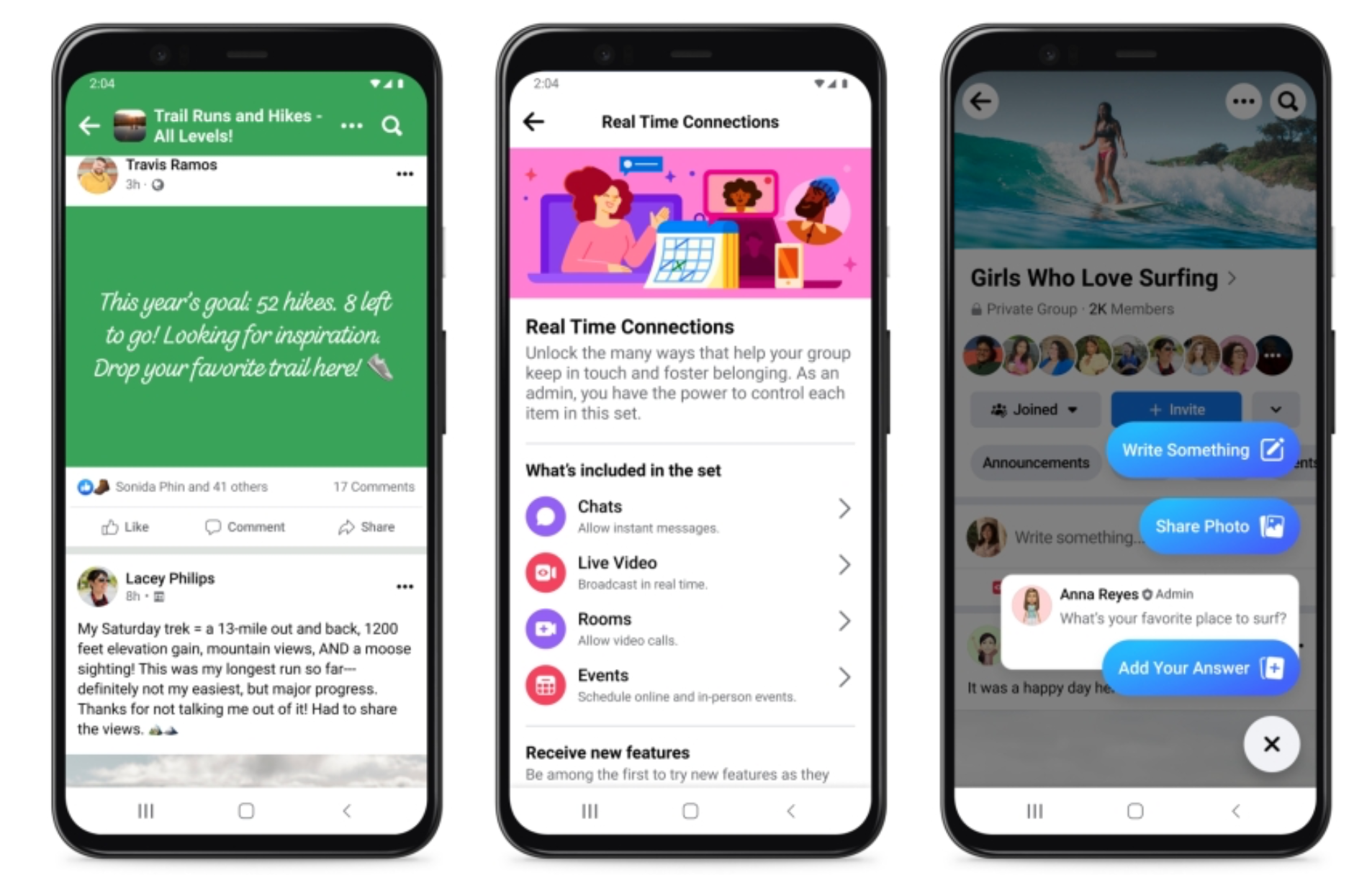
Facebook Groups continue to serve as a high-intent engagement mechanism for digital communities, consumer brands, and B2B networks. Throughout 2022, Meta systematically introduced advanced administrative controls, moderation automation via Admin Assist, and subscription-based monetization models. Because Groups maintain exceptional organic visibility within user feeds, Meta is widely expected to court corporate enterprises and small businesses more aggressively in 2023, positioning community-building as a vital retention asset.
The Ascendance of Advantage+ Automated Campaigns
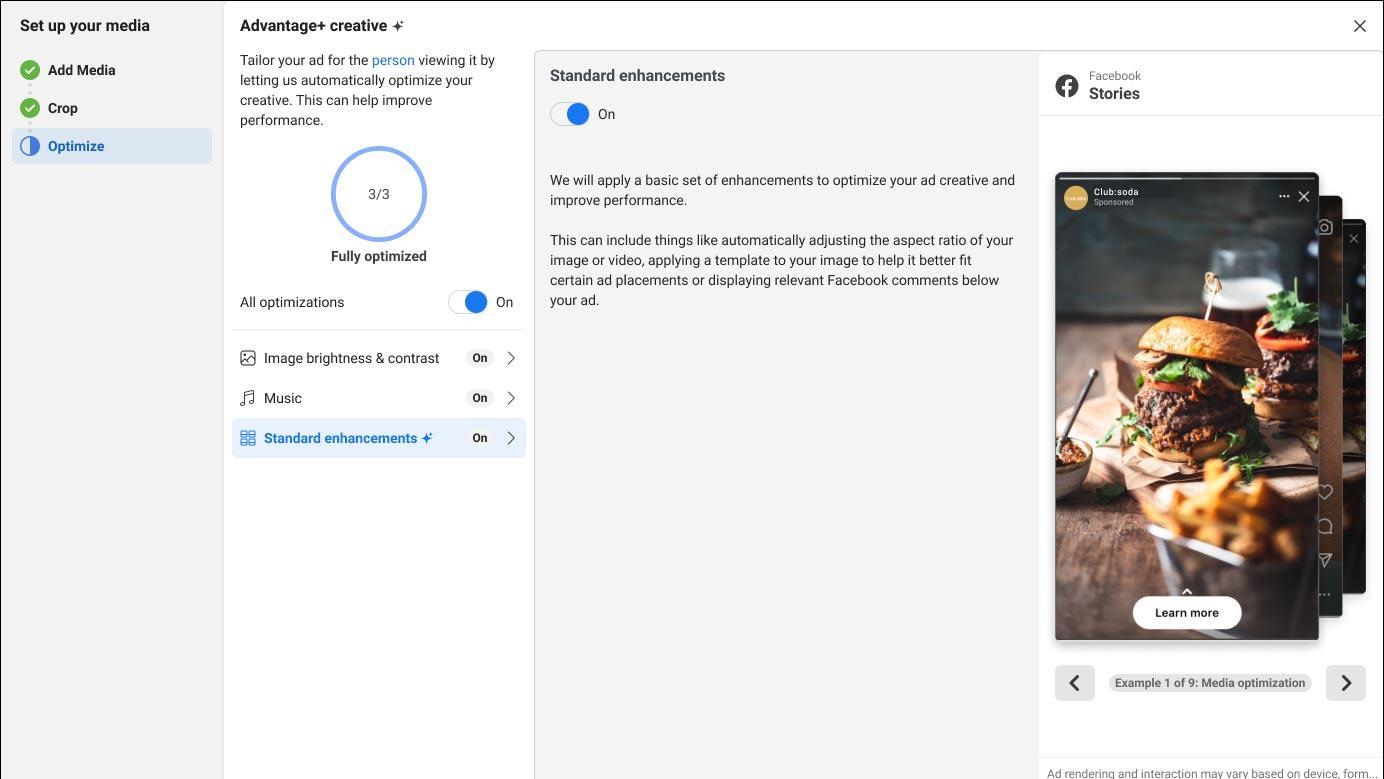
Meta’s Advantage+ suite represents the cutting edge of machine learning-driven advertising. By automating audience targeting, budget allocation, and creative personalization, Advantage+ Shopping and App campaigns minimize manual configuration while maximizing conversion efficiency. Internal testing published by Meta demonstrated that Advantage+ Shopping campaigns yielded a 12% lower cost-per-purchase conversion compared to traditional manual structures. In 2023, a major corporate push will likely compel broader adoption across global enterprise accounts.
Sustained Capital Allocation Toward the Metaverse
Despite intense public scrutiny and substantial financial headwinds, Meta CEO Mark Zuckerberg has maintained an unwavering commitment to realizing the virtual reality ecosystem known as the Metaverse. Having poured tens of billions of dollars into Reality Labs and associated VR/AR infrastructure, Meta continues to position hardware and immersive digital spaces as the long-term successor to the mobile internet. While commercial consumer adoption has experienced friction, iterative hardware releases and software ecosystem growth will remain core corporate priorities.
Milestones in Brand Safety and Content Suitability
Amidst ongoing industry debates regarding digital advertising safety, Meta secured a major regulatory validation in November 2022. The Media Rating Council (MRC) officially granted accreditation to Meta for content-level Brand Safety on Facebook. This rigorous independent audit evaluated corporate policies, operational processes, and technical controls across the platform, validating Meta’s Partner Monetization Policies, Content Monetization Policies, and content-level suitability controls applied to Instant Articles and In-Stream video across desktop, mobile web, and native mobile applications.
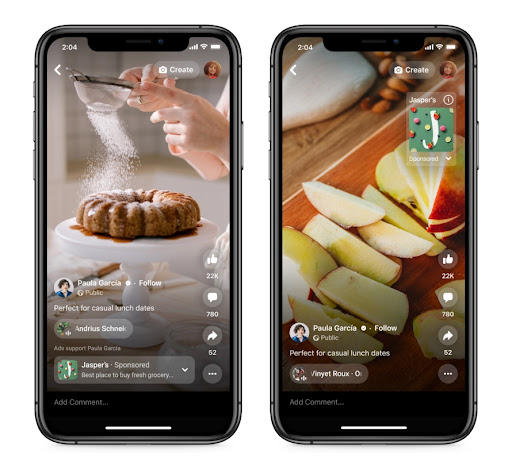
Complementing this accreditation, Meta initiated testing on content-based inventory filters for both Facebook and Instagram feeds. These filters aim to give brands granular control over the adjacency of their advertisements, aligning ad delivery with precise corporate risk tolerances.
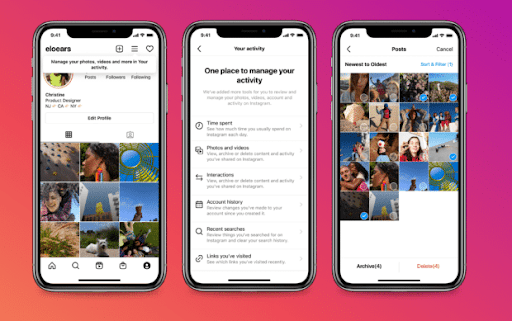
Enhancing Static Content: Music Integration in Feed Posts
In a direct bid to increase engagement on traditional static media, Instagram rolled out an update allowing users to attach up to 90 seconds of licensed music directly to in-feed photo posts. Previously restricted to Stories and Reels, audio integration transforms static imagery into multi-sensory brand
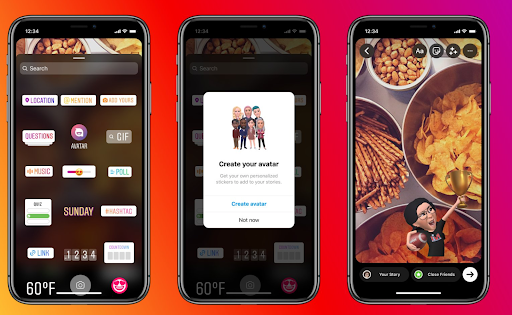
assets. While carousel photo posts do not currently support audio attachments, the feature provides brands with a powerful creative lever to capture user attention within a crowded algorithmic feed.
Small Business Support Initiatives
Recognizing the economic vulnerabilities faced by small and medium-sized businesses (SMBs) during high-stakes retail periods, Meta deployed targeted support resources throughout late 2022. These initiatives included educational masterclasses, localized grants, and expanded toolkits designed to optimize customer acquisition during peak economic quarters. By lowering the technical barrier to entry for omnichannel retail, Meta aims to secure long-term ad-spend retention among small business operators.
Intellectual Property Protection and Advanced APIs
To combat digital piracy, unauthorized content duplication, and counterfeit goods, Meta launched a specialized Intellectual Property (IP) Reporting API. Integrated within the broader Graph API ecosystem, this developer tool empowers original content creators and brand rights holders to report intellectual property infringements at scale.
Simultaneously, Meta expanded its Brand Rights Protection software suite within Business Manager. The system utilizes automated image search technology to identify counterfeit merchandise, copyright violations, unauthorized impersonations, and trademark infringements across Facebook and Instagram marketplaces, enabling rights holders to issue rapid takedown requests.
Revolutionizing Business Communications: Direct Messaging and Payments
Direct messaging has rapidly evolved from a casual communication channel into a primary commercial touchpoint for global brands. Throughout 2022, Meta systematically integrated its messaging infrastructure across Facebook Messenger, Instagram Direct, and WhatsApp.
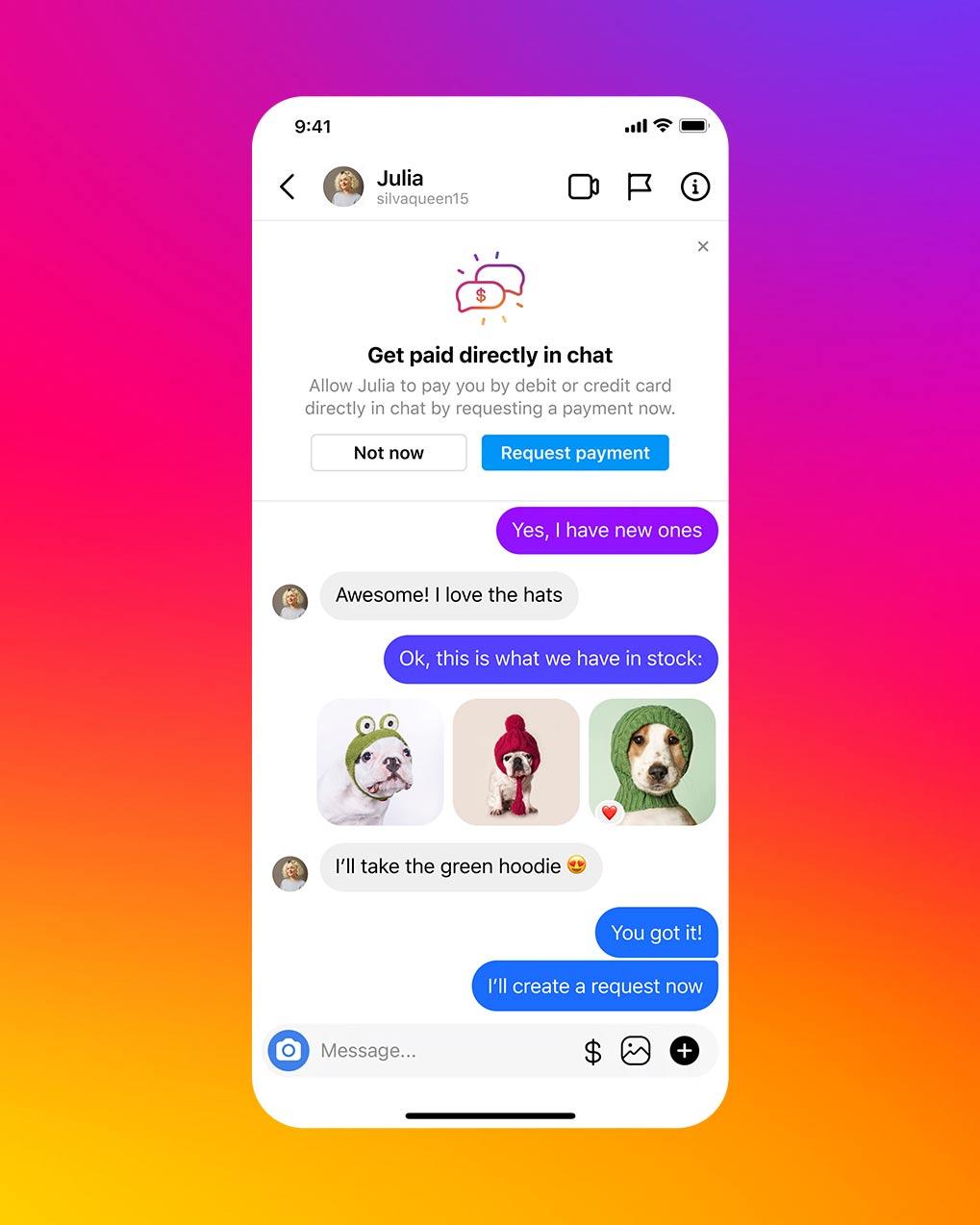
Notable rollouts included the global deployment of Instagram Payments in Chat, allowing eligible professional accounts to collect secure payments directly within direct message threads without redirecting consumers to external websites. Customers can complete transactions securely using Meta Pay, credit cards, or PayPal, backed by 24/7 customer support and purchase protection guarantees. Furthermore, the expansion of the Messenger API for Instagram has enabled third-party social media management software—such as Hootsuite—to ingest and manage high-volume customer inquiries seamlessly.
Conclusion and Strategic Implications
The cumulative updates introduced by Meta throughout 2022 reflect a mature platform navigating the dual imperatives of regulatory compliance and technological modernization. For digital marketers, media agencies, and corporate brand managers, navigating this environment requires embracing platform-led automation, prioritizing short-form vertical video production, and optimizing customer acquisition funnels through native messaging and social commerce channels. As Meta continues to innovate through 2023, brands that successfully align with automated optimization frameworks and stringent brand safety protocols will be best positioned to capture sustainable digital growth.