Mastering Facebook Advertising: A Comprehensive Guide to Strategy, Execution, and Optimization in 2026


In the rapidly evolving landscape of digital marketing, Facebook advertising remains a cornerstone for businesses aiming to achieve scalable growth and precise audience engagement. As of June 2025, Meta reported an average of 3.48 billion daily active people across its suite of applications, providing an unparalleled infrastructure for global commerce. For modern marketers, the challenge has transitioned from manual platform management to the sophisticated orchestration of AI-driven tools, data-backed creative strategies, and rigorous performance analysis.

The evolution of the Meta advertising ecosystem over the past two years has been defined by the widespread adoption of automation. With nearly 99% of Meta’s revenue now derived from advertising, the platform has heavily invested in Advantage+ campaigns. This shift fundamentally alters the role of the advertiser: the focus is no longer on granular manual adjustments but on providing high-quality creative assets, clean first-party conversion data, and clearly defined business objectives.

Understanding the Economic Landscape of 2026

Budgeting for Facebook ads in 2026 requires a nuanced understanding of market volatility and industry-specific benchmarks. While the average cost per click (CPC) currently fluctuates between $0.50 and $2.00, these figures are highly dependent on vertical competition, audience intent, and seasonal demand. Lead generation campaigns, for instance, command a higher premium, often averaging closer to $1.92 per click compared to traffic-driving objectives, which hover around $0.70.

The cost per thousand impressions (CPM)—a metric reflecting the cost to reach a specific audience—typically ranges from $5 to $18. Awareness-focused campaigns generally occupy the lower end of this spectrum, whereas high-intent conversion campaigns face stiffer competition, driving up costs. Industry analysts note that when CPMs spike without a corresponding increase in conversion quality, it is usually a signal that creative fatigue has set in, necessitating an immediate refresh of visual and copy assets.
Strategic Implementation: The Eight-Step Workflow
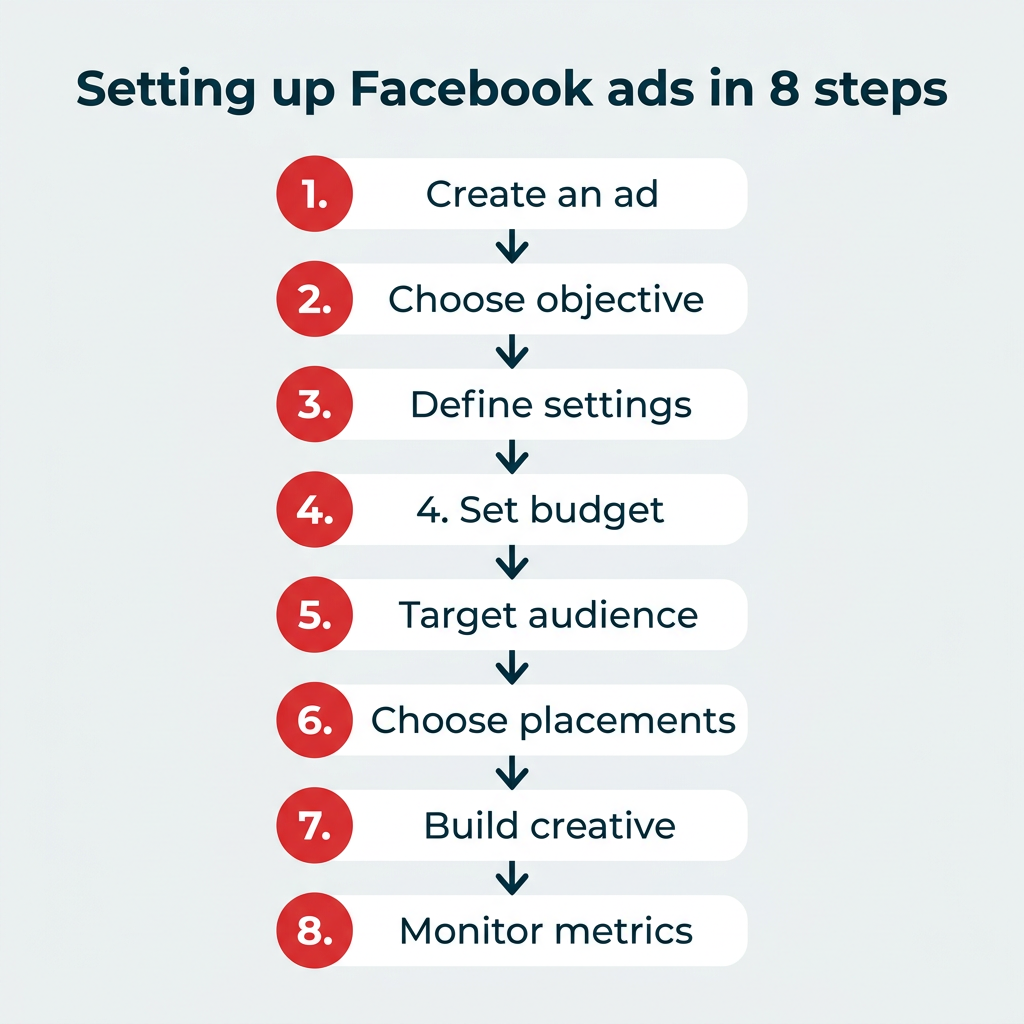
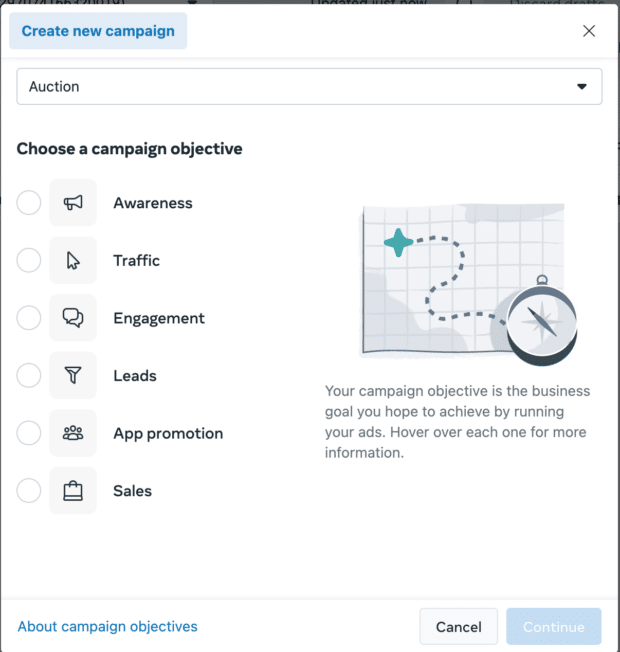
Executing a successful campaign requires a disciplined approach within the Meta Ads Manager environment. The process begins with selecting one of the six primary campaign objectives—Awareness, Traffic, Engagement, Leads, App Promotion, or Sales—which must align precisely with the broader business goals.
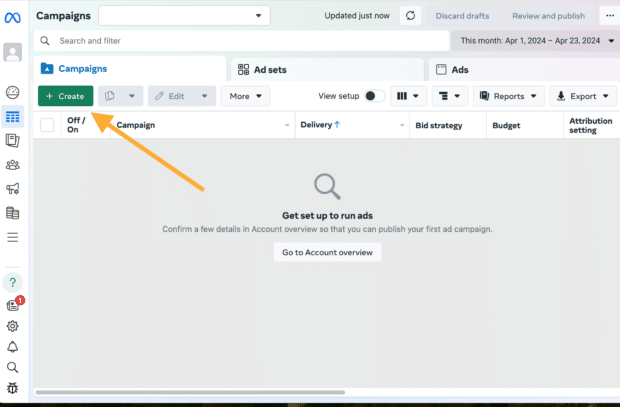
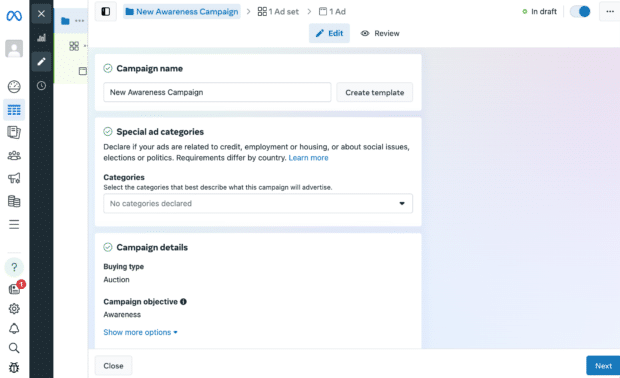
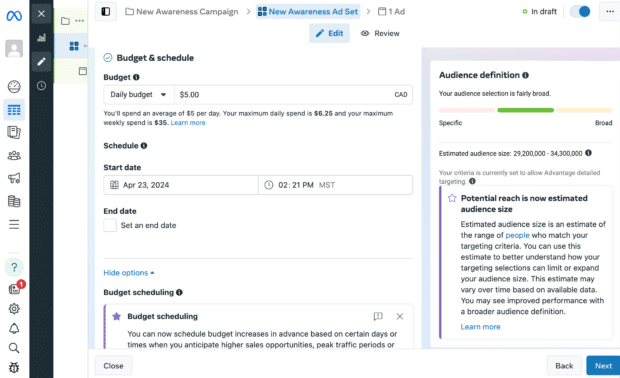
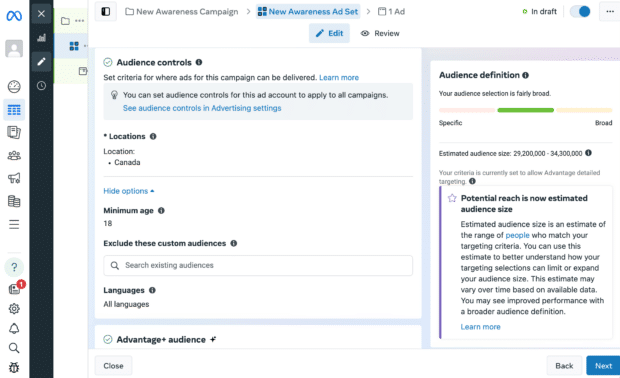
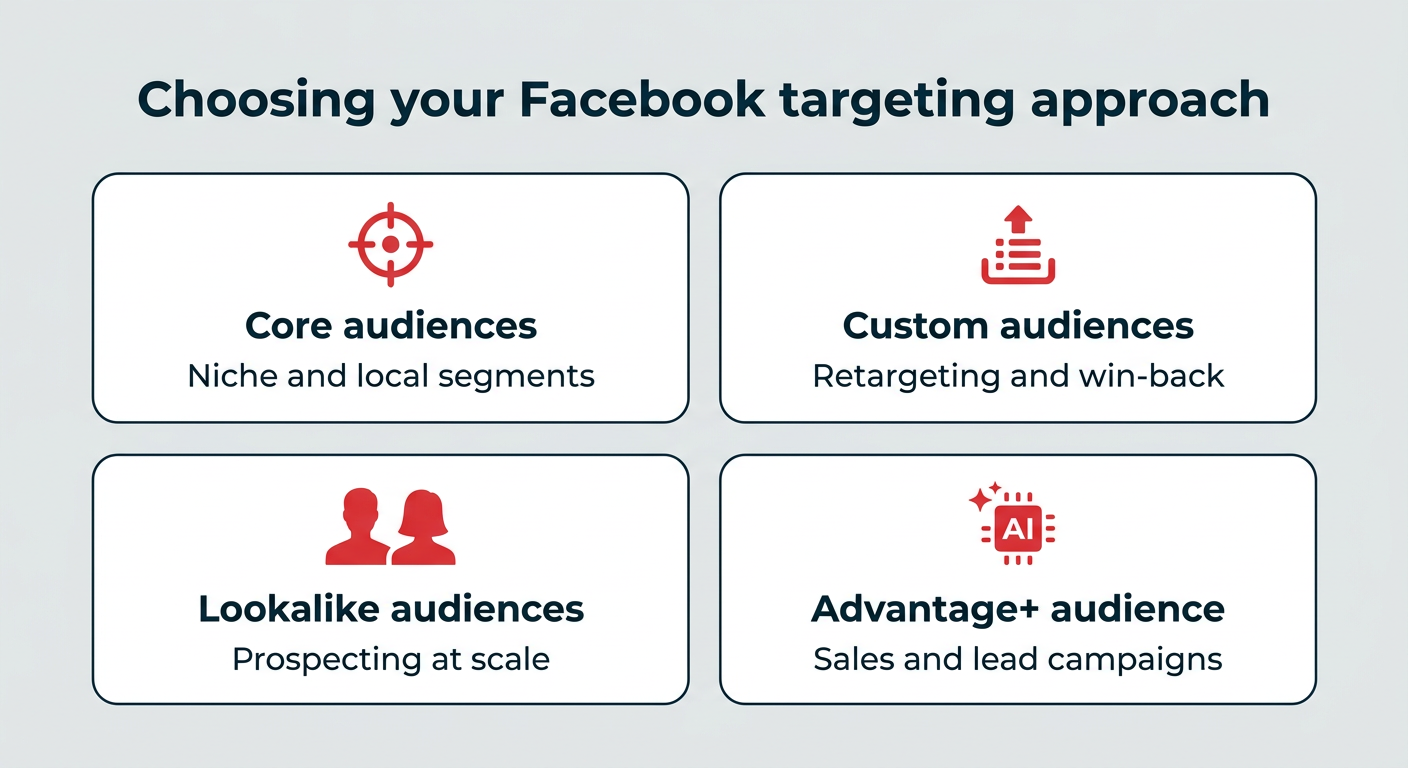
Once the objective is set, advertisers must define campaign settings, including special ad categories if applicable, and determine the budget structure. Whether utilizing a daily budget for continuous delivery or a lifetime budget for time-bound promotions, the allocation must be sufficient to allow Meta’s machine learning models to exit the "learning phase." Targeting, the next critical phase, increasingly favors the "Advantage+ Audience" approach, which utilizes Meta’s internal data to identify high-potential prospects, often yielding a 28% improvement in cost-efficiency compared to restrictive, manual audience definitions.
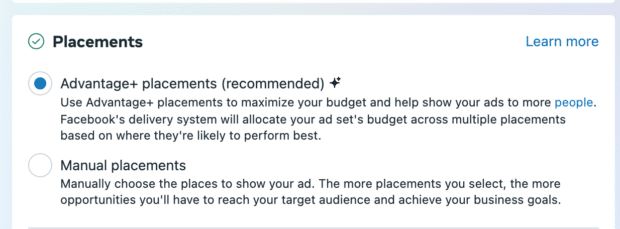
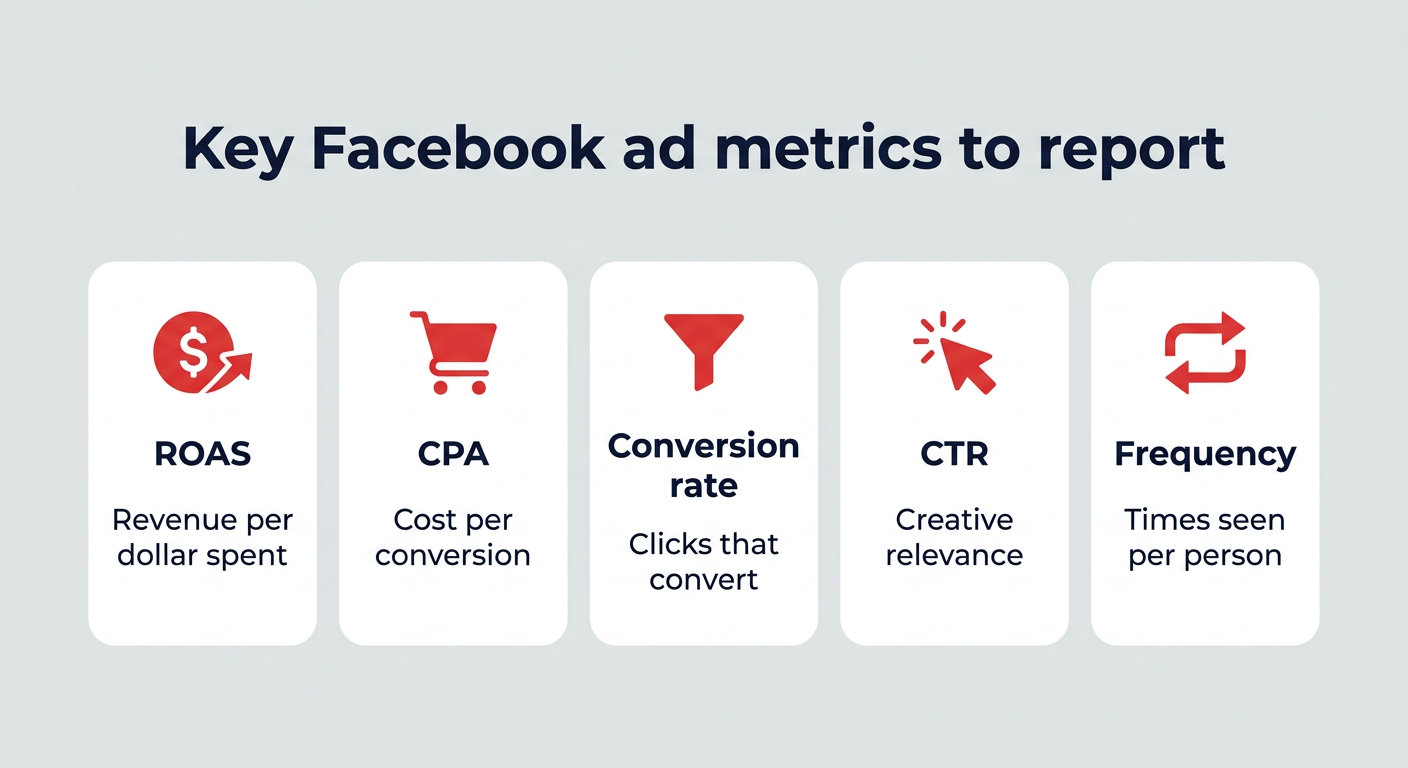
Following audience configuration, placement selection—where the ad appears across the Facebook, Instagram, Messenger, and Audience Network ecosystem—must be decided. While manual placements offer control, AI-driven Advantage+ placements are increasingly recommended for their ability to shift spend dynamically to the most responsive channels. Finally, the creation of the ad itself, followed by rigorous monitoring of performance metrics such as Return on Ad Spend (ROAS) and Cost Per Acquisition (CPA), completes the lifecycle of a standard campaign.
The Rise of AI-Driven Creative Optimization
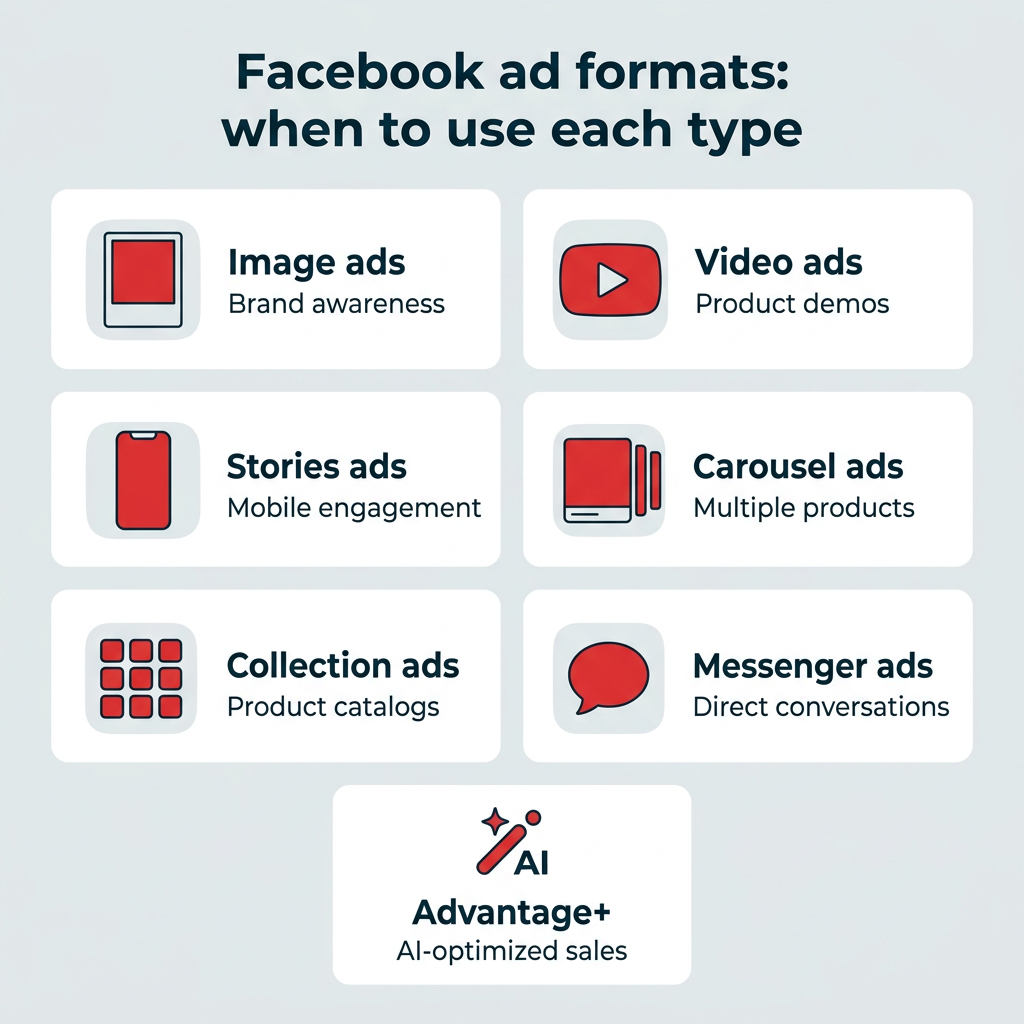
The "Advantage+" suite represents a significant departure from traditional advertising methods. By automating creative selection, targeting, and placement, these campaigns allow Meta’s algorithms to test thousands of variations in real-time. Data indicates that businesses utilizing these automated tools frequently see a 20% reduction in cost per result. This efficiency is particularly vital for enterprise-level operations managing complex product catalogs across multiple geographic regions.
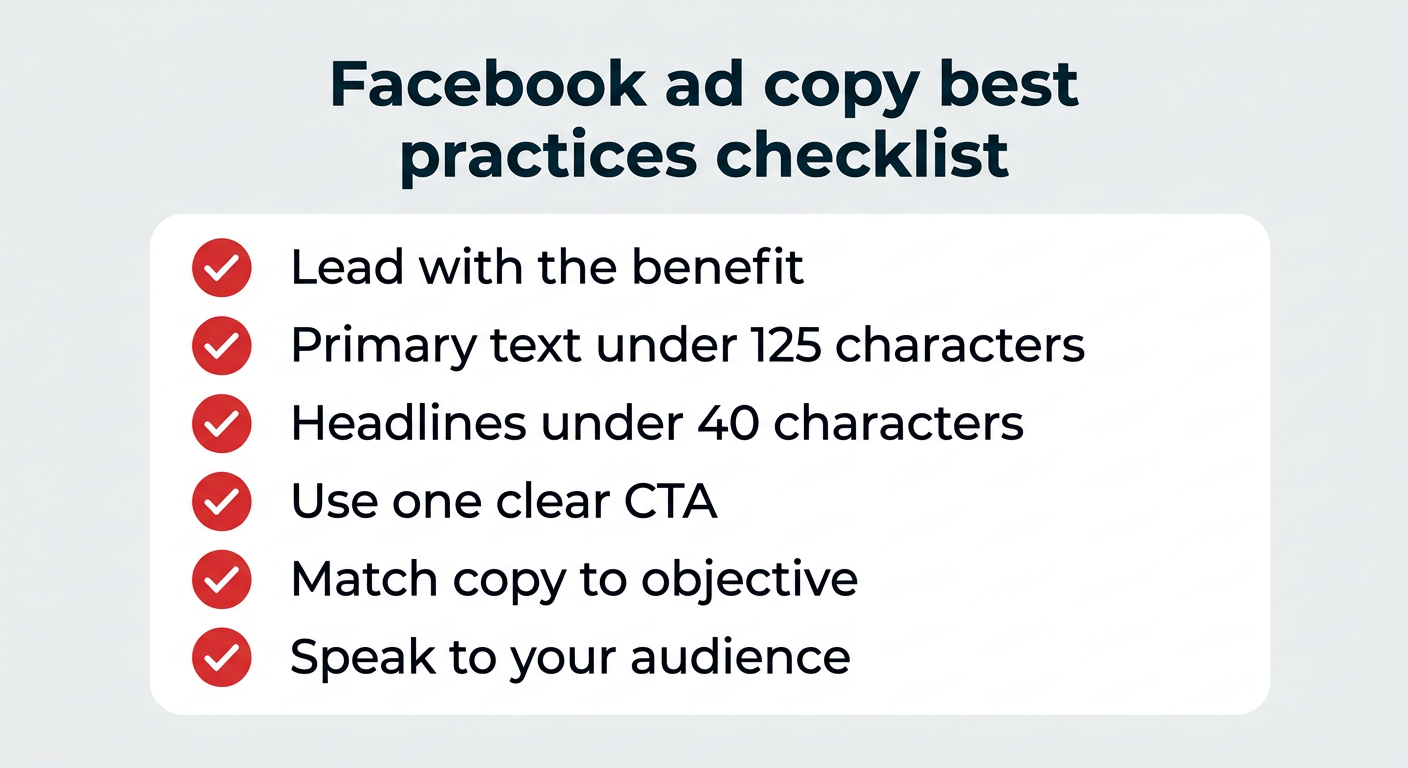
For the modern marketer, the core competency is now "creative strategy." Since the algorithm handles the delivery, the human element is responsible for ensuring the input—the visuals and the messaging—is compelling and aligned with the brand voice.
Best Practices for Sustained Performance
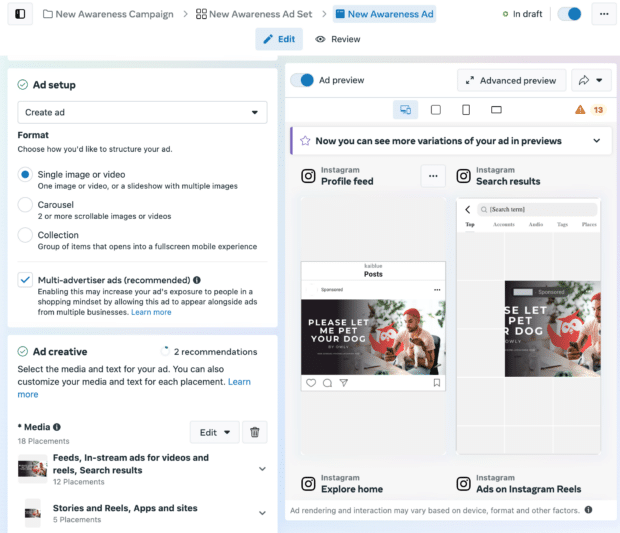
To maintain a competitive edge, advertisers should adhere to a "mobile-first" philosophy. Because the vast majority of social media consumption occurs on handheld devices, ad creative must be optimized for vertical, full-screen viewing. The "three-second rule" remains a gold standard: the core value proposition and brand identity must be established within the first three seconds of an ad. Static logo intros and slow-building narratives are largely ineffective in an environment defined by rapid scrolling behavior.
Furthermore, the "sound-off" experience must be prioritized. Ads should be comprehensible through visual storytelling, text overlays, and intuitive design, ensuring that accessibility and user behavior on mobile devices do not hinder message delivery.
Retargeting remains an essential tactical lever. By leveraging Custom Audiences built from website pixels or CRM data, businesses can re-engage users who have already expressed interest in their products. These audiences typically convert at significantly higher rates, effectively lowering the overall Cost Per Acquisition.
Measuring Success in a Post-Cookie Era
The methodology for measuring success has become more sophisticated in response to privacy regulations and the decline of third-party cookies. The reliance on the Meta Pixel and the Conversions API (CAPI) is now mandatory for accurate attribution. By sending conversion data directly from the server, businesses can bypass browser-side limitations and ensure that the performance data informing their budget decisions is accurate.

Industry leaders advocate for a holistic view of performance. While metrics like Click-Through Rate (CTR) and engagement are important for understanding ad resonance, they are "vanity metrics" if not tied to business outcomes. True success is measured by the delta between ad spend and bottom-line revenue. Integrating these metrics into a centralized dashboard—such as the advertising tools offered by platforms like Hootsuite—allows marketers to see the interplay between paid efforts and organic content, providing a more transparent view of the total return on investment.
Troubleshooting and Ongoing Optimization
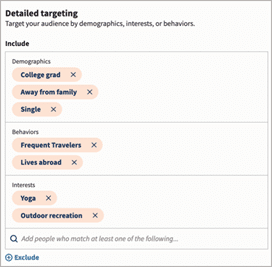
When campaigns fail to meet expectations, the issue is rarely the platform itself but rather the configuration or the creative. Common points of failure include mismatched messaging, poorly defined objectives, or an audience that is either too broad to optimize or too narrow to gain traction.
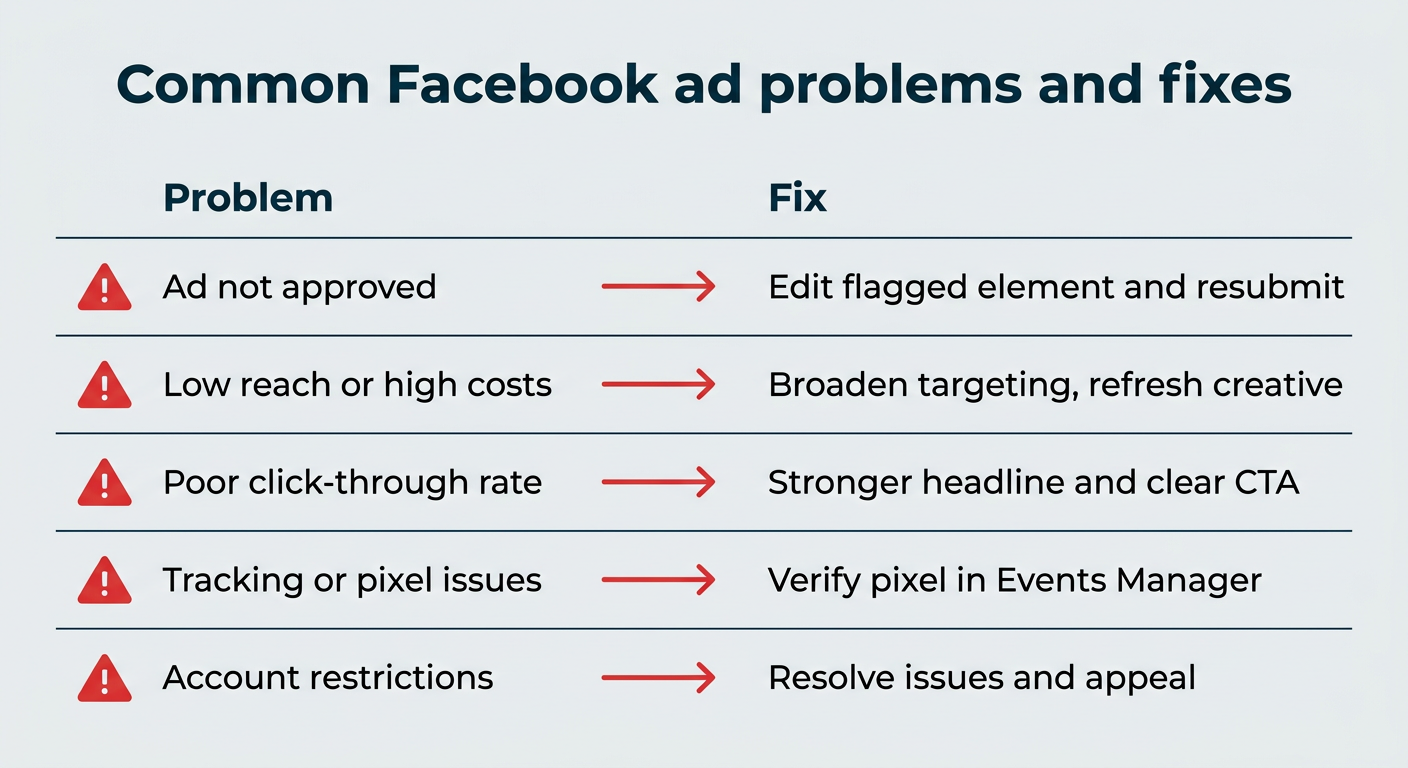
Regularly auditing campaigns for "creative fatigue" is essential. When performance plateaus, it is often necessary to iterate on the creative rather than the targeting settings. By maintaining a continuous loop of testing, learning, and scaling, businesses can navigate the complexities of the Facebook advertising ecosystem with greater confidence.

As we move deeper into 2026, the convergence of AI, first-party data, and human-led creative strategy will continue to separate high-performing brands from those that fail to adapt. The platform remains a high-leverage channel, provided that marketers approach it with the necessary rigor, data-driven mindset, and willingness to embrace automation as a tool for, rather than a replacement of, strategic decision-making.