Strategies for Boosting Facebook Engagement: Unpacking 18 Key Tactics for 2026 Social Media Success.


In an increasingly competitive digital landscape, mastering Facebook engagement remains a critical imperative for businesses aiming to expand their organic reach, cultivate brand loyalty, and drive tangible results. As the platform evolves, so too do the strategies required to capture audience attention, fostering meaningful interactions that transcend passive consumption. This article delves into a comprehensive framework of 18 proven tactics, offering a journalistic analysis of how brands can effectively navigate the complexities of the Facebook algorithm and build thriving online communities in 2026.

The Evolving Landscape of Facebook Engagement
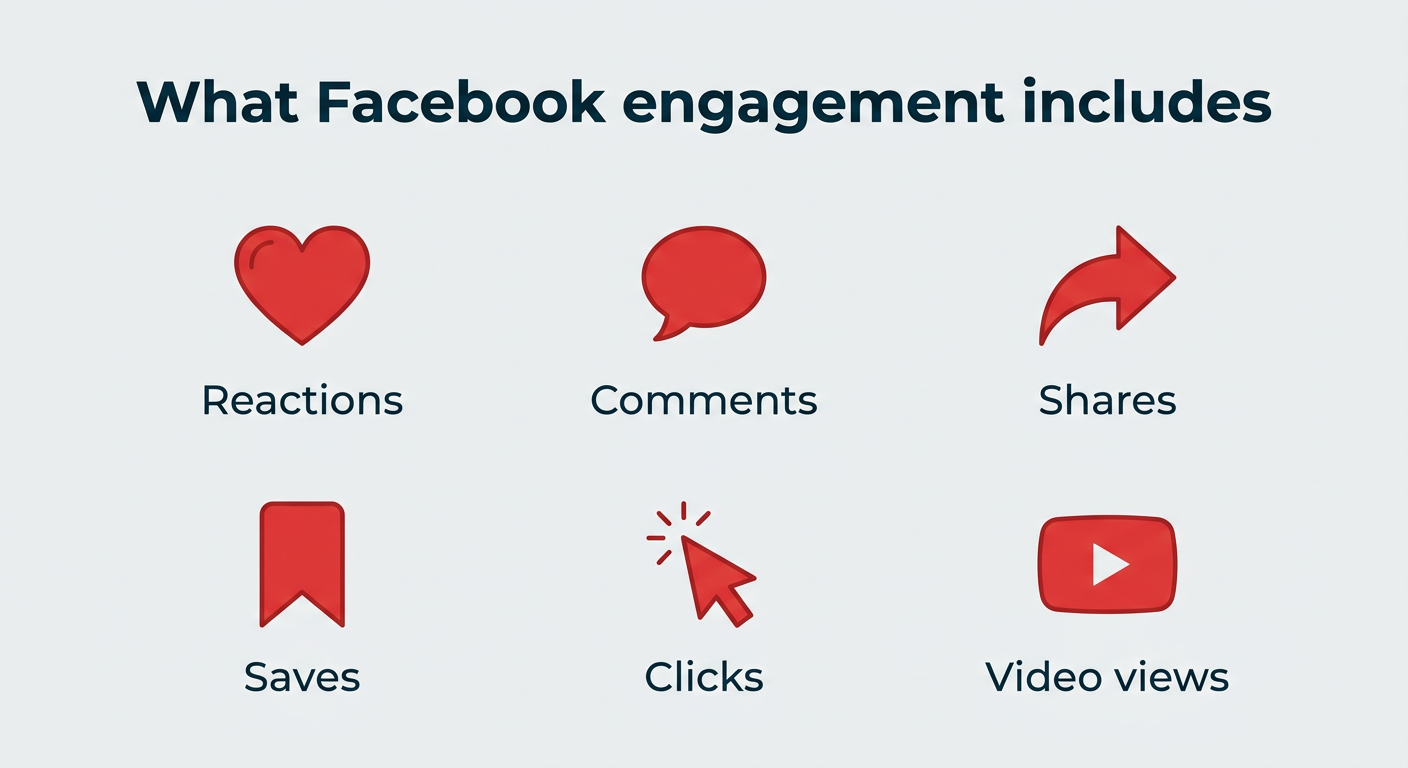
Facebook engagement, at its core, encompasses any action a user takes on a brand’s Facebook Page or its posts. This includes active interactions such as comments, shares, and reactions (likes, loves, wows, etc.), alongside more passive, yet still significant, actions like clicks on links, photo views, or video plays. Understanding this spectrum of interaction is fundamental, as Meta’s algorithm increasingly prioritizes content that sparks genuine, active engagement, recognizing it as a signal of high-quality and relevant material.
The importance of Facebook engagement cannot be overstated. When users interact with a post, the algorithm interprets this as an indication of value, subsequently increasing the post’s visibility within the News Feed. This mechanism not only extends content reach to existing followers but also introduces it to new audiences through shared interactions, significantly bolstering organic discoverability. For enterprise-level teams, engagement metrics are far from mere vanity numbers; they represent reportable business indicators, reflecting audience interest and informing strategic adjustments. Indeed, a Statista report highlighted that 36% of marketers globally consider Facebook the most crucial social platform for their work in 2026, underscoring its continued relevance as a core marketing channel. Low engagement, conversely, serves as a crucial diagnostic, prompting brands to re-evaluate their content strategies, formats, and overall approach.

Core Strategies for Cultivating Interaction

The current digital environment demands a multifaceted approach to Facebook engagement, combining content innovation with audience-centric communication. The following strategies represent key pillars for success:

1. The Primacy of Video Content, Especially Reels
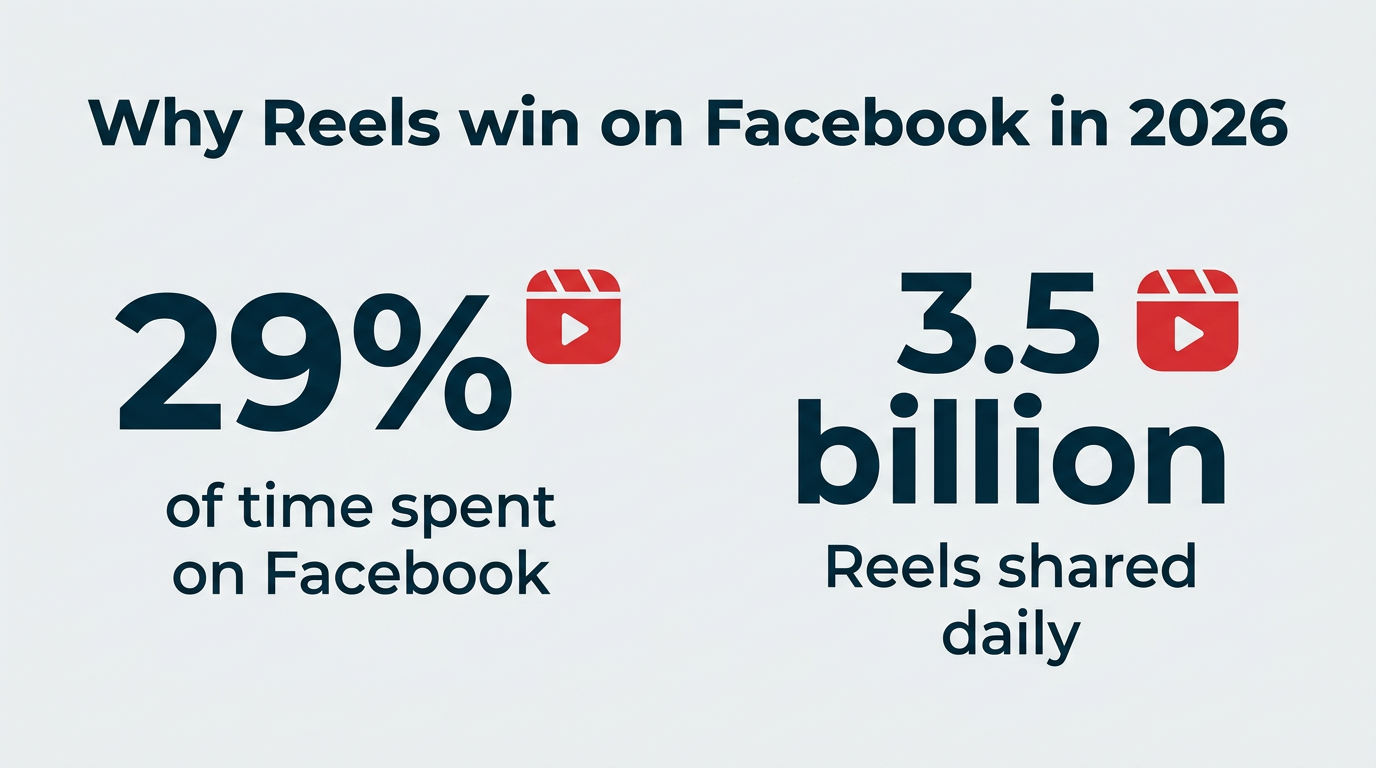
Short-form video has emerged as the undisputed champion of engagement across Meta’s platforms. Reels now command a significant portion of user attention, accounting for approximately 29% of time spent on Facebook. This format’s meteoric rise is further evidenced by the 3.5 billion Reels shared daily across Facebook and Instagram. Meta’s strategic push for short-form video means that most short videos uploaded to Facebook are now automatically published as Reels, granting content increased visibility within the feed and greater potential for discovery by non-followers. Brands are advised to prioritize vertical video to maximize screen real estate on mobile devices and to upload content directly to the platform, as native videos are algorithmically favored over shared links. Beyond short-form, Facebook Live videos consistently yield the highest engagement rates, providing an invaluable opportunity for real-time interaction and community building.

2. Audience-Centric Value Delivery
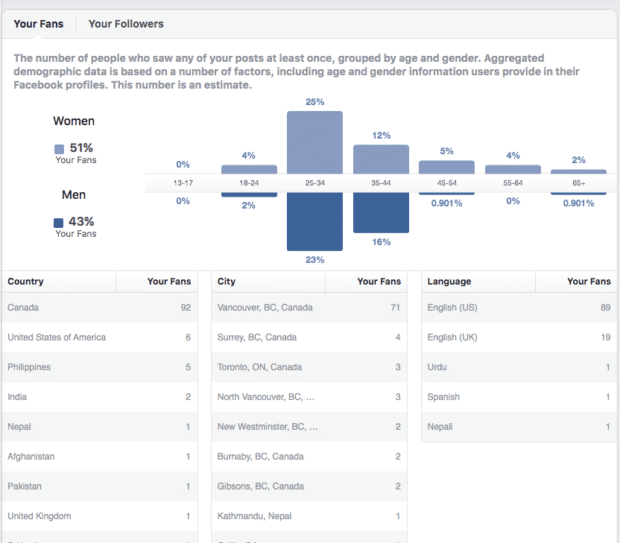
Successful Facebook content transcends direct sales pitches, focusing instead on delivering intrinsic value. Brands that teach, entertain, inform, or inspire their audiences consistently achieve higher engagement. For instance, financial institutions like H&R Block successfully integrate useful tax tips with relatable memes, demonstrating an understanding of their audience’s need for both practical information and lighthearted content. A deep, data-driven understanding of the target audience is paramount. Facebook Page Insights provides invaluable demographic data, revealing preferences and behaviors. Critically, with 98.3% of users accessing Facebook via mobile, content must be concise and visually driven to capture attention amidst rapid scrolling. Skincare brands such as Glossier exemplify this by utilizing captivating imagery paired with minimal text, letting the visuals convey the message effectively.
3. Prioritizing Quality Visuals
In a feed saturated with content, high-quality visuals are non-negotiable. Posts featuring strong, compelling photos consistently outperform those with inferior imagery. Simplicity often proves most effective; professional-grade equipment is not a prerequisite, as Meta itself advises that "original photos and ones you take with your phone can feel more personal and relatable." Brands like Pantone frequently curate and share stunning, colorful photography, while Paddywax Candles expertly blends product shots with aspirational lifestyle imagery, all characterized by excellent lighting and framing. When original content is limited, strategic content curation—sharing relevant, high-quality visuals from other sources with proper attribution—can effectively maintain audience interest and engagement.

4. Fostering Authenticity and Human Connection
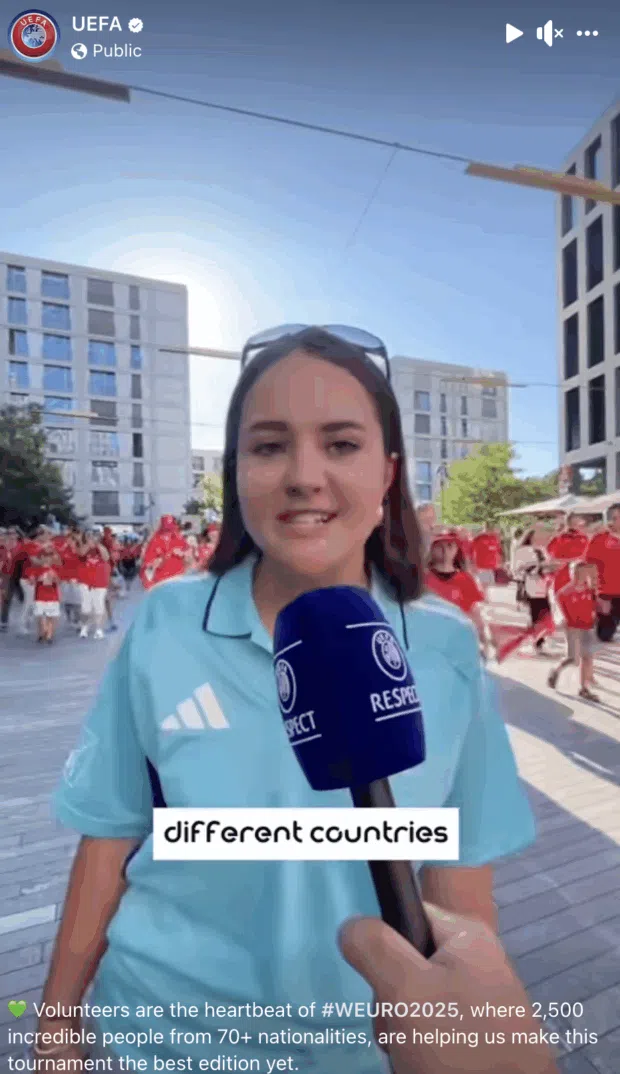
In an era of increasing digital fatigue, audiences crave authentic and humanized brand interactions. Sharing behind-the-scenes glimpses, expressing honest emotions, articulating core values, or even posting relatable memes can significantly enhance connection. UEFA, for example, goes beyond game highlights to showcase the dedicated volunteers behind their tournaments, fostering a sense of shared community and appreciation. Brands should not shy away from a less polished approach; sometimes, excessive corporate polish can inadvertently create distance, whereas raw authenticity resonates deeply.

5. Leveraging User-Generated Content (UGC)
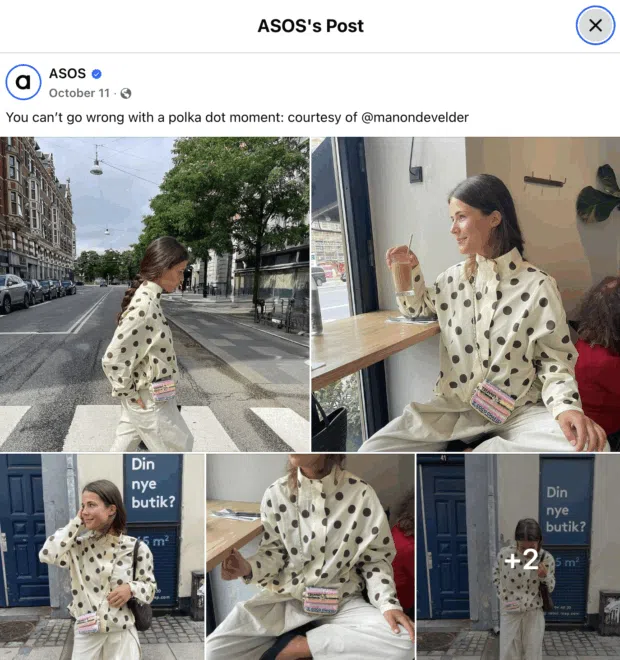
User-Generated Content (UGC) – any content created by consumers rather than the brand – is a powerful tool for building credibility and community. Re-sharing content from satisfied customers (with appropriate credit) not only celebrates the audience but also provides social proof, encouraging further UGC. UGC posts consistently achieve high engagement rates due to their inherent authenticity. For brands still growing their audience, collaborating with UGC creators, as seen with fashion retailers like ASOS, can be an effective way to generate compelling, audience-driven content.

6. Sparking Genuine Conversation
Directly engaging the audience through thoughtful questions is a straightforward yet highly effective method for stimulating comments and boosting algorithmic visibility. The key lies in asking questions that genuinely pique interest and invite considered responses, moving beyond superficial "yes/no" queries. Brands can ask about preferences, solicit feedback, or even inquire about desired future content, as exemplified by Burger King’s engaging question about favorite deals.
7. Responsive Engagement
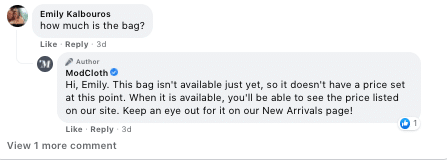
A cornerstone of community building is active participation. Brands that take the time to respond to comments demonstrate that they value their audience’s input. Even a simple "thanks for sharing" can reinforce positive interactions, while more complex inquiries may require a dedicated customer support follow-up. Tools like Hootsuite’s unified inbox can streamline this process for enterprise teams, ensuring no message goes unanswered and queries are routed to the appropriate personnel, a practice effectively managed by brands such as ModCloth.
8. Strategic Visibility and Amplification
Maintaining a consistent presence and leveraging amplification tools are crucial for maximizing reach.

9. Consistent Posting and Optimal Timing
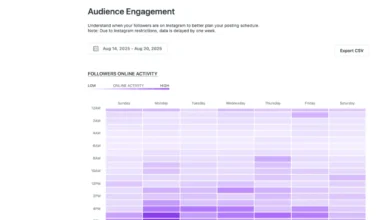
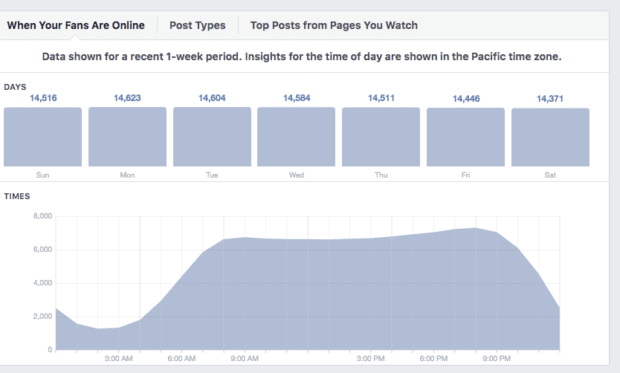
While Facebook’s algorithm dictates content visibility, consistent posting and strategic timing remain important. Facebook itself advises that posting when fans are online increases engagement likelihood. Tools like Hootsuite’s Perch provide data-driven insights into audience activity, helping brands identify optimal posting times. However, consistency is paramount: social media experts generally recommend a cadence of at least two to three posts per week to keep the audience informed and engaged. Scheduling tools are indispensable for maintaining this regularity.
10. Utilizing Facebook Stories for Frequent Touchpoints
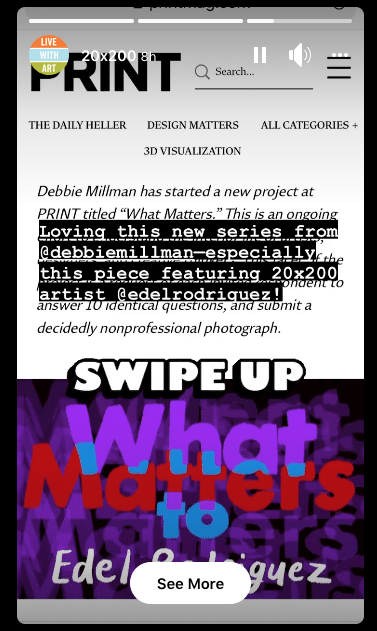
Facebook Stories, prominently displayed at the top of the News Feed, offer prime real estate for casual, frequent interactions. With over 500 million daily users, Stories provide an accessible avenue for brands to share spontaneous, personal, and less-polished content. This informal approach fosters a stronger connection with followers, encouraging them to seek out more curated content on the main Page.
11. Cultivating Engagement through Facebook Groups
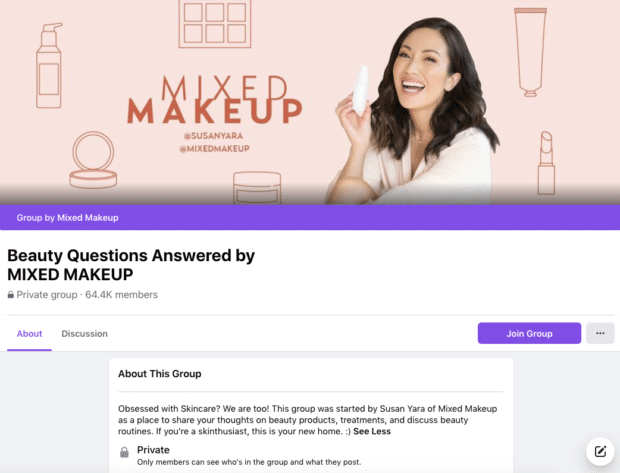
Facebook Groups represent a powerful channel for fostering deep community engagement. With approximately 1.8 billion people actively using Facebook Groups, they offer a space for like-minded individuals to connect around shared interests. Brands can create private groups, establishing clear guidelines, to facilitate discussions, share exclusive content, and build a loyal customer base, as demonstrated by Mixed Makeup’s thriving skincare community. Meaningful interactions within these groups often translate into increased engagement on the brand’s primary Page.
12. Employee Advocacy and Influencer Partnerships
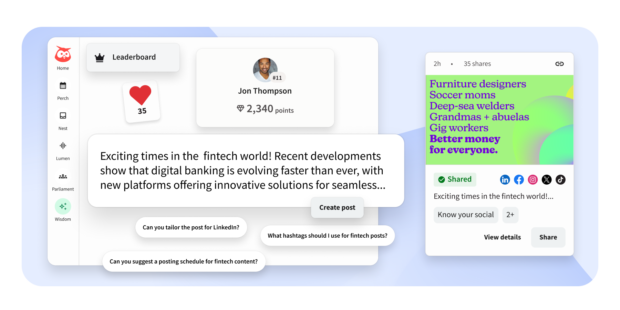
Encouraging employees, partners, or even close affiliates to share brand content can significantly expand reach beyond existing follower bases. Employee advocacy not only leverages trusted personal networks but also boosts algorithmic signals for broader content distribution. Platforms like Hootsuite’s Parliament enable brands to curate pre-approved, on-brand content for employees to easily share. Additionally, strategic partnerships with ambassadors and influencers can introduce content to new, relevant audiences, albeit often as a paid endeavor.
13. Targeted Advertising and Boosted Posts
While organic engagement is the ultimate goal, strategically boosting posts or running targeted ad campaigns is an effective way to accelerate reach and engagement. Boosting a post is a lightweight advertising option that exposes content to a wider, specified audience, naturally leading to more interactions. For more granular control over audience targeting and budgeting, Meta’s Ads Manager allows for comprehensive campaign development, with integrated platforms like Hootsuite enabling streamlined management of both paid and organic efforts.
14. Maintaining Credibility and Relevance
Building and maintaining trust, alongside staying current, are crucial for sustained engagement.

15. Joining Trending Conversations
Brands that strategically align with major events or trending topics demonstrate relevance and can diversify their content, capturing attention beyond their usual niche. The official Peppa Pig Facebook page, for instance, cleverly capitalized on the "Wicked" movie craze by depicting its characters in related costumes, showcasing how even seemingly disparate brands can tap into cultural moments.
16. Verification for Trust
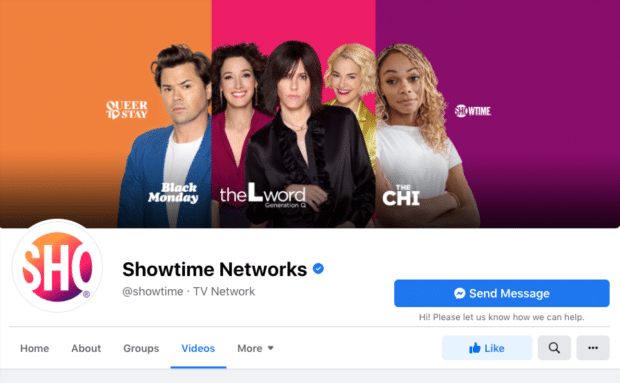
A verified badge on a Facebook Page signals authenticity and credibility, assuring users that they are interacting with the official brand presence. This trust factor is vital, as it encourages users to confidently engage with posts, knowing they are not interacting with a fake or misleading account. Showtime’s verified page, for example, immediately establishes its legitimacy.

17. Avoiding Engagement Bait
Facebook’s algorithm actively penalizes "engagement bait"—prompts that solicit reactions, comments, or shares solely to boost reach without adding genuine value. Brands are advised to avoid tactics such as "Like if you agree!" or "Comment your favorite emoji!" Meta explicitly downranks such content, emphasizing its preference for posts that spark authentic, thoughtful conversations. The focus should always be on creating original, relevant content that organically encourages interaction.
18. Data-Driven Content Optimization
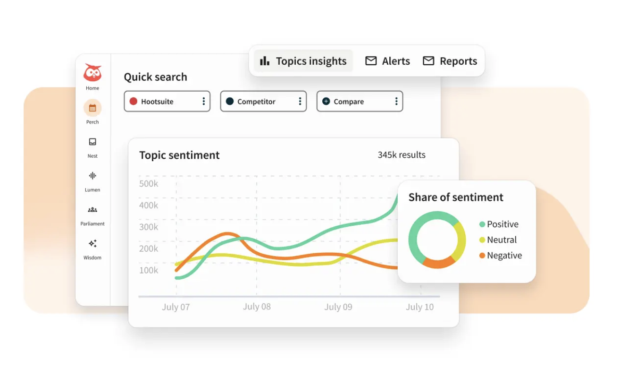
The guesswork in content strategy can be minimized through social listening and rigorous A/B testing. Tools like Hootsuite’s Perch allow brands to monitor mentions, trending topics, and competitor activities, providing timely insights into what resonates within their industry. Lumen by Talkwalker offers even deeper analysis, tracking sentiment, share of voice, and broader industry conversations across the social web. Continuous testing of different content formats, timings, and messaging is essential, as what performs well for one brand may differ for another. The data-driven approach, coupled with robust social media analytics, empowers brands to refine their strategies and replicate successes.
19. Strategic Content Repurposing
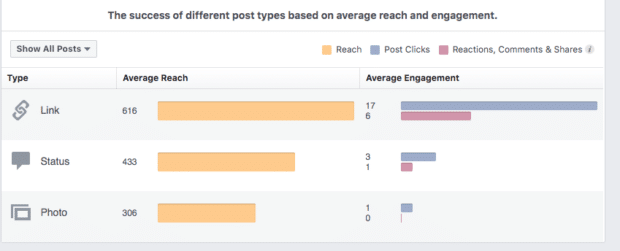
High-performing content should not be a one-off success. Brands are encouraged to identify winning posts and explore how they can be repackaged and distributed across various channels and formats. A successful how-to video, for instance, could be transformed into a blog post, an infographic, or a series of Facebook Reels. Cross-platform repurposing maximizes the return on content investment, extending reach with minimal additional effort. Furthermore, driving traffic to a Facebook Page from other digital assets, such as a website or email signatures, can significantly boost visibility and engagement, as exemplified by publications like The Cut linking their Facebook page in their website footers.
Measuring and Optimizing Performance

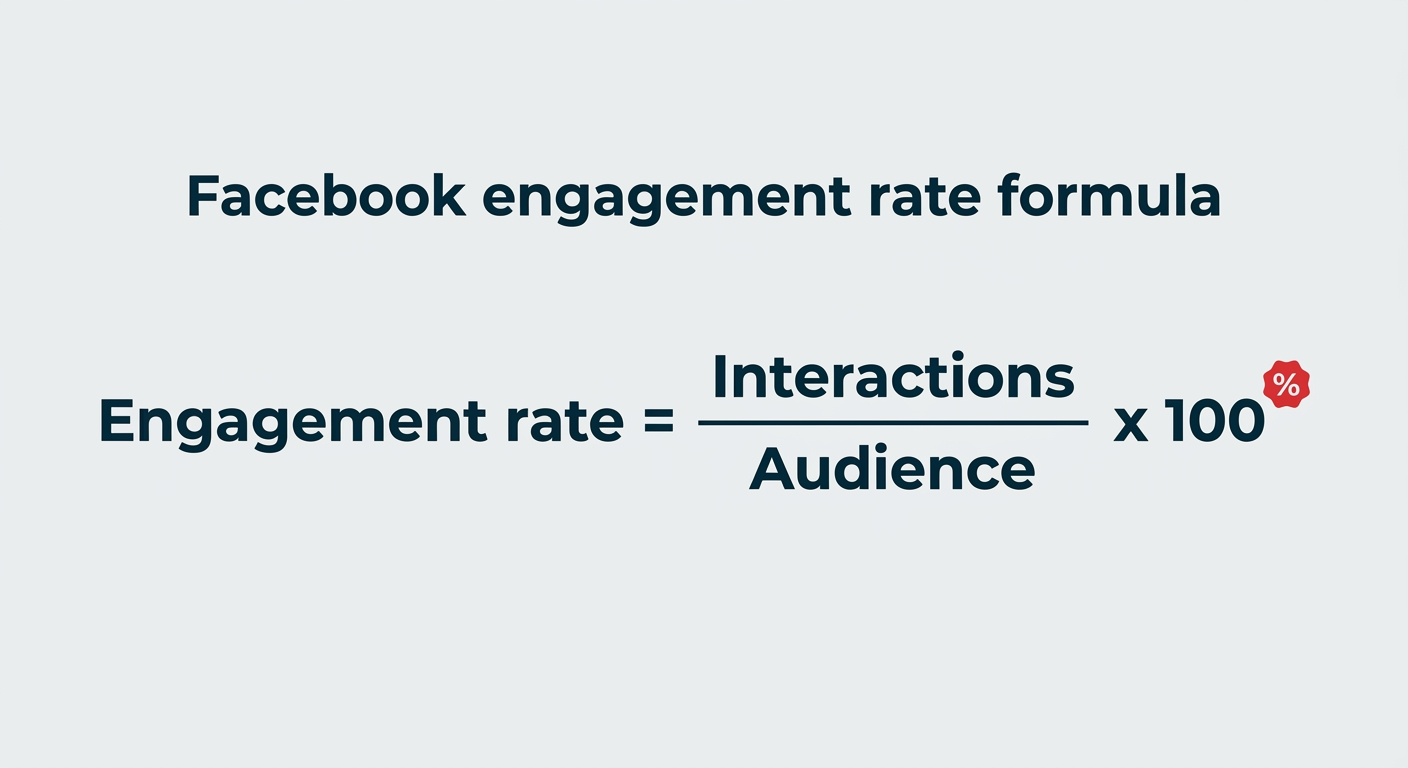
Understanding the effectiveness of these strategies requires consistent measurement. The Facebook engagement rate, which quantifies the amount of interaction a post earns relative to its audience or reach, is a key performance indicator. While a free engagement rate calculator can automate the process, the core formula is simple: Engagement Rate = (Interactions / Audience) x 100.
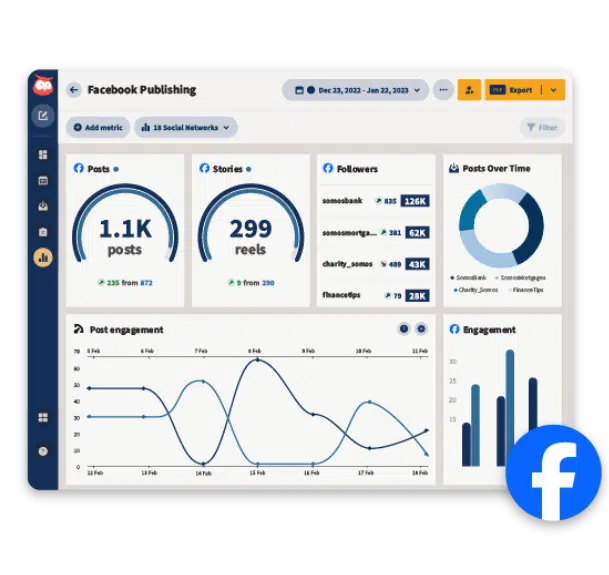
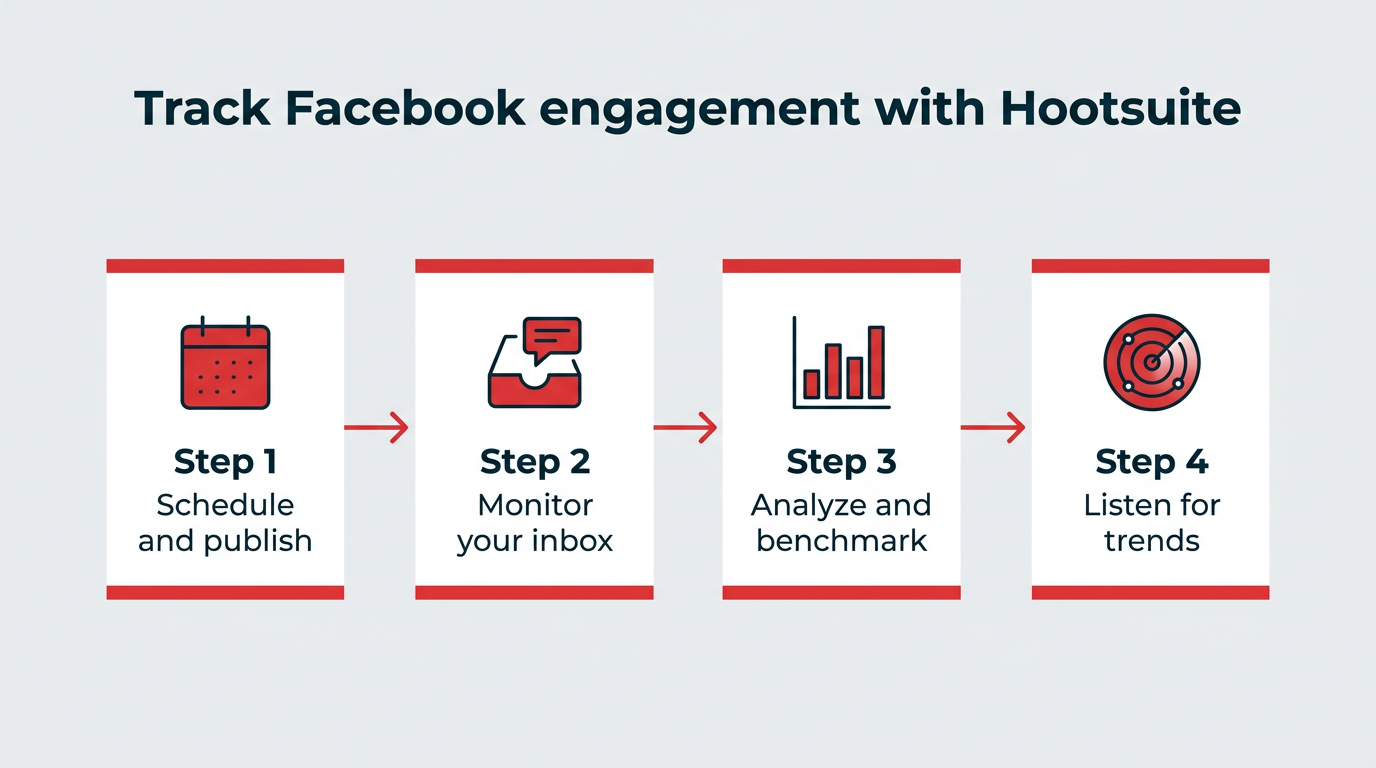
Tracking Facebook engagement efficiently is crucial for enterprises. Integrated social media management platforms like Hootsuite offer a unified dashboard to manage the entire process:
- Scheduling and Publishing: Utilize a shared content calendar and features like "Whiteboard" for collaborative content planning across all channels.
- Monitoring Interactions: A unified inbox allows teams to track and respond to all incoming comments and direct messages promptly.
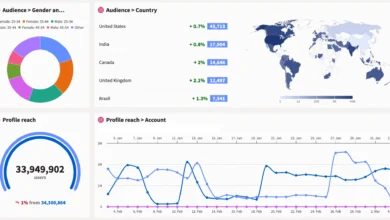
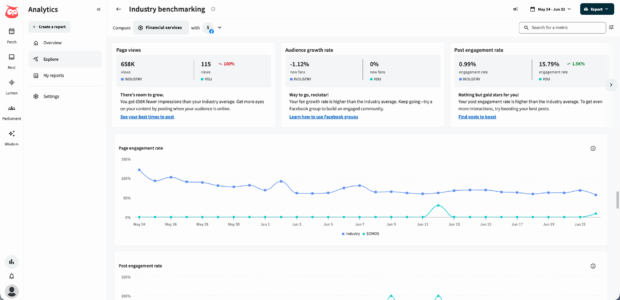
- Analyzing and Benchmarking: Comprehensive analytics tools provide insights into performance across Facebook, Instagram, X, LinkedIn, and TikTok, enabling brands to identify successful strategies and benchmark against industry competitors.
- Social Listening: Advanced tools like Lumen by Talkwalker facilitate deep social listening, tracking sentiment, share of voice, and broader industry trends to inform future content creation.
The Future Outlook for Facebook Engagement
While Facebook engagement rates for organic Page posts have seen a gradual decline over recent years, primarily due to a crowded feed and the algorithm’s shift towards recommended content, brands that strategically embrace short-form video and community-focused features continue to achieve strong interaction. The median engagement rate across industries typically falls between 0.03% and 0.10% per post, with variations depending on the sector (e.g., sports teams and higher education often see higher rates, while retail and finance may be lower). The key is to benchmark against industry peers rather than aiming for a universal target.

Monetization opportunities, such as in-stream ads, fan subscriptions, and the Performance Bonus program, are also available for eligible creators and Pages, offering financial incentives for high engagement. The Facebook algorithm directly influences these opportunities by prioritizing content that sparks meaningful interactions.

In conclusion, the landscape of Facebook engagement in 2026 is dynamic, demanding continuous adaptation and strategic investment. Brands that prioritize authentic, audience-centric content, particularly within the burgeoning short-form video space, and commit to fostering genuine community interactions will be best positioned for sustained success. The integration of robust analytics and social listening tools will continue to be indispensable for navigating this evolving environment and optimizing performance.