The Anatomy of Conversion: How Strategic Calls to Action Drive Digital Marketing Success


In the competitive landscape of modern digital advertising, the fine margin between a campaign’s success and total obscurity often rests upon a single linguistic element: the call to action, commonly referred to as a CTA. As digital noise intensifies and user attention spans continue to shrink across social media feeds, websites, and email inboxes, the ability to guide consumer behavior with precision has become an essential competency for brands worldwide. Recent industry data underscores this challenge, with over 22 percent of ad-blocker users citing ad fatigue as a primary deterrent to engagement. Consequently, marketing executives and copywriters are under mounting pressure to engineer persuasive, high-converting prompts that compel audiences to transition from passive scrollers to active participants.
The mechanics of a successful call to action extend far beyond simple directive phrases like "Buy Now" or "Click Here." At its core, a CTA is a strategic text prompt designed to mitigate decision fatigue, provide contextual direction, and articulate a clear value proposition. According to behavioral economists and digital strategists, effective CTAs synthesize relevance, clarity, and urgency. When integrated seamlessly into an overarching marketing framework—ranging from paid social media advertisements and email newsletters to high-converting landing pages—these prompts serve as the definitive bridge between consumer interest and commercial conversion.
Defining the Call to Action and Its Strategic Imperative
Historically, the evolution of digital marketing has shifted from broad, untargeted brand awareness campaigns to highly personalized, action-oriented strategies. Within this paradigm, the call to action acts as the ultimate catalyst. Without clear guidance, even the most visually compelling creative assets and sophisticated audience targeting can fall flat, as consumers rarely take the initiative to convert unprompted.

Industry analyses consistently demonstrate the measurable impact of optimizing these directional elements. Research into conversion rate optimization (CRO) reveals that the strategic placement and formatting of CTAs can dramatically alter campaign economics. For instance, empirical studies evaluating button-based versus text-based CTAs have documented conversion rate increases exceeding 40 percent when design and copywriting principles are properly aligned. Furthermore, controlled split-testing experiments conducted across major advertising platforms indicate that the choice of CTA phrasing can directly influence customer acquisition costs, sometimes doubling the efficiency of ad spend depending on the resonance of the chosen verb and modifier combination.

Core Principles of Crafting High-Performing CTAs
Developing a compelling call to action requires an intimate understanding of linguistic psychology, consumer intent, and platform-specific constraints. Because digital ad placements often enforce strict character limits and user engagement windows are measured in mere seconds, copywriters must rely on concise, high-impact phrasing.

The Power of Strong Action Verbs
Effective CTAs invariably begin with a decisive action verb, immediately establishing the desired behavior. Depending on the vertical—whether e-commerce, software-as-a-service (SaaS), non-profit fundraising, or educational content—the choice of verb must align with the user’s journey and intent. For example, e-commerce brands frequently leverage transactional terms such as "Shop," "Reserve," or "Add to Cart," whereas SaaS providers rely on prospective verbs like "Try," "Subscribe," or "Get Started." Non-profit organizations anchor their messaging in altruistic and communal verbs including "Donate," "Support," and "Volunteer."

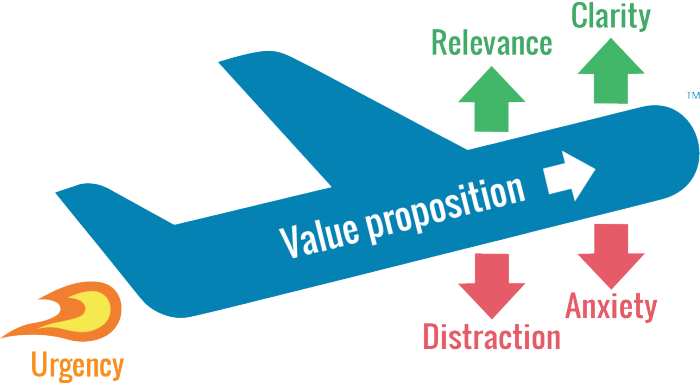
To maximize psychological impact, these verbs are frequently paired with targeted adverbs or direct objects that reinforce the value proposition. Applying frameworks such as the LIFT Model—which evaluates value proposition, relevance, clarity, urgency, anxiety, and distraction—allows marketers to audit their CTAs systematically. For instance, a phrase like "Download this ebook now" successfully addresses relevance (download), clarity (this ebook), and urgency (now), thereby reducing cognitive friction for the user.

Provoking Emotion and Managing Urgency
While short, punchy CTAs dominate paid advertising due to space constraints, longer-form prompts are frequently deployed in email campaigns and dedicated landing pages to evoke emotional resonance or enthusiasm. By incorporating sensory words or unique brand voice elements, companies can transform standard transactional prompts into memorable brand touchpoints.

However, infusing urgency must be executed with care to avoid triggering consumer skepticism. Modern digital consumers are increasingly adept at identifying artificial scarcity or manipulative pressure tactics. Sustainable urgency relies on genuine time-sensitive offers, limited inventory, or real-time event registrations, which naturally encourage immediate compliance without eroding long-term brand trust.

Cross-Platform Implementation and Industry Best Practices
The execution of a successful CTA strategy varies significantly depending on the channel. Marketers must adapt their messaging to fit the native user experience of each platform while maintaining a cohesive brand voice.

Social Media Advertising Dynamics
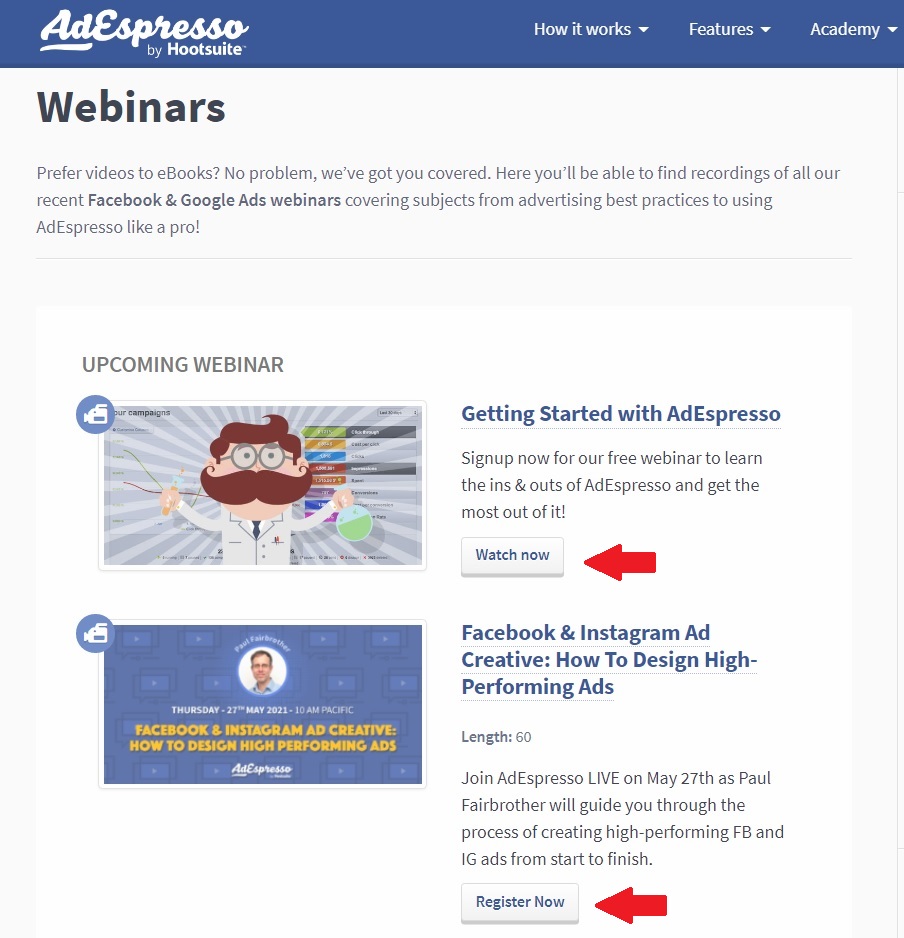
Platforms like Meta (Facebook and Instagram) have revolutionized ad architecture by integrating native, clickable CTA buttons directly into ad units. Data gathered from split-testing across thousands of campaigns indicates that utilizing native buttons—such as "Learn More," "Sign Up," or "Download"—significantly outperforms relying solely on text within the primary ad copy. Users have been conditioned to recognize these interactive elements, making them intuitive focal points for conversion.

Moreover, advanced retargeting strategies often employ multi-tiered approaches. Initial top-of-funnel campaigns utilize lower-friction CTAs like "Watch More" or "Learn More" to build brand familiarity, while bottom-of-funnel retargeting ads transition to high-intent directives such as "Claim Offer" or "Buy Now."

Email Marketing and Landing Page Optimization
In email marketing, where conversion rates can occasionally reach double-digit percentages depending on list hygiene and segmentation, the layout of the communication dictates CTA efficacy. Email campaigns featuring a primary prominent button supported by secondary text links provide multiple pathways for engagement without overwhelming the reader.
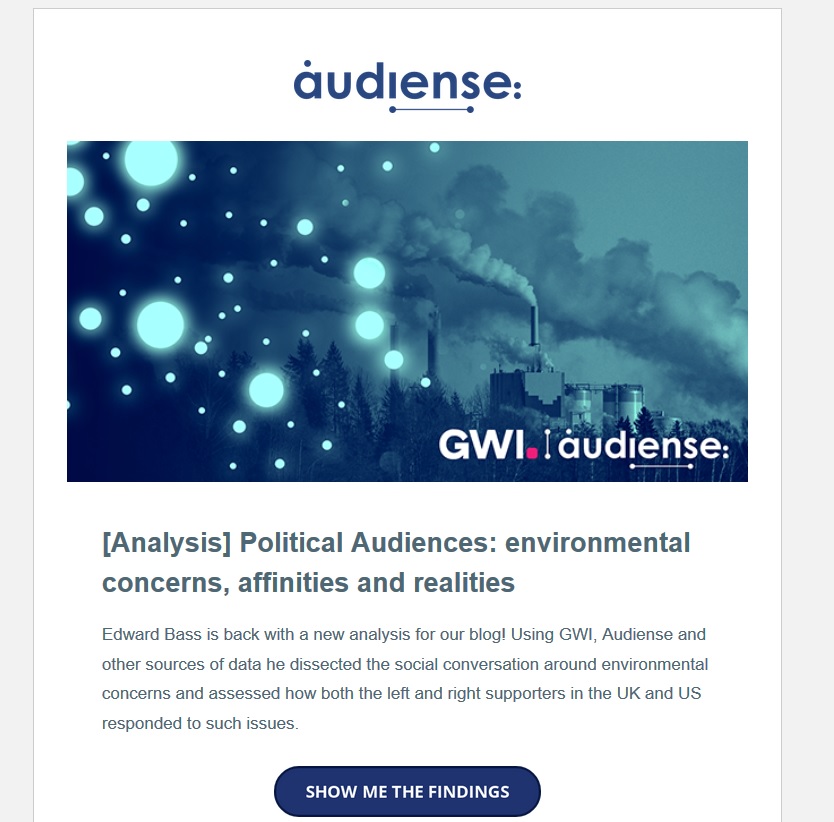
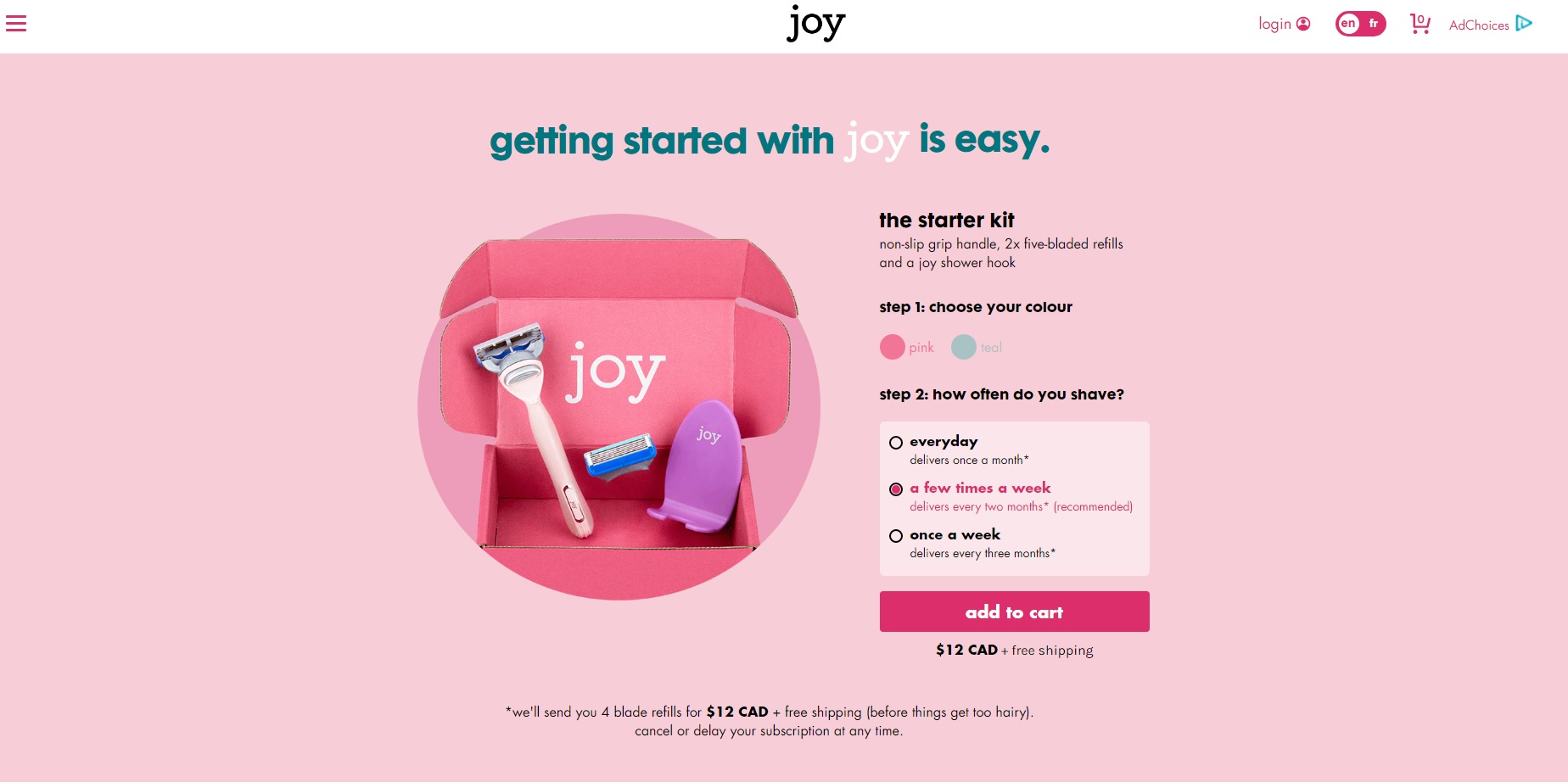
Similarly, landing pages and corporate homepages adhere to strict visual hierarchy principles. By ensuring that the CTA button stands out through contrasting color theory, generous whitespace, and strategic placement "above the fold," brands can direct the user’s visual journey effortlessly. Tim Ferriss’s minimalist email sign-up pages and subscription services like Joy serve as prime illustrations of this principle, stripping away extraneous navigational distractions to focus entirely on a single, highly visible conversion action.

Implications for Future Digital Campaigns
As artificial intelligence and machine learning continue to reshape digital advertising, the optimization of calls to action is becoming increasingly automated. Modern advertising suites now feature dynamic creative optimization and automated split-testing engines that evaluate hundreds of CTA variations in real time, pausing underperforming iterations and reallocating budgets to winning combinations autonomously.
Despite these technological advancements, the foundational principles of human psychology remain constant. Marketers who master the delicate balance between persuasive copywriting, rigorous empirical testing, and user-centric design will continue to drive superior return on ad spend. Ultimately, the call to action remains the definitive linchpin of digital conversion—transforming fleeting digital traffic into measurable, long-term business growth.