The Best Social Media Tools for 2026: A Comprehensive Guide to Streamlining Digital Marketing Operations

The landscape of social media management has undergone a radical transformation as we enter the latter half of 2026. What was once a collection of fragmented manual processes has evolved into a sophisticated, AI-integrated ecosystem. For modern marketing teams, the objective is no longer just presence; it is precision. As platforms continue to iterate and audience behaviors shift toward ephemeral and video-first content, the necessity for a robust "social tech stack" has become the defining factor between stagnant engagement and scalable growth.

The current market is defined by the integration of artificial intelligence directly into the workflow. According to recent data from industry analysts, marketing leaders now expect AI-driven automation of routine marketing tasks to more than double from 16% in early 2026 to 36% by 2028. This shift marks the end of the "siloed tool" era, where marketers had to toggle between disparate dashboards for scheduling, listening, and design. Today’s most effective platforms prioritize interoperability, allowing for a seamless flow of data between content creation and CRM systems.
The Evolution of the Social Tech Stack
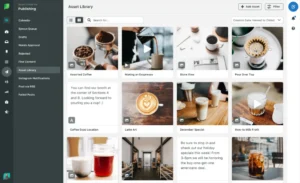
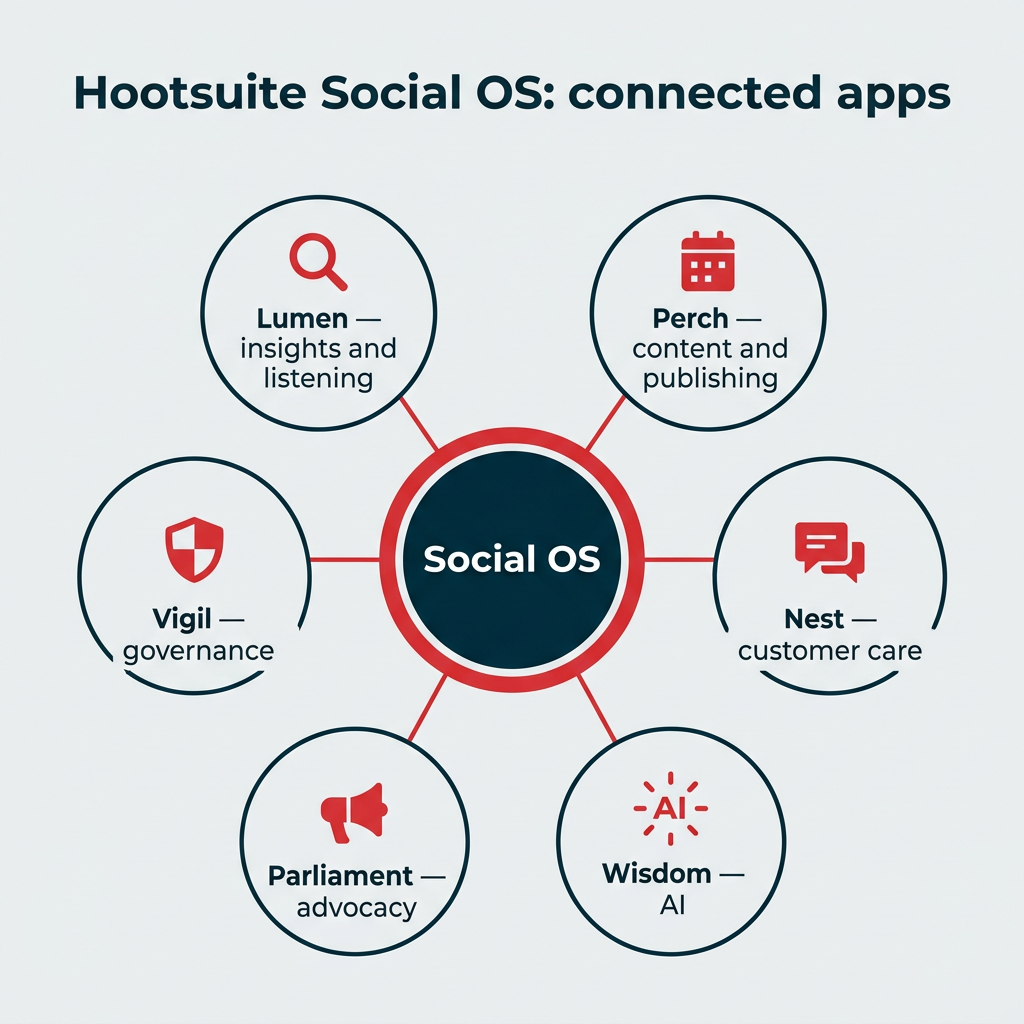
Historically, social media management tools were categorized by their specific functions: a scheduler for publishing, a separate dashboard for monitoring, and a different application for creative asset development. This fragmentation created significant operational friction. The industry trend for 2026 is the emergence of "Social Operating Systems," which centralize these functions.
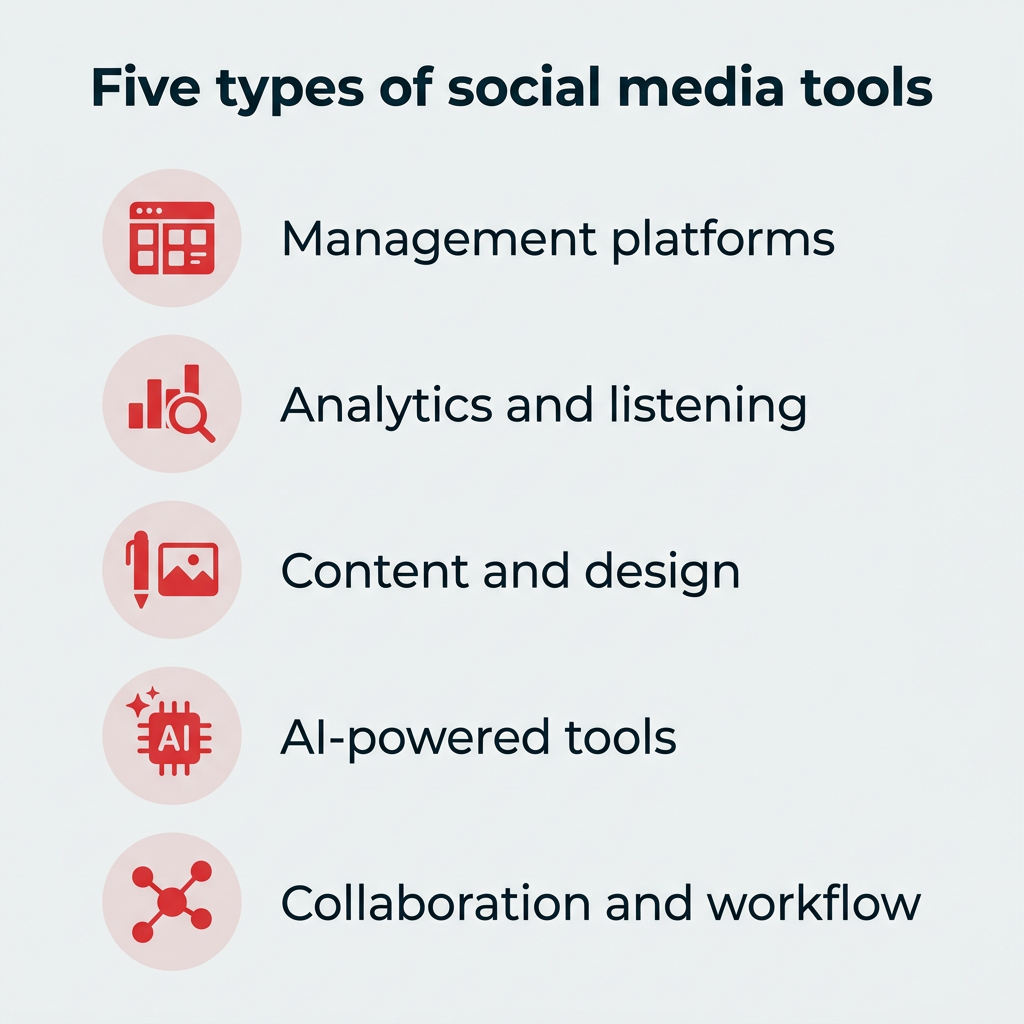
The primary categories of tools currently dominating the landscape include all-in-one management platforms, advanced analytics and listening suites, AI-driven content assistants, and project management integrations. For enterprise-level organizations, the integration of governance—the ability to control brand voice and compliance across dozens of global regions—has become a prerequisite for any software adoption.
Strategic Selection Criteria for 2026
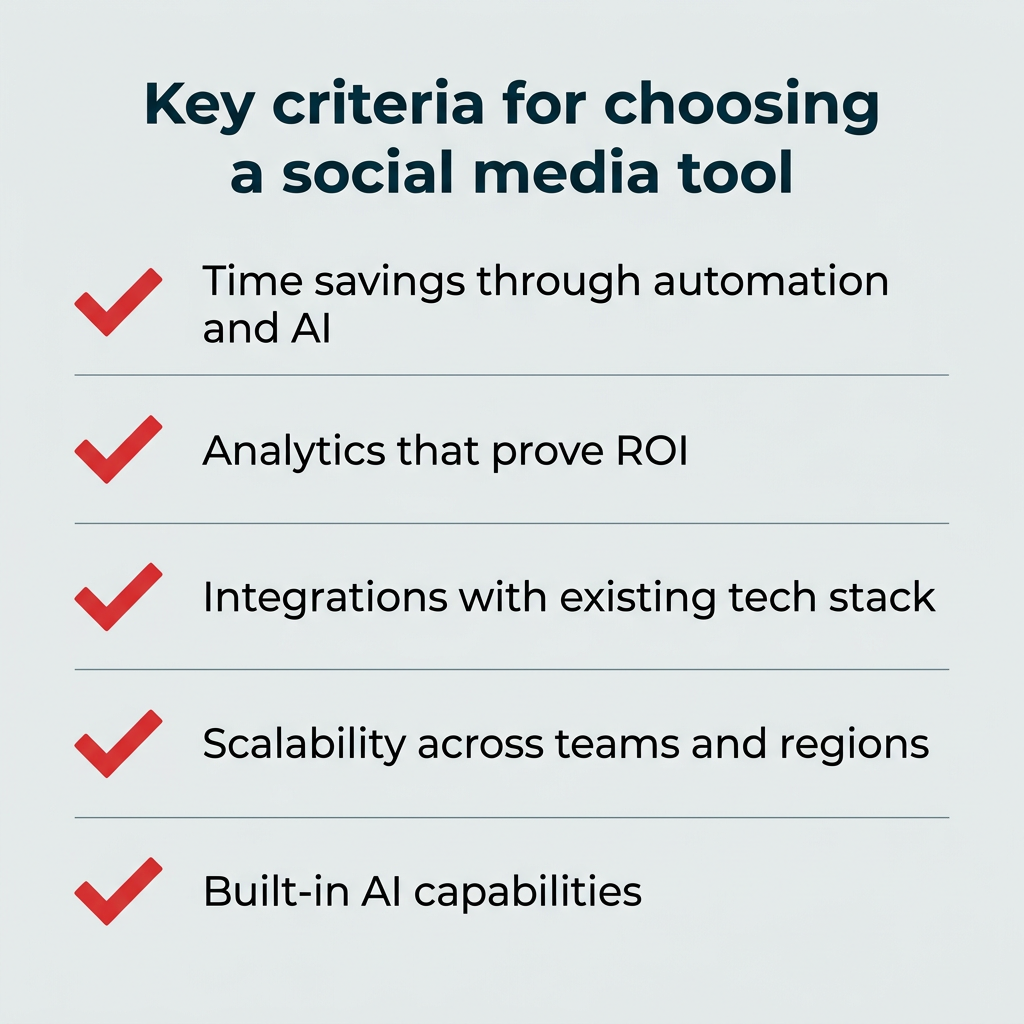
Before investing in a new software stack, organizations must evaluate tools based on six core criteria: time-saving automation, ROI-focused analytics, CRM integration, enterprise scalability, AI maturity, and reputation protection.
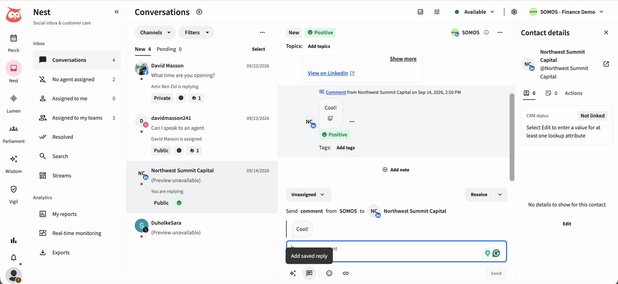
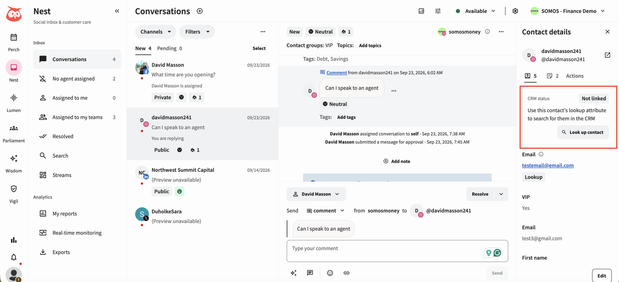
The integration of CRM data is perhaps the most critical development of the year. For B2B firms, the ability to tie a social media interaction—such as a comment on a LinkedIn post—directly to a lead’s contact record in a CRM like HubSpot or Salesforce is no longer a luxury; it is a standard expectation. This connectivity provides sales teams with essential context that was previously lost in the gap between social engagement and the sales funnel.
The Rise of Embedded AI
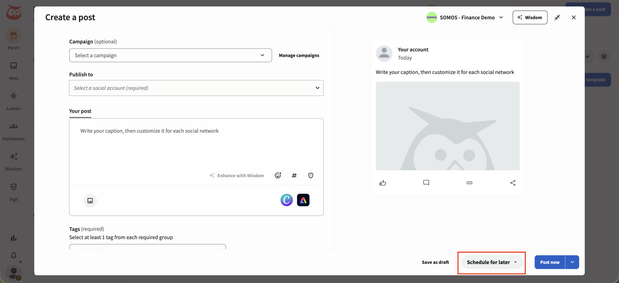
Artificial Intelligence in 2026 has moved beyond simple text generation. Tools like Wisdom, the AI layer integrated into the Hootsuite Social OS, demonstrate the new standard for the industry. Rather than relying on generic, hallucination-prone models, these tools are grounded in the user’s specific performance data. This allows for nuanced, actionable insights—such as why engagement dipped during a specific week or how to optimize a caption based on historical sentiment—all without leaving the native platform.
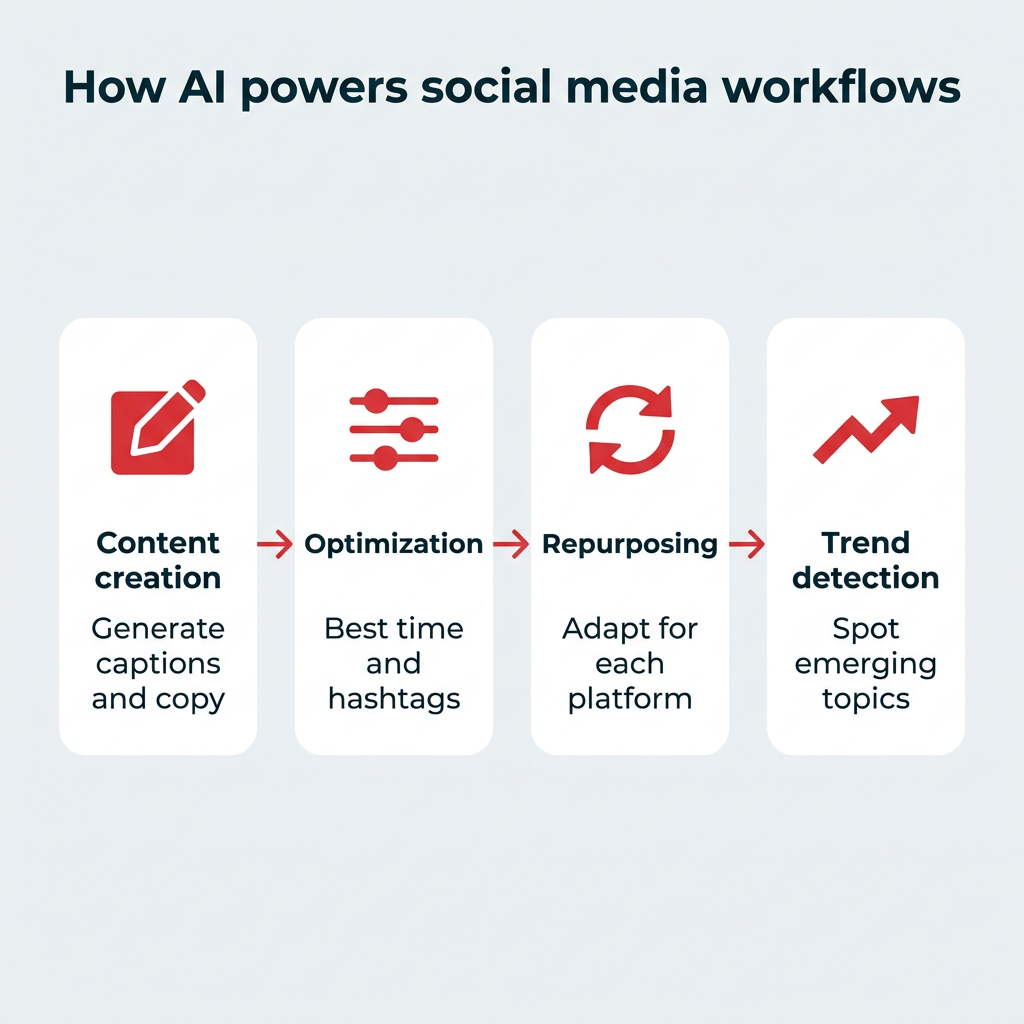
This transition from "bolted-on" AI to "embedded" intelligence is reflected in the adoption rates among CMOs. Nearly 81% of marketing technology leaders report that they are either piloting or have already implemented AI agents to handle repetitive tasks, such as content repurposing, trend detection, and automated customer responses.
Analytics and Listening: Moving Beyond Vanity Metrics
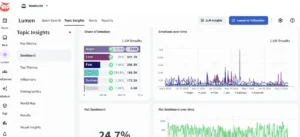
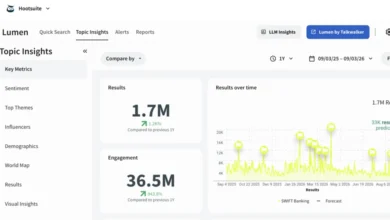
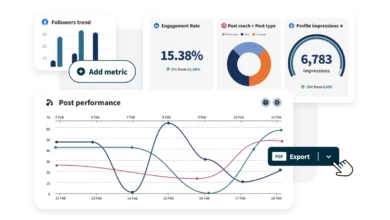
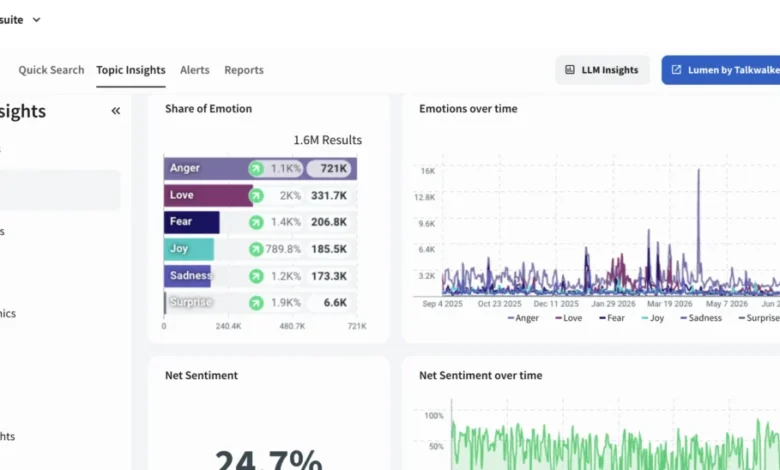
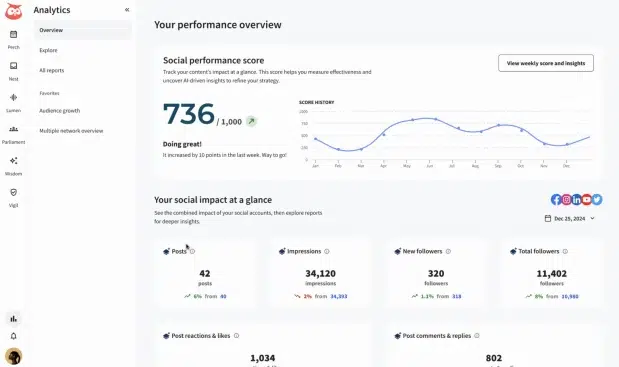
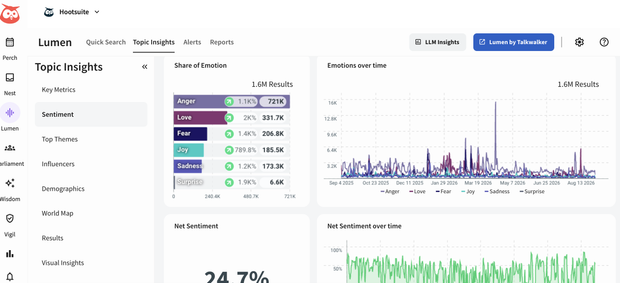
The demand for deeper data has rendered basic engagement metrics like "likes" and "shares" insufficient for modern leadership reporting. Contemporary analytics tools, such as NetBase Quid or the Lumen integration within Hootsuite, provide a bird’s-eye view of consumer sentiment across millions of online sources, including forums, news sites, and patent databases.
This level of intelligence allows for proactive crisis management. By monitoring early warning signals and conversation clusters, brands can identify potential PR challenges before they escalate. For local businesses, the integration of Google Business Profile management remains a vital component, as reviews and local SEO continue to be the primary drivers of brick-and-mortar foot traffic.
The Creator Economy and Workflow Management
Influencer marketing has reached a maturity level that necessitates professional-grade management software. With U.S. influencer spending projected to surpass $10 billion in 2026, the reliance on spreadsheets is no longer sustainable. Platforms like Upfluence and Insense provide a centralized hub for discovery, legal contracting, and performance tracking. These tools ensure that user-generated content (UGC) is not only sourced but seamlessly pushed into the brand’s official social channels, creating a continuous loop of social proof.

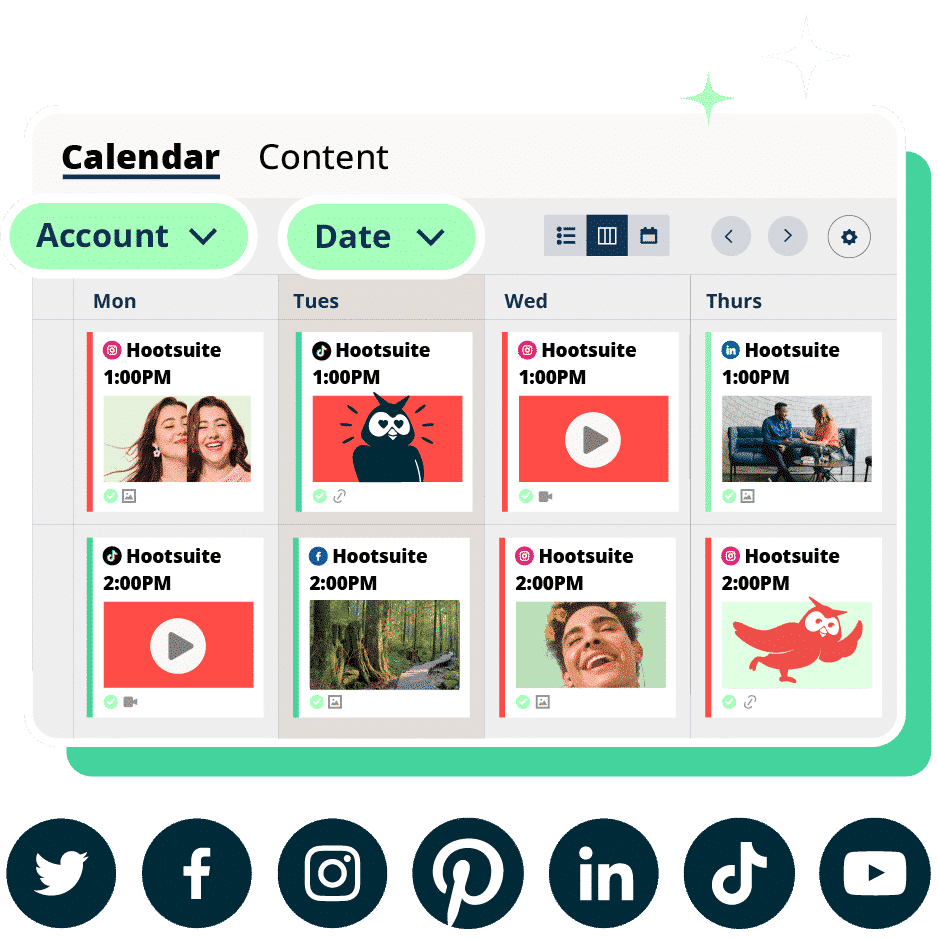
Furthermore, the collaboration between social media teams and their broader marketing counterparts is now facilitated by sophisticated project management tools. Platforms such as Monday.com, Airtable, and Notion serve as the backbone for content calendars, allowing for complex approval workflows that ensure content is vetted for compliance and brand alignment before it goes live.

The Future of Social Governance
As social media continues to be a primary touchpoint for public perception, the legal and compliance risks have increased. Enterprise teams are increasingly prioritizing governance features that provide audit trails and role-based permissions. These controls ensure that only authorized personnel can post, and that all AI-generated content is vetted against brand guidelines. The "Vigil" approach to social media management—where every post is accounted for and every interaction is tracked—is becoming the standard for regulated industries, including finance and healthcare.

Economic Implications for Businesses
The consolidation of tools presents a clear economic advantage. Smaller teams can now achieve the output of much larger departments by utilizing all-in-one platforms. While the upfront subscription cost for an enterprise suite might seem higher than using a collection of free tools, the hidden costs of "tool sprawl"—including fragmented data, security risks, and lost productivity from switching between apps—often exceed the cost of a comprehensive platform.

For smaller organizations, the strategy remains to start with essential, free-tier versions of design tools like Canva and basic CRM systems, scaling to premium, integrated platforms only when the complexity of multi-channel management necessitates it.
Conclusion
The social media landscape of 2026 is defined by efficiency, integration, and intelligence. Marketing teams that succeed in this environment will be those that view their social media tools not as peripheral utilities, but as core infrastructure. By investing in systems that harmonize content creation, data analytics, and team collaboration, businesses can ensure they remain responsive to audience needs while maintaining the rigorous governance required to protect their brand in a volatile digital world. As AI agents continue to evolve, the gap between those who leverage these technologies and those who resist them will likely widen, marking a definitive turning point in the history of digital marketing.