2026 Holiday Retail Outlook: How Social Media is Transforming the Consumer Journey

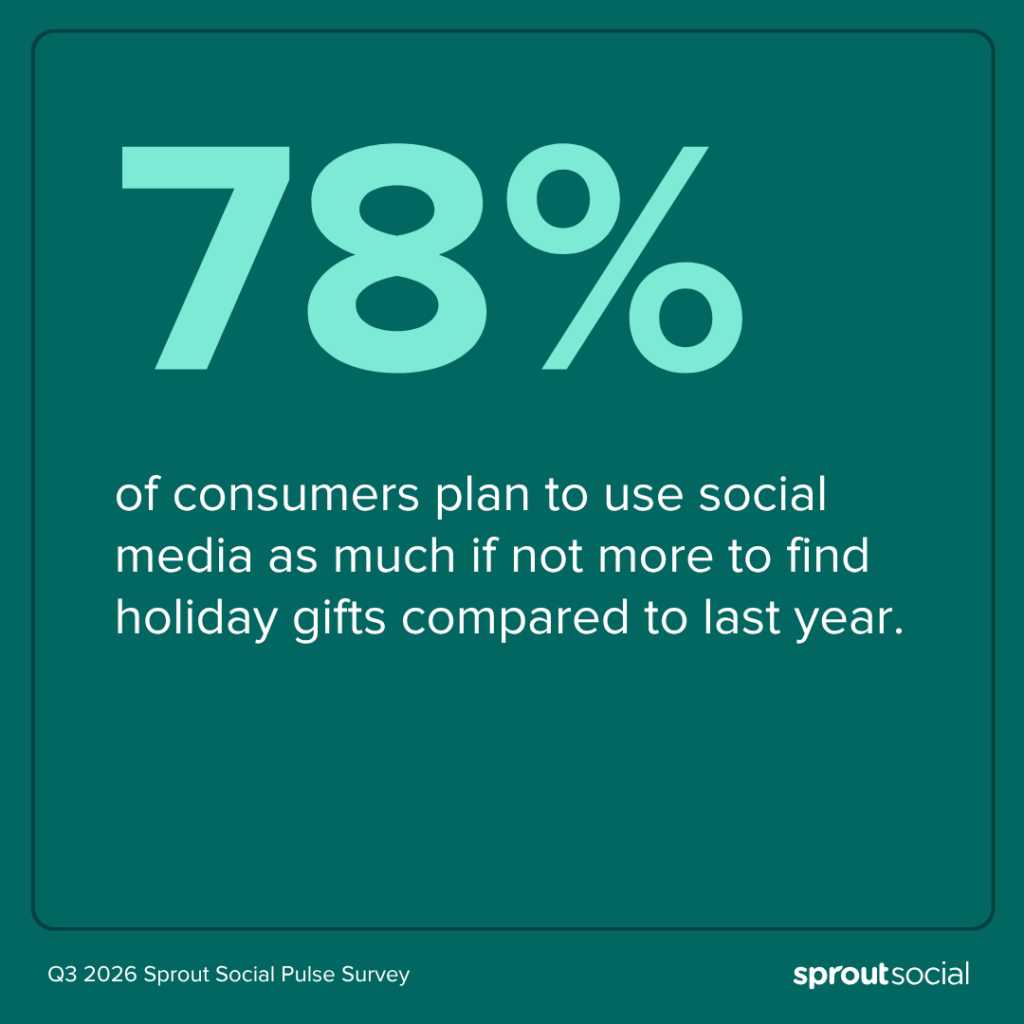
The influence of social media on holiday purchasing behavior has reached a critical inflection point in 2026, fundamentally altering how consumers discover products, interact with brands, and finalize transactions. According to the Q3 2026 Sprout Social Pulse Survey, which analyzed the habits of 2,286 consumers across the United States, the United Kingdom, and Australia, a significant 78% of shoppers intend to utilize social platforms as frequently as, or more than, they did in previous years to conduct their holiday gift hunting. This shift confirms that social networks have transitioned from auxiliary marketing channels into primary retail ecosystems.

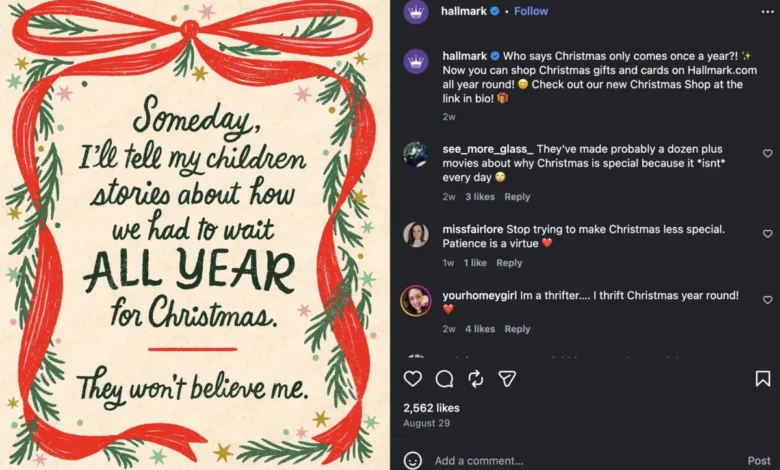
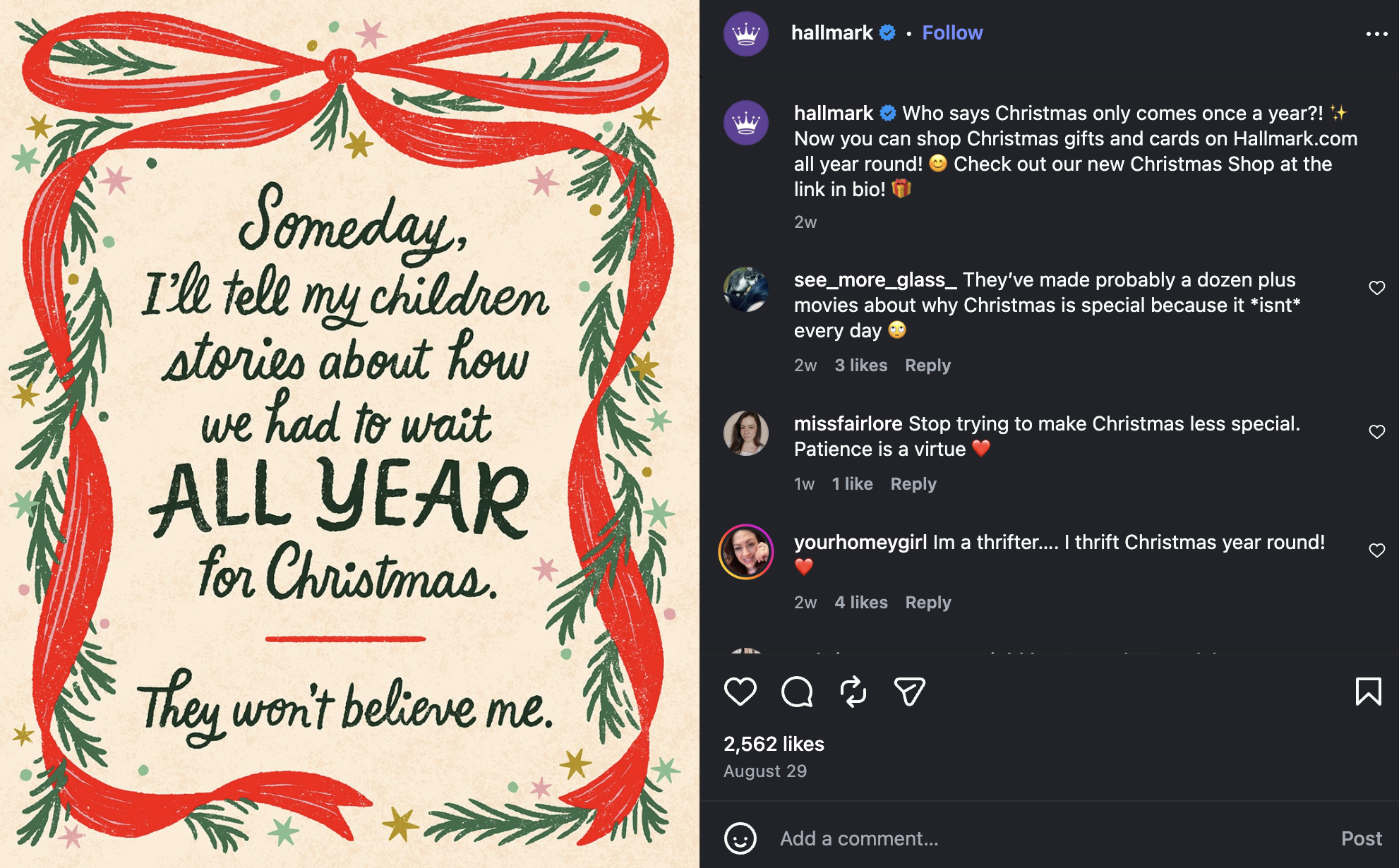
The traditional "holiday season," once defined by the period between Black Friday and New Year’s Day, has experienced a rapid contraction in its start date. The phenomenon of "holiday creep"—where retailers introduce seasonal messaging as early as mid-summer—has become a standard industry practice. In 2026, this was evidenced by early-season promotional activity, including the "Summerween" trend in June and August-based seasonal product launches by major retailers like Starbucks and Hallmark.
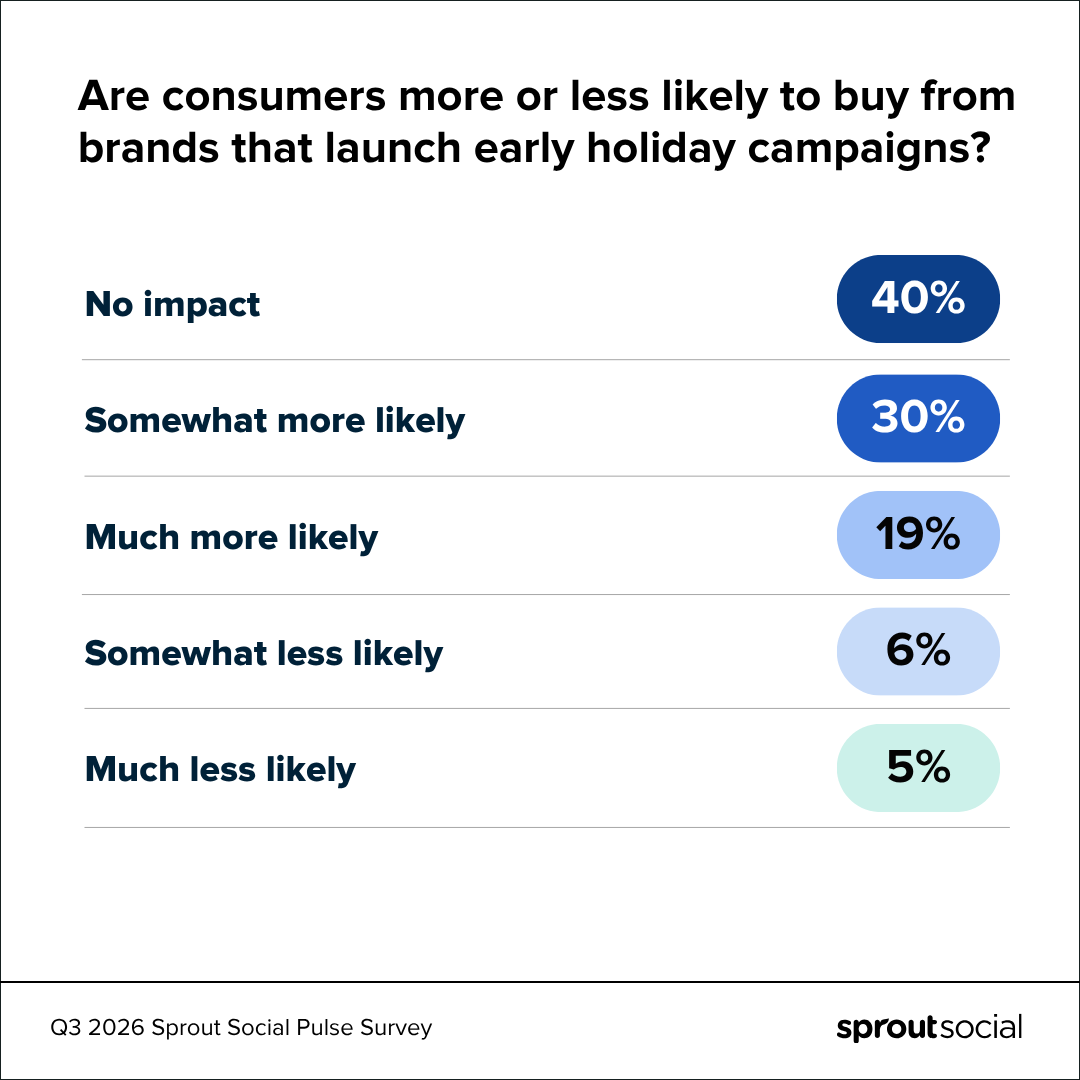
However, a dichotomy has emerged between consumer preference and actual purchasing habits. While survey data indicates that 50% of consumers believe brands should reserve holiday advertising for October, the presence of early campaigns in August has proven largely neutral or even beneficial to conversion rates. Data suggests that 40% of respondents reported that August-based campaigns had no impact on their perception of a brand, while nearly 50% indicated they were more likely to purchase from brands that initiated their holiday outreach early. This suggests that while consumers may express "ad fatigue" regarding premature holiday marketing, their wallets remain responsive to early-bird incentives and seasonal offerings.
The Economic Landscape and Tariff Sensitivity
The 2026 holiday season is being shaped by a precarious macroeconomic environment, characterized by rising concerns over trade tariffs and constrained household budgets. Economic indicators from the study reveal that 69% of consumers are actively concerned about price inflation resulting from current tariff policies. This anxiety is driving a notable change in behavioral timelines: 36% of shoppers plan to initiate their holiday shopping significantly earlier than in 2025 specifically to mitigate the risk of future price hikes.
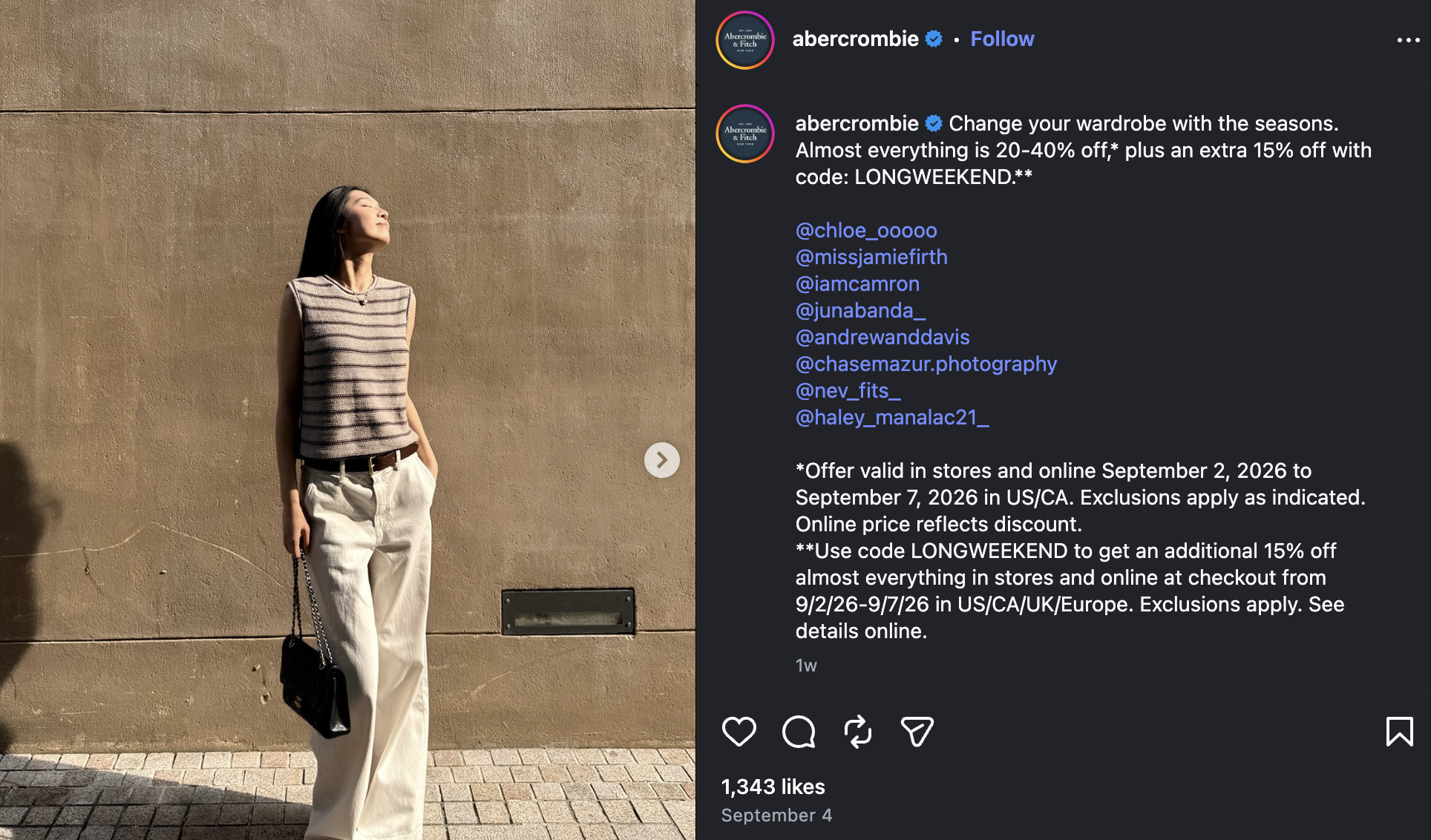
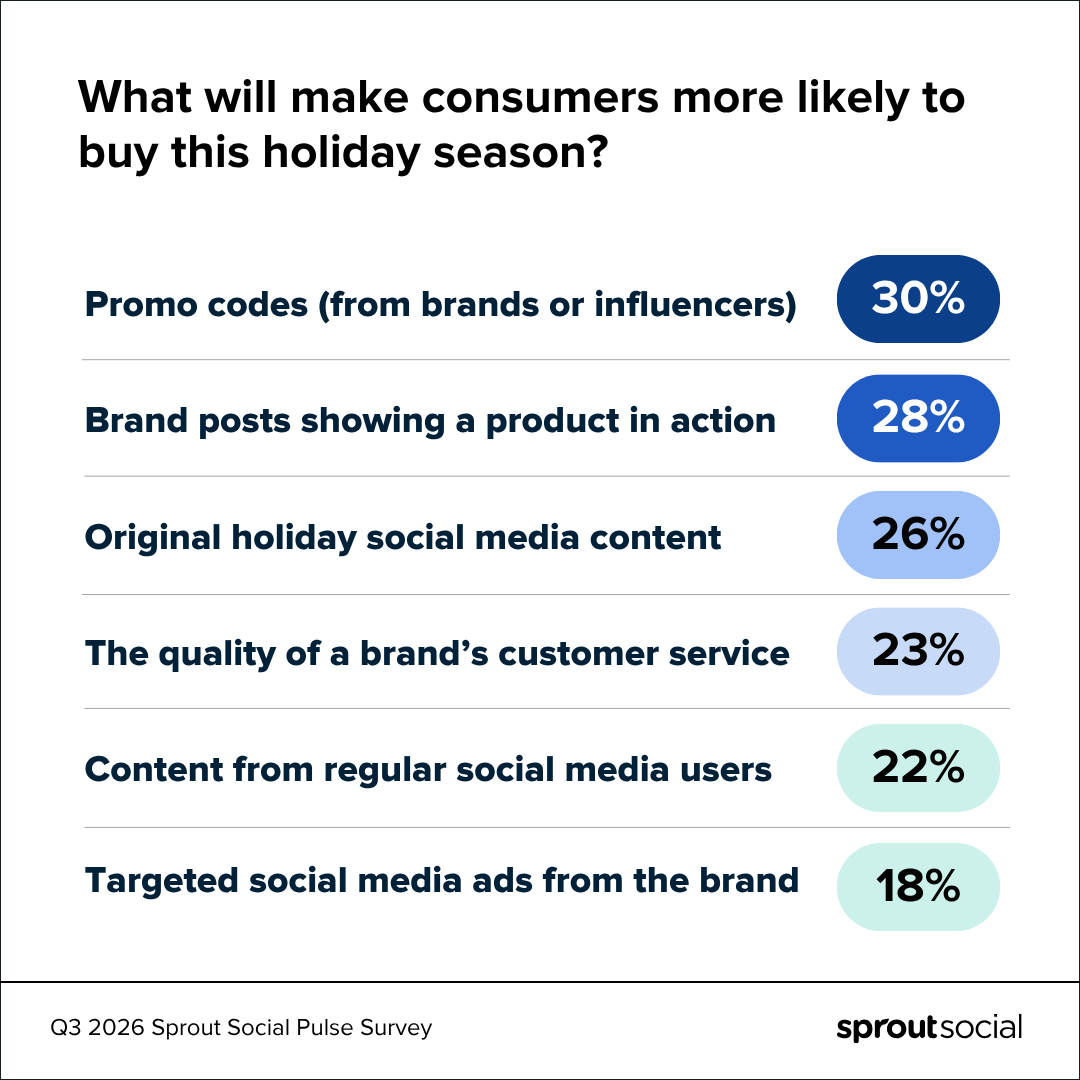
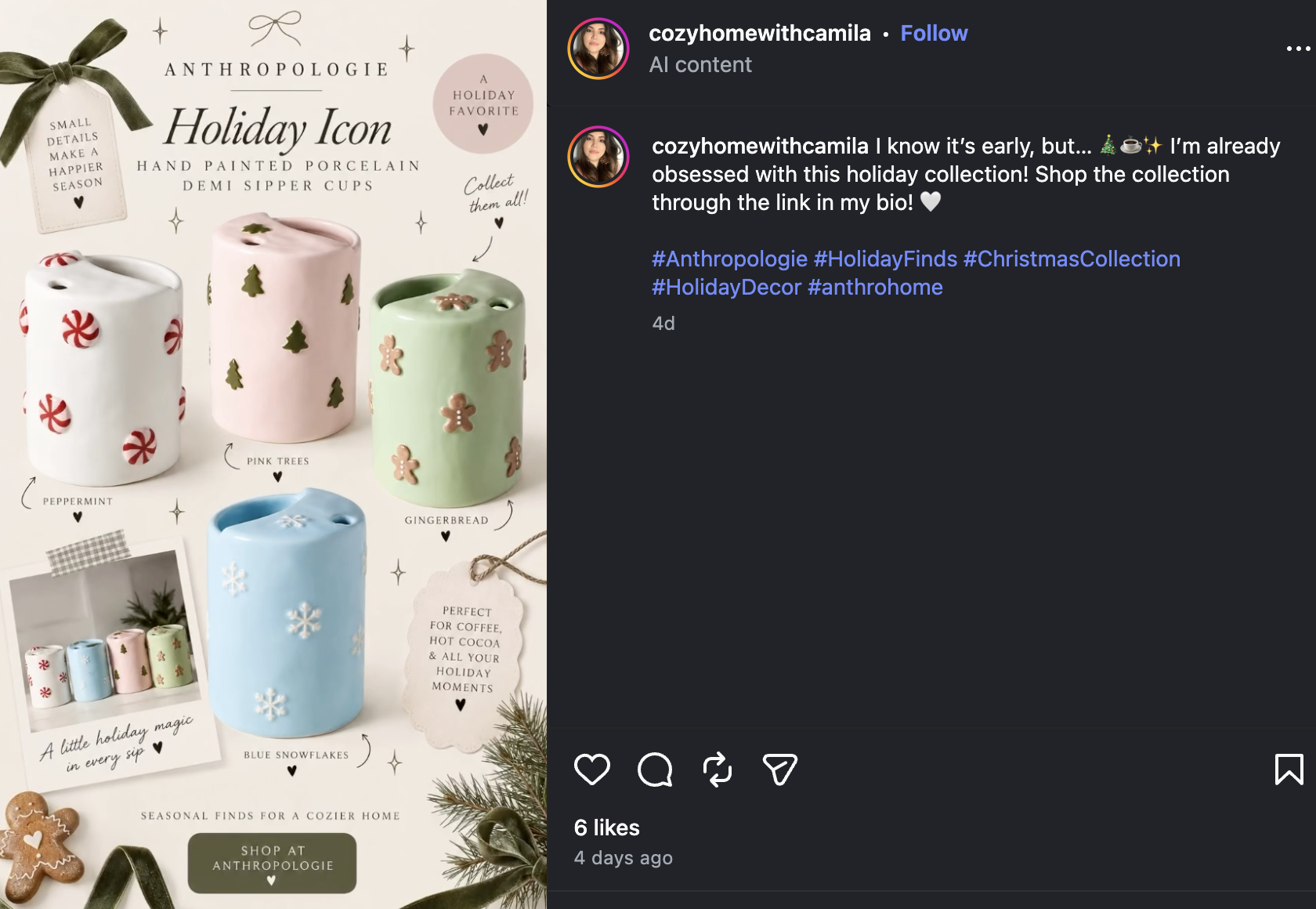
Overall, 56% of consumers have signaled an intent to reduce their total holiday expenditure compared to the previous year. This tightening of discretionary income has placed the burden of proof on retailers to provide demonstrable value. Promo codes, whether issued directly by brands or through influencer partnerships, have emerged as the primary catalyst for purchase intent, cited by 30% of consumers as the most effective driver for closing a sale.
Beyond price incentives, consumers are increasingly prioritizing visual utility. Approximately 28% of shoppers state they are more likely to purchase if a brand demonstrates a product’s functionality in action, while 23% prioritize original, platform-specific creative content. This represents a strategic pivot from 2025, when user-generated content and general customer service reputation held the most weight. Retailers are now tasked with balancing the "value-first" mentality of the consumer with high-quality, authentic video demonstrations.
Social Media as the Modern Search Engine
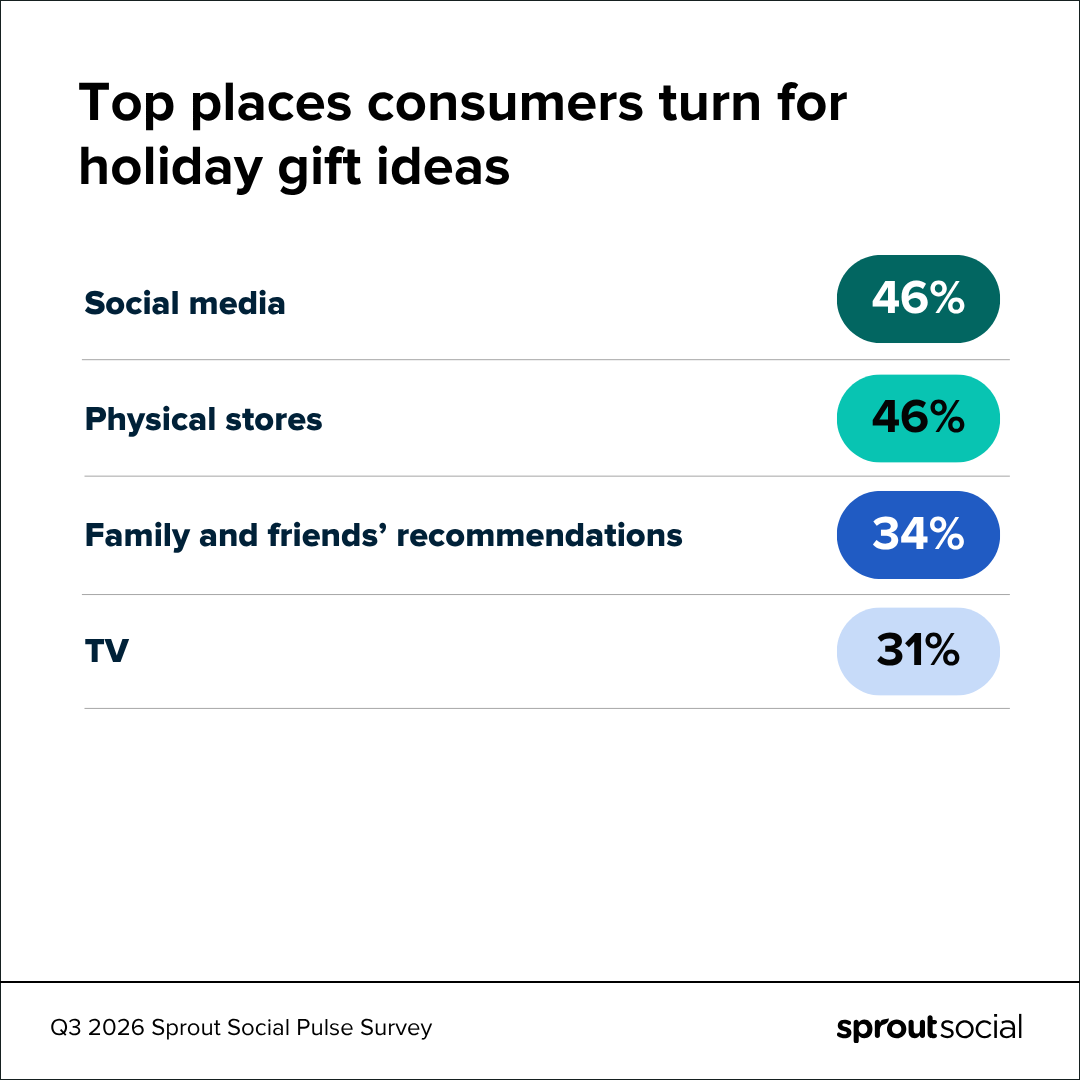
The transition of social media into a primary discovery engine is no longer a nascent trend but a structural reality of the digital economy. For the 2026 season, social media is tied with physical retail as the top destination for holiday gift inspiration, with 46% of consumers relying on their feeds to dictate their shopping lists. Among Gen Z and Millennial demographics, social media has definitively surpassed physical retail as the preferred discovery channel.
This shift is rooted in the platform’s capacity to deliver experiential and peer-validated information. Data shows that 38% of users prefer social search for finding experiences—such as local dining or events—and 30% utilize it for deep-dive product reviews. The integration of "social commerce" features, such as TikTok Shop, Facebook Shops, and Instagram Checkout, has shortened the path to purchase. Over 50% of consumers expressed comfort in completing a transaction directly within a social application, bypassing traditional web stores. This move toward frictionless commerce suggests that brands neglecting social-native checkout capabilities risk losing significant market share during the high-traffic Q4 period.
The Evolution of Social Customer Service
As retail volume migrates to social platforms, so too does the expectation for high-level customer support. A striking 86% of consumers plan to utilize social media to resolve holiday-related service inquiries this year. The preferred channels for these interactions are TikTok (50%), Facebook (46%), and Instagram (44%). While Direct Messaging remains the most popular communication method, the public comment section has become an increasingly utilized, and potentially volatile, support channel.
The expectations for responsiveness have reached a new standard: 70% of consumers anticipate a brand response within 24 hours of initiating contact. This rapid-response requirement, coupled with the seasonal surge in traffic, is forcing a reliance on artificial intelligence. Brands are increasingly deploying AI to manage ticket triaging, sentiment analysis, and the drafting of preliminary responses.
Consumer sentiment toward AI-driven support is surprisingly favorable, with 70% of respondents expressing comfort with AI involvement in the service process, a figure that climbs to 77% among Gen Z. However, industry analysts caution that speed must not come at the expense of human-centric empathy. AI is most effectively deployed as a support mechanism—handling logistics and FAQs—rather than a total replacement for human interaction. Maintaining a "human in the loop" remains vital, as 89% of consumers cite response quality as a core determinant of brand reputation.
Implications for Brand Strategy
The 2026 holiday landscape requires a shift in strategic priorities. Brands must reconcile the tension between consumer price sensitivity and the need for early-season visibility. The data suggests that success in this environment is predicated on a three-pillar strategy:
- Value-Centric Influencer Partnerships: With promo codes being the top driver of purchase intent, influencer marketing should pivot from broad brand awareness to high-conversion, value-driven campaigns. Influencers who can demonstrate product utility while providing tangible financial incentives are likely to outperform traditional celebrity endorsements.
- Search Optimization: Because social platforms are functioning as search engines, brands must invest in "Social Search Optimization" (SSO). This includes utilizing relevant keywords in captions, leveraging high-intent hashtags, and ensuring that video content clearly demonstrates the "how-to" aspects of products to capture the 28% of consumers looking for functional clarity.
- Proactive Service Infrastructure: Given the rise of service requests in the comment sections, brands must treat public engagement as a critical component of their reputation management. Pre-empting common holiday inquiries—such as shipping deadlines, return policies, and stock availability—via pinned posts or automated FAQ tools will be essential to mitigating the risk of public service failures.
In conclusion, the 2026 holiday shopping season is defined by a paradox: consumers are more budget-conscious than ever, yet they remain highly susceptible to engaging with brands that provide seamless, informative, and frictionless experiences on social media. The brands that emerge successful will be those that view their social presence not as a billboard, but as a comprehensive, end-to-end retail environment that respects the consumer’s need for both fiscal value and operational efficiency. By leveraging data-backed insights, retailers can navigate the complexities of the current economic climate and establish a stronger, more resilient connection with their target audience throughout the "ber months" and beyond.