In the modern corporate landscape, employee advocacy has evolved from a grassroots social media experiment into a critical strategic pillar for talent acquisition, brand authority, and revenue growth. As organizations increasingly compete for attention in a saturated digital market, the ability to mobilize employees as brand ambassadors has become a significant differentiator. However, the transition from "fluffy" engagement metrics to hard-nosed business results remains a hurdle for many marketing and HR leaders. To secure the necessary budget and executive buy-in for 2026 and beyond, organizations must adopt a rigorous measurement framework that links employee activity directly to the bottom line.

The shift toward data-driven advocacy is largely a response to the declining trust in corporate brand accounts. According to recent industry benchmarks, content shared by employees receives significantly higher engagement rates than the same content posted through official brand channels. This phenomenon is rooted in the social psychology of peer-to-peer communication; audiences are more likely to trust an individual’s professional perspective than an algorithmic corporate broadcast. Despite this, many programs remain unmeasured, leaving them vulnerable to budget cuts during organizational reviews. Without quantifiable evidence of leads generated, recruitment costs saved, and sales pipeline influence, even the most vibrant advocacy programs risk being sidelined as "nice-to-have" initiatives.
The Anatomy of an Advocacy Measurement Framework
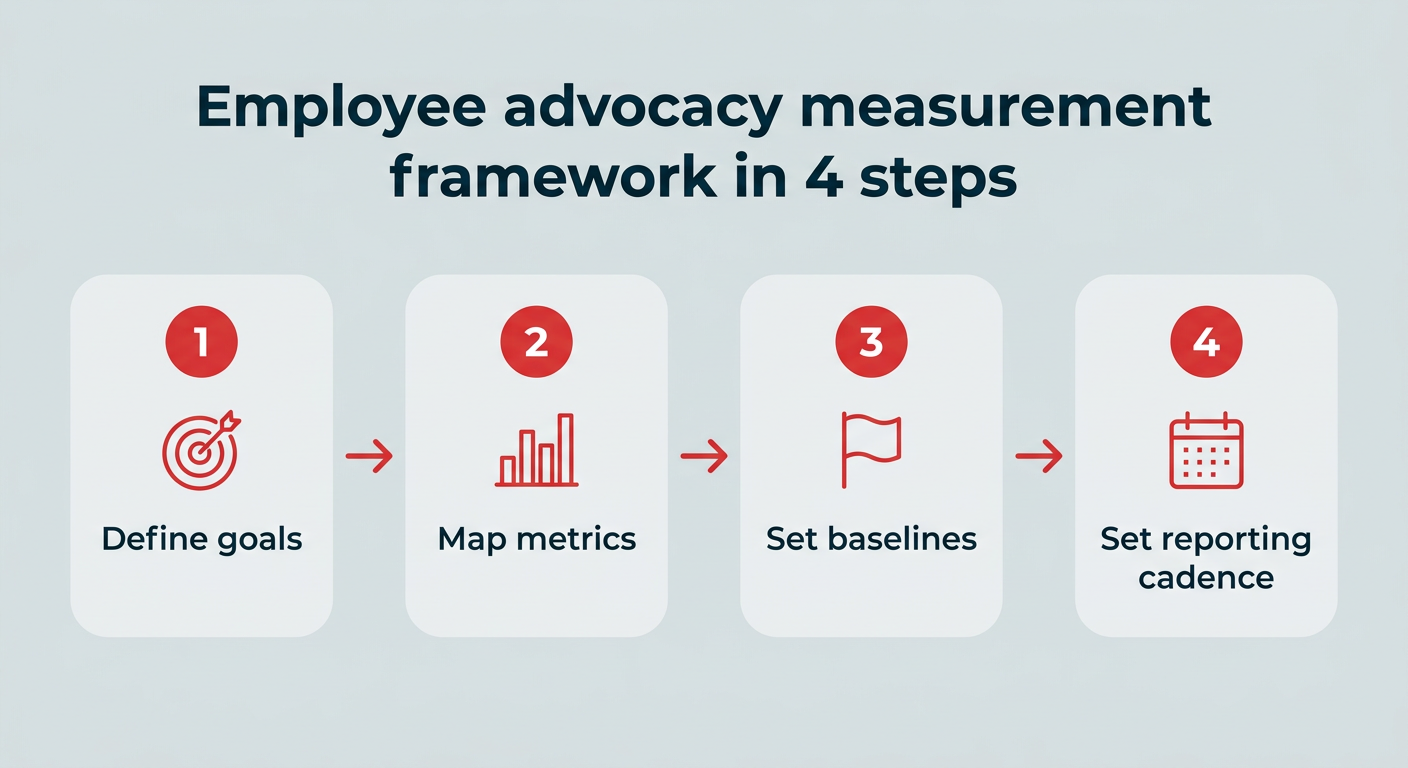
A robust measurement framework begins by aligning specific Key Performance Indicators (KPIs) with broader organizational goals. Before a single link is shared, leadership must define what success looks like for their unique context. Is the primary goal to reduce recruitment costs by leveraging employee networks to find talent? Is it to accelerate the sales cycle through social selling? Or is it to bolster thought leadership to increase market share?

Effective measurement must be categorized to provide a holistic view. A comprehensive dashboard should track data across seven primary pillars: reach and awareness, engagement, recruitment outcomes, sales and lead generation, participation rates, cultural impact, and employee retention. By segmenting these areas, organizations can move beyond vanity metrics—such as total likes or followers—and begin reporting on tangible business value.
For instance, the use of UTM (Urchin Tracking Module) parameters is non-negotiable for any serious advocacy program. By appending unique tracking codes to every link distributed through an advocacy platform, organizations can trace the journey of a user from an employee’s LinkedIn post all the way to a CRM-tracked lead or a finalized job application. This granularity allows marketers to attribute specific dollar values to the advocacy channel, transforming an abstract concept into a concrete financial asset.
Chronology and Maturity of Programs
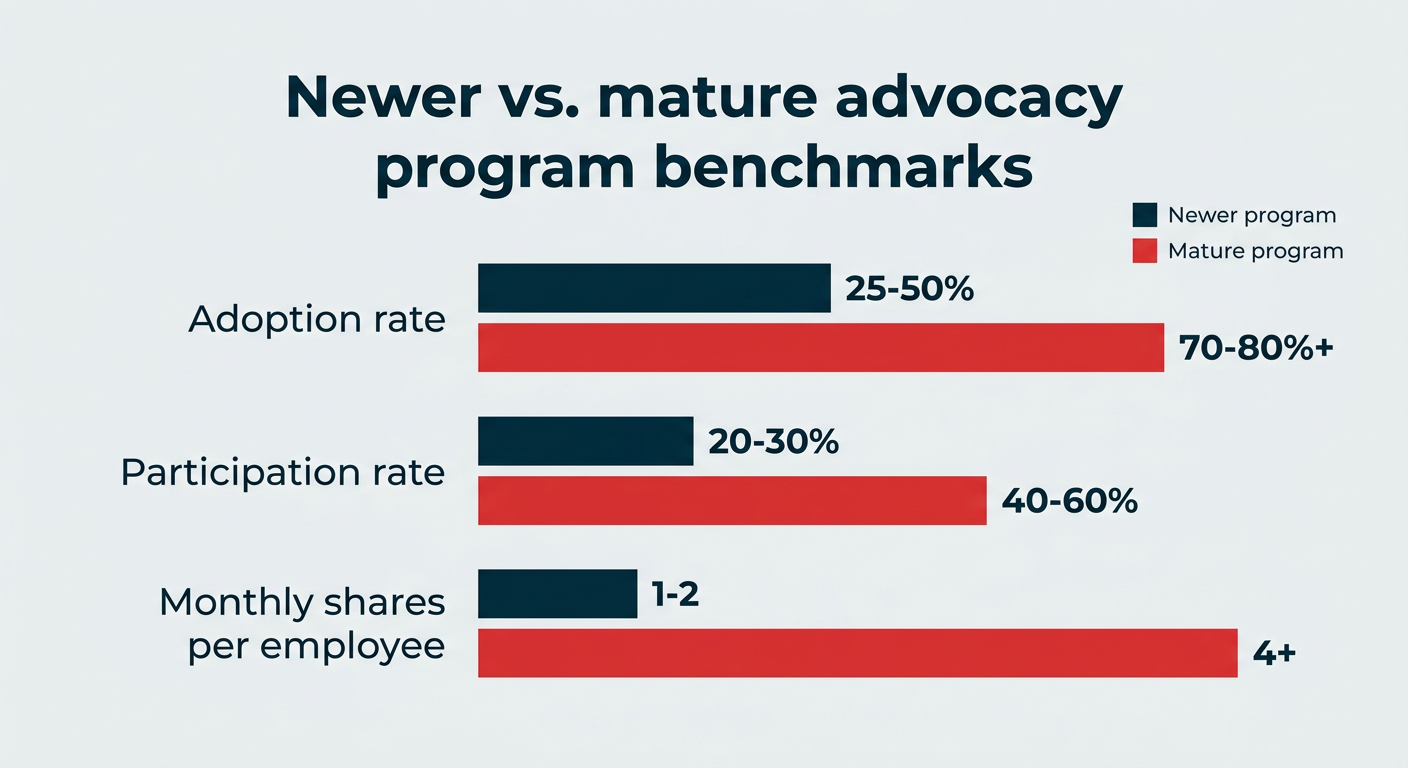
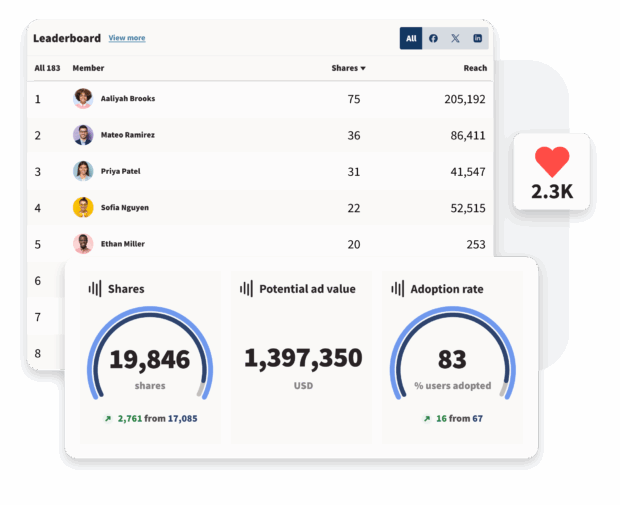
The lifecycle of an employee advocacy program typically follows a predictable trajectory. In the launch phase, the focus is predominantly on adoption and internal communication—getting employees signed up and comfortable with the technology. During this stage, benchmarks are relatively modest, with adoption rates of 25% to 50% considered a successful start.
As a program reaches maturity—typically after 12 to 24 months of consistent operation—the focus shifts to optimization and ROI. Mature programs often see adoption rates exceeding 70%, with participation rates (the number of active, consistent sharers) stabilizing between 40% and 60%. In this phase, reporting cadences should shift from operational check-ins to quarterly business reviews (QBRs). During these QBRs, the conversation should pivot away from "how many people shared" to "how much pipeline influence was generated by this quarter’s advocacy efforts."
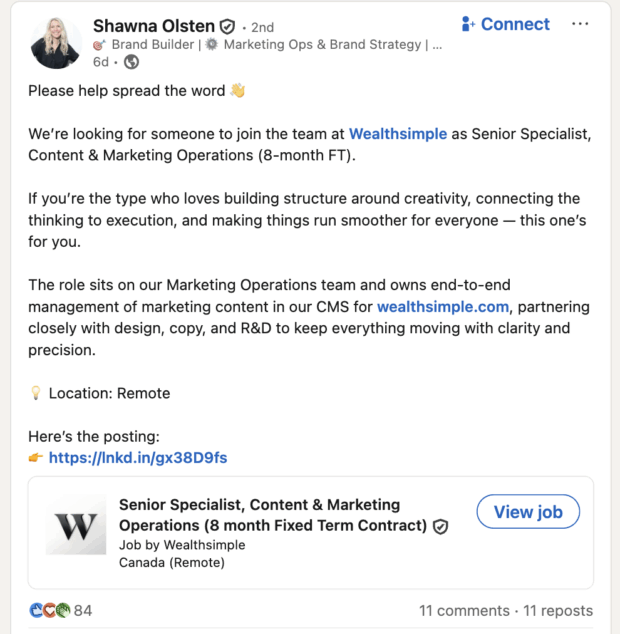
The impact of these programs on recruitment is particularly measurable. By tracking applicant volume and the quality of hires coming through employee referrals versus traditional job boards, talent acquisition teams can calculate significant savings in recruitment advertising and agency fees. When an employee shares a job opening, they act as a pre-filter, often attracting candidates who are already culturally aligned with the organization. This "referral-like" context leads to shorter hiring cycles and higher retention rates, as the employee who shared the role often serves as a mentor to the new hire.
Strategic Implications and Industry Standards
Industry experts note that the 2026 market environment demands a high level of rigor. With the rise of AI-generated content, authentic human voices have become more valuable than ever. Employee advocacy programs serve as the antithesis to the sterile, automated content often seen on social platforms. When an employee adds their own commentary to a brand-provided update, they provide the "social proof" that algorithms prioritize and audiences crave.
Data indicates that sales teams who participate in structured advocacy programs are 45% more likely to exceed their sales quotas. This is largely attributed to the "social selling" effect, where salespeople establish themselves as industry experts rather than just vendors. When a prospect interacts with an employee’s post, they are entering a relationship with a human being, which inherently shortens the trust-building phase of the sales cycle.
However, a recurring risk for these programs is the "ghost town" scenario, where high sign-up numbers mask low activity levels. To combat this, successful organizations implement gamification and recognition systems. By rewarding top contributors—not just with monetary incentives, but with career development opportunities and public recognition—companies foster a culture of voluntary advocacy. The goal is to make advocacy a career asset for the employee, rather than a corporate chore.
Reporting for the C-Suite
When presenting advocacy data to executive leadership, the "outcome-first" approach is essential. The C-suite is rarely interested in the technical minutiae of how many times a post was retweeted. Instead, they require a clear connection between the program and the organization’s strategic objectives.
A successful board report should be structured as follows:
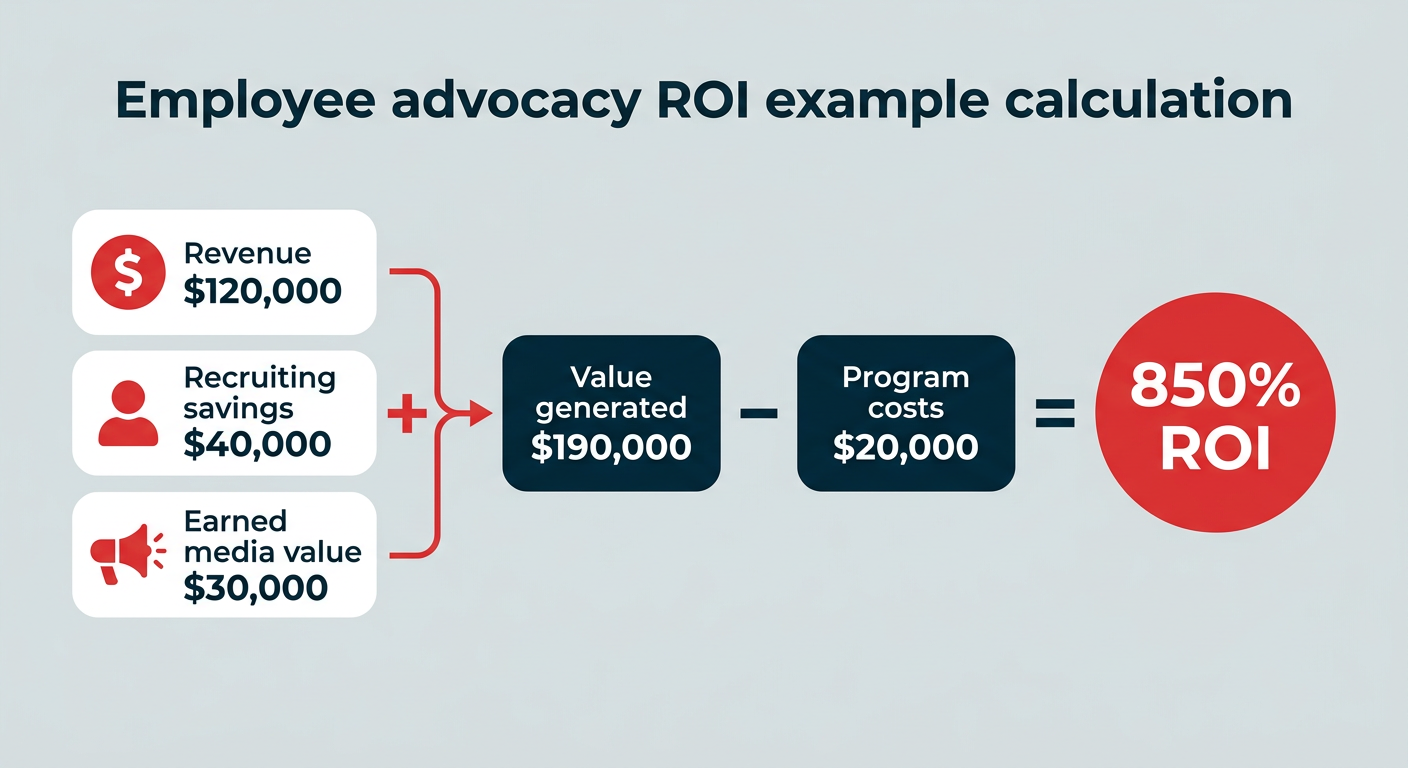
- The Executive Summary: State the total revenue influence, recruitment cost savings, and net growth in brand reach attributed to the program.
- The "So What": Explain how these numbers helped the company achieve its quarterly goals.
- The Efficiency Metrics: Briefly mention adoption and activity rates to prove the health of the program.
- The Path Forward: Outline the steps being taken to scale the program or optimize content based on current performance data.
This format respects the time of busy executives while reinforcing that the advocacy program is a managed, professional operation.
The Role of Technology in Scaling Success
The complexity of manual tracking—managing spreadsheets, UTM builders, and individual social accounts—is a barrier that often leads to program failure. Specialized software, such as those integrated into broader social media suites, allows for seamless distribution and measurement. By centralizing the content, advocacy, and analytics workflows, companies can reduce the friction that leads to employee drop-off.
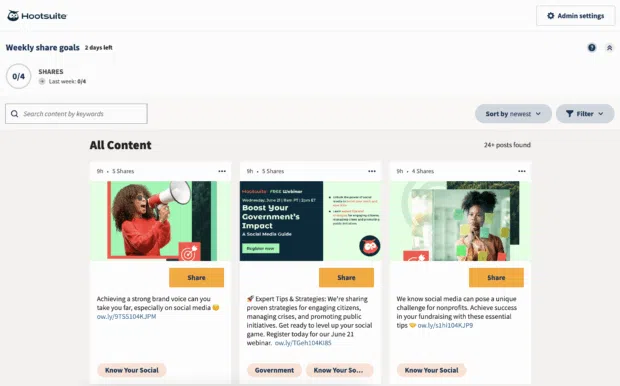
Furthermore, these tools provide automated reporting, allowing managers to monitor the "direction of travel" for their KPIs. If an advocacy tool shows a sudden dip in engagement, administrators can quickly analyze the content format, the tone of the messaging, and the timing of the shares to identify the cause. This agile approach to management ensures that the program remains responsive to changing market conditions and employee sentiment.
Looking Ahead: The Future of Advocacy
As we move deeper into the current year, the definition of an advocate is expanding. It is no longer limited to high-performing sales teams; it now includes engineering, product development, and customer service teams. By encouraging a diverse group of employees to share their unique perspectives, companies can humanize their brand across multiple touchpoints.
Ultimately, the success of an employee advocacy program is measured by the strength of the culture that supports it. When employees feel empowered to act as subject matter experts, the company benefits from a more resilient brand, a more efficient recruitment pipeline, and a more engaged workforce. The data is clear: those who take the time to measure, analyze, and optimize their advocacy efforts will secure a sustainable competitive advantage in an increasingly noisy digital marketplace. Through the rigorous application of KPIs and a focus on authentic engagement, advocacy ceases to be a marketing tactic and becomes an essential component of the modern corporate identity.
Related posts: