Flock Safety Offers Lucrative Voluntary Buyouts Amid Surging Privacy Backlash and Contracting Municipal Partnerships

Surveillance technology firm Flock Safety has announced a sweeping voluntary buyout program for its 1,500-person workforce, framing the offering as its most generous severance package to date. The decision comes at a critical juncture for the company, which has spent the latter half of 2026 grappling with severe public scrutiny, legislative crackdowns, and a rapidly expanding wave of municipal contract terminations. According to internal corporate communications reviewed by industry media, the startup anticipates that a significant portion of its personnel will opt into the program, and leadership has signaled that the majority of interested employees will have their departures approved.
The strategy enables the organization to address plummeting internal morale while proactively managing labor costs. Industry analysts note that without the implementation of these voluntary buyouts, the enterprise would likely have been forced to execute traditional, involuntary layoffs to align its operational overhead with a rapidly shrinking client base.
The Anatomy of the Crisis: Misuse and Municipal Fallout
The cascading challenges facing Flock Safety trace back to a compounding series of investigative reports and legislative rebukes that began accumulating in mid-2026. The company, known for manufacturing automated license plate recognition (ALPR) cameras and advanced optical surveillance hardware, has long marketed its tools as essential infrastructure for law enforcement agencies seeking to solve property crimes, locate stolen vehicles, and apprehend violent suspects. However, the expansive nature of its data collection apparatus has increasingly drawn the ire of privacy advocates, civil liberties organizations, and state lawmakers.
The tipping point for public outrage occurred in August 2026, when an investigative report published by The Washington Post revealed a disturbing pattern of systemic abuse. The publication identified at least 46 distinct instances wherein police officers allegedly misused Flock’s vast technological network to stalk and surveil domestic partners, estranged wives, girlfriends, and ex-spouses. The revelation underscored long-standing warnings from digital rights advocates who argued that the aggregation of high-resolution, constantly updating location data creates an unprecedented vector for domestic surveillance and civil rights violations.
The fallout was immediate and severe. Rather than treating the incidents as isolated cases of bad actor behavior within local law enforcement departments, public pressure quickly targeted the manufacturer itself. Critics argued that the company failed to implement sufficient safeguards, audit mechanisms, or access controls to prevent the systemic exploitation of its camera networks.
A Timeline of Rapid Retraction and Market Rejection
The months of August and September 2026 witnessed an unprecedented contraction in Flock Safety’s market footprint, turning what was once a high-flying enterprise software darling into a cautionary tale of rapid public relations degradation.

- Early August 2026: The Washington Post publishes its investigation detailing 46 cases of police officers misusing surveillance tools to stalk romantic partners, igniting nationwide protests and calls for municipal audits.
- Mid-August 2026: Civil rights advocacy groups and anti-surveillance coalitions accelerate tracking efforts, revealing that municipal governments are dropping Flock technology at an exponential rate. Data indicates that approximately 90 cities officially terminated their contracts with the company during the month of August alone—representing a staggering fourfold increase compared to the pace of cancellations recorded in July.
- Late August 2026: Major state-level actors take direct administrative action. Both Florida and Texas announce formal initiatives to block, ban, or restrict the deployment of Flock cameras on state-funded projects and roadways, citing unmitigated privacy concerns and potential constitutional violations.
- September 19, 2026: Facing mounting operational headwinds and an internal crisis of confidence, Flock Safety unveils its comprehensive voluntary buyout initiative, offering enhanced severance to employees willing to leave the company voluntarily.
Leadership Reactions and Internal Morale
The psychological toll on the company’s workforce has emerged as a central challenge for executive leadership. Flock Safety CEO Garrett Langley, addressing the situation during an appearance on the All-In podcast, acknowledged that the external criticism had taken a heavy toll on the enterprise from within. Langley stated publicly that the single "biggest damage" inflicted by the unfolding controversies has not been the loss of specific contracts, but rather the profound blow dealt to internal company morale.
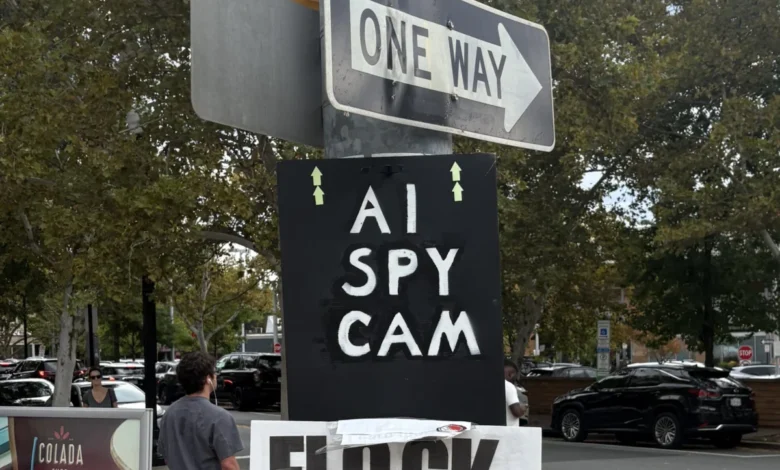
For months, employees tasked with engineering, sales, and customer success operations have found themselves at the center of intense public protests—such as those witnessed in Arlington, Virginia—and hostile municipal council meetings. By offering an attractive exit package, Flock is effectively providing an honorable off-ramp for workers who feel disillusioned by the public backlash or anxious about the company’s long-term commercial viability.
Internal documents emphasize that the severance package has been structured to be exceptionally competitive, designed to mitigate potential friction and avoid the protracted public relations nightmares typically associated with mass workforce reductions. By framing the departures as voluntary, the firm hopes to preserve a semblance of corporate goodwill while rightsizing its payroll for a more restricted operating environment.
Broader Industry Implications and the Future of Public Surveillance
The ongoing crisis at Flock Safety carries profound implications for the broader GovTech and public safety technology sectors. For years, municipal police departments have rushed to adopt data-driven policing tools under the banner of modernization and crime reduction. However, the events of late 2026 suggest a fundamental shift in how communities evaluate the trade-off between algorithmic safety measures and constitutionally protected privacy rights.
Legal scholars and policy experts suggest that the rapid cancellation of contracts by 90 cities in a single month signals a permanent maturation in how local governments procure surveillance technology. Future municipal agreements are expected to feature much stricter oversight clauses, mandatory independent audits, explicit prohibitions against private or domestic misuse, and robust mechanisms for public transparency.
Furthermore, the willingness of major states like Florida and Texas to intervene directly in municipal procurement sets a powerful precedent. If state legislatures continue to restrict or outright ban specific automated surveillance platforms, companies operating in the space will face a fragmented regulatory landscape that makes national scaling significantly more difficult and expensive.
As Flock Safety navigates its current restructuring phase, the ultimate trajectory of the company remains uncertain. Whether the firm can successfully rehabilitate its public image, rebuild institutional trust with local governments, and re-engage a demoralized workforce will depend heavily on structural reforms to its technology and a renewed commitment to verifiable privacy protections. For now, the focus within the company remains on stabilizing operations through its buyout program while bracing for what promises to be a prolonged battle over the future of civic surveillance in the United States.
Related posts: