
The fundamental principles of digital presence have shifted, marking the end of the era where a website served as a standalone destination for customer acquisition. By 2026, the digital landscape has matured into a decentralized ecosystem where consumer trust is cultivated long before a user clicks on a primary domain. In this new reality, the website remains the central hub for transactions and final conversions, but the discovery, research, and vetting processes have migrated to external platforms.
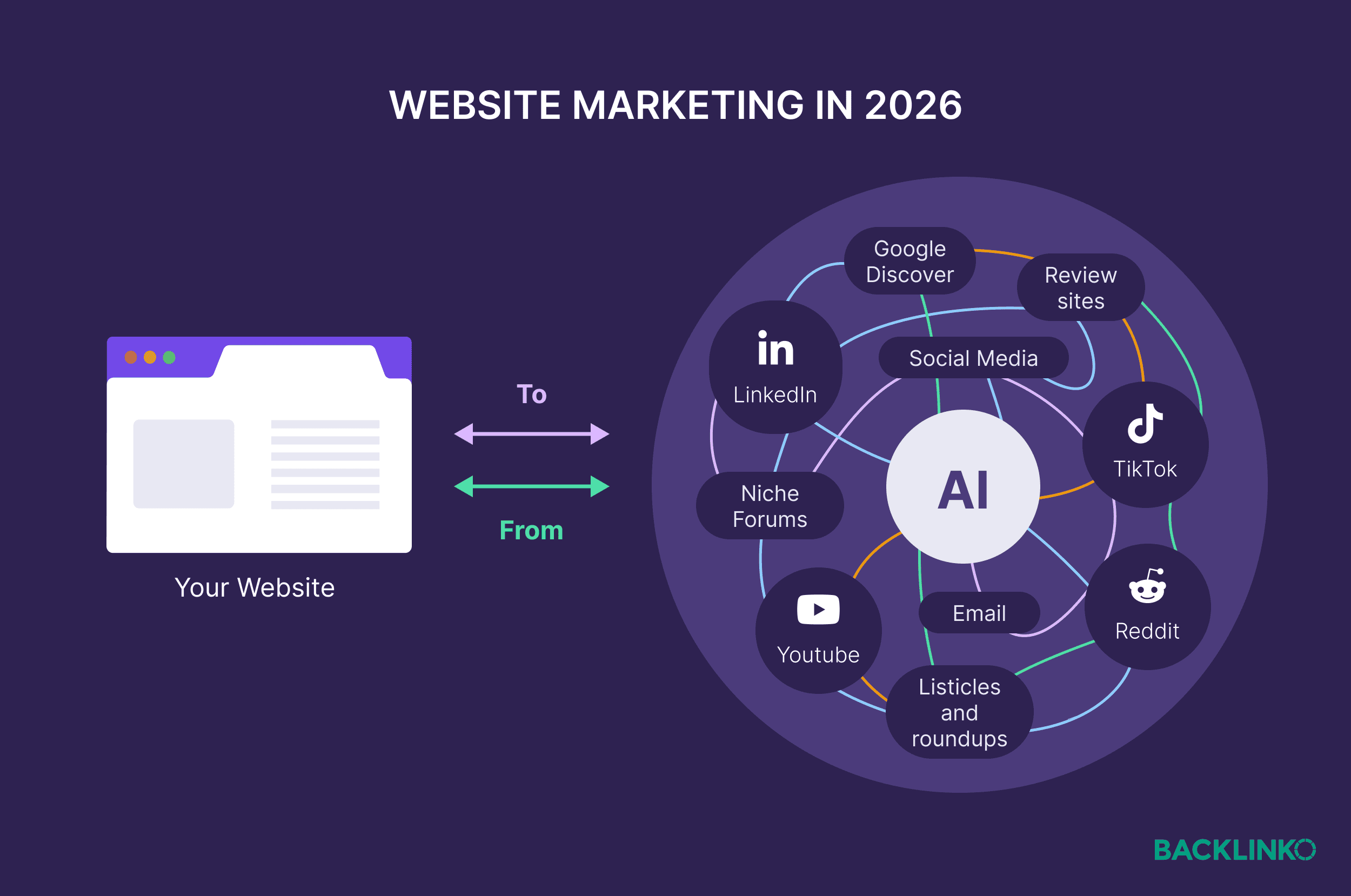
Market analysis indicates that over 65% of modern buyers now utilize artificial intelligence tools, specialized social media communities, and peer-to-peer discussion forums to vet brands before ever interacting with a company’s official landing page. This shift in behavior necessitates a transition from passive, search-engine-reliant marketing to a proactive, multi-platform reputation management strategy.

The Rise of AI-Driven Discovery
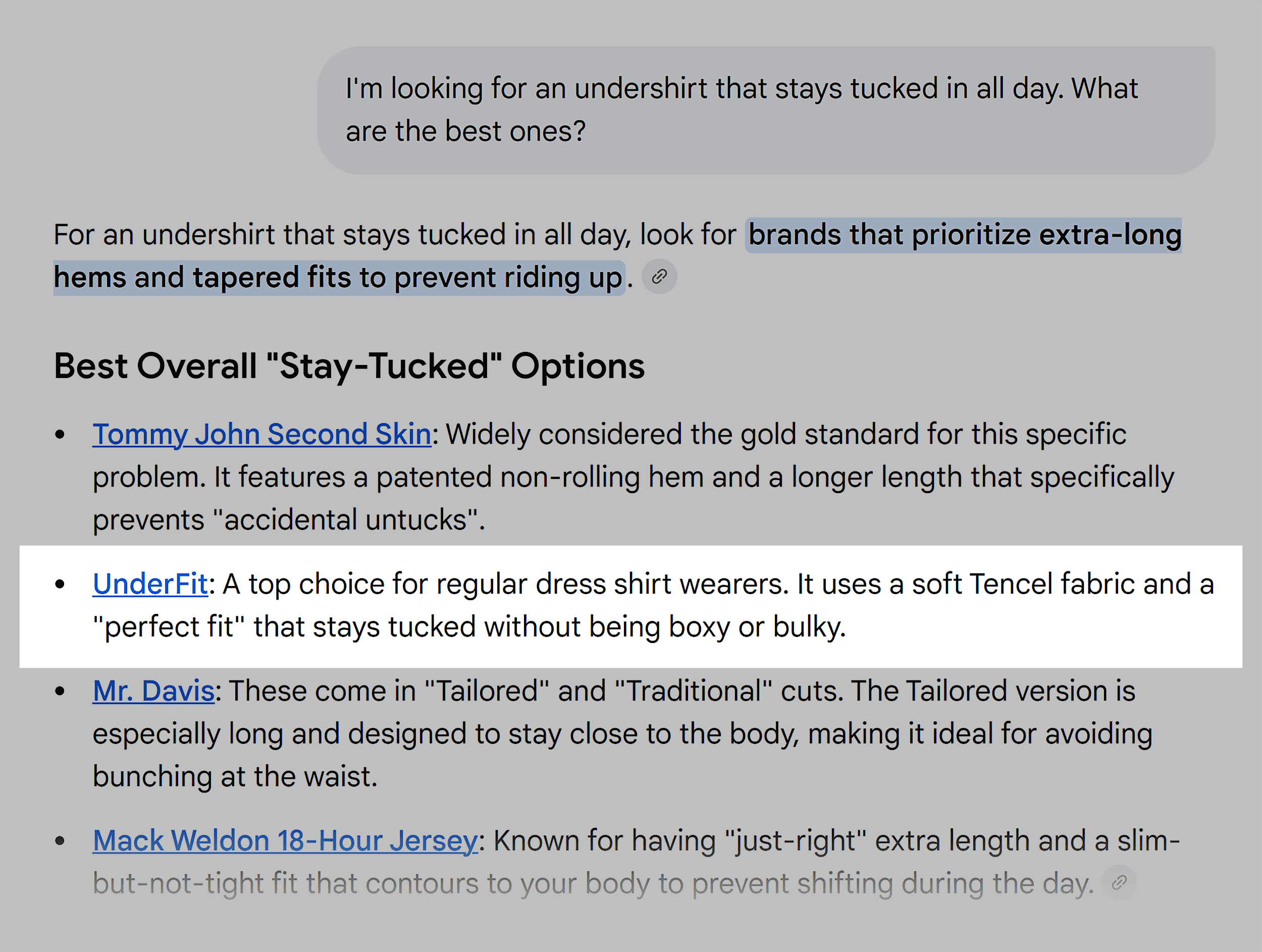
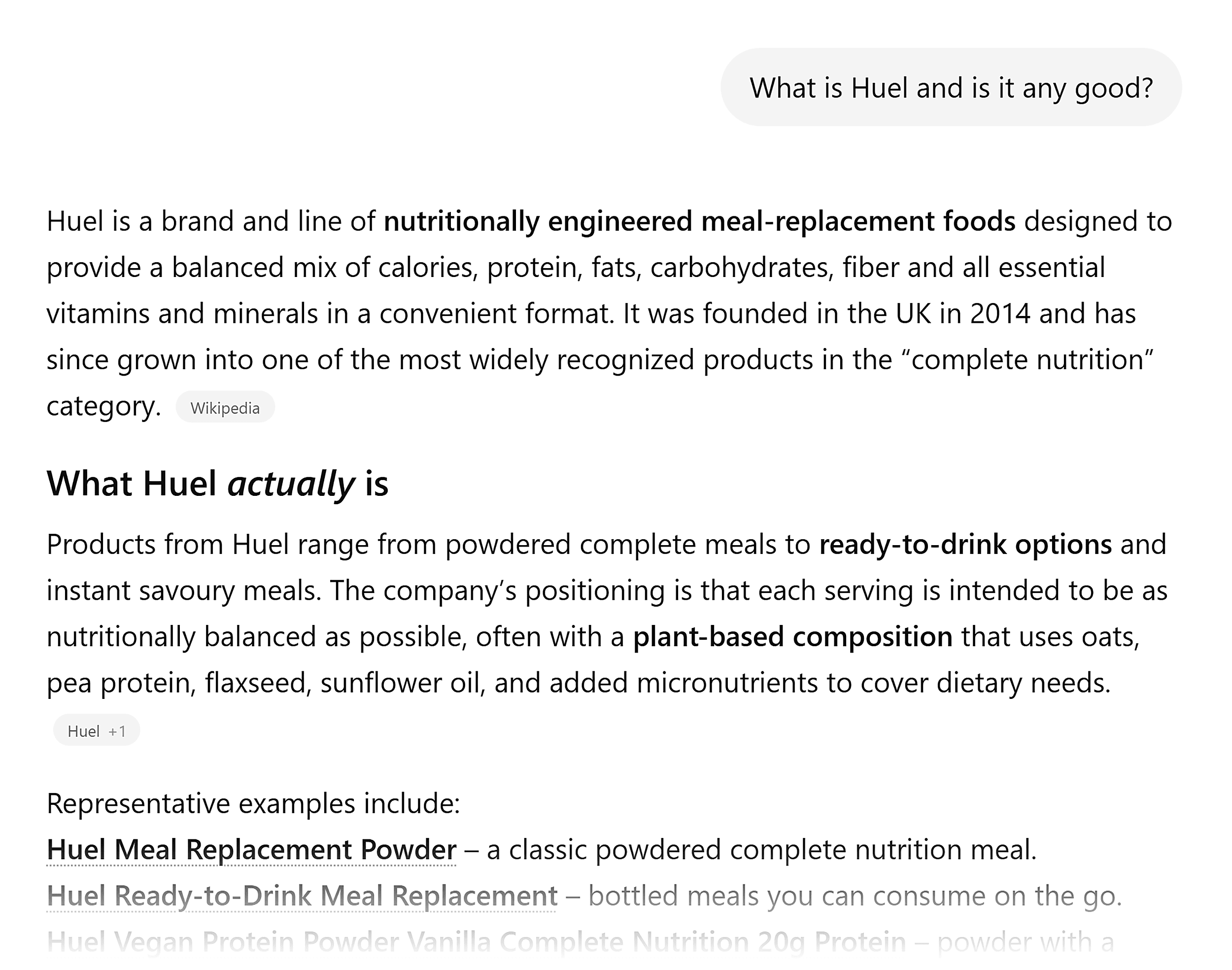
The integration of generative AI into search engines and social platforms has fundamentally altered how consumers form opinions about brands. When a prospective buyer asks an AI agent about a product category, the model synthesizes vast amounts of data from across the web. If a brand is absent from these datasets, or if its online reputation is fragmented, it effectively disappears from the consumer’s consideration set.

Research from industry analysts highlights that the "Zero-Moment of Truth"—the point where a consumer makes a decision based on research—is increasingly occurring within the interface of LLMs (Large Language Models) rather than on the brand’s own site. Consequently, businesses must now "engineer" how the internet describes them. This involves establishing a rigorous, documented brand messaging strategy that ensures the terminology, value propositions, and core claims associated with the company remain consistent across all external channels.

Structural Integrity and Semantic SEO
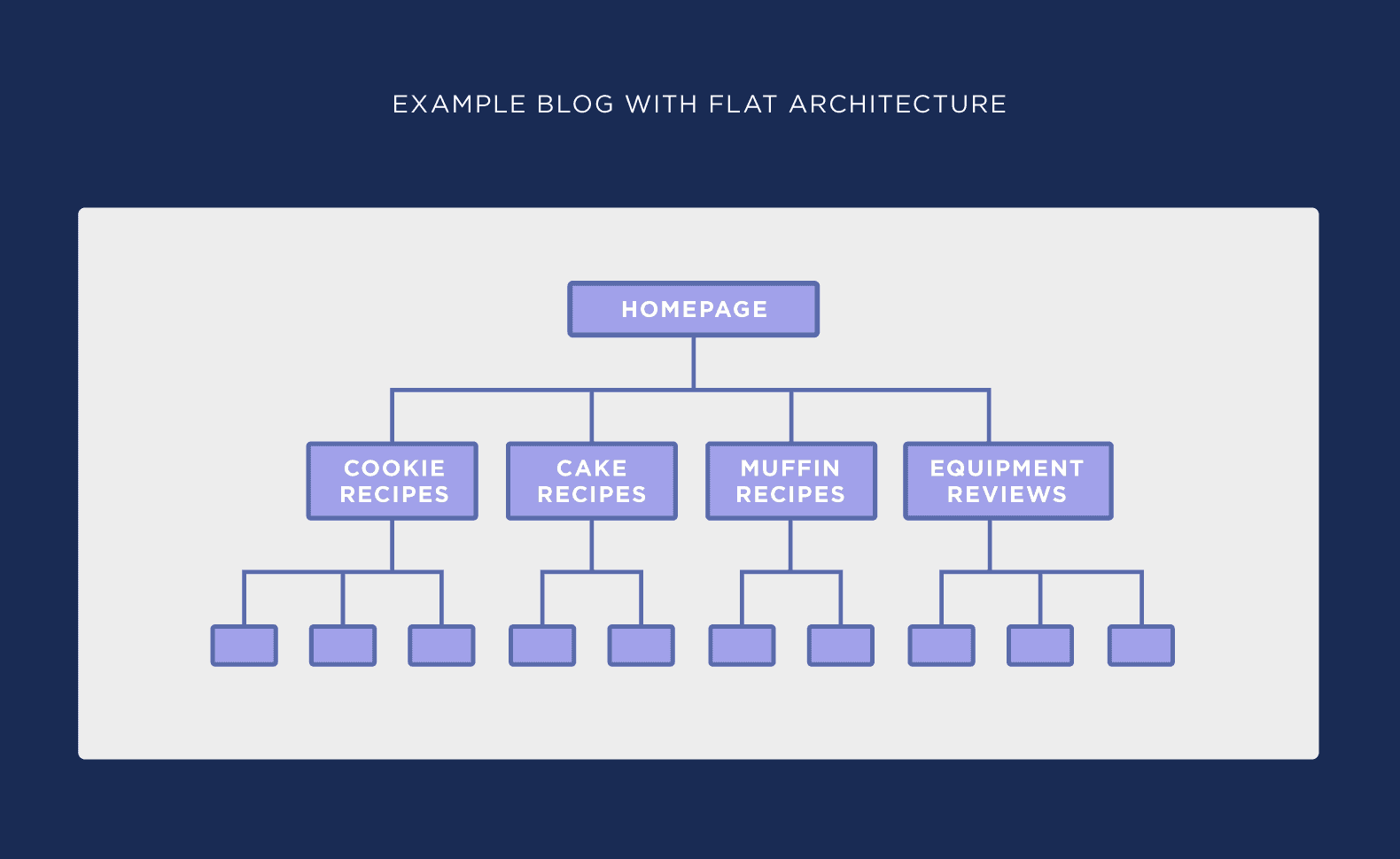
While the customer journey is diversifying, the technical architecture of a website remains the bedrock of performance. In 2026, website architecture must be optimized not only for human navigation but for machine readability. This involves a flat site structure that allows search crawlers and AI bots to parse content hierarchies with precision.
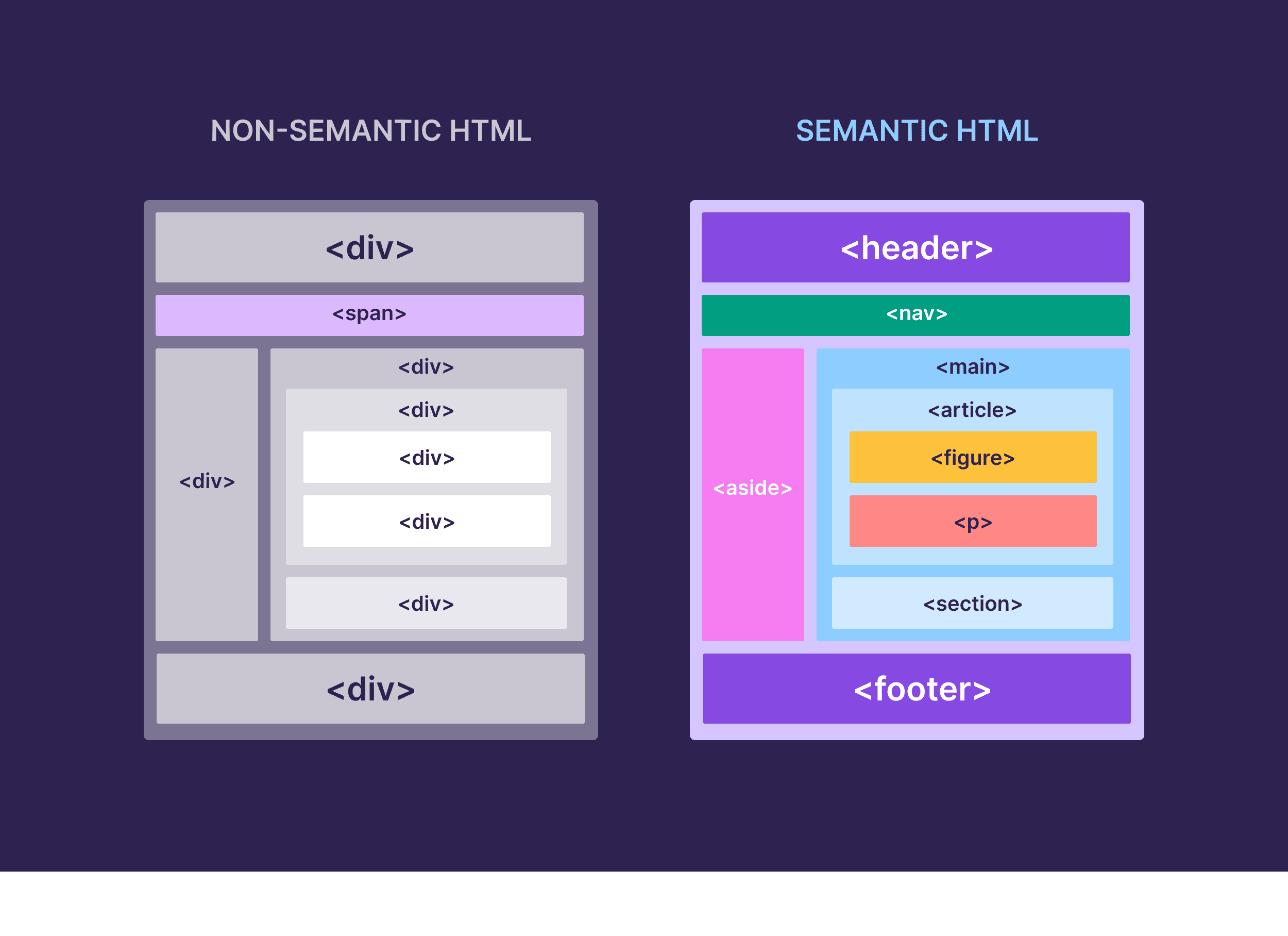
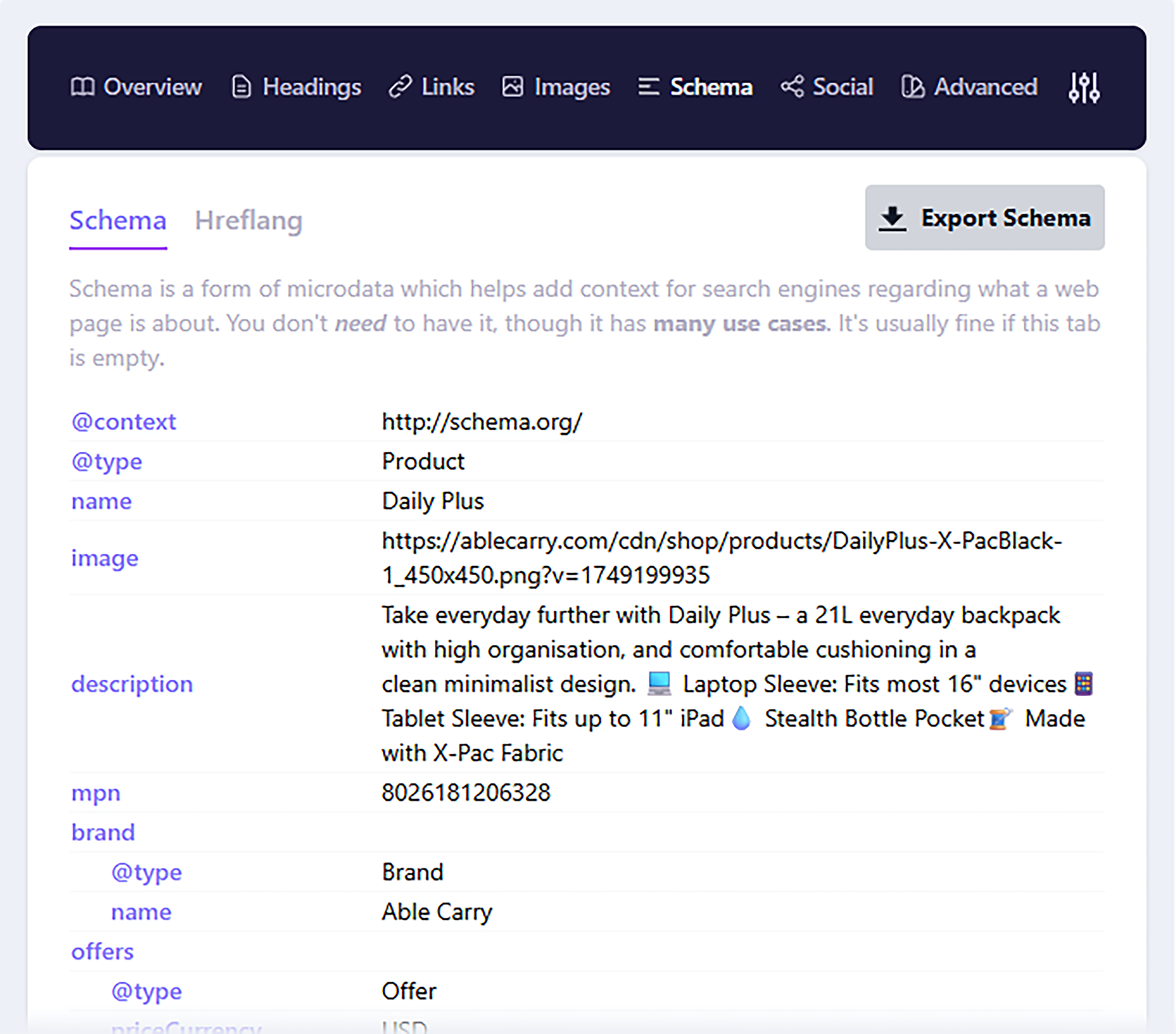
The implementation of semantic HTML is no longer optional. By using proper heading tags (H1-H6), defined section elements, and schema markup, companies provide explicit signals to search engines regarding the nature of their content. This technical discipline ensures that when an AI system queries the web for information about a brand’s products or services, the data returned is accurate, structured, and authoritative.
Establishing Proof Assets
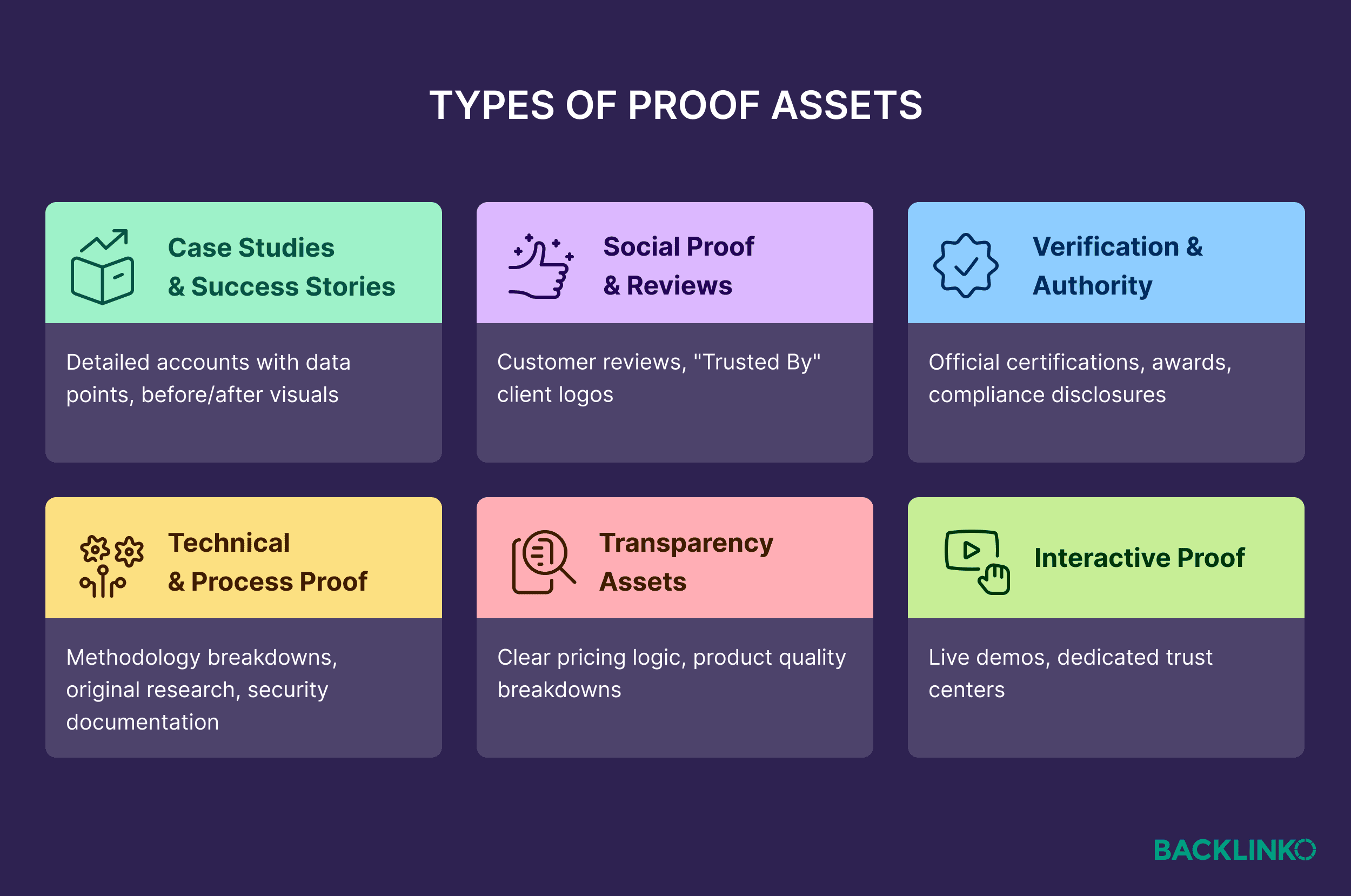
Credibility is the currency of the 2026 digital economy. "Proof assets"—measurable evidence of a company’s claims—are essential for influencing both human perceptions and AI ranking algorithms. These assets include verified case studies, real-time uptime statistics, security documentation, and transparent return policies.
Data shows that brands that proactively publish "People Also Ask" style content, which directly addresses the recurring questions identified through search analytics, gain a significant competitive advantage. By anticipating the common points of friction and anxiety that prevent a purchase, companies can provide the necessary documentation to guide a user from research to conversion.

The Video-First Trust Paradigm
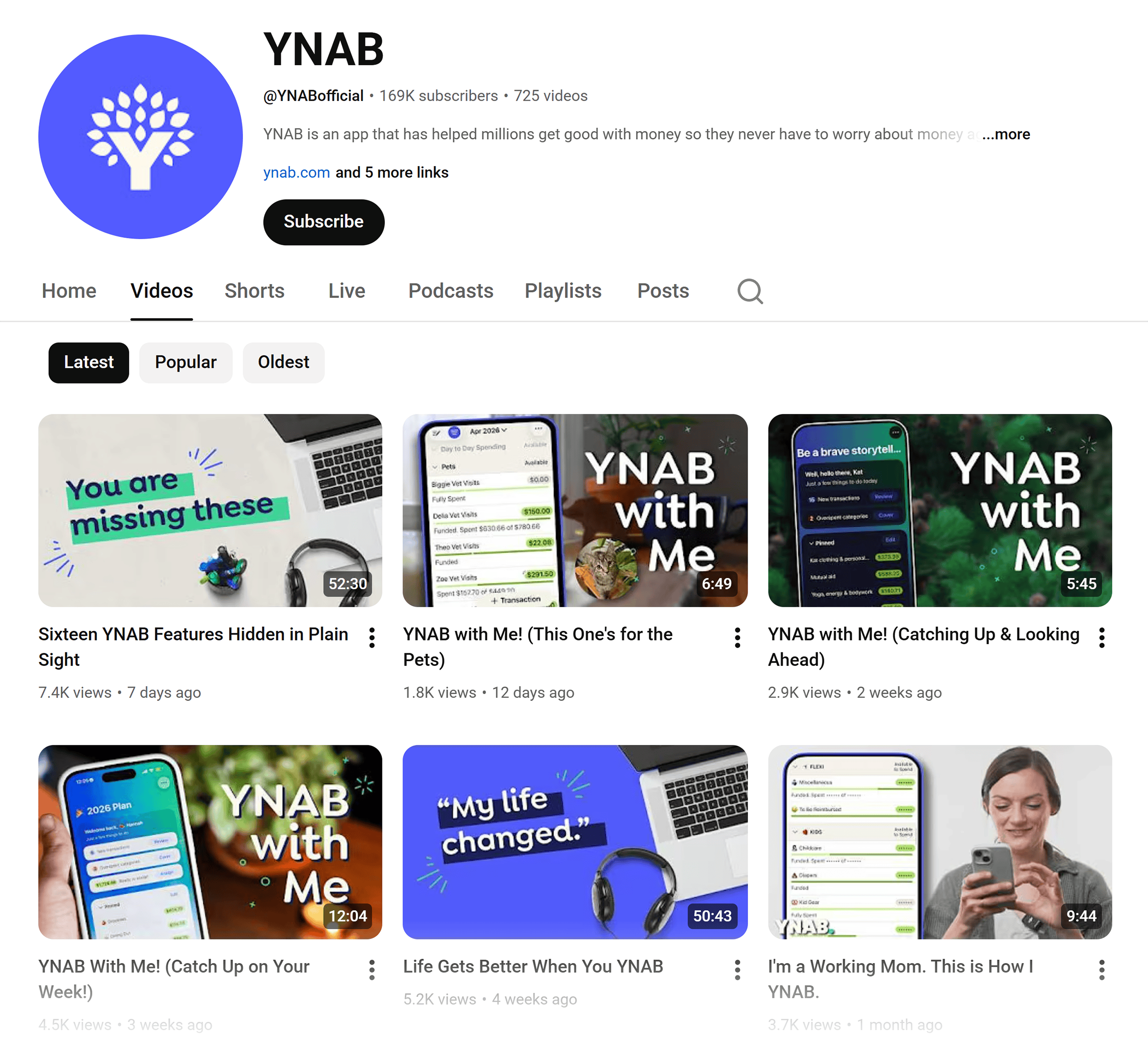
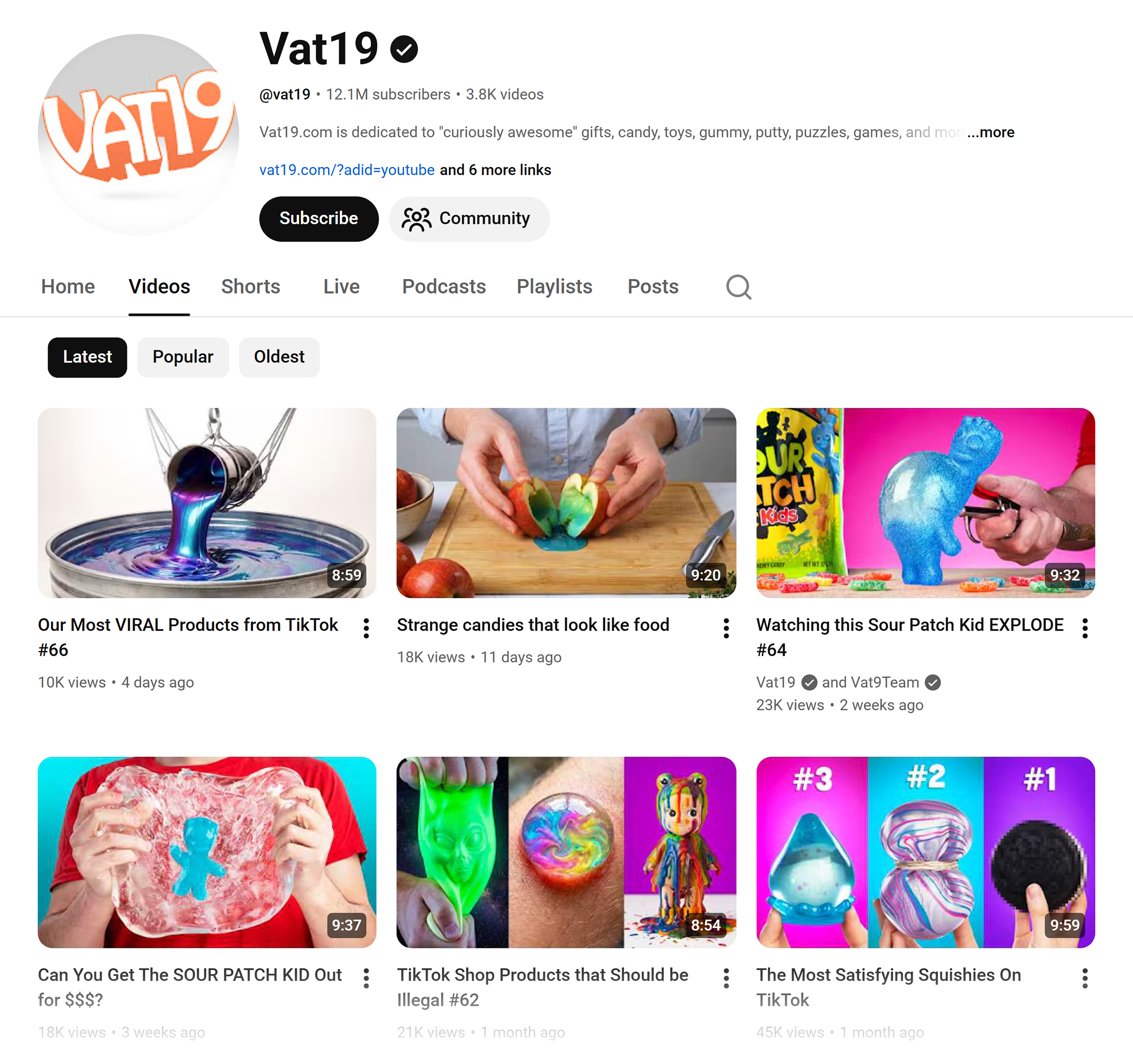
Text-based content continues to lose ground to video as a primary trust-building medium. Long-form video content on platforms like YouTube serves as an educational bridge, allowing potential customers to develop a sense of familiarity and rapport with a brand’s leadership or product experts. By the time a viewer navigates to the brand’s website, the relationship is already established, resulting in higher intent-to-convert metrics.
Short-form video, conversely, acts as a mechanism for reinforcing brand presence through constant, algorithmically-driven exposure. The most successful brands utilize these brief clips to answer singular, high-frequency customer questions derived from support logs and social media sentiment. This strategy transforms the brand from an abstract entity into a helpful, human-centric resource.
The Google Discover Opportunity
Google Discover has emerged as a high-volume traffic source, operating on a personalized content feed that prioritizes relevance and engagement over traditional keyword rankings. Appearing in the Discover feed often translates to sudden, significant traffic spikes.
To capitalize on this, content strategies must include a dedicated "Discover lane"—a stream of articles that connect broader company objectives to current industry trends, controversies, or breaking developments. The packaging of these articles is critical; the interplay between the headline’s ability to generate tension and the high-resolution featured image determines whether the content succeeds in stopping a user’s scroll.

Behavioral Targeting and Conversion
In a "zero-click" environment, where users obtain information without navigating away from search result pages or AI interfaces, the efficiency of the landing page is paramount. Every visitor that reaches the site represents a high-intent user who has already bypassed several layers of the traditional funnel.

This necessitates a focus on "Revenue per Visitor." By employing behavioral targeting, companies can trigger automated email sequences based on specific site actions—such as a user abandoning a cart or lingering on a pricing page. These personalized follow-ups keep the brand top-of-mind and address specific hesitations, utilizing the principle of reciprocity to nudge the user toward a final decision.
The Human Premium
As the digital space becomes saturated with AI-generated content, the presence of a "human face" has become a distinct competitive advantage. Brands that feature visible, accessible leadership—whether founders or subject matter experts—see higher engagement rates.

Thought leadership that expresses a clear, nuanced point of view allows a brand to stand out from the homogenous output of standard models. This human element must be consistent, with the brand’s advocates participating in industry forums, niche communities, and podcast interviews. By contributing to discussions without the overt intention of selling, these individuals earn the trust of the community, which in turn reflects positively on the brand’s reputation.
Repurposing for Resonance
Finally, the ease of content creation enabled by AI requires a disciplined approach to repurposing. The goal is not to maximize output but to amplify ideas that have already been validated by the audience. By identifying which topics generate the most meaningful engagement, brands can double down on those themes, transforming a single successful social media post into a newsletter, a long-form article, and ultimately, a video series.

This iterative process ensures that resources are directed toward content that resonates, while simultaneously providing AI models with a consistent, authoritative trail of information regarding the brand’s areas of expertise. In the 2026 landscape, the brands that thrive are those that successfully bridge the gap between their own domain and the broader digital ecosystem, building a cohesive narrative that persists regardless of where the customer journey begins.