Kylian Mbappé Joins Swiss Sneaker Brand On in Bold Move to Challenge Nike and Adidas in Global Soccer Market

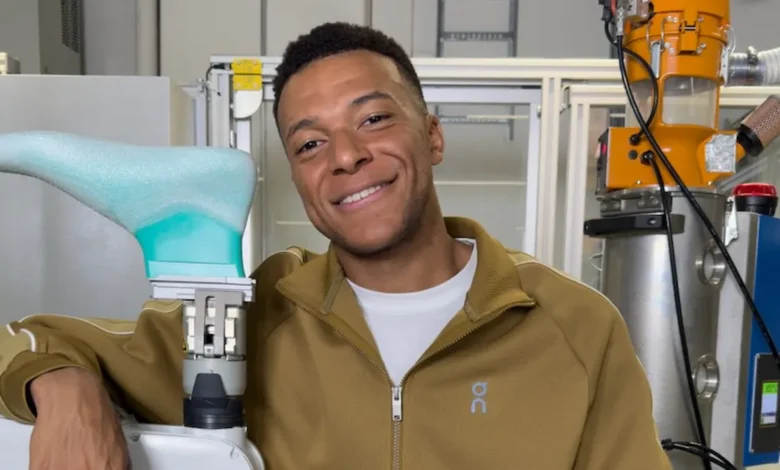
The landscape of global athletic apparel and footwear is bracing for a high-stakes competitive disruption. Swiss athletic footwear and apparel brand On has officially announced a powerhouse partnership with global football superstar Kylian Mbappé. The landmark announcement, made public in September 2026, signals a definitive pivot for the rapidly growing Swiss company as it eyes a major expansion into soccer, a multi-billion-dollar market long held in a tight duopoly by sportswear titans Nike and Adidas.
For Mbappé, the partnership represents a dramatic shift in his career-long commercial alignment. Having signed with Nike as a child prodigy, the French international forward has been one of the American giant’s most prized flagship athletes, headlining numerous global campaigns and sporting signature boots for nearly his entire professional life. By partnering with On—a brand globally recognized for its patented CloudTec running technology and surging lifestyle footprint—Mbappé is placing his immense commercial influence behind an ambitious challenger brand attempting to carve out a permanent home on the world’s football pitches.
The Strategic Anatomy of On’s Market Entry
Entering the football category is widely regarded by industry experts as one of the most difficult challenges in the retail and sporting goods sector. Unlike the running market, which has historically been fragmented and welcoming to innovative newcomers like On, the global soccer ecosystem is fiercely traditional. Consumers in this space—ranging from elite professionals to grassroots amateurs—rely heavily on historical performance credibility, deep-rooted club relationships, and decades of engineering refinement.
Yet, financial analysts and market observers suggest that if any emerging brand has the momentum to attempt the feat, it is On. Backed by explosive global growth, strong financial performance, and a rapidly expanding lifestyle presence, the brand has captured significant market share in running, training, and tennis. The addition of Mbappé immediately provides the brand with instant global credibility and a narrative hook that smaller market entrants have historically lacked.
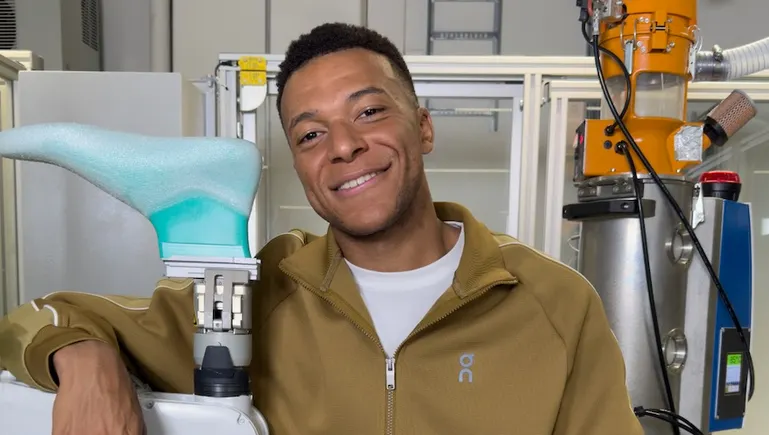
According to BMO Capital Markets analysts Kelly Crago and Owen Tunstill, On’s signing of Mbappé is a calculated and necessary gamble. Other challenger brands, such as Skechers and New Balance, have attempted to make inroads into the soccer and basketball categories through smaller, less splashy endorsement deals. While these brands have secured footholds in niche markets, they have largely struggled to move the needle on a global scale or challenge the entrenched market share of the legacy giants. By securing a generational talent of Mbappé’s stature right out of the gate, On is bypassing the slow-build approach in favor of an aggressive, top-tier market entry.
The Intersection of Performance and Fashion
Industry analysts note that On’s strategic blueprint for football may deviate significantly from traditional equipment manufacturers. Evercore ISI analysts, led by Michael Binetti, have highlighted that cleats and licensed fanwear traditionally operate on relatively thin manufacturing and retail margins. Consequently, On is widely expected to lean heavily into lifestyle designs, casual streetwear collaborations, and fashion-forward off-pitch apparel.
This approach aligns neatly with On’s broader corporate identity. The brand has cultivated a massive following by blending high-performance athletic engineering with sleek, urban aesthetics favored by consumers who wear athletic shoes for daily commuting and leisure, rather than strictly for competitive sport. Mbappé himself operates at the exact intersection of elite sports and global pop culture, making him an ideal partner for a brand looking to bridge the gap between stadium performance and high-fashion streetwear.
However, industry skeptics caution that lifestyle appeal alone will not suffice in a sport where technical precision dictates consumer purchasing habits. Jefferies analysts, led by Randal Konik, pointed out the stark realities of attempting to break into football equipment manufacturing. They compared On’s major gamble to historical precedents, such as Under Armour’s high-profile partnership with NBA star Stephen Curry. While Curry became one of the greatest basketball players of all time, his signature line with Under Armour ultimately failed to displace Nike and Jordan Brand as the dominant forces in basketball footwear.
"Launching a football line is one thing; convincing players to switch equipment in a category where performance credibility drives purchase decisions is another," Jefferies analysts noted in a published commentary. "The challenge is that football consumers buy boots from brands with decades of performance credibility, athlete ecosystems, club relationships, and product legitimacy. If consumers do not view On as a performance football brand, premium-priced football footwear will struggle to gain traction."

Voices from the Partnership
Both Mbappé and executive leadership at On have emphasized that the partnership is built on a long-term vision of collaborative product innovation rather than a simple marketing endorsement.
"From the beginning, what drew me to On was the opportunity to build something entirely new together that will help shape tomorrow’s game," Kylian Mbappé said in an official statement following the announcement. "I want to bring my experience and perspective into what we create, push what’s possible through innovation, and always stay true to the joy of football. We have a shared dream, and this is only the beginning."
Executives at On echoed this sentiment, noting that Mbappé’s deep understanding of the sport’s nuances at the highest competitive levels will be instrumental as the company designs proprietary performance footwear and apparel lines tailored specifically for soccer players.
Broader Implications for the Athletic Footwear Industry
The entry of On into the soccer market marks a pivotal moment in the ongoing evolution of the athletic apparel industry. Over the past decade, established giants like Nike and Adidas have faced mounting pressure from nimble, premium-priced disruptors that have successfully captured consumer loyalty through innovative product design, sustainable materials, and savvy direct-to-consumer marketing strategies.

Nike, in particular, has faced recent quarters of strategic realignment as it works to defend its turf across core sports categories against agile competitors like On and Hoka. Losing a cornerstone athlete of Mbappé’s generation—even years after his initial childhood signing—underscores how competitive the market for elite sports marketing has become.
Furthermore, On’s willingness to deploy significant capital to secure top-tier talent indicates that the company is transitioning from a high-growth running specialist into a diversified, multi-category athletic powerhouse. Whether this strategy will successfully rewrite the balance of power in global soccer remains one of the most closely watched storylines in the retail and sports business sectors.
As On prepares to roll out its initial football-focused collections, all eyes will be on the pitch. The ultimate test will not merely be whether Mbappé can draw eyeballs to marketing campaigns, but whether professional players and everyday consumers alike are willing to trust a Swiss running brand when they lace up their boots for game day.