Mastering the Spooky Season: A Strategic Guide to Halloween Social Media Marketing and Hashtag Optimization


The air is turning crisp, retail aisles are transitioning into palettes of orange and black, and the digital landscape is bracing for the annual surge of seasonal engagement. Halloween has transcended its origins as a singular evening of trick-or-treating to become a cornerstone of the North American retail calendar. With approximately 73% of the United States population participating in holiday-related activities—ranging from home decoration and costume parties to themed culinary endeavors—the window of opportunity for brand visibility has expanded significantly. For marketing professionals, the challenge lies not merely in participating in the "spooky season," but in leveraging social media algorithms to ensure content reach remains robust in an increasingly saturated digital environment.
The Evolution of Halloween as a Commercial Engine
The commercialization of Halloween has undergone a profound shift over the last decade. Historically, marketing efforts were concentrated in the final two weeks of October. However, current consumer behavior data indicates a marked acceleration in seasonal interest. According to the Sprout Social Q4 2025 Pulse Survey, 44% of social media users report a higher propensity to purchase from brands that launch their autumn and winter marketing campaigns well ahead of the traditional holiday window. This phenomenon, often referred to as "Code Orange," has pushed the commencement of Halloween-themed content into late August and early September.
This shift is rooted in the "aesthetic economy," where consumers treat seasonal transitions as opportunities for content creation. Whether it is the rise of the "pumpkin spice" cultural phenomenon or the viral nature of "spooky season" home decor transformations, brands that align themselves with these cultural markers early in the season are significantly more likely to capture high-intent audiences.
Hashtags as Algorithmic Signals
In the current digital ecosystem, the utility of hashtags has shifted from a method of manual discoverability to a sophisticated content-signaling mechanism. Social media algorithms, particularly those governing Instagram, TikTok, and Facebook, utilize hashtags to categorize content and distribute it to specific user segments. Relying on broad, high-volume tags such as #Halloween—which can host millions of posts—is often insufficient for brands seeking genuine engagement.
Effective strategy now requires a tiered approach: a mix of broad, high-traffic hashtags combined with niche, community-specific tags. For instance, a brand focusing on horror entertainment may benefit from broad tags like #HorrorMovies, but will see higher conversion rates by integrating granular tags such as #HorrorManga, #HorrorFiction, or platform-specific community tags. This methodology ensures that content is served to an audience already primed for specific thematic interests rather than a general, disinterested population.
Categorized Hashtag Strategies for Brand Deployment
To maintain a professional and effective presence, marketing departments should categorize their hashtag arsenals based on the specific content pillar being addressed.
Costume and Beauty Integration
The beauty and apparel sectors see some of the highest engagement rates during October. Brands like MCoBeauty have successfully utilized influencer partnerships to demonstrate product utility in seasonal transformations. By employing specific tags such as #SkullMakeup or #SpiderMakeup, brands position themselves as resources for DIY enthusiasts, thereby increasing the likelihood of being saved or shared as "inspiration" content.
Culinary and Lifestyle Content
The "cozy aesthetic" remains a dominant driver of engagement. Food and beverage brands that leverage the intersection of autumnal weather and seasonal baking find success by utilizing tags that emphasize the experience, such as #AutumnBaking or #CozyDrinks. When coupled with brand-specific tags, these broader community tags create a bridge between the consumer’s lifestyle interests and the brand’s product offerings.
Home Decor and DIY
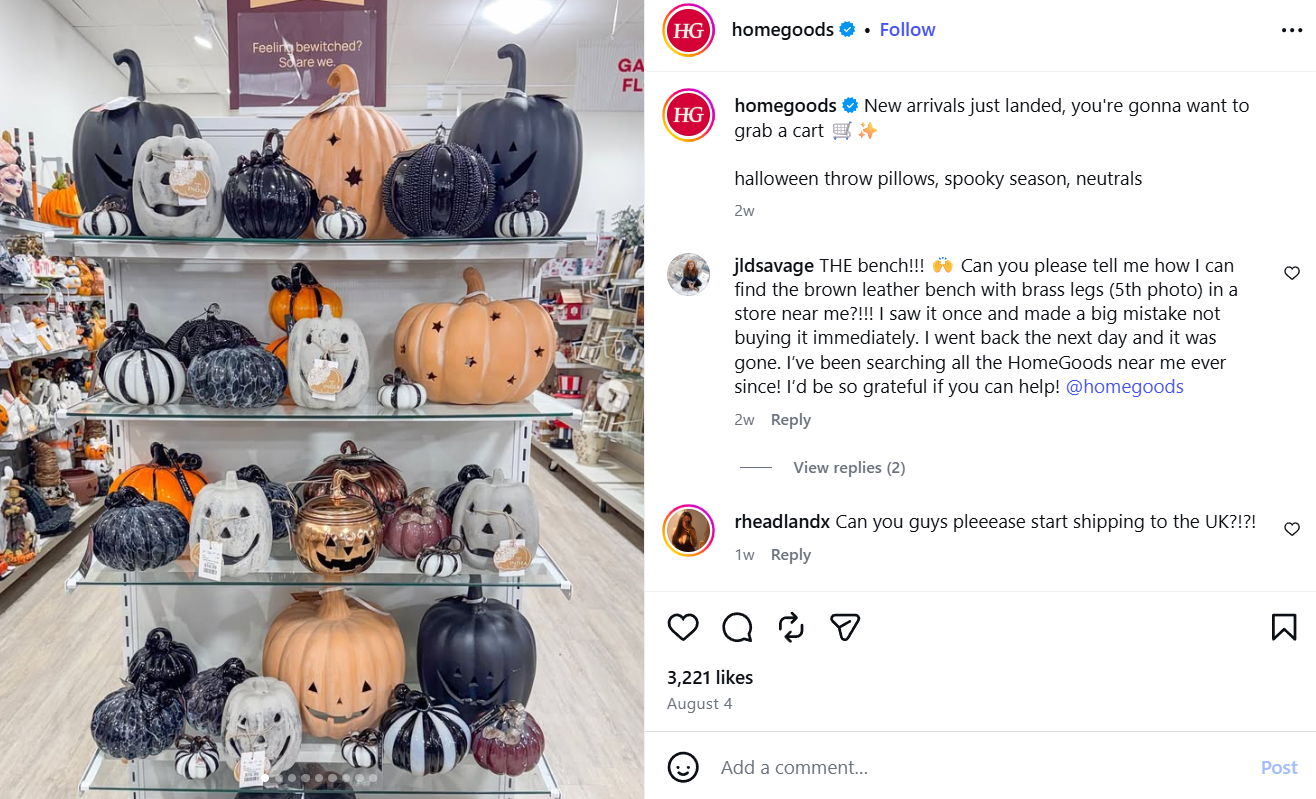
Retailers focusing on home improvement and decor should lean into the "aspirational" nature of social media. Data suggests that users are actively searching for design inspiration, making hashtags like #SpookyDecor or #HalloweenTablescape essential. Brands that provide direct links to products within their social bios, as demonstrated by companies like Rockett St George, successfully turn social engagement into measurable retail traffic.
Platform-Specific Best Practices
Understanding the nuance of each platform is critical to avoiding "spam" classifications by algorithmic filters.
- Instagram and Facebook: Meta’s current recommendations emphasize a refined approach. On Instagram, placing 3-5 high-relevance hashtags in the caption remains the standard for optimal reach. On Facebook, hashtags should be integrated naturally into the post copy, with a limit of 2-5 tags to avoid a cluttered or aggressive aesthetic.
- TikTok: Unlike Meta platforms, TikTok functions as a high-intent search engine. The algorithm "listens" to the audio in videos and analyzes visual cues. Consequently, hashtags on TikTok should act as keywords that reinforce the subject matter of the video. The emergence of the "-maxxing" trend—such as #Fallmaxxing—suggests that brands should be prepared to pivot their vocabulary to match the vernacular of the platform’s most active user segments.
- X (Formerly Twitter): X maintains a different philosophy. Because the platform prioritizes real-time, text-based conversation, over-tagging is often viewed negatively by users and can lead to reduced visibility. A lean strategy of 1-2 highly purposeful, trending hashtags is recommended.
Emerging Trends and the "Maxxing" Phenomenon
As of the latter half of 2026, social listening data has highlighted the proliferation of the suffix "-maxxing" to describe the act of fully leaning into a seasonal or lifestyle aesthetic. While currently popular in fashion and lifestyle subcultures, this trend presents a unique opportunity for brands to pioneer new terminology. By launching campaigns around concepts like #Halloweenmaxxing, brands can signal their cultural awareness and establish themselves as trendsetters within their respective markets.
The Risks of Misalignment and Over-Saturation
Despite the benefits, a poorly executed hashtag strategy can inadvertently damage a brand’s reach. Common pitfalls include:
- Tag Stuffing: Including a massive block of irrelevant hashtags can cause algorithms to classify the content as spam, severely limiting its distribution.
- Neglecting Local Context: Small and medium-sized enterprises (SMEs) often fail by focusing exclusively on national or global tags. For local restaurants or retailers, utilizing location-based tags (e.g., #CityNameEats) is far more effective for driving physical foot traffic than competing in the saturated #Halloween space.
- Ignoring Platform Culture: Copy-pasting the same hashtag strategy across all platforms ignores the distinct user behaviors of each network. A strategy that works for the visual-heavy Pinterest will likely fail on the real-time, text-centric X.
Broader Business Implications
The transition from a "holiday-specific" marketing mindset to an "aesthetic-season" approach has significant implications for business planning. As brands begin their seasonal messaging earlier each year, the "Code Orange" period has effectively become a fourth-quarter revenue driver. Companies that utilize social listening tools to monitor real-time shifts in audience sentiment are better positioned to pivot their creative assets in response to viral trends.
Furthermore, the data underscores a shift in consumer expectations: 93% of consumers view it as vital for brands to remain relevant to online culture. This means that participation in Halloween is no longer optional for consumer-facing brands; it is a baseline requirement for maintaining brand health and resonance.
Ultimately, the most successful campaigns this season will be those that strike a balance between creative, thematic engagement and technical, data-driven execution. By curating a library of relevant, platform-optimized hashtags and aligning content with the evolving cultural lexicon of the season, brands can ensure their Halloween initiatives are not just fleeting posts, but integral components of a cohesive, high-performing annual marketing strategy. The "witching hour" for digital marketing starts long before October 31st, and the brands that treat their hashtag strategy with the same care as their product design are those that will reap the most significant rewards.
Related posts: