Social CRM: Transforming Digital Conversations into Actionable Customer Intelligence


Social customer relationship management (Social CRM) has evolved from a peripheral marketing tactic into a mission-critical infrastructure for modern enterprises. As consumer behavior shifts decisively toward social platforms for support, discovery, and brand interaction, the ability to synthesize unstructured social data into structured CRM intelligence has become the primary differentiator for companies competing in a crowded digital marketplace.

The Evolution of Customer Engagement
In the traditional CRM model, companies relied on "structured" data: email addresses, purchase histories, support ticket IDs, and phone logs. This data is inherently historical, capturing what a customer has already done. Social CRM, by contrast, operates in real-time. It captures "unstructured" data—comments, direct messages, brand mentions, and sentiment signals—providing a window into a customer’s current state of mind and immediate intent.
This transition is necessitated by the widening gap between corporate intent and consumer reality. According to recent data from the Forrester Global Customer Experience Index, the disparity between the experiences brands intend to deliver and those actually received by customers is at an all-time high. Social media is frequently the venue where this friction is exposed, forcing brands to move from reactive, siloed communication to proactive, relationship-focused engagement.

The Structural Shift: From Silos to Unified Systems
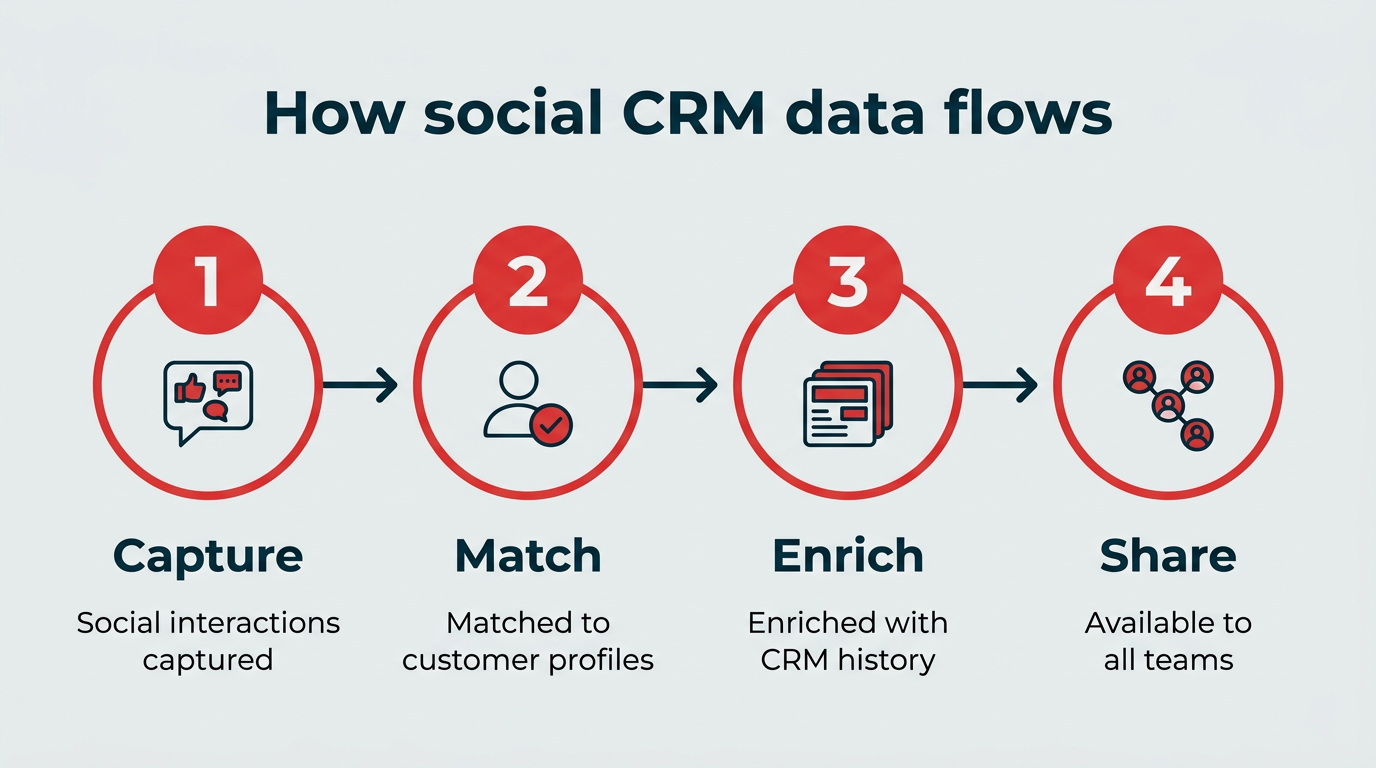
The implementation of Social CRM requires a fundamental shift in internal workflows. Historically, marketing, sales, and customer service teams operated in silos, each with their own set of tools and data points. Social CRM serves as the bridge between these departments.
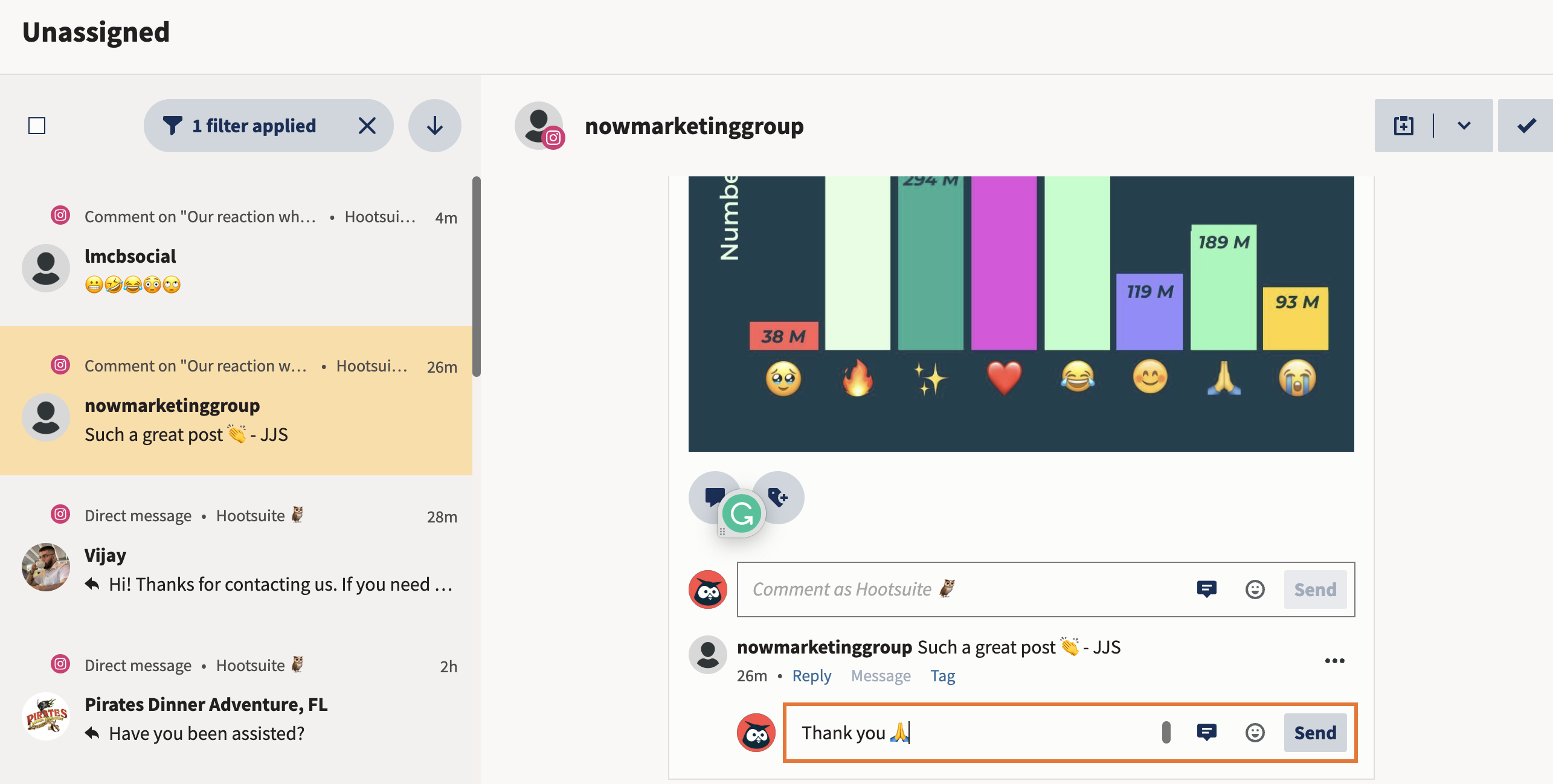
When a customer initiates a query on a platform like Instagram or LinkedIn, a Social CRM architecture automatically routes that interaction to the relevant department. If the query is a technical support issue, it is funneled to the support team with the customer’s full history—including previous interactions and purchase data—already attached. If the query indicates a high-intent sales lead, the sales team receives a notification, allowing them to engage with context rather than cold-calling.
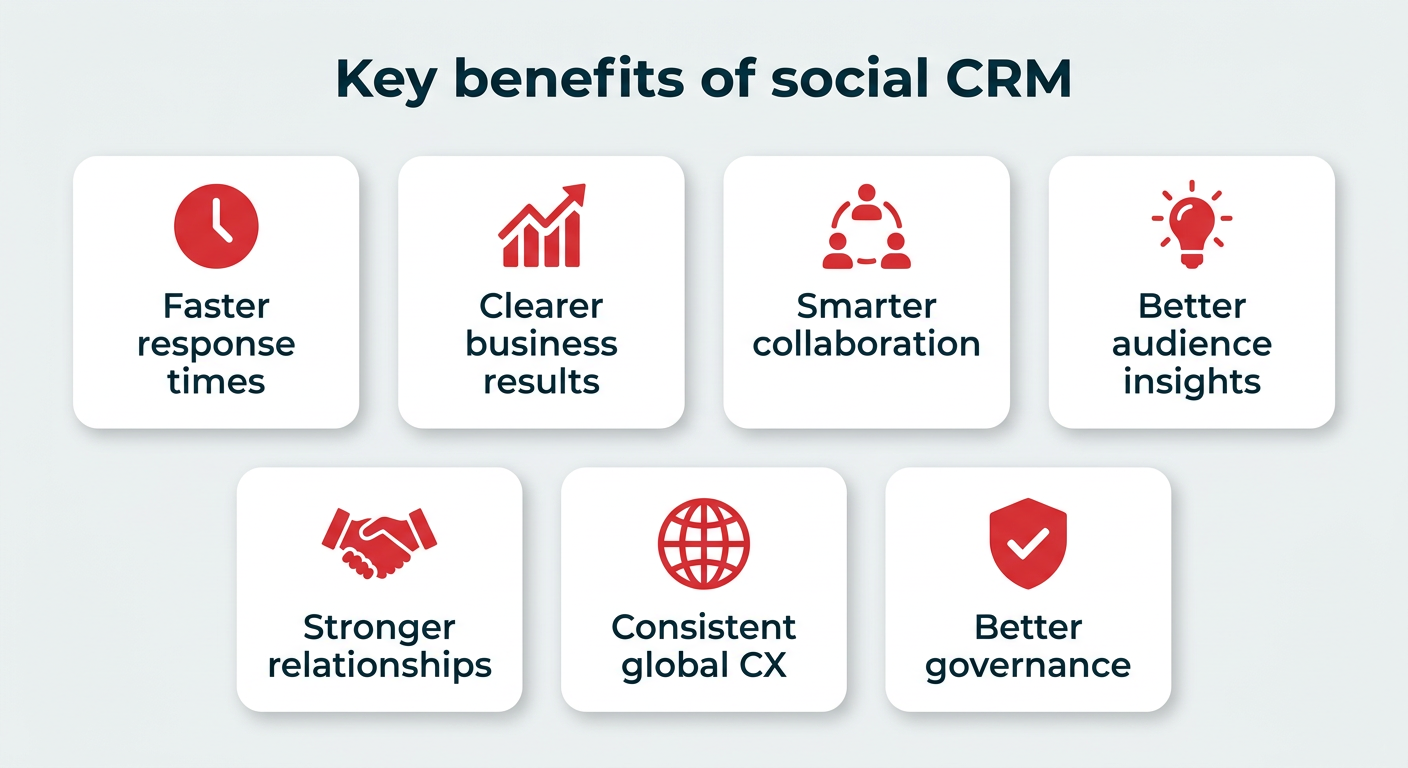
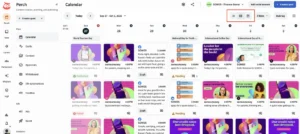
This level of integration is supported by a growing ecosystem of tools. While some organizations opt for native CRM features, many high-growth companies utilize specialized Social Operating Systems—such as those offered by Hootsuite—which act as a middleware layer. These systems handle the complexities of social listening, publishing, and engagement, while simultaneously syncing intelligence to enterprise databases like Salesforce, Microsoft Dynamics 365, or HubSpot.
The Role of Artificial Intelligence in Triage
The sheer volume of social interaction makes manual management impossible for modern brands. Large corporations may receive thousands of mentions daily, a volume that previously required massive headcount to monitor. Artificial Intelligence (AI) has become the essential engine for managing this scale.
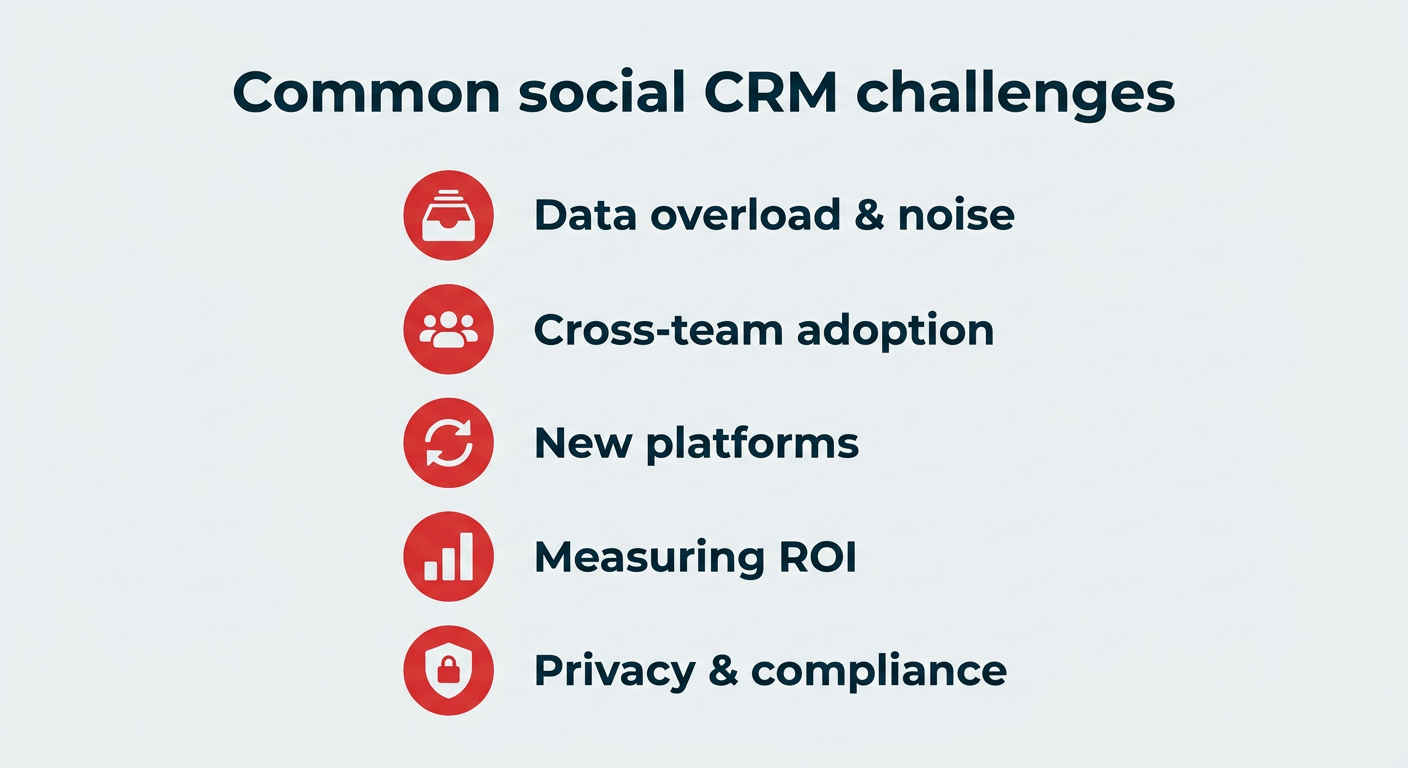
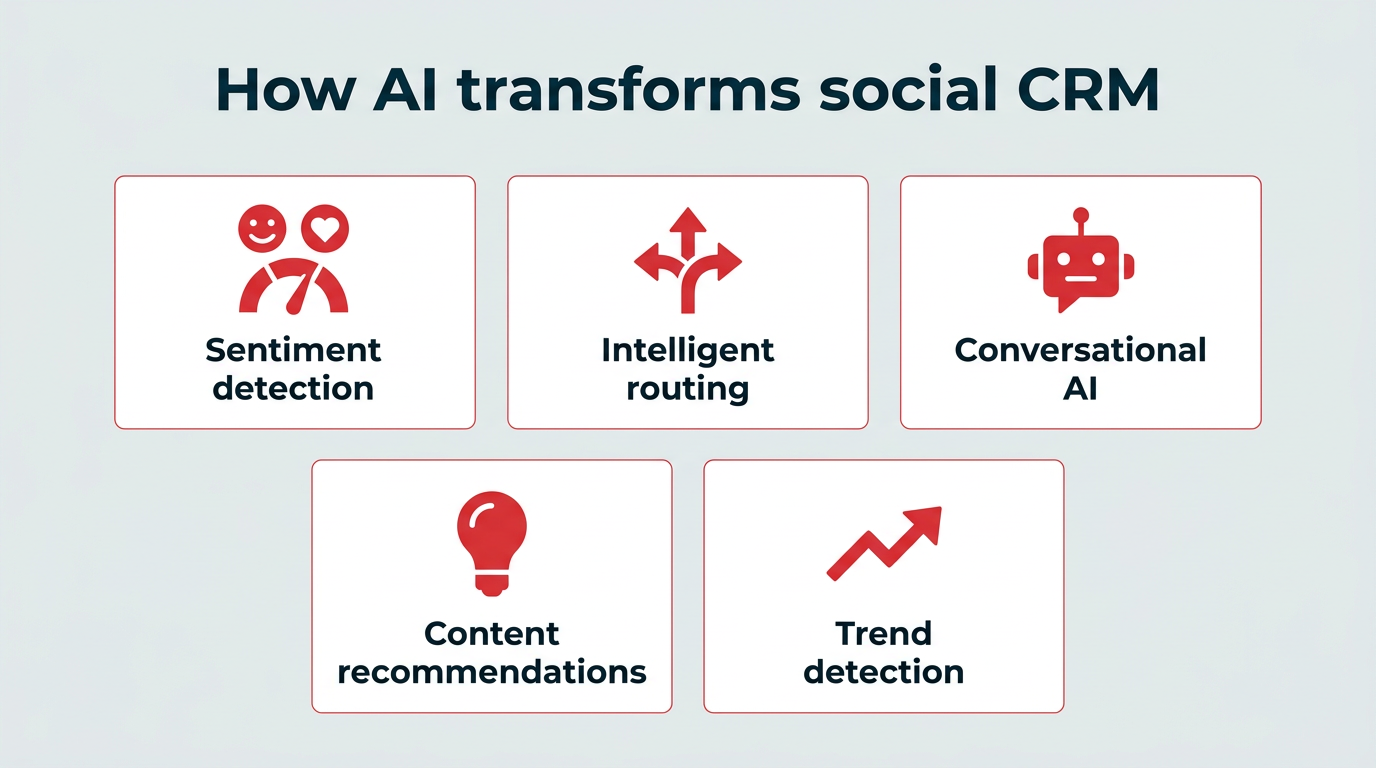
AI-driven Social CRM systems now perform the heavy lifting of:
- Sentiment Analysis: Automatically categorizing messages by emotional tone, allowing teams to prioritize urgent negative feedback.
- Intent Recognition: Identifying "buying signals" in conversations, which can be tagged for sales follow-up.
- Automated Routing: Using Natural Language Processing (NLP) to determine which department should address a specific query.
- Language Translation: Monitoring global sentiment across markets, ensuring that a localized issue in one region can be addressed before it scales into a global reputational crisis.
This technological evolution is not intended to replace human agents, but to augment their capabilities. By offloading the sorting and categorization to AI, human agents can focus on complex, high-value resolutions that require empathy and nuanced judgment.
Measuring the Impact: Metrics and ROI
The business case for Social CRM is increasingly defined by its impact on the bottom line. Organizations that successfully integrate social data into their CRM report significant improvements in key performance indicators (KPIs), including reduced response times, higher lead conversion rates, and increased customer lifetime value (CLV).
Key metrics for evaluating Social CRM performance include:
- Response Time: Measuring the delta between the initial inquiry and the first interaction. With 37% of consumers expecting a same-day response, this is a critical satisfaction metric.
- Resolution Rate: Tracking how many social-originated issues are resolved without needing to escalate to email or phone support.
- Revenue Attribution: Tagging leads originating from social media and tracing them through the sales funnel. This allows marketers to prove the ROI of social ad spend and organic engagement with objective financial data.
- Sentiment Score: Tracking the aggregate emotional trend of brand mentions over time.
Strategic Implementation: A Five-Step Framework
For organizations looking to integrate social data into their CRM, the process follows a standardized, five-phase lifecycle:
1. Audit and Mapping:
Before investing in new technology, teams must map the current data landscape. Identify which social channels are most active and determine what CRM data is currently missing from these interactions.

2. Goal Definition:
Are you seeking to reduce support costs, generate more leads, or improve overall sentiment? Defining these goals at the outset ensures that the tool selection and integration strategy are aligned with specific business objectives.
3. Tool Selection and Integration:
Select a platform that offers robust API capabilities. The ideal tool should integrate seamlessly with existing CRM systems, ensuring that agents do not need to switch tabs or manually migrate data between platforms.
4. Cross-Functional Alignment:
Technology is only as effective as the people using it. Establish clear rules of engagement: define which team owns which type of conversation and create internal protocols for escalation.
5. Continuous Iteration:
The digital landscape is not static. Successful teams treat their Social CRM strategy as a living document, regularly reviewing metrics and updating AI models to reflect changing consumer trends.

The Future of the Customer Relationship
The trajectory of Social CRM points toward a future where the distinction between "social" and "customer service" disappears entirely. As platforms continue to integrate more sophisticated commerce features, the social channel will become the primary touchpoint for the entire customer lifecycle—from awareness and research to purchase and post-sale support.
The risks of ignoring this shift are clear. Data suggests that roughly 32% of consumers will unfollow a brand that fails to engage with its community. In a digital economy where attention is the most valuable currency, the ability to listen effectively and respond with data-backed empathy is no longer just a "best practice"—it is a survival mechanism for the modern brand.

By breaking down the barriers between public social conversations and private customer records, businesses are finally gaining the ability to treat the digital crowd as a collection of individual relationships. Those who master this integration will be the ones who define the future of customer experience in the coming decade.