A meticulously crafted call to action (CTA) stands as a cornerstone of any successful digital marketing campaign, serving as the critical bridge between audience engagement and desired business outcomes. In an increasingly saturated digital landscape where user attention is a fiercely contested commodity, the precise phrasing and strategic placement of a CTA can significantly determine whether an audience progresses from passive consumption to active participation – be it clicking an advertisement, downloading an informational asset, or completing a purchase. Conversely, a poorly conceived or unpersuasive CTA risks being overlooked entirely, leading to missed opportunities and diminished return on investment. This article delves into the fundamental principles, strategic applications, and measurable impact of calls to action across various digital platforms, offering insights into how businesses can harness their power to inspire action and foster growth.
The Evolution and Indispensability of Calls to Action
The concept of prompting a desired action is not new; it predates digital marketing. However, with the advent of the internet and the proliferation of online content and commerce, the call to action evolved from a simple imperative into a sophisticated psychological and linguistic tool. In the early days of web design, CTAs might have been rudimentary "Click Here" links. As digital marketing matured, driven by the need to measure campaign effectiveness and optimize conversion funnels, the strategic importance of CTAs became undeniable. They address a fundamental human need for direction, especially when faced with an abundance of choices – a phenomenon known as "decision fatigue." By providing a clear, concise next step, CTAs alleviate this cognitive burden and guide users towards a predetermined objective. Their ubiquity across social media, email campaigns, landing pages, and corporate websites underscores their critical role in transforming interest into measurable action.

Defining the Call to Action: More Than Just Words

At its core, a call to action is a prompt designed to encourage a target audience to perform a specific, desired action within a marketing context. This action can range from a micro-conversion, like leaving a comment or sharing a post, to a macro-conversion, such as making a purchase or signing up for a service. While often presented as short, punchy phrases like "Buy Now" or "Download Your Free Ebook," CTAs can also be longer, more descriptive sentences, such as "Subscribe today so you’ll never miss our latest insights." The format can vary widely, from hyperlinked text to prominent graphical buttons, but the underlying purpose remains consistent: to provide clear direction and motivate engagement.

The Pillars of an Effective CTA: Beyond the LIFT Model

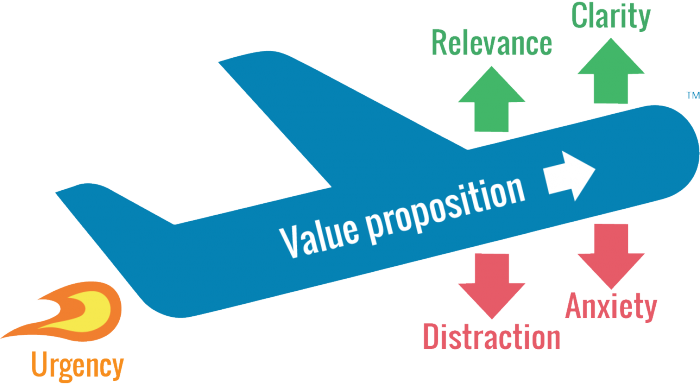
Crafting a successful CTA transcends mere word choice; it involves a deep understanding of audience psychology, value proposition, and contextual relevance. While traditional frameworks like the LIFT Model (Clarity, Relevance, Urgency, Value Proposition, Anxiety, Distraction) provide an excellent foundation, a truly effective CTA also incorporates emotional resonance and strategic placement.

- Clarity: A CTA must be unambiguous, immediately conveying what action is expected and what benefit the user will gain. Vague phrases like "Explore" are often less effective than "Explore Our New Collection."
- Relevance: The CTA should align perfectly with the preceding content and the user’s current stage in the customer journey. An ad promising a free guide should lead to a "Download Guide" CTA, not "Shop Now."
- Urgency and Scarcity: Introducing a sense of urgency ("Limited Time Offer," "Act Now," "Ends Soon") or scarcity ("Only 3 Left," "Exclusive Access") can significantly boost conversion rates by leveraging the psychological principle of fear of missing out (FOMO). Studies indicate that urgent CTAs can increase conversions by up to 2.8% on average.
- Value Proposition: The CTA should clearly articulate the benefit to the user. Instead of "Sign Up," a more persuasive option might be "Get Your Personalized Marketing Plan" or "Unlock Exclusive Content."
- Reduced Anxiety: A good CTA minimizes perceived risk. Phrases like "Start Your Free Trial – No Credit Card Required" reassure users and lower barriers to entry.
- Minimal Distraction: On pages or ads with a primary CTA, extraneous links or alternative actions should be minimized to maintain focus and prevent user abandonment.
Beyond these, evoking emotion through sensory words ("Snuggle up to Headspace") or highlighting personalization ("Get a free mud mask") can forge a stronger connection with the audience, making the action feel more appealing and less transactional. The most effective CTAs often arise from creative thinking, moving beyond standard phrases to reflect a brand’s unique voice and offer, though such innovation should always be rigorously A/B tested to confirm its efficacy.

Strategic Applications Across Digital Channels

The versatility of CTAs allows them to be tailored for maximum impact across diverse digital marketing channels, each with its own unique audience behavior and technical constraints.

- Social Media Advertising: In a fast-paced environment characterized by rapid scrolling and ad fatigue (with an estimated 22.3% of internet users employing ad blockers due to "too many ads"), social media CTAs must be immediate and compelling. Platforms like Facebook and Instagram offer native CTA buttons (e.g., "Shop Now," "Learn More," "Sign Up"), which significantly enhance visibility and clickability. For instance, a retargeting campaign might use "Claim Your Lifetime Deal" to re-engage interested users, while a broader awareness campaign might opt for "Learn More." The use of emojis, exclamation marks, and clear offers, as seen in a Shaw Academy ad with multiple urgent CTAs, can create a powerful sense of immediacy, driving users to "Enroll Now" or "Get Started for Free." Brands like Headspace craft custom, emotionally resonant CTAs such as "Snuggle up to Headspace" to align with their brand identity and foster a deeper connection. The brevity and visual nature of platforms like Instagram necessitate CTAs that are concise yet impactful, often relying on the surrounding ad copy and imagery to do most of the selling before the final "Shop Now" or "Register Now" prompt.
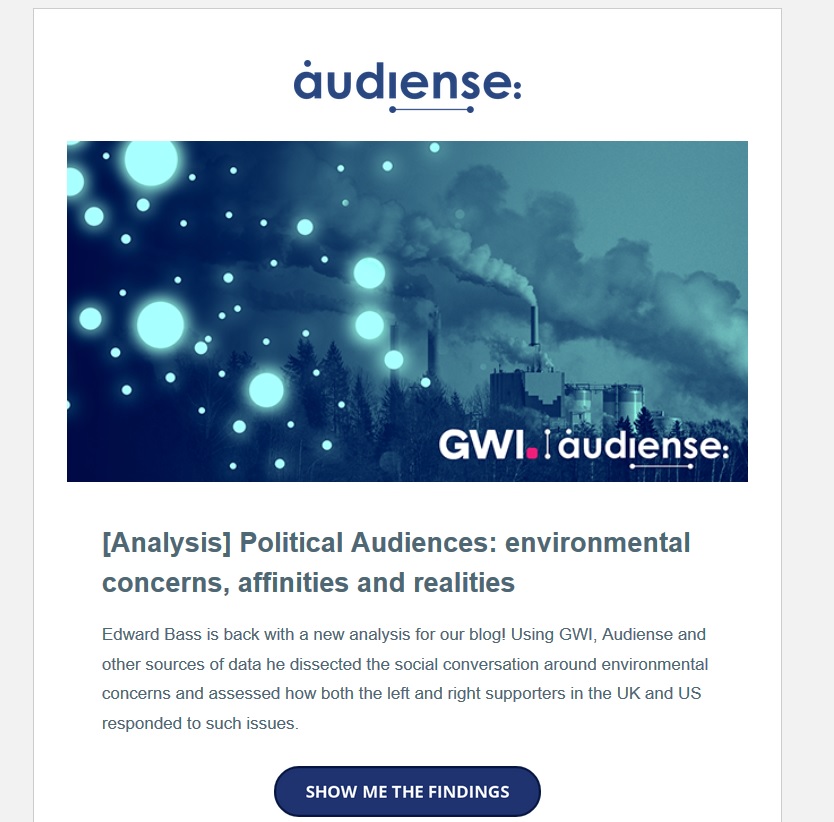
- Email Marketing: With email conversion rates capable of reaching as high as 15%, CTAs in email campaigns play a crucial role in nurturing leads and driving repeat business. Long emails, like those from Black Illustrations, often benefit from multiple CTAs – a primary button and several hyperlinked text CTAs throughout the body – to provide various entry points for engagement. This strategy caters to different reading habits and ensures that the call to action remains accessible regardless of how much of the email the recipient reads. Personalized and benefit-driven CTAs, such as Audiense’s "Show me the findings" or "Take me to the report," empower the user and clearly articulate the value of clicking. The design of email CTAs, including color contrast and clear messaging, is paramount to guiding the reader efficiently.
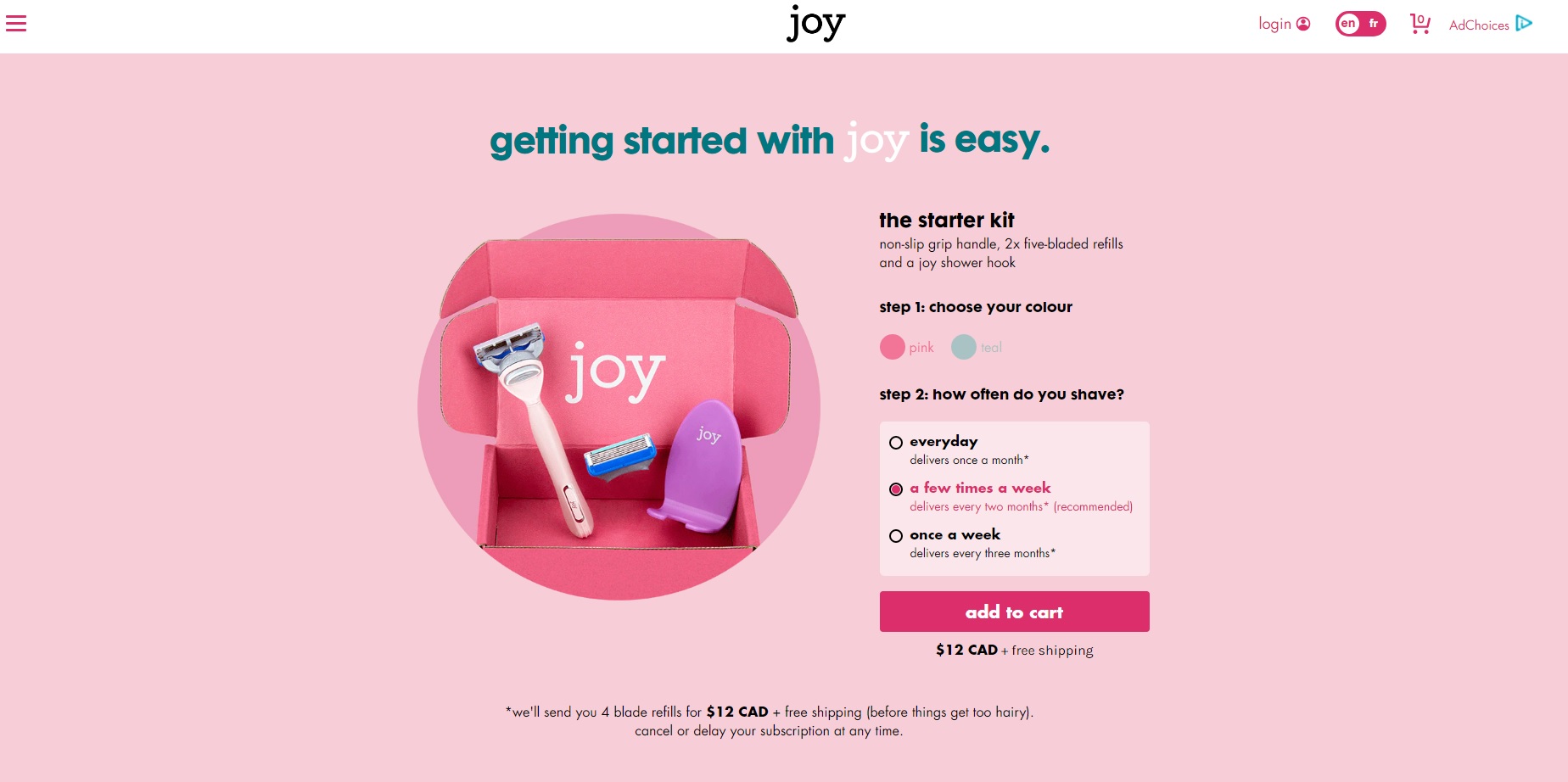
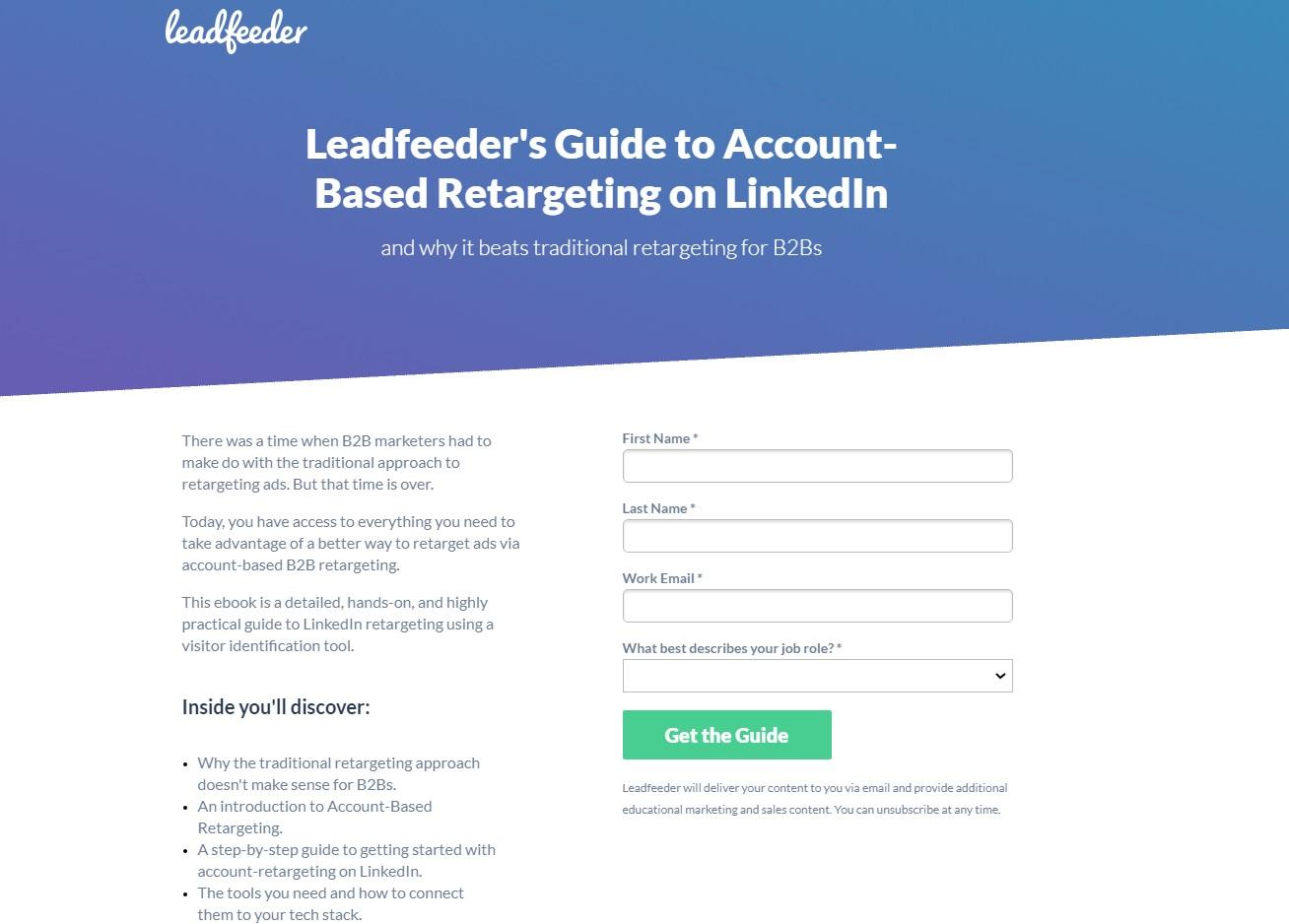
- Landing Pages: Designed with a singular conversion goal in mind, landing pages are prime territory for highly optimized CTAs. The CTA button on a landing page should be the most prominent element, free from distractions, and clearly linked to the page’s core value proposition. Tim Ferriss’s minimalistic email sign-up page exemplifies this, with a single, unmissable "Sign Up Now" CTA that is the only interactive element, maximizing focus. Similarly, Joy’s razor subscription landing page uses a high-contrast, dark "Build Your Box" button against a bright background, making it visually dominant. Leadfeeder’s guide download page combines a concise summary with a clear "Get the Guide" button, effectively exchanging value (an ebook) for user information. The absence of navigation menus or external links on such pages is a deliberate strategy to eliminate distractions and funnel users directly to the CTA.
- Website Integration: Beyond dedicated landing pages, CTAs are integral to guiding user journeys across an entire website. On a homepage, a "hero" section often features a primary CTA above the fold, encouraging a key action like "Start Free Trial" (Smartlook) or "Shop Now" (Touchland). These CTAs are supported by compelling taglines and brief descriptions. Airbnb, for example, uses a "Get Inspired" CTA to encourage exploration of their outdoor spaces, leveraging aspirational imagery. Ecom World’s event website clearly places "Register Now" alongside essential event details (what, when, where), ensuring immediate action for interested visitors. Effective website CTAs are seamlessly integrated into the user flow, appearing at logical points where a user is ready to take the next step, whether it’s learning more, browsing products, or contacting support.
The Power of the CTA Button: Design and Data

While text-based CTAs have their place, the clickable CTA button has consistently proven to be a superior driver of conversions. Studies have shown that adding a CTA button to articles can increase conversions by as much as 83%, and simply making a CTA look like a button (rather than plain text) can boost conversion rates by 45%. This efficacy stems from several factors:

- Visual Affordance: Buttons visually communicate interactivity, signaling to users that they are meant to be clicked. Their distinct shape and often contrasting colors draw the eye.
- Psychological Comfort: Buttons provide a clear target area, reducing friction and making the act of clicking feel more deliberate and secure.
- Reinforcement: The text within a button reinforces the desired action, creating a powerful directive.
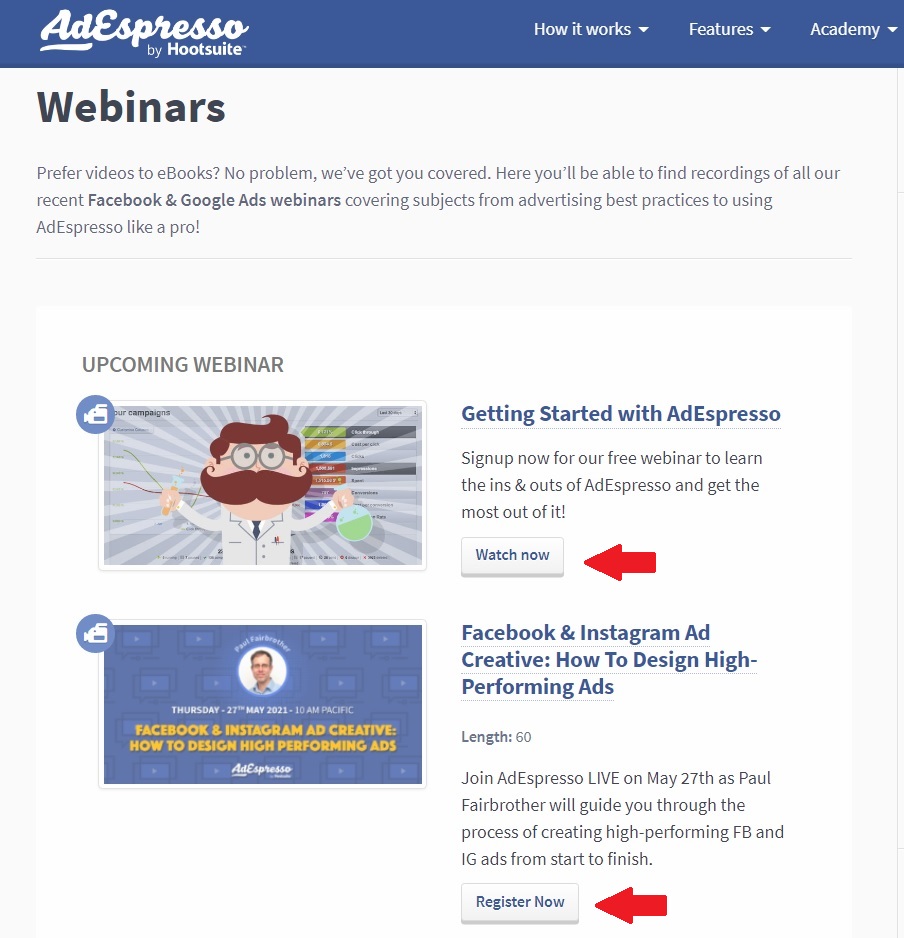
Platforms like Facebook have capitalized on this, embedding native CTA buttons into their ad creation interface. The AdEspresso experiment, which tested different CTA buttons on Facebook Ads, yielded striking results: the "Download" button generated 49 conversions at $5.10 each, while an ad with no button at all only achieved 20 conversions at $12.50. This demonstrates that the choice of CTA button can more than double conversion costs, underscoring the critical need for A/B testing.
For website and landing page CTAs, best practices extend to design elements:

- Prominence: The button should stand out through size, color, and surrounding white space.
- Clarity: The text must be action-oriented and clearly state the benefit.
- Placement: "Above the fold" is often ideal, but strategic placement throughout a page based on user scrolling behavior is also effective.
- Congruence: The button’s message should be consistent with the overall content and the user’s expectations.
Tools like Unbounce enable marketers to A/B test different CTA copy, button colors, and placements on landing pages, allowing for continuous optimization based on real user data. This iterative testing process is fundamental to maximizing conversion rates and ensuring that every CTA performs at its peak.
Industry Perspectives and Future Implications
The digital marketing industry widely acknowledges CTAs as indispensable elements for guiding user behavior and achieving campaign objectives. Leading marketers consistently emphasize that a CTA is not merely a concluding remark but an integral part of the narrative, designed to seamlessly transition the user from interest to action. The trend continues towards more personalized, dynamic, and context-aware CTAs, leveraging AI and machine learning to present the most relevant prompt to each individual user. Innovations such as voice-activated CTAs in smart speaker environments and interactive CTAs within immersive digital experiences are emerging, further diversifying their application.

The implications of effective CTA strategy are profound. Businesses that master the art and science of CTAs can expect lower customer acquisition costs, higher conversion rates, improved lead quality, and a more streamlined customer journey. Conversely, neglecting CTA optimization can lead to significant marketing spend inefficiency and lost revenue opportunities. As digital competition intensifies, the ability to inspire action through well-crafted calls to action will remain a defining characteristic of successful brands, driving not just individual campaign metrics, but the overall growth and profitability of enterprises in the digital economy. The continuous pursuit of the perfect CTA is, therefore, a perpetual journey of experimentation, analysis, and refinement, essential for sustained digital success.