LinkedIn Engagement Shifts Dramatically to Evening Hours in 2026, Buffer Data Reveals Major Rethink for Professional Posting Strategies.

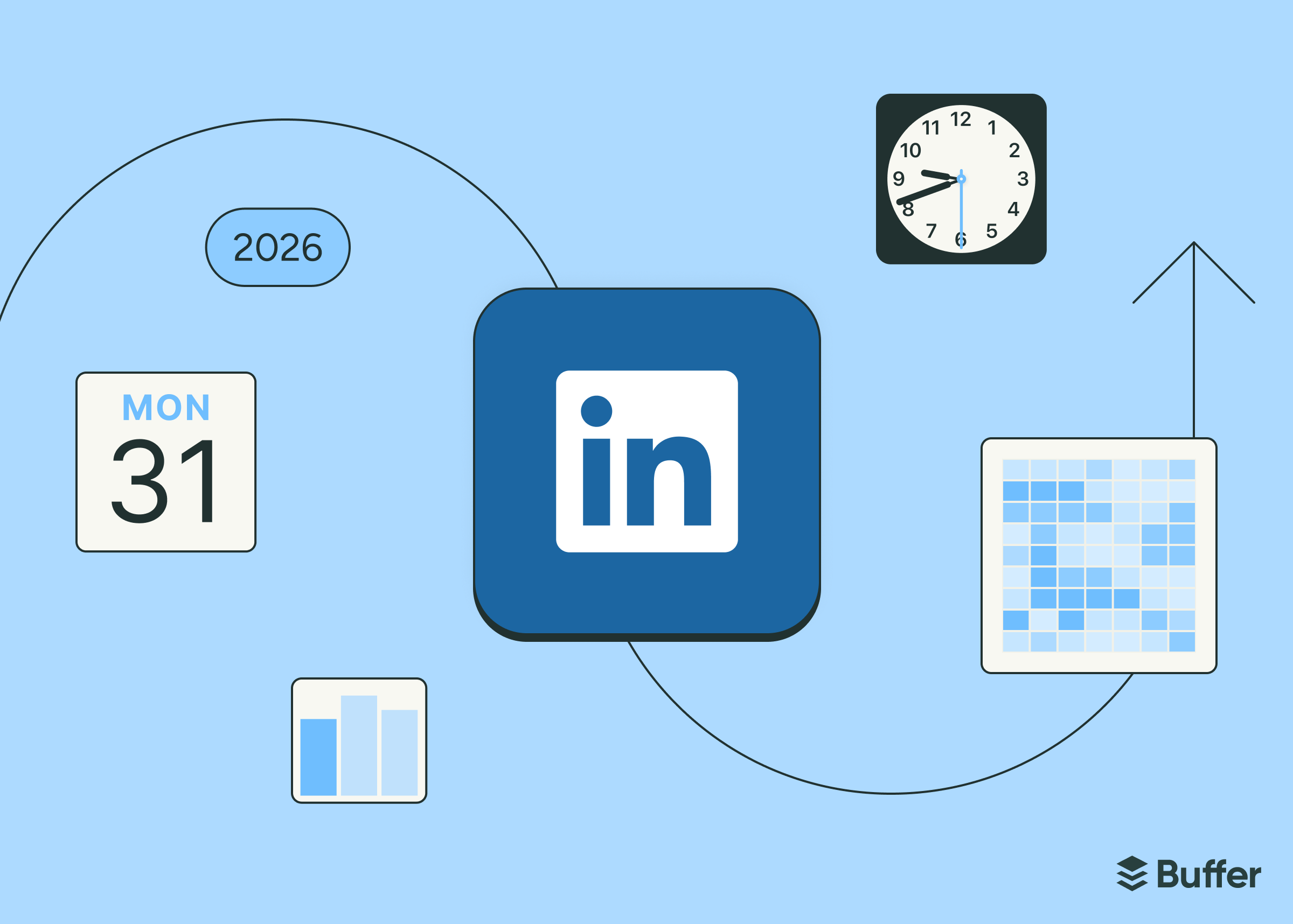
A comprehensive analysis of over 4.8 million LinkedIn posts by Buffer, a leading social media management platform, reveals a significant shift in audience engagement patterns for 2026. Contrary to previous years where peak professional interaction was largely confined to traditional working hours, the latest data indicates a pronounced surge in activity during late afternoon and evening slots. This notable change mirrors existing trends observed on consumer-focused platforms like Instagram and TikTok, suggesting a broader evolution in how professionals integrate social media into their daily routines.
The Evolving Landscape of Professional Engagement
For years, the conventional wisdom for posting on LinkedIn revolved around catching professionals during their workday — typically mid-morning or early afternoon breaks. The assumption was that users primarily engaged with career-related content when actively at their desks or commuting during business hours. However, Buffer’s data scientist, Julian Winternheimer, who has meticulously tracked these trends for approximately two years, points to a clear departure from this established pattern. In 2025, engagement on LinkedIn was almost exclusively concentrated within the 9 a.m. to 5 p.m. window, with a sharp decline observed after 5 p.m. The 2026 findings present a stark contrast, showing peak engagement windows migrating later into the day.
This shift suggests that while professionals remain keen on consuming and interacting with industry insights, networking opportunities, and career-advancement content, they are increasingly doing so outside of their primary work commitments. This could be during an evening commute, winding down after work, or even during dedicated evening sessions to catch up on professional news and connections. The blurring lines between work and personal life, exacerbated by remote and hybrid work models, likely contribute to this phenomenon, allowing individuals greater flexibility in when they choose to engage with professional platforms.
Buffer’s Methodology: A Deep Dive into 4.8 Million Posts
The insights presented are not anecdotal but are derived from a robust dataset of more than 4.8 million LinkedIn posts sent through Buffer’s platform. This extensive volume of data provides a statistically significant foundation for identifying high-engagement periods. Buffer’s rigorous analytical approach, spearheaded by Winternheimer, normalizes posting times by local time zone, ensuring that the recommended schedules are universally applicable regardless of the user’s geographic location. This means a recommended 4 p.m. post for a user in New York is also 4 p.m. for a user in London or Mumbai, eliminating the need for complex time zone conversions.
The primary benchmark for this analysis is "engagement," which LinkedIn’s algorithm heavily favors. Engagement encompasses reactions (likes, celebrates, insightful), comments, and reposts. The platform’s algorithm interprets these interactions as signals of valuable content, consequently increasing its visibility to a broader audience. Therefore, timing posts to coincide with periods of high engagement is a critical strategy for maximizing reach and impact on LinkedIn.
Key Findings: The Afternoon and Evening Dominance
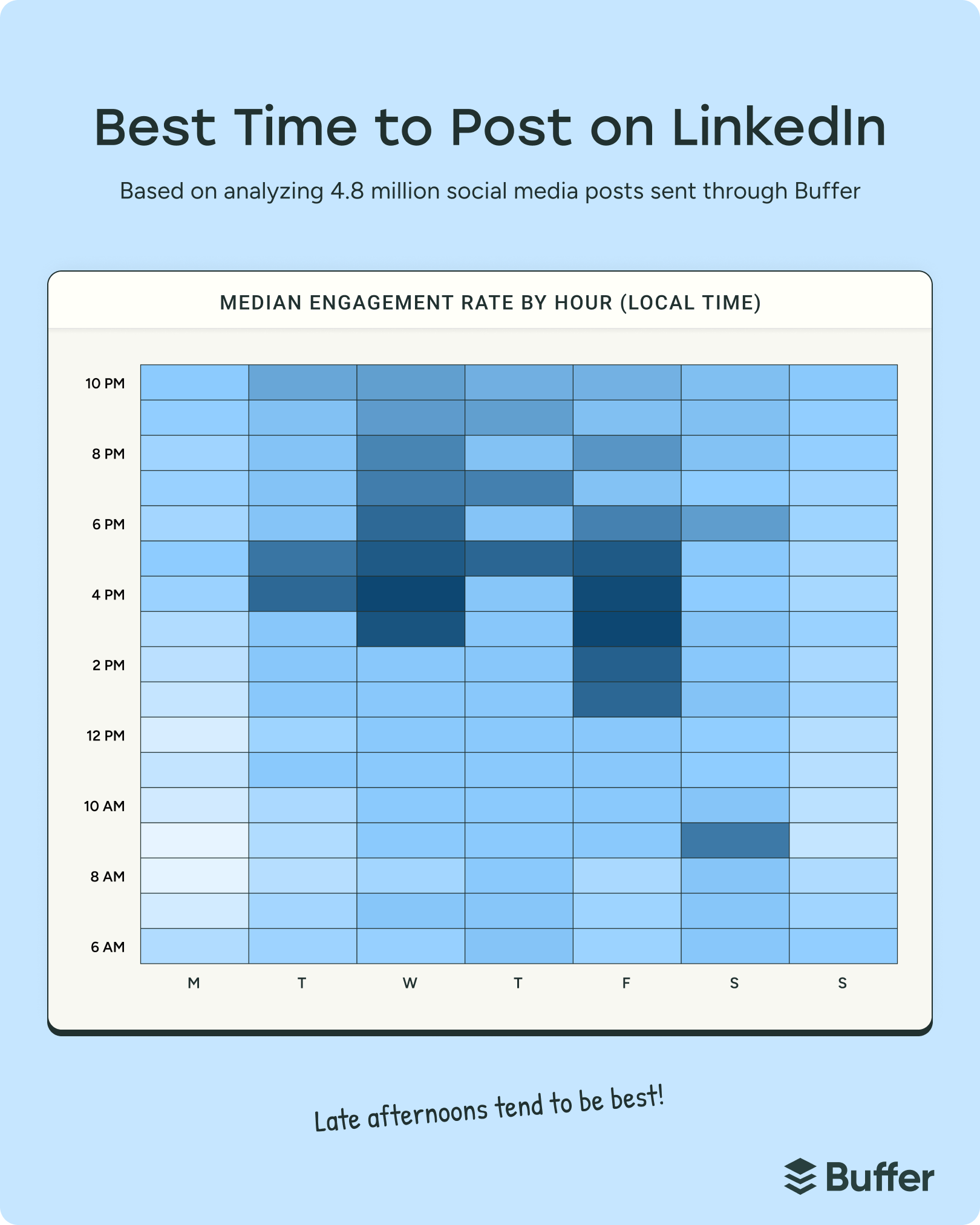
The most striking revelation from Buffer’s 2026 data is the emergence of late afternoon and evening hours as the new "golden window" for LinkedIn engagement. Specifically, the period between 3 p.m. and 8 p.m. on weekdays consistently generates the highest levels of interaction.
- Overall Peak Times: The absolute highest engagement was observed at 4 p.m. on Wednesday and 3 p.m. and 4 p.m. on Friday. These times represent strategic opportunities for content creators and marketers to deploy their most critical messages.
- The Shift from 2025: This marks a significant departure from 2025, when working hours were almost exclusively dominant. The new data suggests a behavioral evolution where professionals are actively seeking professional content after they’ve "closed their laptops for the day."
While midday hours still show decent performance, they are no longer the undisputed peak they once were. This indicates that while some users may still check LinkedIn during lunch breaks or mid-afternoon pauses, the sustained, high-intensity engagement now occurs later in the day. Traditional morning hours (6 a.m. – 11 a.m.), which were previously considered viable, now tend to yield lower engagement compared to the afternoon and evening slots.
Day-by-Day Breakdown of Optimal Posting Times
Understanding the daily nuances is crucial for a refined LinkedIn marketing strategy. Buffer’s data provides specific optimal times for each day of the week, offering a granular roadmap for scheduling.
- Monday: The start of the workweek often sees users "heads down" in tasks, resulting in overall lower engagement. However, 10 p.m., 5 p.m., and 9 p.m. emerged as the strongest Monday slots. This suggests that professionals catch up on content later in the evening, after initial workweek pressures subside. High-priority content might be better reserved for later in the week.
- Tuesday: Similar to Monday, Tuesday generally exhibits slightly lower overall engagement. The best times are 4 p.m., 5 p.m., and 10 p.m. This again underscores the late-day preference, indicating that even on early weekdays, users defer their LinkedIn interactions. It’s advisable to test these times for specific audiences before committing to a rigid schedule.
- Wednesday: This day stands out as the best day overall for LinkedIn engagement. The prime time is 4 p.m., which is identified as one of the highest-engagement slots of the entire week. Other strong contenders include 3 p.m. and 5 p.m. Wednesday presents an ideal window for sharing crucial updates, thought leadership, or major announcements, as professionals are fully immersed in their work week but not yet distracted by weekend plans.
- Thursday: Continuing the strong mid-to-late week trend, Thursday’s best time is 5 p.m. Posts shared during late afternoon and evening hours (specifically 7 p.m. and 9 p.m.) also perform exceptionally well. This day offers another robust opportunity to reach an engaged professional audience.
- Friday: As professionals begin to wind down their week, Friday emerges as another remarkably strong day for engagement. The optimal time is 3 p.m., closely followed by 4 p.m. and 5 p.m. This period captures users who are likely finishing tasks and browsing professional content as they transition into the weekend.
- Saturday: Weekends, as expected, generally see significantly lower engagement compared to weekdays. However, if weekend posting is necessary, 9 a.m. showed the highest activity, followed by 6 p.m. and 10 p.m. Content intended for broad reach should ideally be scheduled for weekdays.
- Sunday: Sundays typically register the lowest engagement. The best time, albeit with reduced overall interaction, is 10 p.m. Other late-evening slots like 9 p.m. and early morning at 6 a.m. also show minimal activity. Weekend posts should be reserved for niche content or when weekday scheduling is not feasible.
Wednesday Reigns Supreme: The Best Day to Post
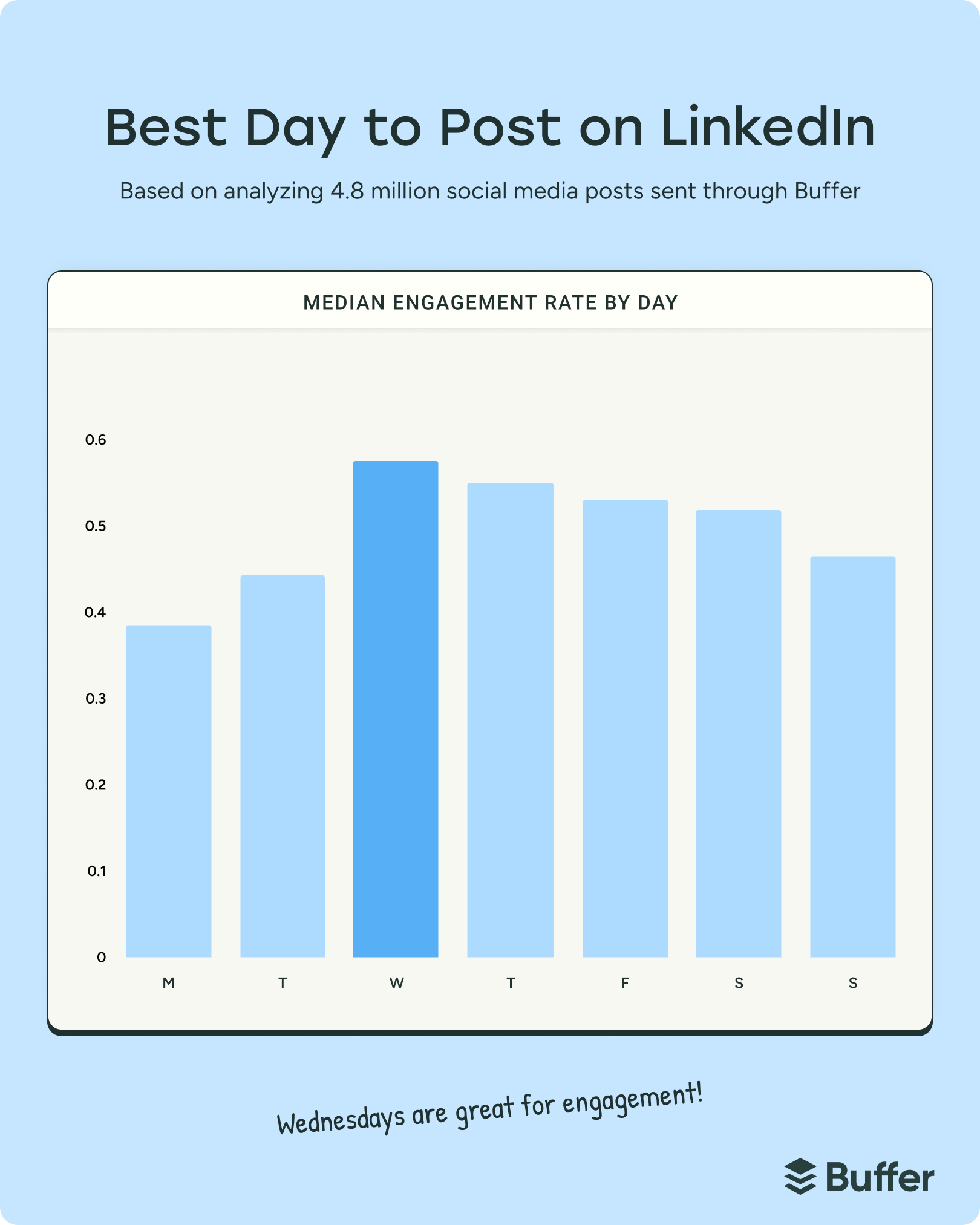
Reinforcing the daily breakdown, Wednesday definitively stands as the best day of the week to post on LinkedIn for maximum engagement. It is closely followed by Thursday and then Friday. This mid-to-late week pattern makes intuitive sense; by Wednesday, professionals are fully integrated into their work rhythm and actively seeking valuable content, whereas Monday and Tuesday often involve catching up on initial work tasks, resulting in lower interaction.
It is worth noting that some older research, including studies cited by LinkedIn’s own marketing blog, has occasionally highlighted Tuesday as a strong day. This discrepancy underscores the dynamic nature of social media behavior and the importance of continuous, up-to-date data analysis. It also serves as a crucial reminder for individuals and brands to complement generalized data with their own audience-specific analytics.
Strategic Implications for Brands and Professionals
These findings carry significant implications for anyone leveraging LinkedIn for professional growth, branding, or marketing.
- For Individual Professionals: Those building a personal brand, seeking new career opportunities, or establishing thought leadership should adapt their content schedules to these new peaks. Sharing insightful articles, engaging questions, or career advice during late afternoon and evening hours could significantly amplify reach and interaction. This allows for a more authentic engagement, as users are likely consuming content without the immediate pressures of the workday.
- For Businesses and Marketers: Brands must recalibrate their LinkedIn marketing strategies. Campaign launches, product announcements, and high-value content should be strategically timed for Wednesday through Friday afternoons and evenings. This shift necessitates a re-evaluation of content calendars, potentially moving away from a traditional 9-to-5 mindset. Furthermore, the data suggests that LinkedIn is increasingly becoming a platform for "after-hours" professional development and networking, allowing brands to connect with audiences in a more relaxed yet still professional context. This might influence the tone and style of evening content, leaning towards more reflective, inspiring, or educational themes rather than purely transactional ones.
Beyond Timing: The Pillars of LinkedIn Success
While optimal posting times offer a crucial advantage, they are only one component of a successful LinkedIn strategy. Content quality, consistency, and format remain paramount.
- Content Quality: The fundamental principle remains: valuable, relevant, and insightful content will always perform best. Timing merely provides the optimal window for that quality content to be seen. Posts that offer genuine professional value, unique perspectives, or spark meaningful discussions are inherently favored by both the algorithm and the audience.
- Posting Frequency: Buffer’s separate analysis of over 2 million LinkedIn posts on frequency offers further guidance. Posting 2 to 5 times per week is identified as a sweet spot, delivering approximately 1,182 more impressions per post and a 0.23 percentage point lift in engagement rate compared to posting just once a week. This frequency appears to be where LinkedIn’s algorithm begins to recognize a profile or page as active, leading to broader content distribution. For those capable of sustaining higher volumes, posting 6 to 10 times per week can yield an additional 5,001 impressions per post, while 11+ posts per week can dramatically increase reach by nearly 17,000 impressions per post and triple engagement. These benefits hold true regardless of audience size.
- Content Format: Data indicates that carousel (document) posts are currently the standout format, generating up to 596% more engagement than text-only posts. Incorporating visual elements, multi-slide presentations, or document-style content can significantly boost post performance. Video content, while not explicitly detailed in this timing analysis, also continues to be a high-engagement format across social platforms, including LinkedIn.
Leveraging Tools and Analytics for Personalized Optimization
While Buffer’s aggregated data provides an excellent starting point, the ultimate goal for any user or brand is to identify their unique best time to post. This requires continuous experimentation and diligent analysis of individual performance.
Native LinkedIn Analytics offers insights into top-performing posts, but it lacks detailed timestamp information beyond vague indicators like "3h" or "2d." This limitation makes it challenging to pinpoint exact optimal posting times retrospectively.
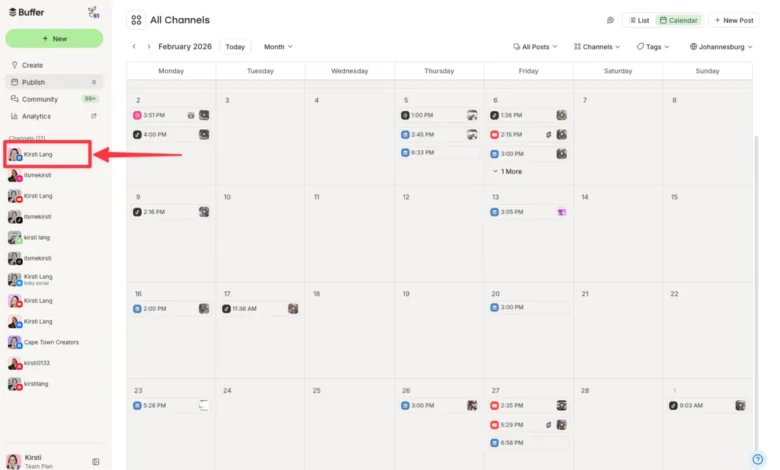
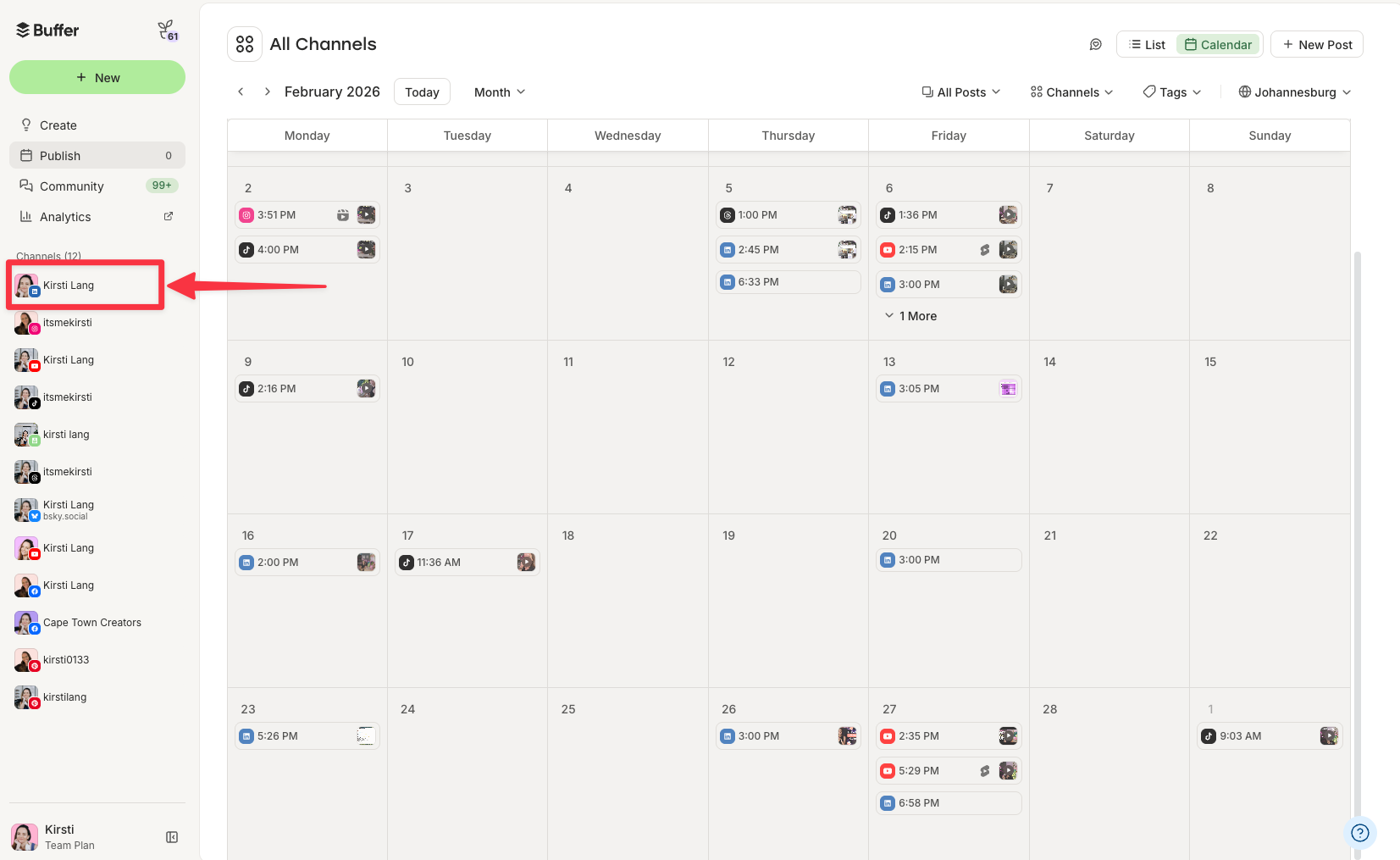
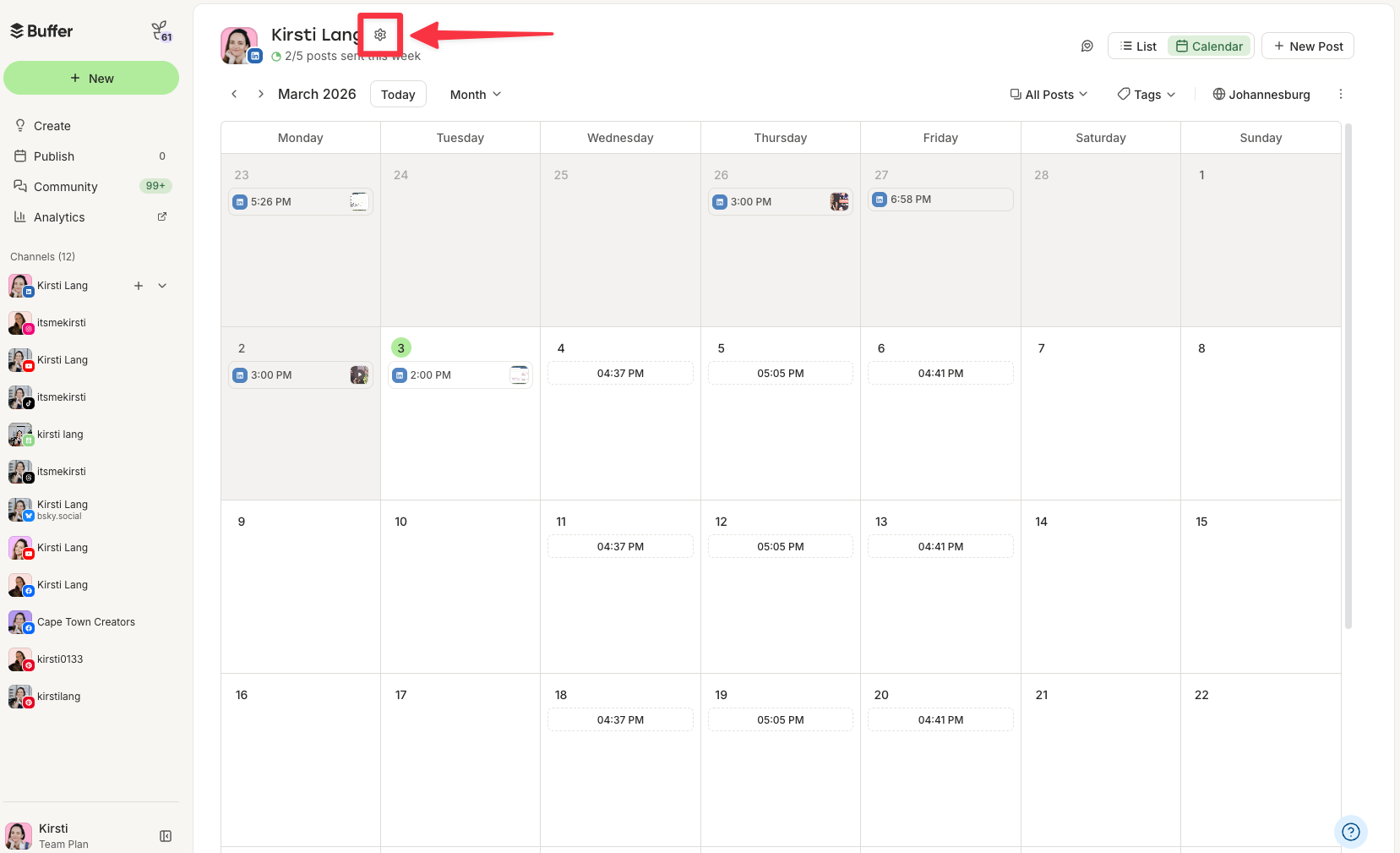
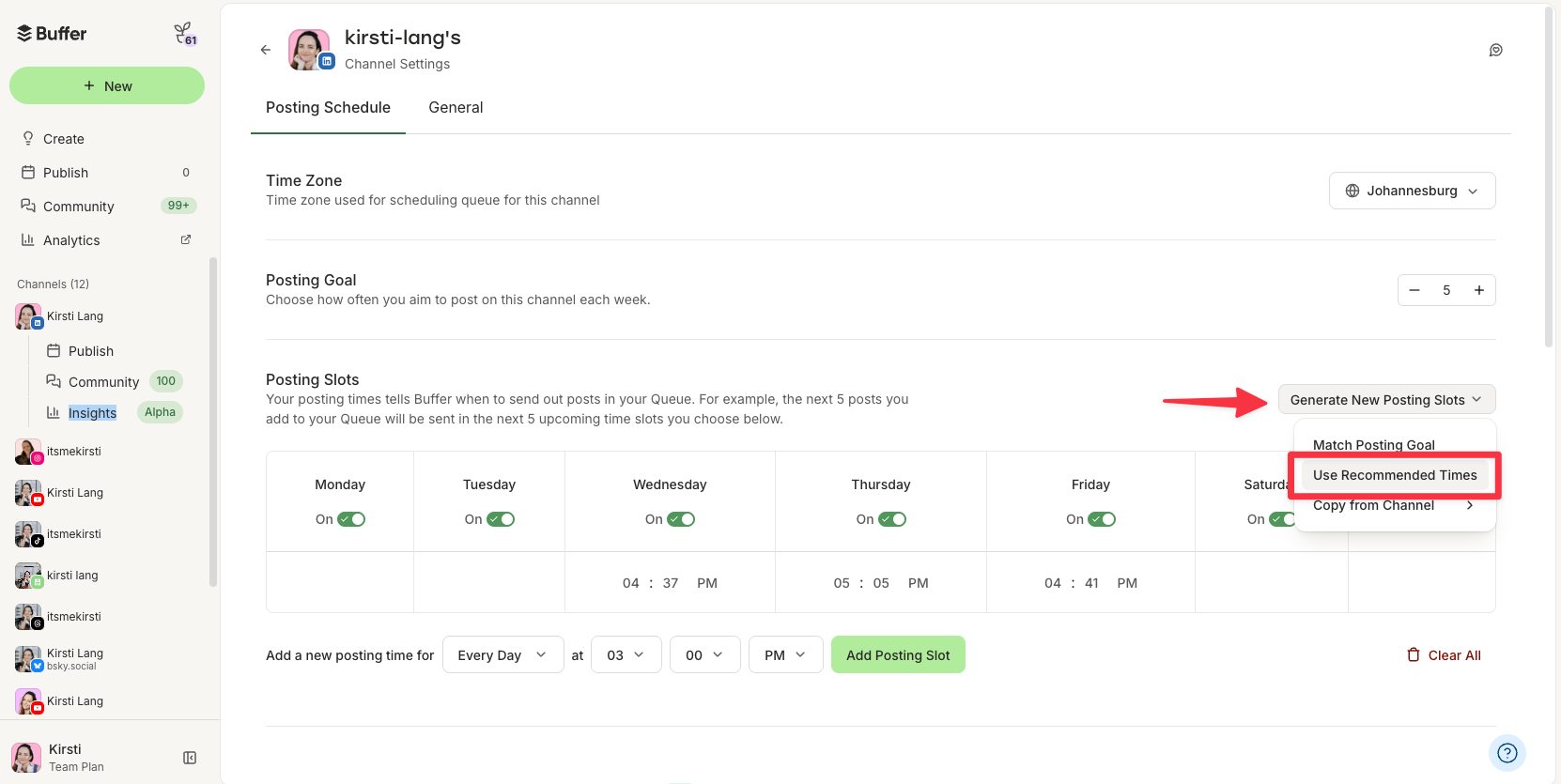
Tools like Buffer, however, integrate these insights directly into their scheduling features. Users can automatically set their posting schedules to align with Buffer’s recommended high-engagement slots across all supported social media platforms, including LinkedIn. This functionality streamlines the process, allowing users to schedule content efficiently without manually tracking peak times. Furthermore, Buffer Insights provides granular data on individual post performance, enabling users to fine-tune their strategy based on their specific audience demographics and content types.
The Future of Professional Social Networking
The shift in LinkedIn engagement patterns reflects a broader evolution in digital consumption habits. As work and personal lives become increasingly intertwined, and mobile access remains dominant, professionals are integrating platforms like LinkedIn into their broader after-hours media consumption. This trend suggests that professional networking and learning are no longer confined to the rigid structures of the workday but are becoming more fluid and integrated into daily leisure time.
For marketers and content creators, adapting to this new reality means embracing flexibility, understanding audience behavior beyond traditional office hours, and continuously refining strategies based on real-time data. The 2026 data from Buffer serves as a critical benchmark, signaling that the most effective LinkedIn strategies will be those that acknowledge and capitalize on the growing evening engagement of its vast professional audience. As digital landscapes continue to evolve, continuous analysis and agile adaptation will be the hallmarks of successful social media engagement.