Inside Buffer’s AI-Powered Build Week: How 72 Employees Shipped 112 Projects in Five Days

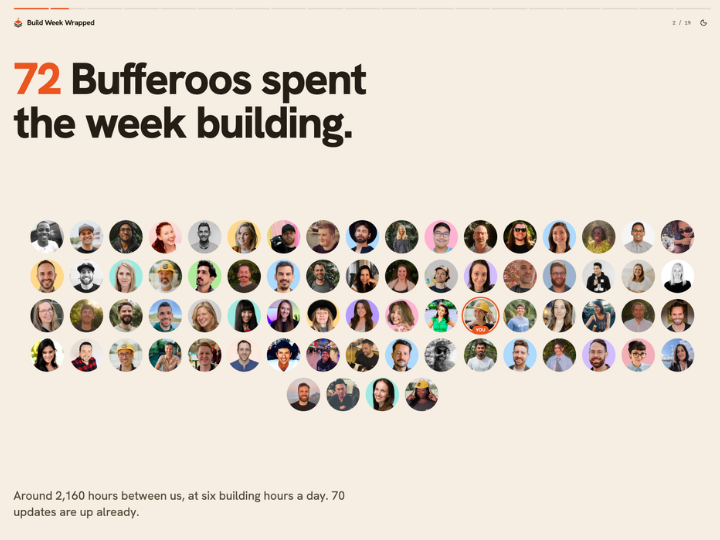
Last week, social media management platform Buffer temporarily halted its standard operational workflows to execute its third company-wide Build Week, resulting in the delivery of 112 completed projects by 72 participating employees. The event marked a distinct departure from previous iterations of the company’s internal hackathons, leveraging modern artificial intelligence tools to empower individual employee direction and decentralized project ownership rather than relying on pre-selected, collaborative team tasks.

The transition toward an AI-assisted, individual-centric format yielded significant productivity output across the organization. By the close of business on Friday, participants had successfully pushed 57 new internal tools live onto the company’s proprietary domain, contributed by 41 distinct team members. Furthermore, the engineering metrics reflected a high volume of development activity, with 1,083 pull requests merged across 26 distinct code repositories. Critical product infrastructure also saw direct updates, including 15 newly shipped changes deployed straight into the company’s core administrative product. Notably, the initiative served as an onboarding milestone for internal coding novices, enabling six employees to successfully merge their very first pull requests into production environments alongside numerous auxiliary personal workflow upgrades.
Background Context and Evolution of Buffer’s Build Weeks
Buffer’s corporate culture has historically emphasized experimentation, transparency, and remote-first collaboration. The concept of the company-wide Build Week was established to give employees—regardless of their technical background—dedicated time to step away from daily administrative and operational duties to solve internal friction points, test creative concepts, and foster cross-functional skill development.
In prior years, the company structured these events by organizing staff into fixed teams assigned to a curated list of pre-selected corporate objectives. While successful in producing targeted outputs, this traditional framework occasionally limited individual autonomy and restricted the scope of learning for participants whose personal curiosities lay outside the predefined roadmap.
For the third iteration, leadership elected to decentralize the process. By providing every employee with access to advanced AI coding and productivity assistants, the company removed traditional technical barriers. Non-technical staff members were empowered to conceptualize, draft, and deploy functional applications, while seasoned engineers utilized the technology to accelerate complex development cycles. This methodology aligned individual learning pathways with organizational needs, allowing staff to tap into cross-company expertise organically.
Chronology and Project Development Lifecycle
The five-day event followed a rigorous yet flexible daily structure designed to maximize output while maintaining a supportive learning environment.
Monday marked the kickoff and ideation phase, where the 72 participating employees pitched their concepts, established their individual learning goals, and began mapping out their technical architecture with AI assistance. Rather than focusing solely on commercial output, the focus centered on alleviating operational friction, automating repetitive tasks, and addressing internal workflow inefficiencies.
By Wednesday, development was operating at peak velocity. The integration of AI tools allowed participants to bypass syntax hurdles and architectural bottlenecks that typically slow down non-technical or semi-technical builders. Internal communication channels buzzed with troubleshooting tips, code snippets, and early demonstrations of internal tools.
The final push concluded on Friday afternoon, culminating in the deployment of 57 production-ready internal tools on company domains, over a thousand merged pull requests, and numerous creative "side quests."
Categorized Breakdown of Key Projects and Innovations
The 112 completed projects spanned a wide array of operational domains, addressing administrative friction, product visibility, and team culture. Based on post-event documentation and project showcases, the innovations can be categorized into several primary focus areas:
-
Operational Automation and Workflow Reduction
A significant portion of the projects targeted repetitive tasks that consumed employee hours on a weekly basis. By deploying customized scripts and lightweight internal applications, participants automated data entry, streamlined reporting, and reduced manual overhead across human resources and operations teams. -
Documentation and Internal Knowledge Management
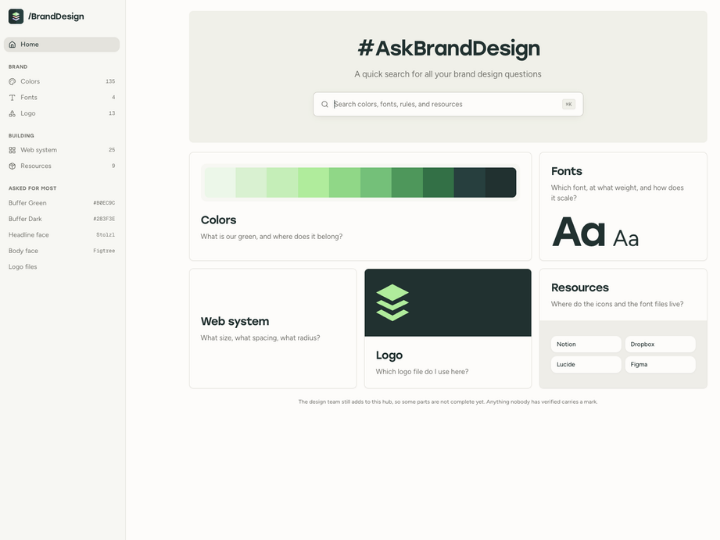
Addressing the challenge of keeping institutional knowledge current, employees built automated solutions designed to reduce the reliance on manual document updates. Projects such as "Ask Design," spearheaded by Kate Baldrey, sought to centralize design resources and provide rapid, searchable answers to cross-functional queries, minimizing the time spent hunting for internal documentation.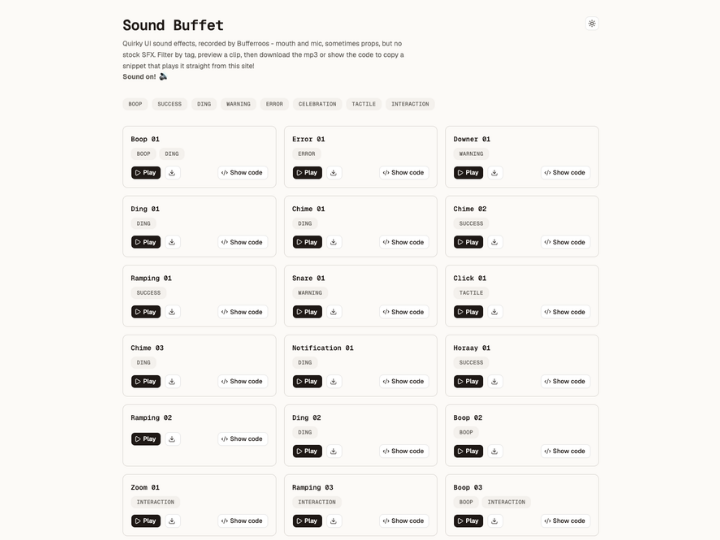
-
Financial and Resource Transparency
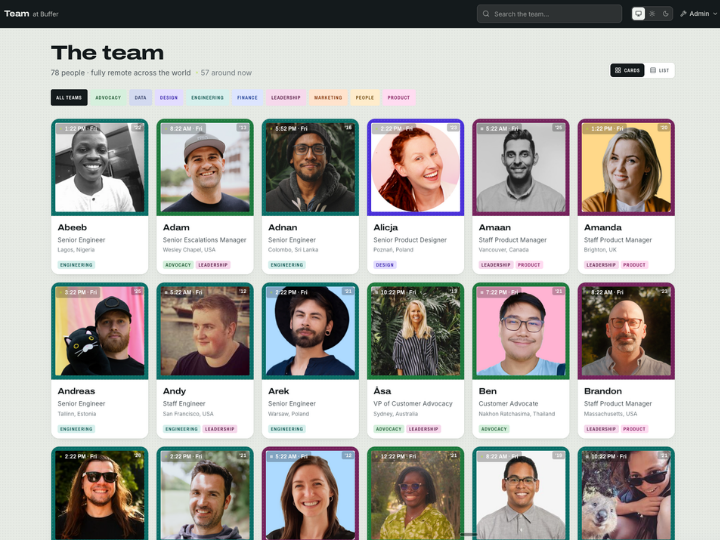
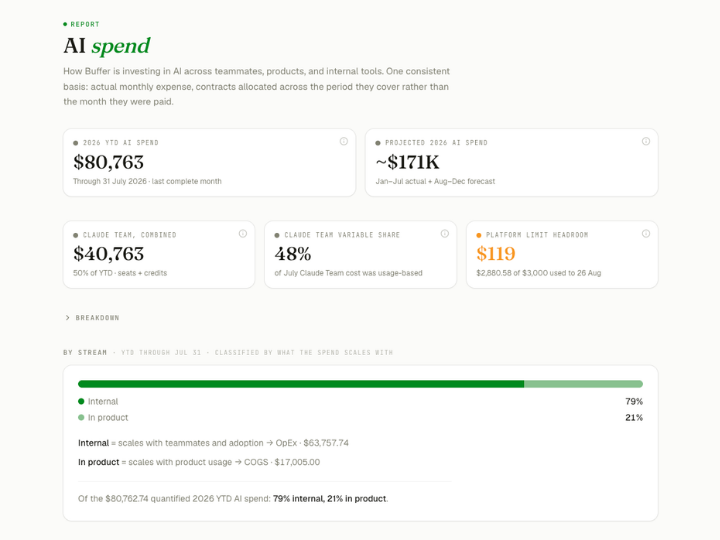
Visibility into resource allocation received a notable upgrade. Jenny Terry developed an AI spend dashboard designed to track and visualize expenditures related to artificial intelligence infrastructure, providing clearer financial oversight as the company integrates more AI tools into its daily operations. Additionally, projects like Hamish’s team directory optimization improved internal networking and organizational clarity. -
Product Insights and Customer Experience Enhancements
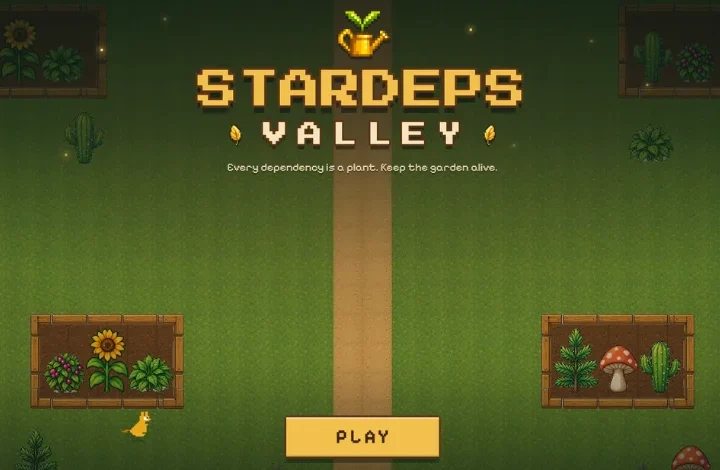
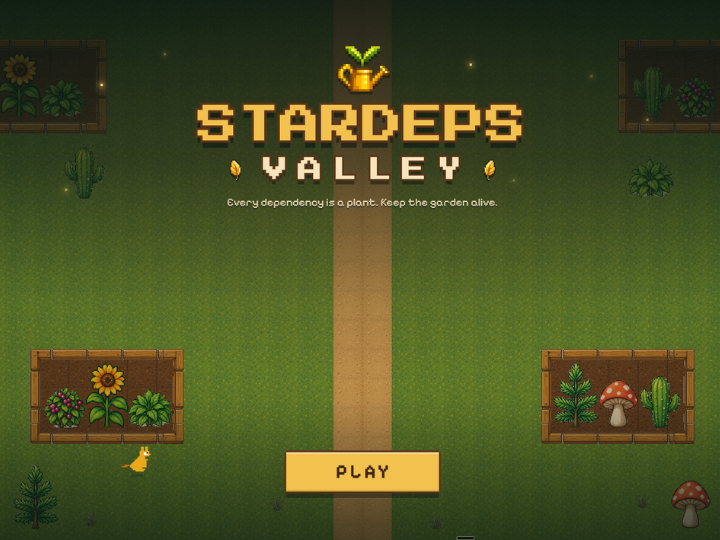
Engineering and product teams utilized the week to build diagnostic and analytical tools that previously fell outside immediate sprint priorities. Projects addressed customer friction points and explored underlying limitations within the core software architecture. For instance, Bruno’s "StarDeps Valley" targeted dependency management within the engineering stack, reducing friction in building and maintaining the core Buffer platform.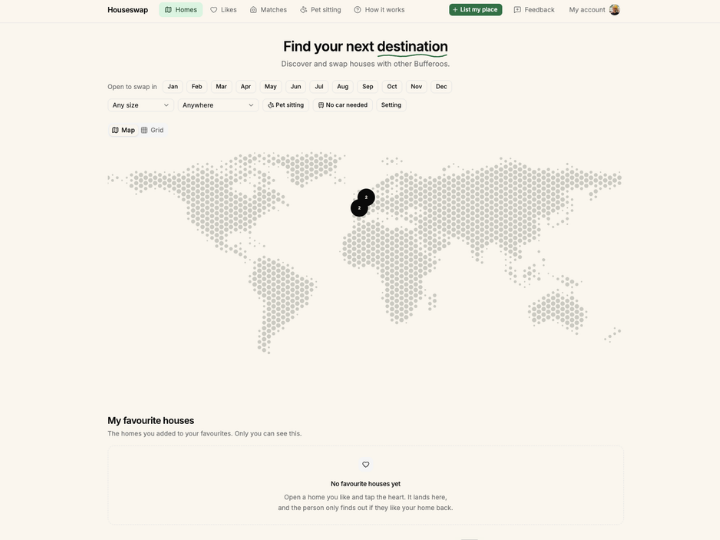
-
Workplace Culture and Personal Workflows
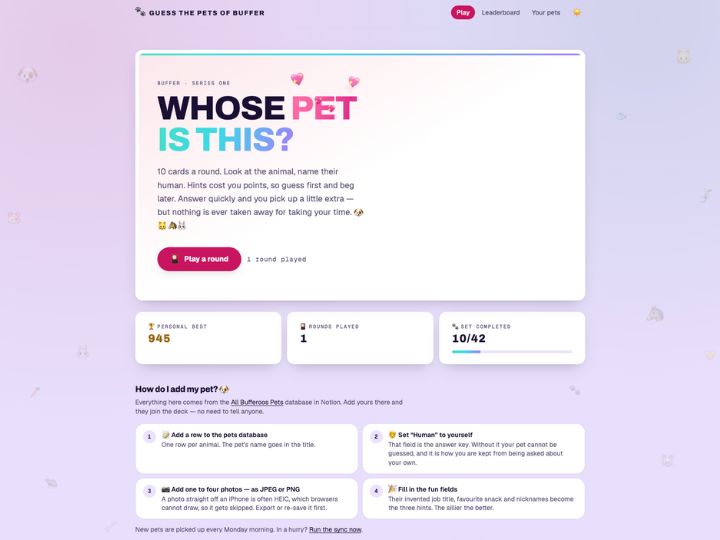
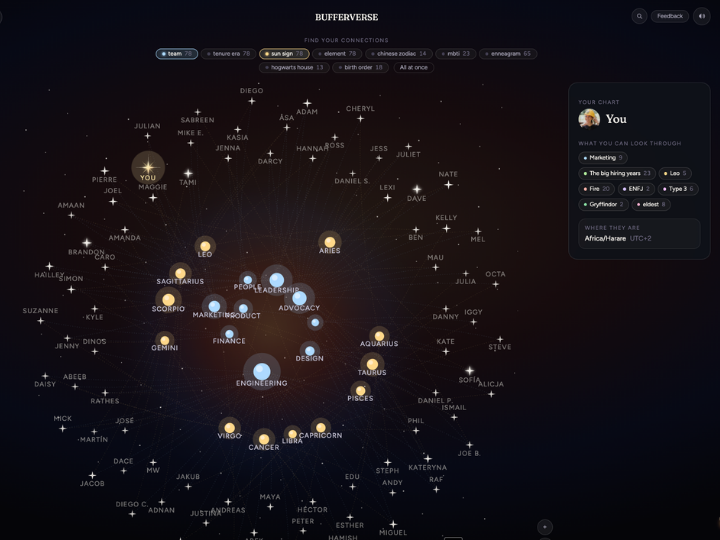
Beyond utility-driven software, participants dedicated time to cultural cohesion and personal productivity. Projects included "Sound Buffet" by Andreas Virkus, "Bufferverse" by Tami, and "Guess the Pets of Buffer" by Hailley Griffis, which fostered team engagement in a distributed, remote-first environment. Pierre Lepoulain introduced "Houseswap," an internal initiative facilitating peer-to-peer resource sharing among staff.
Analysis of Implications and Industry Context
The success of Buffer’s third Build Week offers a case study in the evolving role of artificial intelligence within remote-first organizations. By democratizing software development through AI assistants, companies can effectively blur the lines between technical and non-technical roles, turning every employee into a potential builder.
The metrics generated during the five-day period—most notably 41 distinct individuals shipping 57 production-level internal tools—demonstrate that generative AI tools can significantly compress the software development lifecycle. For small to mid-sized technology companies operating on distributed models, such events serve a dual purpose: they rapidly clear out tech debt and internal tooling backlogs while simultaneously boosting employee morale, retention, and cross-functional skill acquisition.
Furthermore, the shift from top-down project assignment to bottom-up, AI-guided autonomy suggests a new paradigm for corporate hackathons. Rather than forcing innovation into rigid institutional parameters, organizations may achieve higher engagement and more practical utility by allowing workers to directly address the specific operational friction points they encounter in their day-to-day responsibilities.
Future Outlook
Following the conclusion of the event, Buffer leadership confirmed plans to release further documentation regarding the technical architecture and methodologies utilized during the week. While many of the 112 projects remain internal tools designed to optimize company operations, leadership has indicated that certain innovations may influence future public-facing product updates.
As remote work and AI integration continue to redefine the modern software industry, initiatives like Buffer’s Build Week illustrate how organizations can leverage emerging technologies not just for customer acquisition, but for internal structural resilience and employee empowerment.
Related posts: