Waymo Robotaxi Service Briefly Halted in San Francisco Amidst Widespread Power Outage, Reigniting Calls for Enhanced Autonomous Vehicle Regulation

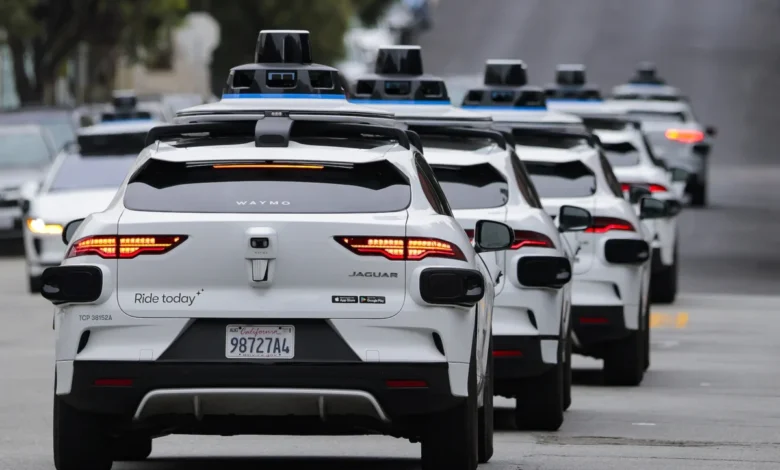
San Francisco’s bustling urban landscape experienced a temporary disruption in its rapidly evolving autonomous vehicle (AV) services on July 18, 2026, when Waymo, the self-driving technology company owned by Alphabet, announced a pause in its robotaxi operations. The suspension, which lasted approximately one hour, was a direct consequence of a significant power outage that affected roughly 7,000 Pacific Gas and Electric Company (PG&E) customers across several key districts of the city. This incident, while resolved swiftly, underscored the inherent vulnerabilities of nascent autonomous transportation systems to external infrastructure failures and further intensified the ongoing debate surrounding the regulation and resilience of driverless vehicles in complex metropolitan environments.
The Incident: Power Outage and Service Interruption
The sequence of events began on Friday, July 18, 2026, in the late morning hours. At approximately 11:45 AM PDT, a widespread power outage struck parts of San Francisco, including portions of the Financial District, North Beach, and Telegraph Hill. Initial reports from PG&E indicated that an equipment failure within a substation was the likely cause, plunging thousands of homes and businesses into darkness. The utility company immediately dispatched crews to assess the damage and commence restoration efforts.
Within minutes of the power disruption, Waymo’s internal systems, designed to monitor real-time city conditions and ensure safe operation, detected the anomaly. Recognizing the potential impact of a large-scale power outage on traffic signals, communication networks, and overall road safety, Waymo initiated a precautionary pause in its driverless taxi service. Customers attempting to hail a Waymo vehicle or already in transit received notifications stating that service was "temporarily paused" and that "freeway routes are unavailable." A screenshot of one such message, circulated widely on social media platforms, quickly brought the operational halt to public attention.
Upon inquiry from TechCrunch, a Waymo spokesperson initially confirmed, "We are making temporary adjustments to our service while we monitor local conditions. We know riders depend on us, and we will return to normal operations as soon as possible." This statement emphasized the company’s commitment to safety and reliability. Approximately an hour later, with PG&E crews making progress on power restoration and Waymo’s internal assessment concluding that conditions were stabilizing, the company provided an update. A spokesperson clarified that Waymo "decided to pause service for approx. one hour to assess the scale of the power outage affecting a large portion of San Francisco and coordinate with local officials," before confirming the resumption of full service by 1:00 PM PDT.
Waymo’s Operational Landscape in San Francisco
Waymo has been a significant player in San Francisco’s transportation ecosystem since it began testing its autonomous vehicles in the city several years prior to launching a fully public driverless service. Its operations in San Francisco represent one of the most complex deployments of robotaxi technology globally, navigating dense urban traffic, diverse road geometries, and a dynamic pedestrian environment. The company, an offshoot of Google’s self-driving car project, has invested billions in developing its Waymo Driver technology, which combines sophisticated AI, an array of sensors (Lidar, radar, cameras), and detailed mapping to enable autonomous operation.
The California Public Utilities Commission (CPUC) and the Department of Motor Vehicles (DMV) jointly regulate autonomous vehicle operations in the state. Waymo holds permits from both agencies, allowing it to operate driverless vehicles for ride-hailing services without a human safety driver behind the wheel. The expansion of Waymo’s service area and operating hours in San Francisco has been a gradual process, marked by both technological advancements and regulatory hurdles. By mid-2026, Waymo’s fleet in the city was substantial, providing thousands of rides daily and becoming an increasingly integrated part of the public transit options for residents and visitors. However, this integration has also brought heightened scrutiny, particularly when incidents involving autonomous vehicles occur during unusual circumstances.
Historical Context: Previous Incidents and Growing Concerns
The July 18th incident was not an isolated event but rather the latest in a series of instances where external factors or unforeseen circumstances have challenged the resilience of autonomous vehicle operations in San Francisco. These prior incidents have collectively fueled a growing debate among city officials, state regulators, and the public regarding the appropriate regulatory framework for these cutting-edge technologies.
One notable precursor occurred in December of the previous year (2025), when a widespread blackout caused by severe weather conditions brought parts of San Francisco to a standstill. During that incident, a significant number of Waymo vehicles operating in the affected areas reportedly stalled on city streets. While no serious injuries or accidents were attributed to the stalled vehicles, their unexpected cessation of movement contributed to traffic congestion and, in some cases, reportedly obstructed emergency vehicle access, drawing sharp criticism from local authorities. Waymo later clarified that its vehicles are programmed to enter a safe state and pull over when communication or power infrastructure is compromised, but the sheer volume and location of stalled vehicles presented unforeseen challenges.

Another highly publicized event took place on the Fourth of July (2026), during the city’s annual fireworks celebration near the Golden Gate Bridge. The massive influx of vehicles and pedestrians, coupled with temporary road closures and chaotic traffic patterns, created an exceptionally complex environment. Reports indicated that several autonomous vehicles, including those from Waymo, struggled to navigate the dynamic conditions, leading to instances where they reportedly stopped unexpectedly or became confused, further paralyzing traffic and impeding emergency response efforts during a critical public event. These incidents, particularly their impact on public safety services, sparked immediate calls for more robust protocols and clearer lines of responsibility.
Official Reactions and the Call for Stricter Regulation
Following these repeated disruptions, San Francisco Mayor Daniel Lurie emerged as a vocal proponent for more stringent oversight of autonomous vehicle operations. Mayor Lurie, whose administration has been grappling with the dual challenge of embracing technological innovation while ensuring public safety and urban functionality, has consistently pushed for state-level regulations that would "adequately address how autonomous vehicles operate during major incidents, planned or not."
The Mayor’s office, alongside the San Francisco Municipal Transportation Agency (SFMTA) and emergency services departments (Fire Department, Police Department), has highlighted several key areas of concern. These include:
- Emergency Response Protocols: The ability of AVs to safely yield or reroute for emergency vehicles, and clear communication channels between AV operators and first responders during crises.
- Infrastructure Resilience: The vulnerability of AVs to power outages, GPS signal loss, and cellular network disruptions, and the need for fail-safe mechanisms that do not exacerbate urban chaos.
- Local Control: A desire for greater local authority in regulating AV deployment, arguing that city governments are best positioned to understand the unique challenges of their urban environments, as opposed to a blanket state-level approach.
- Data Sharing: Demands for more transparent data sharing from AV companies regarding incidents, operational limitations, and safety performance to inform regulatory decisions.
PG&E, for its part, issued a standard statement expressing regret for the inconvenience caused by the July 18th power outage and affirmed its commitment to investing in grid modernization and resilience. The utility company faces its own set of regulatory pressures and public scrutiny regarding infrastructure reliability, particularly in light of California’s ongoing challenges with aging infrastructure and climate change-induced extreme weather events. The interconnection of AV operations with the reliability of the power grid adds another layer of complexity to these existing challenges.
Broader Implications and the Future of Autonomous Transportation
The temporary halt of Waymo’s service in San Francisco due to a power outage, while seemingly minor in isolation, carries significant implications for the broader autonomous vehicle industry, urban planning, and the future of transportation policy.
For the Autonomous Vehicle Industry: Incidents like these underscore the "edge case" problem that AV developers constantly grapple with. While autonomous systems excel in predictable environments, they are severely tested by unforeseen, large-scale disruptions like widespread power outages, natural disasters, or major public events. The industry must demonstrate that its technology is not only safe in ideal conditions but also robust and resilient in adverse ones. This requires:
- Enhanced Fail-Safe Mechanisms: Beyond simply pulling over, AVs may need more sophisticated capabilities to navigate degraded environments or communicate their status effectively to traffic management systems.
- Redundant Systems: Exploring alternative power sources, communication channels (e.g., satellite-based, vehicle-to-everything communication), and on-board processing capabilities that can function independently of external infrastructure for extended periods.
- Improved Coordination: Developing seamless, real-time communication protocols with city traffic management, emergency services, and utility providers to coordinate responses during disruptions.
For Urban Planning and Infrastructure: The increasing integration of AVs into city life necessitates a re-evaluation of urban infrastructure. Smart cities initiatives, which often envision AVs as a cornerstone, must consider the reciprocal relationship between vehicle autonomy and urban resilience. This means:
- Smarter Grid Design: Investing in microgrids, distributed energy resources, and more resilient power distribution systems to minimize the impact of outages on critical services, including AV infrastructure.
- Intelligent Traffic Management: Developing adaptive traffic signal systems that can communicate with AVs and prioritize emergency routes even during power failures.
- "Digital Twins" and Simulation: Utilizing advanced modeling and simulation to predict how AV fleets will react to various urban disruptions and design preventative measures.
For Regulatory Frameworks and Public Trust: The recurring incidents have amplified calls for a more nuanced and potentially decentralized regulatory approach. While state agencies like the CPUC and DMV have played a crucial role in enabling AV testing and deployment, local governments argue for greater input, especially concerning operational parameters during emergencies.
- Collaborative Regulation: A model that fosters collaboration between state and local authorities could allow for statewide standards while enabling cities to implement specific operational rules tailored to their unique circumstances.
- Public Education and Transparency: Building public trust is paramount for widespread AV adoption. This requires clear communication about AV capabilities, limitations, and safety protocols, especially during incidents. Transparency regarding incident data and lessons learned can help demystify the technology and alleviate public anxieties.
- Liability and Accountability: The legal and financial implications of AV-related incidents, particularly when external factors like power outages are involved, remain a complex area that regulators and insurers are actively addressing. Clearer guidelines are needed to define liability in such multifaceted scenarios.
The temporary pause in Waymo’s service on July 18, 2026, served as a stark reminder that even the most advanced autonomous technologies are not immune to the fundamental challenges of urban infrastructure. As San Francisco and other cities continue to integrate driverless vehicles into their transportation networks, the imperative to balance innovation with public safety, infrastructure resilience, and robust regulatory oversight will only grow stronger. The incident has undoubtedly added more weight to Mayor Lurie’s call for tougher regulations, pushing stakeholders towards a future where autonomous mobility is not just intelligent, but also reliably resilient.
Related posts: