The Ultimate Guide to Mastering Meta Ads Manager and Running High-Converting Facebook Advertising Campaigns

The modern digital marketing landscape presents a paradox for business owners and communications professionals: while platforms offer unprecedented precision in audience targeting, the technical barriers to entry can often paralyze first-time users. When navigating the Meta Ads Manager for the first time, even tech-savvy operators frequently encounter an overwhelming maze of dashboards, nomenclature, and configuration options. However, beneath this complex user interface lies a structured three-tiered architecture—Campaign, Ad Set, and Ad—that, once understood, transforms paid social media advertising into a highly predictable and scalable revenue driver.

With more than three billion monthly active users traversing the Meta ecosystem, mastering the mechanics of Facebook and Instagram advertising is no longer an optional luxury for brands seeking market share; it is a fundamental operational requirement. This comprehensive guide outlines the systematic progression required to design, execute, scale, and analyze high-performing paid campaigns while avoiding common budgetary pitfalls.
Context and Evolution of Meta Advertising Infrastructure
To understand how to operate Meta Ads Manager efficiently, one must examine the broader evolution of digital advertising infrastructure over the past decade. Historically, social media advertising required granular, manual manipulation of targeting parameters, age brackets, geographic boundaries, and behavioral keywords. Advertisers spent countless hours constructing complex matrices of ad sets to avoid audience fatigue and budget wastage.
However, the introduction of machine learning algorithms and artificial intelligence—epitomized by Meta’s Advantage+ suite—has fundamentally altered this paradigm. Meta phased out legacy tools like full-scale Facebook Analytics in 2021, replacing them with streamlined, real-time attribution models such as the Meta Pixel and the Conversions API. These tools allow enterprises to track user behavior across external web domains with high fidelity, compensating for stricter platform privacy regulations and shifting consumer expectations regarding data tracking.
Today, successful digital advertising relies less on manual micro-targeting and more on providing the algorithm with clear primary objectives, robust creative assets, and well-defined financial guardrails. The platform’s automated systems continuously optimize delivery, distributing budgets dynamically to the demographic segments most likely to complete a desired conversion event.
Chronology of Campaign Setup: The Four-Stage Architecture
Executing a successful campaign requires a methodical approach, moving sequentially through setup, campaign structuring, ad set configuration, and creative asset deployment.
+--------------------+-----------------------+---------------------------------------------------------------------------------+
| Stage              | Step Sequence         | Core Decisions and Parameters                                                   |
+--------------------+-----------------------+---------------------------------------------------------------------------------+
| Setup              | Steps 1–2             | Ad account access verification, payment method integration, and buying type.    |
| Campaign           | Steps 3–8             | Campaign objective, naming conventions, special ad categories, and budgets.     |
| Ad Set             | Steps 9–11            | Budget allocation, scheduling, audience parameters, and manual/AI placements.   |
| Ad                 | Steps 12–16           | Social property linkage, creative formatting, copy development, and publishing. |
+--------------------+-----------------------+---------------------------------------------------------------------------------+
Phase One: Account Foundation and Prerequisites
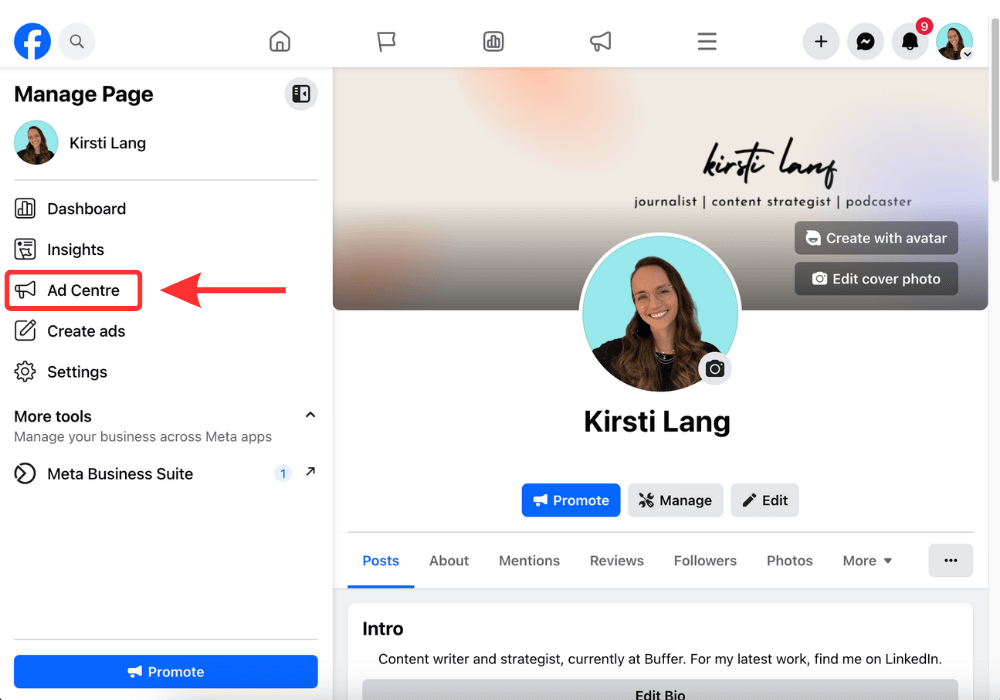
Before initiating any campaign within Meta Ads Manager, users must ensure their digital infrastructure is properly configured. A verified payment method must be attached to the account, and the operator must possess administrative, editorial, or advertiser access to an established Facebook Page. Organizations managing multiple distinct commercial brands should utilize a Business Manager account to compartmentalize ad accounts safely.
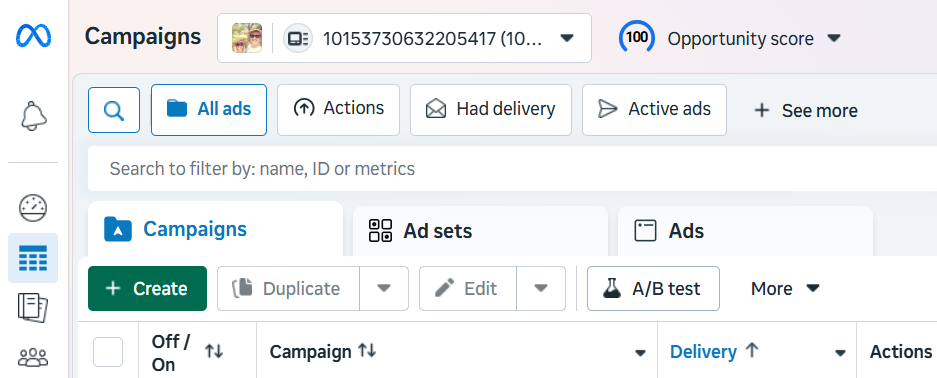
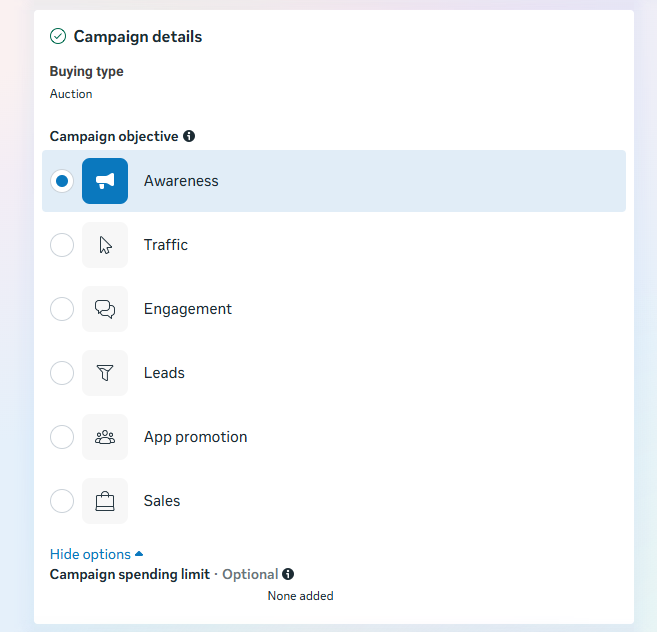
Upon accessing Ads Manager, the user initiates the process by selecting the primary green "Create" button, prompting the interface to request a foundational buying type: Auction or Reservation.
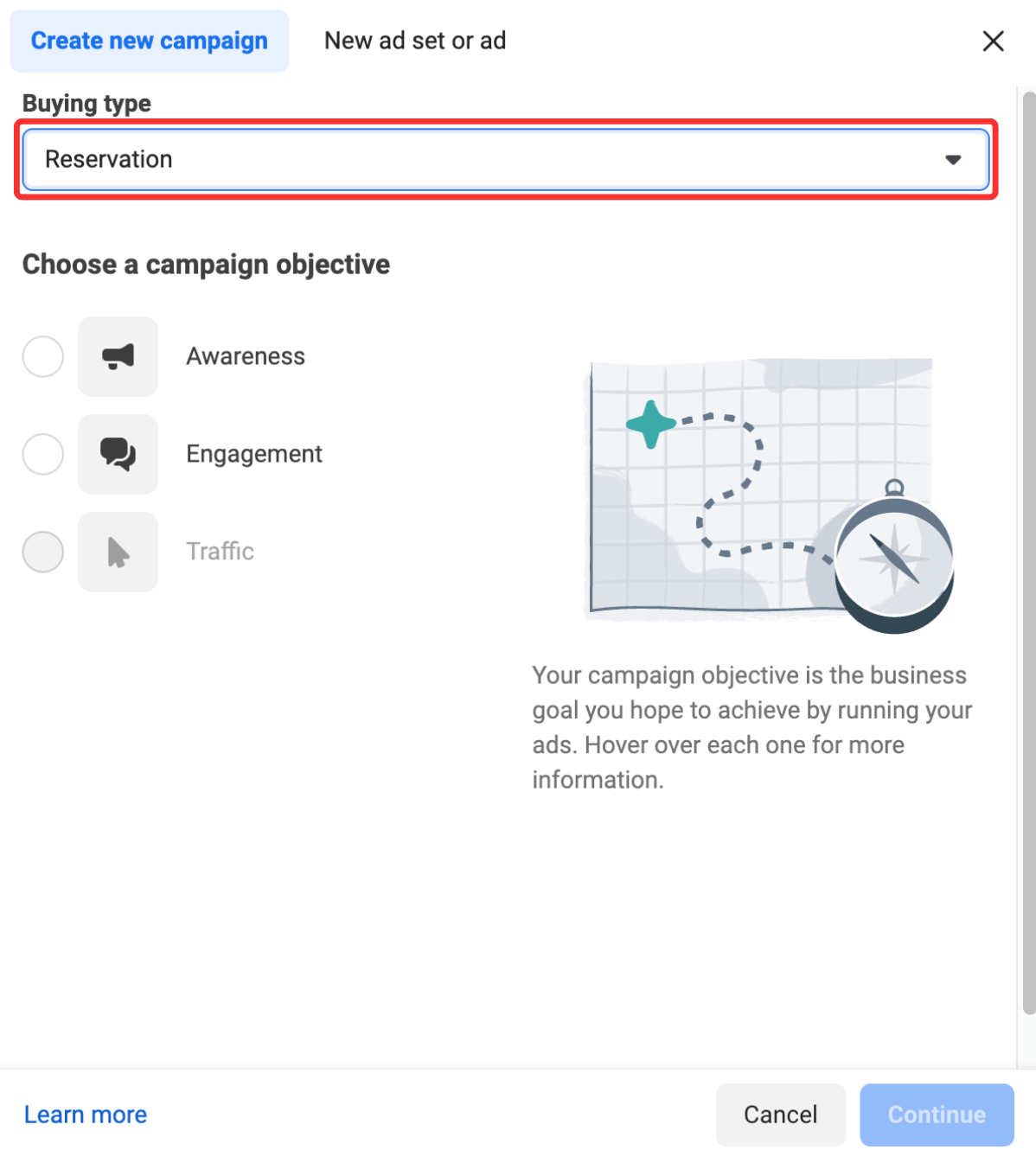
- Auction-Based Buying: Offers maximum flexibility, dynamic real-time pricing, and access to all six primary campaign objectives across Facebook, Instagram, Messenger, and the Meta Audience Network. Results are less predictable due to market fluctuations, but it remains the industry standard for performance-driven marketing.
- Reservation-Based Buying: Permits brands to plan and purchase digital inventory in advance, guaranteeing predictable delivery and frequency control. However, this method is strictly limited to Awareness and Engagement objectives across Facebook and Instagram.
Phase Two: Strategic Objective Alignment
The selection of a campaign objective is arguably the most consequential decision in the setup phase, as it permanently dictates how Meta’s underlying machine learning algorithm optimizes ad delivery. Meta currently structures its offerings around six core goals:
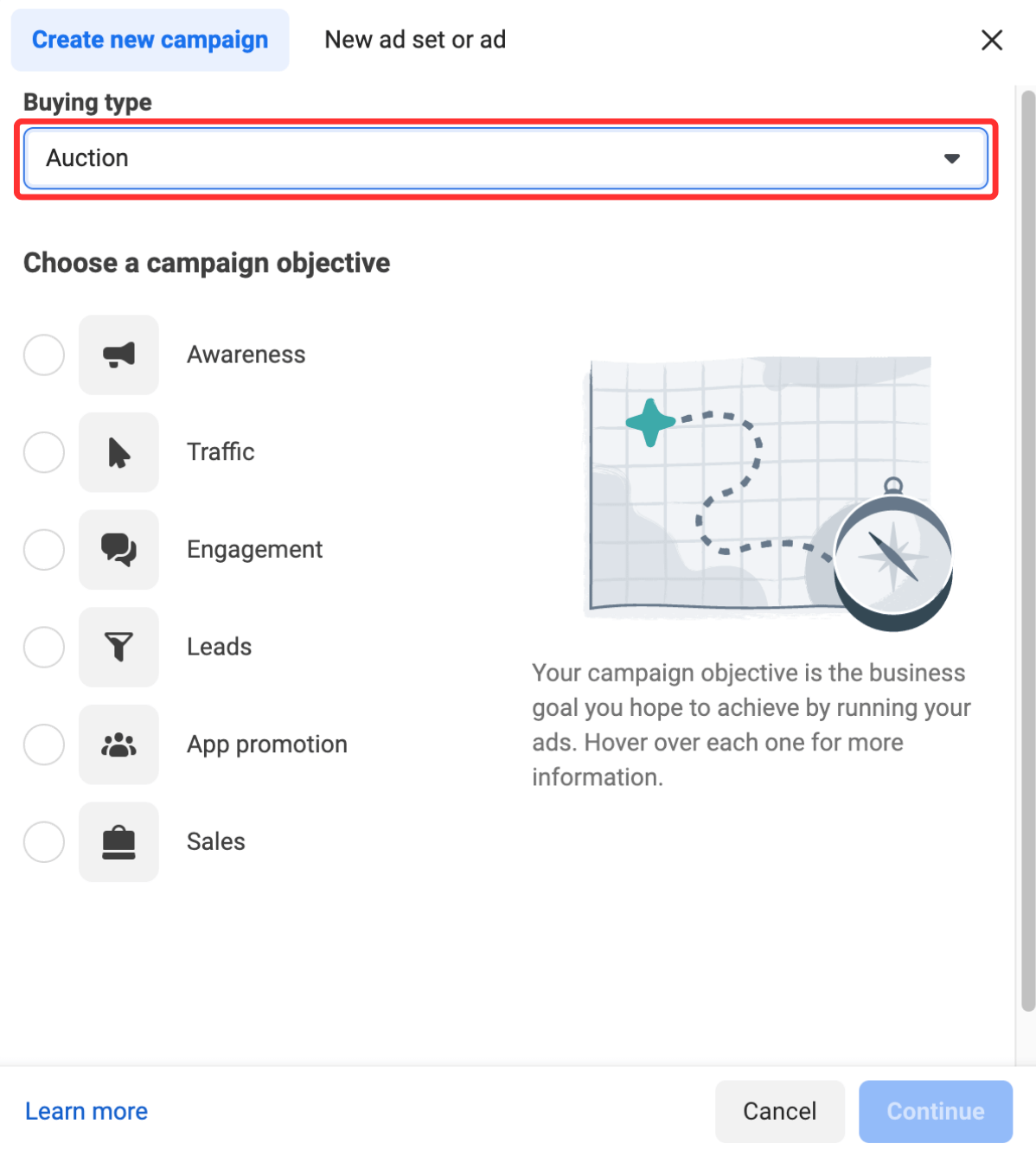
- Awareness: Best suited for maximizing brand recall among broad populations, optimizing toward reach, brand visibility, and video views.
- Traffic: Designed to funnel users toward an external destination, prioritizing link clicks, landing page views, and direct phone calls.
- Engagement: Focuses on driving interactions, messaging conversations, page likes, comments, and in-app video consumption.
- Leads: Tailored for capturing contact data via instant form submissions, conversions, or inbound phone inquiries.
- App Promotion: Optimized specifically for generating new software installs or re-engaging dormant users through deep-linking.
- Sales: Directed toward bottom-line commercial transactions, prioritizing online conversions, catalog sales, and in-app purchases.
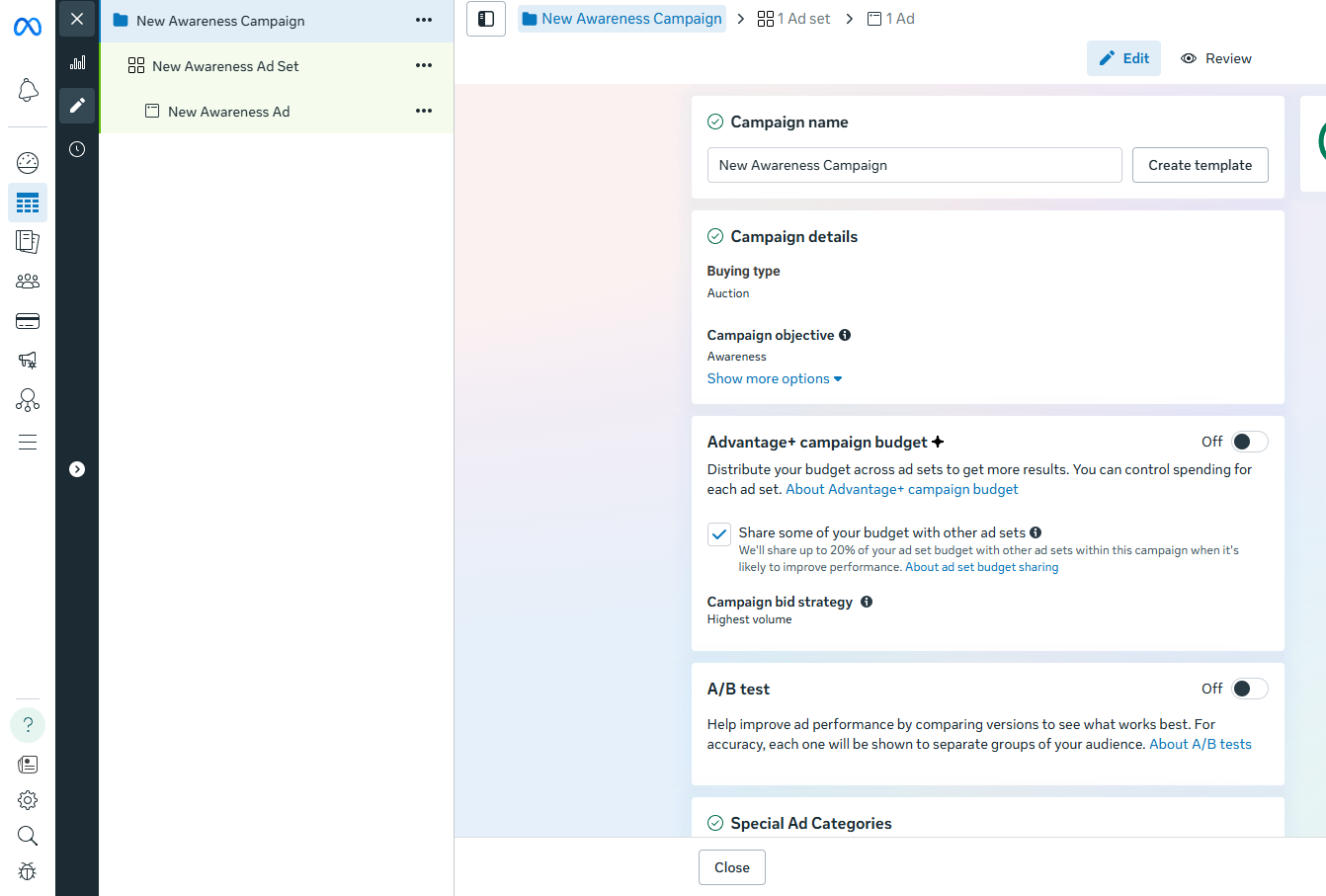
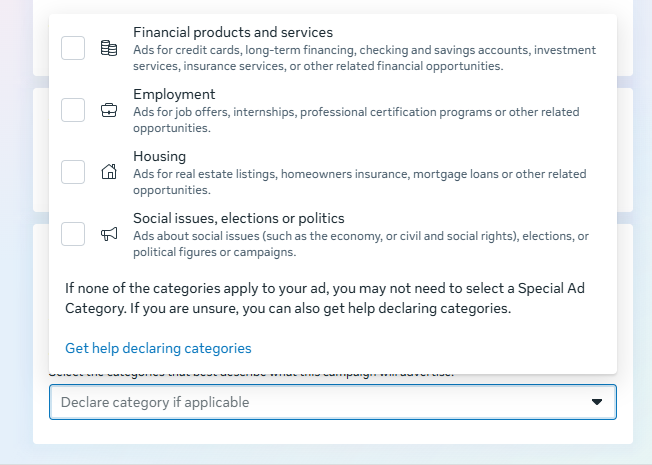
Following objective selection, advertisers must designate a recognizable campaign name and declare whether their content falls under Special Ad Categories—such as credit, employment, housing, or social issues/politics—to ensure strict compliance with regional advertising regulations.
Phase Three: Financial Parameters and Audience Targeting
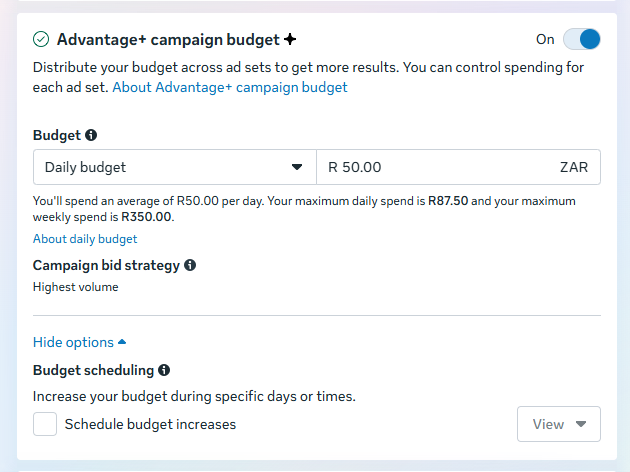
Once campaign-level parameters are established, the workflow transitions to the Ad Set level, where budget, timing, and audience parameters are locked in. Advertisers can choose between daily budgets (the average spend permitted per day) or lifetime budgets (the total aggregate expenditure across a specified campaign lifecycle).
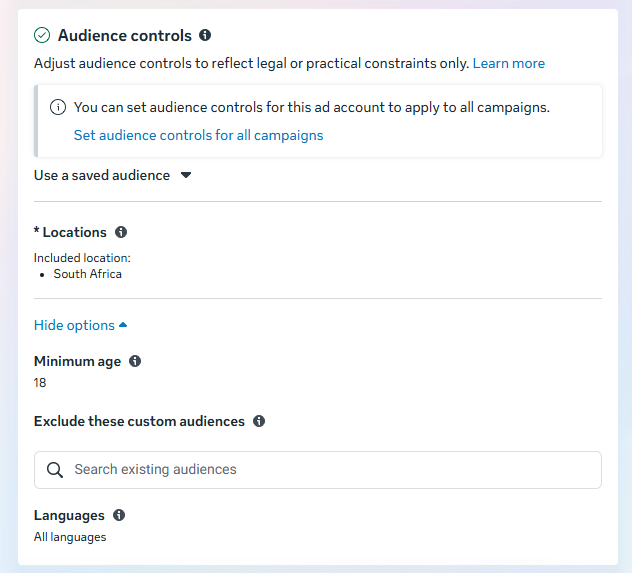
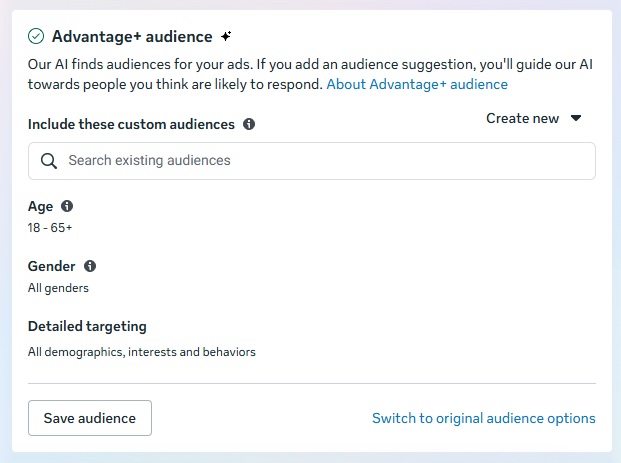
Audience customization has evolved significantly with the integration of AI-driven tools. While traditional demographic controls (location, age, and language) remain accessible, the Meta Advantage+ audience feature delegates complex targeting to the platform’s machine learning infrastructure. The AI analyzes historical conversion data, page interactions, and behavioral signals in real time to locate prospective buyers who share characteristics with the brand’s existing customer base. Advertisers who prefer granular control retain the ability to deploy custom audiences, lookalike audiences, or specific interest-based parameters manually.
Ad placements—determining where the creative actually appears across feeds, stories, reels, and messaging inboxes—follow a similar dichotomy. While Advantage+ placements automate distribution for maximum efficiency, manual placements allow media buyers to curate exact touchpoints across the Meta application ecosystem.
Phase Four: Creative Execution and Destination Mapping
The final stage involves constructing the actual ad unit. Advertisers must link the appropriate Facebook Page and Instagram profile, select a creative format (single image, video, carousel, or collection), and upload assets that strictly adhere to platform technical specifications to avoid cropping or blurring.
Ad copy must include compelling primary text, an optimized headline, and a clear call-to-action (CTA) button. Finally, the advertiser defines the conversion destination—whether directing traffic to an external website utilizing UTM tracking parameters, an in-app Instant Experience landing page, a phone call, or a direct messaging thread on WhatsApp, Facebook Messenger, or Instagram.
Upon final review, hitting the "Publish" button submits the ad for platform evaluation. Meta typically completes its compliance and community guidelines review within 24 hours, notifying the advertiser via email once the creative goes live.
Financial Benchmarks and Cost Analysis
Understanding the financial realities of social media advertising requires examining cross-industry cost-per-click (CPC) data. While Meta permits nominal daily spending thresholds starting at $1 per day, the actual cost to acquire a click varies widely depending on market competitiveness and sector demand.
Data aggregated from digital marketing benchmarks illustrates the variance in average CPC across major industries:
- Apparel: $0.45
- Travel & Hospitality: $0.63
- Retail: $0.70
- Technology: $1.27
- Healthcare & Legal: $1.32
- Education: $1.06
- Fitness: $1.90
- Real Estate & Beauty: $1.81
- Auto: $2.24
- B2B Services: $2.52
- Employment & Job Training: $2.72
- Home Improvement: $2.93
- Consumer Services: $3.08
- Finance & Insurance: $3.77
These figures underscore the importance of aligning ad spend with realistic commercial margins. Brands operating within highly competitive financial or legal sectors must anticipate higher acquisition costs and design conversion funnels that maximize customer lifetime value (LTV) to ensure positive return on ad spend (ROAS).
Strategic Analysis and Operational Implications
Deploying capital into Meta’s ecosystem without a broader strategic framework often leads to inefficient budget burn. Industry analysts consistently emphasize two primary caveats for organizations contemplating paid social media campaigns:
- Product Comprehension Threshold: Products or services that require extensive, highly nuanced explanations before a consumer understands their value proposition rarely perform well as a primary conversion ad on Facebook. The platform thrives on immediate visual and conceptual comprehension. Complex offerings should instead utilize top-of-funnel educational content or lead-generation frameworks to build familiarity before attempting a direct sale.
- The Learning Phase and Budget Viability: Budgets constrained to nominal daily expenditures (such as $5 per day) frequently fail to generate actionable performance data. Meta’s machine learning algorithm requires a designated "learning phase"—typically accumulating approximately 50 optimization events per ad set—to stabilize performance. Micro-budgets starve the algorithm of necessary data, rendering performance analysis inconclusive.
Furthermore, digital marketing specialists advise against premature optimization. When adjustments are made to creative assets, targeting parameters, or bidding strategies, campaigns require a minimum observation window of three to seven days. Evaluating performance on day one often leads to reactionary adjustments that disrupt algorithmic stabilization.
Frequently Asked Questions
How much does it cost to advertise on Facebook?
Facebook operates on a flexible, auction-based budgeting model. Advertisers can set daily or lifetime spending limits based on their organizational capacity. While average CPC varies by industry—ranging from under $0.50 for apparel to over $3.50 for finance—total expenditure is dictated entirely by audience competition, bidding strategy, and campaign objectives.
Is a $5 daily budget sufficient for running Meta ads?
A $5 daily budget is generally only viable for small-scale geographic or audience tests. Because Meta’s algorithm requires sufficient data during its initial learning phase to optimize delivery, very small budgets take excessive time to generate meaningful performance metrics, often delaying actionable insights.
What is the difference between boosting a post and running an ad through Ads Manager?
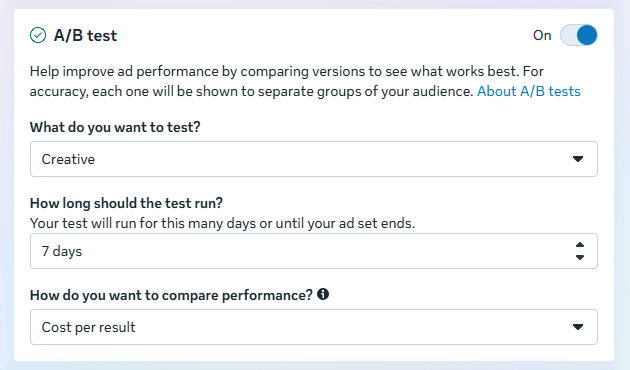
Boosting a post is a simplified, streamlined method for promoting existing organic content directly from a business page interface. In contrast, running campaigns through Meta Ads Manager provides advanced multi-tiered structural controls, granular audience targeting, comprehensive placement customization, robust A/B split-testing capabilities, and sophisticated conversion tracking via the Meta Pixel.
How long does Meta take to approve submitted advertisements?
The vast majority of ad submissions undergo automated and manual review within 24 hours. During this evaluation window, Meta verifies that the creative assets, landing pages, and ad copy comply fully with the platform’s established advertising policies and community standards.
What role does artificial intelligence play in modern Meta advertising?
Artificial intelligence, embodied by tools like Meta Advantage+ and automated audience targeting, dynamically optimizes ad delivery in real time. Rather than relying solely on rigid, manual demographic parameters, the system evaluates behavioral patterns and historical conversion data to serve ads to the users statistically most likely to fulfill the campaign’s stated objective.