Website Marketing in 2026 and Beyond: Navigating the New Era of AI-Driven Discovery and Consumer Trust

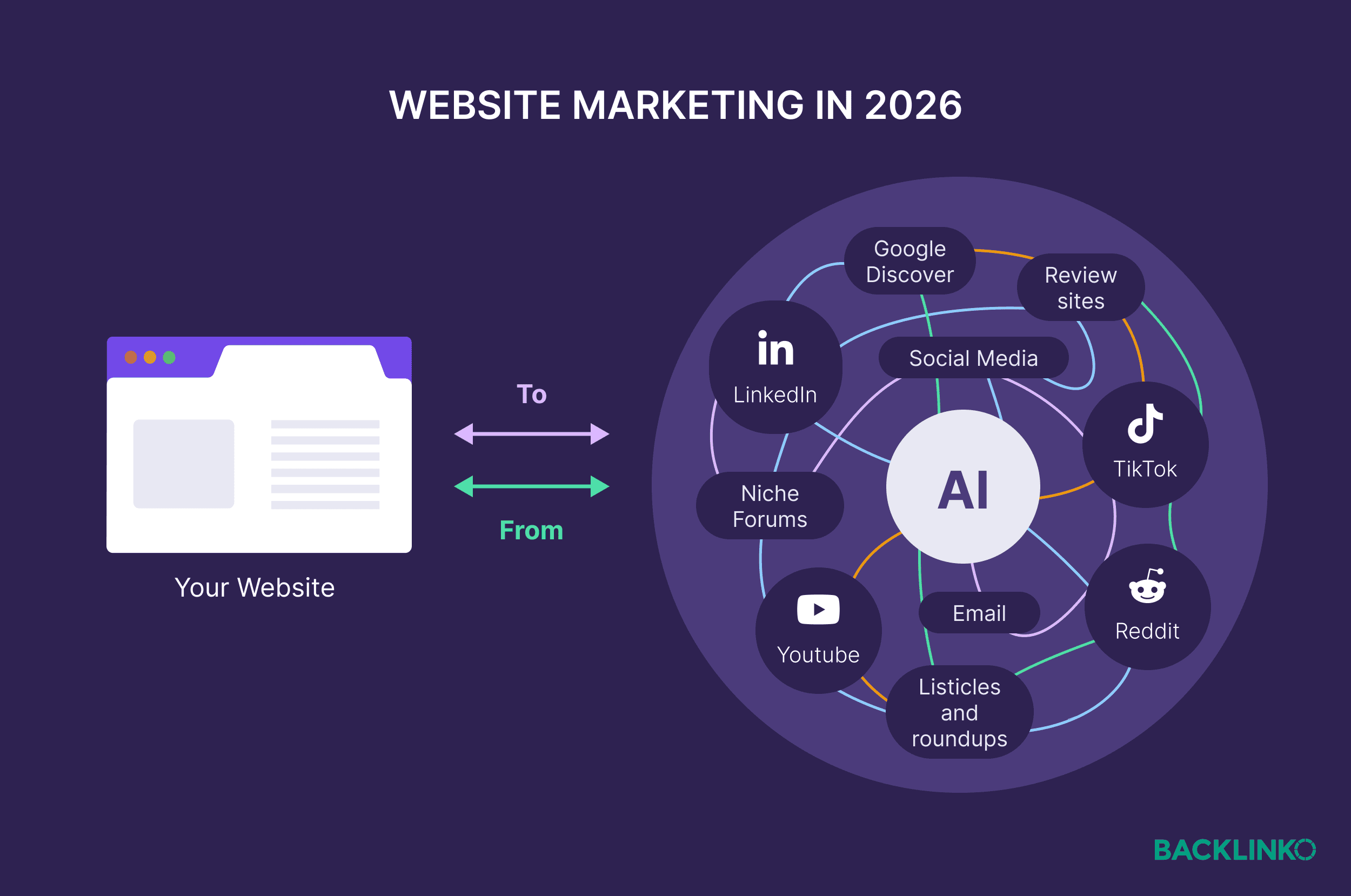
The fundamental mechanics of website marketing have undergone a seismic shift as we move deeper into 2026. For decades, the digital playbook remained relatively static: optimize your site, drive traffic, and convert visitors into customers. However, the current landscape—defined by the ubiquity of generative AI, social discourse, and decentralized search—has rendered this traditional "siloed" approach increasingly ineffective. Today, the customer journey is no longer a linear path ending at a company’s homepage; it is a fragmented exploration that often concludes before a user even clicks a link to your domain.
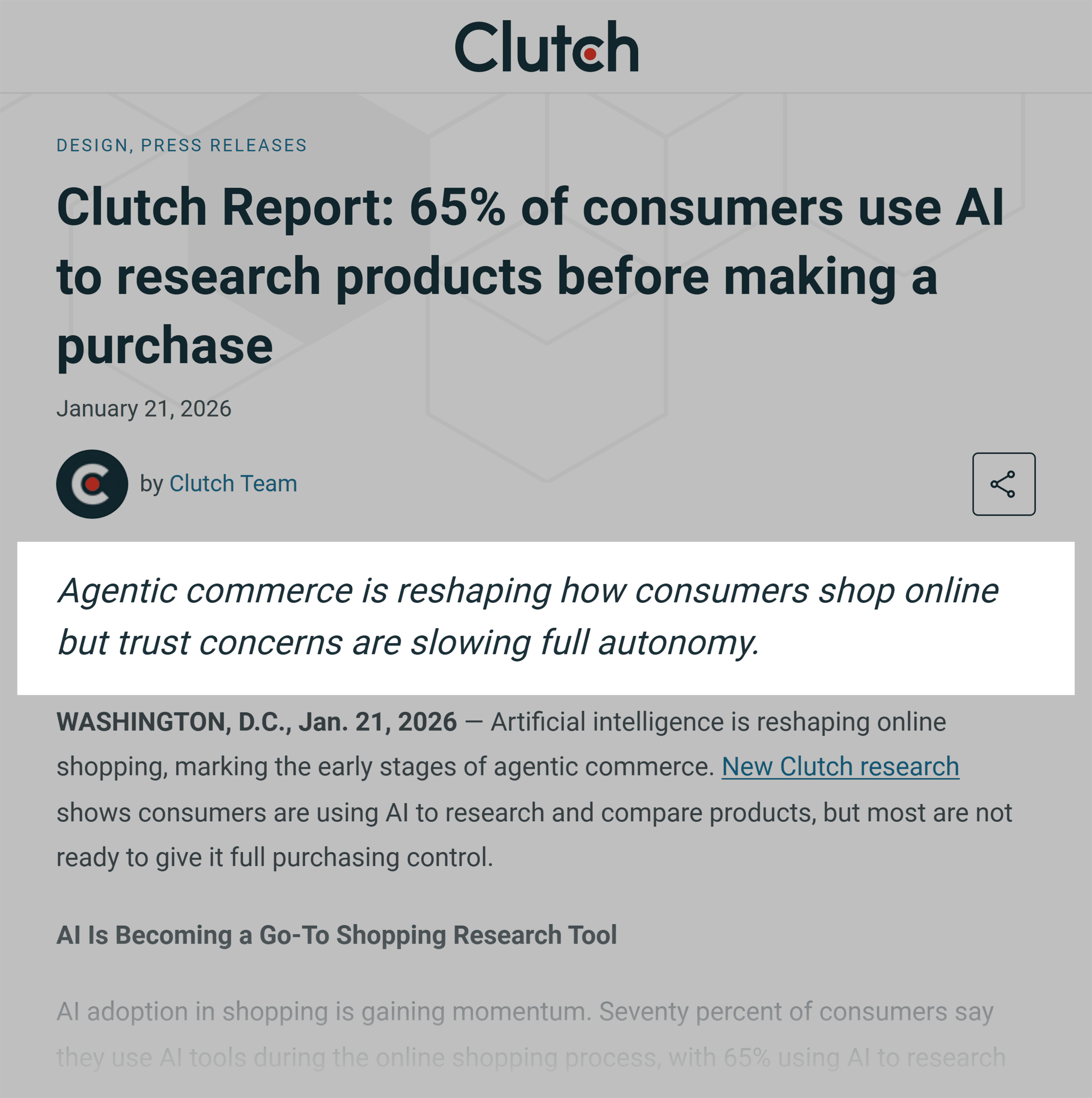
Industry data supports this transition in behavior. According to recent findings from Clutch Research, over 65% of modern consumers now leverage artificial intelligence tools to research products, compare features, and validate brand claims before ever visiting a company’s website. This trend places the initial point of brand contact outside the control of the business, occurring instead within the conversational interfaces of LLMs (Large Language Models) or the community-driven discussions on platforms like Reddit and niche social networks.
The challenge for marketing teams is clear: if your brand lacks visibility and credibility in these external ecosystems, your website remains an island, unreachable by a significant portion of your target audience. Conversely, brands that successfully embed themselves into these wider discovery channels ensure that by the time a prospect does arrive at their site, they arrive with high intent, pre-established trust, and a clear understanding of the brand’s value proposition.

The New Architecture of Brand Discovery
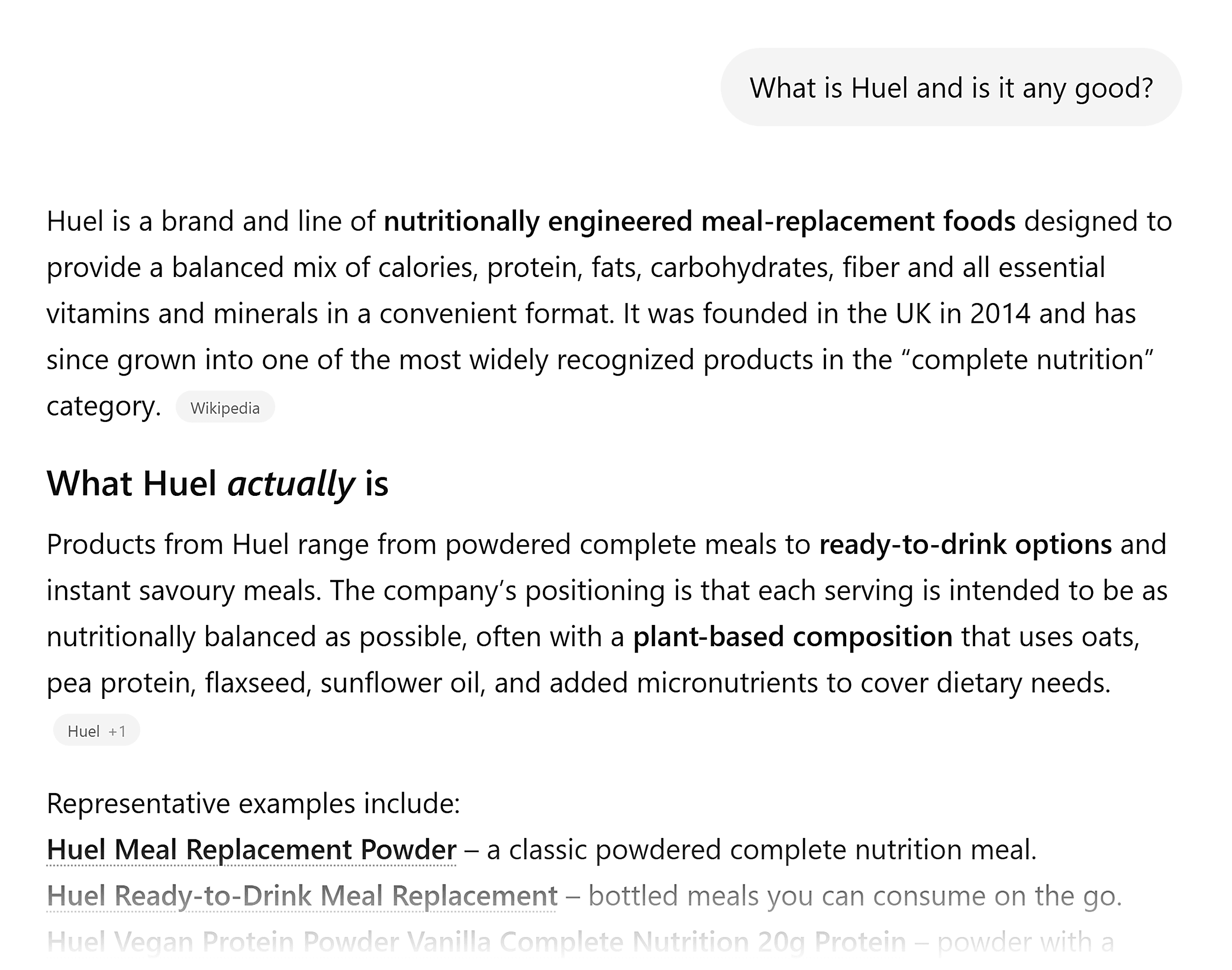
The shift toward AI-assisted discovery means that search engines are no longer just lists of links; they are synthesis engines. When a user queries a search tool about a specific brand or product category, they receive a generated summary. This summary is informed by the "consensus" of the internet—the aggregate of reviews, articles, social mentions, and technical documentation scattered across the web.
To compete in this environment, companies must adopt a proactive strategy to "engineer" how the internet describes their brand. This begins with a rigid, documented brand messaging strategy. While this may sound like an internal exercise, it is actually a technical necessity. When a brand’s messaging is inconsistent across different platforms—or worse, when it is absent—LLMs are forced to "hallucinate" or rely on outdated third-party descriptions to fill the gaps.
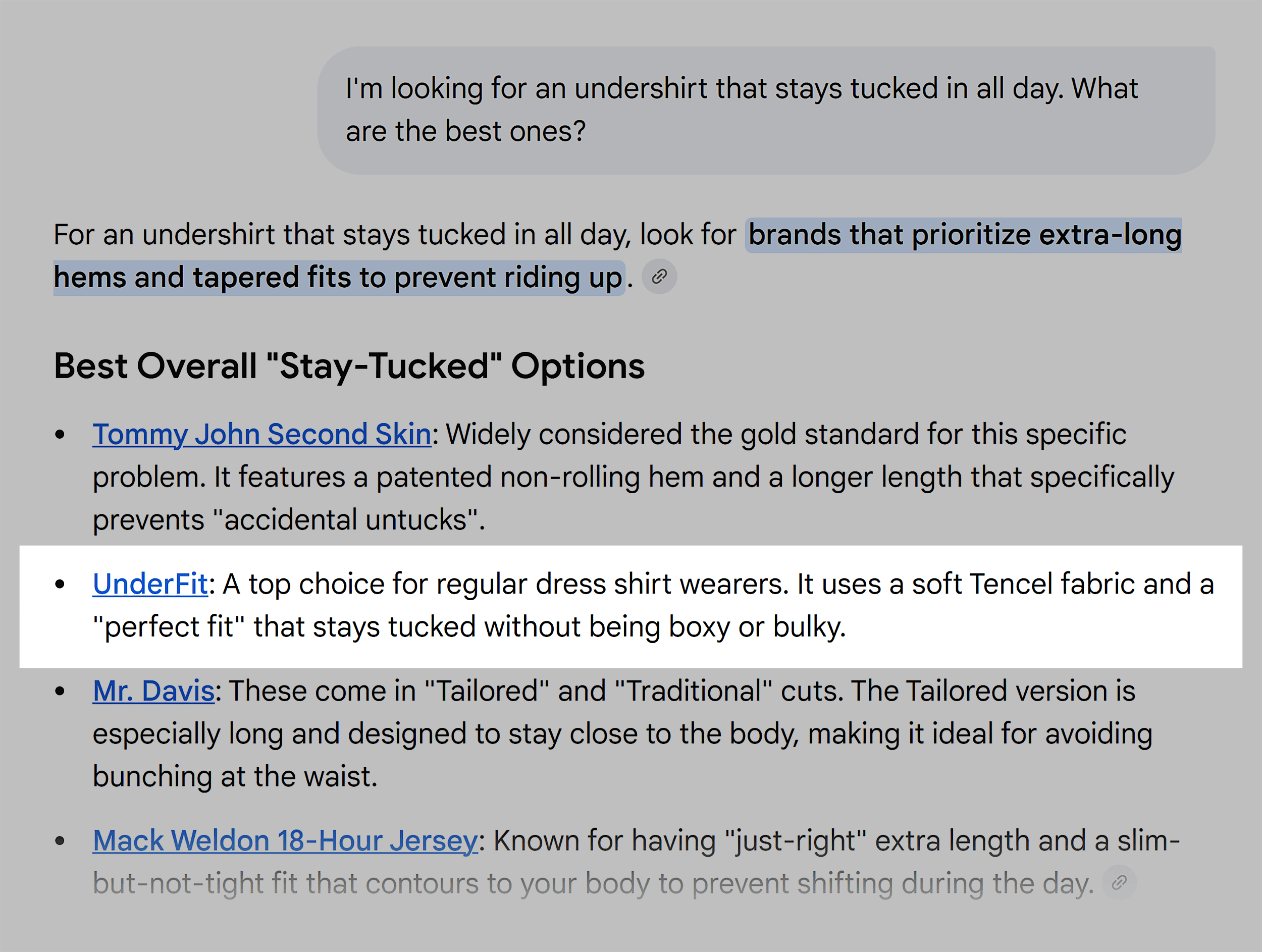
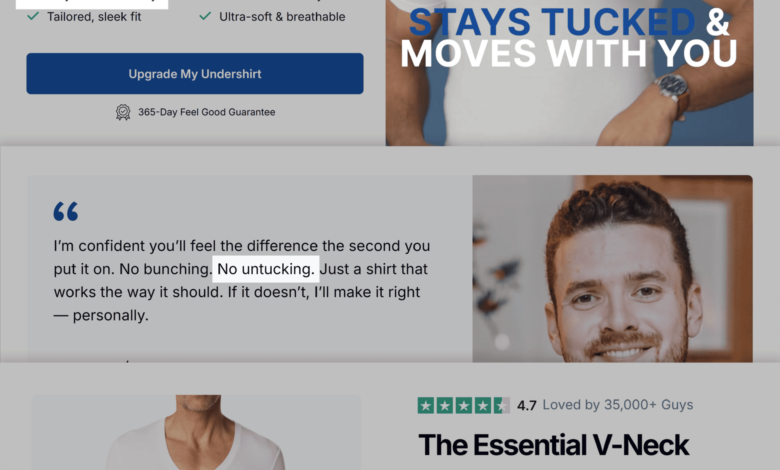
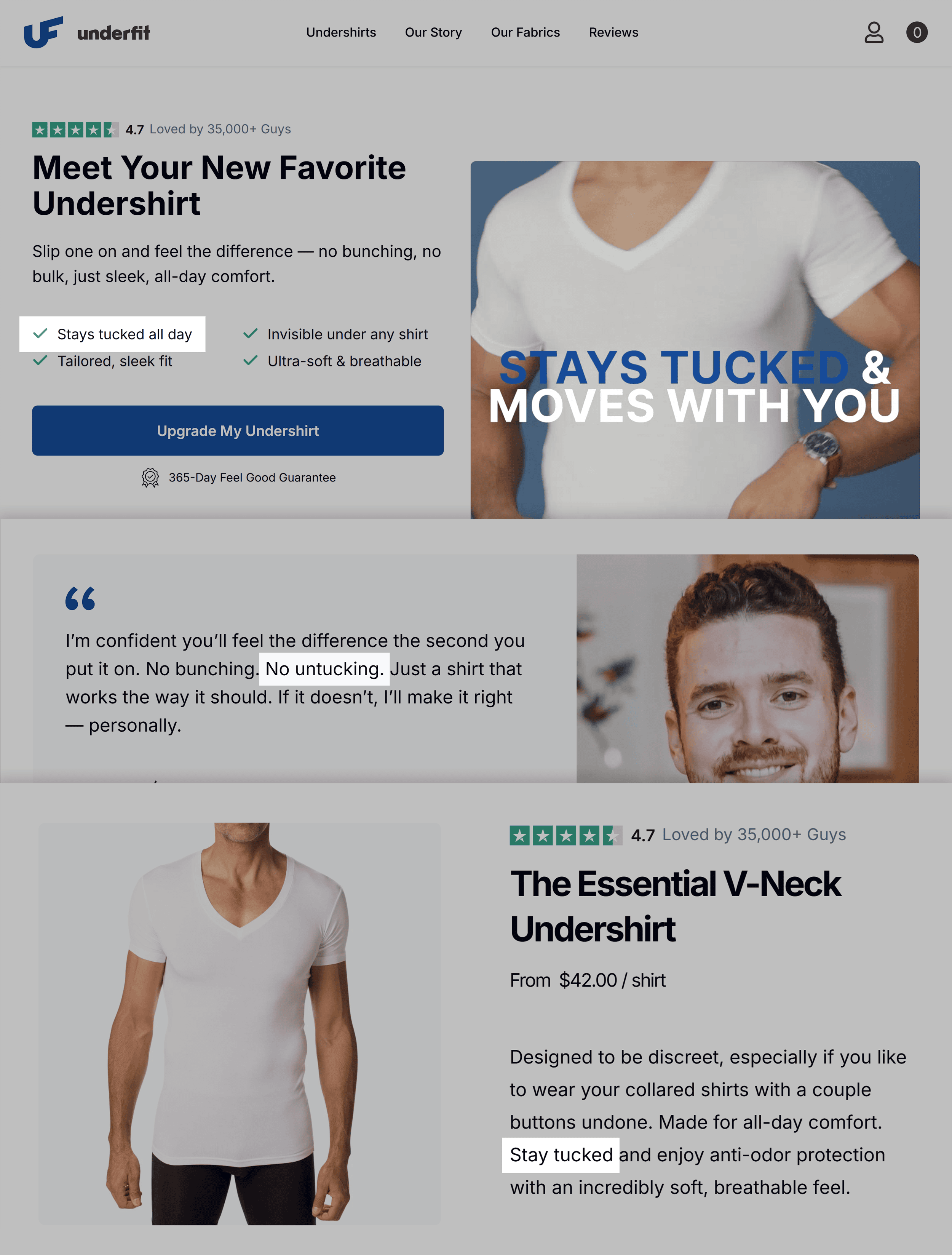
A robust brand messaging document should, at a minimum, codify the company’s core positioning, the specific problems it solves, and the unique value it provides. This language must be distributed across all touchpoints, including marketing copy, sales scripts, leadership communications, and partner materials. The goal is to create such a high degree of repetition that AI models naturally associate your brand with specific, desired categories. For example, a successful e-commerce brand like UnderFit maintains a singular focus on the benefit that their undershirts "stay tucked all day." By ensuring this exact phrase appears in reviews, retail roundups, and social media commentary, the brand ensures that when a user asks an AI about "undershirts that don’t untuck," the AI possesses the necessary context to recommend them.
Structuring for Human and Machine Parsing
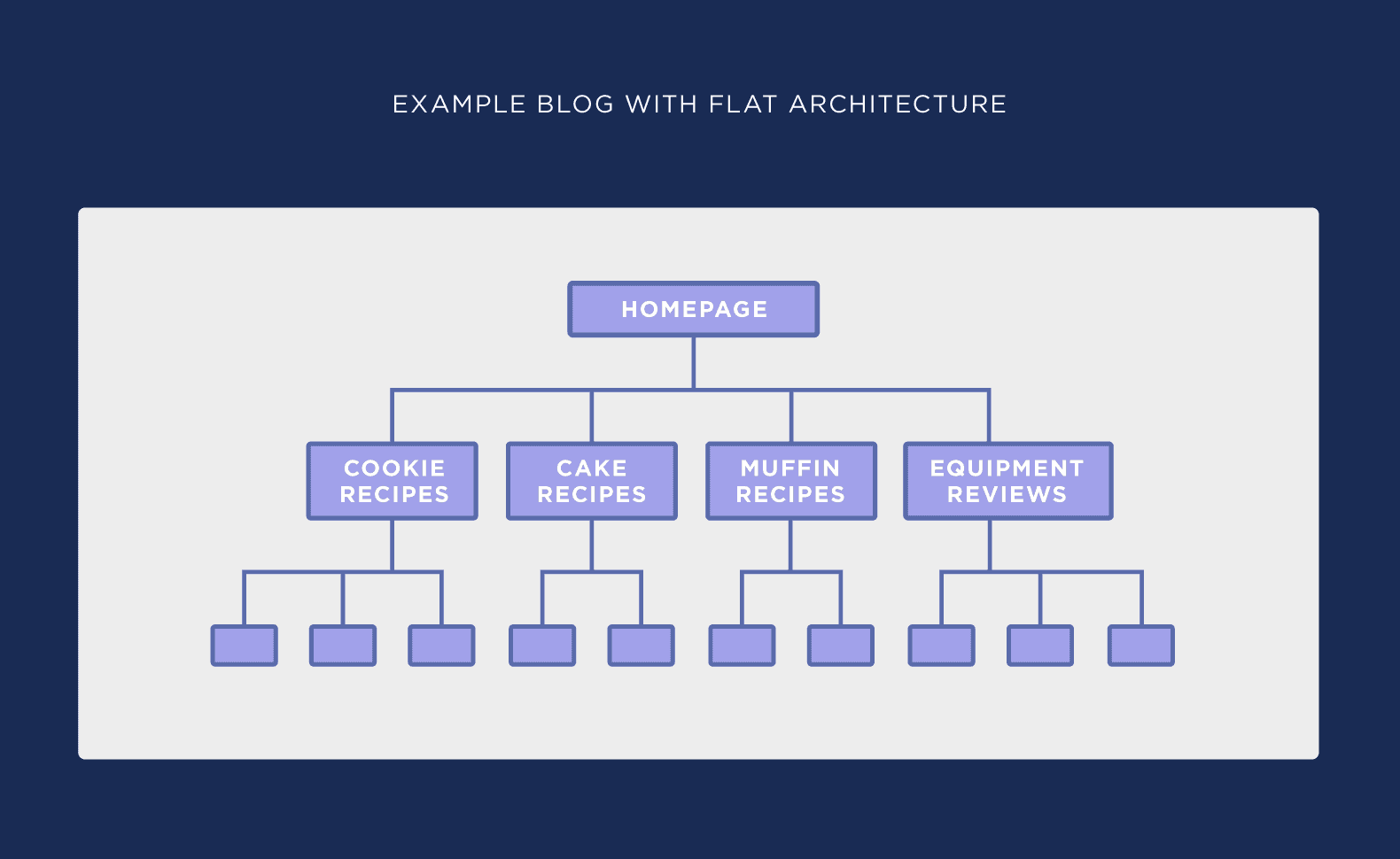
While external visibility is critical, the website itself must evolve to become a high-performance destination for both human users and automated crawlers. Modern website architecture should favor a "flat" structure, where essential content is no more than two or three clicks away from the homepage. This minimizes the path for users and maximizes the efficiency for search engine bots and AI scrapers.
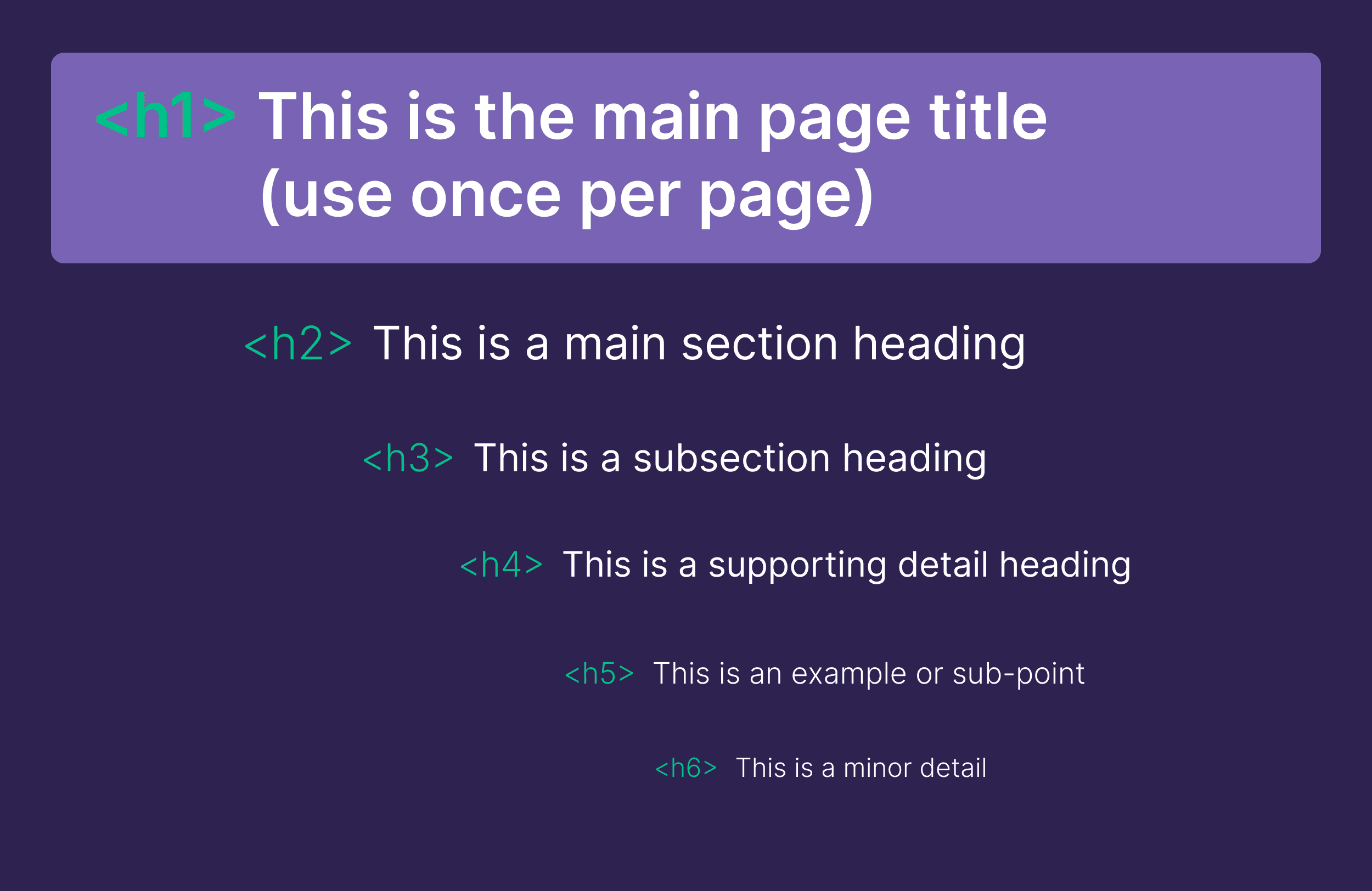
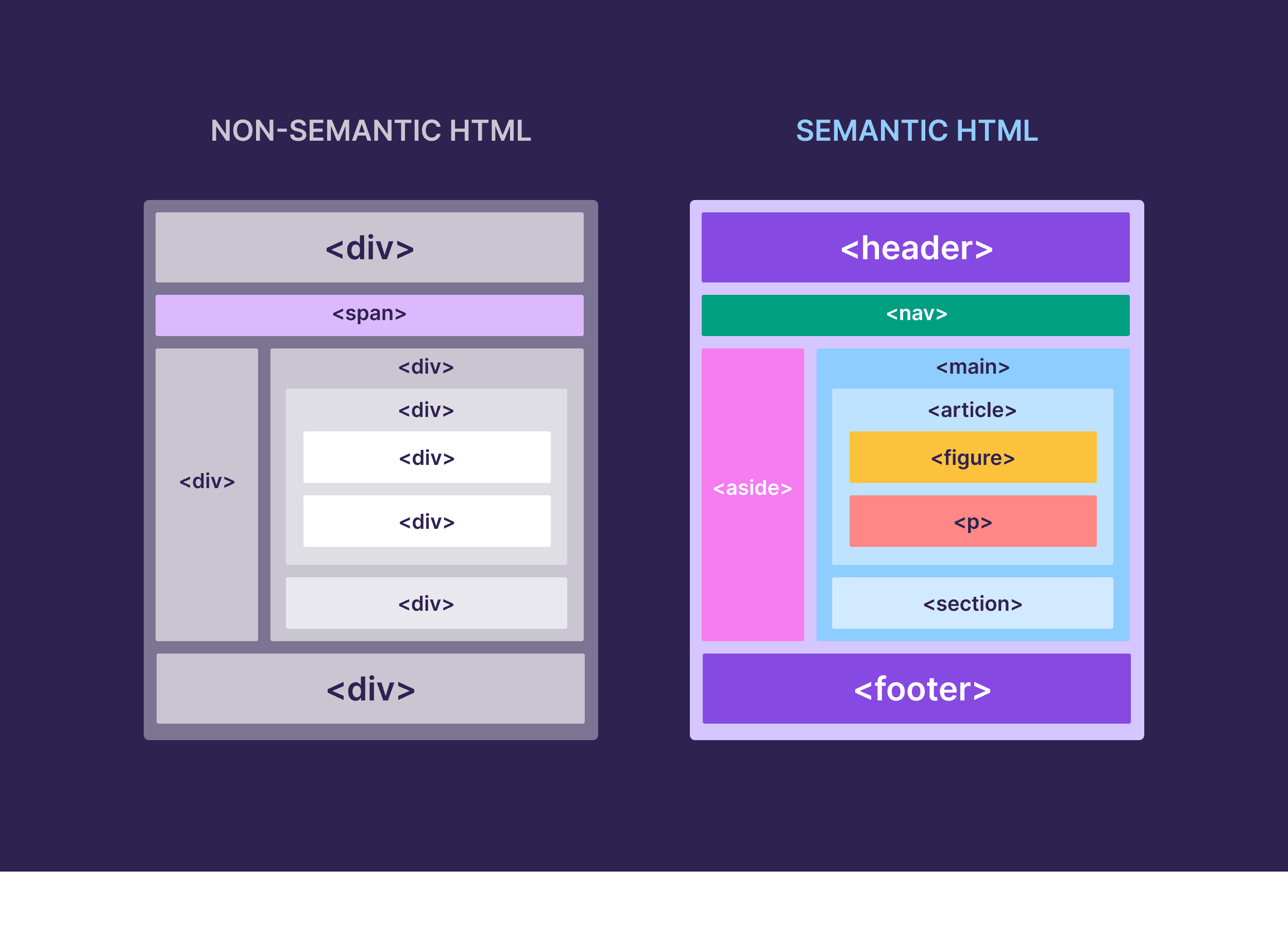
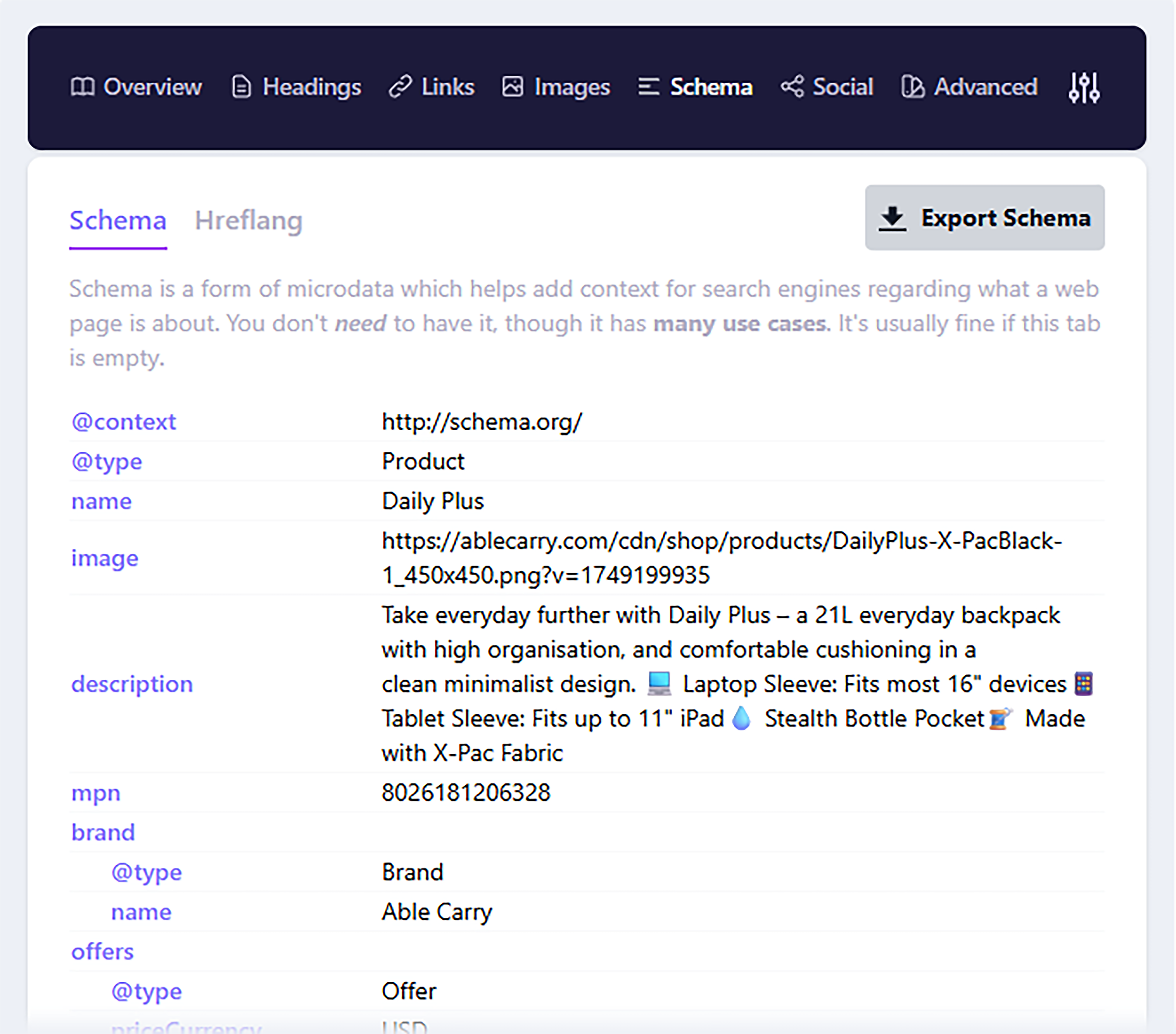
Beyond structure, semantic HTML has moved from a "best practice" to an essential requirement. Utilizing proper heading tags (H1-H6), defined lists, and section elements provides the structural signals that AI systems require to interpret the hierarchy of your content. When a page is designed for readability—using skimmable headers, data tables, and clear summaries—it is inherently easier for an LLM to index and retrieve that information accurately. This is why investing in schema markup and high-quality structured data is no longer optional; it is the language by which you tell AI systems exactly what your page is and why it matters.
The Role of Proof Assets
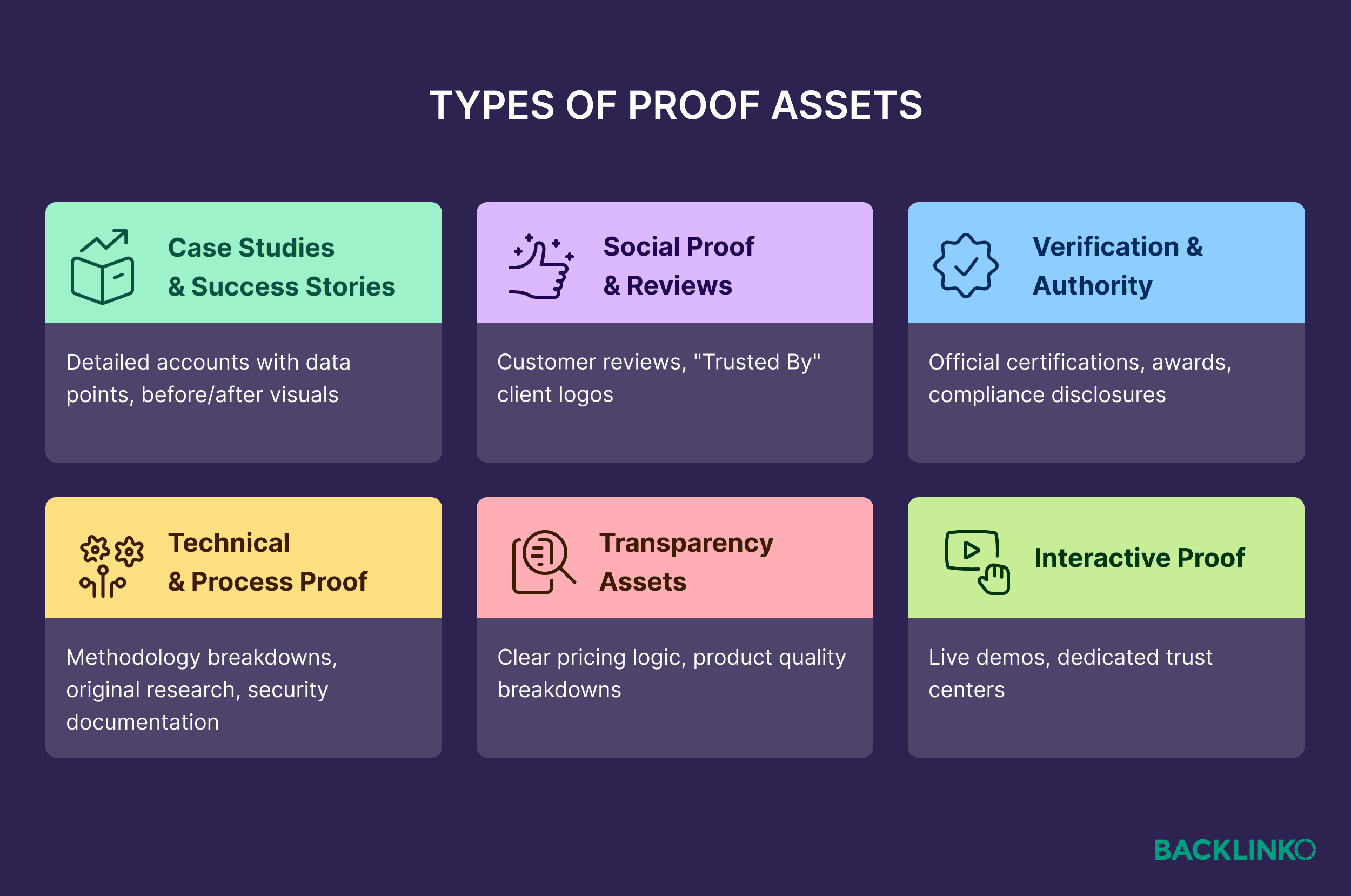
Evidence-based marketing is the final piece of the discovery puzzle. "Proof assets"—including detailed case studies, uptime data, security whitepapers, and verified customer testimonials—act as the objective evidence that validates a brand’s marketing claims. In the SaaS sector, these assets are often the deciding factor in enterprise procurement. In the e-commerce sector, granular product details and transparent return policies serve a similar function.
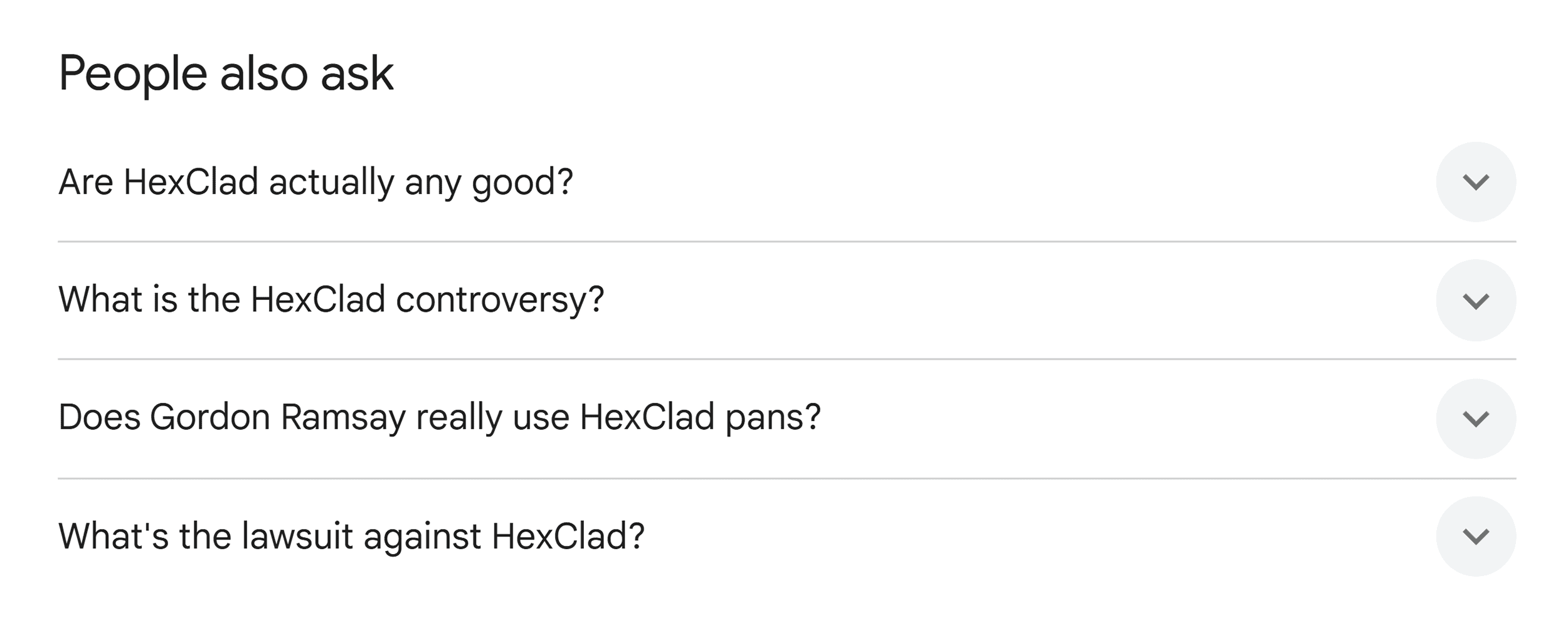
To determine which proof assets to prioritize, companies should analyze "People Also Ask" (PAA) results on search engines. These results provide a direct window into the doubts and hesitations of potential buyers. If a user is searching for "is [Brand X] safe," the most effective marketing strategy is not to bury that concern, but to create a dedicated, easily accessible page that addresses it with factual, security-oriented proof.
The Human Premium: Video and Thought Leadership
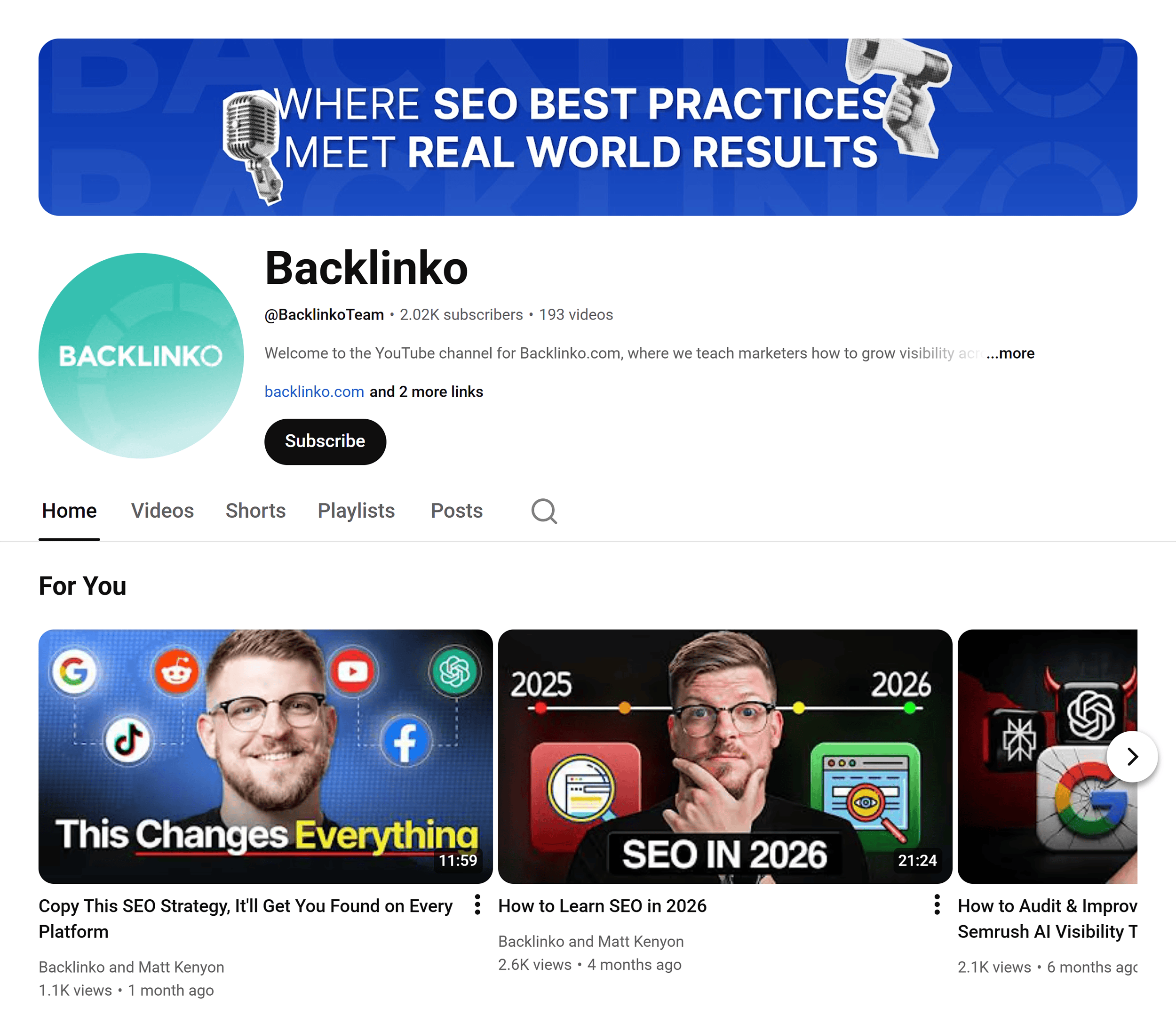
As AI content floods the internet, there is a measurable "human premium" developing in the market. Video content serves as the most effective vehicle to capture this value. Long-form video, typically hosted on platforms like YouTube, allows brands to build a sense of familiarity that text simply cannot replicate. By the time a viewer has spent 20 minutes watching an educational deep-dive or a product tutorial, they have built a parasocial connection with the brand. They are no longer strangers; they are informed prospects.
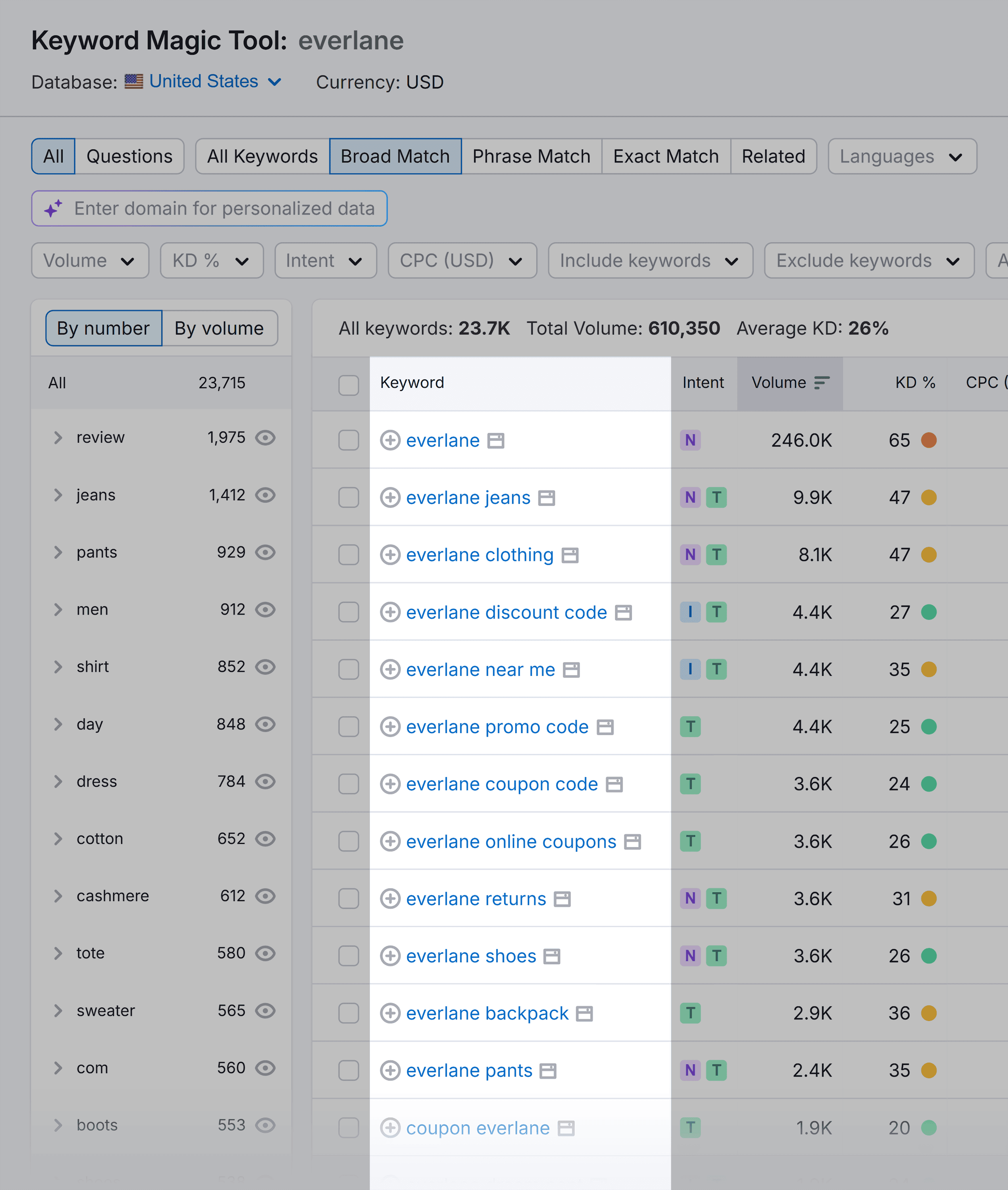
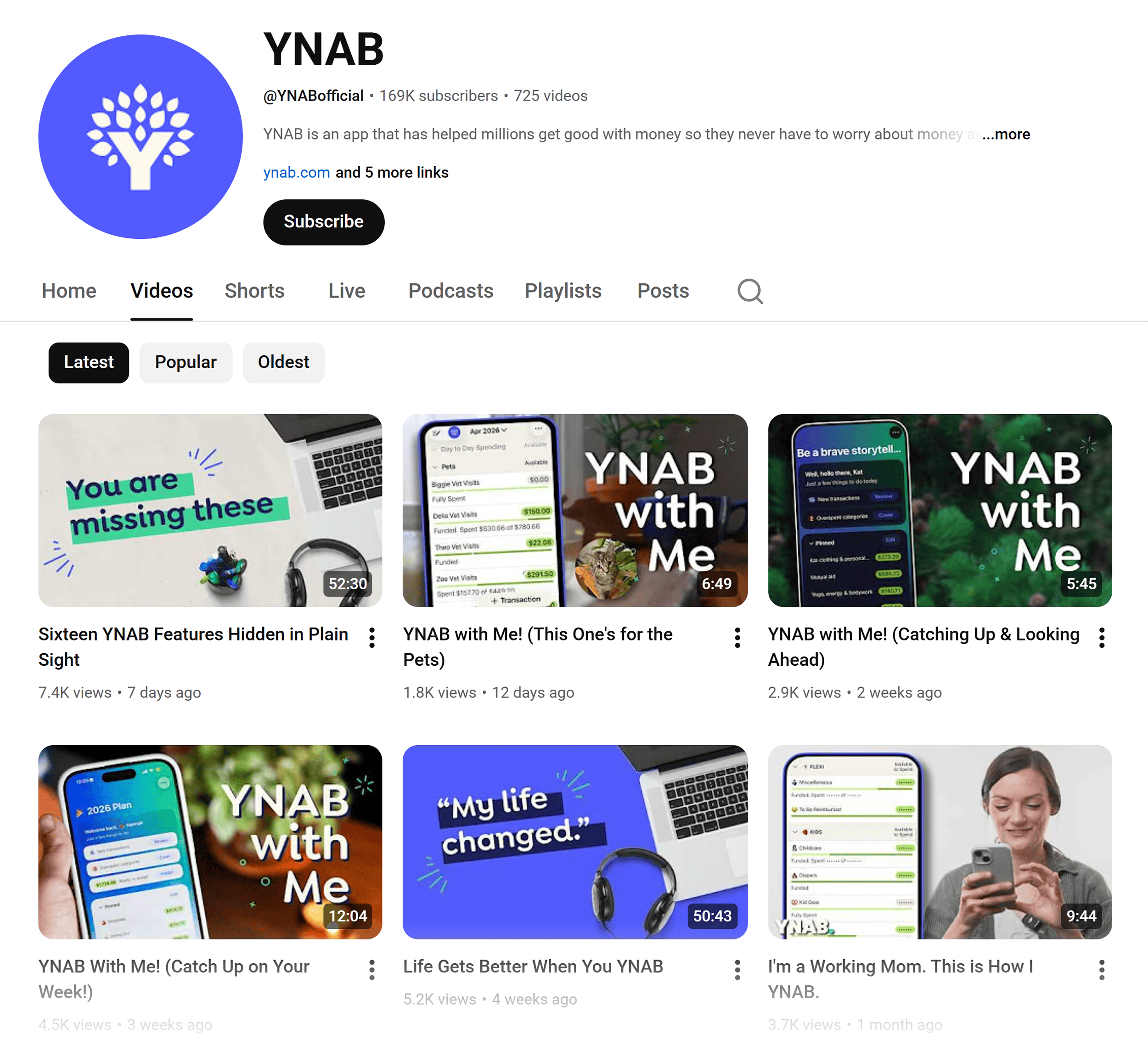
The strategy here is not just production value, but utility. Brands should analyze competitor channels, not to copy their aesthetic, but to identify the "content gaps." If competitors are producing high-level overviews, there is an opening for a brand to provide granular, problem-solving tutorials. Furthermore, these videos must be linked back to the company website to convert the trust built on YouTube into action on the company’s domain.
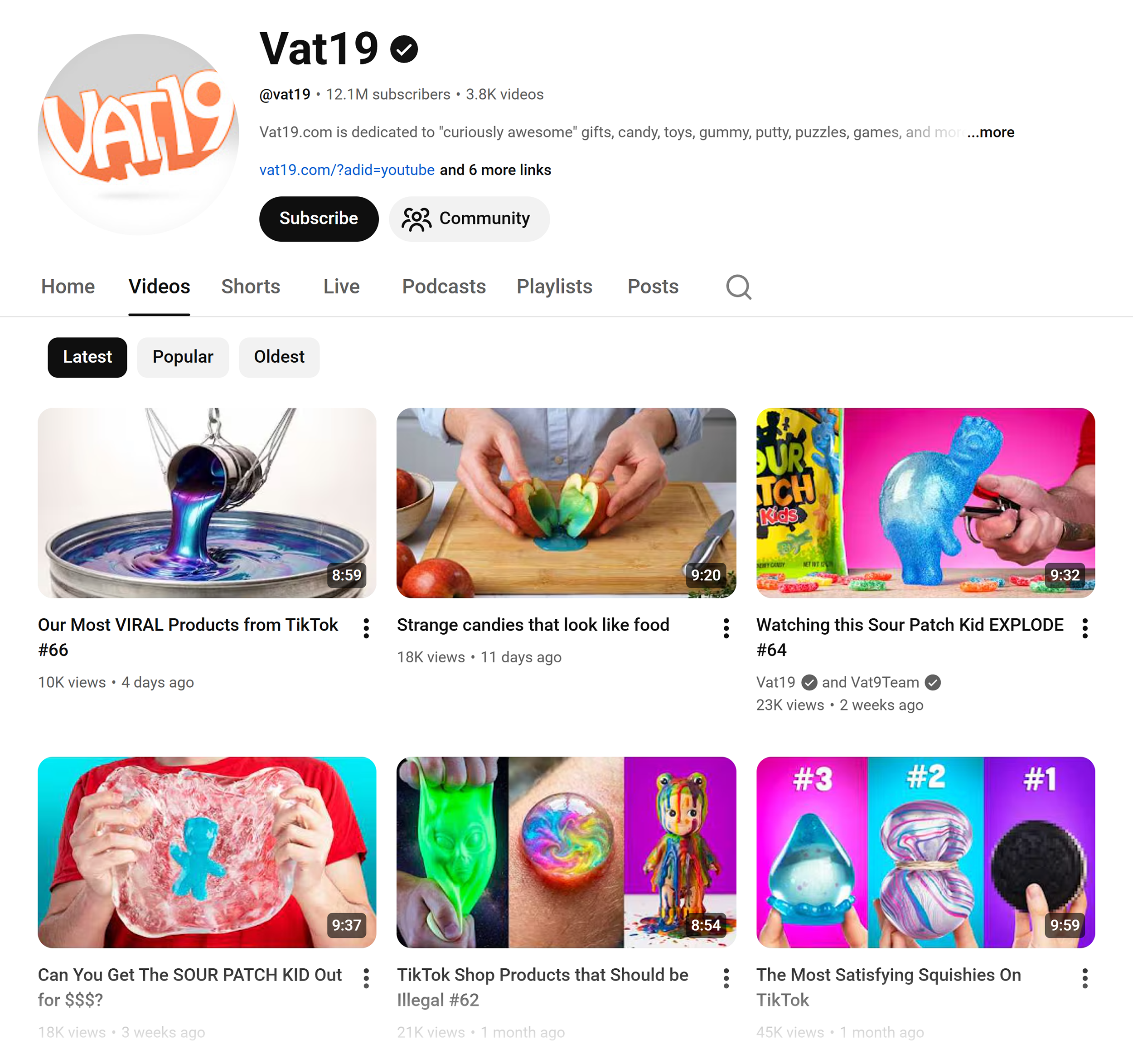
Short-form video—reels, clips, and social shorts—functions differently. These platforms build trust through repetition. The key is to avoid high-production, overly polished advertisements. Instead, focus on answering the recurring questions that arise during sales calls or customer support interactions. By providing immediate, value-driven answers to these questions, brands can dominate their niche and remain top-of-mind for potential buyers.
Navigating the Zero-Click Future
The rise of the "zero-click" search environment, where users receive answers directly in the search results or via AI chat, necessitates a shift in how success is measured. Revenue per visitor is becoming the most important metric. Because visitors are often more educated by the time they reach a site, the "nurturing" phase of the website experience can be shortened. The focus must be on removing every possible barrier to conversion.
This requires a rigorous audit of the pages closest to the final transaction. Are there too many form fields? Is the value proposition hidden? Is the pricing page confusing? By reducing friction and addressing the anxieties specific to their industry, brands can ensure that they are not just capturing traffic, but capturing value.
Finally, behavioral email targeting serves as the bridge for those who are not ready to convert during their first visit. By triggering personalized follow-up emails based on specific site actions—such as a user abandoning a cart or lingering on a pricing page—brands can maintain a presence in the customer’s mind. When done with intent, this behavior is seen as helpful rather than invasive, and it aligns with the psychological principle of reciprocity: providing value after an initial interaction makes the prospect more likely to complete a transaction.
Conclusion
The marketing environment of 2026 demands that companies stop viewing their website as a standalone destination. Instead, it must be seen as the headquarters of a much larger, distributed presence. By positioning for AI discovery, producing human-centric video content, and leveraging third-party communities, brands can ensure they remain relevant in an increasingly automated world. The tools and platforms will continue to change, but the core requirement remains the same: to be visible, to be credible, and to be helpful wherever the customer chooses to search.