The Strategic Imperative of Content Distribution in the Modern Digital Ecosystem

In the contemporary digital landscape, the creation of high-quality content is merely the preliminary phase of a much larger, more complex operation. As organic reach across major social platforms continues to contract, businesses are finding that the "build it and they will come" philosophy is increasingly obsolete. A sophisticated content distribution strategy—the systematic process of promoting and delivering content to a targeted audience across owned, earned, and paid channels—has become a foundational requirement for brand viability. Without a deliberate distribution framework, even the most meticulously researched assets risk languishing in obscurity, failing to achieve the visibility required to drive tangible business outcomes.

The Anatomy of Modern Content Distribution
At its core, a distribution strategy serves as the bridge between creative output and audience engagement. It is not a monolithic activity but rather a tripartite ecosystem consisting of owned, earned, and paid media. Owned channels, such as corporate websites, blogs, and email newsletters, provide the bedrock of brand control. These platforms allow organizations to cultivate direct relationships with their audience, unencumbered by the fluctuating algorithms of third-party networks.
Earned media, by contrast, represents the validation of a brand’s authority by external actors. This includes social shares, mentions, backlinks from reputable publications, and user-generated content. In an era of heightened consumer skepticism, earned media acts as a critical signal of trust. Finally, paid distribution—encompassing social media advertising, search engine marketing, and influencer partnerships—functions as a force multiplier. It provides the necessary reach to scale content performance, ensuring that high-value assets are positioned directly in front of target demographics at the precise moment of intent.

The Crisis of Organic Reach: A Quantitative Reality
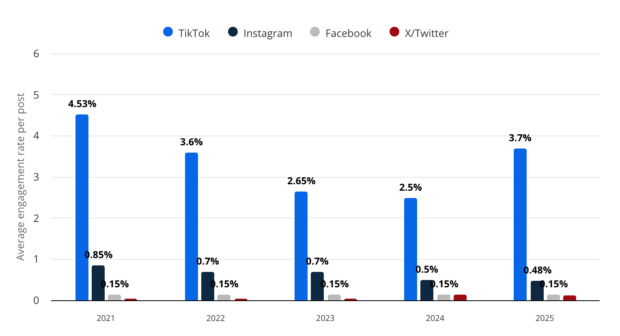
The necessity for a robust distribution strategy is underscored by the current state of digital metrics. According to 2026 data, organic engagement rates on major platforms have reached a historical nadir. Facebook currently averages an engagement rate of approximately 0.15%, while Instagram performs only slightly better at 0.48%. These figures confirm that algorithmic filtering has fundamentally altered the path to audience discovery.
Historical analysis reveals a consistent decline in organic visibility dating back to the mid-2010s, as platforms transitioned toward "pay-to-play" models designed to prioritize advertising revenue. Consequently, brands that fail to supplement their organic efforts with strategic distribution—repurposing content for native platform environments or investing in targeted amplification—are effectively operating at a significant disadvantage. The ability to extend the lifecycle of high-value assets, such as long-form research reports or webinars, through serialized content distribution has shifted from an optional marketing tactic to an operational necessity.
Strategic Framework: Building a Repeatable Process
Developing an effective distribution strategy requires a departure from ad-hoc posting toward a systematic, repeatable workflow. Industry experts, including Beth Owens, Head of Content at Superfiliate, emphasize that the efficacy of any distribution plan is contingent upon the alignment between content format and audience behavior.
The process begins with clearly defined business objectives. Whether the goal is lead generation, brand awareness, or establishing thought leadership, the metrics for success must be tailored accordingly. For instance, an awareness campaign may prioritize impressions and reach, whereas a lead-generation initiative would focus on click-through rates (CTR) and conversion data.
Following goal setting, organizations must conduct a comprehensive content audit. This involves identifying existing high-performing assets and evaluating their potential for repurposing. A single long-form asset can, through a structured workflow, be disaggregated into multiple formats: snippets for TikTok, threads for X, carousel posts for Instagram, and summary emails for segmented lists. This "content-first" approach ensures that resources are allocated efficiently, reducing the pressure to produce high volumes of original content daily.
The Role of Technological Integration
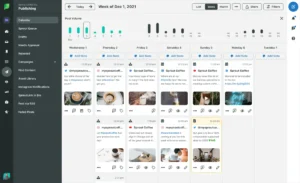
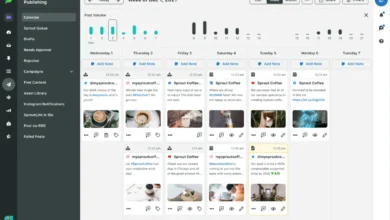
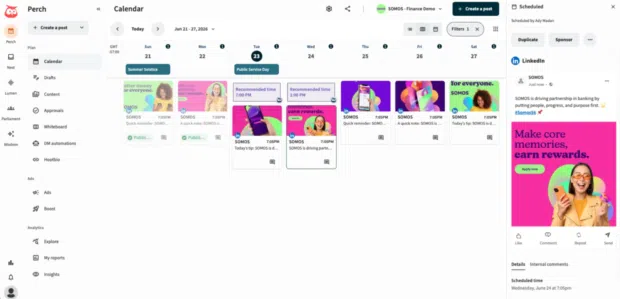
The complexity of managing cross-channel distribution has spurred the adoption of advanced content management systems. Tools such as Hootsuite’s "Perch" platform exemplify the shift toward centralized orchestration. By utilizing a unified calendar, teams can synchronize their distribution efforts across disparate networks, ensuring consistency in messaging and timing.
Furthermore, the integration of artificial intelligence into the distribution workflow—specifically tools capable of social-first content generation—has revolutionized the speed at which assets can be repurposed. AI can now parse transcripts, extract key takeaways, and draft channel-specific copy, allowing marketing teams to maintain a consistent presence without significant increases in headcount. This technological layer is essential for maintaining the agility required to capitalize on trending topics while adhering to long-term content calendars.
Channel Specialization and Audience Intent
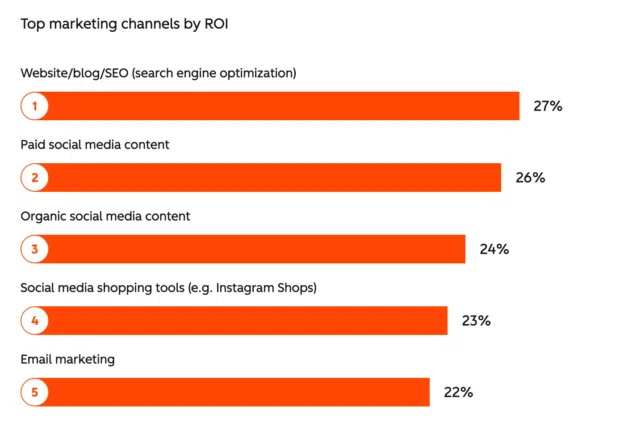
Not all channels serve the same purpose, and a successful strategy must reflect the unique utility of each platform. Search and website content, for example, remain the premier channels for capturing high-intent traffic. Because users are actively seeking solutions via search engines, content optimized for SEO possesses a longer shelf-life and a higher potential for sustainable ROI compared to the ephemeral nature of social media feeds.

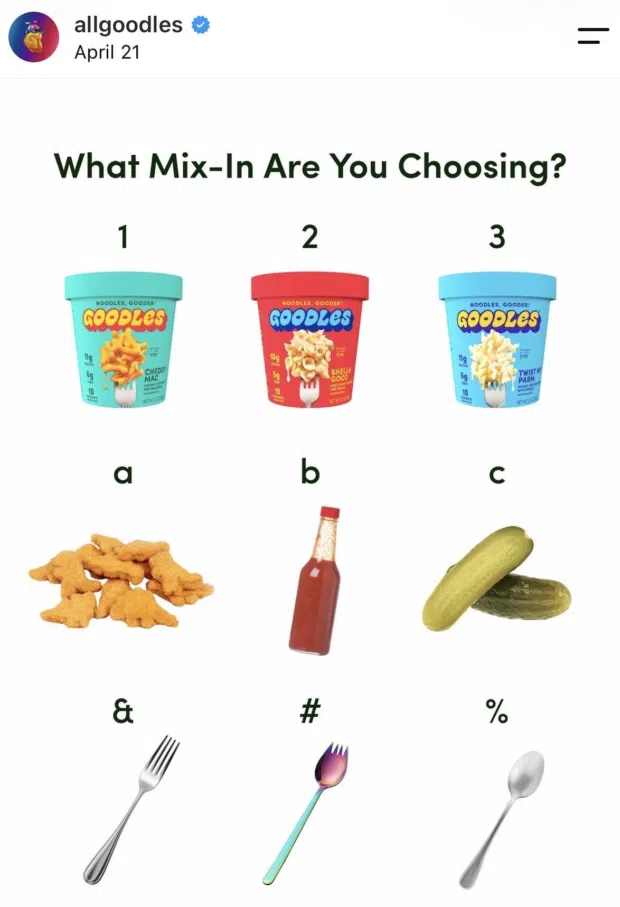
Social media, conversely, functions as a discovery engine. With approximately 61% of consumers reporting that they have discovered a new brand or product through social platforms in the past year, its role in top-of-funnel awareness is unparalleled. However, success on these platforms requires content to feel "native." This means adapting the tone, format, and visual style of a message to align with the specific user experience of each individual network.
Influencer and creator partnerships further refine this distribution, as they provide access to established, trust-based communities. Given that 83% of consumers view creators as more trustworthy than traditional brand messaging, these partnerships are increasingly viewed as a critical component of a balanced distribution mix.
Future Implications and Operational Sustainability
As we look toward the remainder of the decade, the divide between brands that successfully manage content distribution and those that do not will likely widen. The "content saturation" phenomenon, characterized by an overwhelming volume of digital noise, necessitates a higher barrier to entry for audience attention.
For leadership teams, the implications are clear: content strategy is no longer just about production; it is about the logistics of delivery. Building a resilient distribution engine requires investment in three key areas:
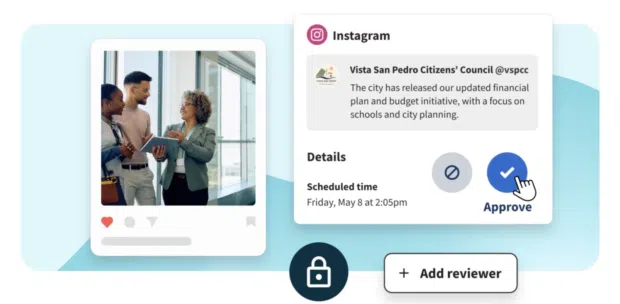
- Infrastructure: Adopting platforms that facilitate scheduling, collaboration, and approval workflows.
- Data Literacy: Cultivating the ability to analyze cross-channel performance and iterate based on empirical evidence rather than intuition.
- Adaptability: Maintaining the flexibility to pivot distribution tactics as platform algorithms and consumer preferences evolve.
In conclusion, the efficacy of a brand’s voice is defined by the reach of its distribution. By treating distribution as an integral part of the content creation lifecycle—rather than a secondary, post-production afterthought—businesses can ensure that their most valuable assets find their intended audience. In an environment where attention is the scarcest resource, the organizations that excel are those that treat every piece of content as a strategic asset, carefully positioned and intentionally delivered to the audiences that matter most. The future of marketing lies not just in what is said, but in the precision and consistency with which it is distributed.