Beyond the Blue Links: Why Your Brand Needs an AI Prompt Tracking Strategy


In the rapidly evolving landscape of digital search, achieving the coveted number one ranking on traditional search engine results pages (SERPs) no longer guarantees brand dominance. As user behavior shifts toward large language models (LLMs) and AI-driven search experiences, many brands are finding themselves invisible in the very conversations that drive their customers’ purchasing decisions. This disconnect—where a brand ranks high on Google but remains absent from ChatGPT or Gemini responses—is the defining challenge of the modern digital marketing era. To bridge this gap, businesses are increasingly turning to prompt tracking, a strategic practice designed to monitor and optimize how brands are represented in AI-generated answers.
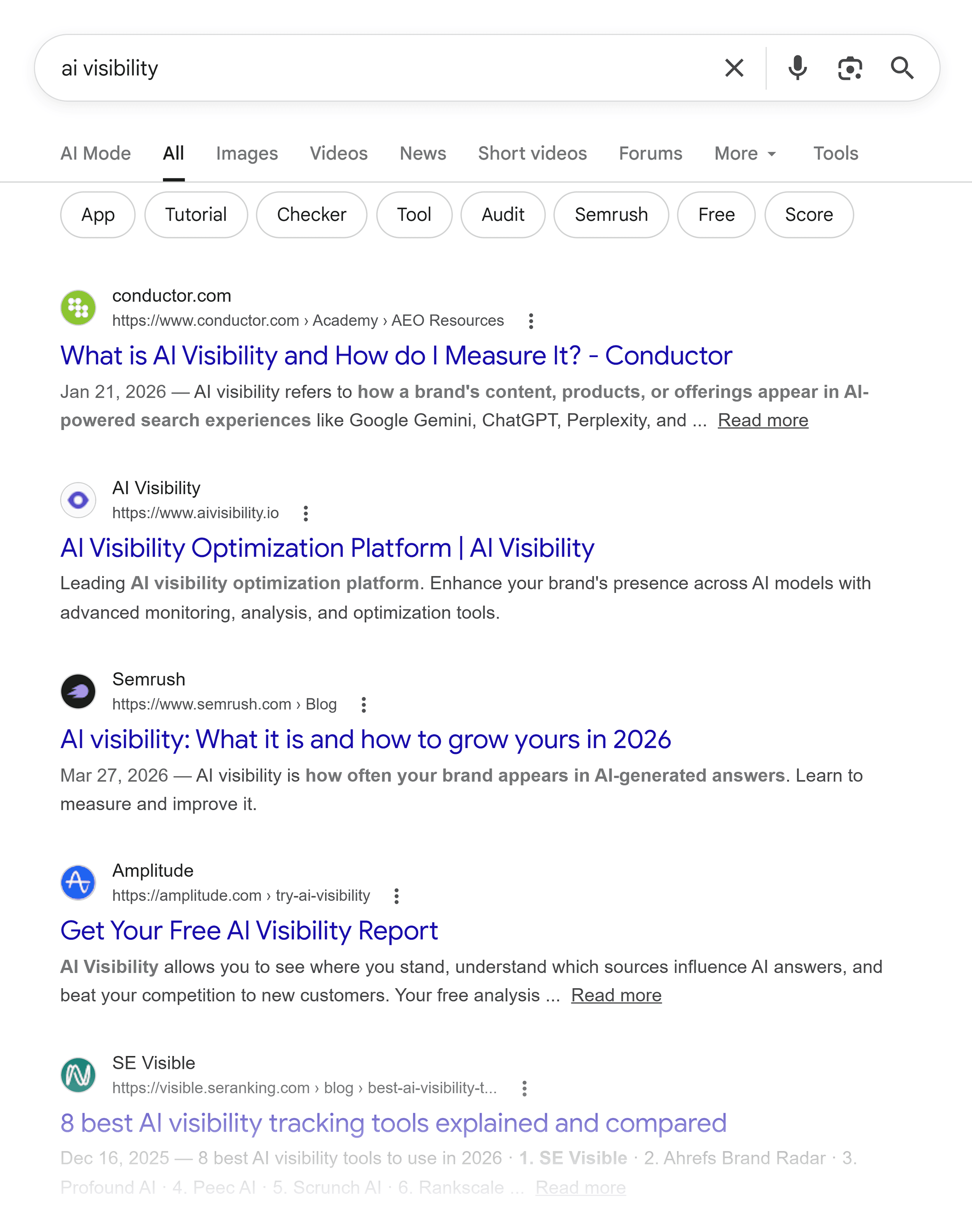
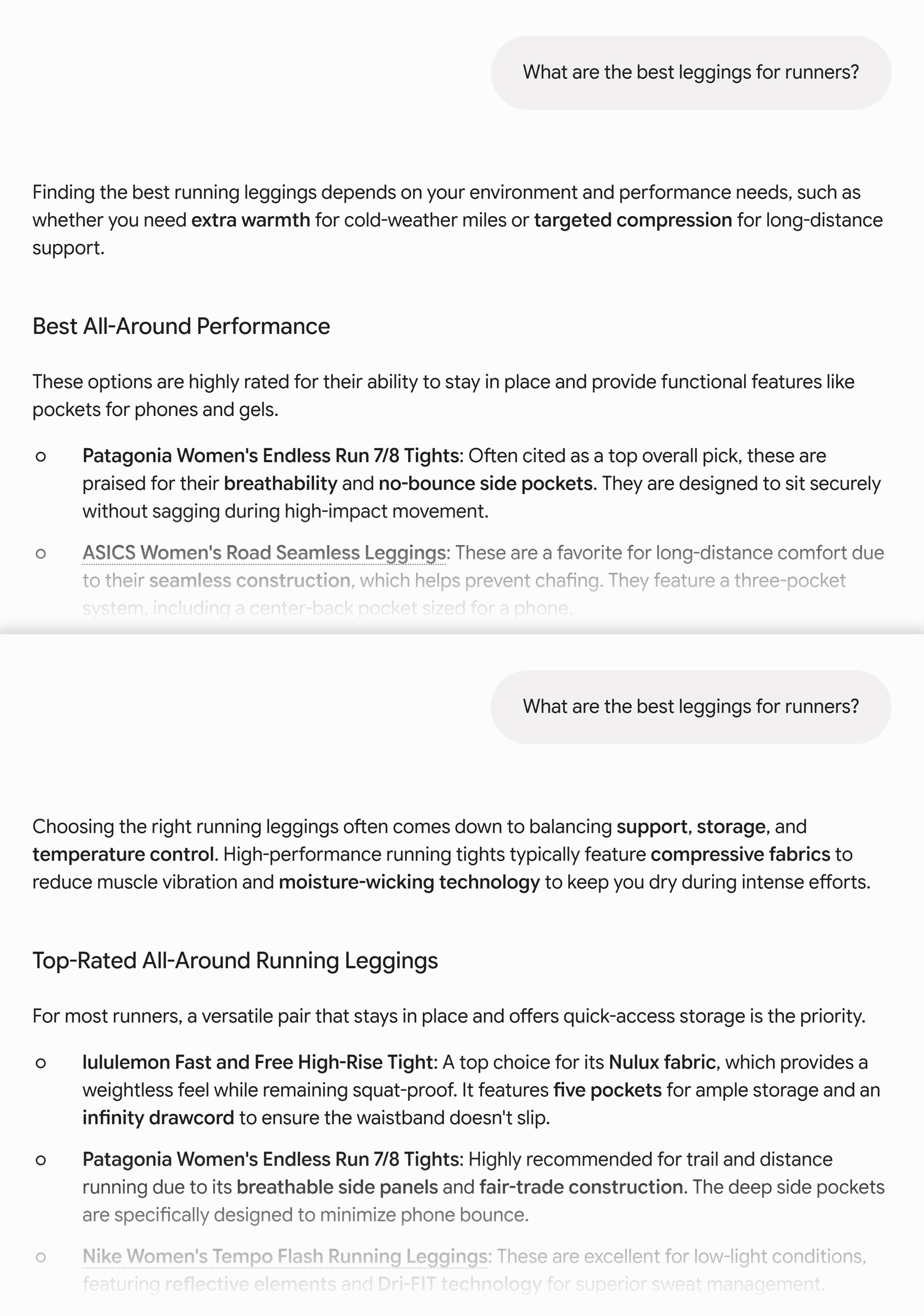
The shift toward AI-based search represents a fundamental change in how information is synthesized and delivered. Unlike the static list of ten blue links that has defined SEO for decades, LLMs function by pulling from vast datasets to generate unique, context-aware responses. Because these responses are non-deterministic, a brand may appear in one interaction and vanish in another, making visibility significantly more volatile than traditional ranking. Without a systematic approach to monitor these fluctuations, brands are effectively operating in a vacuum, unaware of why they are being excluded or, worse, being represented by outdated and inaccurate data that directly undermines their sales performance.
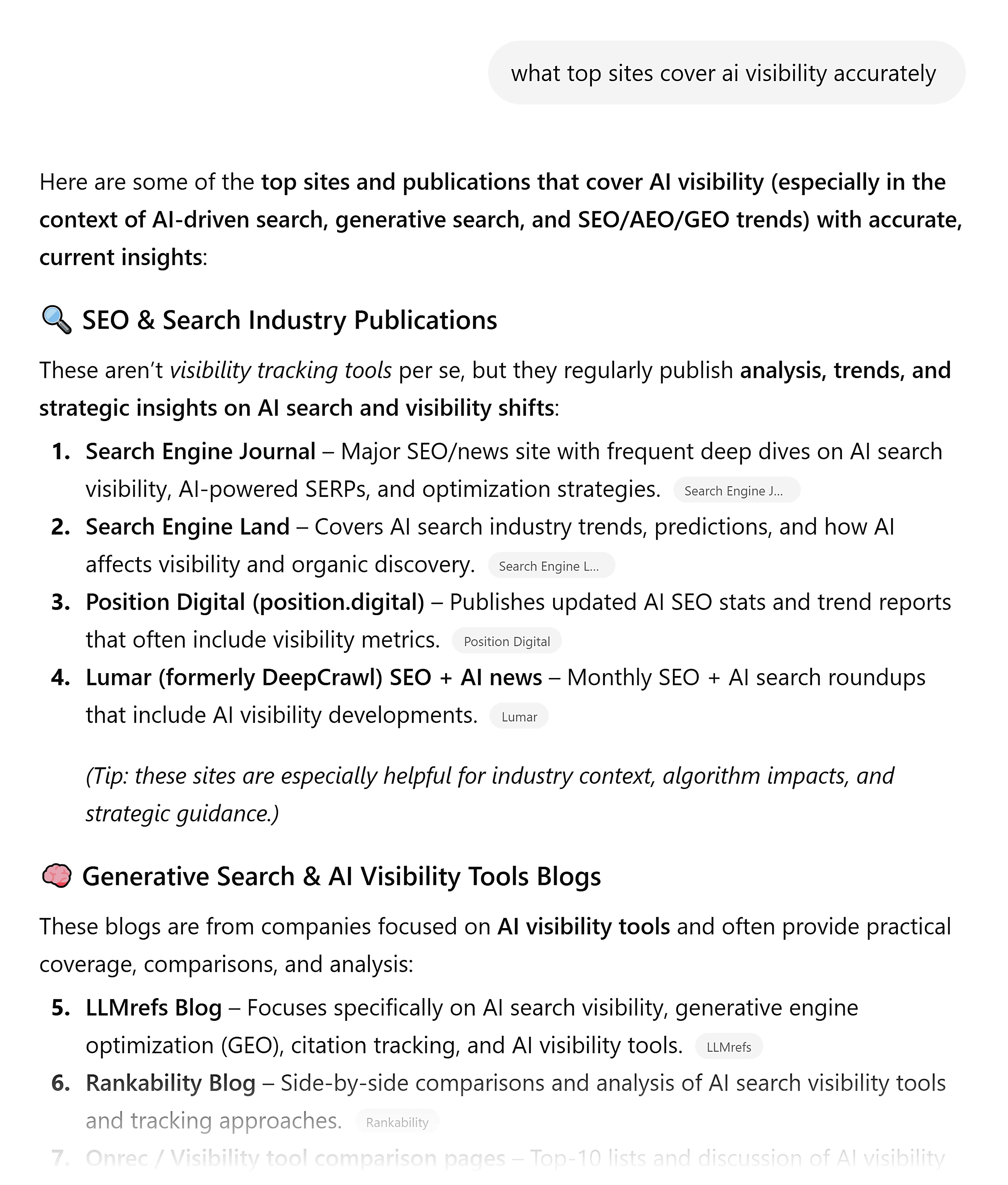
The necessity of this shift is underscored by recent data from industry research. A 2026 study from Orbit Media reveals that 55% of US internet users now rely on AI as their primary or frequent research tool, with 32% utilizing these platforms specifically for product recommendations. This means that a growing segment of the buyer population is completing their entire research journey within an AI environment, never clicking through to a company’s official website. For these buyers, the AI’s "citation" or "mention" is the final word on brand credibility.
The implementation of a robust prompt tracking system requires a move away from traditional SEO metrics like "positioning" toward a more nuanced analysis of "directional intelligence." Instead of asking how close a URL is to the top of a page, marketers must now ask: Is the AI saying positive, accurate things about our brand to the right people?
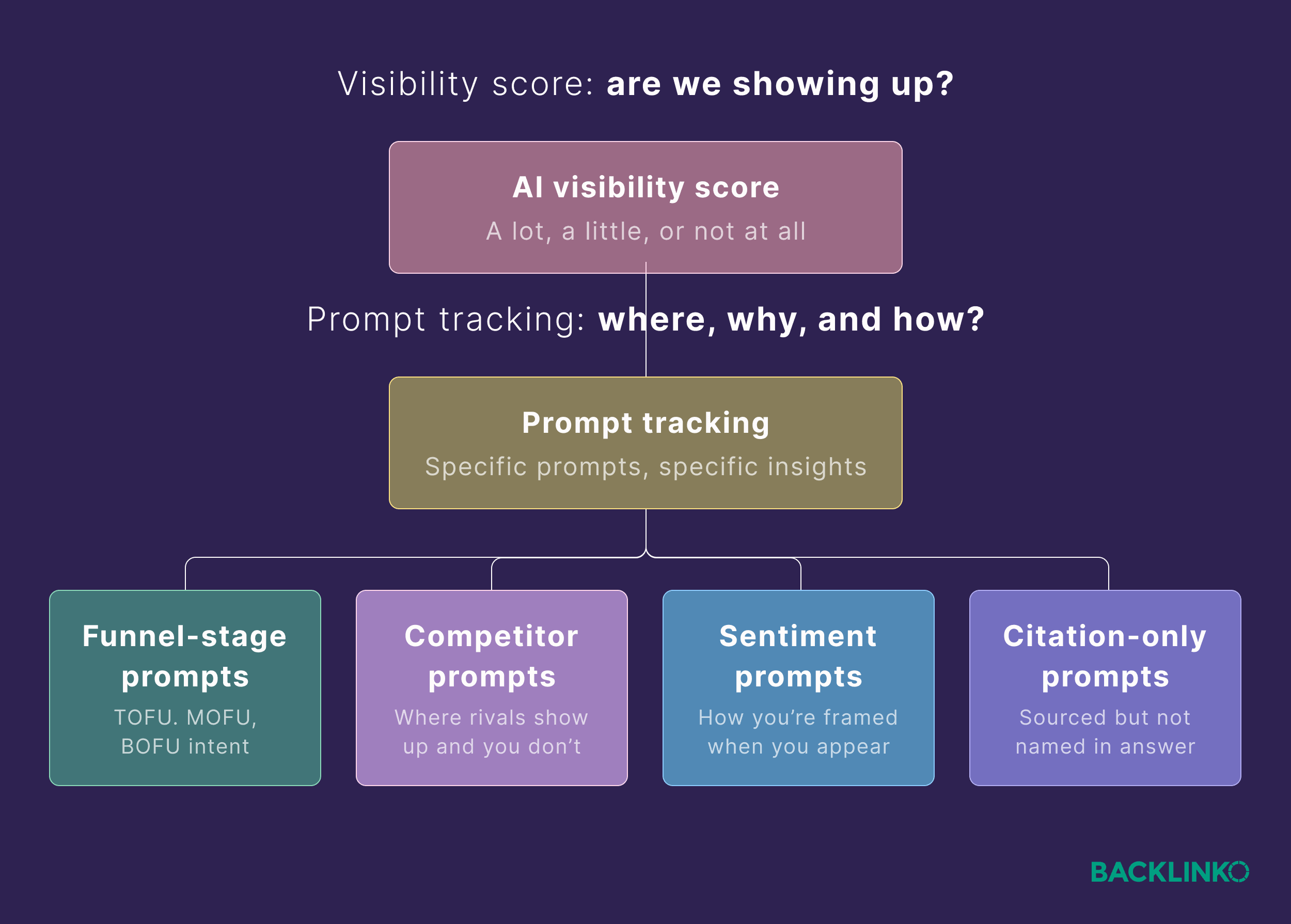
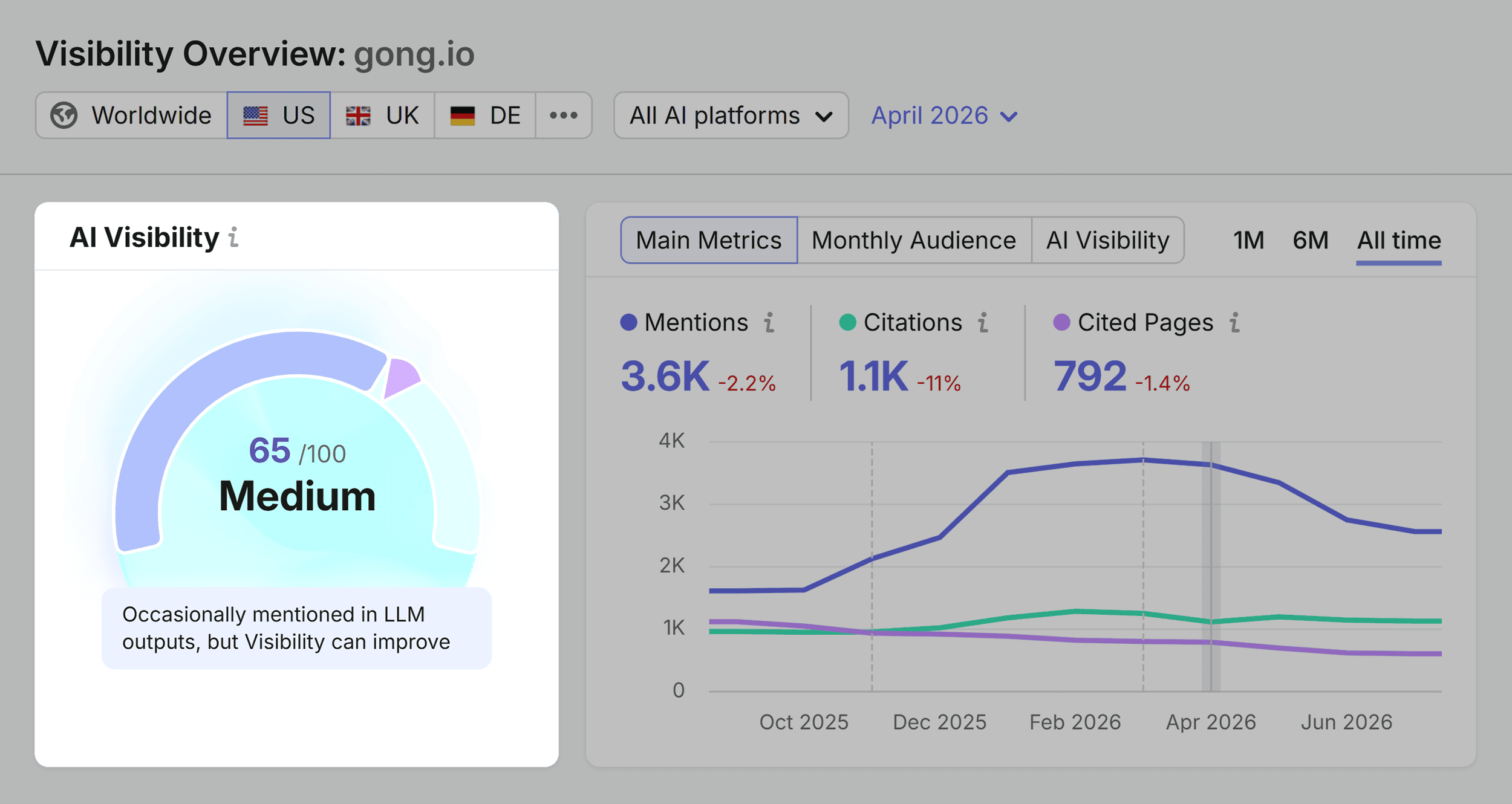
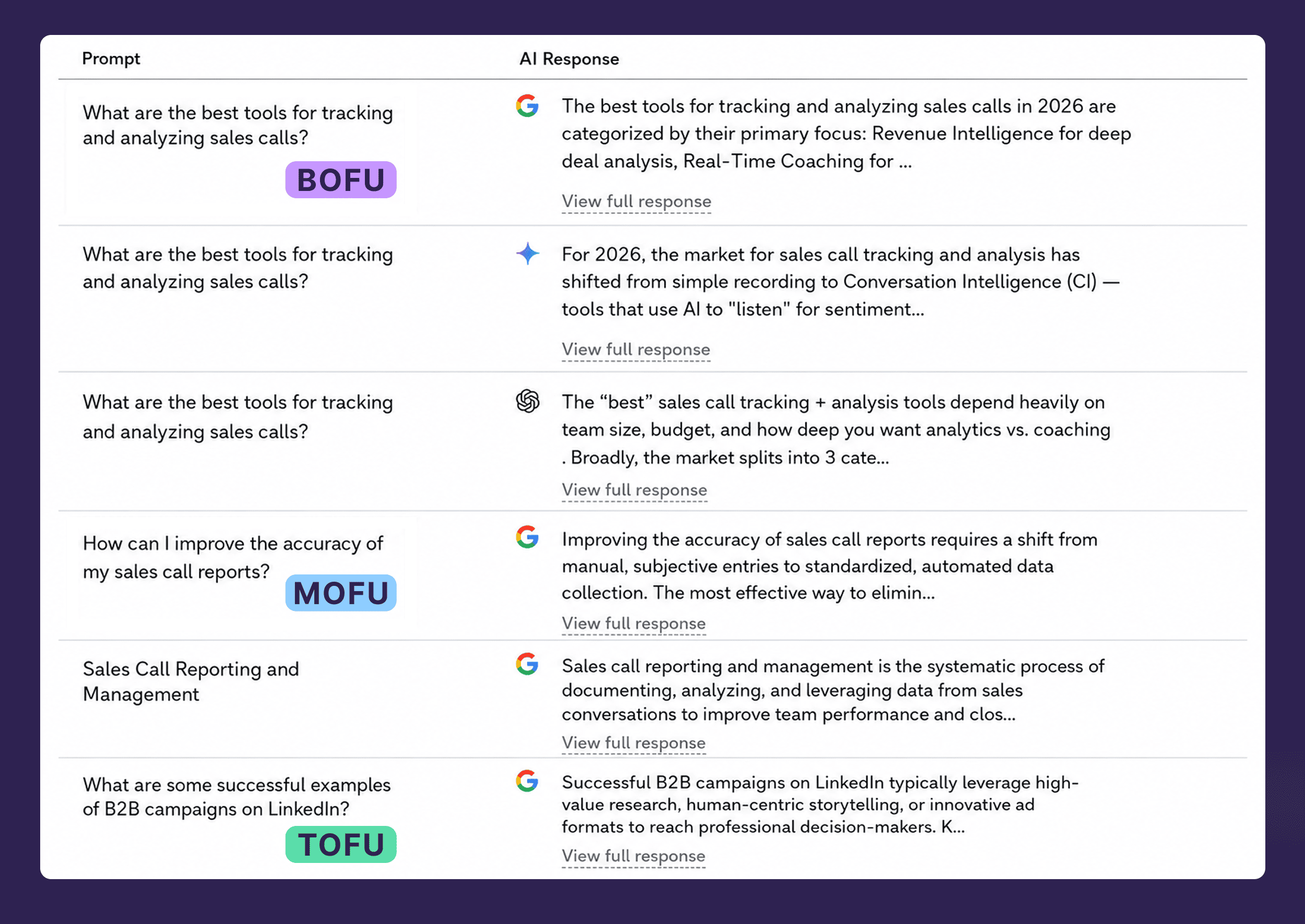
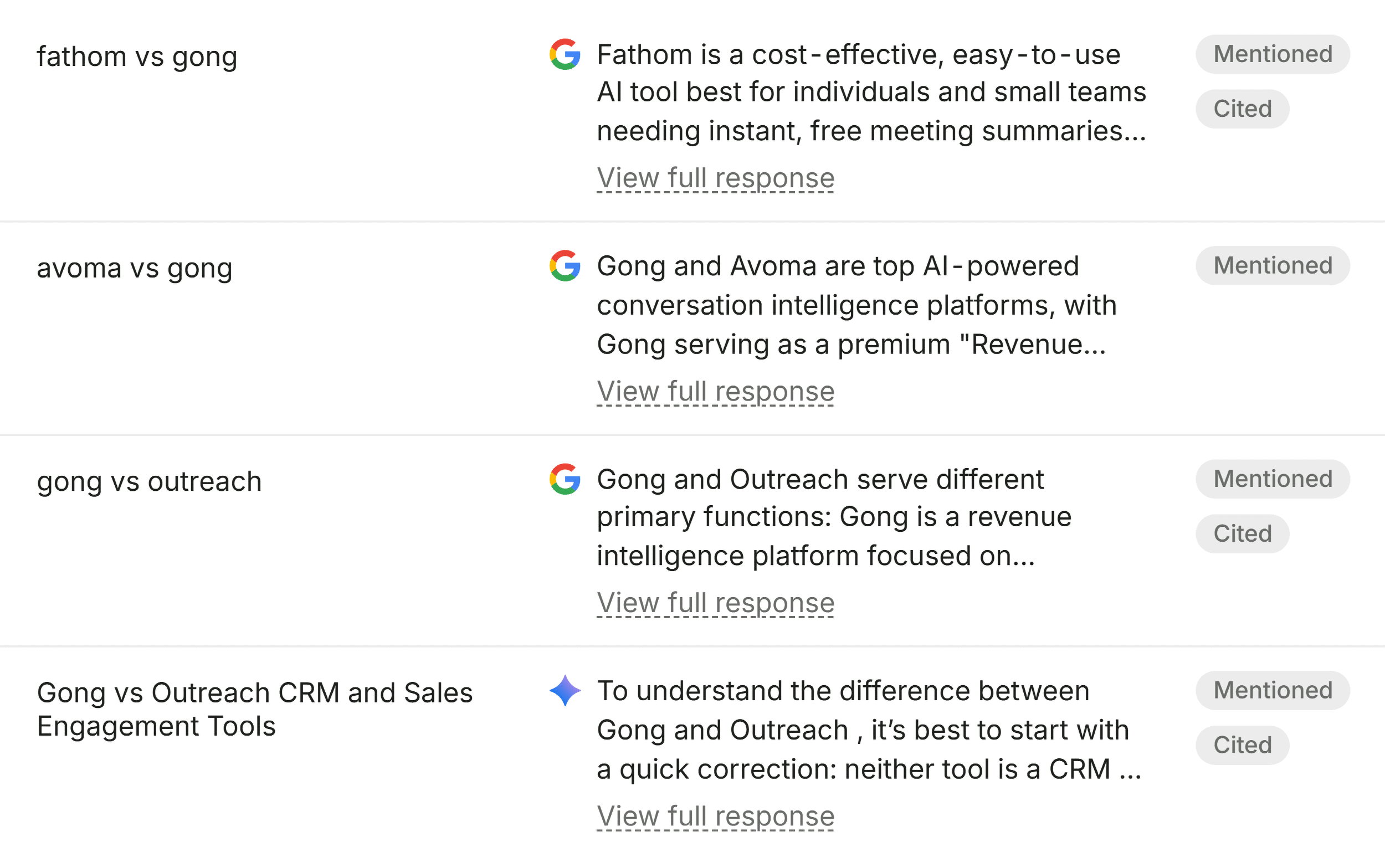
The most effective prompt tracking strategies involve segmenting queries by their role in the sales funnel. For instance, a brand might track "Comparison" prompts—such as "How does our product compare to our top competitor?"—alongside "Evaluation" prompts, which focus on specific integrations or features. This allows companies like the sales intelligence firm Gong to identify gaps where competitors may be consistently owning the narrative. By analyzing their visibility score across top, middle, and bottom-of-funnel queries, firms can prioritize their content creation to address the exact questions being posed to AI.
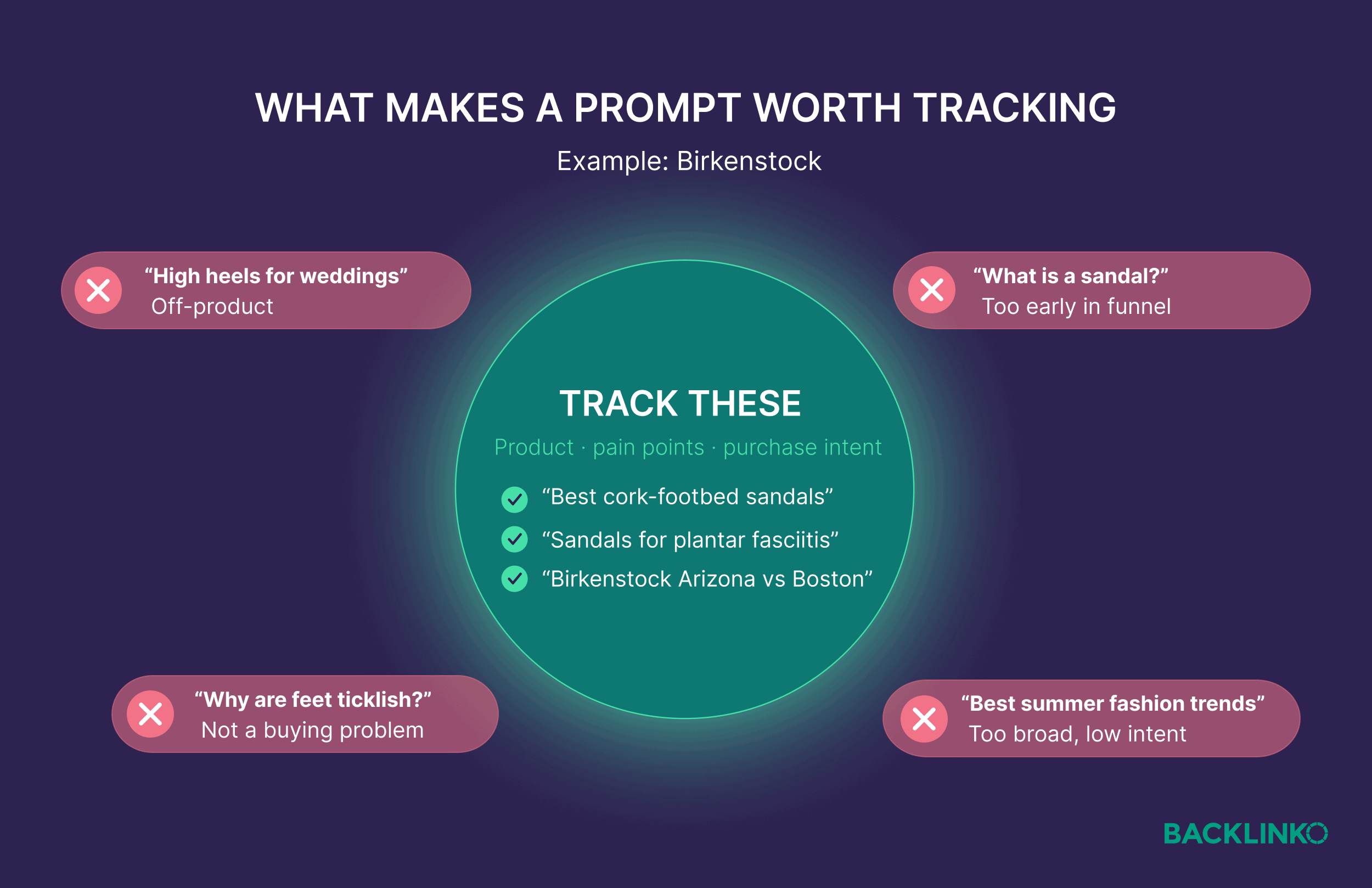
To execute this, organizations should follow a structured, step-by-step process. The first phase is the selection of a representative prompt set. Attempting to track every possible query is inefficient; instead, businesses should identify 20 to 30 core prompts that map directly to high-value customer pain points. These prompts should be run across major LLMs, including ChatGPT, Gemini, and Perplexity, to capture the platform-specific nuances of each model’s training data.
The tracking process itself benefits from consistency. A weekly audit, where prompts are run multiple times to account for non-deterministic variance, provides the most reliable data. Over the course of a month, clear trends begin to emerge. If a brand sees a consistent decline in mentions for bottom-of-funnel topics, it serves as a signal to refresh on-site content or intensify efforts to secure placements on high-authority third-party review sites.
Industry experts emphasize that prompt tracking is not a scoreboard, but a diagnostic tool. Margaret Kapitany, Offsite SEO Lead at Hootsuite, notes that the variance in AI outputs was initially startling but eventually became a source of competitive advantage. By tracking which third-party sources—such as G2, TechRadar, or industry forums—are consistently cited by LLMs, brands can tailor their PR and outreach efforts to match the sources that AI models inherently trust.
The risks of ignoring this strategy are significant. When a brand experiences "ghost ranking"—a scenario where their content is cited in the background but a competitor is explicitly recommended in the response—it indicates a failure in content authority or profile completeness. Addressing this requires a tactical approach: ensuring that the third-party sites the AI trusts have the most accurate, up-to-date information about the brand’s offerings.
However, it is vital to distinguish between actionable data and noise. A single week of low visibility is rarely a cause for concern. The most successful teams wait for four consecutive weeks of data before initiating a strategic pivot. This prevents "knee-jerk" reactions to minor model updates or temporary algorithmic shifts.
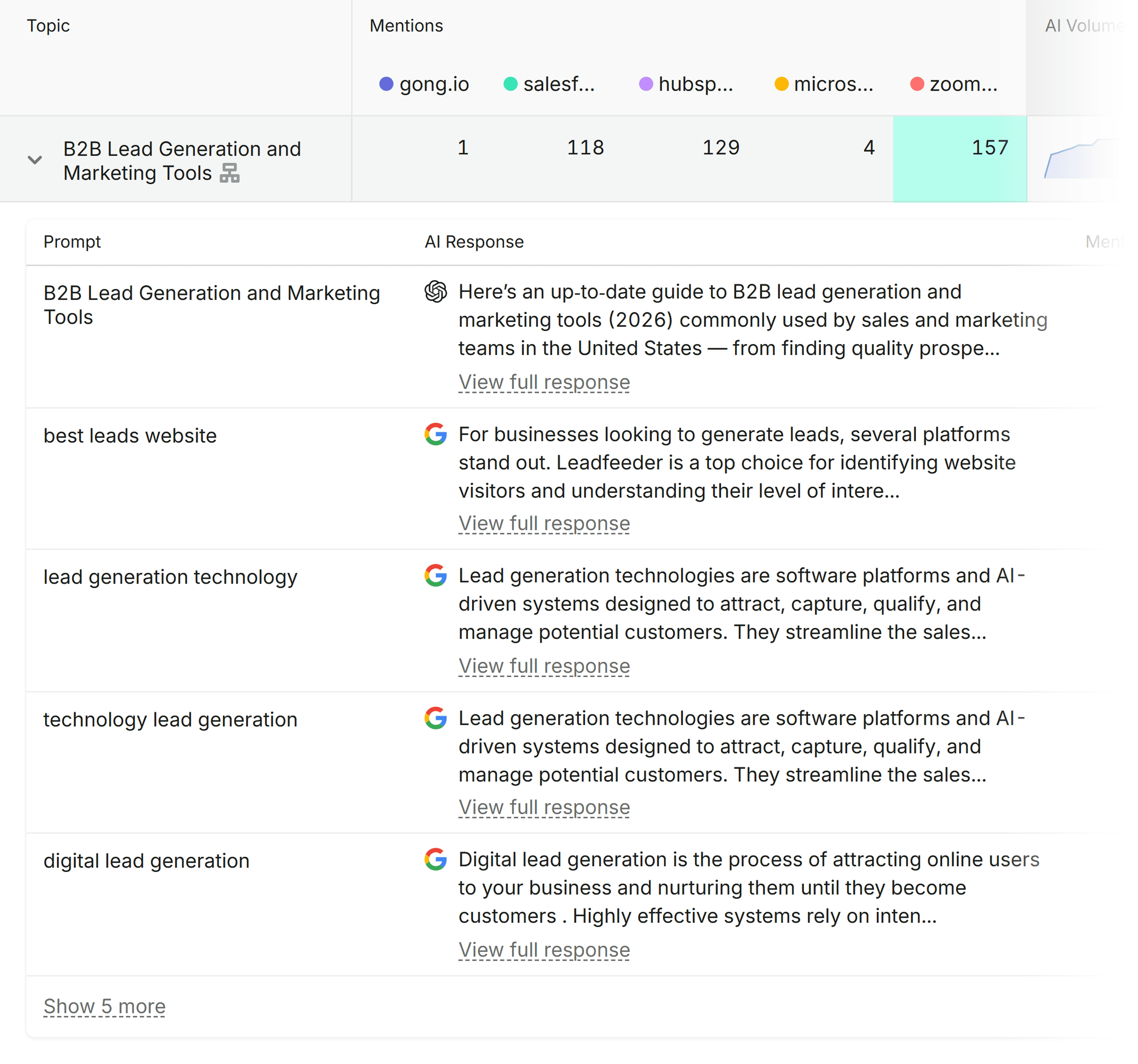
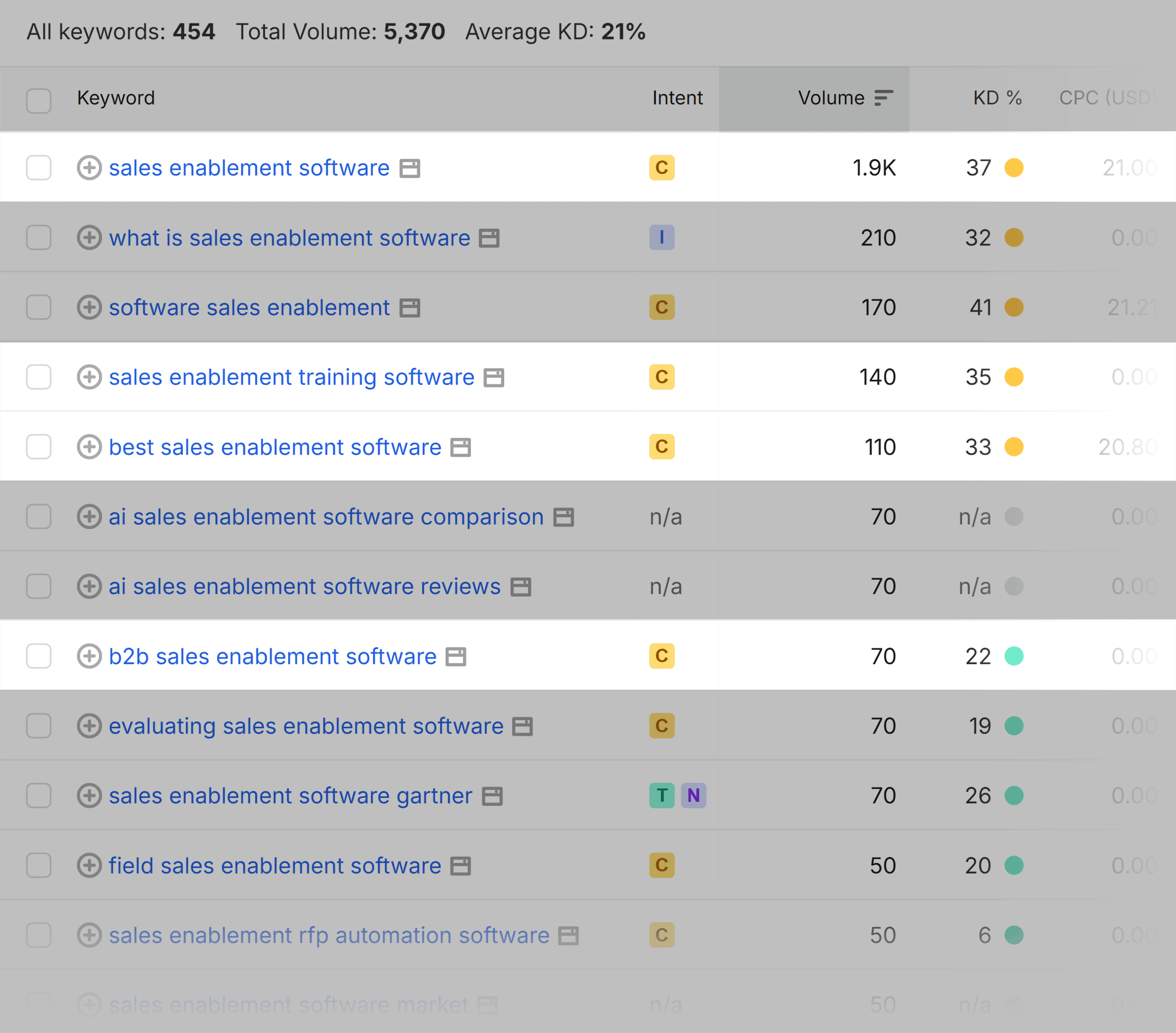
The integration of automated tools has further streamlined this process. Platforms like Semrush have introduced dedicated AI visibility tools that provide real-time prompt volume data, enabling teams to move beyond manual spreadsheets. These tools offer "Source Opportunities," identifying the exact publications or platforms where a brand needs to secure a mention to displace a competitor.
Ultimately, the goal of prompt tracking is to ensure that when a customer asks an AI for a solution, the brand is not just present, but positioned as the optimal choice. As AI adoption continues to climb, the ability to influence these algorithmic conversations will be a primary determinant of market share. By treating prompt tracking as a fundamental component of the marketing stack rather than an experimental SEO tactic, brands can regain control over their digital presence and ensure their message reaches the customer at the most critical moment of decision-making.