Navigating the Digital Landscape: The Critical Role of Real-Time Brand Monitoring and Advanced Intelligence Tools

In an increasingly interconnected digital ecosystem, the dynamics of brand perception and narrative control have undergone a fundamental transformation. What was once largely managed through carefully curated messaging now largely resides within the complex, decentralized realm of network algorithms and rapidly evolving social conversations. For brands, this shift underscores an undeniable imperative: real-time, comprehensive brand monitoring is no longer a luxury but a critical strategic necessity. Without it, organizations risk significant reputation damage, missed market opportunities, and a perilous gap between emerging audience reactions and their ability to respond effectively.
![What is brand monitoring and why is it important? [+ tools]](https://media.sproutsocial.com/uploads/2026/06/NewsWhip-product-tour-1024x564.png)
The Evolution of Brand Vigilance in the Digital Age
The concept of monitoring public sentiment toward a brand is not new; it traces its roots back to traditional media clipping services that scoured newspapers and magazines for mentions. However, the advent of the internet, followed by the explosion of social media platforms, blogs, forums, and review sites, radically altered the landscape. This evolution introduced unprecedented speed and volume to public discourse, fundamentally shifting the power dynamic. Consumers, once passive recipients of brand messaging, became active participants, creators, and disseminators of information, capable of influencing vast audiences almost instantaneously.
This rapid decentralization of narrative control means that relying on passive, lagging, or purely historical data sources is akin to driving a car by looking only in the rearview mirror. A negative review can go viral overnight, a minor product glitch can spark a widespread backlash, or a competitor’s innovative move can capture market attention before a brand even registers the shift. Industry experts consistently emphasize that in this accelerated environment, proactive engagement and predictive intelligence are the ultimate competitive advantages, enabling brands to forecast trends, anticipate shifts in engagement, and identify emerging consumer needs long before they fully manifest.
Defining Comprehensive Brand Monitoring
![What is brand monitoring and why is it important? [+ tools]](https://brandfolder.sproutsocial.com/VXTUTVL1/at/hww8qgzc7c994hp6h5frjt/pup-q2-2026_ui_ai_trellis-expansion_simplified.png)
While social media monitoring tools offer valuable insights by tracking conversations across platforms like Twitter, Facebook, Instagram, and Reddit, they only scratch the surface of the broader digital ecosystem. True brand monitoring software transcends these boundaries, capturing mentions and sentiment across the entire online landscape – including news sites, blogs, forums, review platforms, video comments, and even "dark social" channels like private messaging apps (to the extent legally and ethically permissible for aggregated sentiment). This holistic approach provides a 360-degree view of how a brand is perceived, allowing organizations to act on issues before they escalate, identify avenues for sentiment improvement, and gain invaluable intelligence into audience perception.
Why Brand Monitoring is Indispensable Today
![What is brand monitoring and why is it important? [+ tools]](https://media.sproutsocial.com/uploads/2025/04/mention-dashboard-1-1024x637-1.jpg)
The collective sum of what customers, competitors, and media say about a brand forms its public perception. Brand monitoring equips organizations with the "eyes and ears" necessary to translate this vast ocean of online chatter into actionable business strategies. The critical reasons to invest in robust brand monitoring are multifaceted:
-
Protecting Brand Reputation: The digital age operates at lightning speed. A single negative comment or review, if left unaddressed, can rapidly snowball into a full-blown reputational crisis. Studies show that a significant percentage of consumers (often cited around 85-90%) trust online reviews as much as personal recommendations. Effectively monitoring allows brands to identify negative sentiment early, respond constructively, and proactively manage the narrative, safeguarding hard-earned trust and credibility. Without real-time alerts, brands risk being caught off guard, potentially leading to irreversible damage.
![What is brand monitoring and why is it important? [+ tools]](https://media.sproutsocial.com/uploads/2025/04/webmention@2x-UWGADG6D.png)
-
Identifying Potential Crises: Brand monitoring functions as an early warning system. By tracking sudden spikes in mention volume, sharp drops in sentiment, or the emergence of specific negative keywords, teams can detect nascent crises. This early detection capability allows for the immediate deployment of a crisis response plan, mitigating potential damage and preventing a situation from spiraling out of control. For instance, a sudden surge in mentions of "outage" or "data breach" related to a brand would trigger an immediate alert, enabling IT and communications teams to react within minutes, rather than hours.
-
Gaining Competitive Intelligence: Beyond self-monitoring, these tools provide crucial insights into competitors. By tracking competitor mentions, product launches, campaign reactions, and audience sentiment, brands can identify market gaps, understand what resonates (or doesn’t) with target demographics, and refine their own product development and messaging strategies. This intelligence offers a significant competitive edge, allowing brands to learn from others’ successes and failures, and adapt their strategies dynamically.
![What is brand monitoring and why is it important? [+ tools]](https://media.sproutsocial.com/uploads/2025/04/productdashboard-20150313072154718.png)
-
Benefiting from Authentic Customer Feedback: Not all customers tag official brand accounts when discussing their experiences. Brand monitoring uncovers these untagged, honest conversations across forums, review sites, and social media. This raw, unvarnished feedback is invaluable for identifying pain points, understanding user experience, and driving product and service improvements. It provides a direct channel to the "voice of the customer" that might otherwise remain unheard.
-
Finding and Nurturing Brand Advocates: Hidden within the stream of mentions are enthusiastic super-fans who organically praise a brand’s work. Brand monitoring helps identify these advocates, enabling organizations to engage with them, foster deeper relationships, and potentially collaborate on user-generated content or influencer partnerships. Activating these authentic voices can amplify a brand’s reach and credibility far more effectively than traditional advertising.
![What is brand monitoring and why is it important? [+ tools]](https://media.sproutsocial.com/uploads/2025/04/set-up-google-alert.png)
-
Validating Campaigns and Messaging: Launching a marketing campaign without monitoring its real-time reception is a significant oversight. By analyzing the volume and tone of conversations during and after a campaign launch, brands can quickly ascertain whether their messaging resonates with the target audience. This insight allows for agile adjustments, optimizing messaging or even pivoting campaign elements in real time to maximize impact and ROI.
-
Identifying Backlink and SEO Opportunities: People frequently mention brand names or products without linking back to the official website. Brand monitoring tools flag these high-value text mentions, presenting a golden opportunity for SEO teams. Converting these unlinked mentions into powerful, authority-building backlinks can significantly boost a brand’s search engine ranking and domain authority, driving organic traffic.
![What is brand monitoring and why is it important? [+ tools]](https://media.sproutsocial.com/uploads/2026/06/Brand-24-dashboard-1024x733.png)
Core Elements of Effective Brand Monitoring
A comprehensive brand monitoring program hinges on three core pillars: tracking where conversations occur, identifying what specific terms and entities to monitor, and leveraging advanced analytics to extract actionable intelligence.
![What is brand monitoring and why is it important? [+ tools]](https://cdn.airops.com/rails/active_storage/blobs/proxy/eyJfcmFpbHMiOnsiZGF0YSI6OTIyMzEzLCJwdXIiOiJibG9iX2lkIn19--cfab3c202300c3a905f939804c32438188ccb4e4/https---www.hootsuite.com-%3Fsrsltid=AfmBOoouV0zAsBPI_n_8sfp9jiW_hz7uGVz-naM-yMnlm8g2xTfKcnOR_1755199063.png)
Where to Track Brand Mentions:
To achieve a holistic view, monitoring must extend across:
- Social Media Networks: Major platforms like Facebook, X (formerly Twitter), Instagram, LinkedIn, TikTok, YouTube, and emerging networks such as Bluesky.
- News and Media Sites: Global, national, and local news outlets, industry-specific publications.
- Blogs and Forums: Independent blogs, niche forums, community discussion boards relevant to the brand or industry.
- Review Sites: Platforms like Yelp, Google Reviews, Trustpilot, G2, Capterra, and industry-specific review sites.
- Video Platforms: Comments sections on YouTube, TikTok, and other video-sharing sites.
- Podcasts: Mentions within podcast transcripts or show notes.
- Dark Social (Aggregated Sentiment): While direct monitoring of private conversations is not possible, tools can analyze aggregated sentiment patterns derived from shared content on messaging apps.
What to Monitor for Your Brand:
Effective monitoring requires a precise keyword and metadata strategy:
![What is brand monitoring and why is it important? [+ tools]](https://media.sproutsocial.com/uploads/2026/06/Sprinkr-dashboard-1024x643.png)
- Brand Names: Official names, common misspellings, abbreviations.
- Product/Service Names: Specific product lines, unique features, nicknames.
- Campaign Hashtags and Slogans: Dedicated identifiers for marketing initiatives.
- Key Personnel: CEOs, founders, prominent spokespersons.
- Competitor Names: To benchmark performance and identify market shifts.
- Industry-Specific Keywords: Relevant terms that signal broader trends or discussions.
- Common Complaint Terms: "Broken," "scam," "slow," "unresponsive" – paired with brand names to flag issues.
The Transformative Role of AI in Brand Monitoring:
Integrating Artificial Intelligence (AI) fundamentally shifts the focus from manual data collection to strategic action. AI tools enable brands to:
- Automate Sentiment Analysis: Instantly categorize mentions as positive, negative, or neutral, even detecting nuanced emotions.
- Identify Trending Topics: Pinpoint emerging discussions and viral content before they peak.
- Predict Narrative Momentum: Analyze data velocity to forecast which stories are likely to gain significant traction.
- Detect Anomalies: Flag unusual spikes in mentions or sentiment shifts that might indicate a brewing crisis or opportunity.
- Generate Analyst-Quality Briefs: Condense vast amounts of data into concise, actionable summaries for decision-makers.
Leading Brand Monitoring Solutions: A Market Overview
![What is brand monitoring and why is it important? [+ tools]](https://cdn.airops.com/rails/active_storage/blobs/proxy/eyJfcmFpbHMiOnsiZGF0YSI6OTIyMzE2LCJwdXIiOiJibG9iX2lkIn19--8b77fc6415d7f1eb4015130506f42a6ca3b5a457/https---www.cision.com-_1755199373.png)
The market offers a diverse array of brand monitoring software, ranging from basic alert systems to sophisticated AI-powered intelligence platforms. The best tools go beyond mere mention tracking; they provide deep insights into public sentiment and predict narrative trajectories, offering a crucial edge in a fast-paced digital environment.
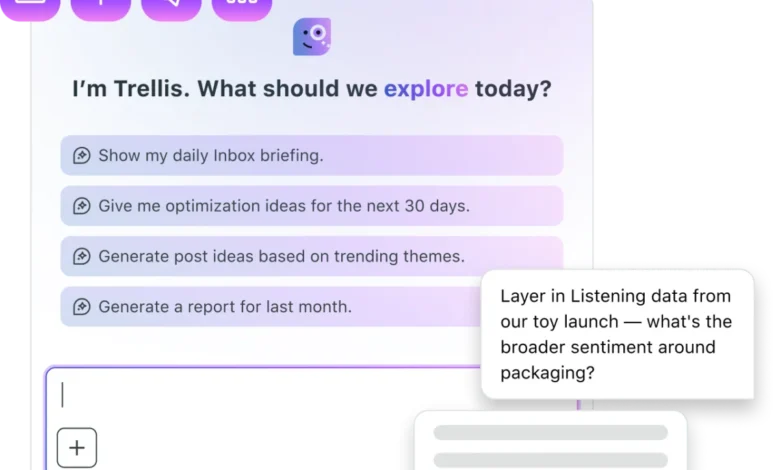
1. Sprout Social: An AI-powered Social Intelligence solution, Sprout Social offers robust brand monitoring capabilities, providing marketers and communications teams with a significant data advantage. Beyond its core publishing, engagement, and reporting features, Sprout’s Social Listening capabilities track conversations about a brand and its industry across a vast digital landscape, including web, established social networks, and emerging platforms like Bluesky. Its expanded Reddit partnership, for instance, allows for precise filtering of Listening data to identify conversations most relevant to a brand. Crucially, Sprout’s integration with NewsWhip, a predictive media intelligence tool, tracks real-time news and social signals to forecast which stories will capture public attention. The always-on Trellis Monitoring Agent further enhances this by surfacing early threat signals and delivering analyst-quality briefs, empowering teams to respond quickly and effectively, or strategically disengage.
![What is brand monitoring and why is it important? [+ tools]](https://cdn.airops.com/rails/active_storage/blobs/proxy/eyJfcmFpbHMiOnsiZGF0YSI6OTIyMzE3LCJwdXIiOiJibG9iX2lkIn19--ed26f7c6853c0d2e3d57c3c5f614efd86755b95c/https---awario.com-_1755199400.png)
- Features: Real-time monitoring across social, news, web; advanced sentiment analysis; predictive intelligence (NewsWhip); crisis management templates; competitive benchmarking; influencer identification; comprehensive reporting; AI-powered insights (Trellis Agent); deep Reddit integration.
2. Mention: This social listening and media monitoring platform offers brand tracking alongside social publishing and analytics. It provides insights into how people discuss a brand, helps identify potential issues early via sentiment analysis, and measures campaign impact.
- Features: Real-time alerts, sentiment analysis, competitive analysis, social publishing, media monitoring.
3. Alerts by Ahrefs: Primarily an SEO tool, Ahrefs Alerts also serves as a basic brand monitoring solution. Users receive email notifications whenever their brand or tracked keyword appears on a newly discovered web page, particularly useful for backlink opportunities.
![What is brand monitoring and why is it important? [+ tools]](https://cdn.airops.com/rails/active_storage/blobs/proxy/eyJfcmFpbHMiOnsiZGF0YSI6OTIyMzE4LCJwdXIiOiJibG9iX2lkIn19--a69551a11d8d28d3c94a24d69aaef75f2b0f0b3b/https---youscan.io-_1755199418.png)
- Features: Web mention alerts, new backlink notifications, keyword tracking.
4. Meltwater: A comprehensive media monitoring platform, Meltwater tracks brand mentions across social media, online news, print, TV, radio, and podcasts. Its analytics suite includes tools for sentiment analysis, share of voice measurement, and trend identification.
- Features: Cross-channel media monitoring, sentiment analysis, share of voice, trend tracking, influencer identification.
5. Google Alerts: A free, accessible tool for basic brand monitoring. Users enter keywords and receive email alerts whenever new web pages matching those terms are indexed by Google. While not a full-fledged listening platform, it’s a useful starting point for basic awareness.
![What is brand monitoring and why is it important? [+ tools]](https://media.sproutsocial.com/uploads/2024/08/Sprout-Social-query-builder.png)
- Features: Keyword-based email alerts, basic web mention tracking.
6. Brand24: This media monitoring tool specializes in analyzing brand mentions across social media, news, blogs, videos, podcasts, and forums. Its AI-driven sentiment analysis helps users prioritize urgent conversations to protect brand reputation.
- Features: Real-time monitoring, sentiment analysis, influence score, automated reporting, customizable alerts.
7. Mentionlytics: An AI-powered social media and web monitoring tool, Mentionlytics tracks brand mentions across major social networks, online news, blogs, and forums. Its AI analyzes mentions for sentiment and urgency, aiding in crisis identification.
- Features: AI-powered sentiment analysis, crisis detection, influencer finding, competitive insights, multilingual support.
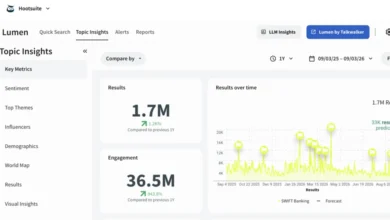
8. Hootsuite: A widely used social media management platform, Hootsuite also enables users to monitor conversations, understand sentiment, and schedule content from a single dashboard, streamlining the workflow from insight to action.
- Features: Social listening streams, sentiment analysis, content scheduling, team collaboration, comprehensive analytics.
9. Sprinklr: Designed for large enterprises, Sprinklr offers a Unified Customer Experience Management (Unified-CXM) platform. It provides standard brand monitoring across over 30 digital channels, offering real-time consumer, product, and market insights for a single source of truth.
- Features: Enterprise-grade monitoring, unified CXM, AI-driven insights, crisis management, audience segmentation.
10. Cision: A media intelligence platform specializing in PR and earned media, Cision connects brand monitoring with the needs of communications professionals. It tracks brand health across social media, online news, print, and broadcast, bridging traditional and digital media relations.
- Features: Integrated media monitoring, PR analytics, journalist database, sentiment analysis, earned media value.
11. Awario: Offering media monitoring at an accessible price point, Awario is suitable for small and mid-sized businesses. It provides real-time monitoring across the web and social media, with a notable feature for proactive social selling.
- Features: Real-time web and social monitoring, sentiment analysis, lead generation, competitive insights.
12. YouScan: YouScan distinguishes itself with advanced AI-powered visual listening capabilities. It analyzes images and videos for brand logos and products, uncovering insights from user-generated content where text mentions might be absent.
- Features: Visual listening, image recognition, sentiment analysis, trend detection, influencer discovery.
Strategic Implementation: Maximizing Monitoring Effectiveness
Setting up and maximizing brand monitoring involves strategic foresight and continuous refinement. It begins with clearly defining brand management goals and identifying specific areas of interest related to the brand, products, marketing initiatives, and competitors.
For platforms like Sprout Social, the process typically involves:
-
Establishing Overall Brand Health and Sentiment Tracking: Utilize listening tools to build a foundational understanding of brand perception. This involves creating detailed topic queries with keywords encompassing official brand names, common misspellings, abbreviations, product nicknames, and even the authentic language customers use. Organize keywords into logical groupings to capture relevant conversations and filter out noise (e.g., adding "social media management" to "Sprout" to exclude gardening discussions). Sentiment analysis tools track mention volume and emotional context, with options for manual reclassification to ensure accuracy.
-
Configuring Crisis Management Monitoring: Early threat detection is paramount. Dedicated crisis alerts can be set up using templates or custom queries with specific negative terms (e.g., "[Brand] AND (broken OR failure OR outage)"). Notifications via Smart Inbox rules can alert teams to sudden spikes in these terms. A customized crisis dashboard with widgets displaying key indicators allows for rapid analysis and response deployment. Continuous testing with practice scenarios and reviewing past incidents helps fine-tune these settings.
-
Monitoring Campaign Brand Conversations: To gauge campaign effectiveness beyond quantitative metrics, set up campaign-specific listening topics using brand names and campaign hashtags. Track key performance indicators like mention volume and sentiment shifts pre- and post-campaign to understand audience reception. Analyzing conversations from top influencers provides deeper insights into campaign resonance and informs future strategies.
-
Leveraging Predictive Intelligence with Tools like NewsWhip: For proactive reputation management, platforms offering predictive intelligence are crucial. With NewsWhip, users can build dashboards populated with keywords related to their brand, industry, and potential threats. The platform’s velocity modeling predicts public engagement levels up to 24 hours in advance, allowing communications teams to anticipate the trajectory of emerging stories. This enables strategic decisions on when, if, and how to react, transforming fast-moving news into strategic wins. Alerts, both scheduled and real-time, can be configured to notify teams of popular articles, every article (for low-volume searches), or custom thresholds based on predicted interactions, highest velocity, or total interactions.
Essential Features in Advanced Brand Monitoring Software
When selecting a brand monitoring tool, focus on features that serve as digital eyes and ears across the internet, transforming raw data into strategic intelligence:
- Real-time Data Collection: Immediate access to mentions as they happen.
- Comprehensive Channel Coverage: Monitoring across social, news, blogs, forums, reviews, and video.
- Advanced Sentiment Analysis: AI-driven categorization of emotional tone, including nuanced interpretations.
- Customizable Alerts and Notifications: Tailored alerts for specific keywords, sentiment shifts, or volume spikes.
- Competitive Intelligence: Tools to track and analyze competitor mentions and performance.
- Historical Data Analysis: Access to past data for trend identification and benchmarking.
- Robust Reporting and Analytics: Customizable dashboards and detailed reports for actionable insights.
- Influencer Identification: Capability to pinpoint key opinion leaders and brand advocates.
- AI and Predictive Capabilities: For trend forecasting, anomaly detection, and narrative momentum prediction.
- Ease of Use and Integration: Intuitive interface and seamless integration with existing marketing and communication stacks.
Conclusion
The real power of brand monitoring extends far beyond simply catching mentions; it lies in the ability to transform those insights into strategic action. In today’s dynamic digital environment, where narrative control has irrevocably shifted to the networked public, monitoring tools are not merely defensive mechanisms. They are growth engines, unlocking untapped audience insights, validating campaign effectiveness, fostering customer loyalty, and providing an invaluable competitive edge.
As conversations about brands continue to evolve and fragment across an ever-expanding array of platforms, a unified and intelligent monitoring solution becomes indispensable. Tools like Sprout Social deliver comprehensive capabilities that enable organizations to not only keep pace but also stay ahead of the curve. By leveraging real-time data, advanced AI, and predictive intelligence, brands can protect their reputation, anticipate crises, understand their market deeply, and ultimately turn every brand conversation into a strategic advantage.