The July Software Roundup: Essential New Developer Tools, AI Agent Innovations, and Local Development Utilities

The technology landscape experienced an unprecedented surge of developer tooling and infrastructure releases throughout July, highlighting a definitive industry pivot toward automated workflows, localized environments, and rigorous AI agent evaluation. As artificial intelligence transitions from conversational novelties into deterministic engineering agents, the demand for specialized diagnostic platforms, native compilation runtimes, and secure self-hosted utilities has intensified. This comprehensive overview examines the month’s most significant software releases, tracing their architectural implications for modern web developers, DevOps engineers, and system administrators.
The Shift Toward AI Agent Observability and Evaluation
The rapid proliferation of AI coding assistants—ranging from localized models to enterprise orchestrators—has created an urgent need for standardized benchmarks. Historically, the evaluation of code-generating models relied heavily on isolated unit test pass rates, such as HumanEval or MBPP. However, these metrics frequently fail to reflect real-world engineering constraints, including architectural maintainability, accessibility standards, and production readiness.
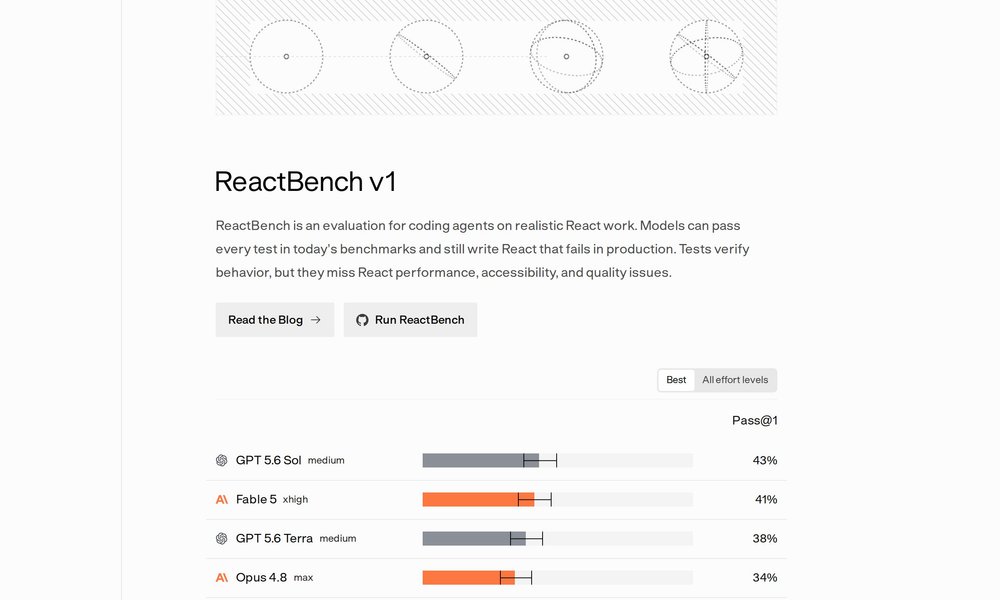
Entering this space, ReactBench has emerged as a crucial evaluation framework dedicated exclusively to assessing coding agents on authentic React workloads. Developed by the team behind React Doctor, ReactBench measures performance, accessibility, and overall code quality rather than narrow algorithmic correctness. Industry analysts note that this leaderboard provides engineering teams with actionable data when selecting foundational models for complex frontend generation tasks.
Complementing evaluation tools, the mechanics of prompt engineering and agent verbosity have also undergone critical scrutiny. The introduction of Ponytail—a specialized ruleset designed to curb excessive code generation—addresses a growing frustration among developers: AI agents writing overly verbose, redundant codebases. According to preliminary benchmarks, integrating Ponytail into configurations for tools like Claude Code and GitHub Copilot reduces generated code volume by up to 54 percent without compromising safety or functional integrity. This methodology underscores a broader industry realization that constrained, concise AI outputs are vastly superior to bloated, unvetted scaffolding.
Advanced Development Environments and Codebase Intelligence
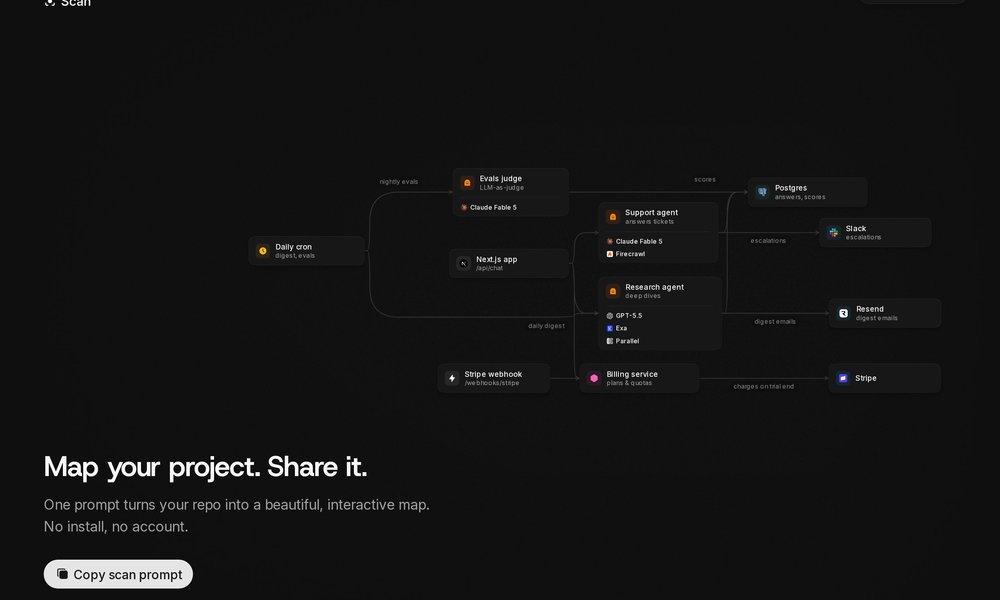
Navigating unfamiliar or legacy codebases has traditionally required hours of manual exploration. To mitigate this friction, Foglamp Scan introduces zero-setup codebase visualization. By issuing a prompt to an integrated coding agent, developers can instantly generate shareable architectural maps of project structures without installing heavy dependencies or creating external user accounts. This capability significantly accelerates onboarding times for engineers inheriting legacy repositories.
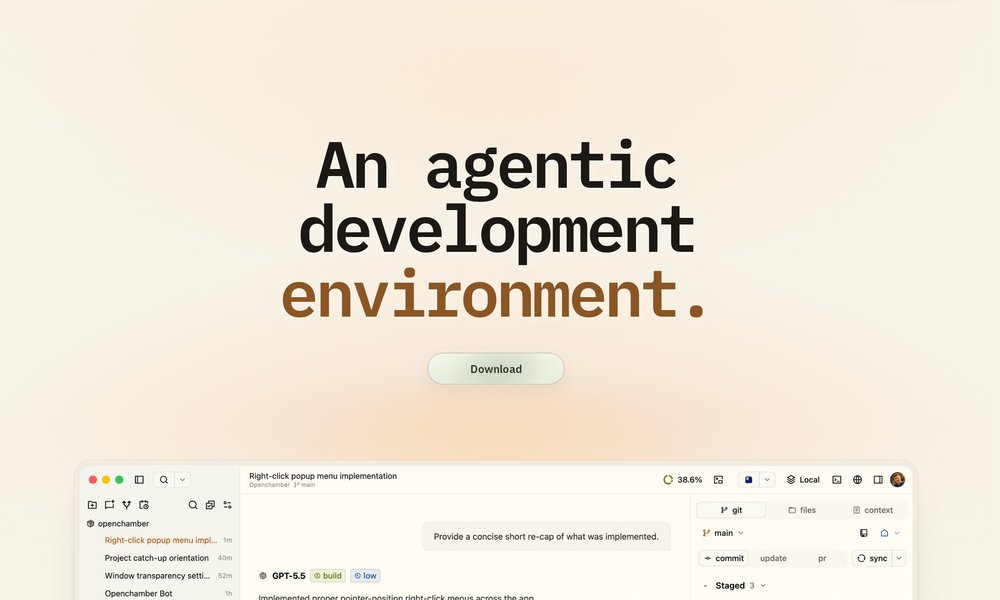
For those running multi-agent workflows, OpenChamber provides a dedicated agentic development environment compatible with macOS, Windows, and browser-based interfaces. Featuring multi-window support, parallel multi-model execution via an Agent Manager, and secure remote tunneling, OpenChamber caters to developers orchestrating multiple AI systems simultaneously.
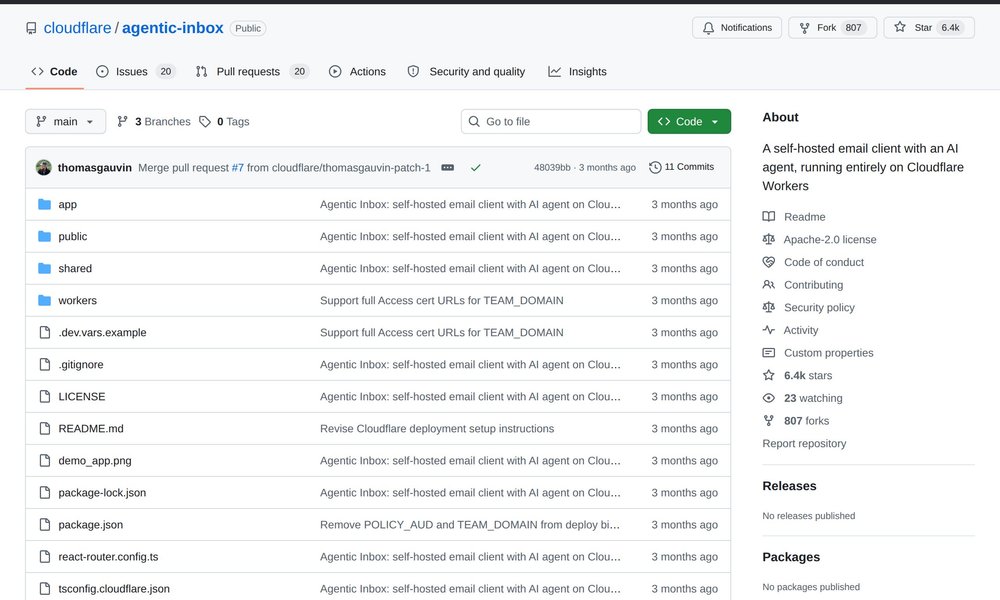
To standardize these sophisticated setups, prompt-mac offers a single-command provisioning script tailored specifically for AI-driven macOS development environments. By automating the installation of essential command-line tools, applications, and editor configurations, it ensures a consistent, idempotent workspace setup for engineers transitioning to agent-first workflows.
Local Infrastructure, Compilation, and Database Management
While cloud-native architectures continue to dominate enterprise deployments, July witnessed a strong resurgence in high-performance local development utilities and radical compilation techniques.
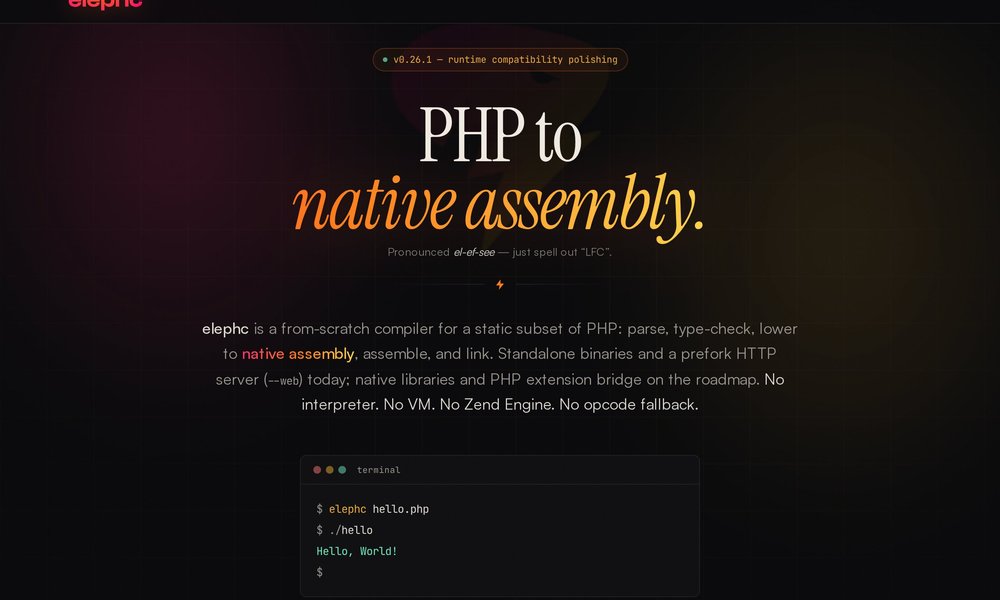
A standout release in systems programming is elephc, a static compiler that translates a subset of PHP directly into native assembly. Eschewing traditional interpreters, virtual machines, and the Zend Engine entirely, elephc incorporates over 400 built-in functions, 21 data types, and thousands of automated tests. By outputting standalone binaries paired with a prefork HTTP server, the project enables developers to ship high-performance PHP applications without requiring a traditional runtime environment, drastically reducing container footprints.
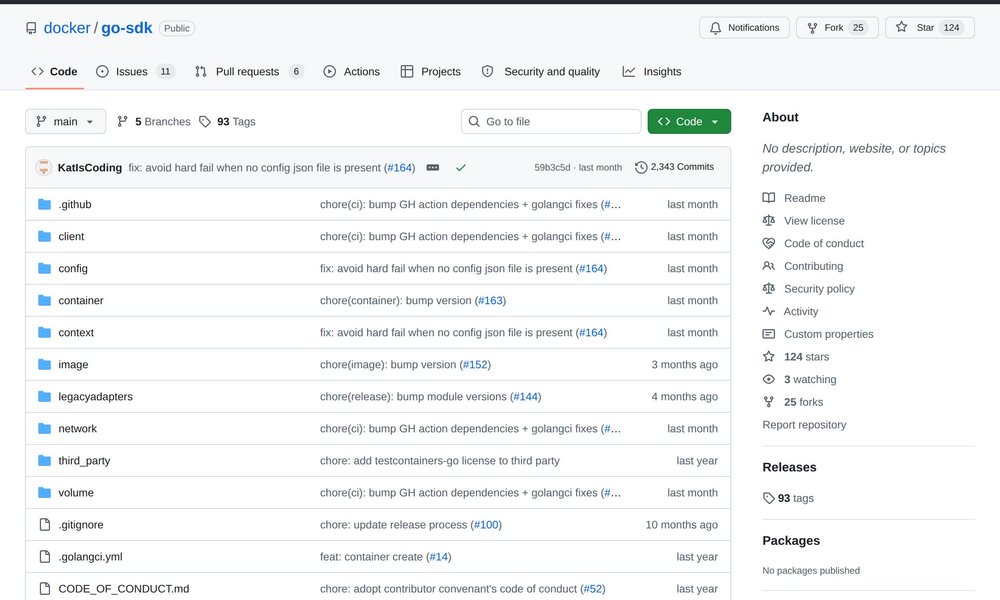
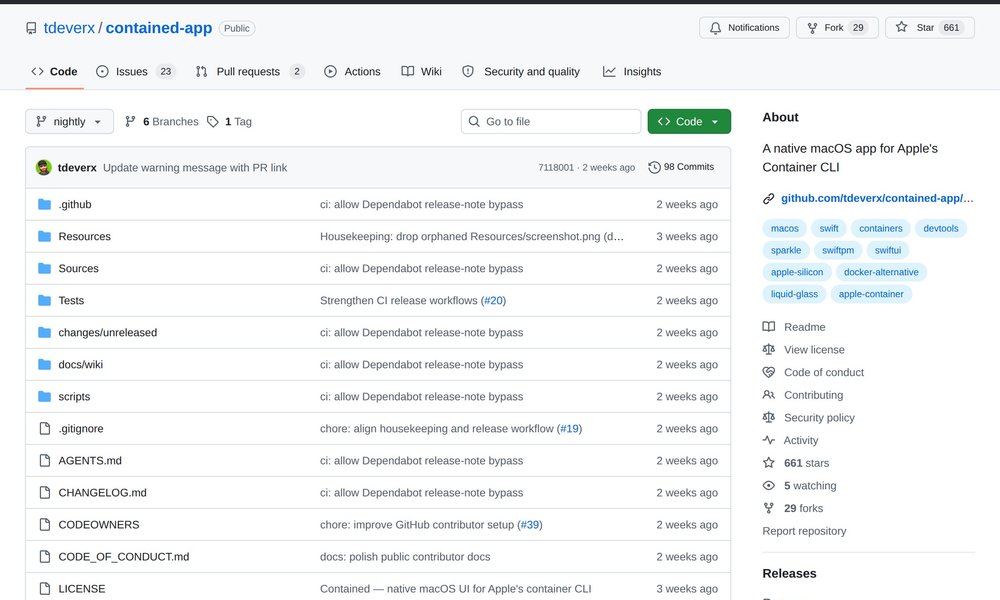
In the containerization ecosystem, Apple Silicon users gained a powerful native GUI with Contained, a SwiftUI interface for Apple’s native Container CLI. Featuring support for compose file imports, network management, and volume tracking, Contained bridges the gap between Apple’s low-level containerization primitives and a polished user-facing workflow. Simultaneously, Docker released its official Go SDK, offering a high-level client that simplifies image authentication, container lifecycle management, and automatic port assignment for Go-based integration tests and local development orchestration.
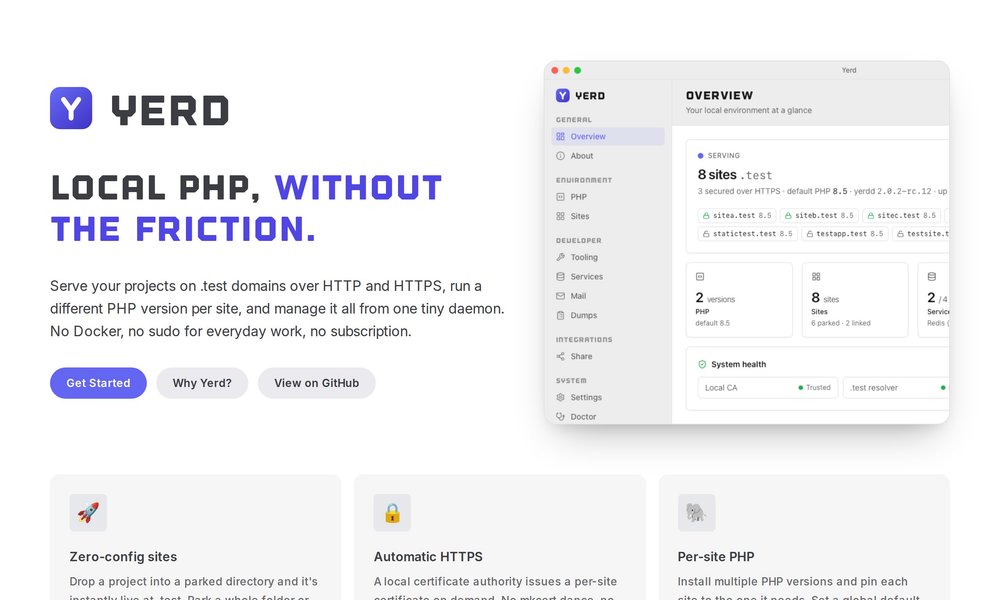
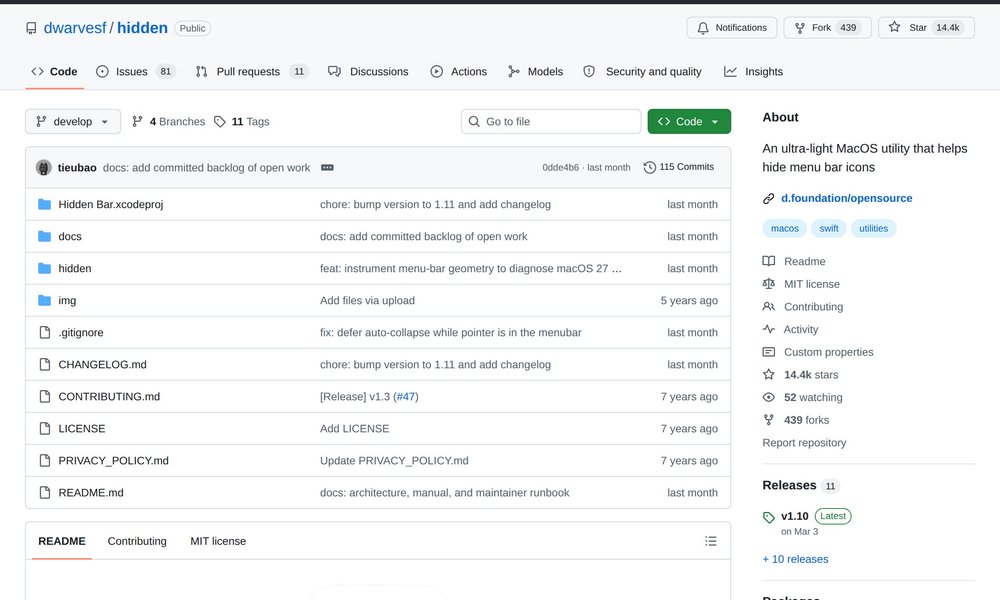
For web application developers utilizing PHP, Yerd has positioned itself as a lightweight, non-Docker alternative to existing local stack managers. Operating as an 8 MB daemon without Electron overhead, Yerd manages multiple PHP versions, automatic .test domains with HTTPS, and major databases including MySQL, PostgreSQL, and Redis on macOS and Linux systems.
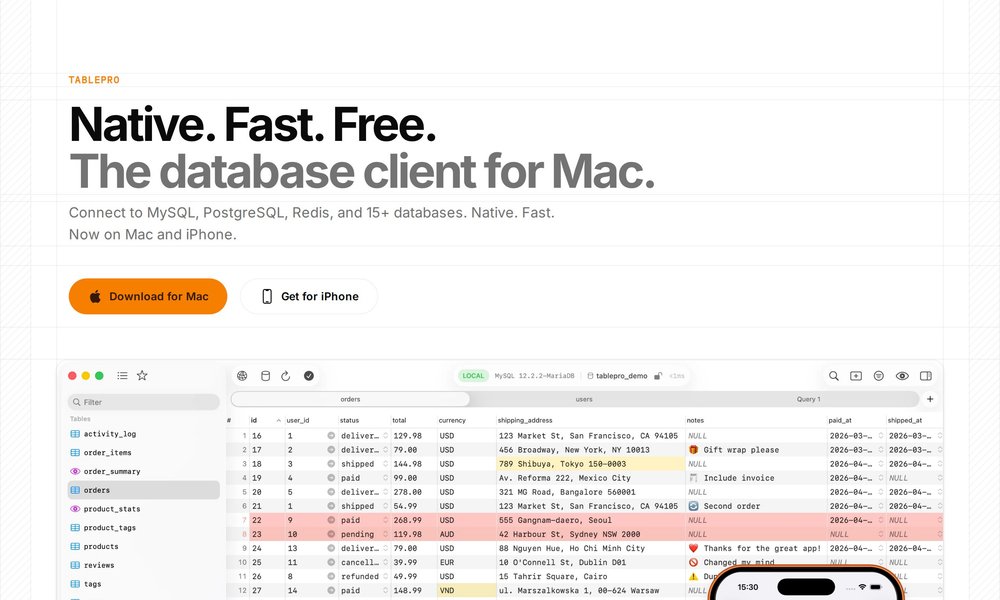
Database administration has similarly been streamlined through TablePro, a native client supporting over 21 database systems across Mac and iOS devices. Integrating a Vim-enabled SQL editor, an AI-powered assistant, and automated entity-relationship (ER) diagram generation, TablePro addresses the fragmentation often experienced by database administrators managing heterogeneous data stores.
Enterprise Security, SSO, and Self-Hosted Communications
As privacy concerns and infrastructure costs prompt organizations to reevaluate third-party SaaS dependencies, self-hosted alternatives for identity management and communications have gained substantial traction.
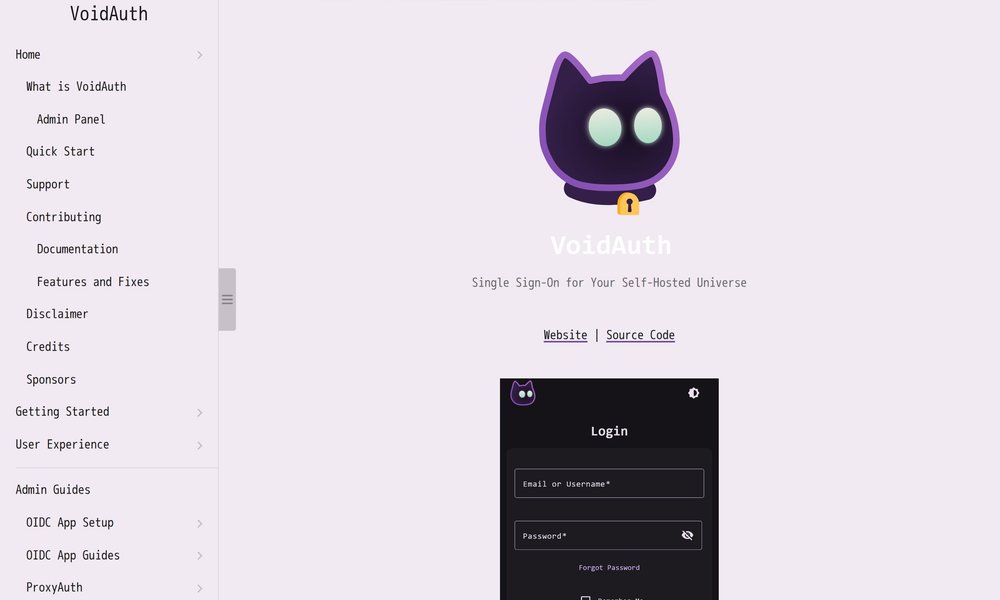
VoidAuth addresses the complex challenge of securing disparate self-hosted services by offering an open-source Single Sign-On (SSO) solution. Supporting OpenID Connect, Lightweight Directory Access Protocol (LDAP), passkeys, multi-factor authentication (MFA), and automated user provisioning, VoidAuth runs efficiently on PostgreSQL or SQLite backends with encryption at rest. The platform eliminates the security risks associated with managing isolated credentials across dozens of individual applications.
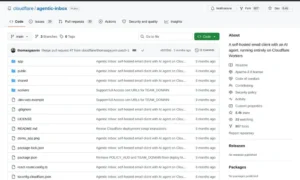
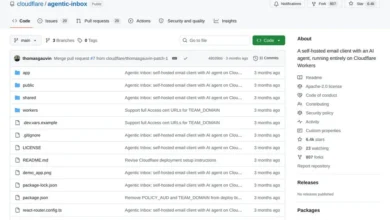
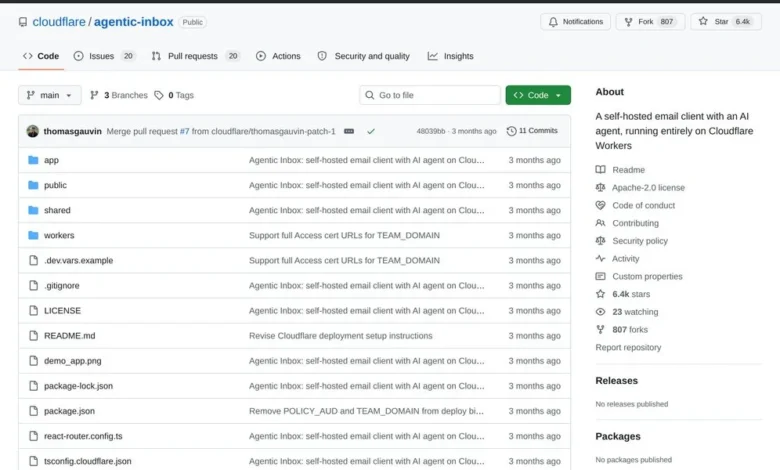
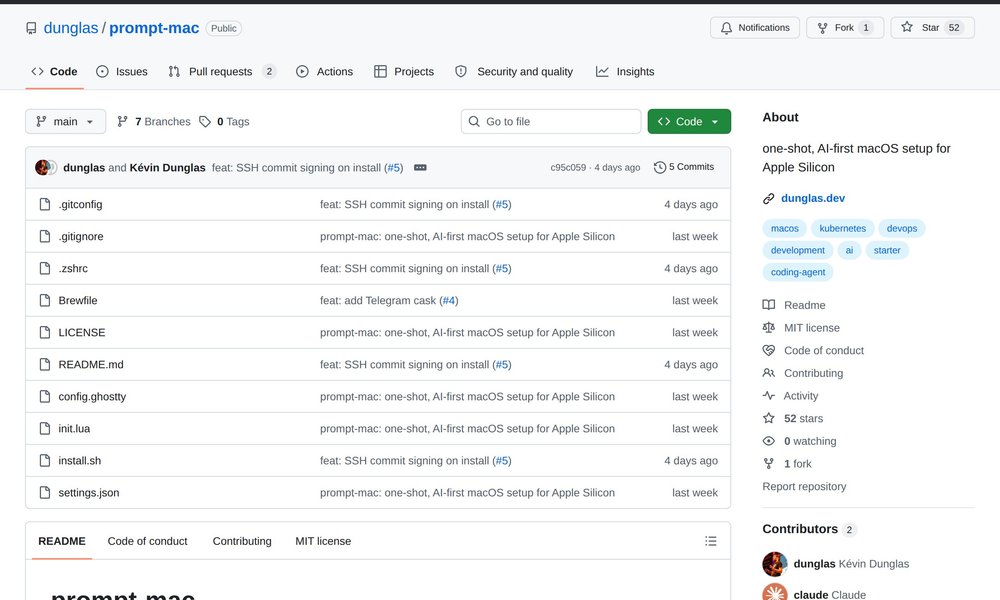
Similarly, Cloudflare’s Agentic Inbox introduces an innovative serverless approach to email management. Operating entirely on Cloudflare Workers, Durable Objects, and R2 object storage, the self-hosted client utilizes an integrated AI agent to process inbound routing, search message history, and draft contextual replies without necessitating a traditional, resource-heavy mail server infrastructure.
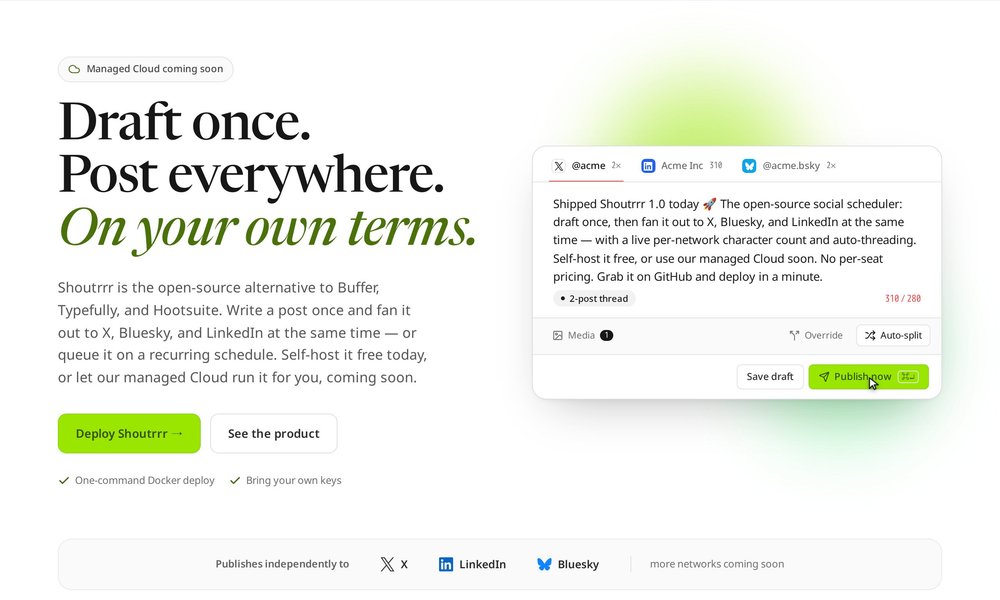
In the realm of social media management, Shoutrrr provides an open-source alternative to commercial scheduling platforms like Buffer and Hootsuite. Allowing users to draft content once and distribute it synchronously across X, Bluesky, and LinkedIn, Shoutrrr manages scheduled queues and team workspaces backed by encrypted credential storage, offering a secure deployment model via Docker or managed cloud environments.
File Transfer Utilities and Code Review Enhancements
Rounding out July’s software releases are specialized productivity utilities designed to streamline daily engineering operations:
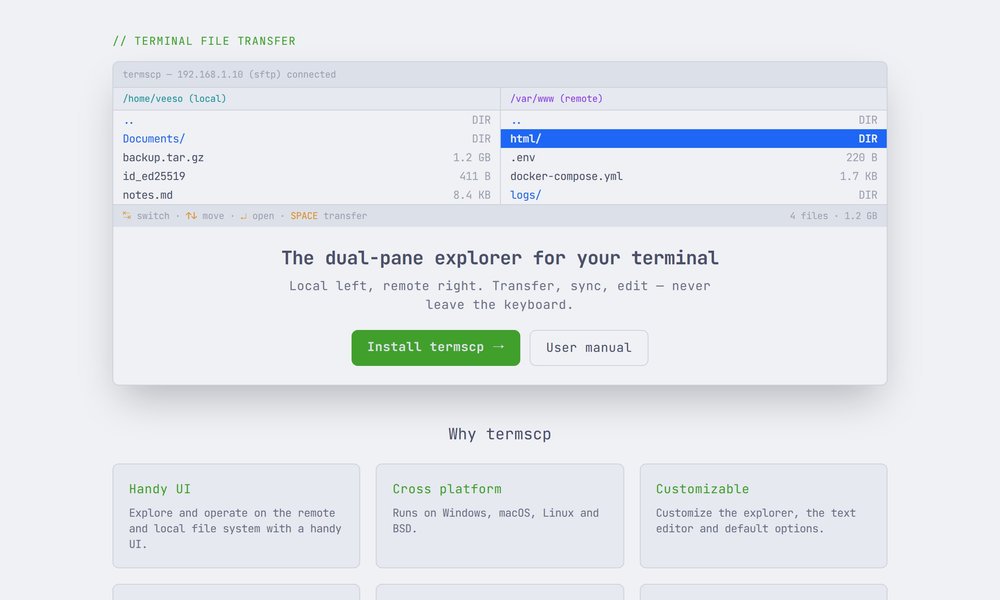
- TermSCP: A robust terminal file transfer explorer written in Rust, supporting SCP, SFTP, FTP/S, S3, Kubernetes, SMB, and WebDAV protocols within a unified TUI interface with system keychain credential integration.
- Codiff: A minimal, high-performance Git diff viewer designed for out-of-editor reviews, capable of generating LLM-powered code walkthroughs, supporting inline comments for GitHub and GitLab, and exporting markdown-formatted reviews.
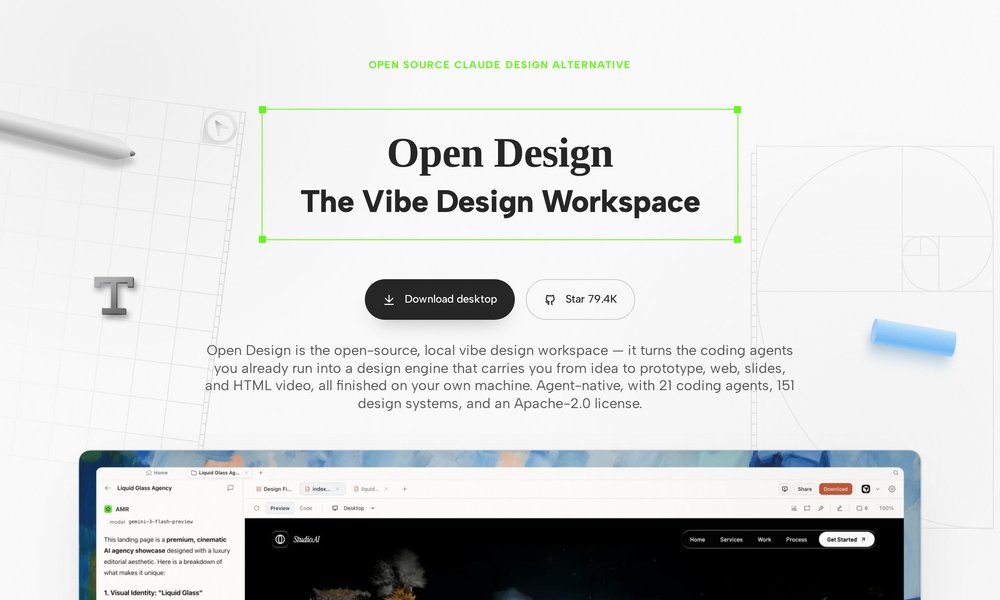
- Open Design: An open-source workspace connecting 21 distinct coding agents to over 150 design systems, effectively transforming local developer environments into automated design engines capable of exporting production-ready assets across multiple formats.
- Cortext: An Automattic-developed WordPress plugin enabling developers to construct robust, nested knowledge bases directly within standard WordPress storage architectures, avoiding proprietary third-party SaaS formats.
Implications and Future Outlook
The breadth of software introduced in July illustrates a maturing ecosystem focused on efficiency, reduction of bloat, and the intelligent integration of artificial intelligence into foundational engineering tasks. By prioritizing localized control—exemplified by native compilers like elephc, zero-setup visualization tools like Foglamp Scan, and self-hosted security layers like VoidAuth—the developer community is actively engineering resilient workflows capable of withstanding the complexities of modern software delivery. As these tools mature throughout the year, they are expected to significantly reduce infrastructure overhead while standardizing the benchmarks by which AI-assisted development is measured.