The Strategic Mandate: Why 2026 Employee Advocacy Data is the New Currency for C-Suite Growth

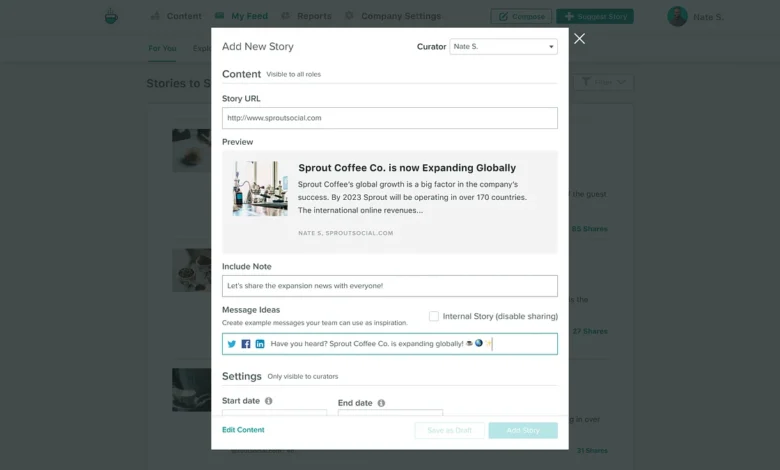
Securing executive buy-in for organizational initiatives has evolved from a matter of passion into a rigorous exercise in empirical proof. As businesses navigate an increasingly crowded and skeptical digital marketplace, leadership teams are shifting their focus toward measurable outcomes rather than speculative marketing trends. Within this environment, employee advocacy—the practice of empowering staff to share company messaging on personal channels—has emerged as a mission-critical growth strategy. For marketers and communication professionals, the path to budget approval no longer relies on subjective brand sentiment but on the hard metrics of reach, conversion, and talent acquisition.

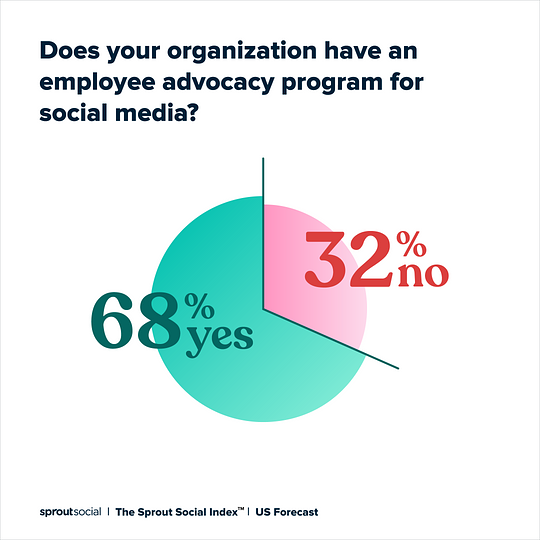
As of 2026, the digital landscape has fundamentally shifted. With paid reach becoming exponentially more expensive and consumer trust in corporate-led advertising hitting historic lows, the human voice has become the most valuable asset in a firm’s portfolio. Data indicates that 68% of marketing organizations have now formalised their advocacy programs, moving them from the realm of informal side projects to centralized, technology-driven operations. This shift marks a departure from "nice-to-have" engagement tactics toward a sophisticated, data-backed approach to brand management.
The Evolution of Advocacy: From Grassroots to Governance
The transition from ad-hoc social media use to strategic employee advocacy represents a structural change in how modern enterprises communicate. Historically, advocacy programs were decentralized and difficult to track. However, the current standard involves integrated platforms that provide staff with curated, compliant, and pre-approved content. This transition addresses the primary obstacle to employee participation: the "content supply" problem.
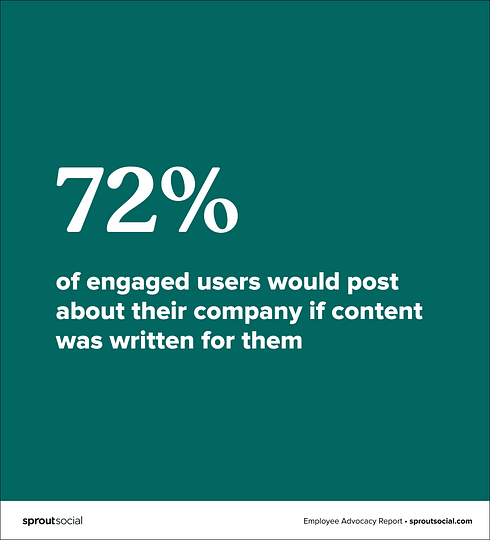
Recent research confirms that while employees are willing to act as brand ambassadors, they are often hindered by a lack of resources. Approximately 72% of engaged employees have indicated they would participate in advocacy if the company provided the content for them. By deploying centralized advocacy tools, firms can remove this friction, enabling staff to share information in their own voice while ensuring alignment with brand messaging. This professionalization allows for real-time tracking of impressions, engagements, and, most importantly, earned media value.
Data-Driven Pillars of the Modern Pitch
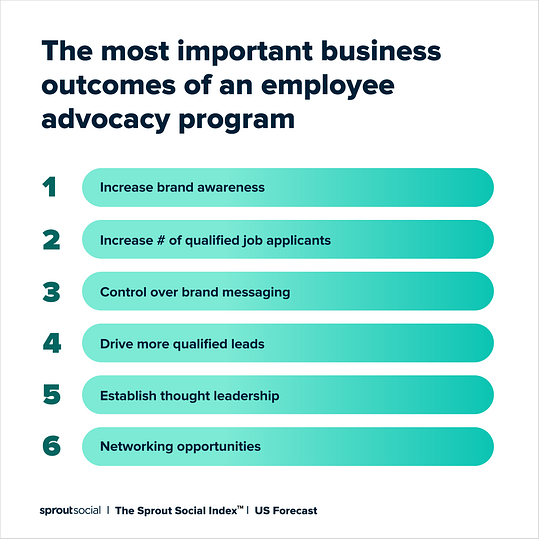
To effectively pitch an advocacy program to a C-suite in 2026, stakeholders must frame the strategy around four distinct business outcomes: top-of-funnel demand, trust-building, revenue acceleration, and talent retention.
The trust deficit between corporations and consumers is a significant driver for this shift. Current market analysis reveals that 46% of consumers express a preference for hearing from frontline staff rather than official, high-level corporate accounts, which only command the trust of 10% of the audience. This bottom-up trust model is essential for brand credibility. Furthermore, the reach potential is substantial; 40% of consumers report discovering new products through employee-generated content on a monthly basis. When analyzed against the rising cost of paid media, the efficacy of employee-led amplification becomes clear. It is a zero-media-cost strategy that delivers higher engagement rates than polished corporate advertising.
Chronology of Performance: A Case for Scalability
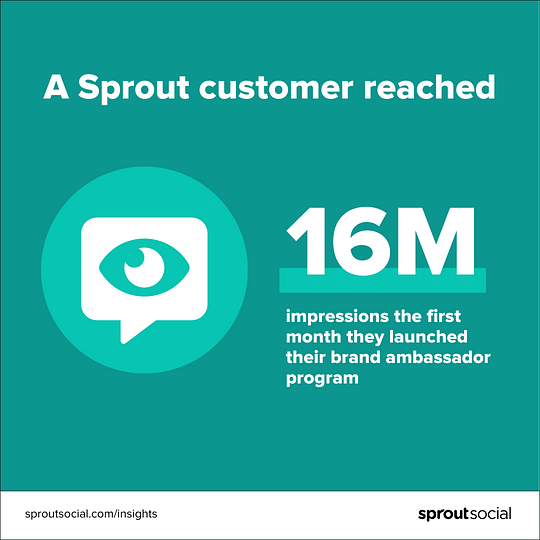
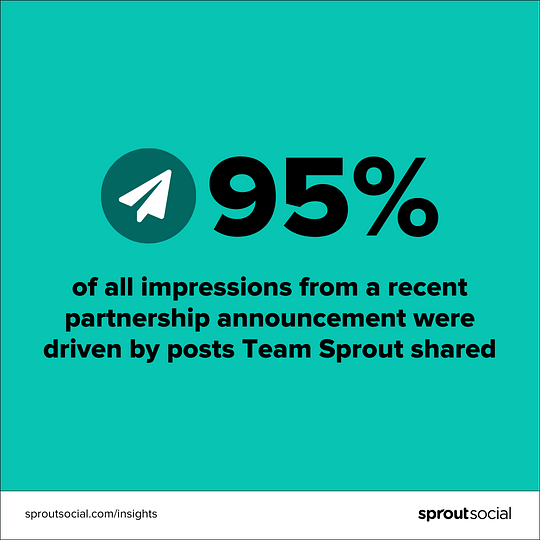
The impact of these programs is best demonstrated through longitudinal data. For instance, the IT software firm Ivanti, after implementing a systematic advocacy platform, reported a growth of 16 million in total reach during the first month of operation. Similarly, Sprout Social’s internal data highlights the compounding effect of such programs, noting that in 2024, employee-shared content generated more than 28 million impressions. A particularly illustrative example occurred during a global partnership announcement, where 95% of the 740,000 total impressions were driven directly by employee advocacy efforts rather than the corporate handle.
These figures underscore a critical reality: organic social performance on corporate pages is declining. By tapping into the personal networks of employees, companies can bypass the limitations of algorithmic feed congestion. This provides a measurable spike in visibility that scales linearly with the size of the workforce, rather than the size of the advertising budget.
Linking Advocacy to the Bottom Line
The most compelling argument for the C-suite is the direct correlation between advocacy and revenue. Advocacy is not merely an awareness tool; it is an engine for lead generation and social selling. According to data from the LinkedIn Social Selling Index, sales professionals who actively share company-related content are 51% more likely to reach their sales quotas.
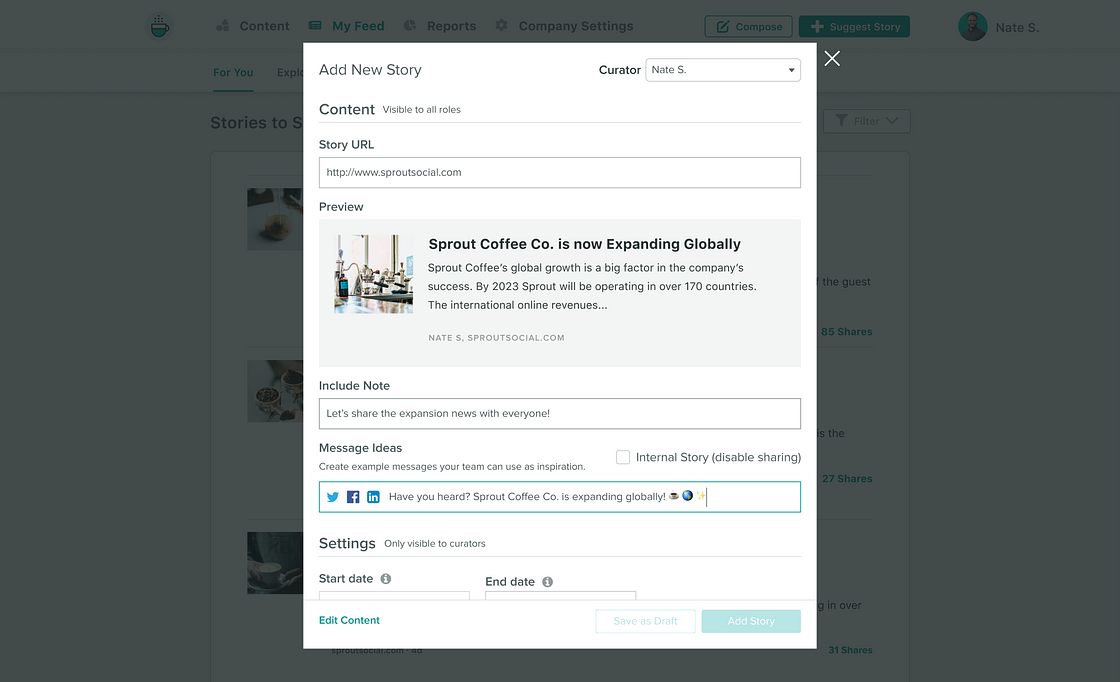
This is supported by tangible ROI metrics. Infor, a global enterprise software company, generated $100,000 in earned media value within a single month by leveraging its employee network. This value is derived from the conversion of social engagement into qualified leads. By integrating advocacy platforms with Customer Relationship Management (CRM) software, organizations can now trace the customer journey from a social share to a closed deal, providing the exact level of granular reporting that CFOs require to validate expenditure.
Talent Acquisition and Retention: The Human Element
Beyond external marketing, advocacy serves as a potent tool for internal culture. When employees are invited to share the company’s achievements and culture, it reinforces their own sense of ownership and belonging. This alignment has a direct impact on employee retention, as staff who feel integrated into the brand’s public mission report higher job satisfaction.
From a recruitment perspective, the efficacy of advocacy is even more pronounced. Candidates consistently look to current employees to gain an authentic view of the company’s work environment. When staff broadcast open roles and company milestones, they tap into their professional networks to find high-quality, pre-vetted talent that traditional HR channels might otherwise miss. This creates a virtuous cycle: improved recruitment leads to better hires, who in turn become more effective advocates, further enhancing the employer brand.
Implications and Strategic Recommendations
The broader implication for business leaders is that social media has moved beyond the purview of the marketing department and into the realm of core business strategy. The "2026 standard" is one of transparency and decentralization.
For organizations currently lacking a formal program, the risk is not just a loss of visibility—it is a loss of control. Without a centralized, supported advocacy framework, employees may share content inconsistently or without proper context. Conversely, a managed program provides:
- Compliance and Governance: Ensuring all shared content adheres to legal and branding standards.
- Measurement: Tying advocacy to key performance indicators (KPIs) such as pipeline growth and application volume.
- Efficiency: Saving time for both marketing teams, who gain an amplification channel, and employees, who receive ready-to-use materials.
As the industry moves forward, the divide between companies that treat their employees as passive observers and those that treat them as active brand partners will widen. The evidence is conclusive: when employees are empowered with the right tools, their networks become an organization’s most trusted, cost-effective, and powerful marketing channel. The decision for leadership is no longer whether to engage in advocacy, but how quickly to formalize it to maintain a competitive advantage in a digital-first economy.
Frequently Asked Questions
How does employee advocacy differ from influencer marketing?
While influencer marketing relies on external creators to reach an audience, employee advocacy leverages the organic, pre-existing networks of a company’s own workforce. The primary difference is the level of authenticity; audiences perceive employees as "insiders" with first-hand knowledge, making their endorsements significantly more credible than paid third-party influencers.
What is the most effective way to launch a pilot program?
Successful pilot programs typically begin with a "champion" group—a small, highly engaged set of employees across different departments, such as sales, product, and human resources. By gathering data on their reach and engagement over a 90-day period, firms can demonstrate the ROI necessary to justify a full-scale enterprise rollout.
Can advocacy programs be measured accurately?
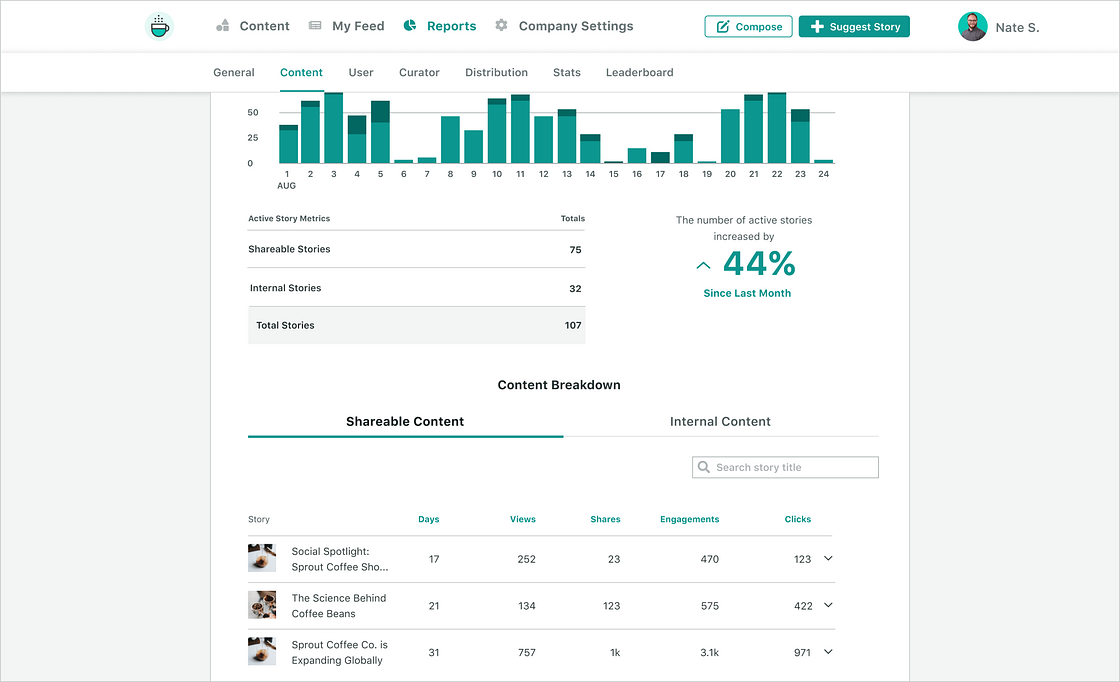
Yes. Modern advocacy platforms provide real-time reporting on shares, clicks, and engagement. When integrated with a CRM, these metrics can be mapped to lead generation and event attendance, allowing for a clear, dollar-denominated ROI calculation that can be presented in quarterly board reports.
Does advocacy replace traditional advertising?
No. Advocacy should be viewed as a complementary channel. While paid advertising provides scale and targeting control, advocacy provides trust and authenticity. The most successful modern brands use both in tandem, utilizing paid media for broad reach and employee advocacy for deep, community-driven engagement.