The Dawn of Intelligent Marketing: Crafting a Winning AI Marketing Strategy in the Social Age

In an era defined by rapid digital transformation and the unrelenting pace of social interaction, businesses globally are facing unprecedented pressure to remain competitive and foster sustainable growth. The imperative extends beyond mere presence; it demands a profound understanding of audience desires and dynamic market shifts. This necessitates sophisticated social intelligence – the transformative capacity to convert billions of daily social conversations into actionable insights that inform strategic decision-making and propel brands forward. A meticulously designed AI marketing strategy is the keystone to unlocking this intelligence, placing unparalleled analytical power directly within reach of marketers.
The foundational shift towards social platforms is undeniable. According to the Sprout Social Index™, a significant 86% of users are projected to either maintain or escalate their engagement with social platforms by 2025. This sustained and growing interaction translates into an exponential increase in data, providing an invaluable reservoir to refine and inform marketing strategies. AI marketing empowers brands to process this immense data volume with unprecedented speed and scale, extracting critical insights that would be insurmountable for human teams alone. By harmoniously blending this computational prowess with human strategic oversight and creativity, organizations can forge marketing strategies that not only perform optimally but also deeply resonate with their target demographics. This article delves into the intricacies of designing such an AI marketing strategy, integrating the best of both artificial and human intelligence.

Understanding the AI Marketing Imperative
An AI marketing strategy fundamentally represents a structured plan that leverages artificial intelligence technologies to elevate marketing endeavors and yield superior outcomes. AI tools function as powerful accelerators, enabling marketers to gain deeper insights into customer behaviors, develop highly relevant and engaging content, and optimize campaigns in real time. Its influence spans the entire marketing lifecycle, from initial market research and content conceptualization to campaign execution and enhancing the overall customer experience.
For professionals immersed in social and digital marketing, the integration of social intelligence within this broader AI strategy adds an indispensable layer of depth. Social data stands as one of the most potent research instruments available to contemporary brands. It can be conceptualized as an always-on, global focus group, continuously capturing authentic customer thoughts, desires, and reactions as they unfold. This real-time feedback loop is invaluable for agile marketing adjustments. Leadership across industries has recognized this profound value; the 2025 Impact of Social Media Marketing Report indicates that 60% of leaders view social media as a primary driver of customer acquisition, while 54% acknowledge its critical role in informing research and development (R&D) and broader business decision-making.
Furthermore, social intelligence is increasingly pivotal in shaping a brand’s visibility within AI-powered search environments. As advanced tools like OpenAI’s ChatGPT and Google’s AI Overviews draw extensively from social conversations, Reddit threads, and online community forums, brands that consistently maintain a prominent and positive presence in these digital spaces are significantly more likely to connect with audiences actively seeking their offerings. This intertwines social presence directly with search engine optimization in a new, AI-driven paradigm.

AI Social Media Marketing: Channel-Level Precision
While AI marketing encompasses a wide array of channels, from email campaigns to paid advertising, AI social media marketing specifically hones these strategies at the channel level. It focuses on the specialized tools and tactics that empower brands to establish a strong presence, foster meaningful connections, and drive conversions across various social networks. In practice, this translates to leveraging AI for content creation and optimization, conducting nuanced audience sentiment analysis, managing responsive social customer care, and meticulously tracking performance metrics across diverse platforms. Its application also extends into social commerce, where AI facilitates seamless connections between audiences and products, often enabling transactions without the user ever leaving the social platform.
A defining characteristic of AI in social media is the heightened expectation for real-time responsiveness. The 2025 Sprout Social Index™ underscores this urgency, revealing that 73% of consumers are prepared to switch to a competitor if a brand fails to respond adequately on social media. This statistic elevates social customer care into one of the most high-stakes applications of AI in contemporary marketing, where speed and personalization are paramount to customer retention and brand loyalty.
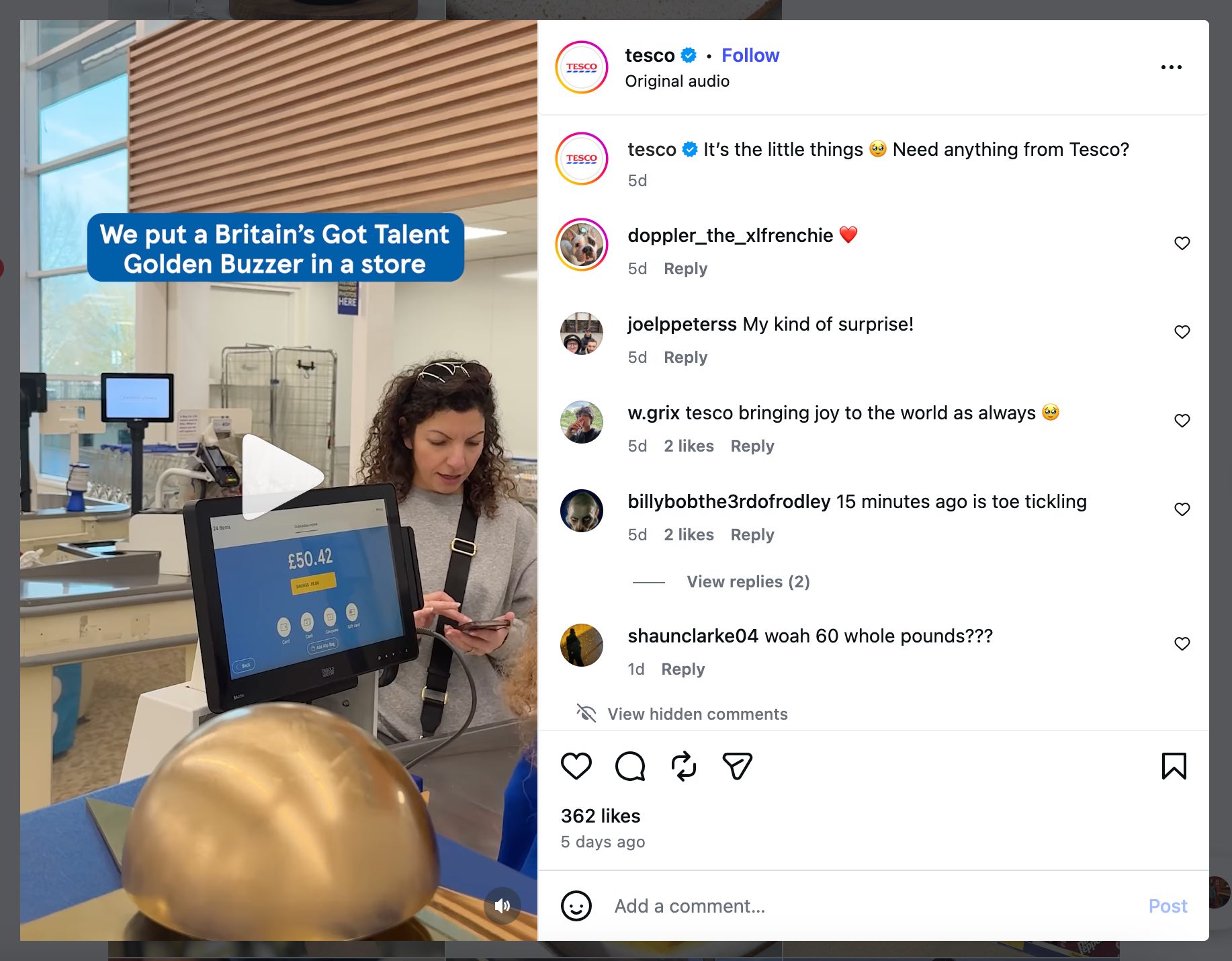
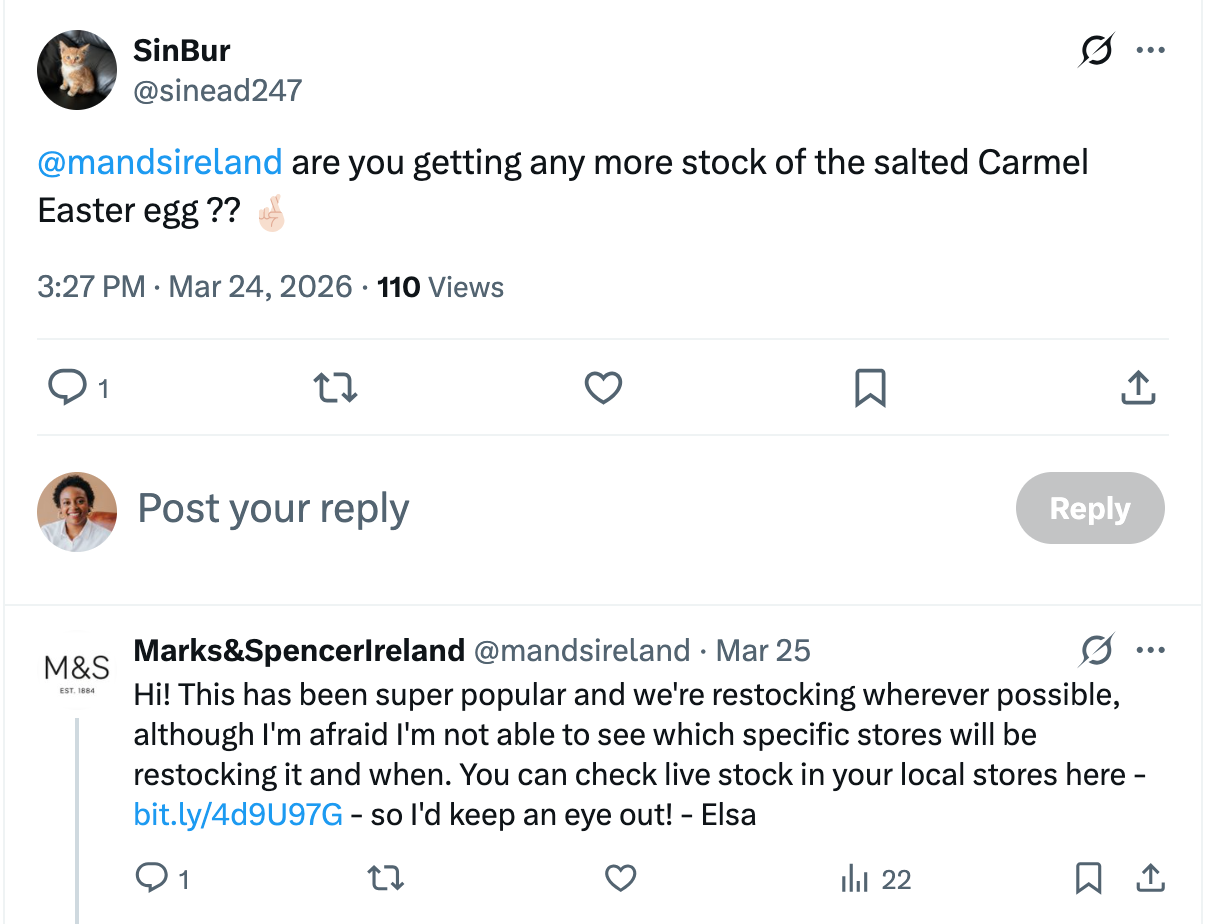
Examples of successful integration abound. Consider Tesco’s "Britain’s Got Talent Golden Buzzer" post, which adeptly tapped into a major cultural moment with a distinctively on-brand twist, showcasing audience-aligned content. Similarly, Marks & Spencer Ireland’s personalized and human response to a customer query on X (formerly Twitter) exemplifies the elevated standard of social care achievable through strategic engagement.
The Transformative Power of AI in Modern Marketing
In a remarkably short span, AI has transitioned from a novel technological curiosity to an indispensable operational component within marketing departments worldwide. The prevailing question for most organizations is no longer if to adopt AI, but how to maximize its utility. Several key trends are currently shaping this transformative period:
- Hyper-Personalization at Scale: AI algorithms can analyze vast datasets of consumer behavior, preferences, and demographics to deliver highly personalized content, product recommendations, and advertising messages. This moves beyond traditional segmentation to individualized experiences, fostering deeper engagement and higher conversion rates.
- Predictive Analytics for Proactive Strategies: AI’s capacity for predictive modeling allows marketers to forecast future trends, anticipate customer needs, and identify potential challenges or opportunities before they fully materialize. This enables a proactive, rather than reactive, approach to campaign planning and resource allocation.
- Enhanced Content Creation and Curation: Generative AI tools are revolutionizing content creation, assisting in drafting copy, generating image ideas, producing video scripts, and even localizing content for diverse audiences. This significantly boosts efficiency, allowing creative teams to focus on strategy and refinement rather than repetitive tasks.
- Optimized Campaign Performance: AI continuously monitors campaign performance across various metrics, identifying underperforming elements and suggesting real-time adjustments to improve ROI. This includes optimizing bidding strategies for paid ads, fine-tuning audience targeting, and A/B testing variations at an unprecedented pace.
- Streamlined Customer Service and Engagement: AI-powered chatbots and virtual assistants handle routine customer inquiries, provide instant support, and route complex issues to human agents, enhancing customer satisfaction while freeing up human resources for more critical interactions. Sentiment analysis further allows brands to gauge public perception and respond appropriately.
Ethical Frameworks and Building Trust in the Age of AI
While AI undeniably offers substantial advantages for marketing teams, its pervasive growth has simultaneously opened a "trust gap" that brands are ethically and strategically obligated to address. The Q1 2026 Pulse Survey highlights a significant concern: 56% of social media users frequently encounter "AI slop"—mass-produced, low-quality, AI-generated content. This phenomenon contributes to social fatigue and a demonstrable decrease in engagement. Alarmingly, unlabeled AI content emerged as the top practice consumers want brands to cease in 2026.
Demographic analysis reveals that younger generations, particularly Gen Z and Millennials, are the most inclined to unfollow, mute, or block accounts whose content feels like AI slop. This makes transparency not merely an ethical imperative but a crucial business consideration directly impacting audience reach and brand loyalty.
Establishing trust begins with a robust and clearly articulated framework. Companies should consider developing a comprehensive, company-wide AI use policy. Such a policy would standardize the application of AI across content creation, customer interactions, and data collection processes, ensuring consistency and accountability. Concurrently, brands must remain vigilant and agile in adapting to the rapidly evolving landscape of AI regulations, such as the landmark EU AI Act and emerging regional legislation. Non-compliance with these legal frameworks carries significant implications for operational practices, data governance, and reputation.
Designing a Future-Proof AI Marketing and Social Media Strategy
Crafting an effective AI-driven social media marketing strategy requires a methodical, step-by-step approach that is designed to evolve with the business and empower teams to work more intelligently.
1. Defining Clear Goals and Objectives
The initial and most critical step involves articulating precise goals and objectives for the AI social media strategy. This provides tangible targets against which success can be measured. For instance, is the primary aim to amplify brand awareness and boost engagement metrics, or is it to optimize ad spend efficiency? Clearly defined social media goals serve as a compass, guiding the strategic deployment of AI in marketing and social media plans to achieve optimal results.
2. Conducting a Strategic Social Media Audit
Once goals are established, a comprehensive social media audit becomes indispensable. Beyond merely analyzing performance metrics, a robust audit delves into the operational dynamics of the social team itself—examining time allocation, identifying major opportunities, and pinpointing existing gaps. The 2025 Content Benchmarks Report indicates a significant shift in consumer priorities, moving from passive content consumption towards active community-building. This elevates the bar for brand delivery, demanding faster social care, more relevant content, and sharper audience insights. A thorough social media audit precisely identifies where AI can bridge these gaps, whether through accelerating response times, enhancing content relevance, or surfacing superior data for the team to act upon.
3. Evaluating Current Technology Stack and Integrations
Before introducing new AI tools, a critical assessment of existing technological infrastructure is essential. A tech stack review helps identify redundancies, highlight gaps, and ascertain whether the current setup can seamlessly support the intended AI adoptions. This also presents an opportune moment to consider where enhanced tools could yield the most significant impact for the team. For example, advanced content tools can expedite ideation and creation, facilitate the production of accessible content (e.g., subtitles, translations), and free up valuable time for more responsive social care. Given that an AI marketing strategy is only as robust as its underlying data, this review also serves as a crucial checkpoint to ensure data collection, storage, and processing adhere to stringent safety and privacy standards.
4. Scaling Creativity Through AI and Automation
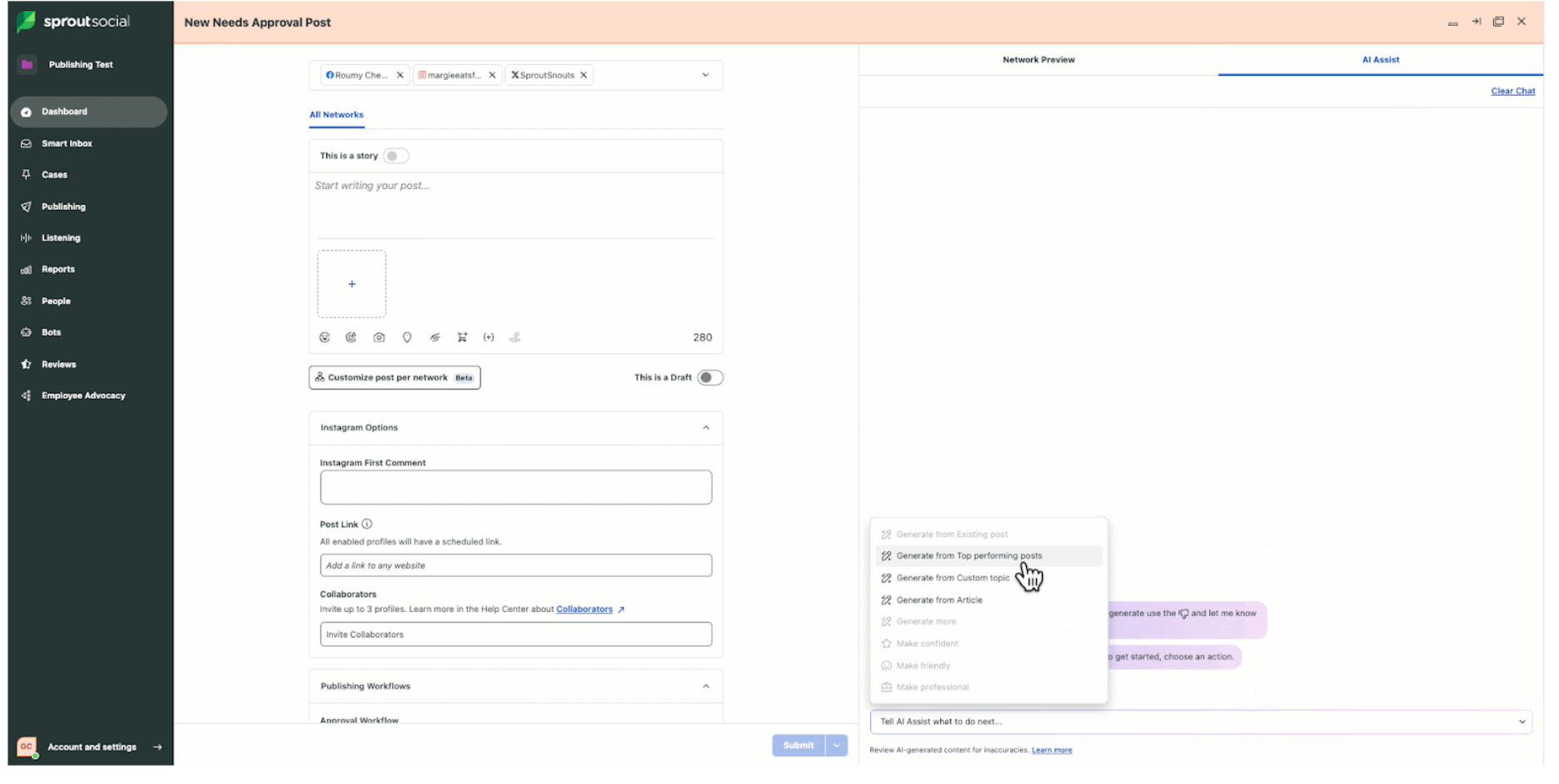
The challenge of maintaining high content quality while meeting relentless demand is a constant struggle for social teams. AI and automation tools offer a powerful solution, enabling teams to uphold quality without compromising speed. Industry-leading platforms, such as Sprout Social, offer sophisticated features like "Generate Posts by AI Assist," which helps teams sustain creative flow and produce stronger, audience-aligned content more rapidly. By leveraging top-performing posts as inspiration or generating new content on specified topics, brands can maintain a consistent, high-quality output. The 2025 Content Benchmarks Report noted that brands published an average of 9.5 social posts per day in 2024, with engagement rising significantly when quality improved.
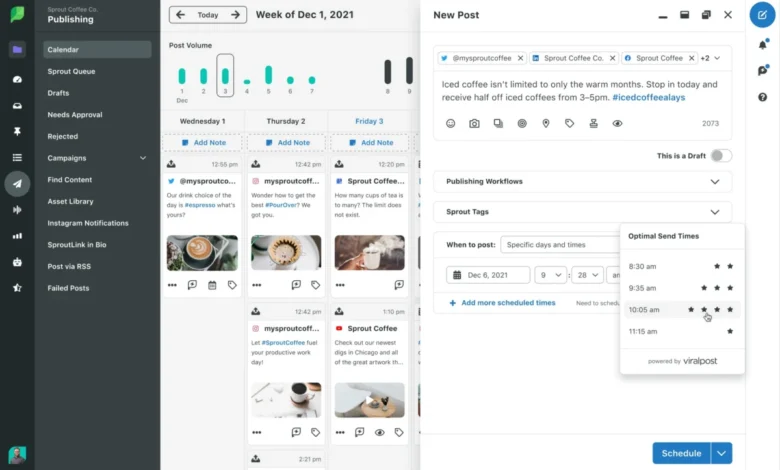
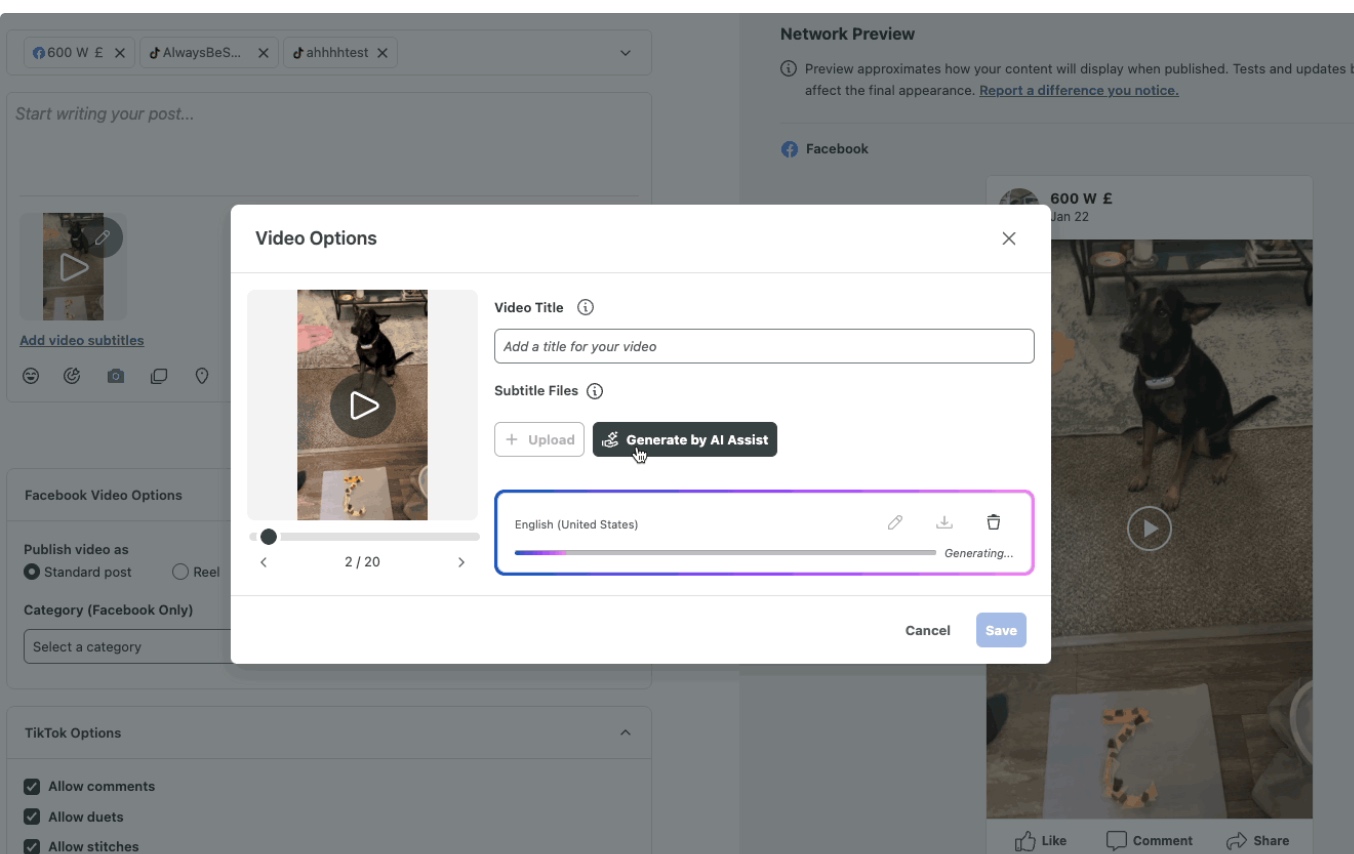
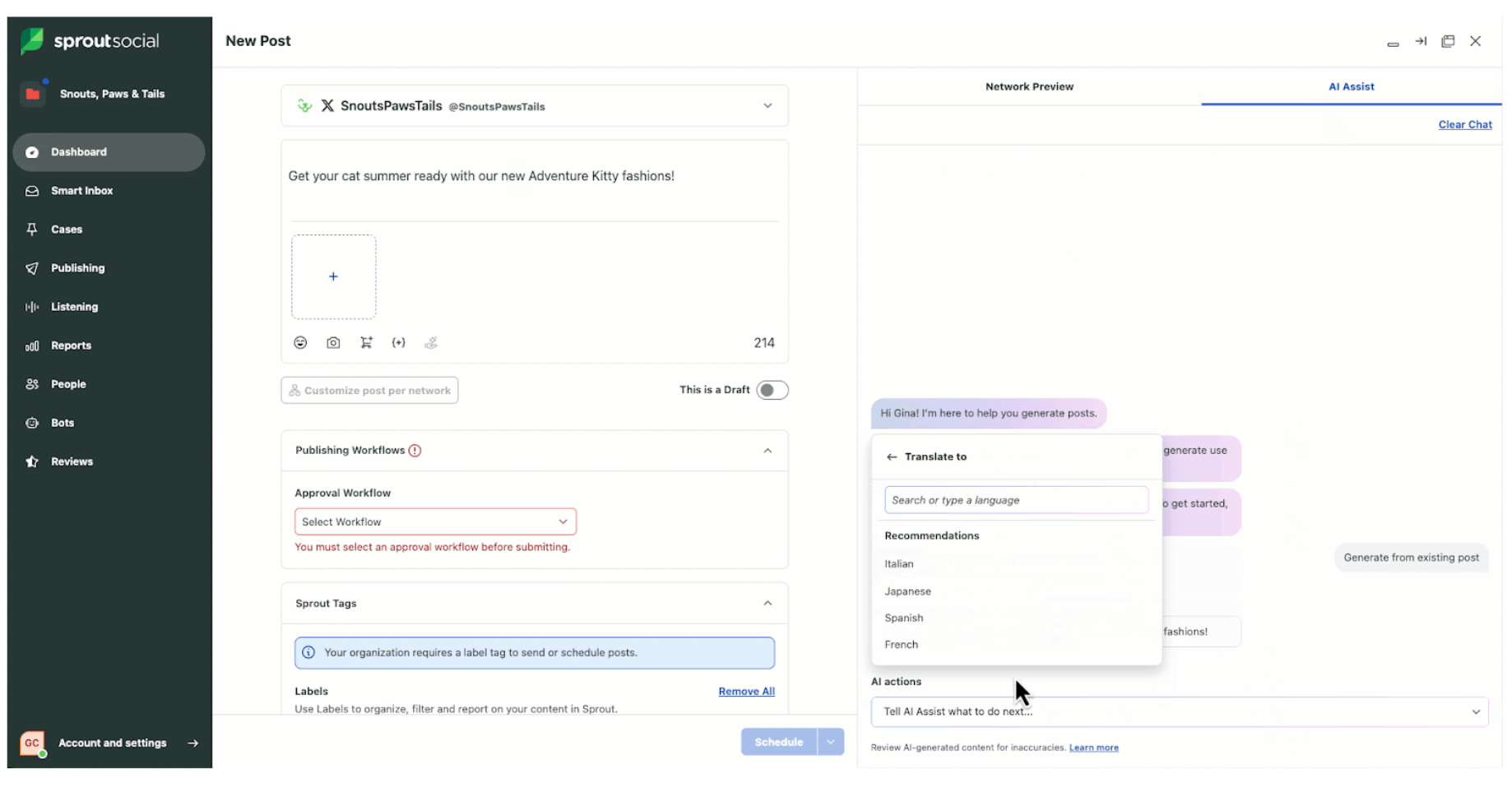
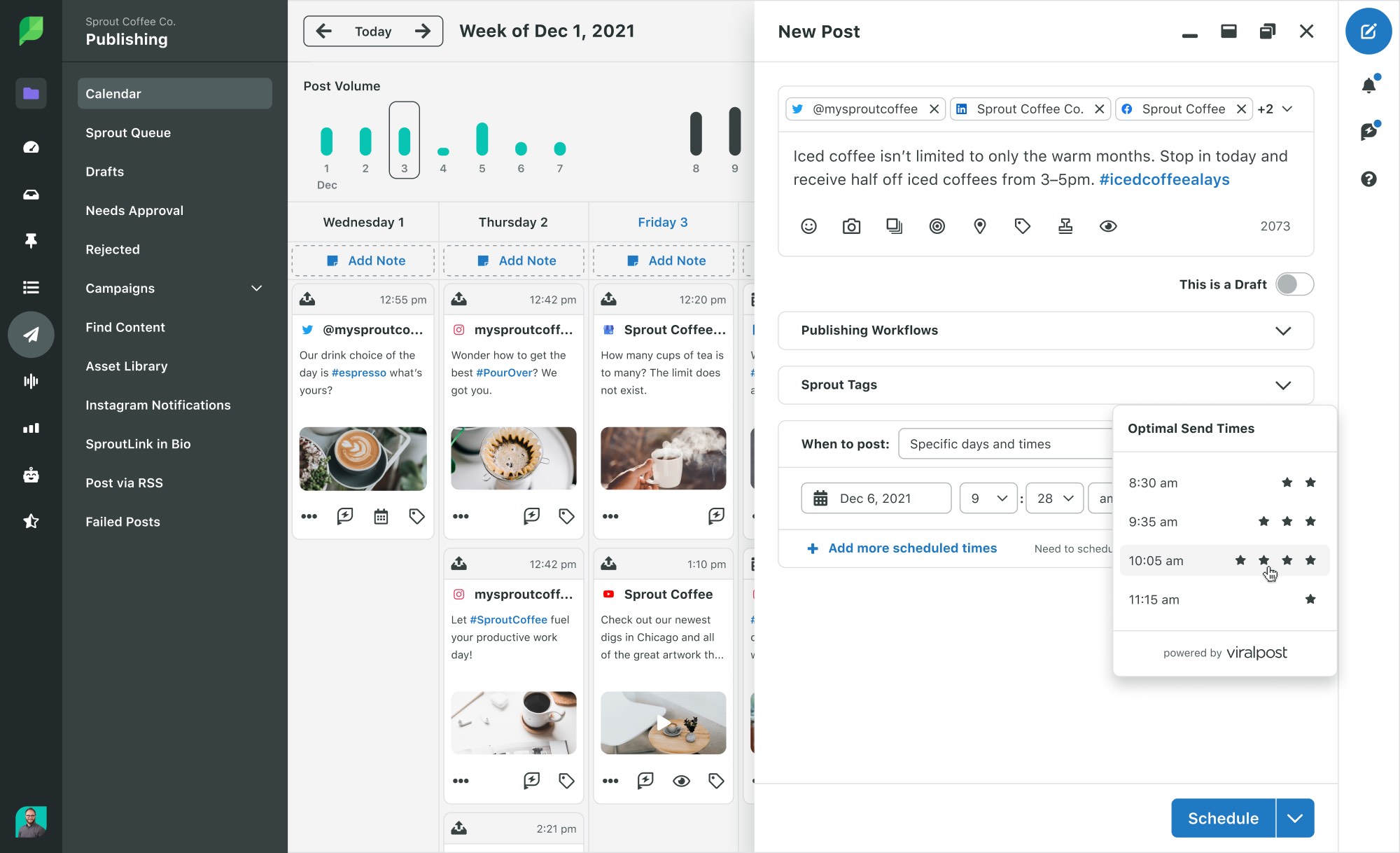
Other examples include "Message Ideas by AI Assist," which streamlines employee advocacy by generating ready-to-share, on-brand message options for employees to post directly to their networks, thereby expanding brand reach. Accessibility is also enhanced through tools like "Generate Subtitles by AI Assist," simplifying the addition of subtitles to video content, reaching wider audiences, and meeting evolving expectations for video accessibility. For brands operating across diverse markets, "Generate Translations by AI Assist" removes a major production bottleneck, facilitating faster and easier content adaptation to multiple languages while preserving quality and tone. Furthermore, "Optimal Send Times (ViralPost™)" analyzes audience engagement patterns to automatically schedule posts when they are most likely to connect, maximizing reach and impact across platforms like Bluesky and Threads.
5. Bridging Social and Listening Data with Business Action
The inherent business value of social data is immense, but it remains latent unless teams can effectively access and act upon it. The 2025 Impact of Social Media Marketing Report reveals a disconnect: while most leaders are confident that social media drives ROI across awareness, acquisition, and revenue, fewer than half believe their teams can definitively prove it. Closing this gap requires sophisticated tools that connect social insights directly to critical business decisions.
Modern platforms facilitate this through various functionalities:
- Listening Insights: AI-powered social listening analyzes consumer sentiment, competitor activities, and market trends across billions of conversations, providing teams with the essential context for rapid, informed decision-making.
- Agentic AI (e.g., Trellis): Advanced AI agents like Sprout Social’s Trellis allow teams to pose complex questions in natural language and receive actionable answers within seconds. This delegates time-consuming manual data sifting, providing clear, strategic summaries of the social landscape.
- Predictive Media Intelligence (e.g., NewsWhip): Tools like NewsWhip by Sprout continuously monitor web coverage, helping brands detect emerging stories and potential reputation risks before they escalate, enabling proactive crisis management.
- Workflow Integrations (e.g., Slack, Salesforce Agentforce): Integrations with collaboration tools like Slack deliver real-time alerts for message spikes, task assignments, and approvals directly into existing team workflows. Similarly, integration with platforms like Salesforce’s Agentforce uses conversational AI to surface social context within customer cases, empowering care teams to resolve issues faster with a holistic view of the customer journey.
- Real-time Alerts (e.g., Message Spike Alerts): Automated message spike alerts notify teams instantly when conversation volume around their brand suddenly increases, ensuring timely awareness and response to potential issues or emerging trends.
6. Democratizing Access to Social Insights Across the Organization
Currently, social data often resides primarily within digital marketing teams. However, the 2025 Impact of Social Media Marketing Report indicates a growing desire among leaders for these insights to be shared more broadly across departments, including customer experience, customer care, business development, and product teams. Creating the necessary infrastructure for this organizational data flow involves:
- Establishing Centralized Data Repositories: Secure, accessible platforms where social data can be stored, analyzed, and shared across relevant departments.
- Implementing Cross-Functional Training: Educating teams outside of marketing on how to interpret and utilize social insights for their specific roles.
- Developing Standardized Reporting Dashboards: Tailored dashboards that present relevant social data to different departments in an easily digestible format.
Crucially, clear data governance policies are paramount. Adherence to privacy regulations is not just a legal requirement but a fundamental practice that safeguards customer data and preserves the trust essential for any collaborative data initiative.
7. Launching a Pilot Testing Program
With the foundational groundwork complete, the next logical step is to validate the AI marketing strategy through a pilot project. It is advisable to commence with a small, manageable campaign that offers straightforward tracking, such as a focused series of social posts or a specific ad set. Define measurable metrics upfront, allow the test to run for at least a month to gather meaningful data, and meticulously document all adjustments made throughout the process. Upon completion, a comparative analysis between the AI-assisted work and the established baseline will yield invaluable learnings to inform subsequent strategic moves.
8. Implementing and Measuring Performance
Once the pilot program has unequivocally demonstrated its value, it is time for a broader rollout across the wider team, accompanied by a clearly defined AI use policy. This phase involves introducing the new AI tools and processes, ensuring all team members receive comprehensive training and access to necessary documentation to use them confidently. Establishing clear points of contact for different issues can mitigate overwhelm as teams acclimate to the new systems.
From this point, continuous measurement becomes the bedrock of a sharp and adaptive strategy. Track key performance indicators (KPIs) most relevant to the business, leverage AI insights to discern what is effective and what requires adjustment, and make iterative refinements. Regular monitoring also serves to ensure that AI tools operate strictly within ethical boundaries and comply with evolving regulatory standards, thereby protecting data integrity and fostering unwavering customer trust.
9. Scaling and Optimizing the Strategy
With robust measurement frameworks in place, the strategic focus shifts towards scaling successes and continually optimizing the approach. The insights gleaned from ongoing performance analysis should inform the expansion of the AI strategy into new domains—be it broadening the application of automation, extending AI tools to additional teams, or experimenting with novel content formats and emerging platforms.
Finally, staying abreast of the latest AI developments is crucial. Engaging with peer communities, such as Sprout Social’s Arboretum—a vibrant network connecting over 10,000 marketers—offers an excellent avenue for sharing best practices and staying informed about the newest tools, platform updates, and industry trends. This collaborative learning environment ensures that strategies remain cutting-edge and responsive to the dynamic technological landscape.
The Enduring Evolution of AI in Marketing
Designing and implementing an AI marketing strategy is not a static, one-time endeavor. The technological tools available, alongside ever-evolving audience expectations, will necessitate continuous adaptation and refinement. Brands that are poised for long-term success are those that embed testing, measurement, and iterative scaling into their operational routine. By beginning with clearly defined business goals, constructing a robust foundational framework, and allowing social intelligence to guide the strategic integration of AI, organizations can consistently identify where AI delivers the most significant value.
The journey towards intelligent marketing is ongoing, but with the right strategic approach and innovative tools, businesses can harness the immense power of AI to transform their marketing efforts and forge deeper, more meaningful connections with their audiences. Platforms offering advanced AI and automation capabilities are instrumental in bringing these sophisticated AI marketing strategies to fruition.