The Unfolding Imperative: How Social Media Reshapes Small Business Marketing in the Digital Age

Small business owners frequently grapple with the multifaceted demands of daily operations, administrative tasks, and strategic planning, often relegating marketing efforts to a secondary concern. This prioritization is not due to a lack of understanding regarding marketing’s importance, but rather a pragmatic acknowledgment of resource limitations. Many small businesses lack the substantial budgets required for traditional advertising campaigns or the dedicated staff to execute elaborate marketing strategies. However, the advent and evolution of social media platforms have fundamentally altered this landscape, offering a powerful, accessible, and often cost-effective channel to democratize marketing and significantly expand a small business’s reach.
This paradigm shift is particularly relevant in the current consumer climate, where social media has become an indispensable tool for product discovery and brand interaction. Recent social media statistics underscore this trend, revealing that these platforms drive a substantial 60% of all product discovery. For small business owners, this represents an unparalleled opportunity to leverage a well-crafted social media strategy for exponential growth in both brand visibility and sales. This article delves into practical social media marketing tips tailored for small businesses, encompassing everything from strategic platform selection to consistent content planning, and provides a broader context of social media’s role in modern commerce.
A Decade of Digital Transformation: Social Media’s Evolution for Commerce
The journey of social media from mere personal networking sites to robust commercial ecosystems is a testament to its transformative power. In its nascent stages, platforms like MySpace and early Facebook were primarily about connecting individuals. The mid-2000s saw businesses tentatively explore these channels, largely for brand awareness through static profiles. However, the true inflection point arrived with the proliferation of smartphones and the subsequent rise of visual-centric platforms such as Instagram and Pinterest in the early 2010s. This era marked a shift towards engaging storytelling through images and short videos, making product showcases more dynamic and appealing.
By the mid-2010s, social media had cemented its role as a customer service channel, with brands expected to respond to inquiries and feedback directly on platforms. The late 2010s and early 2020s witnessed the explosion of short-form video content, spearheaded by TikTok, which fundamentally reshaped how brands engage audiences, favoring authentic, bite-sized, and often humorous narratives. Concurrently, the integration of e-commerce features, such as shoppable posts and in-app marketplaces, transformed social platforms into direct sales channels. The COVID-19 pandemic further accelerated this digital adoption, forcing countless small businesses to establish or enhance their online presence, making social media not just an advantage, but a necessity for survival. This rapid evolution has culminated in a landscape where social media search functions increasingly rival traditional search engines, with consumers actively seeking out products and services within their preferred social apps.
The Indispensable Role of Social Media in Modern Small Business Marketing
For small business owners operating with lean budgets and compact teams, the allure of marketing channels that are simultaneously effective, affordable, and manageable is undeniable. Social media perfectly embodies these attributes, offering a suite of free, built-in marketing tools alongside an unparalleled global reach. These platforms are vibrant hubs where individuals connect with friends, engage with cultural phenomena, seek entertainment, and, crucially, find inspiration for their purchasing decisions.
The ongoing evolution of social search capabilities means businesses can be discovered more easily than ever before. Furthermore, algorithmic discovery mechanisms expose brands to new, relevant audiences organically, significantly boosting brand awareness without requiring a heavy marketing expenditure. Beyond mere visibility, social media facilitates direct, unfiltered interaction with consumers through comments and direct messages, providing an ideal conduit for cultivating a loyal and engaged community.
This direct engagement is not merely beneficial; it is a critical expectation. According to the 2025 Sprout Social Index, personalized customer service ranks as the paramount expectation consumers hold for brands. Businesses that actively engage with their followers and promptly address customer inquiries on social media are the ones that truly differentiate themselves. The data is stark: a staggering 73% of social media users are prepared to shift their patronage to a competitor if a brand fails to respond to their direct communications on social platforms. This statistic powerfully underscores the profound impact of social media marketing on a business’s ultimate success and customer retention.
Strategic Pillars for Small Business Social Media Success
Navigating the complexities of social media marketing requires a strategic approach, even with limited resources. Success hinges on a series of well-defined actions that maximize impact and efficiency.
Precision Targeting: Defining Your Audience Demographics and Psychographics
The efficacy of any marketing endeavor is directly proportional to its precision. For small businesses, whose marketing dollars are often scarce, speaking to a highly specific audience ensures maximum return on investment. The initial step in crafting a potent social media strategy is to develop a crystal-clear understanding of the target demographic. This involves constructing a comprehensive audience profile that meticulously details demographic information: age range, geographic location, occupation, income level, and family status.
Beyond these basic demographics, psychographic data is equally crucial. Understanding your audience’s interests, values, hobbies, lifestyle choices, and pain points allows for the creation of content that truly resonates. Native analytics tools embedded within social media platforms offer valuable insights into existing audience demographics and engagement patterns. Complementing this, advanced tools like Meta Audience Insights and TikTok Audience Insights provide richer psychographic data, enabling businesses to fine-tune their messaging and content strategy to align perfectly with the aspirations and needs of their ideal customers. This granular understanding ensures that every piece of content and every interaction is purposeful and impactful.
Curated Presence: Prioritizing Platform Quality Over Quantity
The temptation to establish a presence on every conceivable social media platform can be overwhelming, often leading to diluted efforts and inconsistent engagement. Attempting to maintain a strong brand identity across numerous channels simultaneously is time-consuming and resource-intensive, frequently resulting in sporadic posting and neglected conversations. A more effective strategy is to concentrate efforts and resources on building a robust presence on a select few platforms where the target audience is most active and receptive.
The selection of appropriate platforms should be a deliberate decision, informed by the intersection of industry specifics and audience demographics. For instance, industries centered around technology and professional discourse might find greater engagement on platforms like X (formerly Twitter) or LinkedIn, which facilitate rapid information exchange and industry discussions. Conversely, businesses in retail, fashion, or food and beverage typically experience superior engagement on visual-first platforms such as TikTok, Instagram, and Pinterest, which thrive on aesthetic appeal and immersive content. Furthermore, demographic considerations are paramount: while TikTok and Instagram boast strong usage among Gen Z and younger millennials, Facebook often remains the most effective channel for reaching older demographics, including Baby Boomers. A focused, high-quality presence on fewer, more relevant platforms invariably yields better results than a scattered, superficial presence across many.
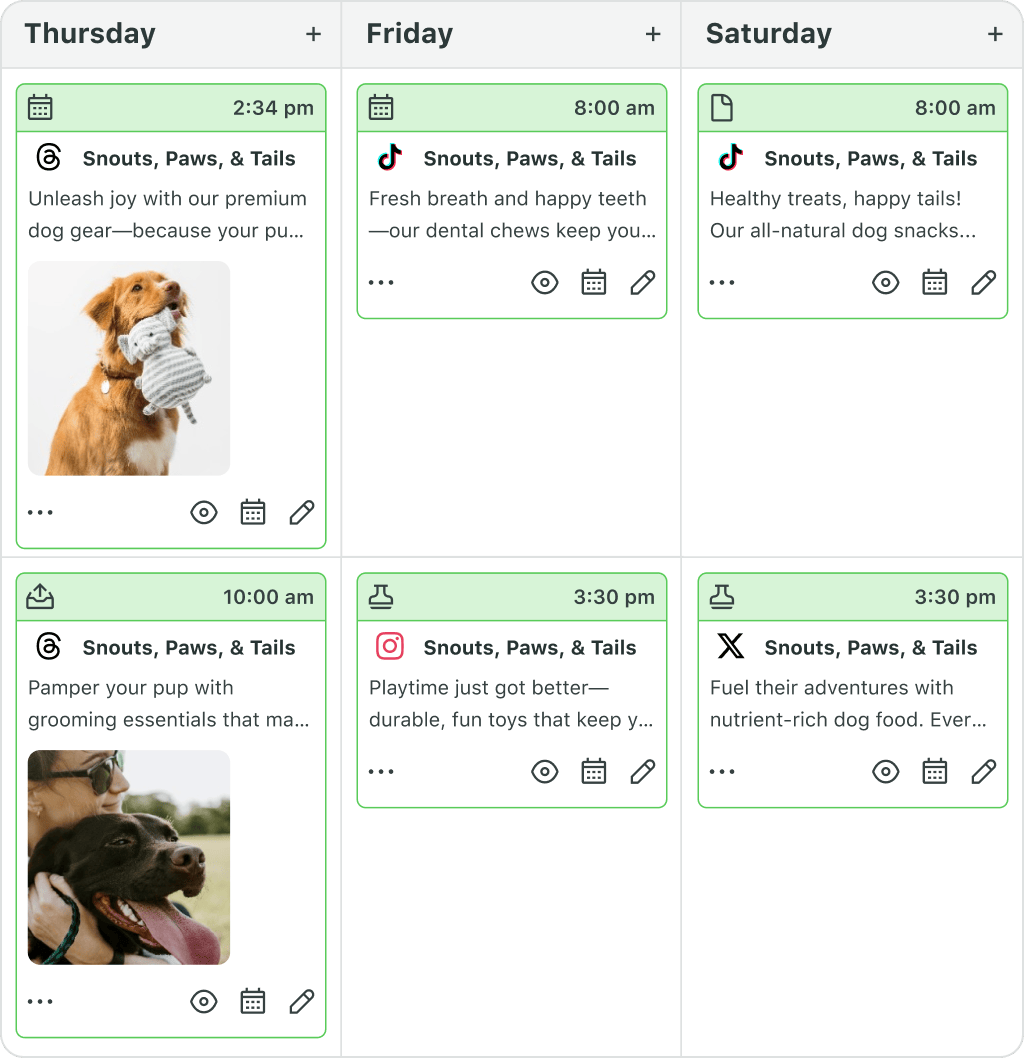
The Power of Planning: Crafting a Consistent Content Calendar
While the adage "quality over quantity" holds true for social media content, consistency in publishing is equally vital for maintaining audience engagement and algorithmic favor. haphazard posting can lead to diminished visibility and a disconnect with followers. To counteract this, organizing publishing efforts through a meticulously planned social media content calendar is essential. A comprehensive content calendar should include:
- Content Themes and Topics: A pipeline of ideas aligned with brand messaging and audience interests.
- Content Formats: A mix of images, short videos, long-form text, polls, carousels, and live streams to keep content fresh.
- Platform-Specific Adaptations: Tailoring content to suit the native features and audience expectations of each chosen platform.
- Publishing Schedule: Specific dates and times for posts, optimized for audience activity.
- Key Performance Indicators (KPIs): Metrics to track the success of each post and campaign.
- Seasonal and Event-Based Content: Planning for holidays, industry events, and topical trends.
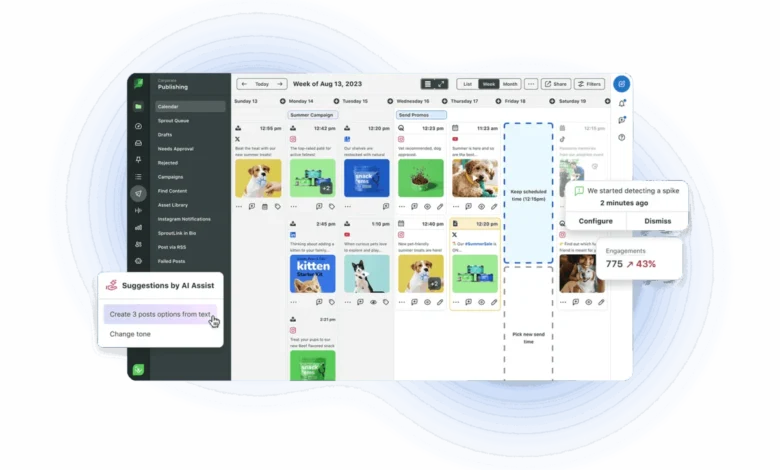
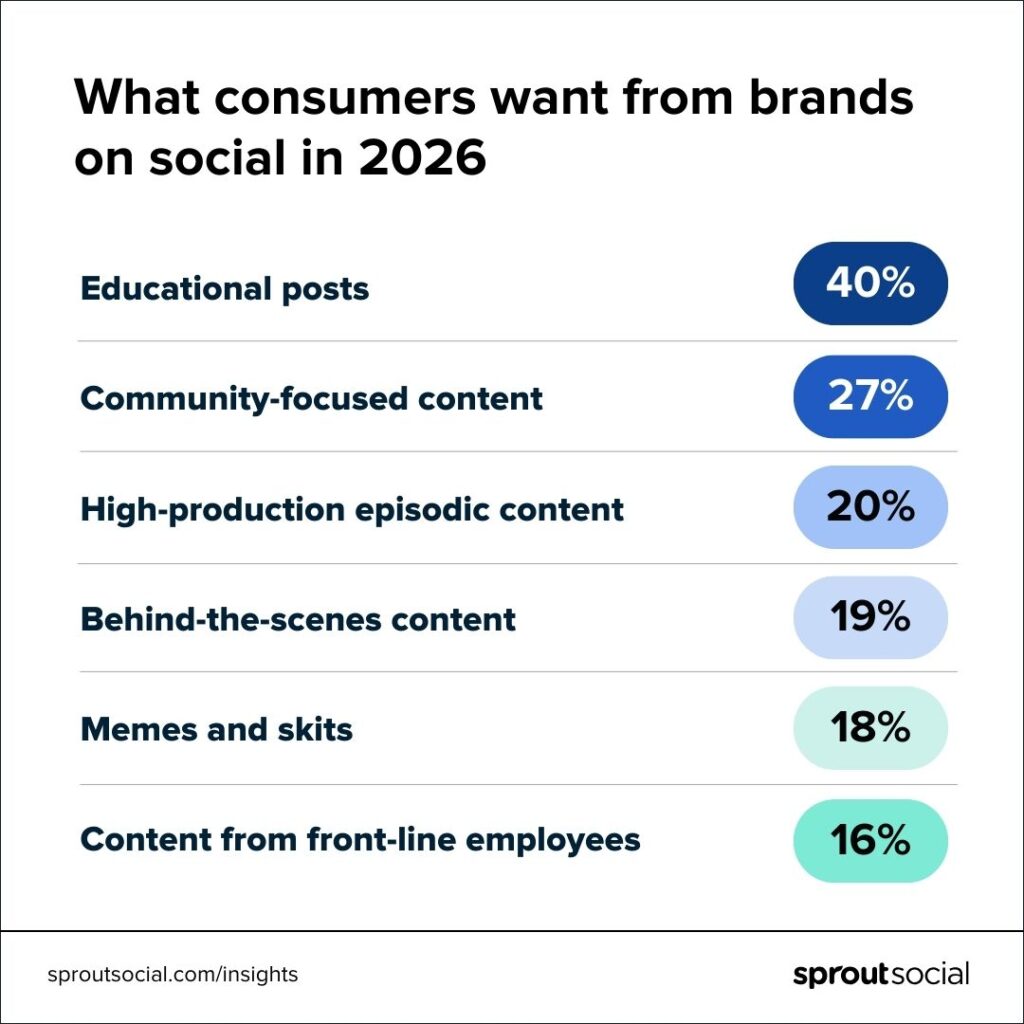
Developing a content calendar allows for the strategic allocation of time for ideation, content creation, and scheduling. Batch creating content—dedicating specific blocks of time each week or month to produce multiple posts—is a highly efficient method to ensure a continuous supply of fresh material. Tools like Sprout Social offer visual calendars that streamline this process, enabling businesses to visualize their content pipeline and maintain a consistent publishing schedule. This strategic planning also facilitates a healthy mix of content types and formats, crucial for sustaining audience interest. According to "The State of Social Media 2026" report, consumers prioritize educational content, community-focused content, episodic series, and behind-the-scenes glimpses from brands. Integrating these preferences into a content calendar can significantly boost engagement.
Embracing the Visual Narrative: Dominance of Short-Form Video
Regardless of the specific platforms a small business chooses to focus on, short-form video content has emerged as an undisputed champion for audience engagement. The "2026 Social Media Content Strategy Report" confirms that users are most likely to interact with short videos across all major platforms, including Facebook, Instagram, TikTok, and YouTube. Furthermore, the data indicates a preference for brevity, with videos under 60 seconds consistently outperforming longer formats.
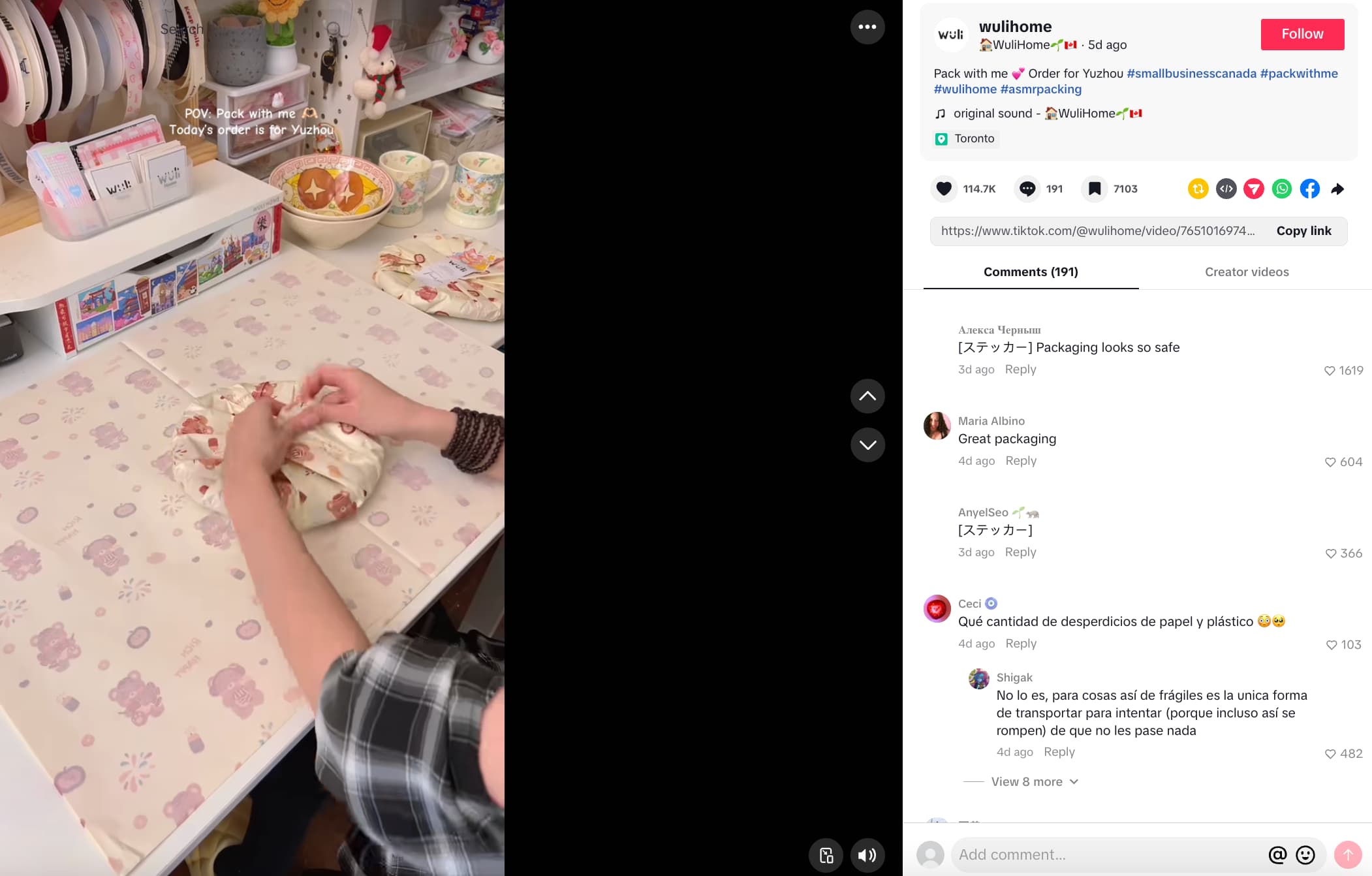
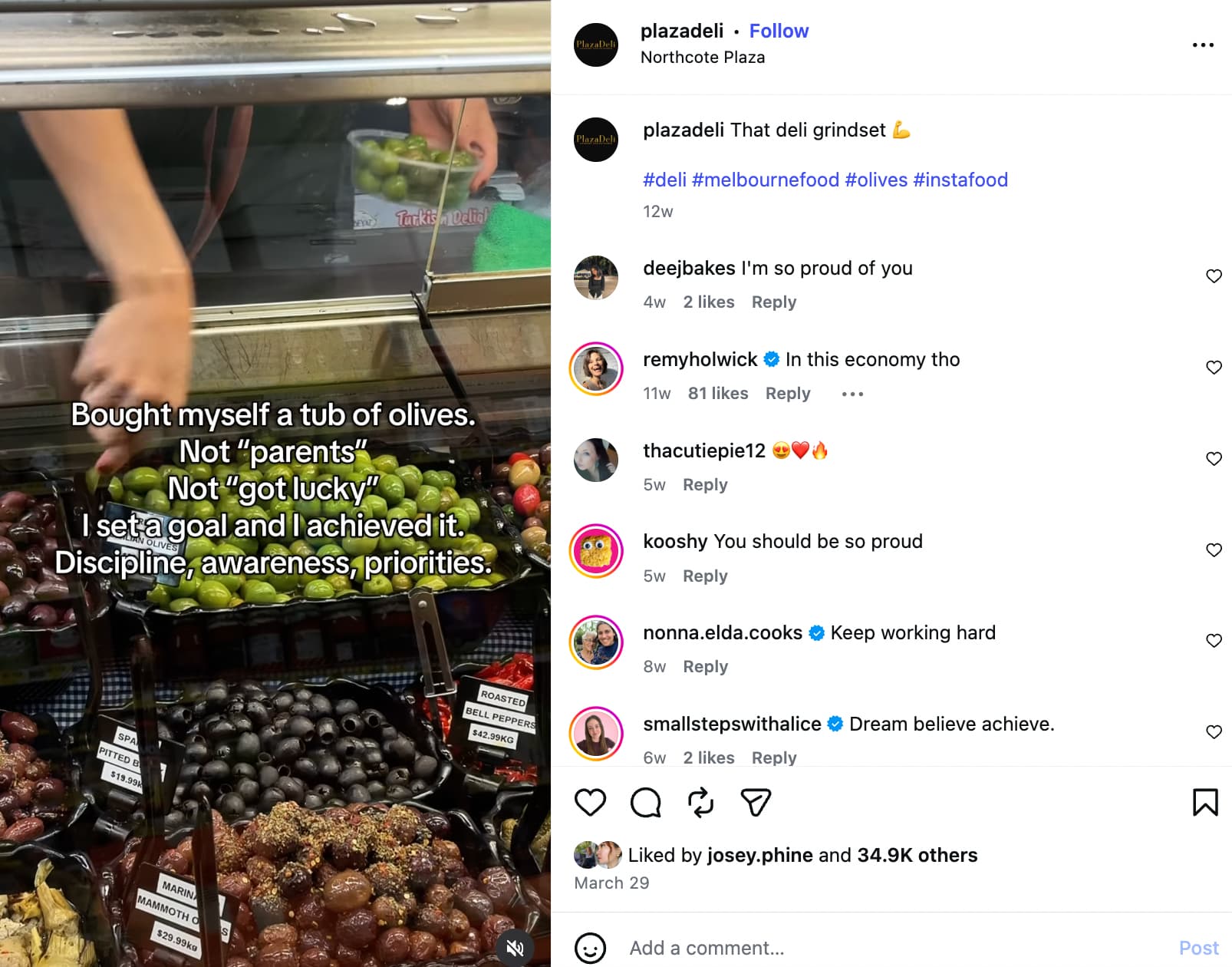
This trend necessitates a deliberate pivot towards creating engaging Reels, TikToks, and Shorts that immediately capture user attention. These formats are ideal for delivering bite-sized tips, entertaining informational content, and authentic behind-the-scenes footage. They also offer a prime opportunity to capitalize on viral trends and inject humor, making a brand more relatable and memorable. For example, a small deli like Plaza Deli effectively used a relatable "grindset" meme in an Instagram Reel to garner over 34,000 likes and thousands of shares, demonstrating the power of culturally relevant, humorous content. To maximize visibility, businesses should also strategically incorporate relevant keywords naturally within their video captions and in-video text. Social media algorithms utilize this metadata to rank content in relevant search results, making careful keyword selection an important aspect of content optimization.
Fostering Community: Active Engagement and Responsive Customer Service
Beyond broadcasting messages, social media’s true power lies in its capacity for two-way communication. Consumers highly value responsiveness and active engagement from brands, viewing it as a fundamental way to humanize a business and forge genuine connections. As highlighted in the 2025 Sprout Social Index, consumers closely observe how brands interact with their followers. A business that consistently responds to comments and messages projects an image of attentiveness and customer care.
Moreover, an active and vibrant comments section is beneficial for platform algorithms. High engagement signals relevance and popularity, prompting algorithms to distribute the content to a wider audience within users’ feeds. To ignite conversations, businesses can actively ask questions in captions, run polls, or pose thought-provoking prompts. Critically, interacting with these comments is paramount to acknowledging the audience and nurturing a sense of community. While responding to every single comment might not always be feasible for a small team, prioritizing replies to pertinent questions, feedback, or highly liked comments demonstrates genuine commitment. For instance, Palms Thai Restaurant effectively leveraged a viral Reel by engaging directly with top comments, reinforcing their brand personality and connection with their audience.
Authenticity Through Advocacy: Leveraging User-Generated Content (UGC)
In an era saturated with curated brand messaging, user-generated content (UGC) stands out for its authenticity and credibility. The "2026 Social Media Content Strategy Report" identifies human-generated content as a top priority for consumers, highlighting its power to build trust and foster genuine connections within an existing community. When real customers share their experiences, reviews, and images related to a business, it serves as powerful social proof that resonates far more deeply than traditional advertising.
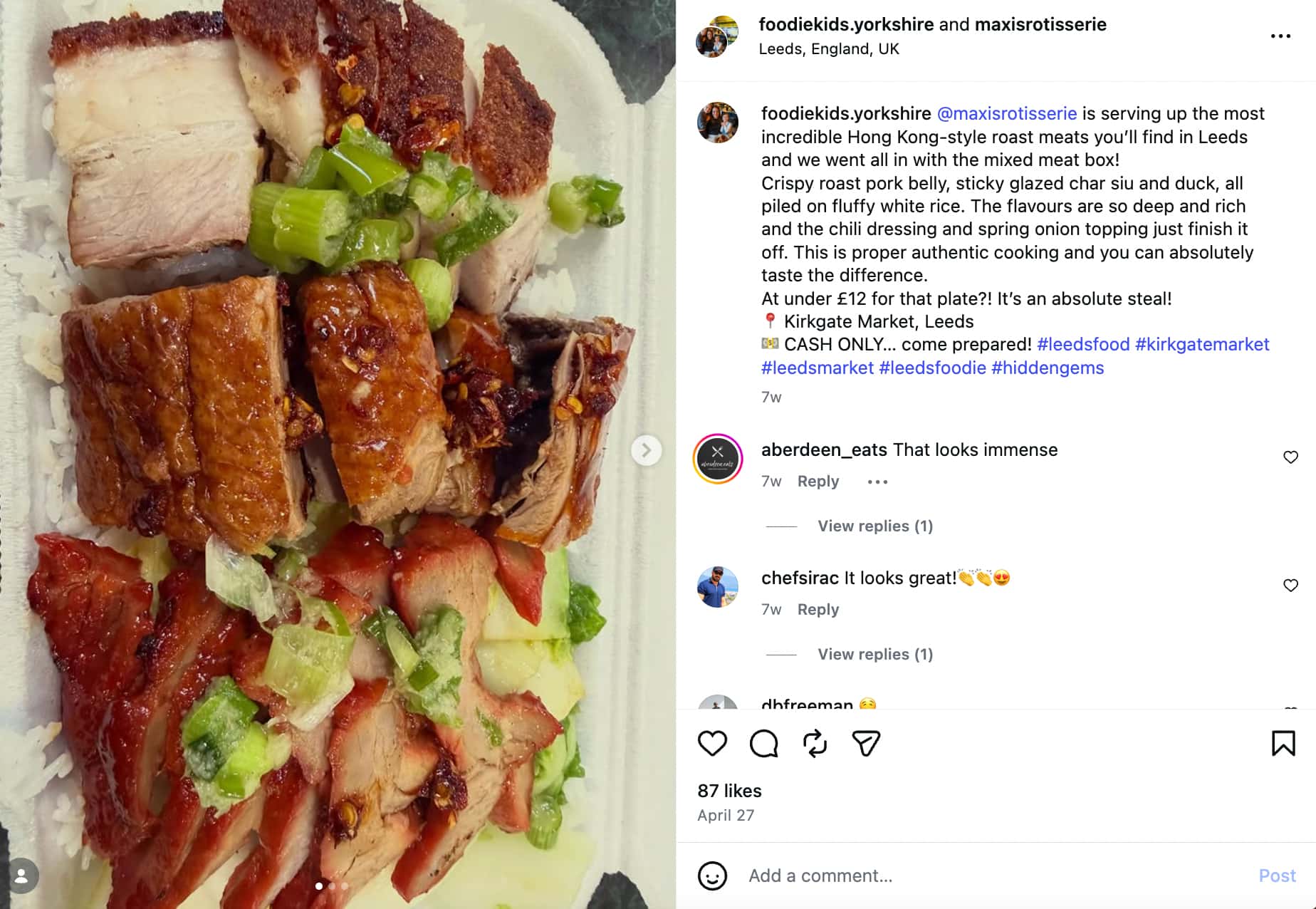
Small businesses should actively encourage customers to share their feedback and post about their experiences on social media. This can be achieved through explicit calls to action, contests, or by creating unique branded hashtags that make content discoverable. Once generated, businesses should seek permission to repost this content to their own Stories or feed. Repurposing UGC can extend its life further, integrating it into in-feed posts, website testimonials, or even paid advertising campaigns, leveraging its inherent trustworthiness. Maxi’s Rotisserie, for example, expertly transforms UGC into Instagram Collab posts, instantly expanding the content’s visibility by sharing it with both the original creator’s and the business’s audiences, effectively maximizing reach at minimal cost.
Amplifying Reach: Strategic Partnerships with Micro-Influencers
For small businesses seeking a significant visibility boost, influencer marketing, particularly with local micro-influencers, is a vital strategic addition. While celebrity influencers command exorbitant fees and often have a broad, generalized audience, micro-influencers (typically with 10,000 to 100,000 followers) and nano-influencers (1,000 to 10,000 followers) offer a more targeted and cost-effective solution. These smaller creators often possess a niche yet highly engaged audience that is hyper-relevant to a specific business.
Consider, for example, a gardening influencer specializing in cultivating drought-resistant plants in an arid region, or a food influencer dedicated to exploring local culinary establishments within a specific city. Their followers trust their recommendations due to their authenticity and specialized knowledge. This local relevance and strong audience alignment make micro- and nano-influencers a far more suitable and impactful fit for small businesses. Collaborations can range from sponsored posts and product reviews to joint events or affiliate marketing, all designed to introduce the business to a highly receptive segment of the market with a strong likelihood of conversion.
Data-Driven Decisions: Optimizing Performance Through Analytics
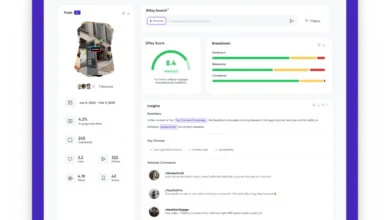
In an environment of limited resources, every marketing effort must be meticulously optimized for effectiveness. This makes data and analytics an indispensable tool for small businesses, providing critical insights into what strategies are yielding results and which require adjustment or elimination. Native social media analytics tools, embedded within platforms, offer post-specific insights that help understand content resonance. Close monitoring of key metrics such as reach, engagement rate, saves, and shares is essential.
By consistently analyzing these metrics, businesses can identify crucial patterns, such as:

- Which content formats (e.g., video vs. static images) perform best.
- The optimal times of day or days of the week for posting.
- The types of calls to action that generate the most interaction.
- The topics or themes that elicit the strongest audience response.
- Demographic insights into who is engaging with the content.
For example, a nail salon might discover that customers are more interested in seeing finished nail art designs rather than time-lapse videos of the application process. By using these insights to fine-tune their strategy, small businesses can ensure their marketing dollars and efforts are directed toward activities that generate the highest possible return, constantly adapting and improving their approach.
The Essential Toolkit: Streamlining Operations with Social Media Management Platforms
The reality for most small business owners is a constant juggling act of operational and administrative tasks, leaving precious little time for the manual intricacies of social media management. Beyond merely posting content occasionally, effective social media requires consistent content creation, active audience engagement, and meticulous performance tracking. Manually executing these tasks across multiple platforms daily can be an overwhelming and unsustainable endeavor.
This is where social media management tools become indispensable. Platforms like Sprout Social offer automated workflows that significantly reduce the time commitment. They enable businesses to plan content far in advance and utilize social media scheduling features to automatically publish posts at optimal times. This means that, aside from dedicated weekly or monthly content creation blocks, the publishing schedule can largely run on autopilot. Furthermore, these tools often provide data-backed recommendations on the best content to post and the ideal timing for maximum impact, thereby enhancing the overall social media strategy. By centralizing scheduling, engagement monitoring, and analytics into a single dashboard, these platforms allow small businesses to "work smarter, not harder," freeing up valuable time to focus on core business operations while maintaining a robust and effective online presence.
The Future Landscape: Sustained Growth and Competitive Edge
Social media marketing, once an optional add-on, has evolved into a core function for any small business aiming for sustained growth and a competitive edge in the digital economy. The initial overwhelming prospect of managing multiple online presences can be significantly mitigated through strategic planning, audience focus, and the judicious use of all-in-one management tools. These platforms, with their automated workflows and data-backed recommendations, eliminate the need for hours spent ideating content or manually posting across various accounts.
As consumer behavior continues to shift further into the digital realm, embracing social media as a strategic imperative is non-negotiable. Ongoing trends such as increasingly personalized experiences, advanced shoppable content features, and the integration of artificial intelligence for content generation and audience insights will continue to shape the landscape. Small businesses that remain agile and adaptable, continuously refining their social media strategies based on performance data, will be best positioned to thrive. Ultimately, leveraging the right tools and adopting a strategic mindset allows small businesses to navigate the complexities of social media marketing efficiently, ensuring that their brand message reaches the right audience at the right time, fostering community, driving sales, and securing their place in the modern marketplace.