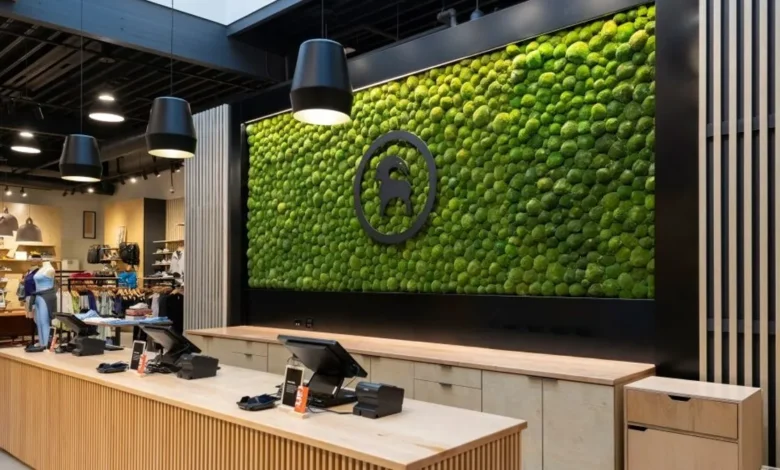
Backcountry, a prominent online retailer specializing in outdoor gear and apparel, is proactively cultivating its future through a dual strategy of launching an in-house brand incubator and continuing its acquisition spree of complementary businesses. This forward-looking approach signals a significant shift in the company’s growth trajectory, aiming to harness the innovation of emerging brands and expand its market presence within the dynamic outdoor industry. The recent establishment of "Backcountry Garage" underscores the company’s commitment to identifying and nurturing up-and-coming brands, while its prior acquisition of Velotech Inc., a significant player in the cycling retail sector, demonstrates a broader ambition to diversify and strengthen its portfolio.
Backcountry Garage: Cultivating the Next Generation of Outdoor Brands
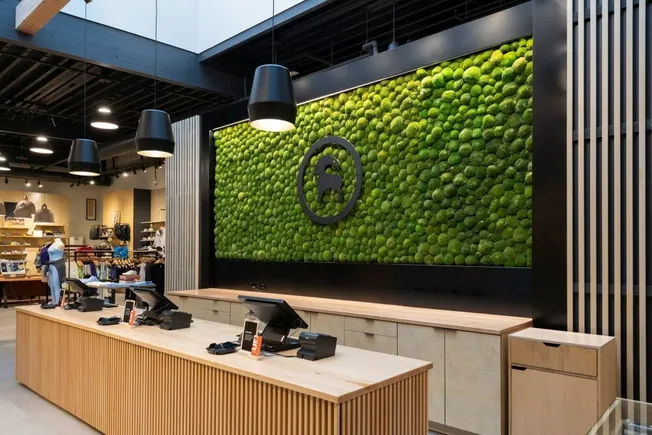
The core of Backcountry’s new initiative is Backcountry Garage, an incubator program designed to identify, mentor, and invest in promising new brands within the outdoor space. The program will rigorously evaluate potential partners based on their "merit, strategic fit, and potential for long-term partnership," according to a company press release. This meticulous selection process aims to ensure that the brands brought under the Backcountry umbrella align with the retailer’s core values and commitment to quality, performance, and customer experience.
J.M. Fabrizi has been appointed as the director of Backcountry Garage, bringing a wealth of experience to steer the incubator’s efforts. Fabrizi’s mandate is to position the incubator as a central hub for brands that champion accessibility, sustainability, and exceptional quality in their product development. This focus on sustainability is particularly relevant in the current market, where consumers are increasingly prioritizing environmentally conscious purchasing decisions. By actively supporting brands committed to eco-friendly practices, Backcountry is not only aligning with market trends but also demonstrating a commitment to responsible business operations.
Kevin Lenau, president of Backcountry, articulated the strategic vision behind this new venture, stating, "At Backcountry, we believe constant innovation is the most powerful way to improve our customers’ experience outside. Backcountry Garage is how we keep pushing when much of the industry is waiting – partnering with builders and founders who are rethinking how great gear should perform so our community feels the difference every day on the trail, at the crag, and in their own backyards." This statement highlights a proactive stance, positioning Backcountry not just as a retailer but as a catalyst for innovation within the broader outdoor community. The incubator is intended to foster a symbiotic relationship, providing emerging brands with the resources and reach of a well-established retailer, while Backcountry gains access to fresh ideas and cutting-edge products that can resonate with its customer base.
A Timeline of Strategic Expansion
Backcountry’s recent moves are part of a larger, well-orchestrated strategy to bolster its market position. The launch of Backcountry Garage follows closely on the heels of significant acquisitions, indicating a pattern of deliberate expansion.
September 2024: Backcountry acquired Velotech Inc., a Portland, Oregon-based cycling retailer. This acquisition brought under its wing prominent cycling e-commerce platforms such as BikeTiresDirect, TriSports, and Western Bikeworks. The financial terms of this deal were not disclosed, but its strategic significance is clear: it immediately expands Backcountry’s footprint in the lucrative and highly engaged cycling market, a segment that often overlaps with broader outdoor enthusiast demographics.
Approximately Seven Months Prior to Current News (Early 2025): While not explicitly dated in the provided text, the acquisition of Velotech Inc. occurred roughly seven months after the launch of Backcountry Garage, suggesting a deliberate phasing of these strategic initiatives. This timeline indicates that the incubator program was likely conceived and developed prior to the Velotech acquisition, demonstrating a comprehensive long-term growth plan.
September 2024: Backcountry itself underwent a significant ownership change when CSC Generation Enterprise acquired the company. This acquisition, which also included Backcountry’s subsidiaries like Competitive Cyclist, MotoSport, and Steep & Cheap, occurred for an undisclosed sum. This event marked a new chapter for Backcountry, providing it with the financial backing and strategic direction to pursue ambitious growth objectives, including the current incubator and acquisition strategies.
Industry Trends and Backcountry’s Position
Backcountry’s strategy of acquiring and incubating emerging brands is not an isolated phenomenon but rather mirrors a broader trend observed across the retail landscape, particularly within direct-to-consumer (DTC) and niche market segments. Retailers and investment firms are increasingly recognizing the value of acquiring smaller, agile brands that possess strong customer loyalty, unique product offerings, and a clear brand identity.
- Pattern Brands: This company has effectively utilized brand acquisitions to accelerate its growth. The purchase of the Poketo brand, for instance, was a key move that facilitated Pattern Brands’ entry into brick-and-mortar retail. This illustrates how strategic acquisitions can open new channels and accelerate market penetration.
- Harry’s Inc. / Mammoth Brands: The rebranding of Harry’s Inc. to Mammoth Brands signifies a deliberate pivot towards becoming a multi-brand holding company. Mammoth Brands has systematically expanded its portfolio, acquiring brands across different consumer categories, including personal care (Mando, Lumē, Flamingo) and baby care (Coterie). This approach allows for diversification and leverages synergies across different consumer needs and demographics.
By adopting a similar playbook, Backcountry is aiming to achieve several key objectives:
- Diversification of Revenue Streams: Reducing reliance on a single brand or product category.
- Access to New Customer Segments: Incubating and acquiring brands that appeal to specific niches within the outdoor market.
- Enhanced Innovation Pipeline: Gaining exposure to novel product development and design philosophies from smaller, agile companies.
- Strengthened Market Share: Consolidating market presence by owning a broader range of brands that cater to diverse consumer preferences within the outdoor lifestyle.
Supporting Data and Market Context
The outdoor recreation industry has demonstrated remarkable resilience and growth, particularly in recent years. According to the U.S. Bureau of Economic Analysis, the outdoor recreation economy contributed $1.1 trillion to the U.S. GDP in 2022, representing 3.7% of the total GDP. This robust economic contribution highlights the significant consumer demand and market potential within this sector.

Key trends influencing this growth include:
- Increased Participation: A growing number of individuals are engaging in outdoor activities, driven by a desire for wellness, adventure, and connection with nature. This trend has been amplified by a greater emphasis on work-life balance and the adoption of remote work policies, which allow for more flexible outdoor engagement.
- Sustainability Focus: Consumers are increasingly conscious of the environmental impact of their purchases. Brands that prioritize sustainable materials, ethical manufacturing, and eco-friendly practices are gaining a competitive edge. Backcountry’s emphasis on sustainability within its incubator program directly addresses this growing consumer demand.
- Digital Commerce Dominance: Online retail continues to be the primary channel for outdoor gear and apparel. Retailers like Backcountry, with a strong e-commerce foundation, are well-positioned to capture market share. However, the increasing competition necessitates a differentiated approach, which Backcountry is pursuing through its strategic brand development.
- Brand Authenticity: Consumers are drawn to brands that offer genuine experiences and authentic connections to the outdoors. Emerging brands often excel in building this authenticity, making them attractive acquisition targets for larger players.
Backcountry’s acquisition of Velotech Inc., for example, provides immediate access to a substantial customer base within the cycling community. The cycling market itself is a significant segment of the outdoor industry, with robust sales figures and a dedicated following. By integrating BikeTiresDirect, TriSports, and Western Bikeworks, Backcountry not only expands its product assortment but also gains valuable expertise and customer data within this specialized niche.
Analysis of Implications
The strategic direction taken by Backcountry has several key implications for the company, its competitors, and the broader outdoor market:
- For Backcountry: This multi-pronged strategy positions Backcountry for sustained growth and market leadership. By actively fostering innovation through Backcountry Garage and expanding its portfolio through acquisitions, the company is building a more resilient and diversified business model. This approach allows Backcountry to adapt to evolving consumer preferences and market dynamics, ensuring its relevance in a competitive landscape. The ability to offer a curated selection of both established and emerging brands under one roof provides a significant competitive advantage, catering to a wider range of customer needs and preferences.
- For Competitors: Backcountry’s aggressive expansion could put pressure on other outdoor retailers. Companies that do not adopt similar strategies of innovation and portfolio diversification may find themselves struggling to keep pace. The focus on emerging brands also means that competitors will need to be vigilant in identifying and nurturing their own partnerships or risk losing out on the next wave of popular products. The trend of consolidation within the industry may accelerate as companies seek scale and diversification.
- For Emerging Brands: Backcountry Garage offers a significant opportunity for smaller brands to gain crucial support, funding, and market access. The program’s emphasis on mentorship and strategic fit suggests a collaborative approach that could help these brands navigate the challenges of scaling. For founders, partnering with Backcountry could provide the resources needed to bring their innovative products to a wider audience without compromising their brand vision. This also presents a potential exit strategy for founders looking to capitalize on their entrepreneurial efforts.
- For Consumers: Ultimately, consumers stand to benefit from Backcountry’s strategic initiatives. The incubator program promises access to a wider array of innovative, high-quality, and potentially more sustainable outdoor gear. The expansion through acquisitions also means a more comprehensive product selection and potentially more competitive pricing across various outdoor disciplines. The increased focus on quality and performance, driven by the partnerships with emerging brands, should translate into better gear for enthusiasts.
In conclusion, Backcountry’s strategic moves – the launch of its Backcountry Garage incubator and its continued acquisition of synergistic businesses like Velotech Inc. – represent a sophisticated and forward-thinking approach to growth in the dynamic outdoor recreation market. By investing in innovation, diversifying its brand portfolio, and capitalizing on key industry trends, Backcountry is solidifying its position as a major player and setting a precedent for strategic development within the sector. The company’s commitment to nurturing emerging talent and expanding its reach signals a robust future, driven by a clear understanding of market evolution and consumer demand.
Related posts: