Nicholas Moore Sentenced to Probation for Hacking U.S. Supreme Court, AmeriCorps, and VA Systems After Bragging Online

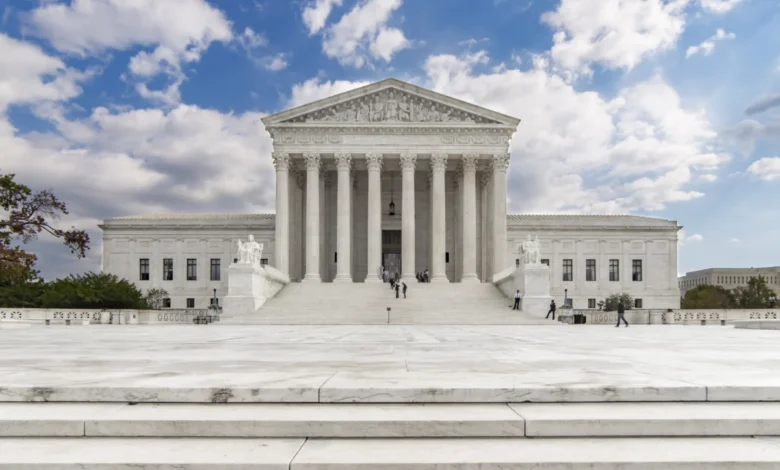
Nicholas Moore, a perpetrator of significant cyber intrusions targeting sensitive government networks, including the U.S. Supreme Court’s electronic document filing system, AmeriCorps, and the Department of Veterans Affairs, received a sentence of one year of probation on Friday following his guilty plea. The sentencing concluded a legal process that highlighted critical vulnerabilities within federal digital infrastructure and the audacious nature of the attacks, which Moore publicly advertised on social media. Despite initial charges that could have led to a year in prison and substantial financial penalties, prosecutors ultimately recommended a probationary sentence, a decision that has sparked discussion regarding the deterrence and punishment of cybercrimes against federal entities.
The Anatomy of the Breaches: Targeting Critical Government Infrastructure
Moore’s hacking campaign was not a singular event but a sustained effort, characterized by dozens of intrusions into the U.S. Supreme Court’s electronic document filing system over several months. This system is a critical component of the nation’s highest judicial body, handling a vast array of legal documents, including petitions, briefs, and motions, many of which contain sensitive legal strategies, personal information of litigants, and confidential judicial deliberations. A breach of such a system raises profound concerns about the integrity of judicial proceedings, the privacy of individuals involved in legal cases, and potentially, national security, given the nature of some cases heard by the Supreme Court. The integrity and confidentiality of these filings are paramount to the functioning of the American legal system, and any compromise can erode public trust in the judiciary.
Beyond the Supreme Court, Moore extended his illicit activities to other vital government agencies. He successfully infiltrated the networks of AmeriCorps, a federal agency that administers national service programs, engaging millions of Americans in volunteer work across the country. AmeriCorps holds a wealth of personal data pertaining to its volunteers, including background checks, financial information related to stipends, and sensitive demographic data. A breach here could expose individuals dedicated to public service to identity theft, fraud, and other forms of exploitation, undermining the very trust essential to volunteerism.
Further demonstrating the breadth of his hacking spree, Moore also breached the systems of the Department of Veterans Affairs (VA). The VA is responsible for providing comprehensive healthcare, benefits, and support services to millions of military veterans and their families. The data held by the VA is exceptionally sensitive, encompassing detailed medical histories, mental health records, financial information, and other personally identifiable information (PII) crucial to the well-being of those who have served the nation. The compromise of VA systems is particularly egregious, as it directly impacts a vulnerable population and can have severe consequences for their health and financial security, eroding the confidence veterans place in the government to protect their information.
The Digital Footprint: Bragging and Exposure
A distinctive and ultimately self-incriminating aspect of Moore’s hacking activities was his decision to publicly document and boast about his "feats" on a dedicated Instagram account, ominously named @ihackedthegovernment. On this platform, Moore not only claimed responsibility for the breaches but also posted personal information belonging to the individuals he had compromised. This brazen act of self-promotion provided law enforcement with direct evidence of his activities and a clear digital trail. The use of social media to publicize criminal acts, while not unprecedented, underscores a growing trend where perpetrators seek recognition or notoriety, often overlooking the significant risks of exposure. In this instance, it played a crucial role in his eventual identification and apprehension.
The method of initial access for these high-profile targets was particularly insightful: Moore reportedly leveraged stolen credentials from one of his victims to gain unauthorized entry into the U.S. Supreme Court’s electronic document filing system, AmeriCorps, and the Department of Veterans Affairs. This highlights a common vulnerability in cybersecurity defenses – the human element. Phishing attacks, credential stuffing, or other social engineering tactics often aim to acquire legitimate login details, which, if successfully obtained, can bypass sophisticated technical safeguards. Once inside, these stolen credentials provided Moore with a key to multiple digital doors across various federal agencies, illustrating the interconnectedness of systems and the cascading effects of a single point of failure.
A Timeline of Offenses and Legal Proceedings
The precise chronology of Moore’s hacking activities and the subsequent legal actions unfolded over a significant period. While specific dates of the initial breaches remain detailed in court records, it is understood that the intrusions into the Supreme Court’s system occurred "dozens of times over several months." This suggests a sustained period of unauthorized access, allowing Moore ample opportunity to explore and potentially extract data.
- Period of Intrusions (Undisclosed Months): Nicholas Moore gains unauthorized access to the U.S. Supreme Court’s electronic document filing system, AmeriCorps, and Department of Veterans Affairs networks, reportedly using stolen credentials.
- Social Media Activity (Concurrent with Hacking): Moore actively maintains the Instagram account @ihackedthegovernment, posting evidence of his breaches and personal information of victims. This period likely overlaps with his hacking activities, demonstrating his intent to publicize his actions.
- Law Enforcement Investigation (Undisclosed): Federal authorities, likely including the FBI and the Department of Justice’s Cybercrime Section, initiate an investigation, potentially triggered by the public boasts on Instagram, reports from the affected agencies, or a combination thereof.
- Apprehension and Charges (Undisclosed): Moore is identified and apprehended, facing federal charges related to computer intrusion and data theft.
- Plea Agreement (Earlier This Year): Moore enters a plea of guilty to the charges, acknowledging his responsibility for the hacking incidents. The terms of the plea agreement likely factored into the prosecution’s later sentencing recommendation.
- Sentencing Hearing (Friday): Moore appears before a federal judge for his sentencing. During the hearing, he expresses remorse for his actions.
- Sentence Imposed (Friday): The judge hands down a sentence of one year of probation, despite initial projections of a year in prison and a $100,000 fine.
This timeline illustrates a cycle common in cybercrime cases: initial illicit activity, a period of operational security (or lack thereof), eventual discovery, and the subsequent legal process culminating in sentencing.
The Legal Framework and Sentencing Considerations
Moore was facing significant penalties under federal law, primarily the Computer Fraud and Abuse Act (CFAA), which criminalizes unauthorized access to computers and networks, especially those belonging to the U.S. government. For offenses of this nature, potential sentences can include substantial prison time, hefty fines, and restitution to victims. The initial expectation that Moore could face a year in prison and a fine of $100,000 reflected the gravity with which federal authorities view breaches of government systems. These penalties are designed to deter similar actions and reflect the potential harm caused by such intrusions, including financial losses, reputational damage, and the compromise of sensitive data.
However, a notable development in Moore’s case was the prosecution’s decision to ultimately request only probation, diverging from the initial punitive recommendations. While the specific reasons for this shift were not explicitly detailed, such decisions in federal cases often stem from a confluence of factors. These can include:
- Cooperation with Authorities: The defendant may have provided substantial assistance to the investigation, helping law enforcement understand the methods used, identify vulnerabilities, or even identify other malicious actors.
- Lack of Intent for Widespread Harm: Prosecutors might have concluded that Moore’s primary motivation was not to cause systemic destruction or financial ruin, but perhaps notoriety, curiosity, or a misguided sense of challenge.
- First-Time Offender Status: If Moore had no prior criminal record, this could be a mitigating factor considered by both prosecutors and the judge.
- Remorse and Rehabilitation Potential: Genuine expressions of remorse and a demonstrated commitment to rehabilitation can influence sentencing recommendations.
- Absence of Severe, Irreversible Damage: While any breach is serious, if forensic analysis determined that no critical infrastructure was permanently damaged, no classified information was exfiltrated, or no widespread identity theft directly resulted from Moore’s actions, it might have tempered the prosecution’s stance.
Moore’s Plea and Judicial Deliberations
During the sentencing hearing, Nicholas Moore addressed the court directly, stating, "I made a mistake. I am truly sorry. I respect laws, and I want to be a good citizen." These words, as reported by The Hill, represent a critical component of the sentencing process. A defendant’s expression of remorse can significantly sway judicial discretion, particularly when coupled with other mitigating factors.
The judge’s decision to impose a year of probation, rather than incarceration, likely took into account several elements:
- Moore’s Contrition: His direct statement of regret and desire to be a "good citizen" suggests a recognition of his wrongdoing and a potential for reform.
- The Nature of the Breach: While serious, if the intent was primarily to demonstrate vulnerability or gain notoriety rather than espionage or large-scale financial fraud, the court might view it differently.
- Conditions of Probation: Probation typically comes with stringent conditions, such as regular reporting to a probation officer, restrictions on computer and internet access, community service, and potentially mandatory participation in educational or psychological programs. These conditions are designed to ensure rehabilitation and prevent recidivism.
- Balancing Justice and Rehabilitation: Federal courts often aim to strike a balance between punishing offenders and providing opportunities for rehabilitation, especially for younger or first-time offenders in non-violent crimes.
Expert Perspectives on Cybersecurity and Government Vulnerability
The Moore case serves as a stark reminder of the persistent and evolving threat landscape facing government agencies. Cybersecurity experts consistently warn that no system is entirely impervious to attack, particularly when human error or stolen credentials are involved. Government networks are prime targets for a variety of actors, including nation-state adversaries, organized cybercriminal groups, and individual "hacktivists" or thrill-seekers like Moore.
Recent data from various cybersecurity reports indicates a rising trend in attacks against government entities. Phishing remains a highly effective method for credential theft, and many organizations struggle with implementing robust multi-factor authentication (MFA) across all systems or ensuring employees adhere to strict cybersecurity hygiene. The interconnectedness of government systems also means that a breach in one less-secure agency can potentially provide a foothold for lateral movement into more critical infrastructure. This incident underscores the urgent need for continuous vigilance, investment in advanced threat detection and prevention technologies, regular security audits, and comprehensive cybersecurity training for all federal employees.
Implications for Public Trust and National Security
The hacking of the U.S. Supreme Court, AmeriCorps, and the Department of Veterans Affairs carries significant implications for public trust and, indirectly, national security. When citizens rely on government agencies to protect their most sensitive personal, medical, and legal information, any breach erodes that trust. The fact that the highest court in the land and agencies serving vital populations like veterans were compromised raises questions about the overall resilience of federal digital defenses.
While there was no indication of state-sponsored espionage in Moore’s case, the principle remains: vulnerabilities exploited by individuals can also be exploited by more sophisticated and malicious actors. This incident highlights the imperative for federal agencies to not only invest in cutting-edge cybersecurity measures but also to foster a culture of security awareness among their employees. The protection of government data is not merely an IT issue; it is a fundamental aspect of national security and maintaining the confidence of the populace in their governing institutions.
Lessons Learned and Forward Steps
The Nicholas Moore case offers several critical lessons for government agencies and the broader cybersecurity community. Firstly, the reliance on stolen credentials as an entry vector emphasizes the importance of robust identity and access management (IAM) systems, including universal MFA implementation and continuous monitoring for suspicious login attempts. Secondly, the public bragging on social media, while a critical mistake by Moore, also underscores the potential for open-source intelligence (OSINT) to aid law enforcement in identifying and apprehending cybercriminals.
Looking forward, federal agencies must move beyond compliance-driven security to a more proactive, threat-informed approach. This includes:
- Enhanced Threat Intelligence: Continuously monitoring the threat landscape for new attack vectors and vulnerabilities.
- Zero Trust Architecture: Implementing a security model that requires strict identity verification for every person and device attempting to access resources on a private network, regardless of whether they are inside or outside the network perimeter.
- Regular Penetration Testing and Vulnerability Assessments: Proactively identifying weaknesses before malicious actors can exploit them.
- Comprehensive Employee Training: Educating staff on phishing, social engineering, and the importance of strong password practices and reporting suspicious activities.
- Incident Response Planning: Developing and regularly practicing detailed plans for how to detect, contain, eradicate, and recover from cyberattacks.
While Nicholas Moore’s sentence of probation suggests a recognition of his remorse and potential for rehabilitation, the underlying events serve as a sobering reminder of the constant battle against cyber threats that government institutions face. The security of sensitive federal data remains a paramount concern, requiring unwavering commitment and continuous adaptation to protect the nation’s digital infrastructure and the trust of its citizens.
Related posts: