The Comprehensive Guide to Facebook Ad Sizes and Design Specifications for Digital Marketers in 2022


In the fast-paced ecosystem of digital marketing, the line between a high-performing campaign and a costly mistake often comes down to technical execution. For social media managers and enterprise marketing teams, uploading a distorted image, a low-resolution video, or an incorrectly formatted asset can instantly undermine advertising ROI. Because Meta—the parent company of Facebook—frequently updates its platform guidelines, design specifications, and ad dimensions, staying abreast of these shifting parameters has become a critical operational challenge.

The Financial and Strategic Cost of Technical Non-Compliance
In the highly competitive landscape of digital advertising, visual assets serve as the primary bridge between a brand and its prospective consumers. When an ad fails to meet platform-specific dimension standards, the automated display algorithms often resort to cropping, stretching, or downscaling the creative. This technical degradation results in blurred imagery, truncated text overlays, and an overall lack of professionalism that directly depresses click-through rates (CTR) and conversion metrics.
Industry analysts estimate that poorly formatted ad units waste millions of dollars in wasted ad spend annually across small businesses and Fortune 500 companies alike. Furthermore, user experience metrics on mobile devices indicate that modern consumers abandon sluggish or visually disjointed advertisements within milliseconds. Consequently, strict adherence to precise technical parameters—ranging from aspect ratios to maximum file sizes—is no longer merely a best practice; it is a fundamental requirement for campaign viability.
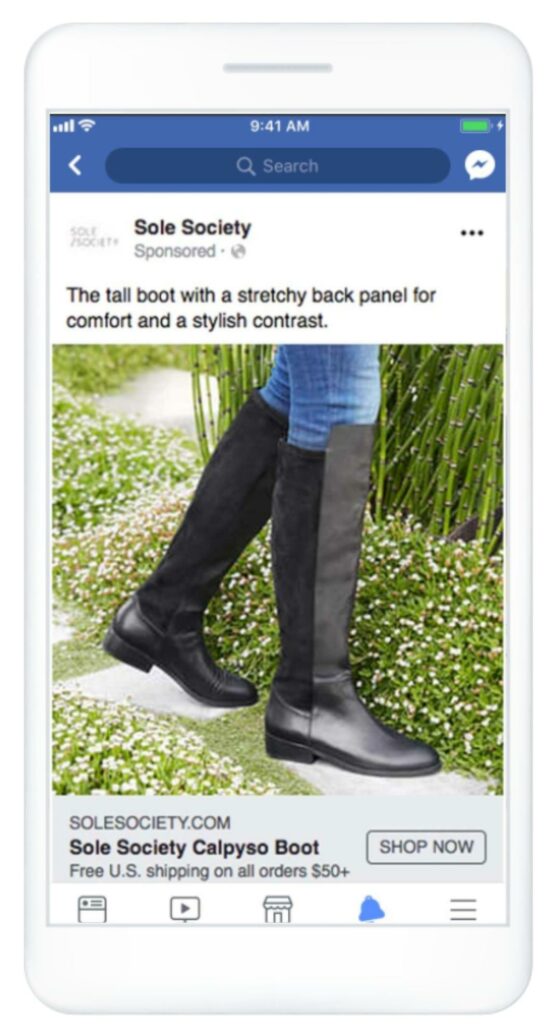
Navigating Facebook In-Feed Ad Specifications
In-feed advertisements remain the cornerstone of Meta’s advertising architecture. Seamlessly integrated between organic posts from friends, family, and followed pages, these ads capture user attention during natural scrolling behaviors. Because they require modest initial budgets and offer rapid deployment, in-feed ads are indispensable for brand awareness and product launches.
For static imagery within the news feed, advertisers must utilize high-resolution assets to safeguard visual fidelity across diverse screen densities.
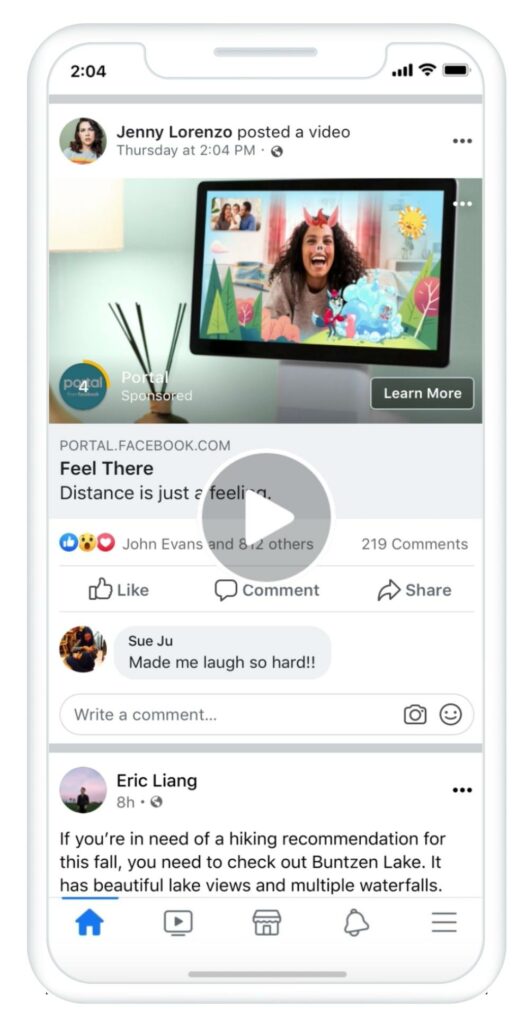
- Image Ad Specifications: Supported file formats are limited to JPG and PNG, with a strict maximum file size of 30 MB. While the minimum dimension requirement stands at 600 x 600 pixels, Meta strongly recommends uploading files of at least 1080 x 1080 pixels with an aspect ratio ranging between 1.91:1 and 1:1. Text best practices suggest keeping primary text concise at roughly 125 characters, supported by headlines and descriptions capped at 27 characters.
- Video Ad Specifications: Video creatives offer significantly higher engagement potential. Advertisers can deploy MP4, MOV, or GIF files up to 4 GB in size. Recommended aspect ratios include a 1:1 square format for both desktop and mobile, or a 4:5 vertical format optimized exclusively for mobile viewports. Resolutions must meet a minimum floor of 1080 x 1080 pixels, accommodating durations from one single second up to 241 minutes.
Maximizing Engagement with In-Stream and Carousel Formats
As user consumption habits increasingly shift toward video and multi-item browsing, Meta has expanded specialized placements designed to capture sustained attention.
In-stream video ads target users while they consume primary video content, proving exceptionally effective for driving direct-response conversions on mobile devices. These ads appear as single units or within live-streaming environments (Facebook Live) once a viewer has engaged with content for at least 60 seconds. Technical parameters mandate a 16:9 or 1:1 video ratio with resolutions starting at 1080 x 1080 pixels, while strictly prohibiting overlaid text on companion still images to maintain a clean editorial aesthetic.

Conversely, carousel ads empower multi-product brands to showcase up to 10 distinct images or videos within a single scrollable unit. Each card can direct traffic to a unique landing page URL, enabling e-commerce enterprises to segment product catalogs effectively. Carousels require strict adherence to a 1:1 aspect ratio across all constituent cards, with image file sizes capped at 30 MB and video files capped at 4 GB.
Specialized Placements: Collection, Stories, and Marketplace Ads
Diversifying ad delivery across niche platform environments allows brands to capture high-intent consumers outside the traditional news feed.

- Collection Ads: Engineered explicitly for mobile e-commerce, collection ads pair a primary hero video or image with three smaller product grids underneath. Clicking these units initiates a lightning-fast, full-screen Instant Experience within the Facebook application, streamlining the path to purchase without forcing users to navigate to external mobile browsers.
- Facebook Stories and Messenger Stories: Capitalizing on the ephemeral content trend, Stories occupy full-screen vertical real estate (9:16 aspect ratio). Advertisers must design these assets meticulously, ensuring that the top and bottom 14% (approximately 250 pixels) remain clear of essential text or logos to prevent interface elements from obstructing the creative.
- Marketplace Ads: Positioned within Facebook’s peer-to-peer and retail marketplace, these units target consumers actively searching for specific goods, ranging from real estate and vehicles to apparel. Maintaining a 1:1 aspect ratio and high-resolution output ensures these ads compete effectively against organic listings.
Optimizing Ad Placement for Maximum Return on Investment
Selecting the correct ad format is only half the battle; ensuring that creative assets are distributed across the most lucrative placements dictates overall campaign profitability. Advertisers must evaluate whether their core demographic resides primarily on mobile feeds, desktop right-column spaces, or third-party partner applications via the Audience Network.
| Ad Placement | Single Image | Single Video | Carousel | Collection | Instant Experience |
|---|---|---|---|---|---|
| Facebook News Feed | Yes | Yes | Yes | Yes | Yes |
| Facebook Right Column | Yes | No | Yes | No | No |
| Facebook In-Stream Videos | No | Yes | No | No | No |
| Facebook Instant Articles | Yes | No | Yes | No | No |
| Audience Network | Native | In-stream / Rewarded | Native | No | No |
| Messenger | Yes | No | No | No | No |
| Instagram Stories | Yes | Yes | No | No | Yes |
| Instagram Feed | Yes | Yes | Yes | No | Yes |
Industry Implications and Future Outlook
The continuous refinement of Meta’s advertising architecture underscores a broader industry trend toward automated, mobile-first, and highly visual digital marketing. As algorithmic delivery systems increasingly manage audience targeting and bidding strategies, the creative asset itself has emerged as the primary variable under human control. Marketers who prioritize technical precision—delivering flawless resolutions, optimized aspect ratios, and platform-native formats—position their campaigns to achieve superior relevance scores, lower cost-per-acquisition metrics, and sustainable long-term growth.