May 2026 Content Marketing Opportunities: Navigating Cultural Milestones and Consumer Trends for Ecommerce Success

May 2026 presents ecommerce content marketers with a rich tapestry of cultural touchstones, seasonal shopping opportunities, and engaging creative avenues. The primary challenge for businesses in the digital landscape is not the scarcity of topics, but the imperative to craft content that not only captures attention in search engine results and social media feeds but also demonstrably drives revenue. In the evolving arena of digital marketing, content’s foundational role in establishing overall visibility remains, yet its execution demands adaptation. By 2026, successful content marketing strategies will prioritize discoverability across organic search and emerging AI-driven recommendation engines like Google Discover, ease of summarization and citation by generative AI platforms, and a direct influence on consumer purchasing decisions. With these strategic imperatives in mind, here are five key content marketing ideas for ecommerce businesses to consider implementing in May 2026.
Commemorating the First American in Space: A Legacy of Innovation
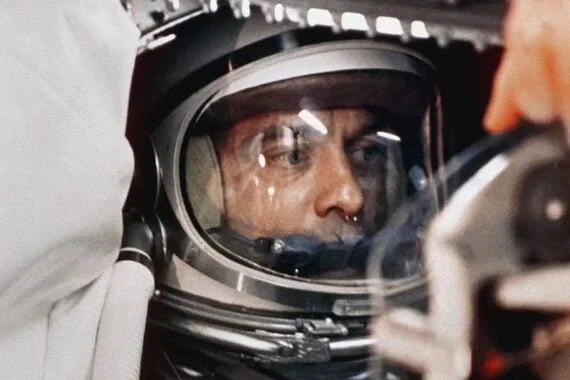
On May 5, 1961, a pivotal moment in American history unfolded with NASA’s Mercury-Redstone 3 mission, codenamed Freedom 7. This flight, lasting a mere 15 minutes and 28 seconds, carried astronaut Alan Shepard Jr. into orbit, marking him as the first American to venture beyond Earth’s atmosphere. During his suborbital journey, Shepard reached an altitude of 116.5 miles, propelled by the Mercury rocket at a blistering speed of 5,134 miles per hour. This achievement, occurring approximately 65 years prior to May 2026, represents a significant milestone in human exploration and technological advancement.
The anniversary of the Freedom 7 mission offers ecommerce content marketers a unique opportunity to align their products with powerful themes of precision, durability, and cutting-edge engineering. For instance, a brand specializing in workwear could develop a content series tracing the evolution of durable fabrics and functional apparel from the early days of the space program to modern-day innovations. A "then vs. now" comparative approach, highlighting how contemporary garments outperform their historical predecessors in terms of resilience and comfort, would resonate with consumers seeking quality and performance.
To elevate this content beyond a simple historical narrative, marketers should incorporate visually engaging elements such as detailed diagrams, product breakdowns, and side-by-side comparisons. These rich media formats not only enhance understanding but also make the content more digestible and shareable, contributing to its discoverability and impact. The objective is to transform a historical event into a tangible demonstration of product value and brand heritage.

Background Context: The Mercury program, initiated in 1958, was the United States’ first human spaceflight program, driven by the geopolitical pressures of the Space Race with the Soviet Union. Alan Shepard’s flight was a crucial step in demonstrating American technological prowess and its capacity for human space exploration. His successful mission paved the way for future endeavors, including Project Gemini and the Apollo program that ultimately landed humans on the Moon. The 65th anniversary provides a potent narrative hook, connecting the pioneering spirit of the past with contemporary aspirations.
Supporting Data: The public fascination with space exploration remains high. According to recent studies on consumer interest in space-related themes, a significant portion of the population expresses admiration for scientific achievement and technological innovation. Content that taps into this enduring curiosity, particularly when linked to tangible product benefits, has a strong potential to engage audiences and drive interest.
Mother’s Day Gift Guides: Beyond the Conventional
Mother’s Day, observed on the second Sunday of May, stands as a cornerstone of the American retail calendar. In 2026, falling on Sunday, May 10th, this occasion is projected to generate substantial retail sales, with consumers typically allocating significant budgets towards flowers, confectionery, and gifts. While traditional gift categories remain popular, ecommerce businesses have a prime opportunity to differentiate themselves by curating niche and unconventional gift guides.
Instead of solely focusing on generic gift ideas, businesses can leverage this holiday to promote unique products that cater to specific maternal interests and hobbies. For example, a sporting goods retailer might create a "Mother’s Day Guide for the Active Mom," featuring items like high-performance yoga mats, ergonomic cycling gear, or stylish athleisure wear. Similarly, a home decor brand could assemble a "Cozy Home Sanctuary for Mom" guide, showcasing premium bedding, artisanal candles, or smart home devices designed to enhance relaxation and comfort.
The key to effective Mother’s Day content marketing in 2026 lies in personalization and specificity. Instead of broad categories, content should address particular lifestyles, passions, or even pain points. Consider creating guides such as "The Gardener Mom’s Dream Toolkit," "For the Mom Who Loves to Bake: Essential Gadgets and Gourmet Ingredients," or "Tech Gifts for the Modern, Busy Mom." These targeted approaches not only resonate more deeply with potential gift-givers but also allow for the strategic inclusion of a wider range of products, from everyday essentials to luxury items.

Broader Impact and Implications: The trend towards personalized gifting continues to grow. Consumers are increasingly seeking out unique items that reflect the recipient’s individuality rather than generic tokens. By offering specialized gift guides, ecommerce brands can position themselves as thoughtful curators, demonstrating an understanding of diverse consumer needs and preferences. This approach can foster stronger customer loyalty and encourage repeat purchases by becoming a go-to resource for thoughtful gift-giving throughout the year.
Supporting Data: Consumer research indicates a growing preference for experience-based gifts and personalized items. A significant percentage of shoppers report seeking gifts that are unique and memorable. This trend underscores the value of niche gift guides that go beyond standard offerings and cater to specific interests, thereby increasing the likelihood of a successful purchase.
Memorial Day: Empowering Consumers with Practical "How-To" Content
Memorial Day, a solemn occasion observed on the last Monday of May, traditionally marks the unofficial start of summer and often involves outdoor gatherings, travel, and recreational activities. In 2026, Memorial Day falls on May 25th, providing a timely opportunity for ecommerce content marketers to engage consumers with practical, task-oriented content that facilitates planning and enhances experiences.
Content that empowers readers or viewers to accomplish a task or acquire a new skill remains one of the most potent forms of digital marketing. For Memorial Day, this translates into creating valuable resources such as comprehensive checklists for hosting backyard barbecues, step-by-step guides for planning a successful outdoor cookout, or curated packing lists for weekend getaways. The format of these guides should be intuitive and easy to follow, making them highly shareable across social media platforms and through direct messaging.
Crucially, these practical guides should seamlessly integrate relevant product recommendations. For instance, a barbecue planning guide could feature links to high-quality grilling tools, durable outdoor tableware, and efficient portable coolers. A packing list for a weekend trip might include recommendations for versatile travel apparel, compact camping gear, or essential personal care items. By offering solutions that simplify the planning process and enhance the enjoyment of holiday activities, businesses can position their products as indispensable components of a successful Memorial Day celebration.

Broader Impact and Implications: The demand for "how-to" content is consistently high across various search engines and social platforms. Consumers actively seek out information that helps them solve problems or improve their skills. By providing such valuable content, ecommerce brands can establish themselves as trusted authorities in their respective niches, building credibility and fostering a sense of partnership with their audience. This can lead to increased website traffic, higher engagement rates, and ultimately, a positive impact on sales conversions.
Supporting Data: Studies on content consumption habits reveal that users are more likely to engage with and share content that is practical and educational. "How-to" articles and video tutorials consistently rank among the most popular content formats. This indicates a strong receptiveness among consumers to receive guidance and product suggestions within a helpful framework.
National Paper Airplane Day: Injecting Fun and Engagement
National Paper Airplane Day, celebrated annually on May 26th, presents a delightful opportunity for ecommerce businesses to inject a sense of playfulness and lightheartedness into their content marketing strategies. While seemingly a minor occasion, it offers a fertile ground for creative engagement that can indirectly support product discovery and brand recall.
A straightforward yet effective approach involves publishing instructions for building various types of paper airplanes. This content can be enriched by including tutorials that detail different folding techniques, showcase creative design variations, and offer performance tips for achieving optimal flight. Such content, while fun, can be framed to subtly highlight products related to crafts, stationery, or even outdoor activities where paper airplanes might be enjoyed.
For example, a craft supply store could offer a "Ultimate Paper Airplane Design Guide," featuring premium papers, decorative embellishments, and even beginner-friendly kits. A toy store might create a "Paper Airplane Challenge Pack," including templates, aerodynamic designs, and tips for launching. Even a brand unrelated to crafts could leverage this day by creating content around the principles of aerodynamics, linking it metaphorically to product design or performance. The goal is to transform a simple, enjoyable activity into an engaging content piece that captures attention and encourages interaction.

Broader Impact and Implications: Engaging with less conventional holidays can help brands stand out from the clutter of more prominent seasonal events. It allows for a more creative and authentic expression of brand personality, fostering a deeper connection with consumers. By embracing fun and imaginative content, businesses can generate positive sentiment, increase social media shares, and create memorable brand experiences that resonate long after the initial interaction.
Supporting Data: Content that evokes nostalgia and simple joys often performs well on social media. User-generated content related to creative activities like paper airplane making can also be a powerful engagement driver. By providing the framework for such activities, brands can tap into this natural inclination for sharing and participation.
Miles Davis at 100: A Legacy of Innovation and Expression
The centennial birth anniversary of Miles Davis, born on May 26, 1926, offers a sophisticated and culturally rich theme for ecommerce content marketers, particularly those in sectors such as music, lifestyle, fashion, and vintage goods. Miles Davis, an iconic American trumpet player, was a transformative figure who not only defined jazz but also continuously reinvented its boundaries, influencing generations of musicians and artists across various genres.
Content marketers can explore the profound impact of Davis’s career by examining his stylistic evolution and drawing parallels to product categories that emphasize craftsmanship, innovation, and enduring quality. For instance, an apparel brand could develop a collection inspired by Davis’s iconic stage presence and fashion sense, framing it around themes of timeless style and confident expression. Audio equipment retailers might create content that delves into the sonic landscapes of his seminal albums, recommending high-fidelity headphones or turntables that capture the nuances of his recordings.
A vinyl record store, for example, could publish "The Beginner’s Guide to Miles Davis: Where to Start and What to Buy," providing curated recommendations for his extensive discography. This not only educates enthusiasts but also drives sales of specific albums. Similarly, a wine and spirits retailer could create an engaging piece titled "5 Cocktails Inspired by Miles Davis Albums," pairing unique drink recipes with the mood and essence of his musical works. This cross-promotional strategy allows for creative product integration and appeals to a sophisticated consumer base.

Background Context: Miles Davis’s career spanned five decades, marked by constant innovation. From his early collaborations with Charlie Parker to his groundbreaking work in cool jazz, modal jazz, and jazz fusion, he consistently pushed musical envelopes. His albums like "Kind of Blue," "Bitches Brew," and "In a Silent Way" are considered masterpieces that redefined musical genres and influenced countless artists beyond jazz, including rock and hip-hop musicians. His influence on fashion and culture is equally significant, making his legacy a rich source for thematic content.
Broader Impact and Implications: Tapping into cultural anniversaries of influential figures like Miles Davis allows brands to associate themselves with qualities such as innovation, artistic excellence, and enduring legacy. This can elevate brand perception and appeal to consumers who value depth, culture, and authenticity. Furthermore, content that explores themes of reinvention and artistic expression can resonate with audiences seeking products that reflect personal identity and a discerning taste.
Supporting Data: The enduring popularity of jazz music and artists like Miles Davis is evident in continued album sales, streaming numbers, and the resurgence of vinyl records. There is a significant market segment that appreciates music history and the cultural impact of iconic artists. Content that educates and entertains this audience, while subtly introducing relevant products, has a strong potential for engagement and conversion.
Related posts: