The Hidden Peril of AI Invisibility: Why Your Brand Needs a Prompt Tracking Strategy

In the rapidly evolving digital landscape, your brand might dominate traditional search engine results, securing the coveted number one spot on Google for your most critical keywords. Yet, in the eyes of the burgeoning ecosystem of large language models (LLMs), your company could be entirely invisible. This disconnect presents a growing, multi-billion-dollar risk for brands that rely on search-driven acquisition. As AI-powered search engines—such as ChatGPT, Google’s Gemini, and Perplexity—become the primary interface for consumer research, being absent from these conversational exchanges is no longer just a technical oversight; it is a fundamental threat to market share and revenue.
Even more dangerous than total invisibility is the risk of being misrepresented. AI models do not simply aggregate links; they synthesize vast datasets to provide direct answers. If the information retrieved is outdated, inaccurate, or missing your core value propositions, the AI may inadvertently steer potential customers toward competitors. Without a systematic approach to monitor these interactions—a practice known as prompt tracking or LLM visibility tracking—businesses remain effectively blind to how they are being positioned in the new AI-driven economy.
The fundamental shift lies in the nature of search. Traditional SEO is anchored in the predictability of the Search Engine Results Page (SERP), where you can track exactly where a URL appears for a specific keyword. With LLMs, the experience is non-deterministic. These models generate unique, context-aware responses every time a user poses a question. A user asking, “What is the best project management tool for a marketing team?” might receive two entirely different sets of recommendations in two successive prompts. Because these systems are dynamic, success is no longer about maintaining a static rank; it is about ensuring your brand is consistently cited as a "true positive" across a broad spectrum of user inquiries.
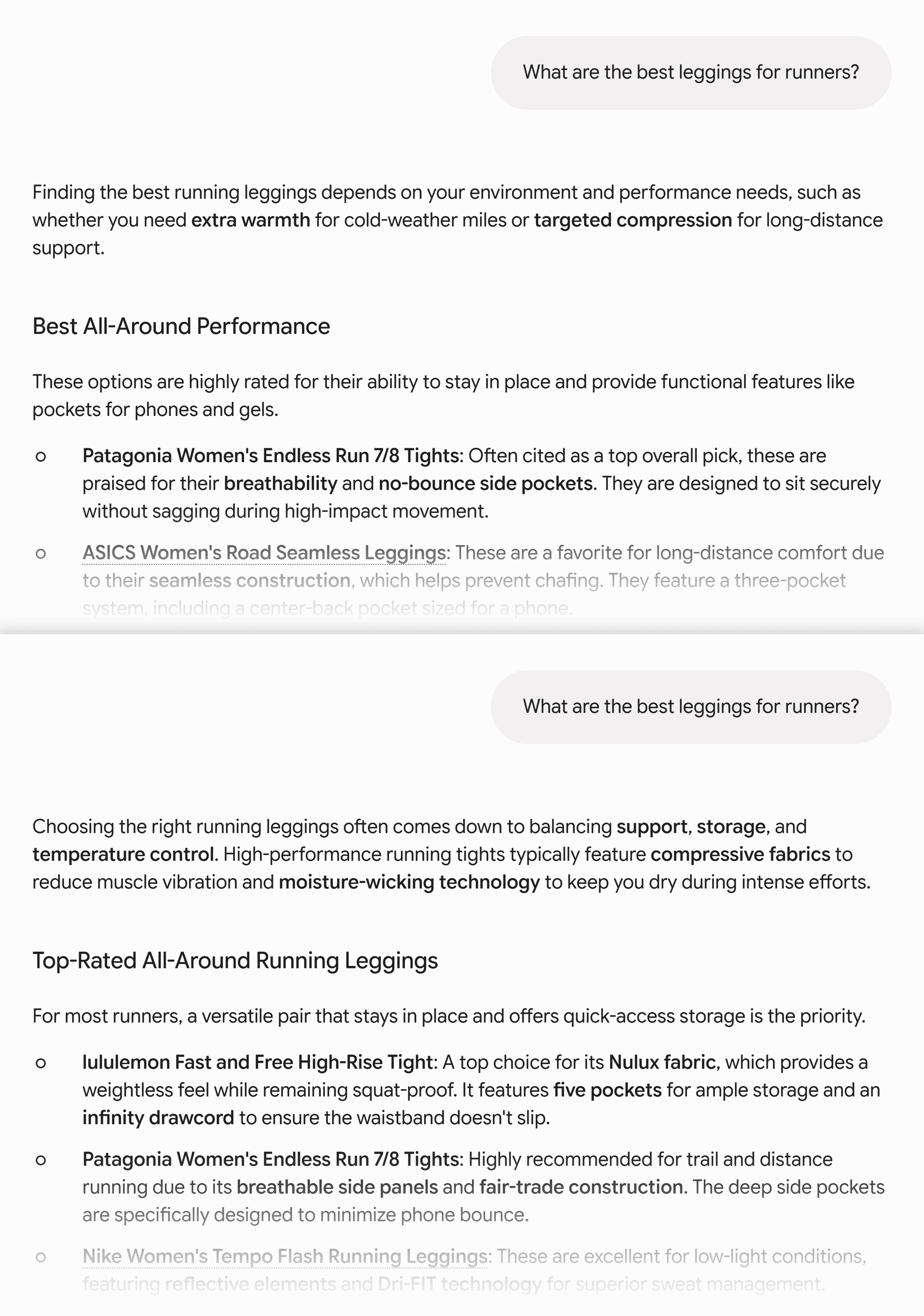
Market research supports the urgency of this transition. Data from the 2026 AI-Search Adoption Survey indicates that 55% of internet users in the United States now rely on AI as their primary or frequent research tool. Of that demographic, 32% specifically leverage AI to generate product recommendations. For brands, this represents a significant shift: a large portion of the buyer journey is now occurring entirely within an AI interface, bypassing the brand’s own website. If your brand is not integrated into the model’s knowledge base or citation pattern for relevant category queries, you are essentially invisible to a third of your potential customer base.
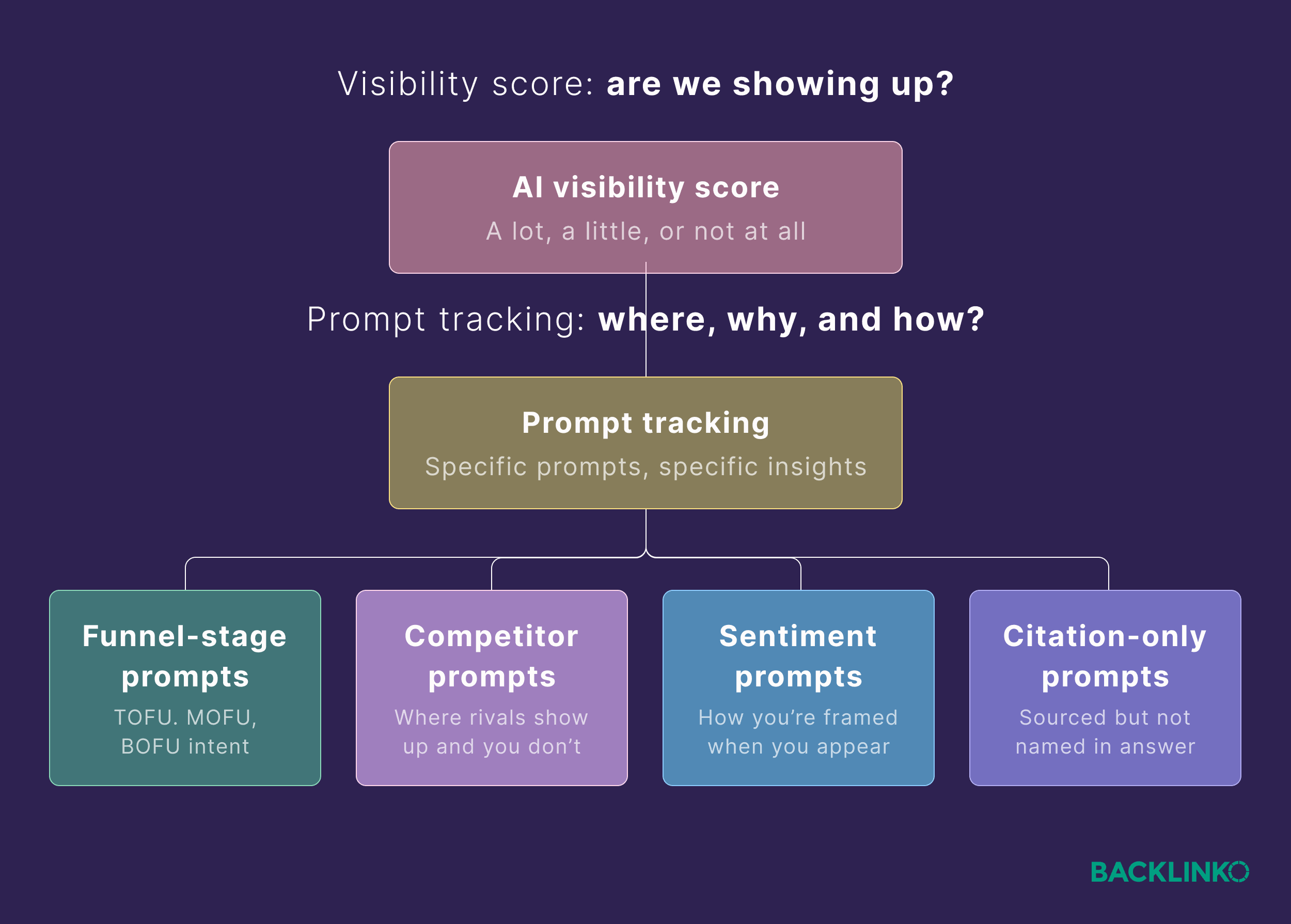
To manage this, businesses are adopting prompt tracking as a standard diagnostic tool. By monitoring specific queries over time, firms can generate an “AI visibility score,” which quantifies whether they are present in conversations, and more importantly, where and how they appear. This data provides the directional intelligence required to identify visibility gaps—queries where the brand should be appearing but is consistently absent—and allows teams to calibrate their content strategy accordingly.
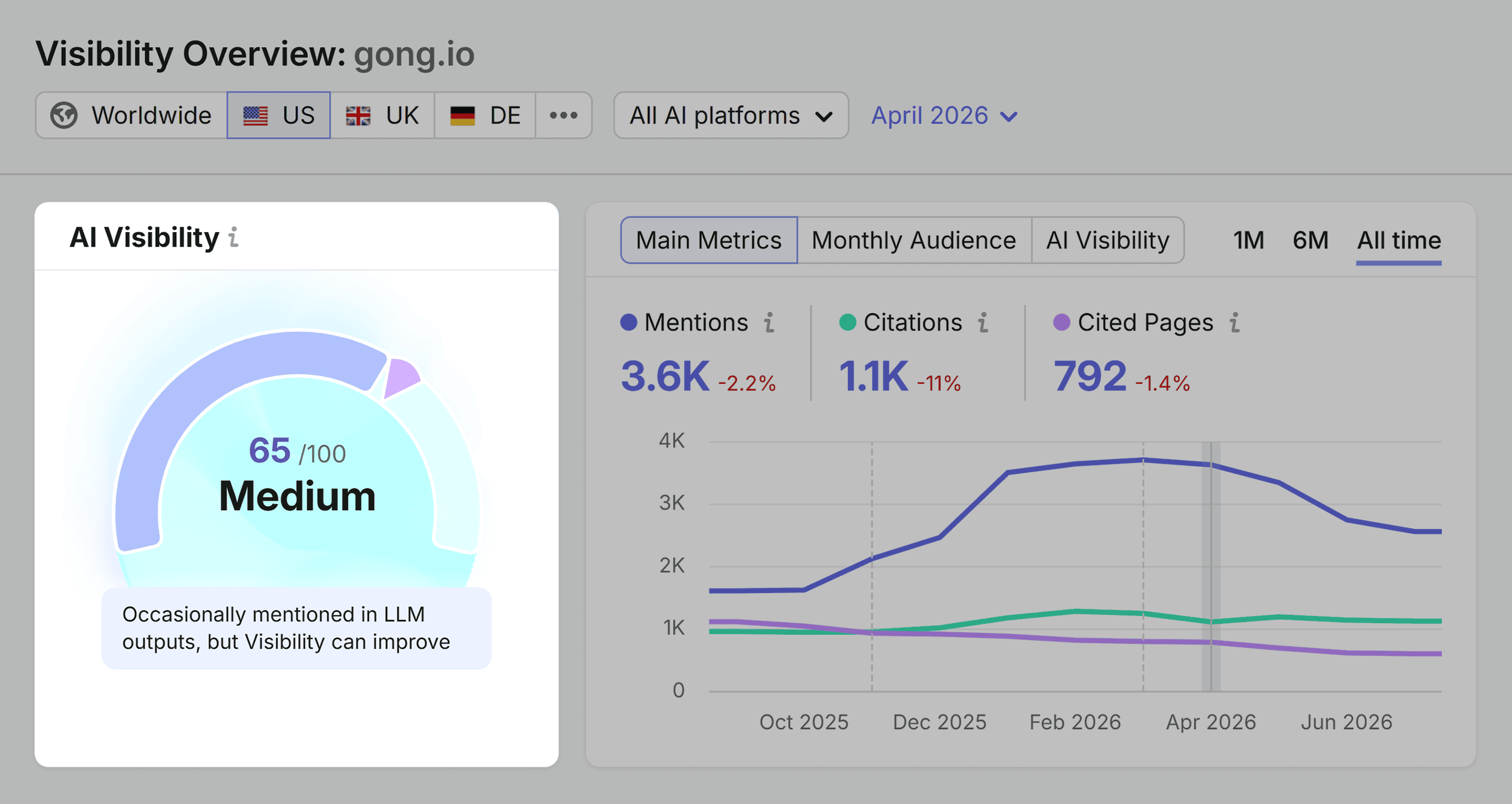
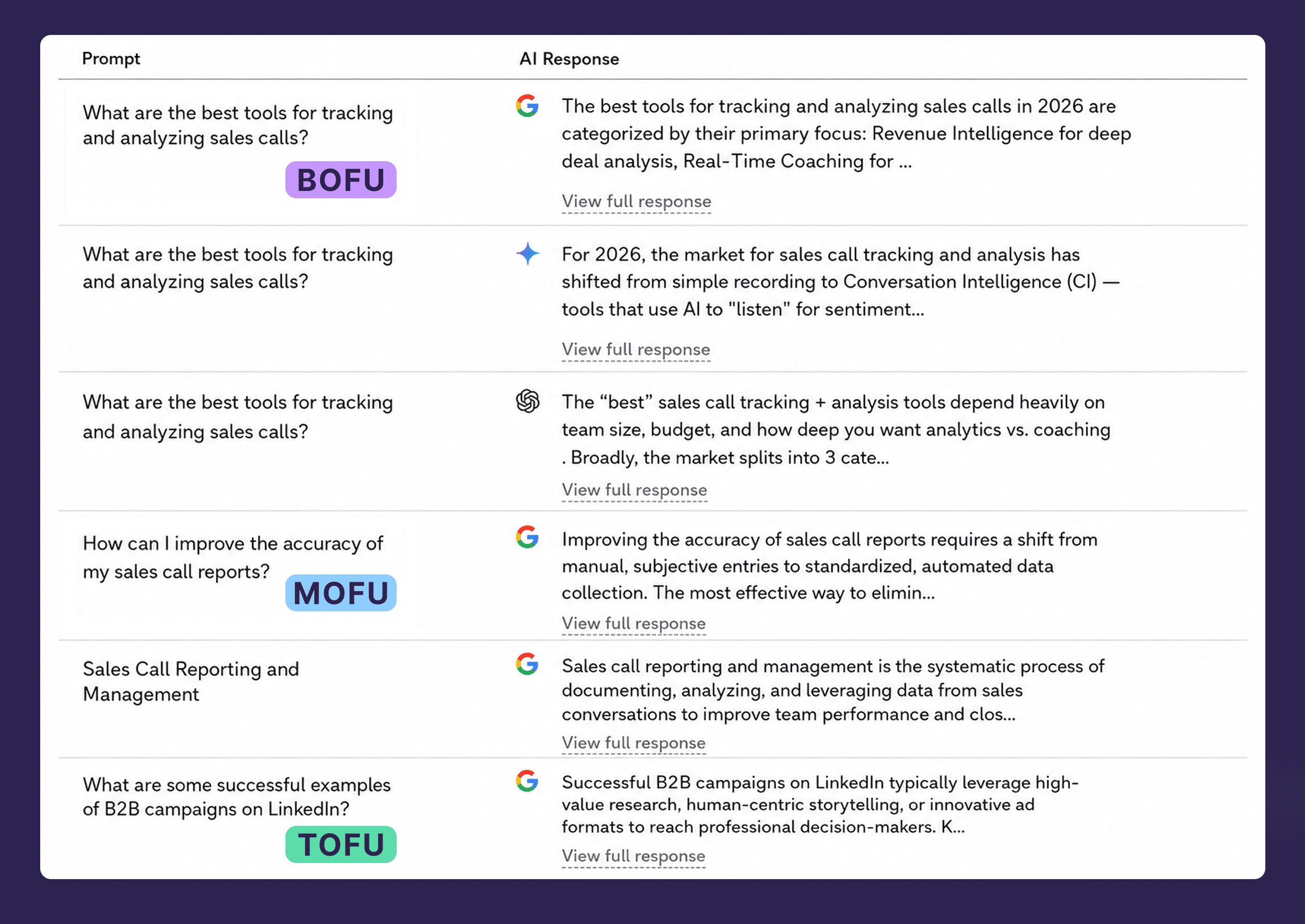
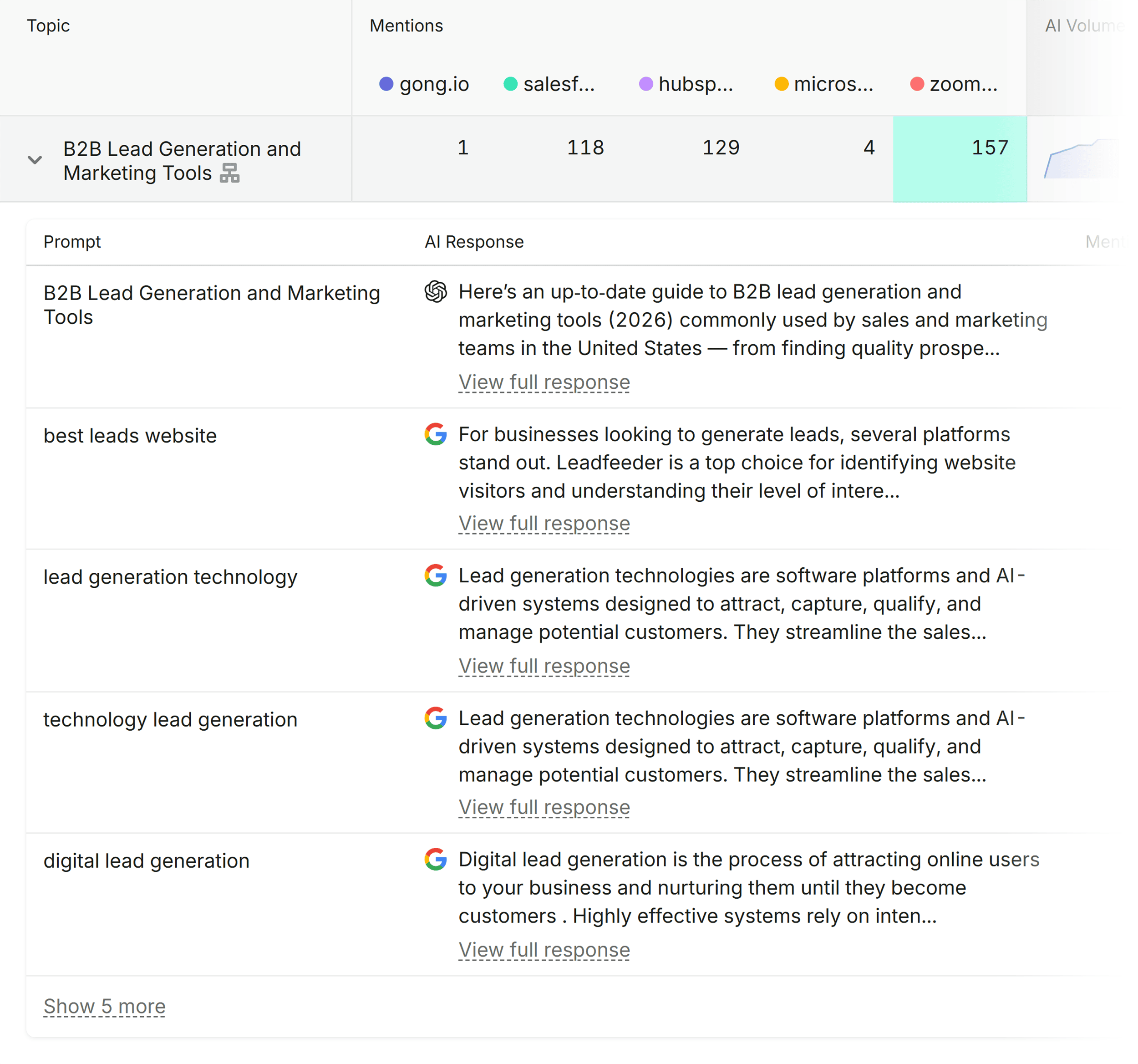
Consider the case of Gong, a leader in sales intelligence software. By implementing rigorous prompt tracking, the company discovered it held a strong visibility score of 65, which allowed them to identify that they were successfully appearing in top-of-funnel (TOFU) awareness prompts but losing ground in specific bottom-of-funnel (BOFU) comparison prompts. When Gong realized that competitors like Salesforce and HubSpot were dominating the AI’s discourse regarding lead generation and engagement tools, they gained the intelligence necessary to pivot their content strategy. Instead of wasting resources on broad, ineffective keyword tracking, they could prioritize updates to their third-party content and on-site assets that directly addressed these competitive gaps.
However, prompt tracking is not a universal panacea. It is an investment that requires an infrastructure to act on the findings. For businesses that lack the capacity to produce regular, high-quality content or do not have a strong presence in digital channels, prompt tracking may provide data that remains unactionable. A local service business, for instance, which relies primarily on word-of-mouth and Google Business Profiles, might find little utility in tracking global LLM trends compared to a B2B SaaS company that publishes extensive reports, videos, and media coverage across multiple platforms.
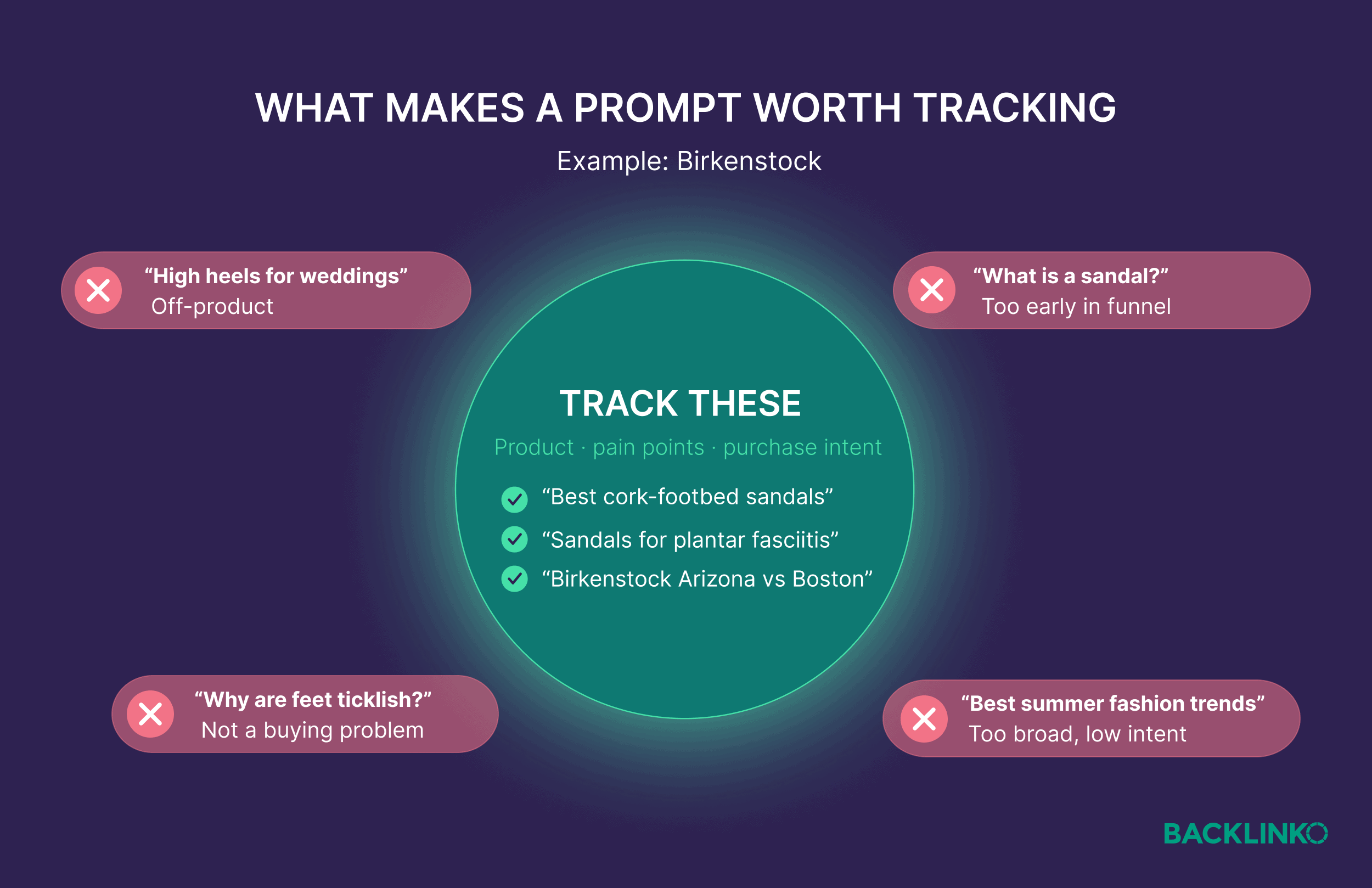
For those ready to implement a system, the first step is building a robust, focused prompt set. Rather than attempting to track every possible permutation of a query, brands should categorize prompts into four distinct buckets:
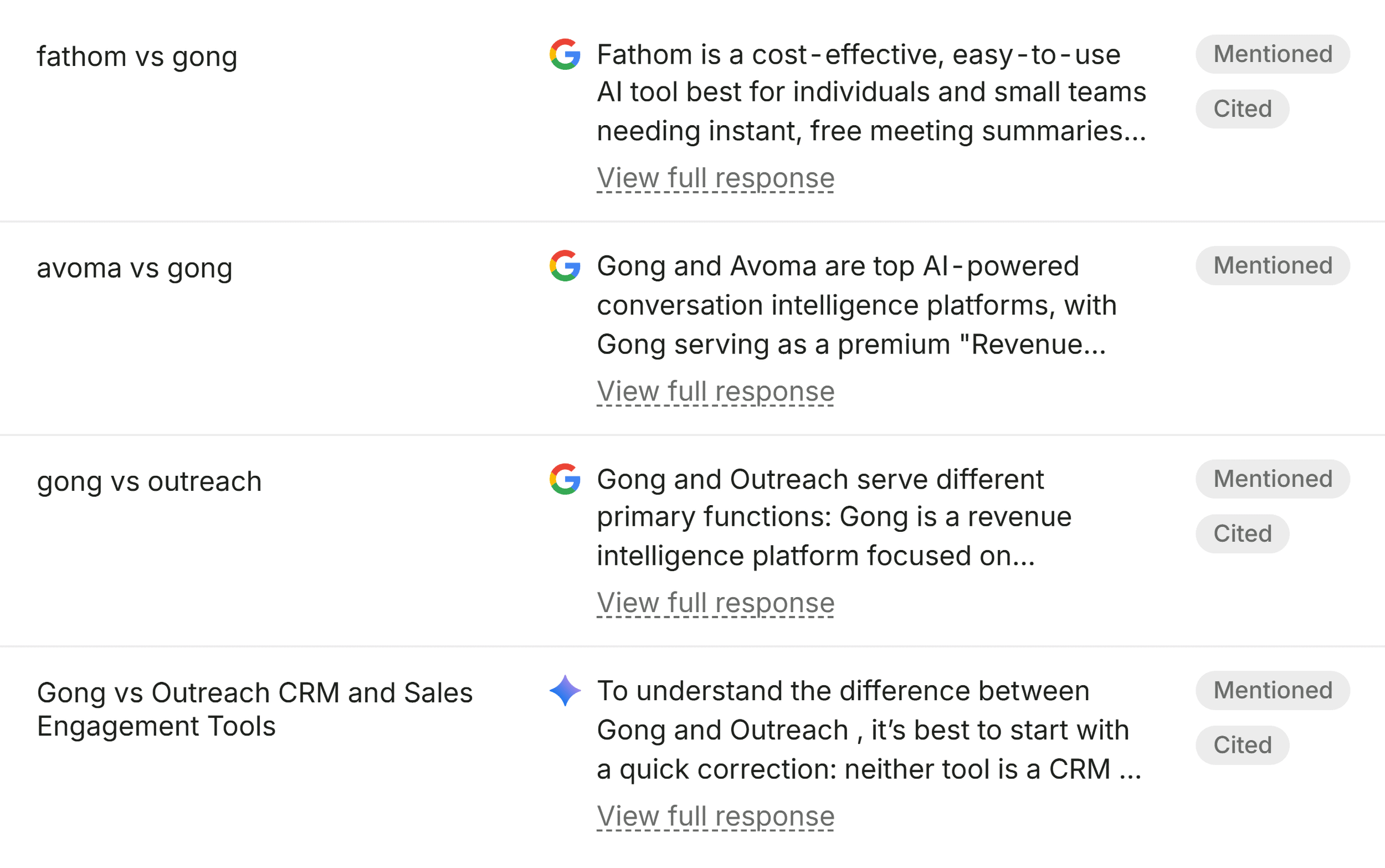
- Comparison Prompts: Questions asking how your brand performs against a specific competitor.
- Evaluation Prompts: Inquiries about features, integrations, or the suitability of a tool for a specific use case.
- Reputation Prompts: Sentiment-based questions such as, “Is [Brand] worth the price?” or “What are the pros and cons of [Brand]?”
- Gap Prompts: Questions that surface competitor dominance in areas where your brand should be a natural leader.
The process of data collection has evolved alongside these needs. While initial efforts might involve manual spreadsheet tracking—running a standard list of 20–30 prompts across platforms like ChatGPT, Gemini, and Claude every week—this method is labor-intensive and prone to human error. As brands scale, they are increasingly turning to dedicated AI visibility platforms, such as Semrush’s AI SEO suite. These tools automate the tracking process, providing real-time data on prompt frequency, citation rates, and competitor movement.
A sophisticated approach, practiced by agencies like Digital Commerce Partners, involves the use of “Constraint Maps.” By mapping the job a customer needs to accomplish against the constraints they place on their decision (e.g., “best video doorbell” + “no subscription fees”), agencies can create a matrix of highly specific prompts. This allows for a granular audit of visibility, revealing exactly where a brand is failing to meet the customer’s needs within the AI’s output.
Despite the technical complexity, the core principles of acting on this data remain rooted in long-term trends rather than short-term fluctuations. LLMs are prone to silent model updates and weight adjustments, meaning a sudden dip in visibility in a single week is rarely a sign of a fundamental problem. Industry experts recommend a four-week monitoring window. If a brand sees a consistent decline over this period, it serves as a reliable indicator that the content strategy requires adjustment.
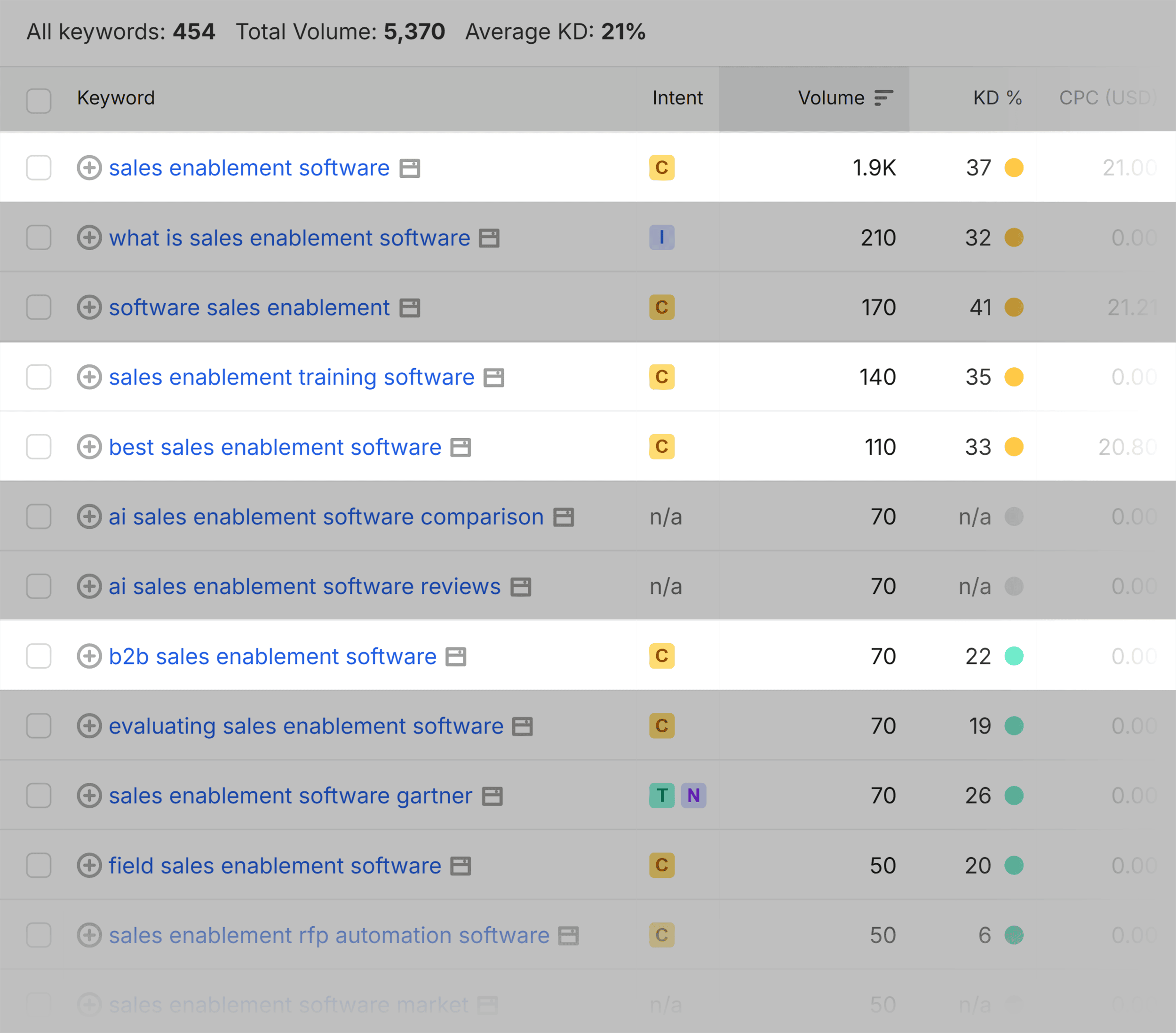
Corrective actions typically involve three levers: updating on-site content to be more authoritative on the subject, pitching for inclusion in the third-party lists that the AI cites most frequently, or improving the brand’s profile on aggregators like G2 or Capterra, which are heavily weighted in the model’s training data.
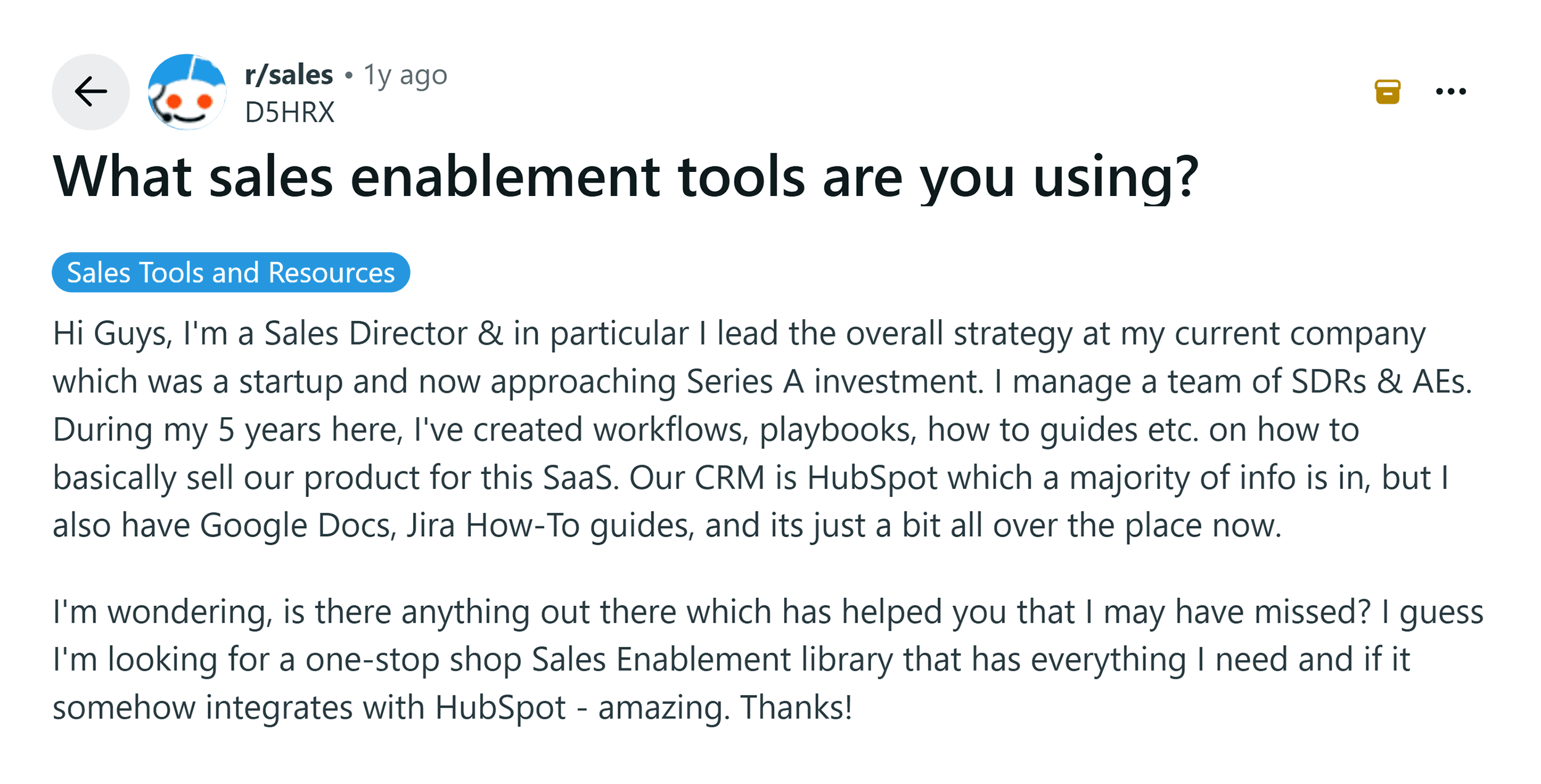
Ultimately, prompt tracking is moving from an experimental practice to a standard requirement for digital marketing maturity. As the “Answer Economy” replaces the “Link Economy,” the ability to monitor, analyze, and influence the AI’s perception of your brand will become the primary driver of digital growth. By treating prompt tracking not as a static scorecard but as a compass for content development, brands can ensure they remain not just visible, but authoritative in the conversations that define the future of their industry.
Related posts: