TikTok has evolved from a nascent platform for viral dance challenges into a cornerstone of the modern digital economy. With an advertising reach now exceeding 1.59 billion users globally, the platform has solidified its position as a primary engine for product discovery and social commerce. As of late 2026, the intersection of entertainment and retail has created a landscape where businesses must treat the app not merely as a broadcast channel, but as a sophisticated search engine and marketplace.

The strategic shift toward "social search" is a defining characteristic of the 2026 digital landscape. Data indicates that nearly half of all consumers now utilize TikTok’s search function to vet products, research tutorials, and seek peer recommendations. This fundamental change in user behavior necessitates a departure from legacy social media strategies, requiring brands to prioritize search engine optimization (SEO) alongside traditional content creation.

The Evolution of TikTok Commerce
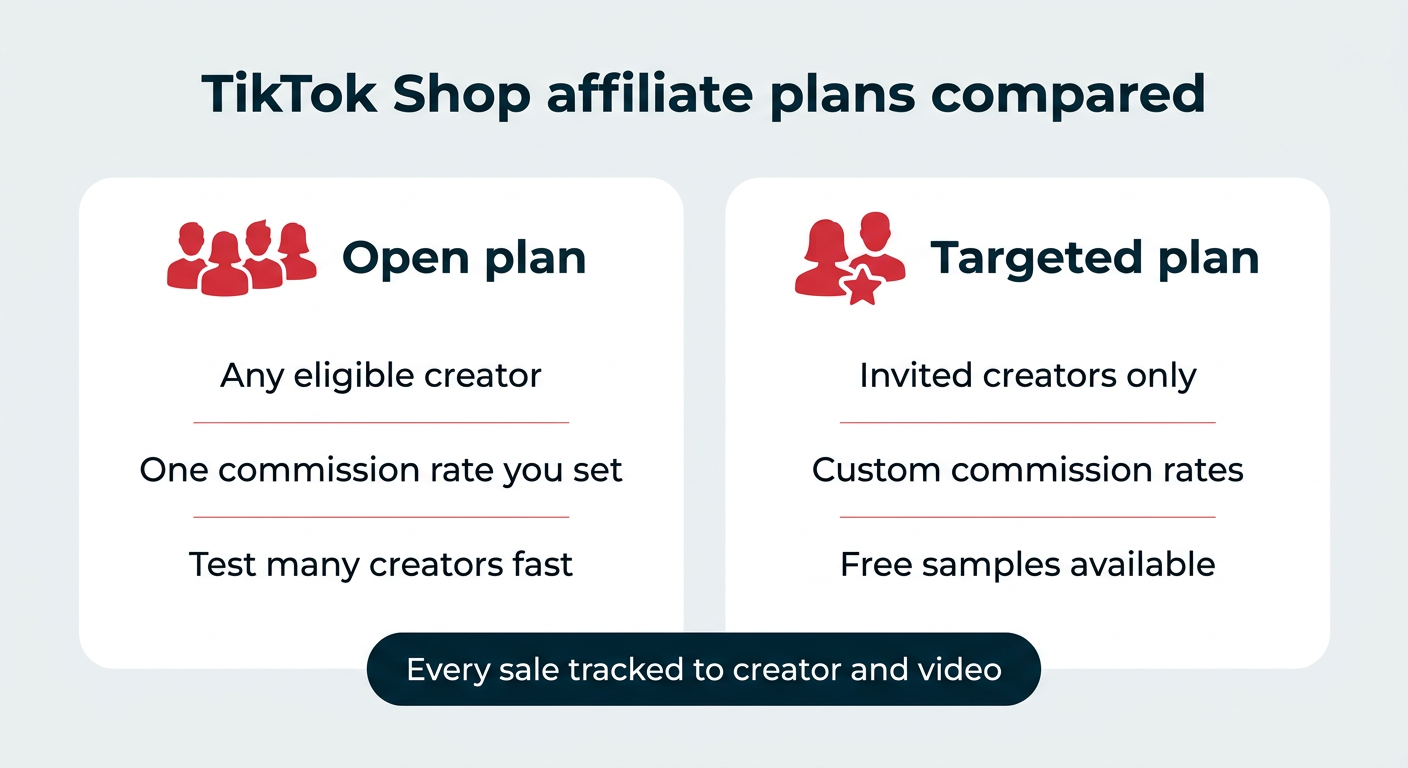
The platform’s growth is inextricably linked to the maturation of TikTok Shop. By integrating the entire consumer journey—from initial discovery to checkout—within a single application, the platform has significantly reduced friction in the sales funnel. For businesses, this means the return on investment (ROI) is more measurable than ever. Affiliate marketing programs have become particularly potent; brands can now list products in an affiliate marketplace, allowing creators to earn commissions on sales. This performance-based model provides a transparent way for companies to tie marketing spend directly to revenue, moving beyond vanity metrics like views or likes.
The financial scale of this ecosystem is immense. Projections suggest that TikTok will generate over $17 billion in U.S. advertising revenue in 2026 alone. Despite ongoing regulatory discussions in various global markets regarding data governance and platform ownership, the continuity of the platform remains a priority for enterprise marketers. The consensus among industry analysts is that brands should adopt a "portable" creative strategy—designing vertical video content that can be seamlessly deployed across TikTok, Instagram Reels, and YouTube Shorts to mitigate platform-specific risks.
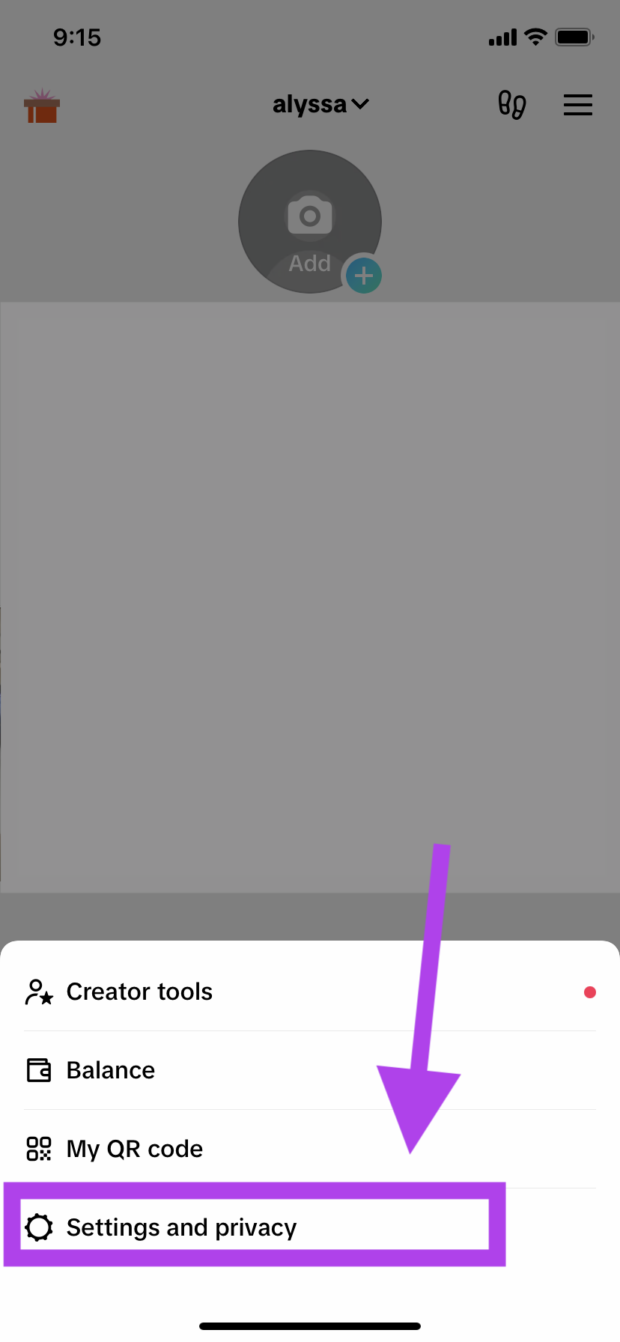
Implementing a Strategic Framework
A successful TikTok strategy in 2026 requires a rigorous, data-backed approach. The process begins with a comprehensive audit of the competitive landscape. Utilizing frameworks such as S.W.O.T. analysis, businesses must identify not only what their direct competitors are doing but also which creators are dominating their niche.
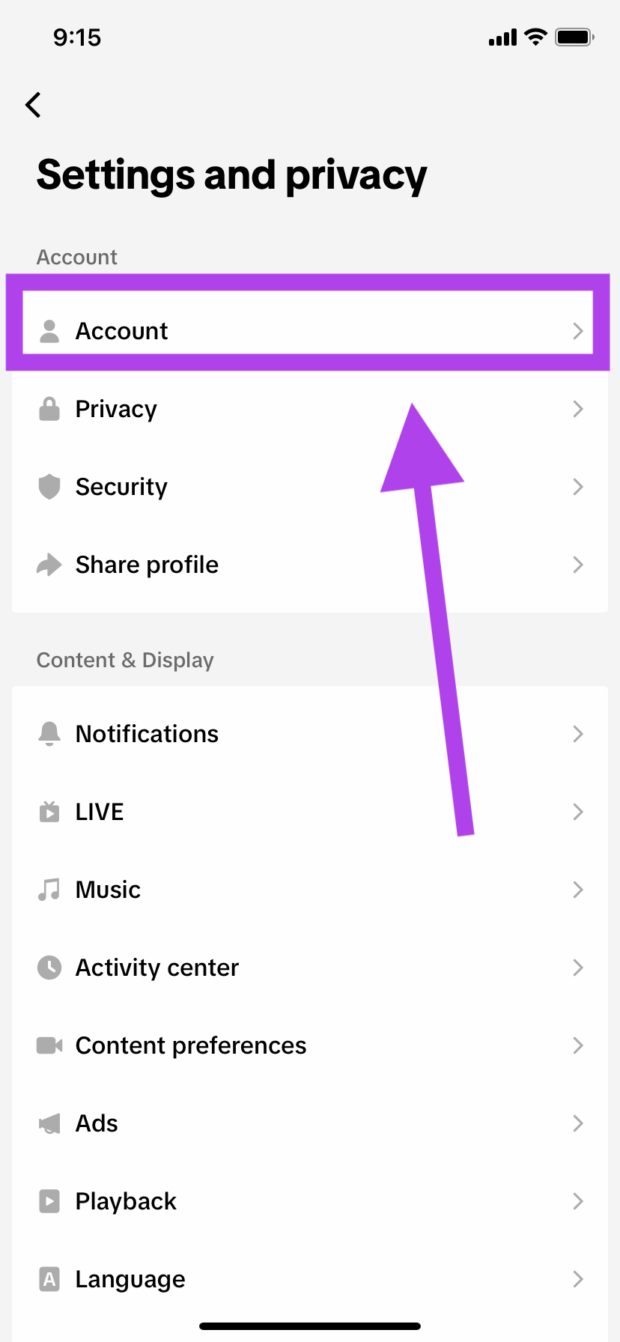
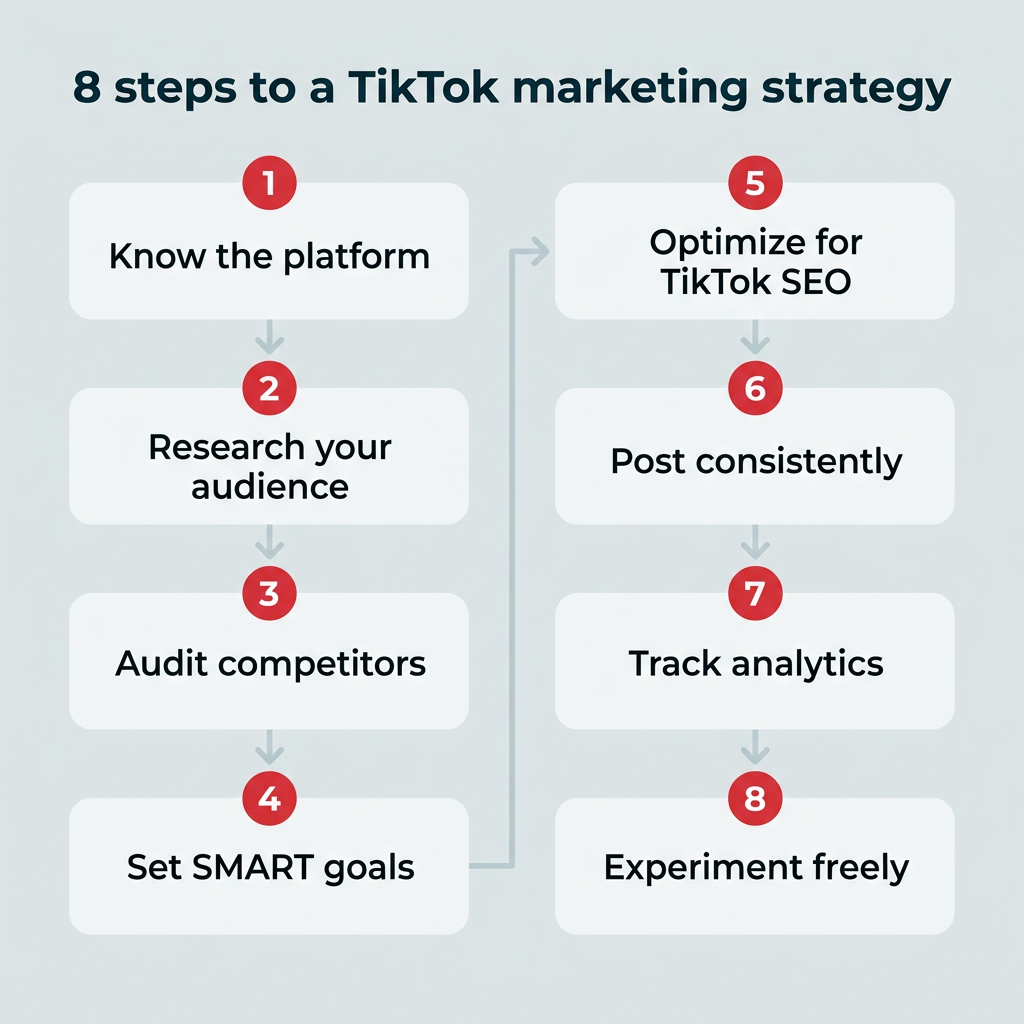
The following eight-step sequence is considered the industry standard for brands entering or scaling on the platform:
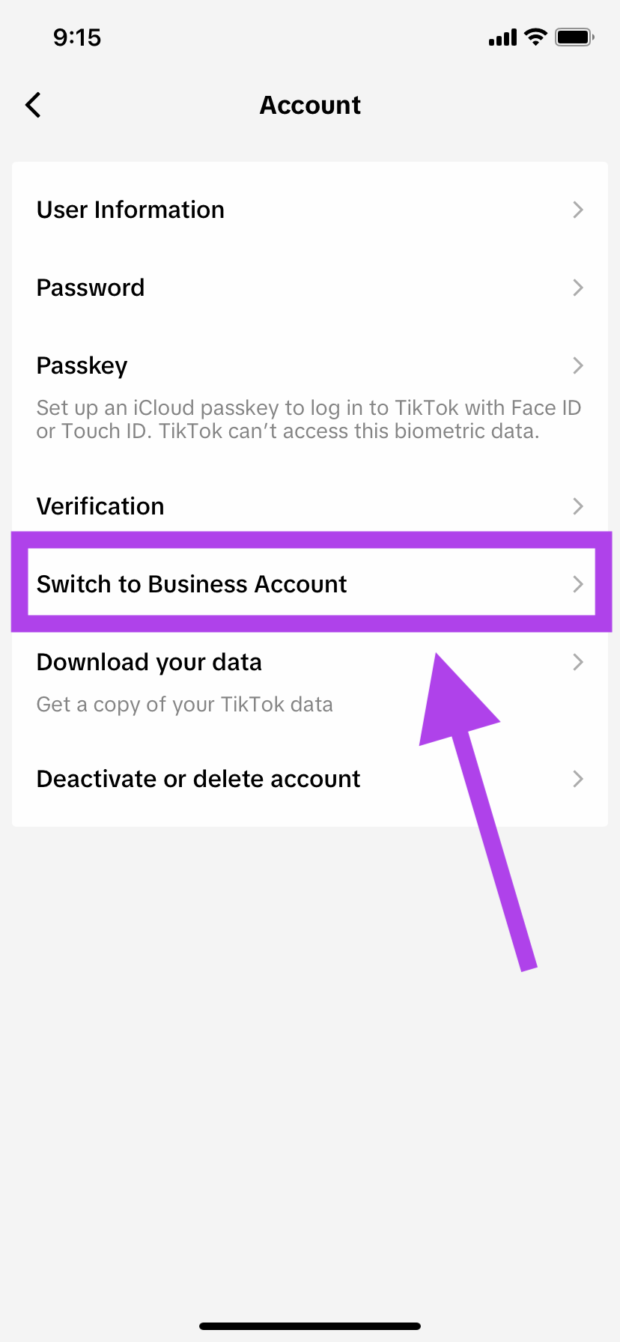
- Platform Immersion: Before content creation begins, teams must understand the algorithmic nuances, including the specific sounds and editing styles currently trending.
- Audience Demographics: Contrary to popular belief, the average age of a TikTok user is between 25 and 34. Understanding this demographic ensures that content aligns with the actual purchasing power of the user base.
- Competitive Benchmarking: Analyzing competitor performance allows brands to identify gaps in the market.
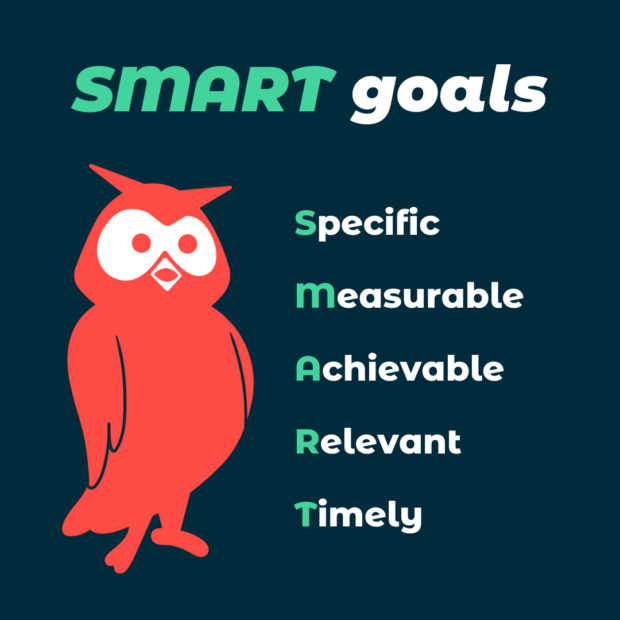
- Objective Alignment: Goals must be S.M.A.R.T. (Specific, Measurable, Attainable, Relevant, and Timely).
- SEO Optimization: Keywords should be woven into captions, on-screen text, and vocal tracks to ensure visibility in search results.
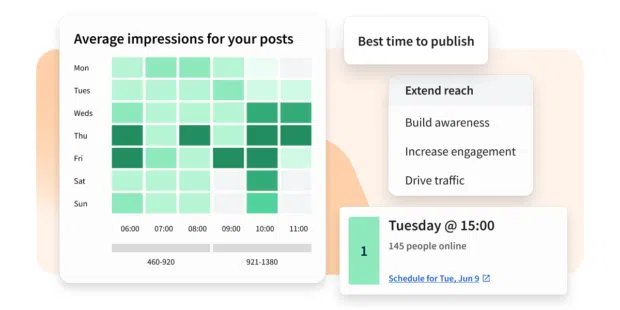
- Consistent Cadence: Algorithms prioritize freshness; therefore, a posting schedule of three to five times per week is recommended.
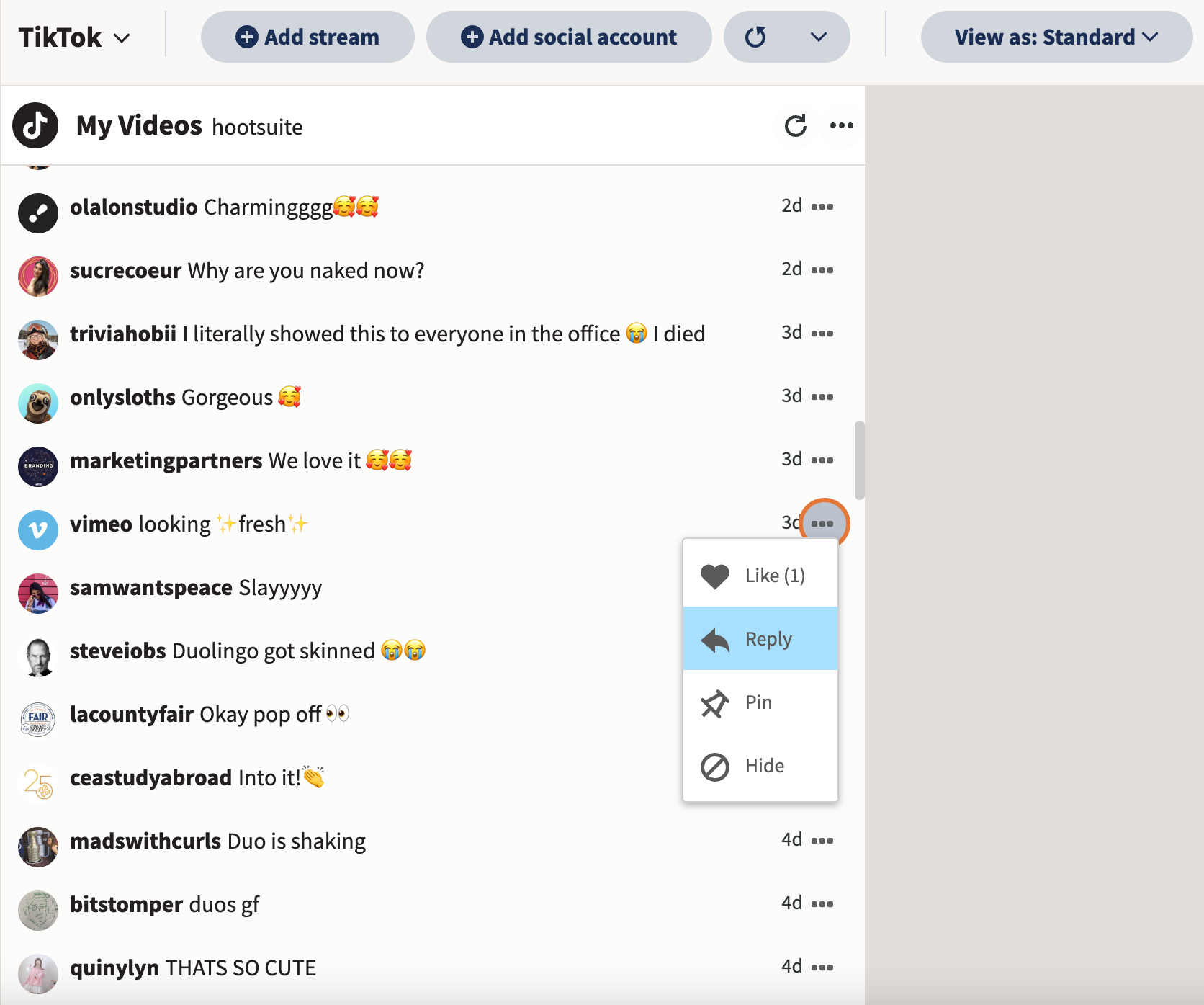
- Performance Measurement: Tracking engagement rates and conversion metrics through both native analytics and third-party management tools.
- Iterative Experimentation: Maintaining a portion of the creative budget for testing new formats, such as live streams or experimental storytelling.
The Role of Influencers and Authenticity
Influencer marketing on TikTok has moved away from the highly polished, "perfect" aesthetic of the early 2010s. In 2026, the most effective partnerships are those that prioritize authenticity. Creators act as conduits of trust, and subtle product placement often outperforms high-budget, scripted advertisements.
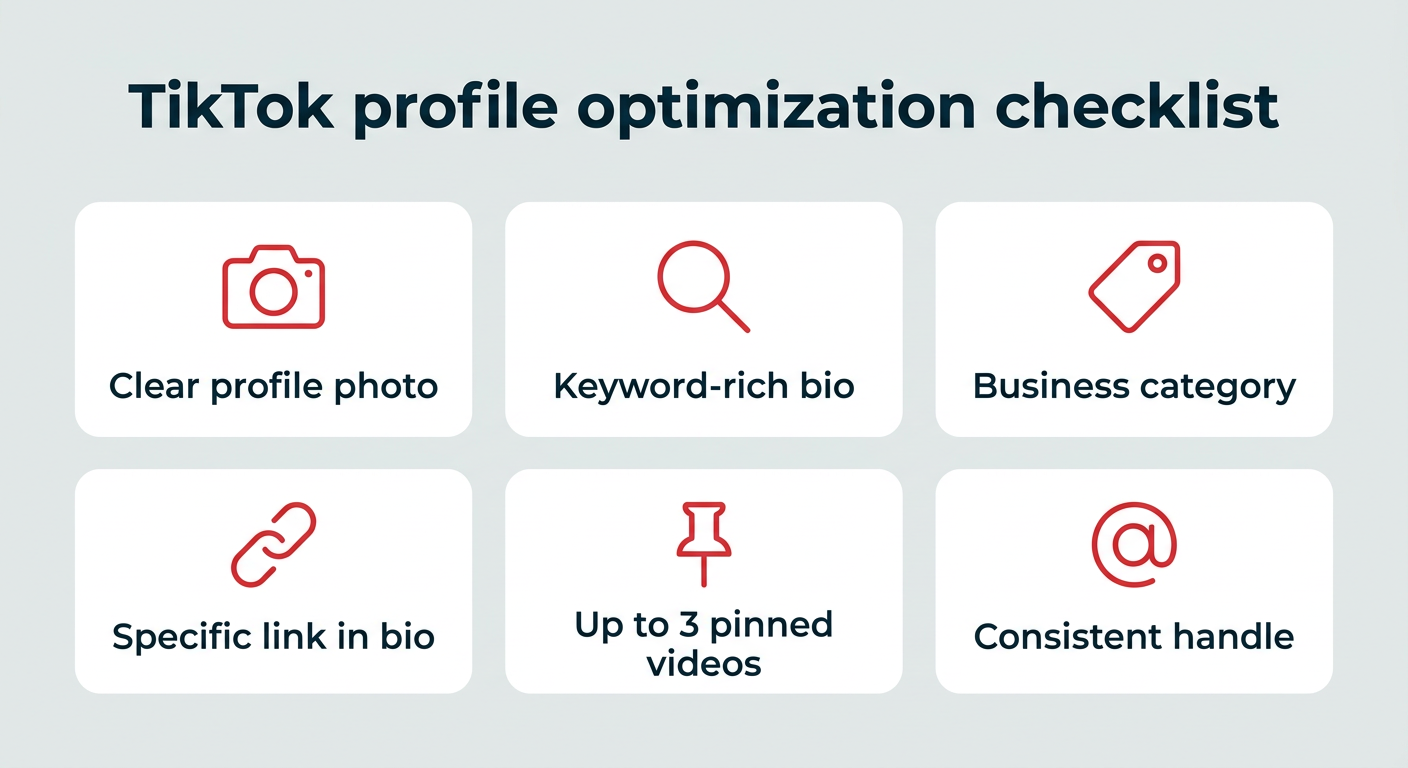
Performance-based influencer partnerships have become increasingly popular. By using targeted affiliate plans, brands can invite specific creators to promote products, offering custom commission rates. This allows for testing the efficacy of different influencers at scale before committing significant portions of the marketing budget to long-term partnerships.
Ad Formats and Tactical Deployment
TikTok offers a diverse array of advertising formats designed to meet varying business objectives:
- In-Feed Ads: These native-style videos appear in the "For You" feed and are the backbone of most conversion-focused campaigns.
- TopView: A premium, full-screen format that appears upon app launch, ideal for high-impact product launches or brand awareness campaigns.
- Spark Ads: These allow brands to boost existing organic content, effectively bridging the gap between community-led engagement and paid reach.
- Search Ads: These provide a direct response to high-intent queries, allowing brands to capture traffic when users actively search for products or services.
The minimum budget for standard ad groups typically starts at $20 per day, though premium placements like Branded Hashtag Challenges require custom, significantly higher investment tiers.
Overcoming Common Pitfalls
Many brands fail on TikTok by treating it as a traditional broadcast platform. A common error is the "corporate polish" trap, where content is produced with such high production value that it feels alien to the platform’s native environment. Users generally reject content that feels overly commercial or disingenuous.
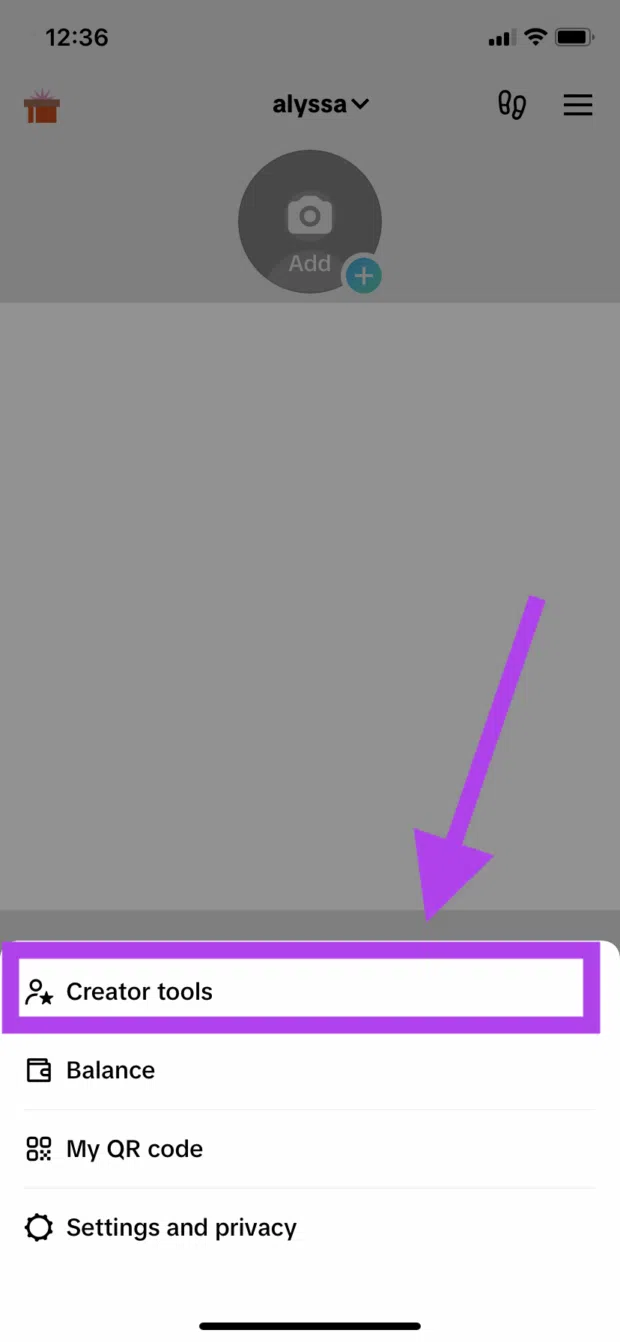
Furthermore, failing to engage with the comment section is a critical oversight. TikTok’s algorithm heavily favors posts that generate conversation. Brands that treat the comment section as a two-way communication channel—responding to queries with text or follow-up videos—often see significant improvements in their overall visibility.
Measuring Success in a Multi-Channel Environment
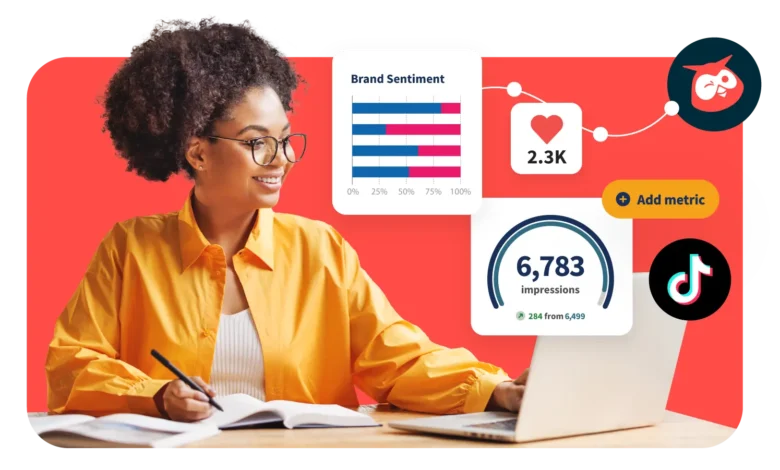
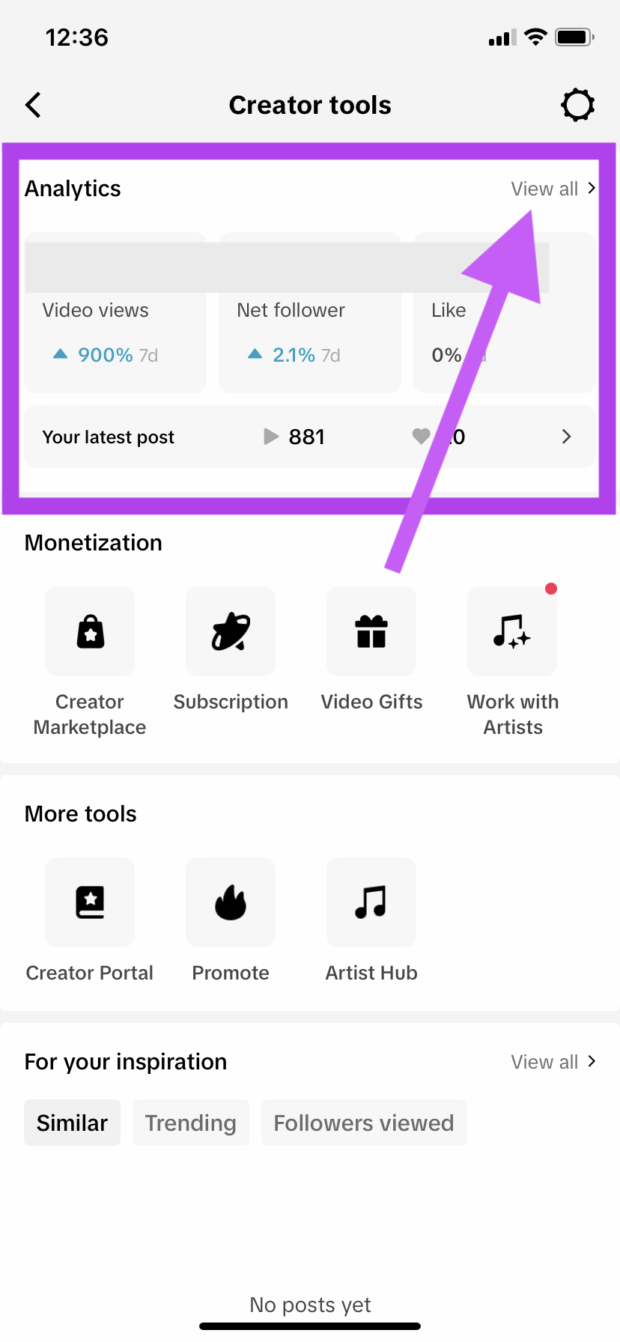
The complexity of modern marketing requires that TikTok performance be viewed in the context of the broader brand ecosystem. For enterprise teams, the use of a centralized Social Operating System is essential. By consolidating data from TikTok, Instagram, and YouTube into a single dashboard, marketers can track the customer journey across platforms, build cohesive reports for stakeholders, and adjust their distribution strategy in real-time based on actual performance data.
Conclusion: The Future of Engagement
As 2026 draws to a close, the data is clear: TikTok is no longer an optional component of a digital marketing strategy; it is a necessity for brands looking to maintain relevance with a diverse, multi-generational audience. The platform’s ability to drive both brand awareness and direct, trackable sales creates a unique value proposition. By balancing authentic, creator-led storytelling with rigorous SEO and data-driven advertising, businesses can effectively navigate the complexities of the platform to achieve sustainable, long-term growth. The brands that succeed will be those that remain agile, prioritize community engagement, and view the platform not just as a place to advertise, but as a place to participate.