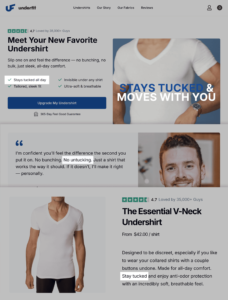
In the fast-paced world of digital marketing, the ability to rapidly diagnose performance bottlenecks on a specific webpage is a critical skill for SEO professionals and site owners. Whether a high-value product page has seen a sudden decline in search engine rankings, a competitor has outperformed your best-performing content, or a conversion funnel is leaking potential customers, time is of the essence. While comprehensive site-wide crawls are essential for long-term health, they are often too time-consuming for immediate, tactical troubleshooting. The SEOquake browser extension, developed by Semrush, provides a streamlined solution, enabling users to perform a robust, on-page audit in under three minutes without ever leaving the browser.
Understanding the SEOquake Workflow
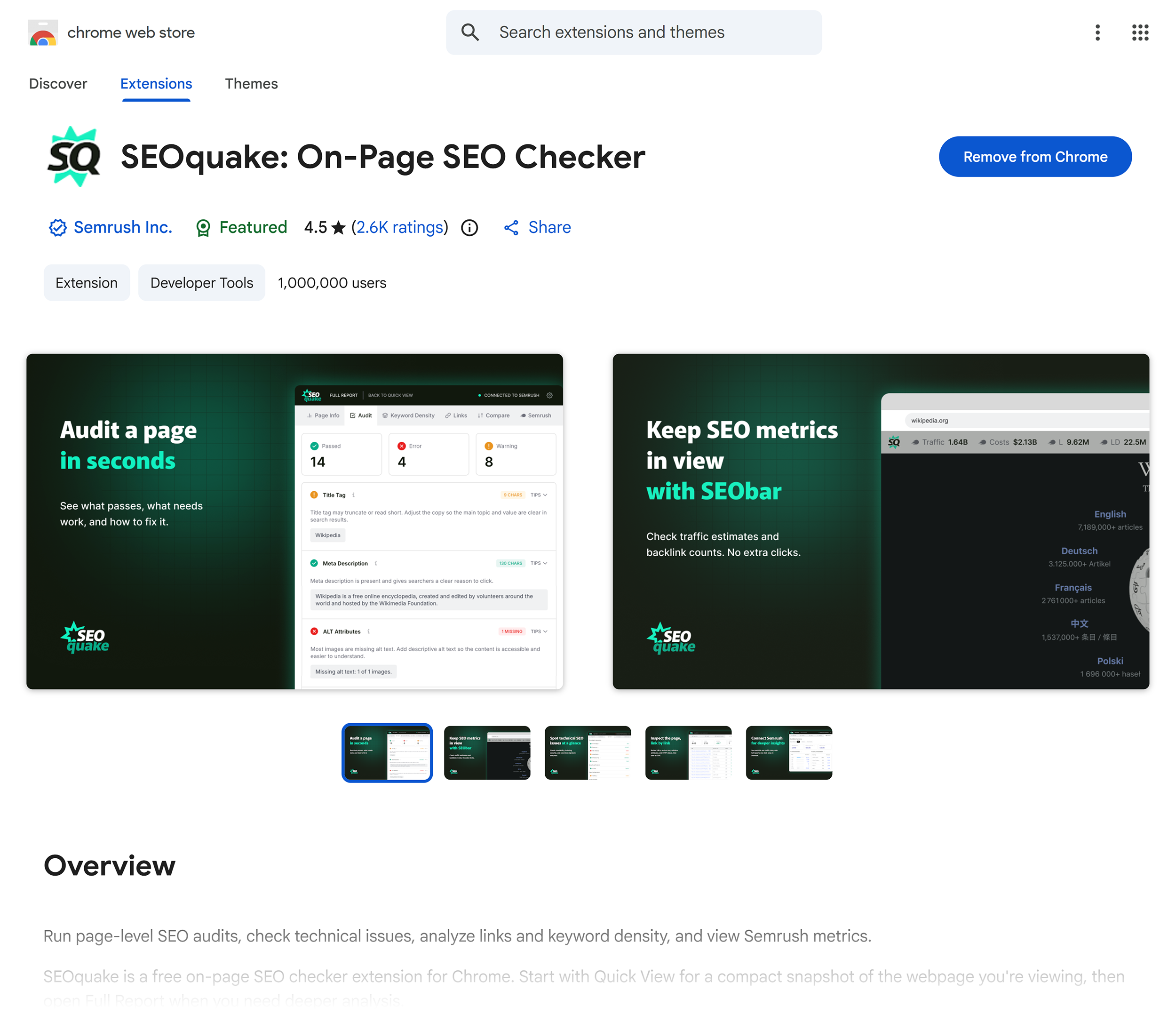
The core value of SEOquake lies in its ability to provide instant, actionable intelligence on technical signals, on-page SEO, and link architecture. By installing the extension, users gain a persistent, one-click access point to a suite of analytical tools. When auditing a page, the process is divided into two distinct phases: the "Triage" phase, which takes approximately one minute, and the "Diagnosis" phase, which occupies the remaining two minutes.
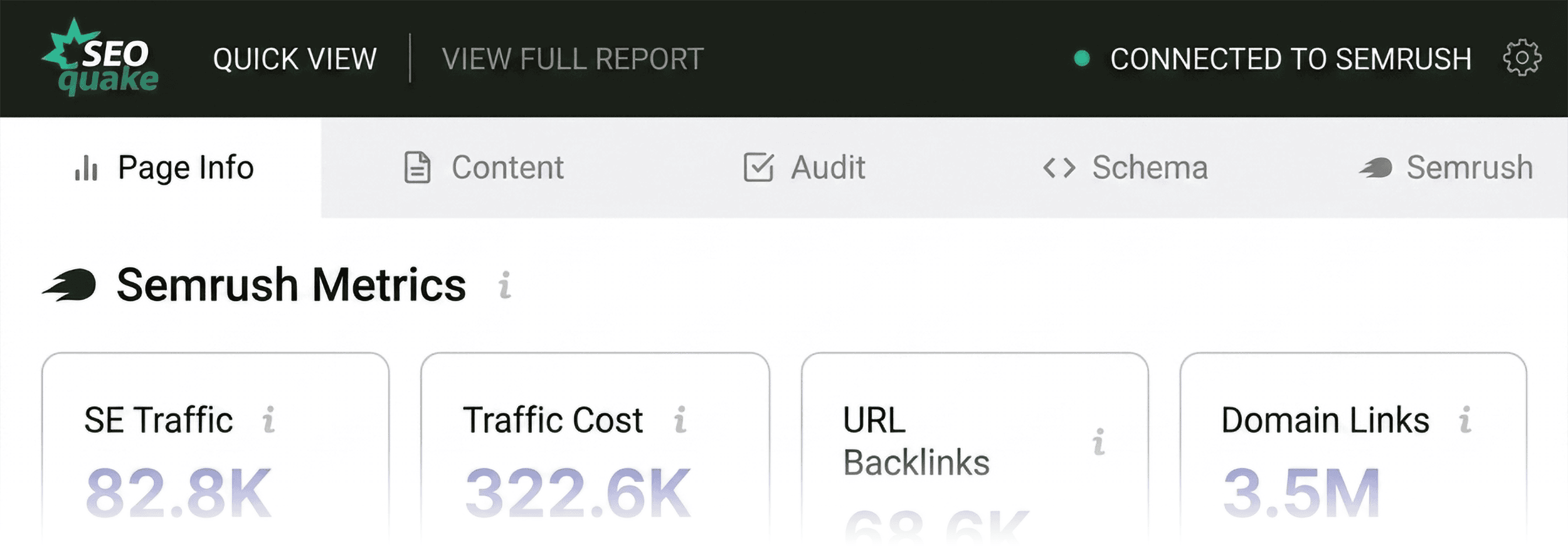
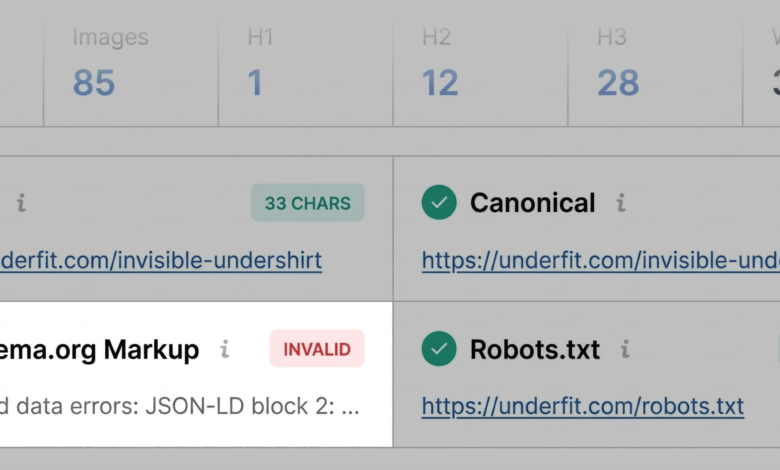
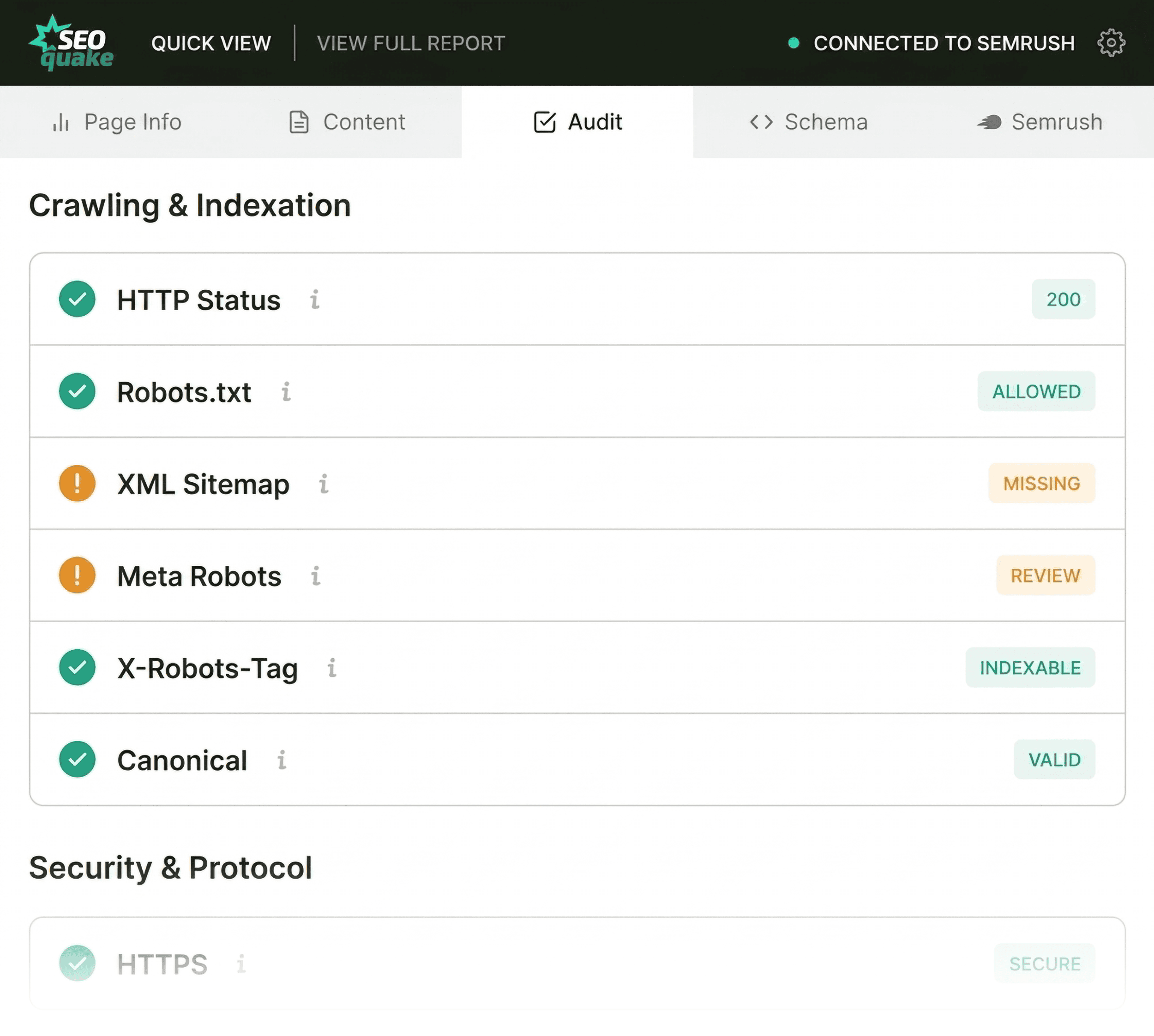
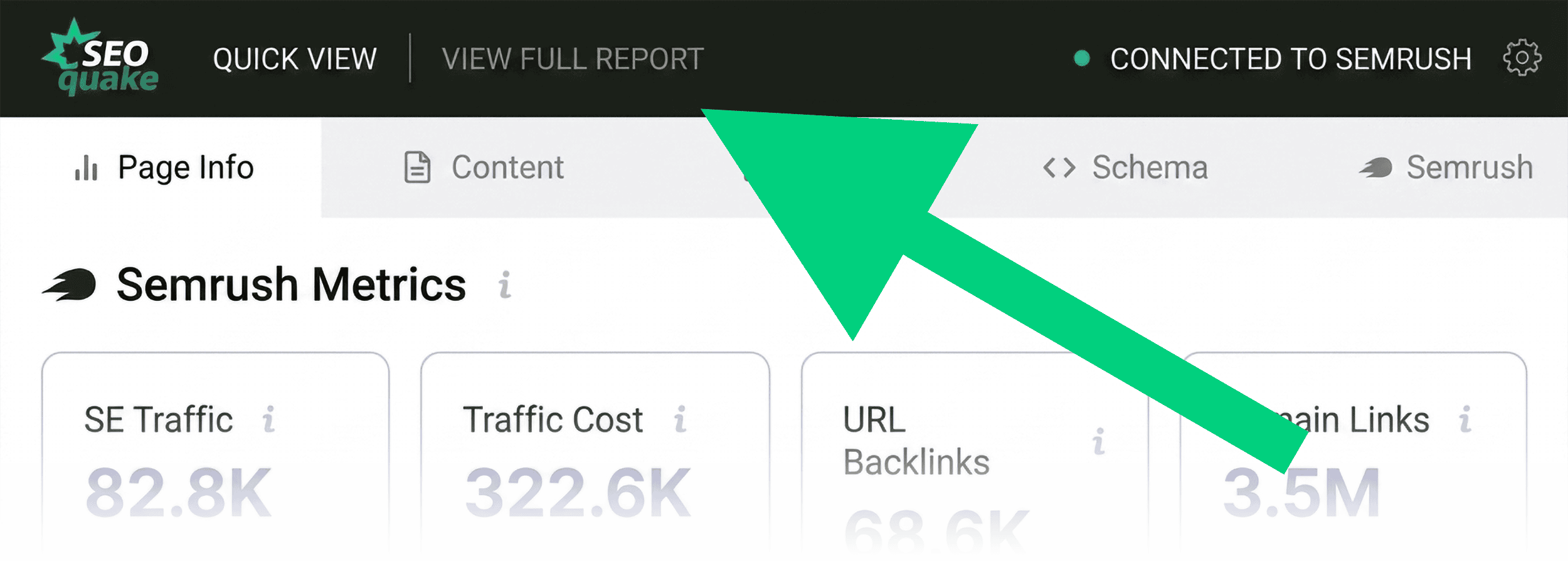
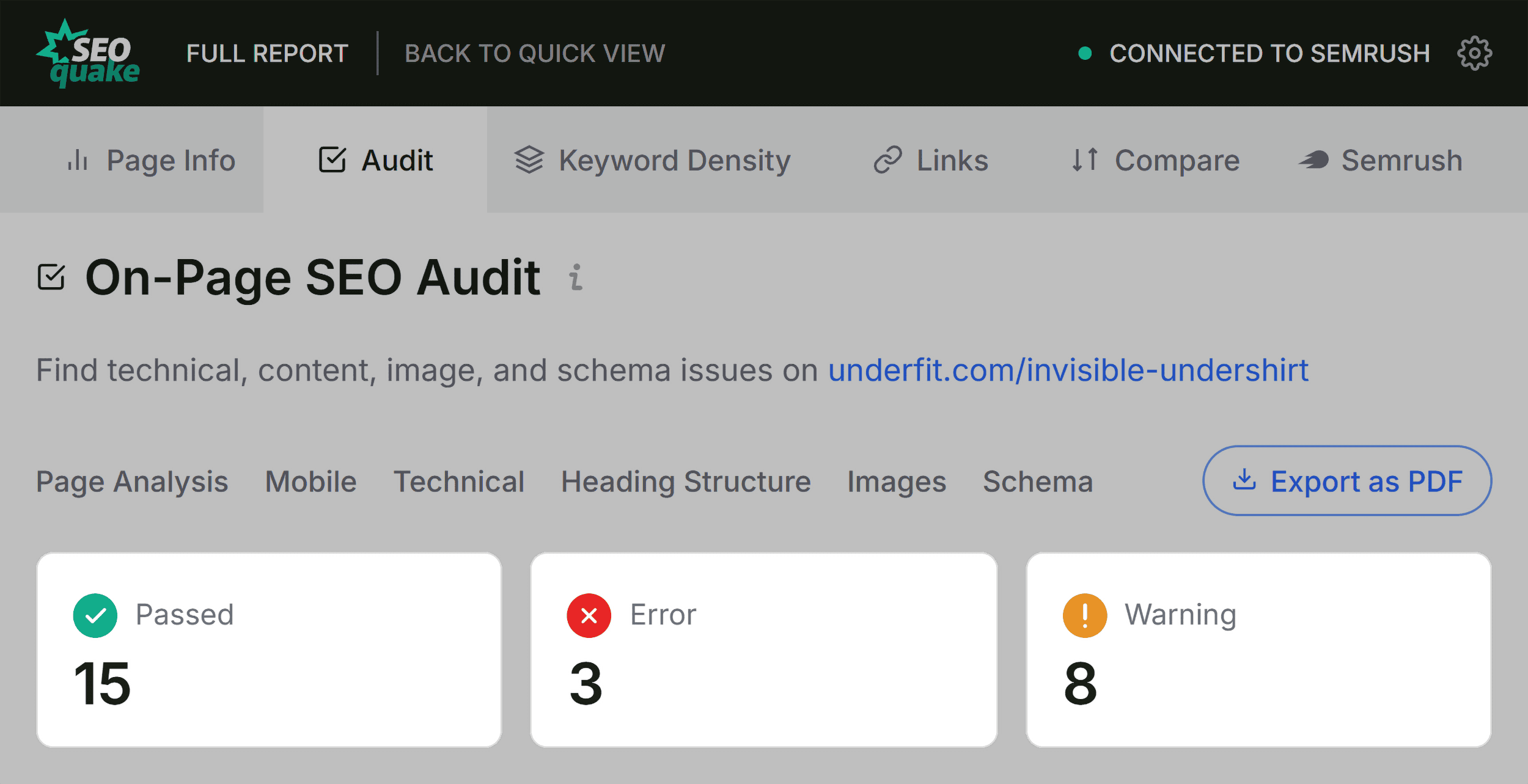
The triage process relies on the Quick View pop-up, a dashboard that provides an immediate overview of five key areas: Page Info, Audit, Content, Links, and Social metrics. By navigating through the Page Info, Audit, and Content tabs, an auditor can identify glaring issues—such as missing canonical tags, invalid structured data, or broken image alt text—that are likely suppressing the page’s potential. The interface utilizes a intuitive, color-coded system: green icons signify that elements meet standard SEO best practices, yellow indicates warnings that warrant further inspection, and red highlights critical errors that require immediate remediation.
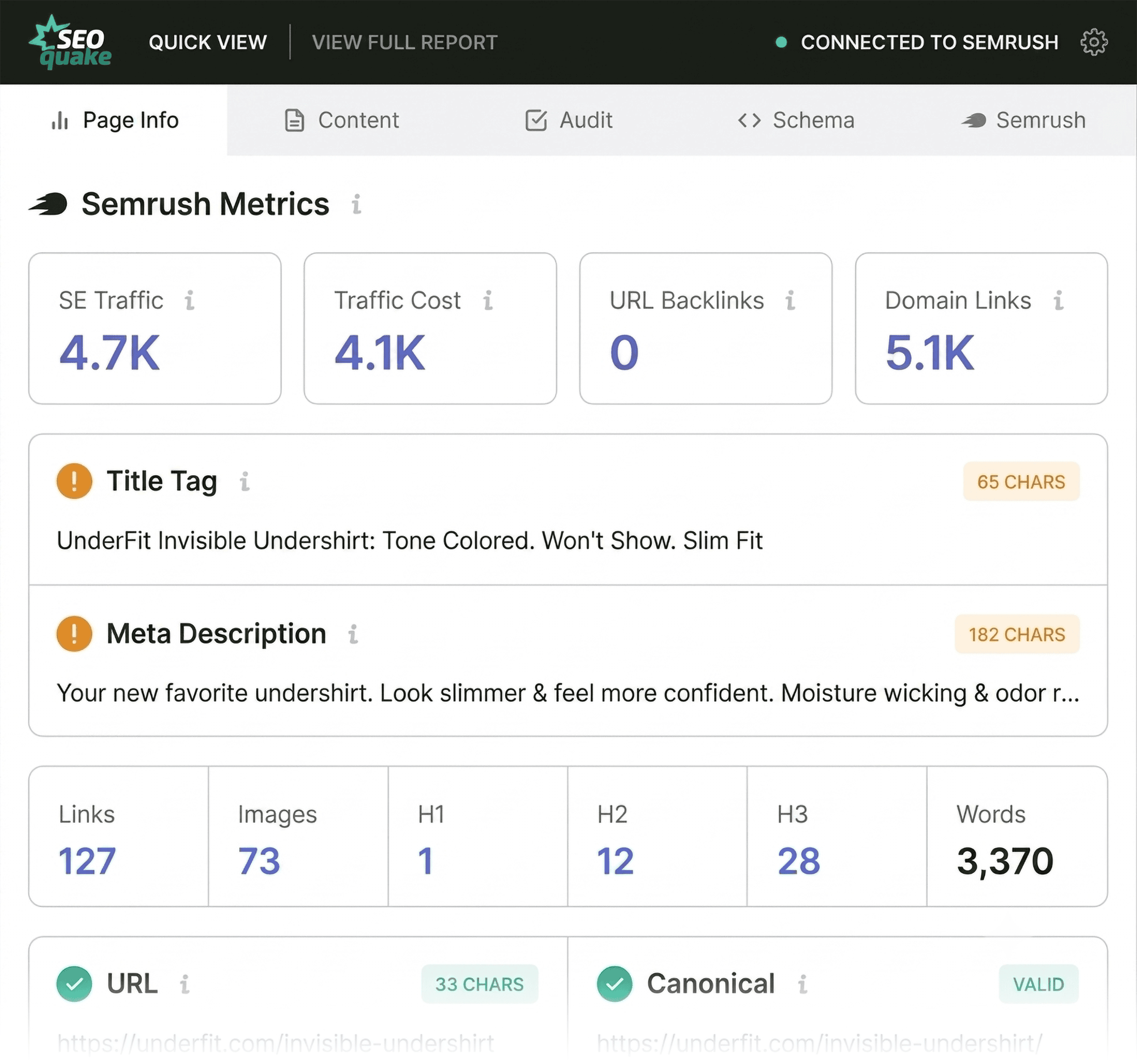
Triage: Rapid Assessment of Core SEO Elements
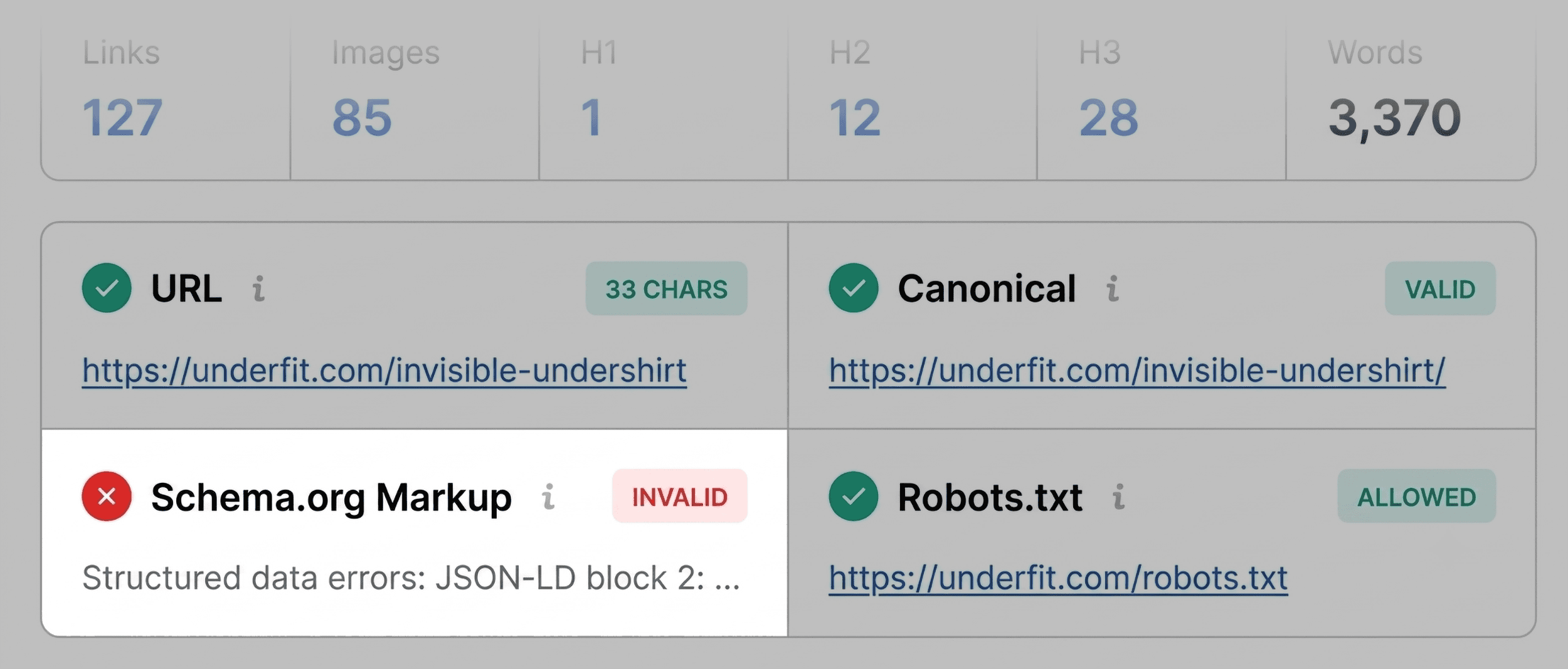
The first minute of an audit should be dedicated to a high-level scan of the Page Info and Audit tabs. During this stage, the objective is to answer a single question: Is there an obvious technical or structural failure preventing this page from ranking?
A critical element in this stage is the evaluation of Schema.org markup. For e-commerce product pages, structured data is vital for securing rich snippets, such as star ratings, pricing, and availability in search results. If SEOquake flags schema errors in red, it often indicates issues with JSON-LD implementation. If search engines cannot correctly parse this data, the page becomes ineligible for these performance-enhancing search features.
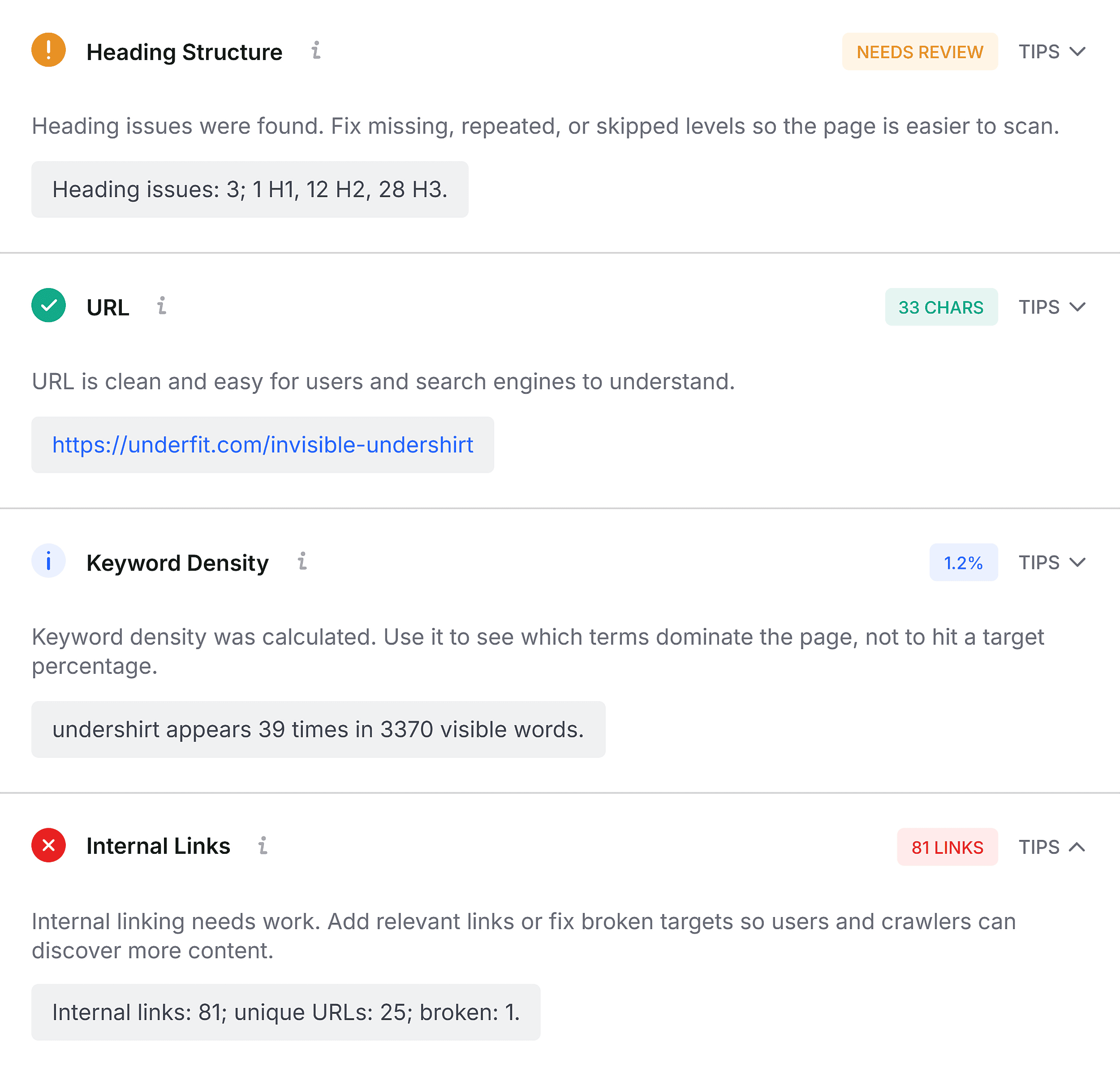
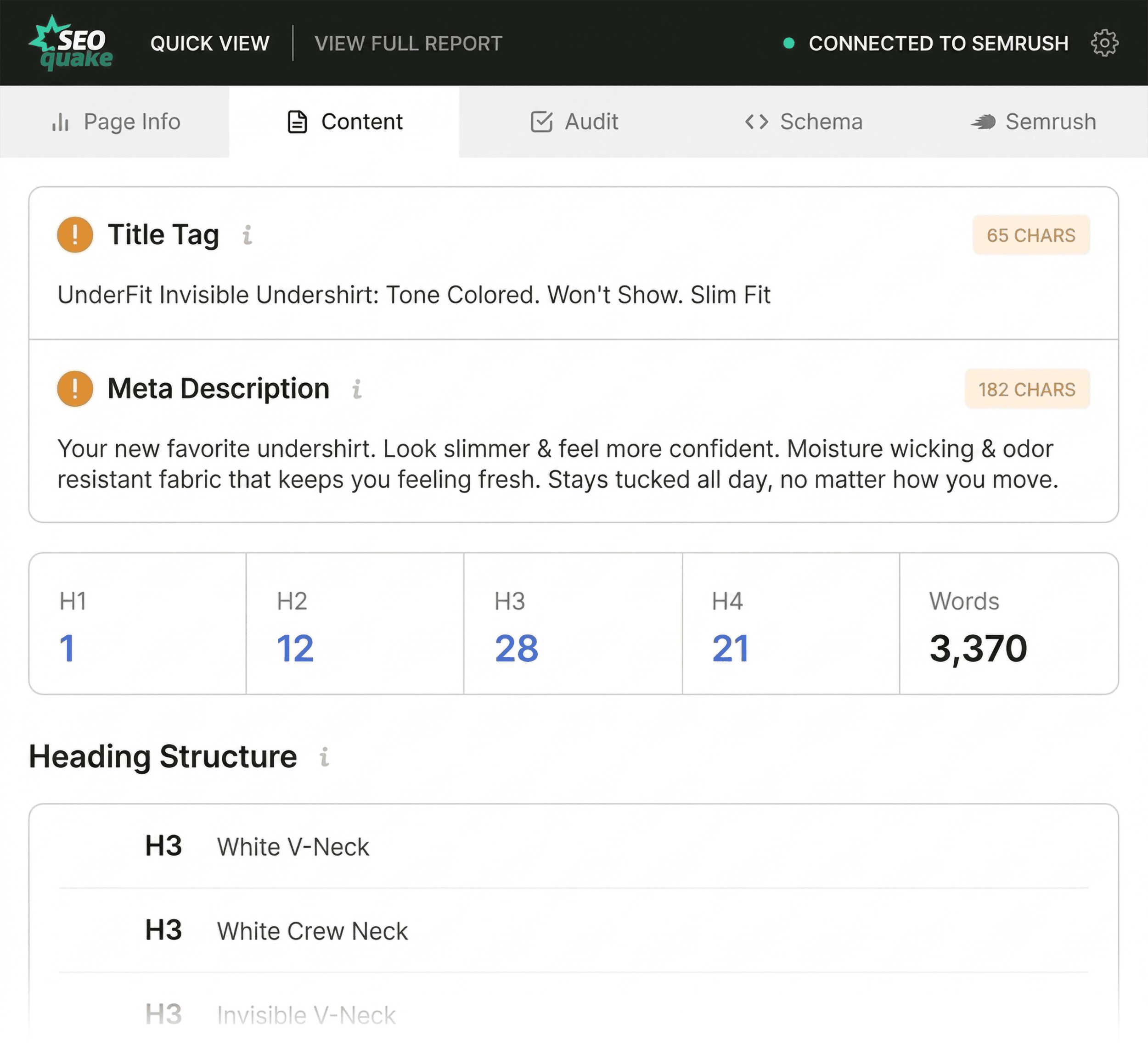
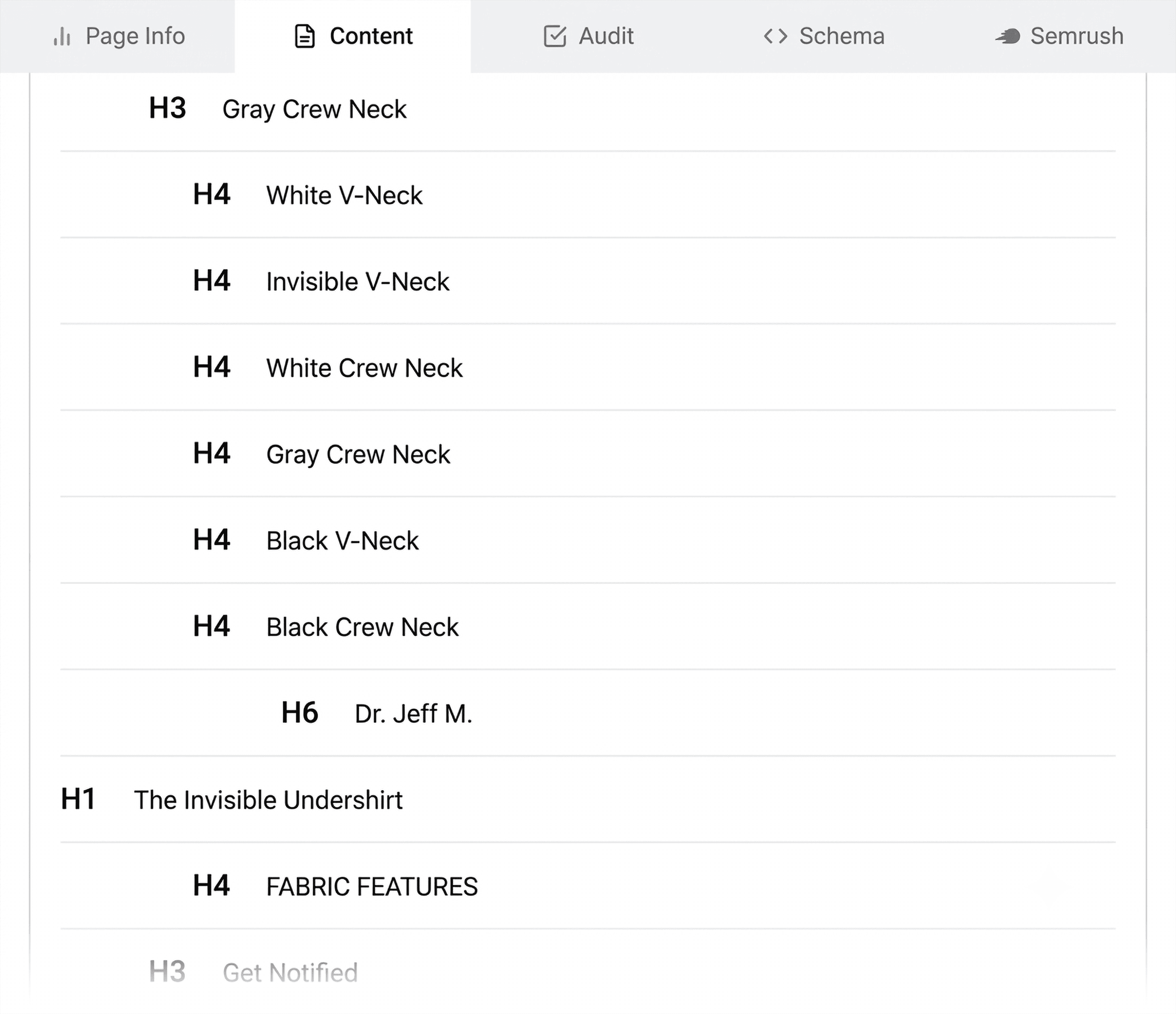
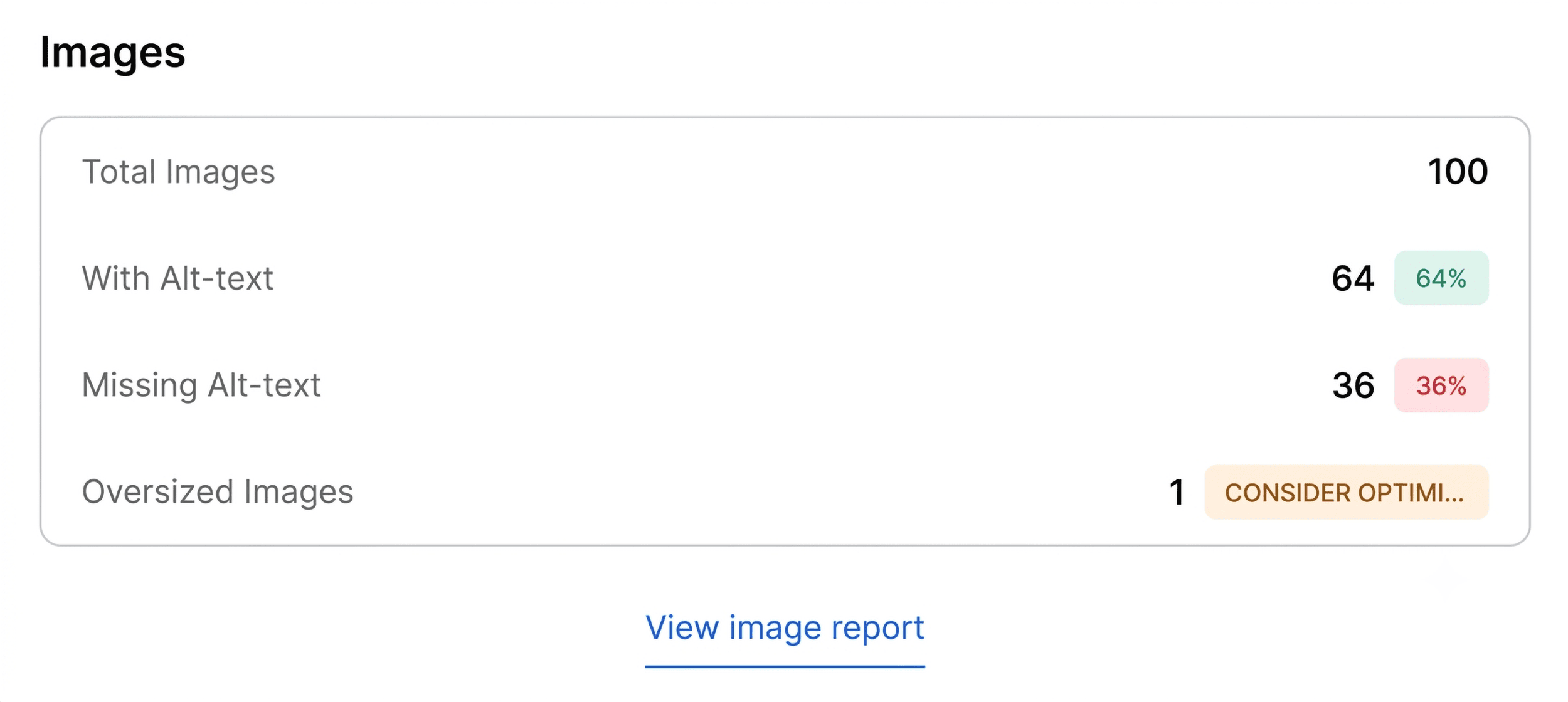
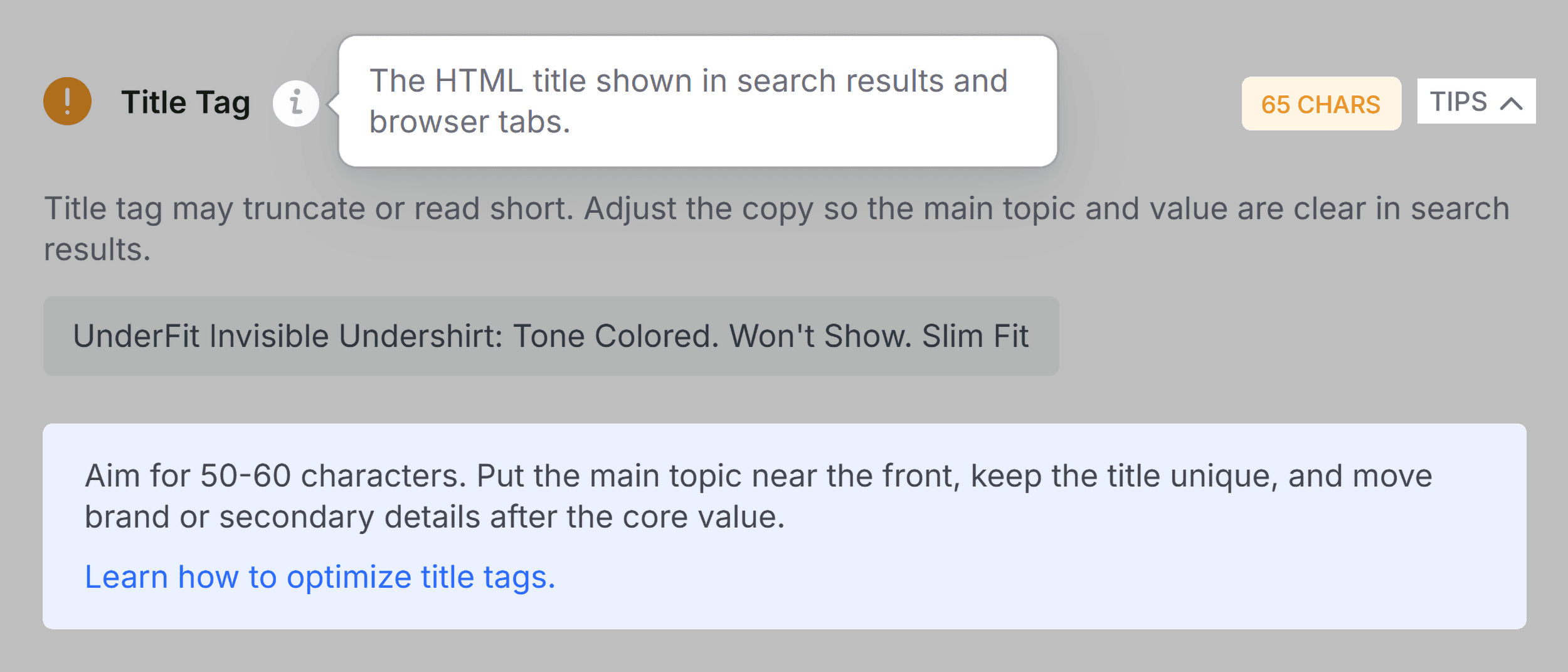
Furthermore, the Content tab allows for an immediate review of heading structures. A logical hierarchy—where H1 tags identify the primary topic and subsequent H2–H4 tags organize sub-topics—is essential for both user experience and algorithmic comprehension. An H1 placed at the bottom of the page or a non-linear jump from an H1 to an H4 can signal to search engines that the content is poorly structured. Additionally, this section flags images missing alt text, a common oversight that impacts both accessibility and image search performance. In many instances, the sheer volume of missing alt text on a product-heavy page can be a significant indicator of site-wide quality issues.

Diagnosis: Investigating the Root Cause
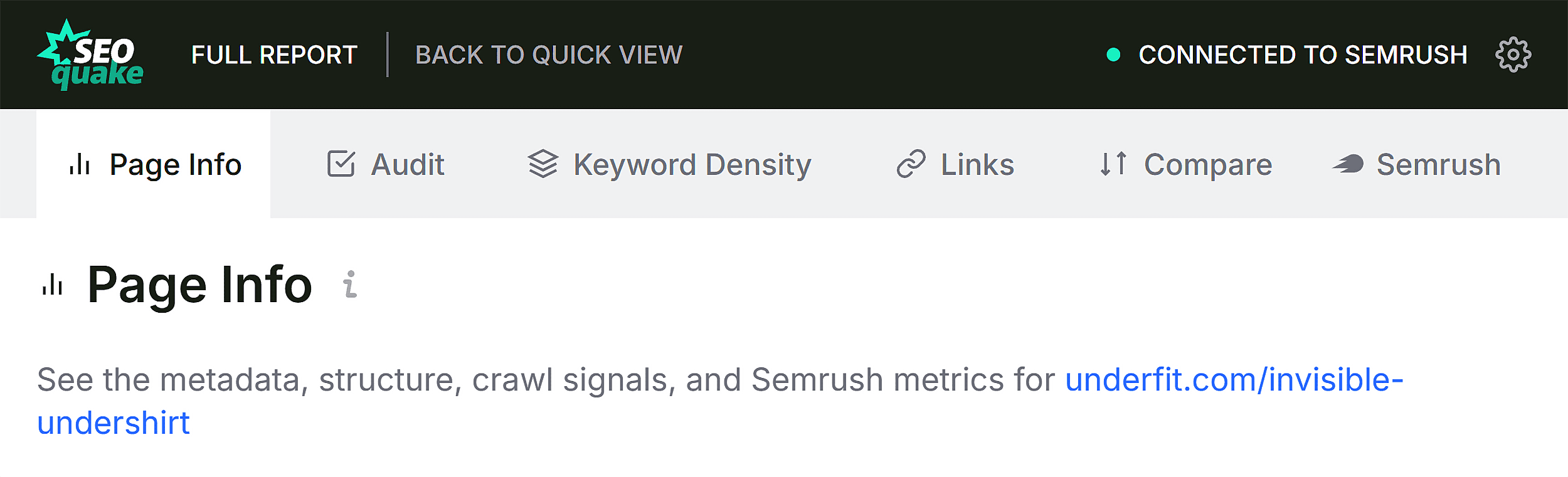
Once the initial triage is complete, the subsequent two minutes are spent within the Full Report, which offers a deeper, more granular view of the page’s architecture. To access this, users click the "View Full Report" button, which opens a detailed panel covering technical compliance, keyword density, and link health.
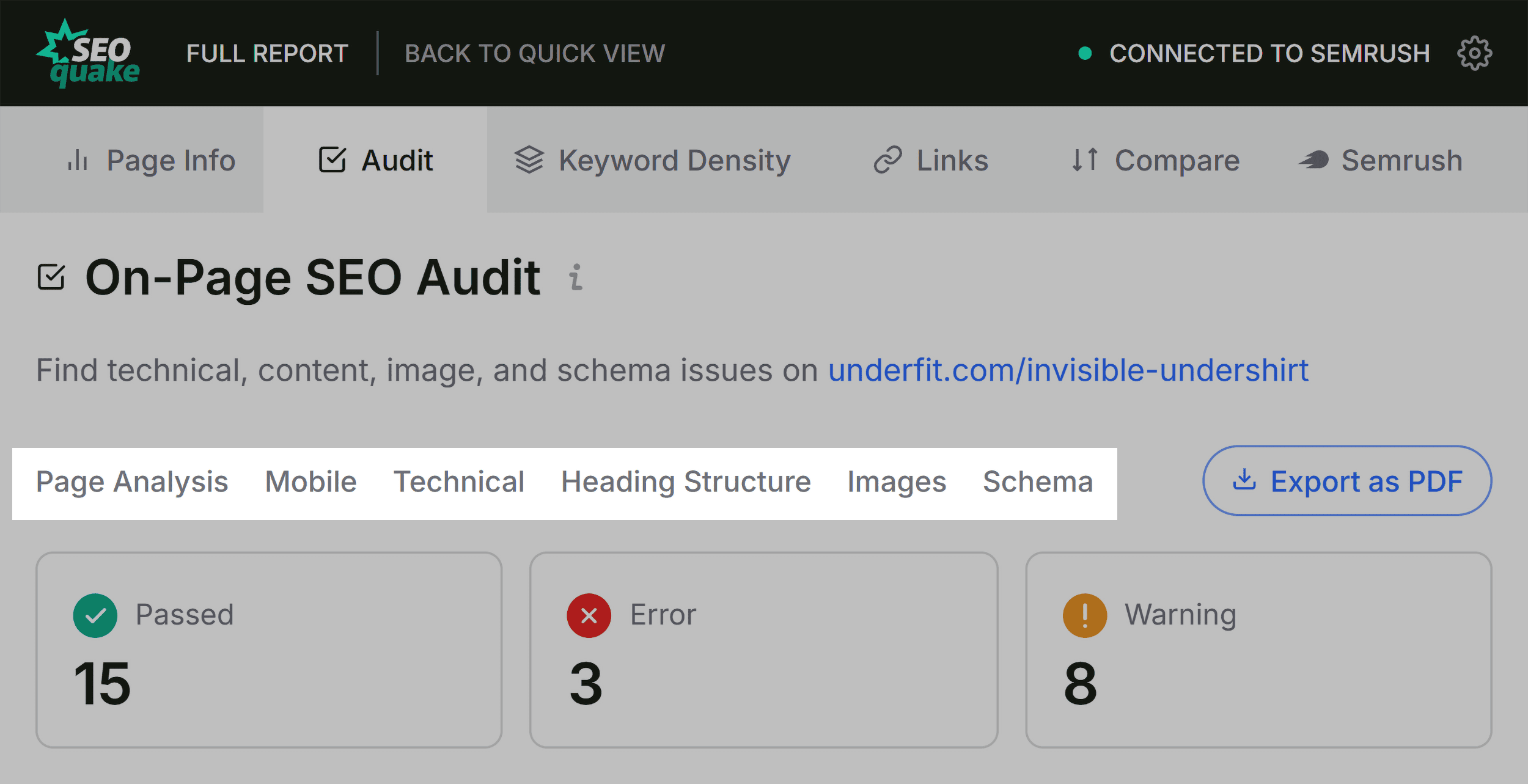
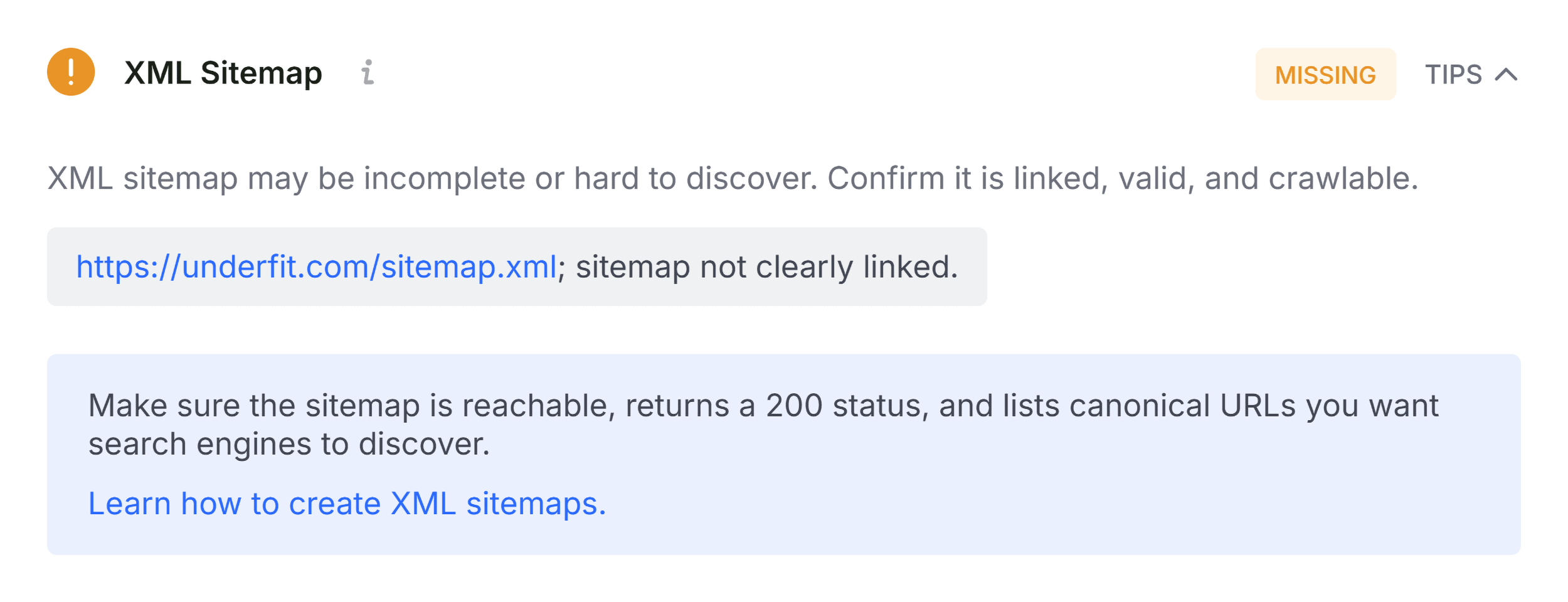
In the Audit panel, users should look beyond the surface-level warnings. For instance, while a missing XML sitemap link is a common finding, the diagnostic phase helps determine if this is a symptom of a larger crawlability issue. When examining structured data, the "Test in Rich Results" feature serves as an essential bridge to Google’s own verification tools. By automating the transition to these external tests, SEOquake allows for a seamless verification process. If the diagnostic tools confirm that the markup is indeed invalid, the auditor can confidently move the item to the "fix list."
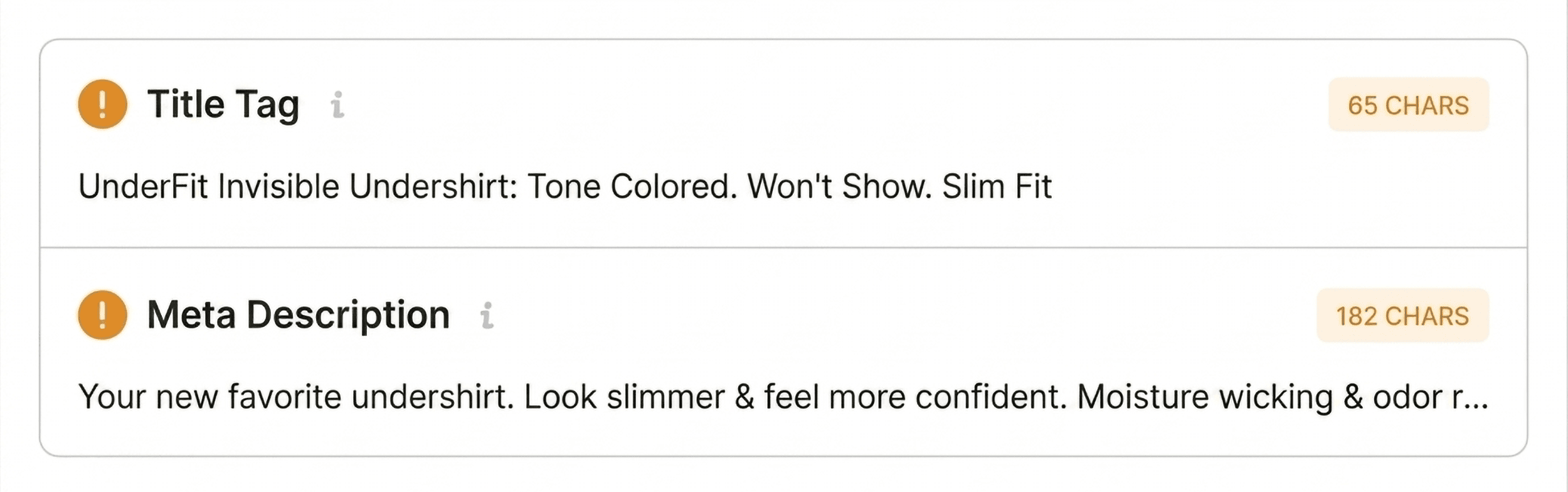
The keyword density panel provides additional context regarding topic coverage. While historical SEO practices once over-emphasized keyword stuffing, modern audits use this data to ensure the page maintains the appropriate semantic relevance. By checking the frequency of core terms—such as "undershirt," "fabric," or "v-neck"—in relation to the page’s visible content, an auditor can ensure that the page is properly aligned with the intended search intent. If key terms are absent from the meta description or title tag, it provides a clear roadmap for on-page optimization.
Finally, the link health assessment is a critical component of the diagnosis. Broken internal and external links disrupt the flow of link equity—often referred to as "crawl budget" management—and degrade the user experience. By exporting the link report to a CSV format, auditors can filter out non-essential JavaScript links or tracking pixels, focusing instead on broken destination URLs that directly impact navigation and search indexing.
Broader Implications and Strategic Decision-Making
The final stage of the three-minute audit involves leveraging the Semrush integration to determine the scope of the identified issues. The distinction between a page-level problem and a site-wide issue is fundamental to an effective SEO strategy.
When evaluating a page, metrics such as domain authority, organic traffic trends, and backlink volume provide necessary context. If a page is underperforming despite a strong domain profile and high-quality backlink metrics, the problem is almost certainly localized to the page’s technical implementation or content quality. Conversely, if errors like missing XML sitemaps or widespread JSON-LD failures appear on multiple pages, the audit has successfully identified a systemic issue that requires a site-wide intervention.
In these instances, the three-minute SEOquake audit acts as a diagnostic gateway. It identifies the presence of a problem and provides the evidence required to justify a more comprehensive site audit. By using tools like Semrush’s Site Audit, which can process hundreds or thousands of URLs, developers and marketers can address site-wide templates, rather than fixing pages one by one.
The efficiency of this workflow demonstrates a shift in SEO best practices: moving away from reactive, manual troubleshooting toward a standardized, data-driven approach. By consistently applying this three-minute framework, teams can maintain a high standard of technical health across their digital assets, ensuring that they remain visible, accessible, and optimized for the modern search landscape. For those managing complex e-commerce or content platforms, integrating this tool into a daily or weekly routine provides a competitive advantage, allowing for the rapid identification of errors before they result in significant traffic loss.