Social Listening for Lead Generation: The 2025 Enterprise Playbook for Converting Online Conversations into Revenue


In an increasingly fragmented digital landscape, B2B enterprises are moving beyond traditional cold outreach in favor of a more nuanced, high-conversion strategy known as social listening for lead generation. As of 2025, social media has solidified its position as the second most influential research channel for B2B buyers, trailing only direct vendor websites. This shift has forced marketing and sales departments to stop treating social media as a mere broadcasting platform and start utilizing it as a sophisticated, real-time intelligence network capable of identifying "hand-raisers" long before they reach out to a sales representative.

The practice involves deploying advanced software to monitor online discussions across LinkedIn, X, Reddit, and niche industry forums. By tracking specific keywords, pain-point phrases, and competitor sentiment, organizations can intercept potential customers at the exact moment they express a need, a frustration, or an intent to purchase.
The Evolution of Digital Sales Intelligence
Historically, businesses relied on social monitoring—a reactive process focused on brand mentions and crisis management. While social monitoring acts as a corporate safety net, social listening for lead generation is inherently proactive. It is designed to capture the "pre-purchase" window, where a buyer is actively researching solutions but has not yet filled out a contact form.

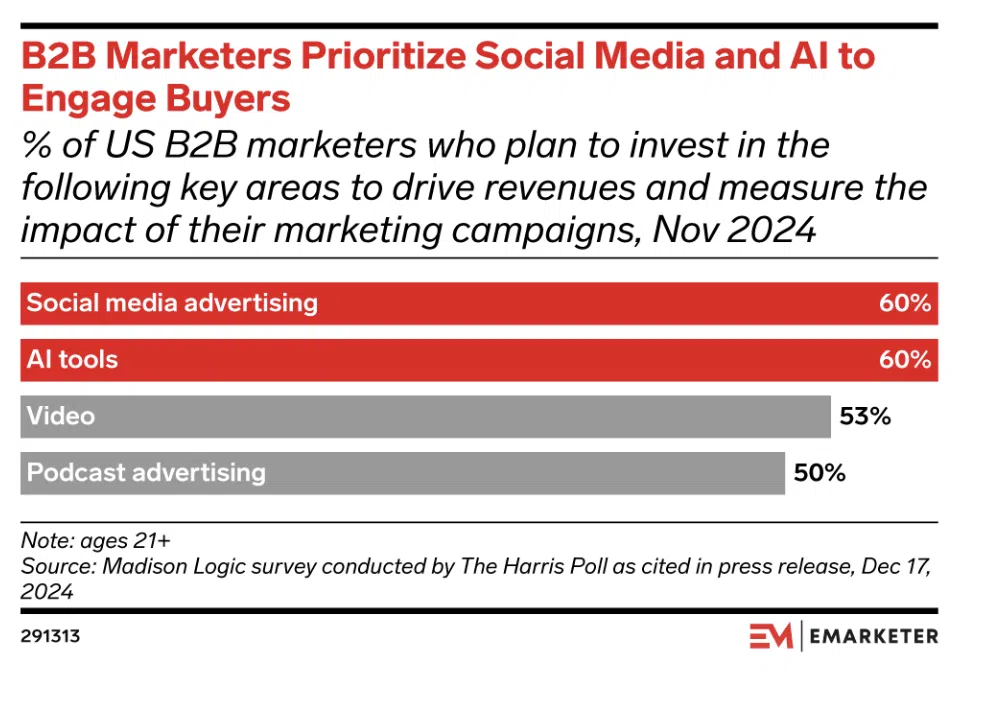
Recent market data from eMarketer underscores the urgency of this transition: 60% of US B2B marketers have committed to increasing their investment in both social media advertising and AI-driven engagement tools for the 2025 fiscal year. This budgetary pivot reflects a broader industry consensus that passive content marketing is no longer sufficient. Buyers are now prioritizing peer-to-peer conversations and community sentiment over curated marketing copy, making the ability to "listen" into these public discussions a critical competitive advantage.
Chronology of the Modern Lead-Generation Workflow
The implementation of a successful social listening framework typically follows a five-stage lifecycle designed to minimize noise and maximize signal accuracy:

- Profile Mapping: Teams define the ideal customer profile (ICP) and translate their specific business challenges into the colloquial language they would use in a social forum.
- Platform Selection: Organizations identify the "habitats" of their target buyers. For instance, LinkedIn remains the primary forum for executive-level B2B discussions, while Reddit and niche forums serve as repositories for unfiltered, high-intent product comparisons.
- Automated Triage: Using AI-powered classifiers, organizations set up real-time alerts. These systems filter out generic chatter, isolating high-intent signals such as "evaluating vendors" or "frustrated with current provider."
- Contextual Handoff: Once a signal is captured, it is routed to the CRM. Crucially, the process includes adding the context of the conversation, allowing sales representatives to enter the discussion with a personalized, value-added perspective rather than a generic pitch.
- Attribution and Measurement: The final phase involves tracking the signal-to-conversion path to refine keyword lists and optimize the engagement strategy for future quarters.
Comparative Analysis of Lead-Generation Methods
Social listening fills a significant gap in the traditional lead-generation matrix. While cold outreach often suffers from low engagement due to assumed intent, and paid advertising can become prohibitively expensive as scale increases, social listening offers a unique blend of high signal quality and cost efficiency.

| Method | Signal Quality | Speed to Lead | Scalability |
|---|---|---|---|
| Social Listening | High (Self-expressed) | Immediate | High (w/ AI tools) |
| Cold Outreach | Low (Assumed) | Slow | High Volume |
| Paid Social Ads | Moderate (Inferred) | Immediate | Cost-Dependent |
| Gated Content | Moderate (Form-fill) | Moderate | Moderate |
The data indicates that social listening does not replace these existing methods; rather, it amplifies them. By acting as an early-warning system, social listening provides the intelligence required to make cold outreach warmer and paid advertising more targeted.

The Role of AI in Scaling Enterprise Intelligence
The sheer volume of online conversation makes manual monitoring impossible for enterprise-scale organizations. AI orchestration has become the linchpin of modern social listening, acting as a force multiplier. Modern AI tools are now capable of performing sentiment analysis, thematic clustering, and urgency ranking across millions of posts in seconds.
According to industry analysts, while 75% of B2B buyers will prefer human interaction in the sales process by 2030, the "discovery" phase of the sales cycle is increasingly being managed by machine learning. AI does not replace the human judgment required to build trust; it merely ensures that when a prospect finally needs help, a human representative is notified instantly to provide that value.

Strategic Implications and Best Practices
To succeed, organizations must move beyond the "brand mention" trap. Sarah Stephenson, Director of Social Media at TMP, notes that the most valuable leads are often found in the "how do I" moments—conversations where a user is venting about a workflow bottleneck or asking for a tool recommendation.

The most successful firms adopt a "help-first" policy. When a prospect expresses a pain point, the response should focus on providing a resource, a technical insight, or a relevant perspective. Hard-selling into these threads is counterproductive, as 73% of B2B buyers actively avoid suppliers who initiate contact with aggressive or irrelevant sales pitches.

Broader Impact on Market Competitiveness
The shift toward social listening reflects a larger transformation in the power dynamic between buyer and seller. In the information age, the buyer holds the advantage. They have access to competitors, pricing models, and user reviews at their fingertips. Consequently, the businesses that win are not necessarily those with the largest advertising budgets, but those that demonstrate the most relevance.
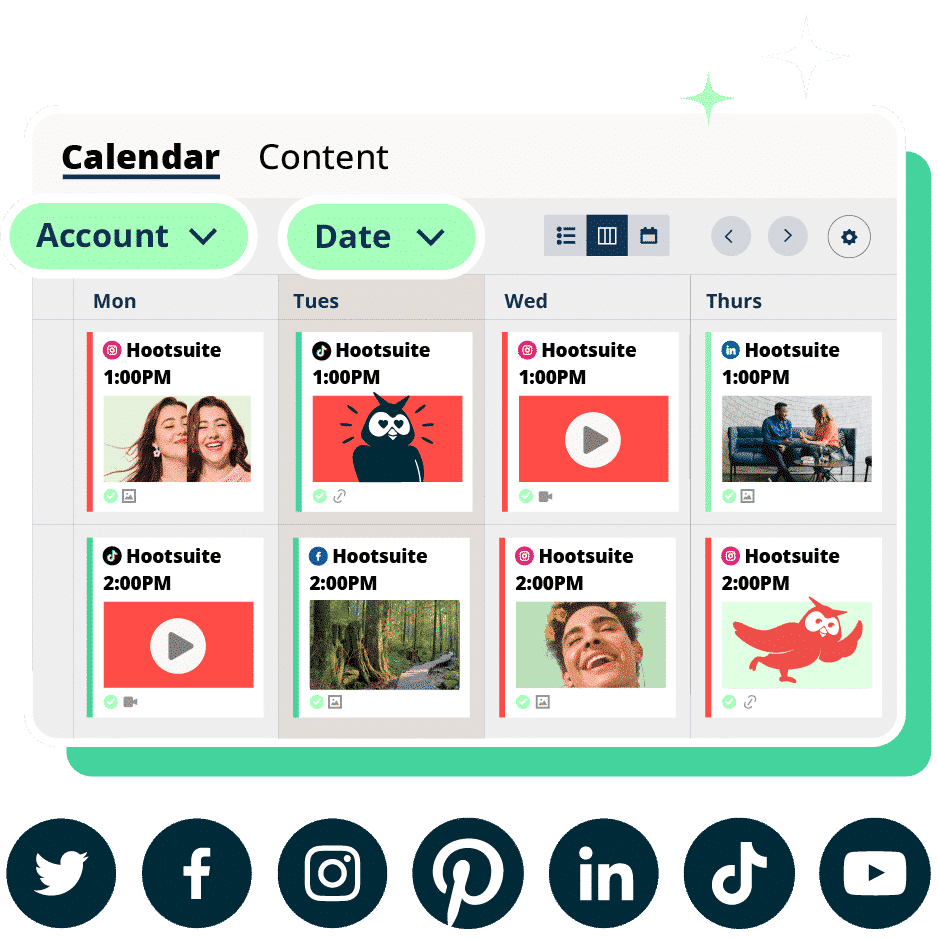
By integrating social listening directly into the CRM, companies can track the entire customer journey from the first public comment to the final contract signature. This visibility allows marketing and sales departments to align their KPIs, moving from vanity metrics like "likes" and "impressions" to substantive metrics like "pipeline value sourced from social."

As enterprises look toward the remainder of the decade, the ability to decode the digital conversation will likely become a core competency of every successful sales organization. The technology to do so—ranging from unified social dashboards to AI-driven sentiment analysis—is already available. The challenge for modern leadership is not the acquisition of the tools, but the cultivation of a culture that values the nuance of online conversation as much as the precision of CRM data. In 2025, social listening is no longer an optional marketing activity; it is the heartbeat of a responsive, customer-centric enterprise.