The Ultimate Guide to Social Media Content Calendars: 11 Free Templates and How to Build Your Own

In the fast-paced ecosystem of digital marketing, consistency remains the single most reliable driver of audience growth and brand authority. Whether managing corporate communications for a Fortune 500 company or building a personal brand as an independent creator, navigating social media without a structured plan often leads to missed opportunities, erratic posting schedules, and creative burnout. To combat these challenges, industry professionals increasingly rely on social media content calendars—centralized systems designed to map out publishing timelines, track content pillars, and streamline multi-platform distribution.
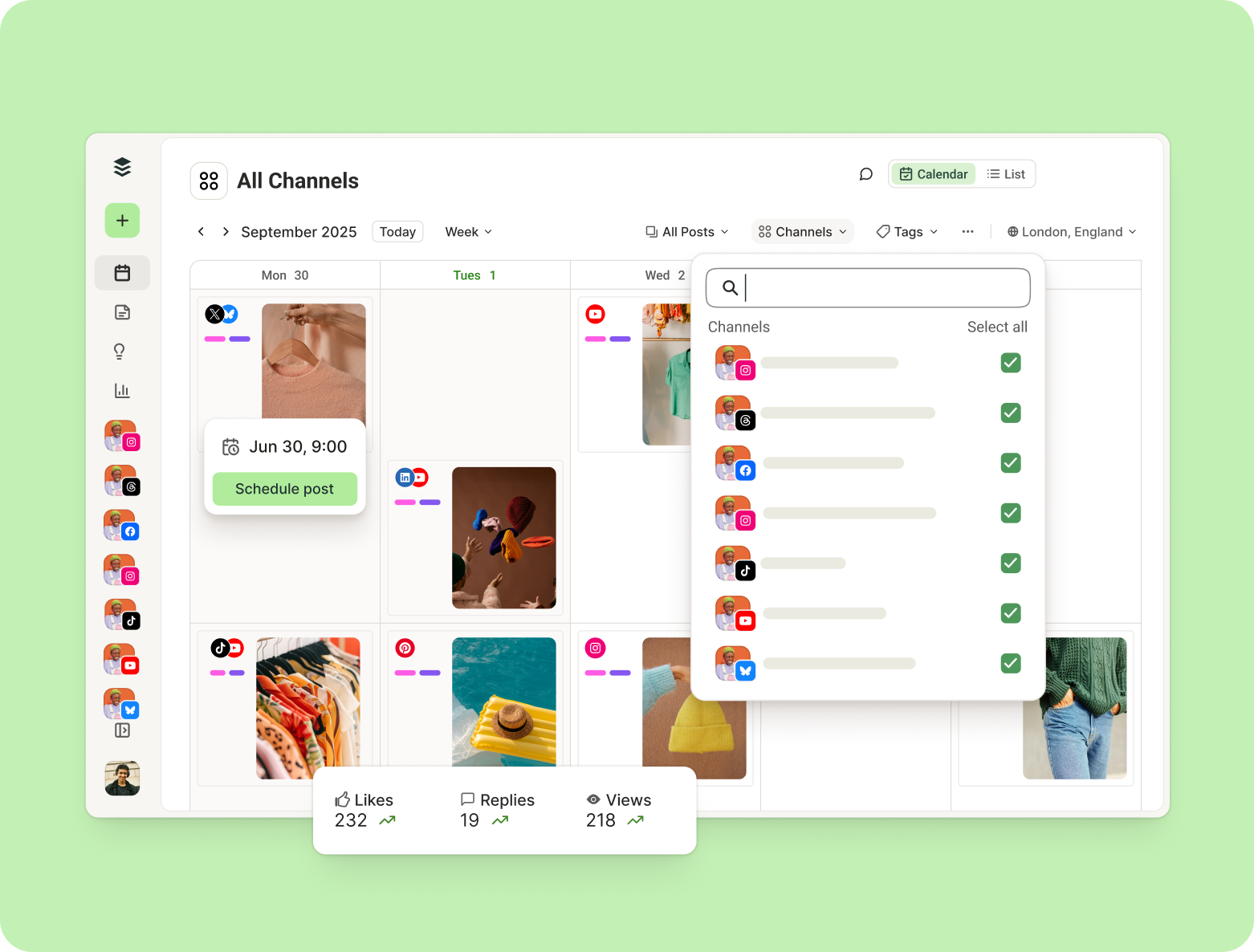
A comprehensive examination of content planning reveals a wide array of tools and methodologies. From dynamic scheduling software like Buffer to customizable spreadsheets in Google Sheets and visual workspaces in Notion and Canva, modern creators have access to diverse frameworks tailored to specific workflow preferences. Understanding how to select, customize, and execute these templates is essential for maximizing digital reach and engagement in an increasingly saturated online marketplace.
The Anatomy and Evolution of Digital Content Planning
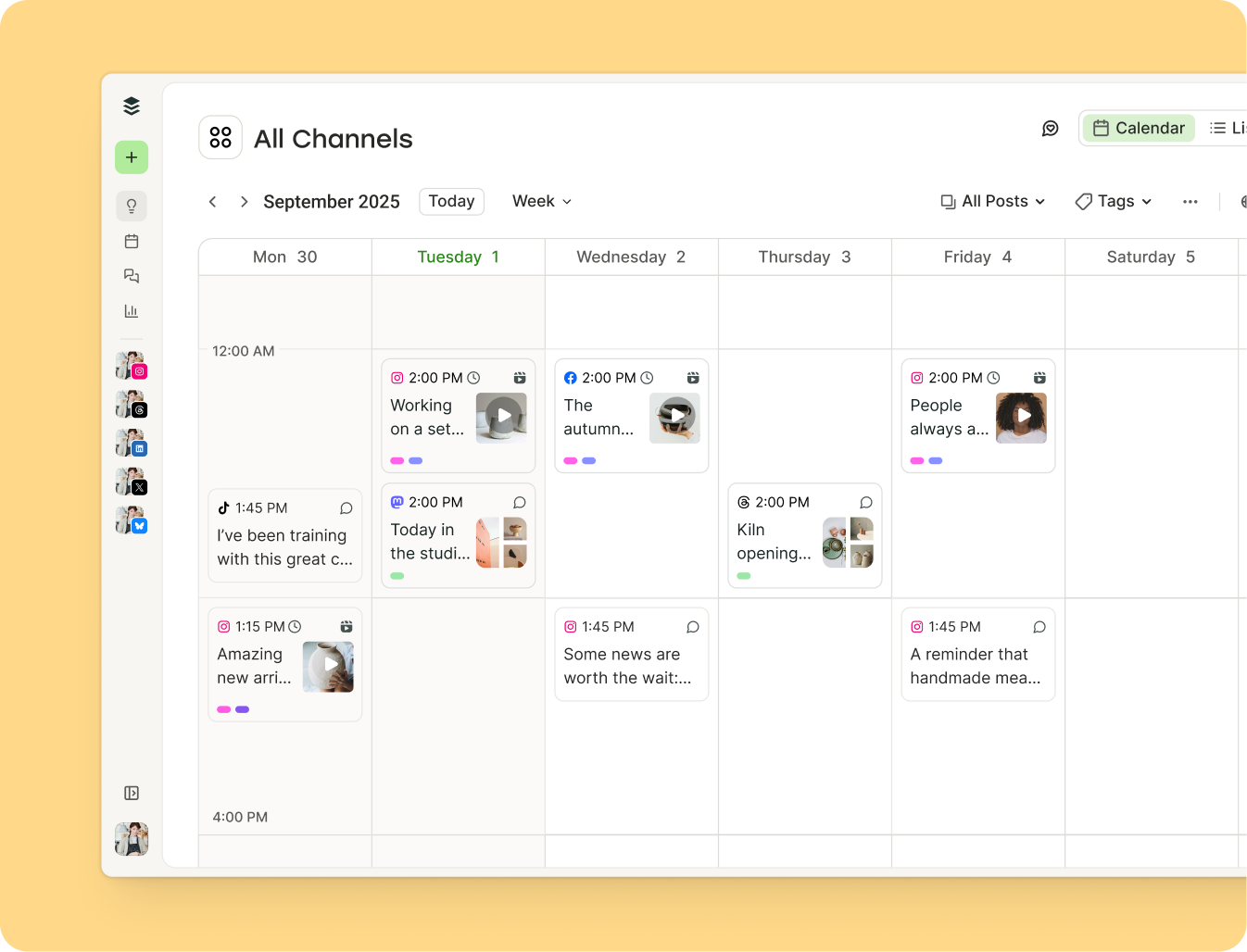
Historically, social media management involved manual, day-of publishing, requiring marketers to log into individual platforms multiple times a day. As social media matured into a primary driver of customer acquisition and brand equity, the demand for sophisticated organizational tools surged. The evolution from paper planners to cloud-based spreadsheets and automated publishing dashboards reflects the growing complexity of cross-platform marketing.
Modern content calendars typically serve multiple functions: they act as idea repositories, editorial guidelines, scheduling queues, and analytical trackers. Industry data consistently indicates that accounts posting with a predictable, strategic cadence achieve significantly higher algorithmic visibility than those publishing sporadically. Consequently, content calendars have transitioned from optional organizational aids to indispensable infrastructure for digital enterprises.
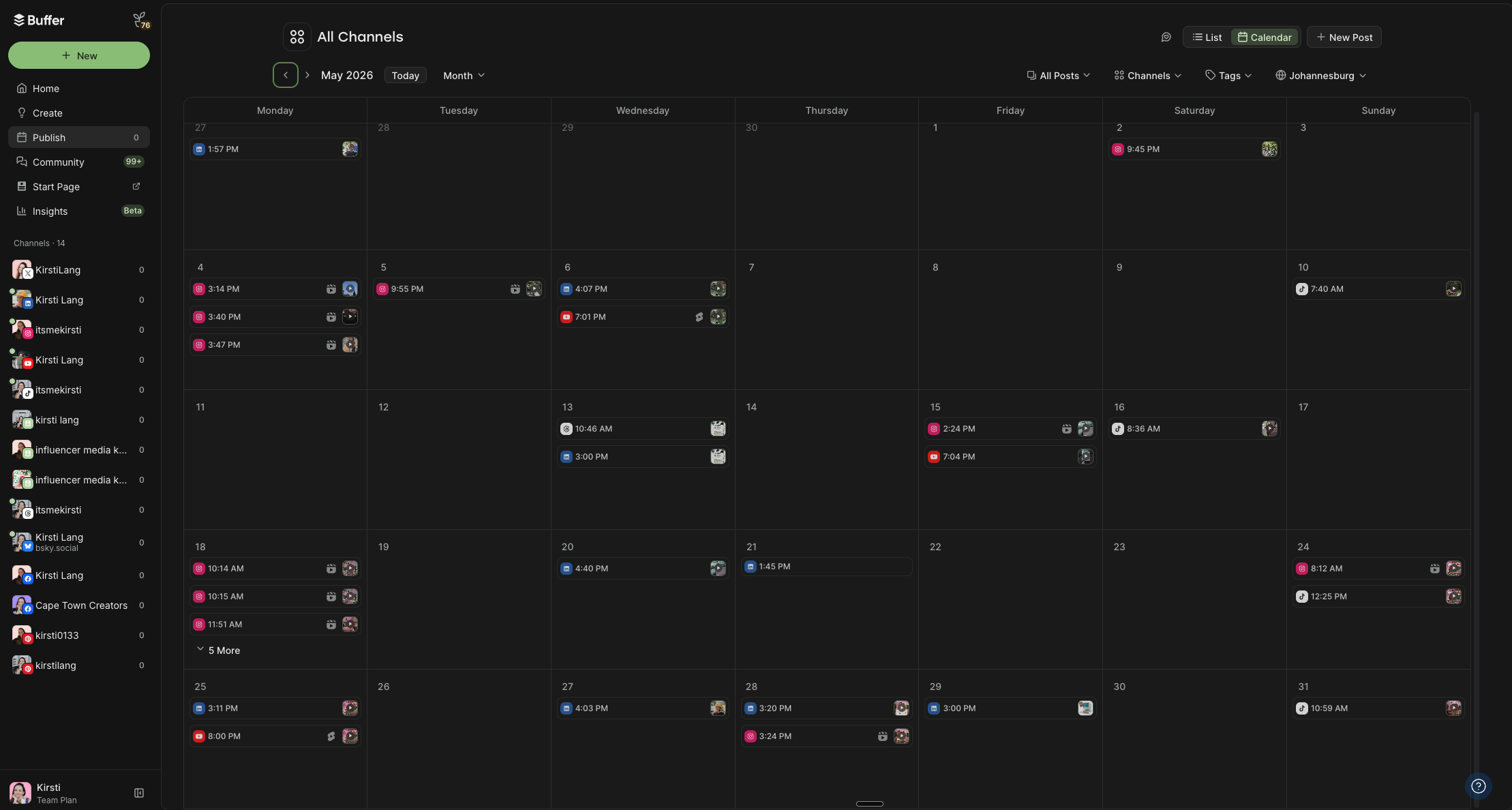
Comprehensive Overview of Available Templates and Formats
To accommodate diverse working styles, industry experts have developed an array of free templates spanning several distinct technological formats. Each format addresses specific operational needs, ranging from simple visual layouts to advanced automated systems.
-
Buffer Social Media Calendar and Scheduling Tool
Designed for seamless planning and execution, Buffer offers a unified dashboard featuring weekly and monthly calendar views. Unlike static templates, it features drag-and-drop functionality that enables real-time rescheduling. Furthermore, it represents the primary tool on the market that automatically publishes content across major networks—including Facebook, Instagram, TikTok, YouTube, LinkedIn, X, Pinterest, Threads, Bluesky, Mastodon, and Google Business Profile—eliminating the need for manual posting. -
Best Times to Post PDF Calendar
Derived from empirical data analyzing millions of social media posts, this downloadable PDF pinpoints peak engagement windows for major platforms. It assists marketers in aligning their publishing schedules with audience activity peaks to maximize initial reach.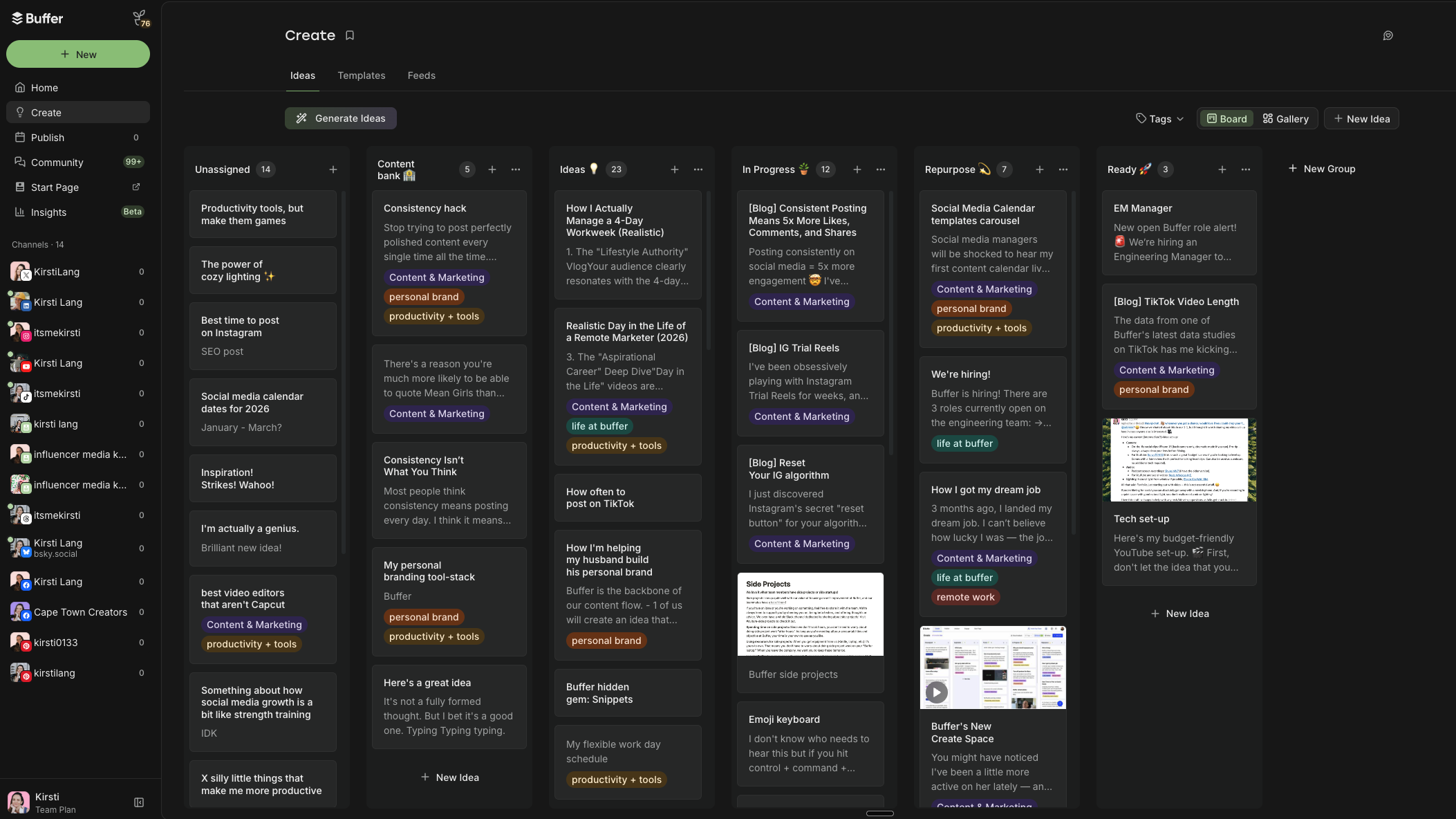
-
Simple Weekly and Monthly PDF Calendars
For individuals seeking low-friction, offline, or minimalist planning methods, standard weekly and monthly PDF layouts offer clean grids for mapping out broad publishing goals and thematic priorities at a glance. -
Canva Visual Customization Templates
Bridging the gap between structure and aesthetics, Canva-integrated templates allow users to visually customize weekly and monthly calendars. These templates appeal to creative teams prioritizing brand colors, typography, and visual harmony in their planning documents.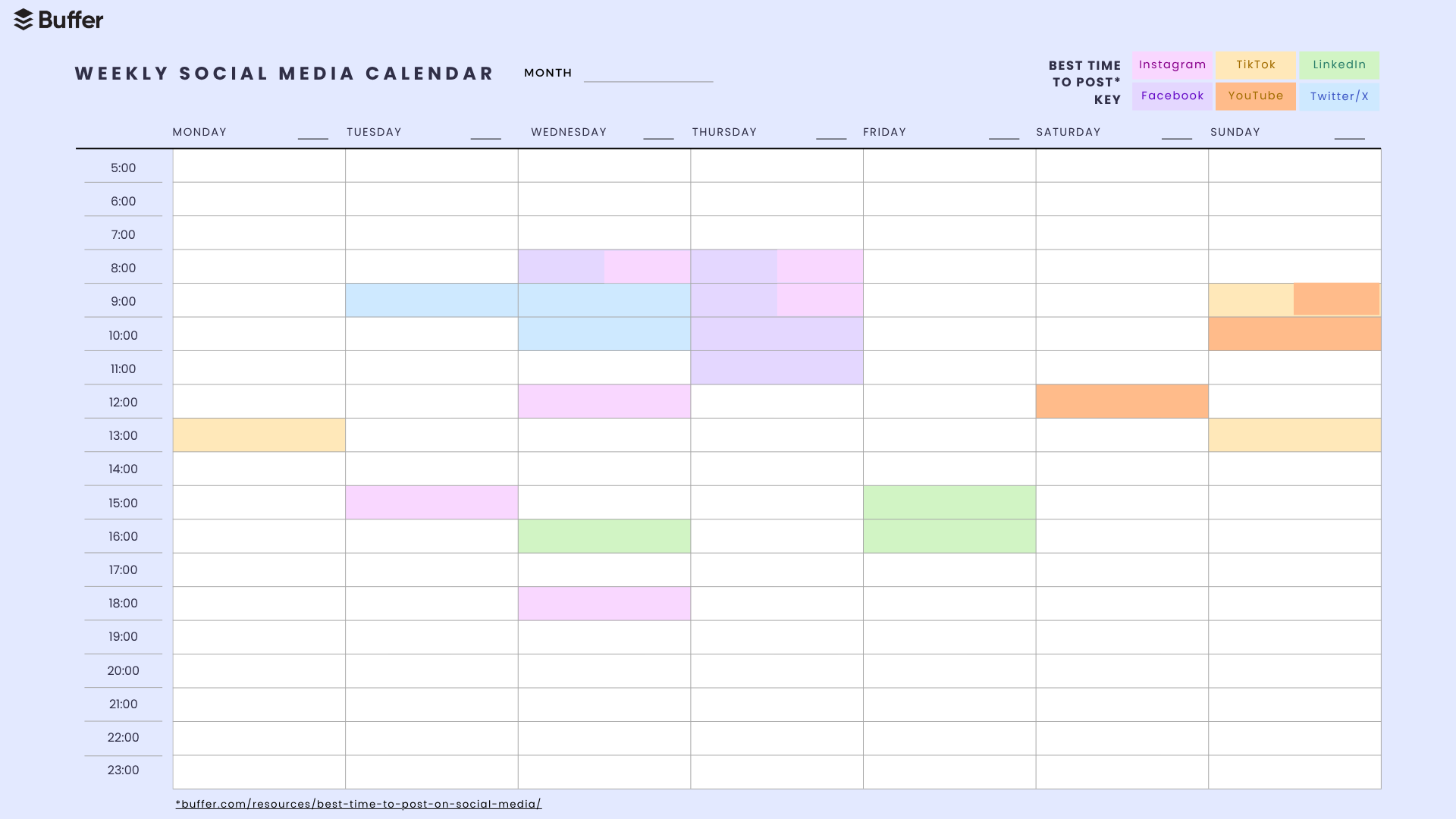
-
Notion Flexible Workspace Calendars
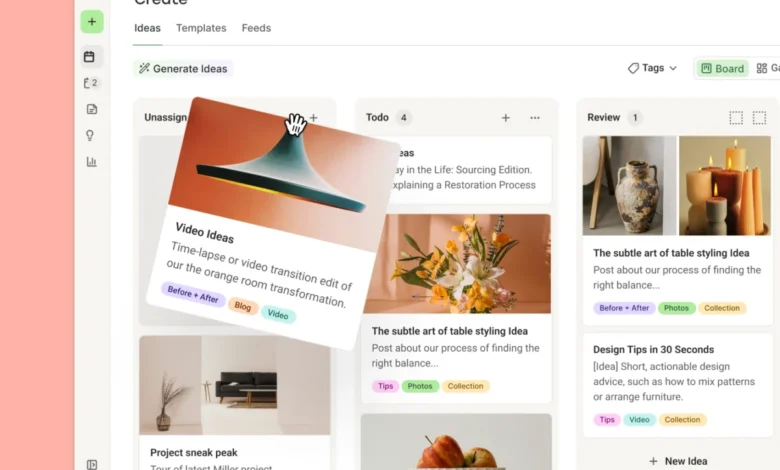
Notion provides a modular environment capable of housing rich-text captions, media assets, and multiple database views—including lists, tables, Kanban boards, and Gantt charts. This format excels in supporting holistic digital marketing campaigns encompassing blogs, newsletters, and multi-channel social initiatives. -
Google Sheets and Excel Spreadsheet Calendars
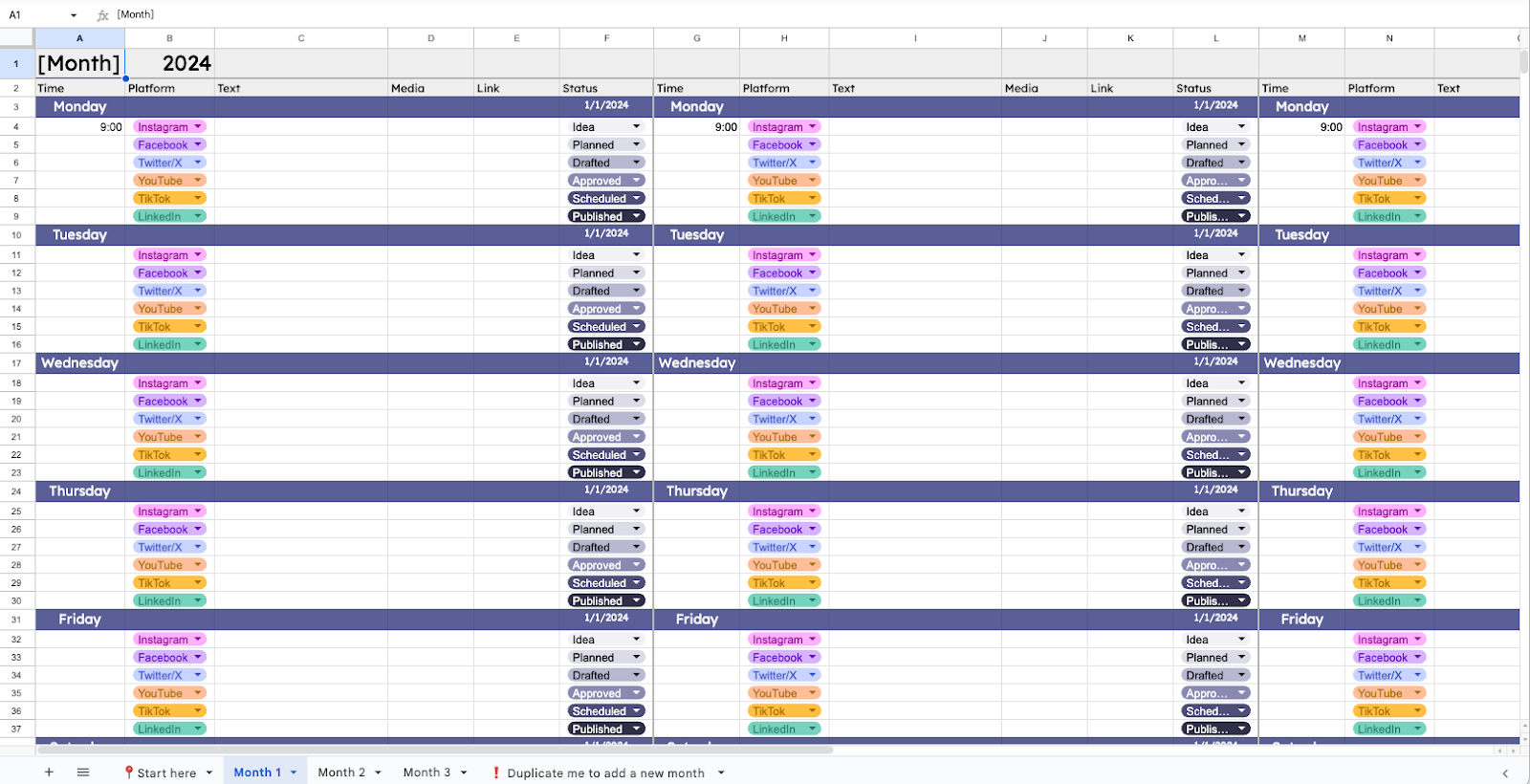
Cloud-based spreadsheets remain a favorite among data-driven marketers due to their infinite customizability. Google Sheets templates allow teams to color-code content pillars, track approval workflows, and store complete post copy within a familiar tabular interface.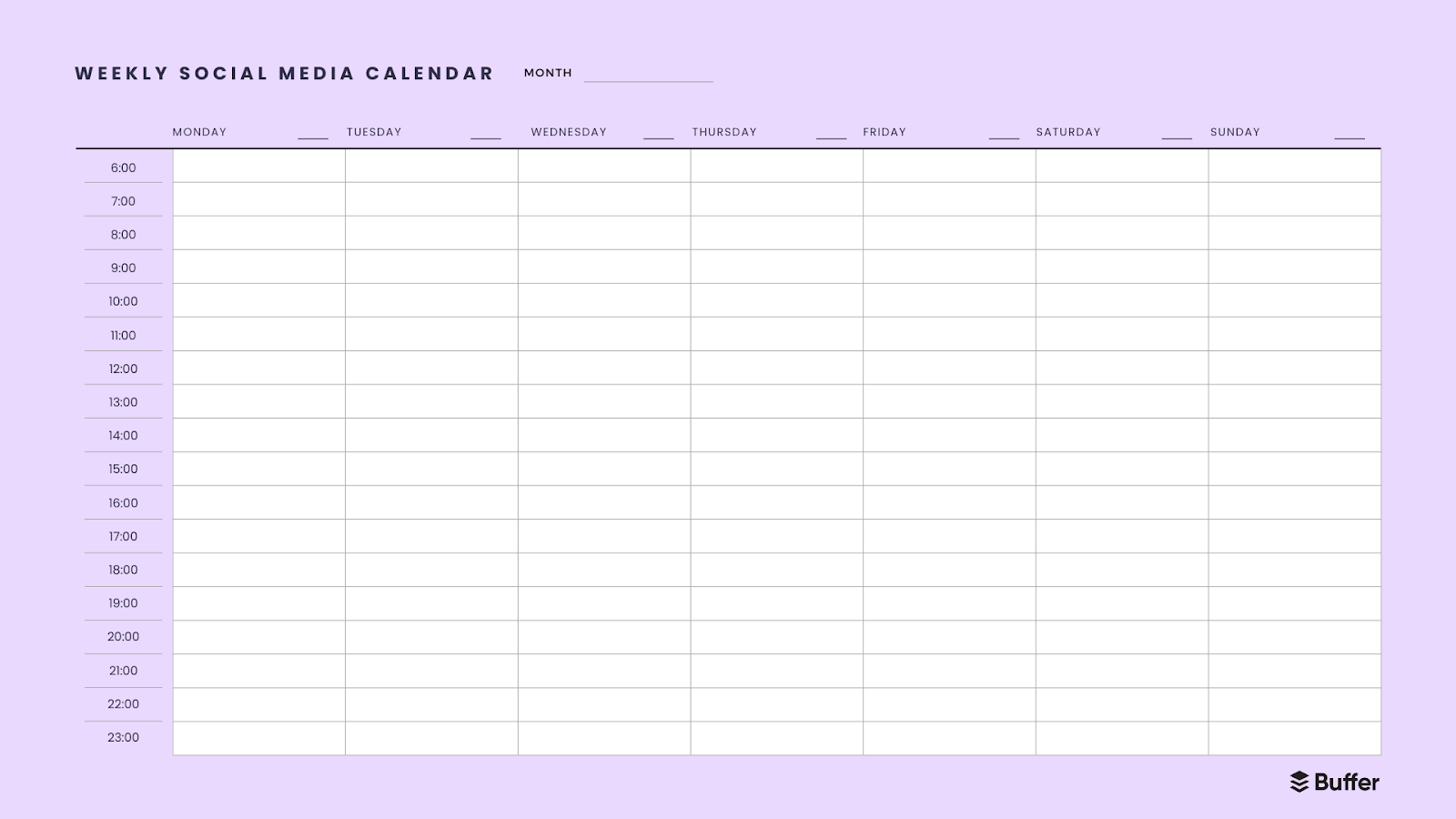
-
Community-Sourced and AI-Integrated Frameworks
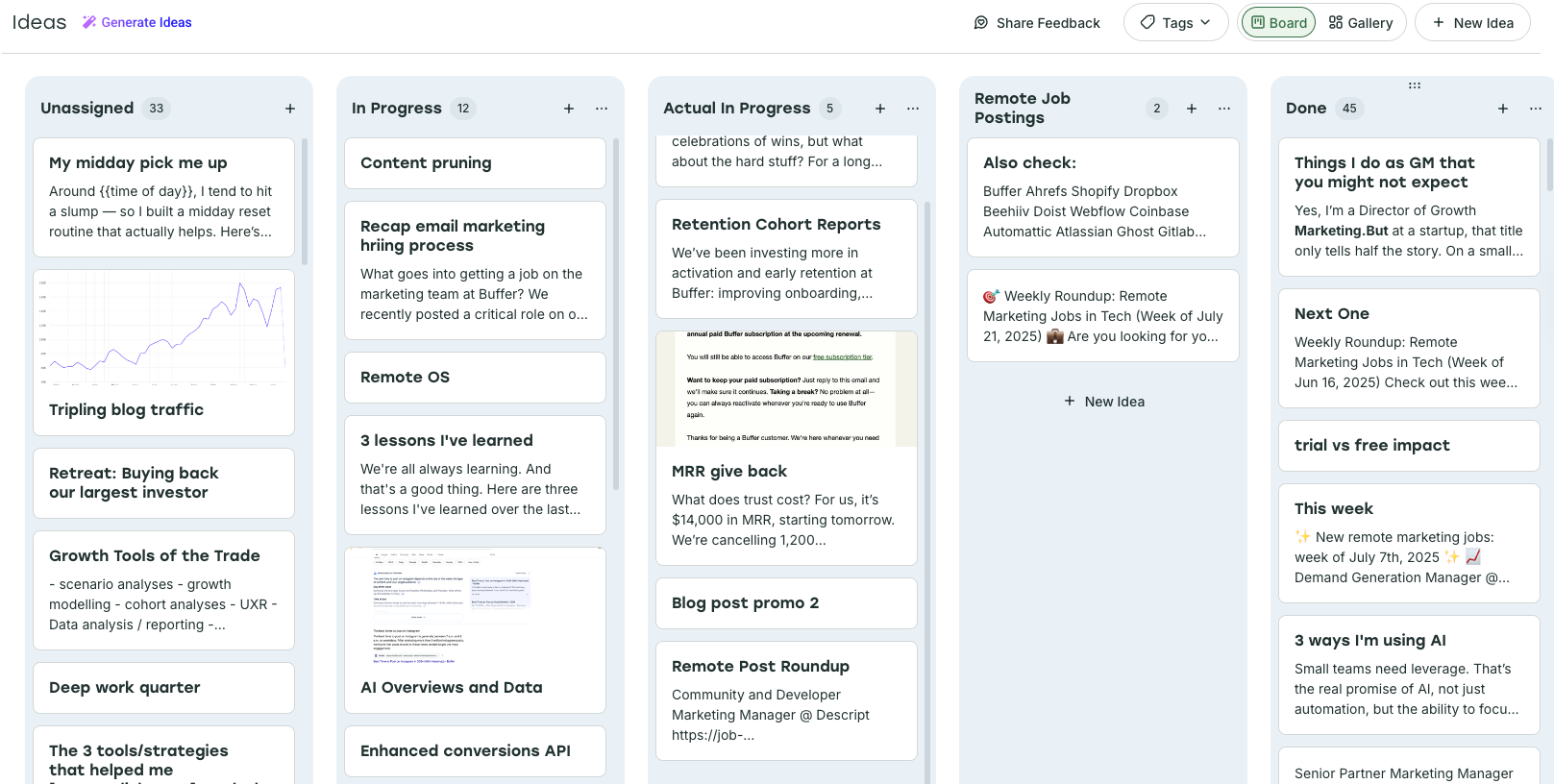
Innovative approaches developed by industry practitioners include Kanban-style workflows tailored for content pillar organization, AI-prompted email delivery systems that send daily content prompts directly to an inbox, and single-platform consistency trackers designed to build sustainable daily publishing habits.
Step-by-Step Methodology for Building a Custom Calendar from Scratch
For organizations or creators whose unique workflows demand a bespoke solution, constructing a content calendar from the ground up involves eight fundamental phases:
-
Define Strategic Objectives
Before implementing any tool, marketers must establish clear goals, identify target demographic segments, and outline core content pillars. Aligning the calendar with broader business objectives ensures that every published post serves a measurable purpose.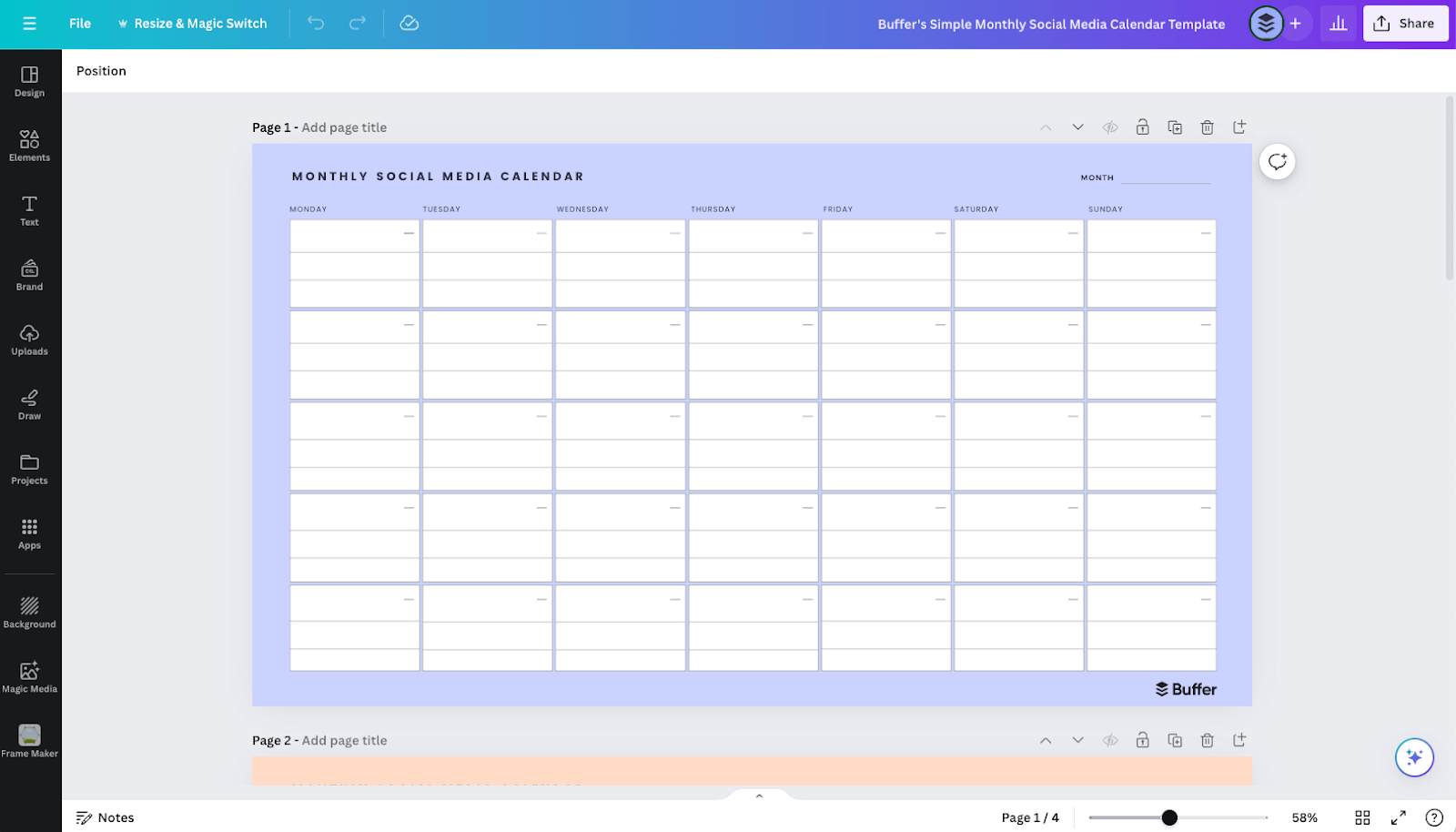
-
Select the Appropriate Tool
The most effective calendar is the one an organization will consistently maintain. Whether choosing a robust scheduler, a collaborative workspace, or a simple spreadsheet, the platform should match the team’s technical proficiency and daily habits. -
Establish a Realistic Cadence
Consistency supersedes frequency. Selecting a sustainable publishing schedule—such as three well-crafted posts per week rather than seven unsustainable daily updates—prevents team exhaustion and maintains audience interest over the long term.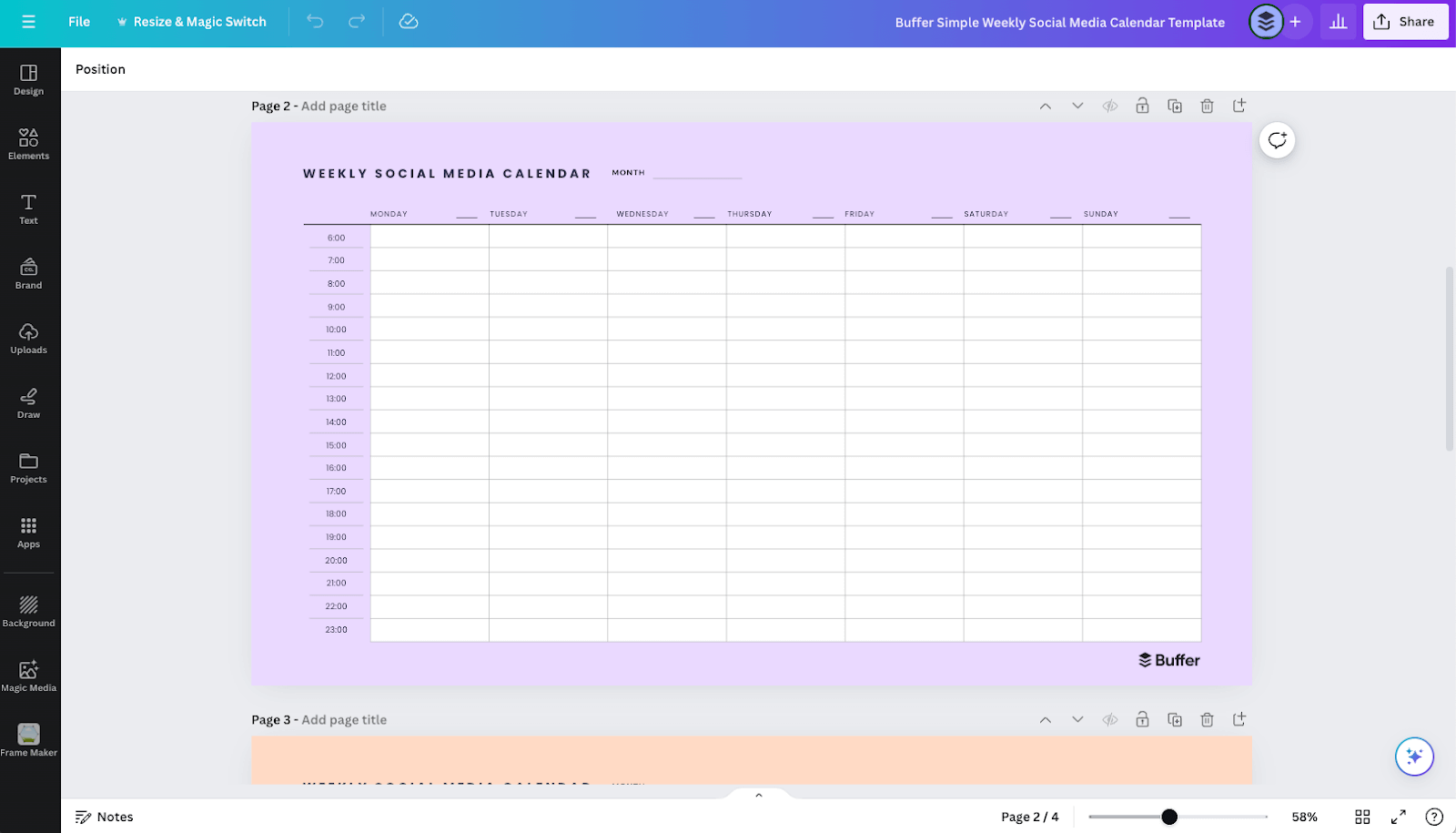
-
Build the Publishing Skeleton
Establishing predefined posting slots or weekly queues helps operationalize the content strategy. By designating specific times for specific platforms, creators create a reliable framework that guides execution. -
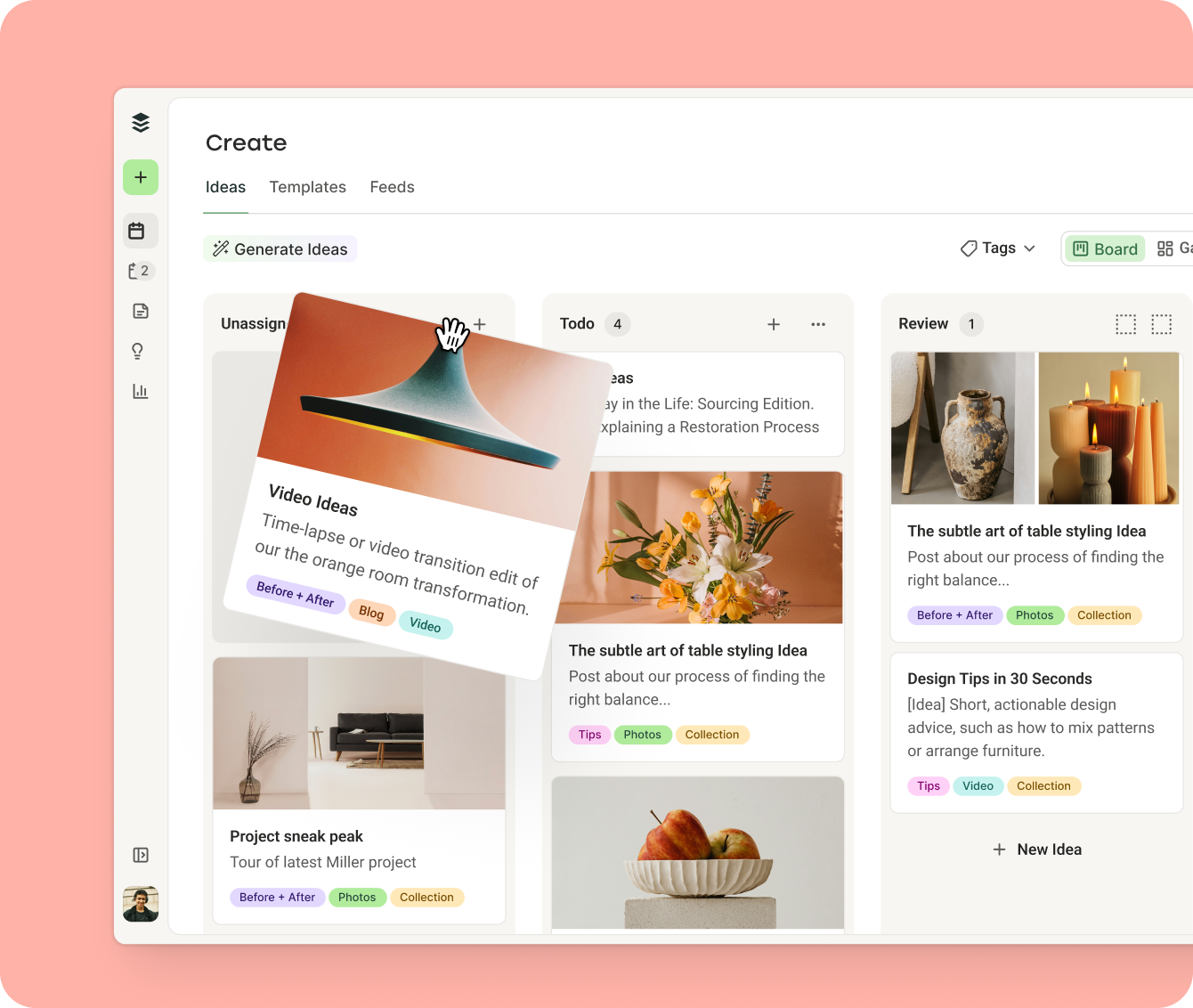
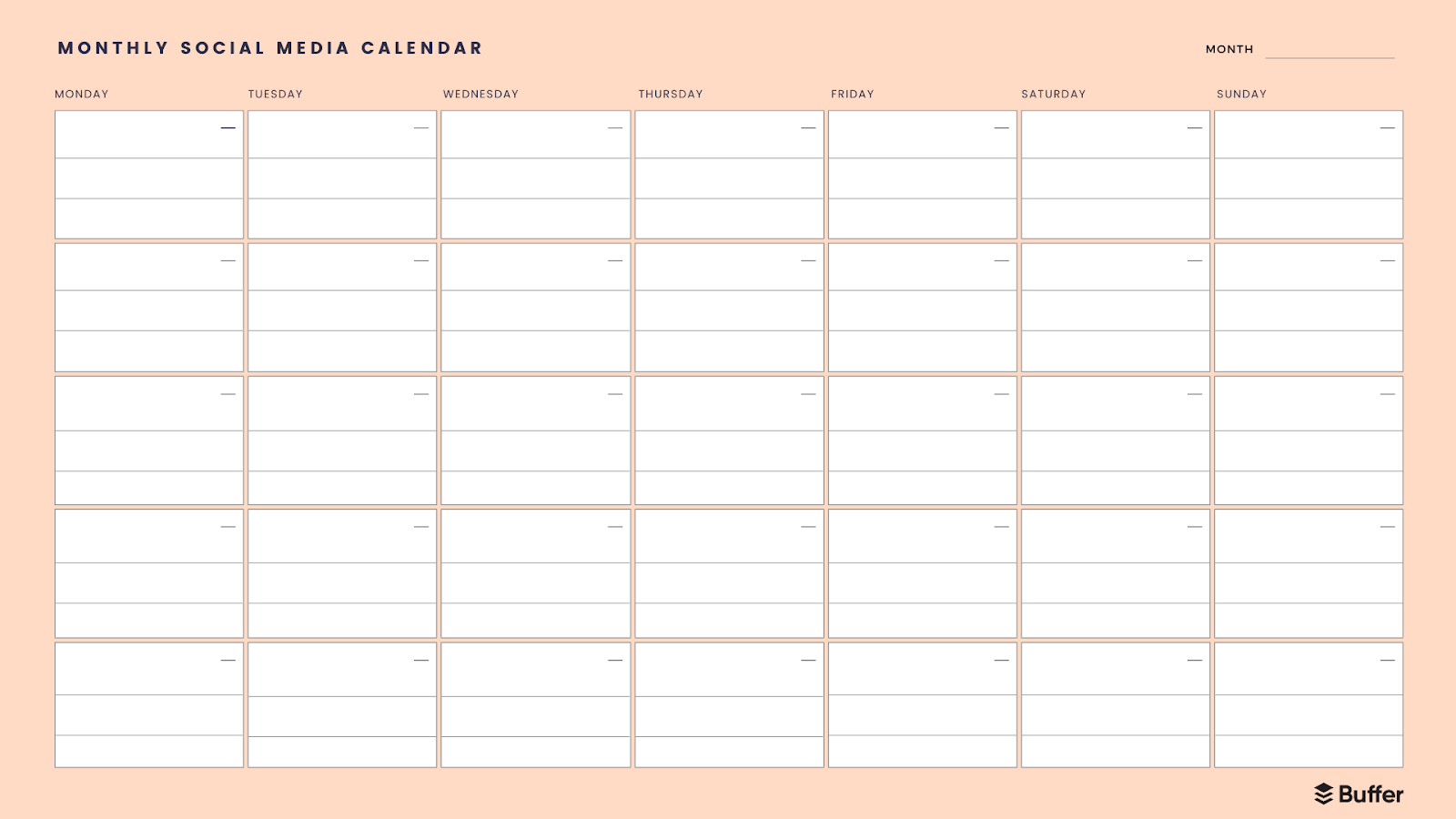
Centralize Content Ideation
A successful calendar relies on a steady stream of ideas. Utilizing dedicated brainstorming hubs allows creators to capture rough concepts, product launch reminders, and spontaneous inspirations without immediate pressure to finalize the design or copy.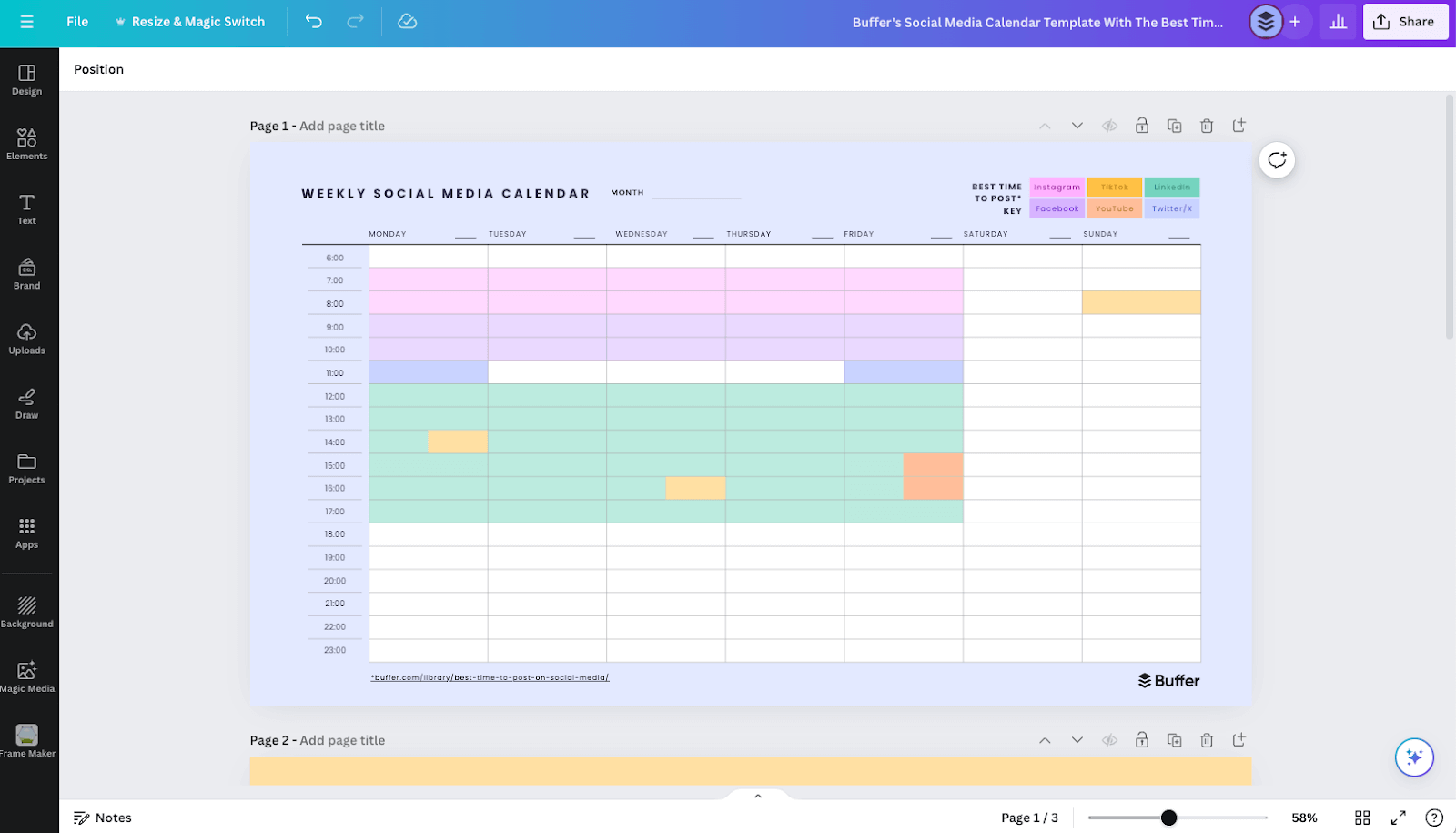
-
Implement Organizational Tagging
Categorizing posts by format, content pillar, campaign, or status using color-coded tags or labels provides instant visual clarity. This practice helps identify content imbalances—such as an over-reliance on promotional material—before publication. -
Execute and Schedule
Once ideas are vetted and categorized, they are transferred into the publishing queue. Tailoring the copy to the nuances of each specific network maximizes the resonance of the message.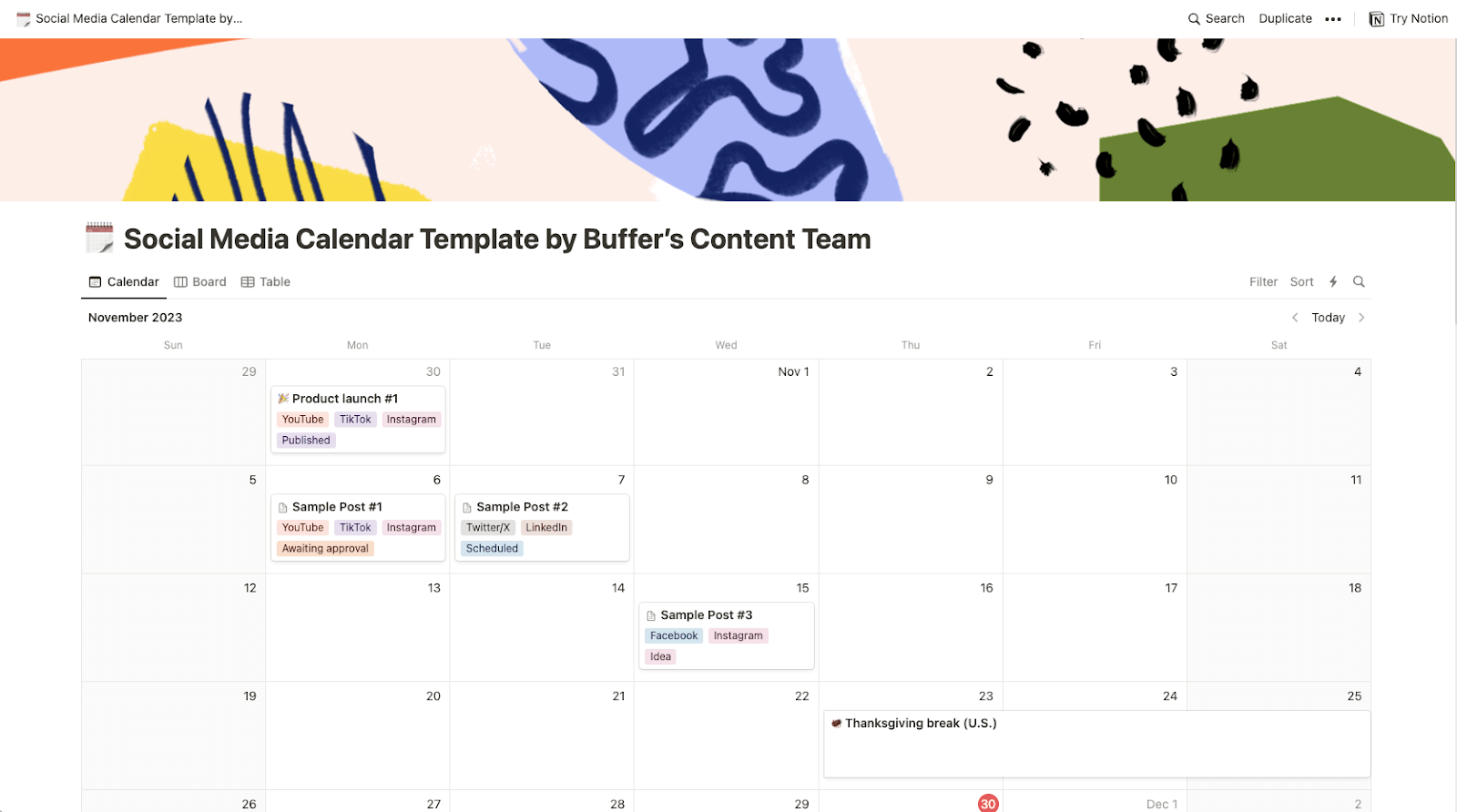
-
Review Analytics and Iterate
Content calendars are dynamic documents subject to continuous refinement. Regularly analyzing performance metrics—such as impressions, clicks, and engagement rates—allows marketers to double down on high-performing content types and adapt to shifting platform algorithms.
Broader Industry Implications and Future Outlook
The proliferation of advanced content planning tools underscores a broader trend in digital marketing: the shift toward operational efficiency and data-driven creativity. As social media algorithms continue to prioritize user retention, authenticity, and consistent value delivery, the margin for haphazard content creation narrows significantly.
Industry analysts note that the integration of artificial intelligence into scheduling software and ideation workflows will further streamline the content creation lifecycle. By automating routine administrative tasks—such as optimal time calculations and cross-platform formatting—marketers can redirect their focus toward strategic storytelling and community engagement.
Ultimately, whether utilizing pre-built templates or designing customized scheduling architectures, establishing a rigorous content calendar remains a cornerstone of professional digital communication. By bridging the gap between strategic vision and daily execution, organizations can navigate the complexities of the modern media landscape with confidence and clarity.
Related posts: