The month of July has yielded an unprecedented wave of specialized developer tooling, infrastructure components, and design systems, shifting the industry standard further into the realm of AI-agent orchestration and high-performance compilation. As engineering teams grapple with the complexities of managing multi-agent environments, self-hosted infrastructure, and optimized deployment pipelines, a distinct ecosystem of solutions has emerged to address these modern software development life cycle challenges.
An exhaustive analysis of this month’s releases reveals a strong emphasis on reducing operational bloat. From static PHP compilers that bypass the Zend Engine entirely to robust terminal file transfer utilities and native macOS database clients, the July software catalog prioritizes execution speed, minimalism, and data sovereignty.
AI Agent Orchestration, Benchmarking, and Codebases
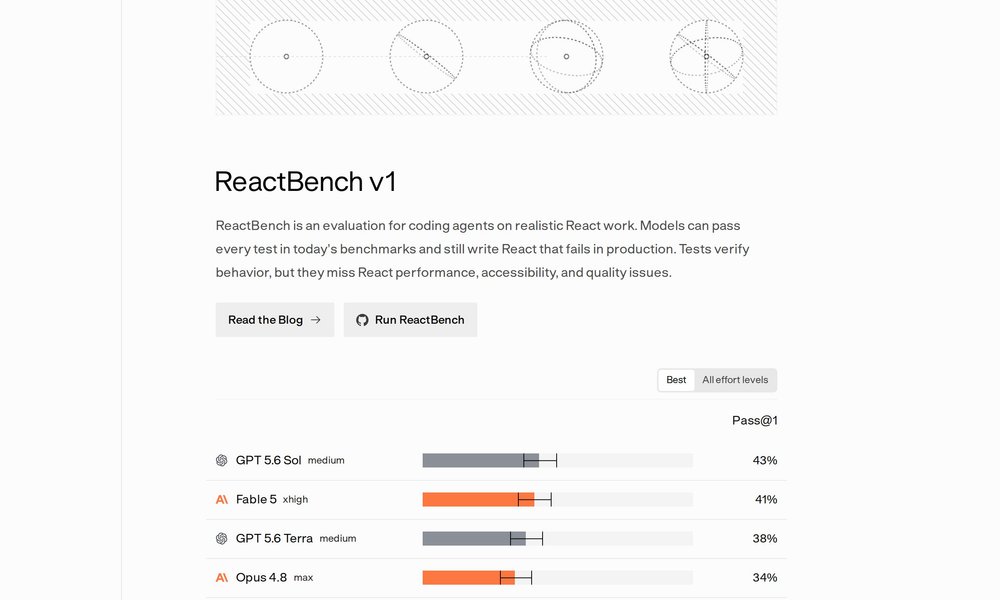
The proliferation of autonomous coding agents has created an urgent need for specialized testing frameworks and visualization tools. Chief among these is ReactBench, an evaluation platform explicitly designed to measure coding agents on real-world React engineering tasks. Moving beyond simplistic unit test pass rates, ReactBench evaluates models on performance, design system accessibility, and component quality. This rigorous approach offers engineering leads a transparent leaderboard to determine which large language models consistently ship production-ready frontend code.
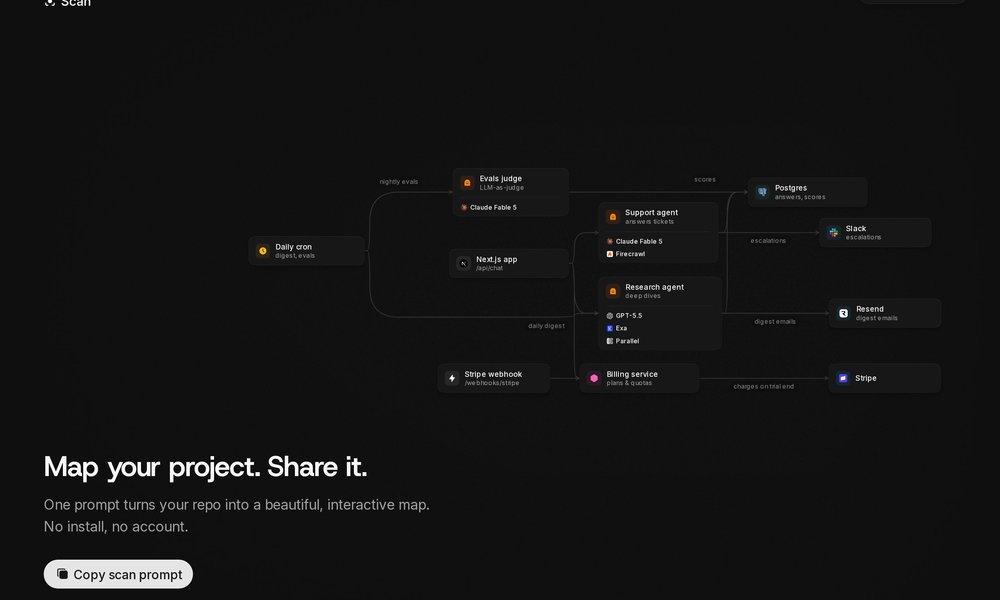
To assist developers in navigating unfamiliar repositories, Foglamp Scan provides zero-setup architectural mapping. Triggered via a simple prompt to a coding agent, the utility visualizes project structures without requiring local installations or user accounts, significantly reducing onboarding friction for legacy codebases.
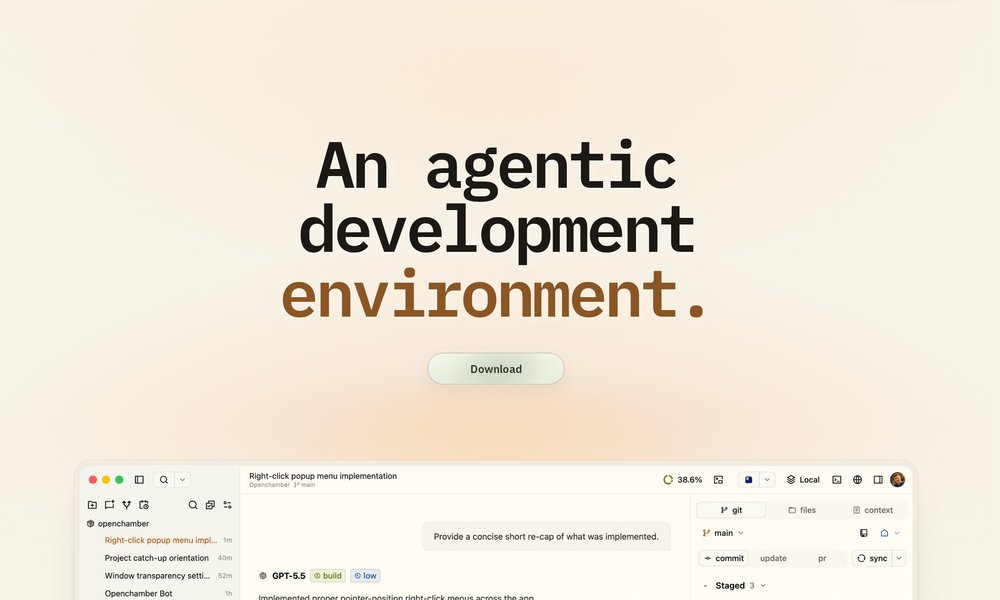
Managing the output of these agents has also become a focal point. OpenChamber enters the market as an agentic development environment supporting macOS, Windows, and web browsers. It allows developers to run parallel multi-model workflows using its native Agent Manager, secure remote tunnel access, and test a mobile application counterpart currently in beta. Similarly, Open Design bridges the gap between raw code and design generation, acting as an open-source alternative to proprietary solutions. Operating locally with an Apache-2.0 license, it turns coding assistants into layout engines that integrate with 21 different coding agents and 151 design systems.
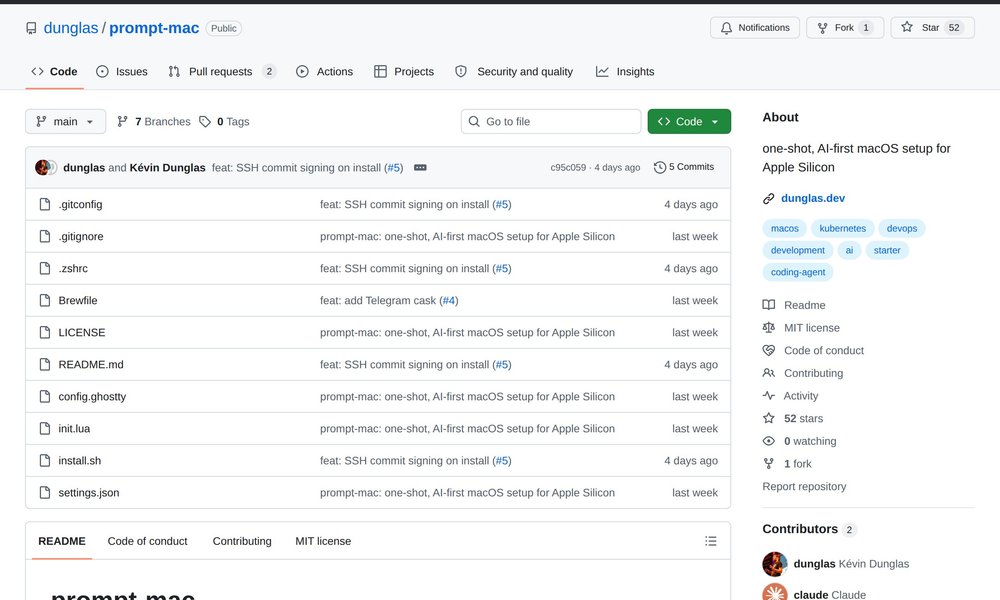
To curb the notorious verbosity of AI-generated code, the ponytail ruleset has gained traction. Benchmarks indicate that integrating ponytail into configurations such as Claude Code reduces code volume by 54 percent without compromising safety parameters or execution logic. For rapid workstation provisioning, prompt-mac provides a one-shot, idempotent setup script executed via a single terminal command, configuring CLI tools, editors, and dependencies explicitly optimized for agent-first workflows.
Modernizing Developer Workstations and PHP Infrastructure
Backend infrastructure and local development environments have experienced a parallel modernization phase, led by innovations in PHP compilation and stack management.
Most notably, elephc introduces a static compiler that translates a subset of PHP directly into native assembly. By completely removing the interpreter, virtual machine, and the Zend Engine, elephc generates standalone binaries paired with a prefork HTTP server. Featuring over 400 built-in functions and robust test coverage, the tool enables developers to ship performant PHP codebases without provisioning a traditional runtime environment.
For local orchestration, Yerd offers a native desktop application for macOS and Linux that manages multi-version PHP stacks, automatic .test HTTPS domains, and relational databases like MySQL and PostgreSQL. Eschewing resource-intensive containerization engines, Yerd operates as a lightweight 8-megabyte daemon, presenting a streamlined alternative to existing solutions like Laravel Herd.
Database administration has likewise been streamlined through TablePro, a native client for macOS and iOS that supports over 21 distinct database engines, including Redis, MongoDB, and SQLite. Featuring a built-in SQL editor with Vim mode, AI-assisted querying, and iCloud synchronization, it caters to engineers managing heterogeneous data architectures.
Self-Hosted Infrastructure, Identity, and Cloud Utilities
With organizations increasingly migrating away from centralized third-party SaaS dependencies, July’s releases strongly favor self-hosted architectures, particularly concerning identity management and communication workflows.
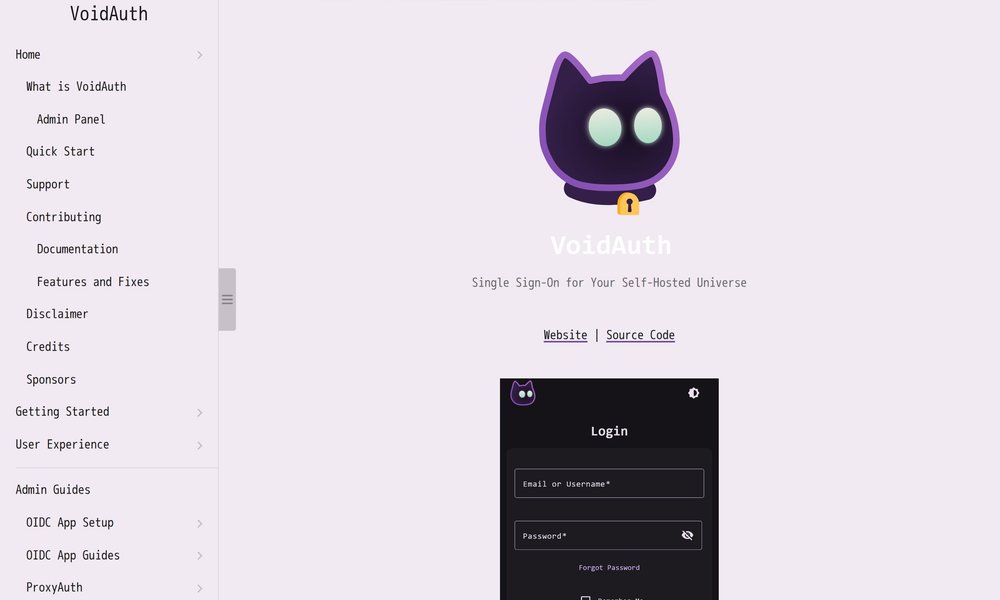
VoidAuth addresses the operational friction of securing multiple self-hosted services by providing an open-source Single Sign-On (SSO) solution. Supporting OpenID Connect, Lightweight Directory Access Protocol (LDAP), passkeys, and multi-factor authentication, it runs on PostgreSQL or SQLite with built-in encryption at rest.
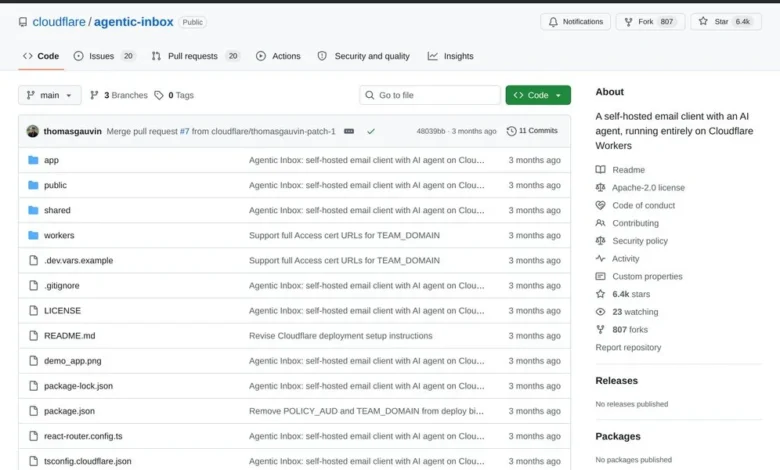
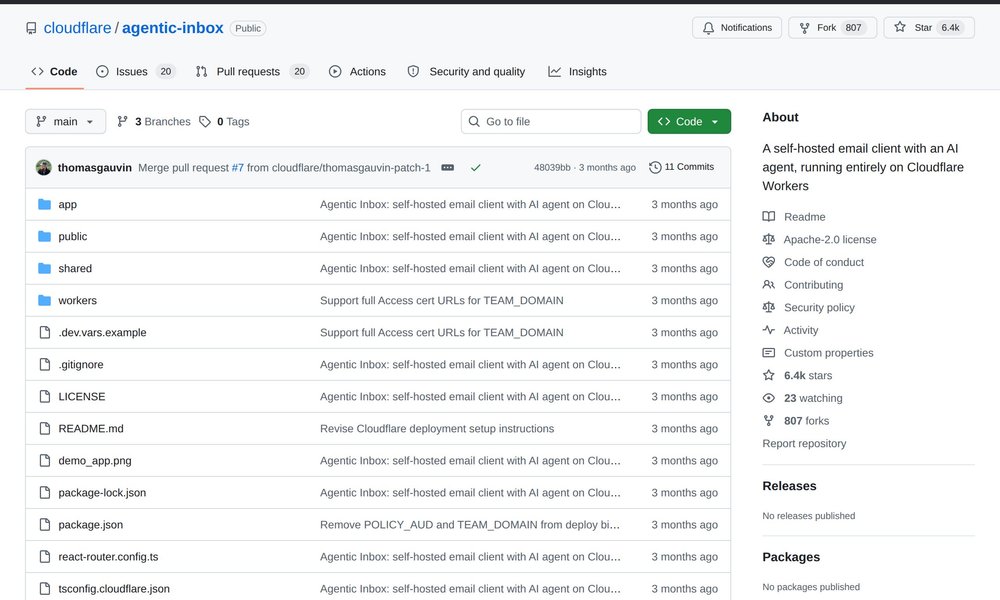
Complementing identity management, Cloudflare Agentic Inbox reimagines email infrastructure by running entirely on Cloudflare Workers. Leveraging Email Routing, Durable Objects with SQLite storage, and R2 object storage for attachments, the self-hosted client deploys an autonomous AI agent capable of parsing message threads, searching archives, and drafting responses without the overhead of maintaining a traditional mail server.
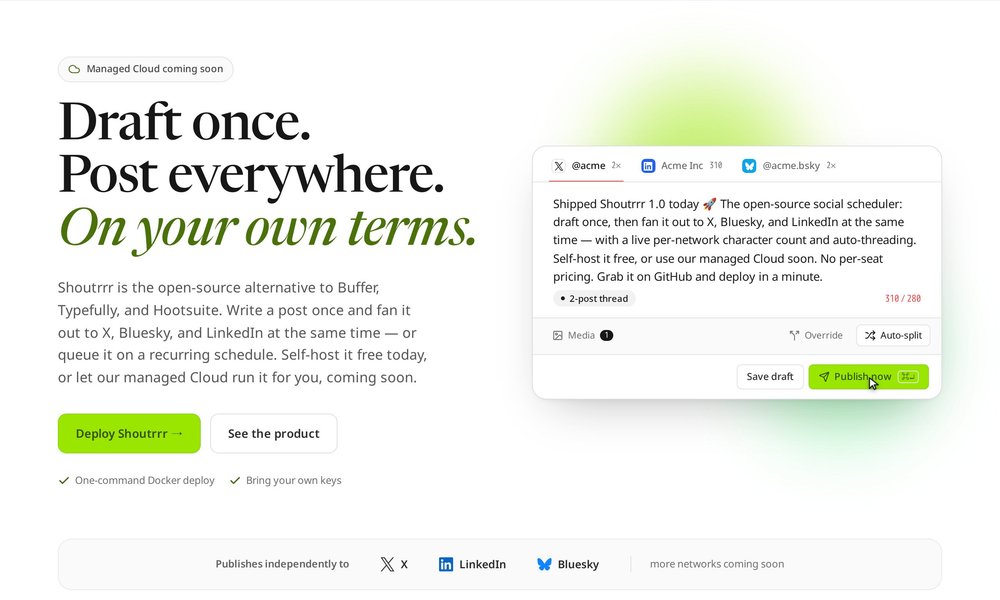
For social media distribution, Shoutrrr offers an open-source alternative to commercial scheduling platforms. Supporting cross-platform publication to X, Bluesky, and LinkedIn, it provides encrypted credential handling and team workspaces via Docker deployment or an upcoming managed cloud tier.
Advanced Version Control and File Transfer Utilities
Code review and deployment mechanisms have received notable workflow enhancements designed to minimize context switching.
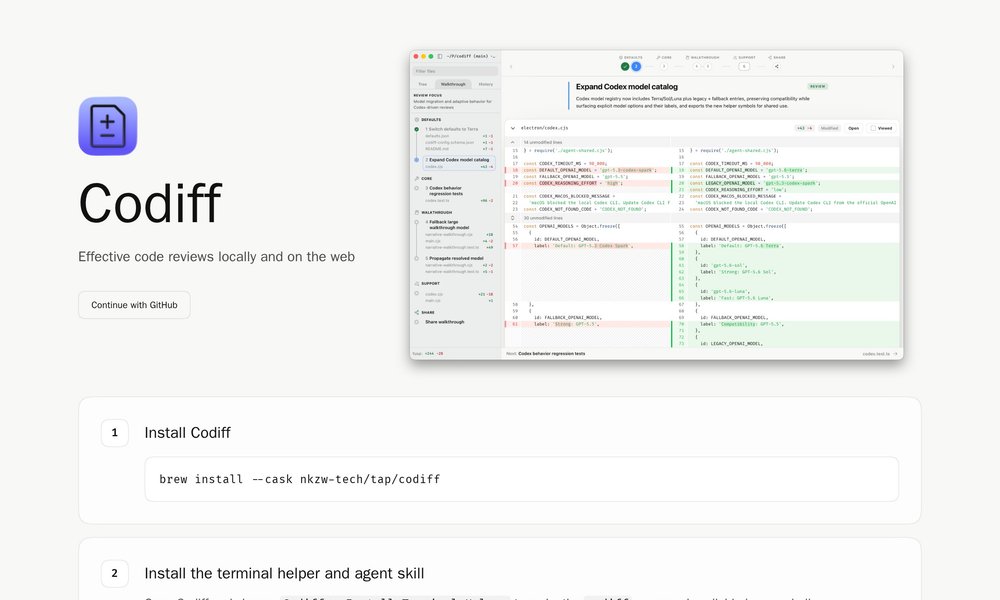
Codiff provides a fast, minimal Git diff viewer optimized for standalone code review. It generates LLM-powered explanations of code modifications, facilitates inline commenting for GitHub and GitLab integrations, and exports reviews into standard Markdown formats, serving as a rapid alternative to native web interfaces.
For containerization management on Apple Silicon hardware, Contained delivers a SwiftUI-based graphical user interface for Apple’s native Container CLI. Featuring compose file import capabilities and a fluid native aesthetic, it brings accessible container orchestration to macOS 26 environments.
Finally, infrastructure administrators managing diverse network protocols can utilize TermSCP, a terminal-based file transfer explorer written in Rust. Supporting Secure Copy Protocol (SCP), SFTP, FTP/S, Amazon S3, Kubernetes, Server Message Block (SMB), and WebDAV within a unified Terminal User Interface (TUI), it securely caches authentication credentials inside the host system’s native keychain.
Industry Implications and Broader Market Outlook
The rapid accumulation of developer tools prioritizing agentic workflows and edge computing highlights a structural shift in software engineering economics. As automated systems shoulder a larger share of boilerplate generation and code review, the bottleneck in software development is shifting from writing code to orchestrating, auditing, and securing decentralized environments.
The widespread adoption of lightweight compilers like elephc and localized agent frameworks indicates that developers are actively seeking autonomy from heavy cloud runtimes and proprietary ecosystems. This trend toward modularity, performance optimization, and self-hosted sovereignty is expected to define the trajectory of software development infrastructure for the remainder of the year.